

Dumbbell Forward Lunge Triceps Extension vs Dumbbell Incline Two Arm Extension: Complete Comparison
Dumbbell Forward Lunge Triceps Extension vs Dumbbell Incline Two Arm Extension — two intermediate dumbbell moves that both target the triceps but do so through very different mechanics. You’ll learn how each exercise loads the triceps (long, lateral, medial heads), which secondary muscles get involved, the equipment and space required, and practical programming suggestions (rep ranges, angles, and progression). Read on for clear technique cues, biomechanical reasoning (length-tension and force vectors), and direct recommendations based on hypertrophy, strength, beginner use, and home training.
Exercise Comparison
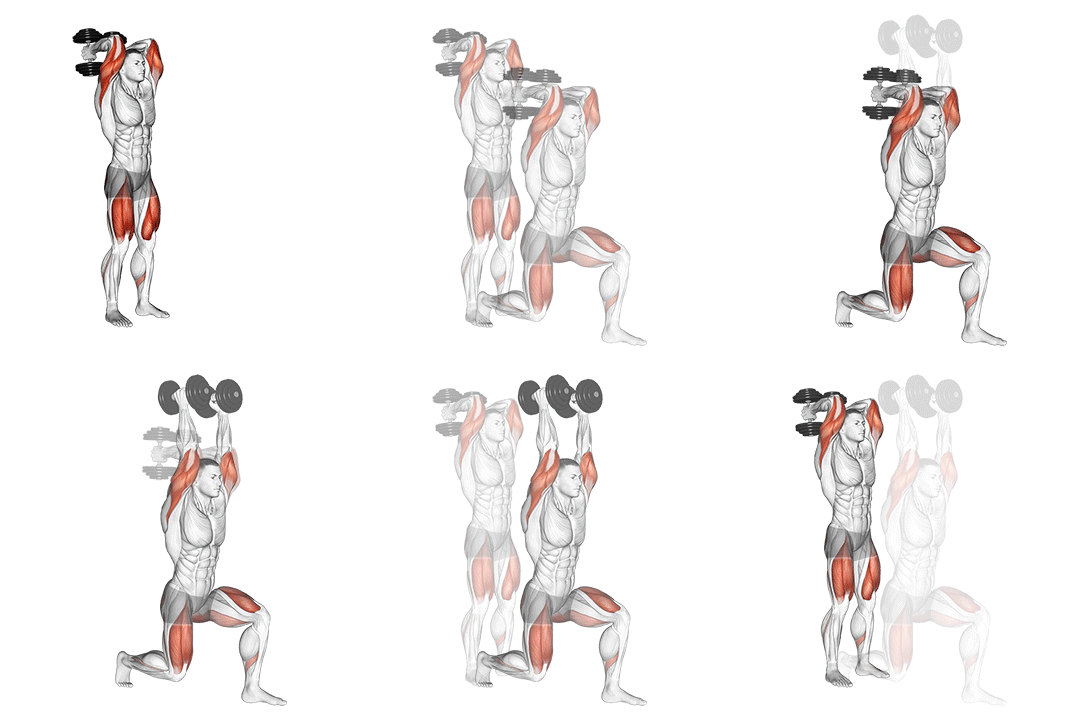
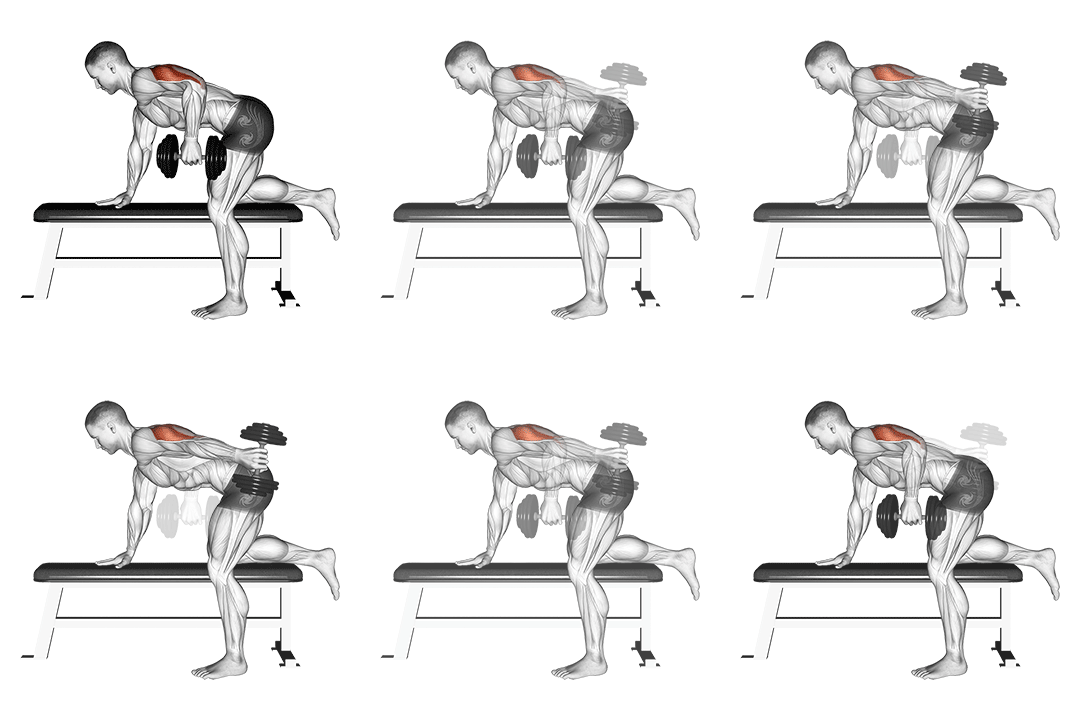
Dumbbell Forward Lunge Triceps Extension
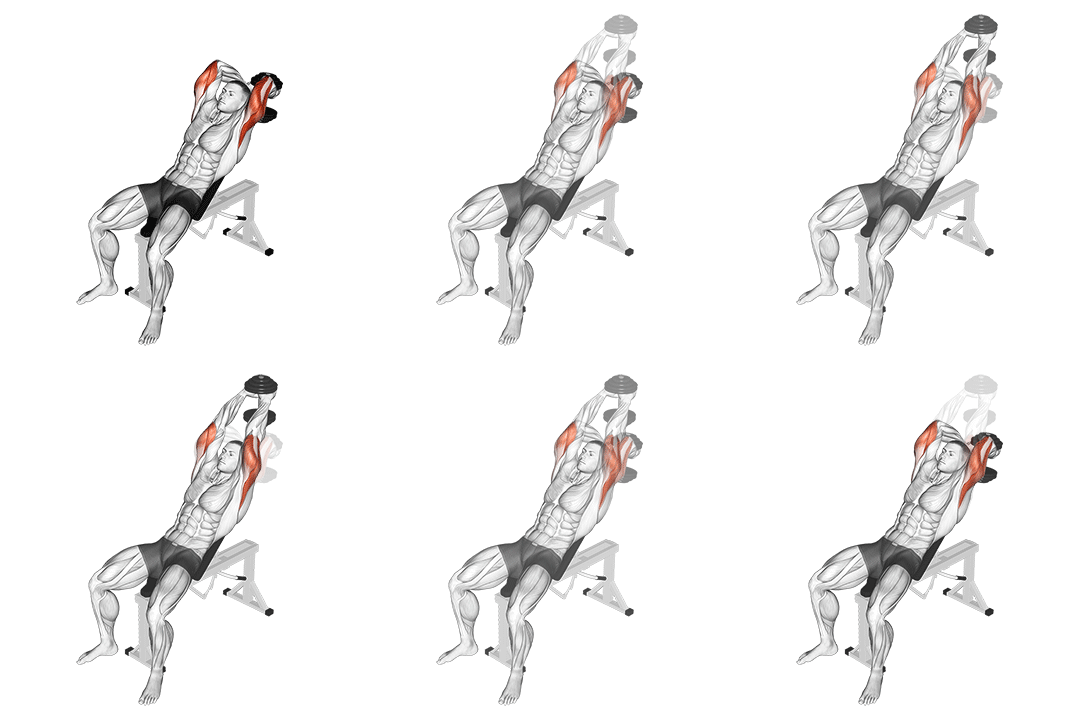
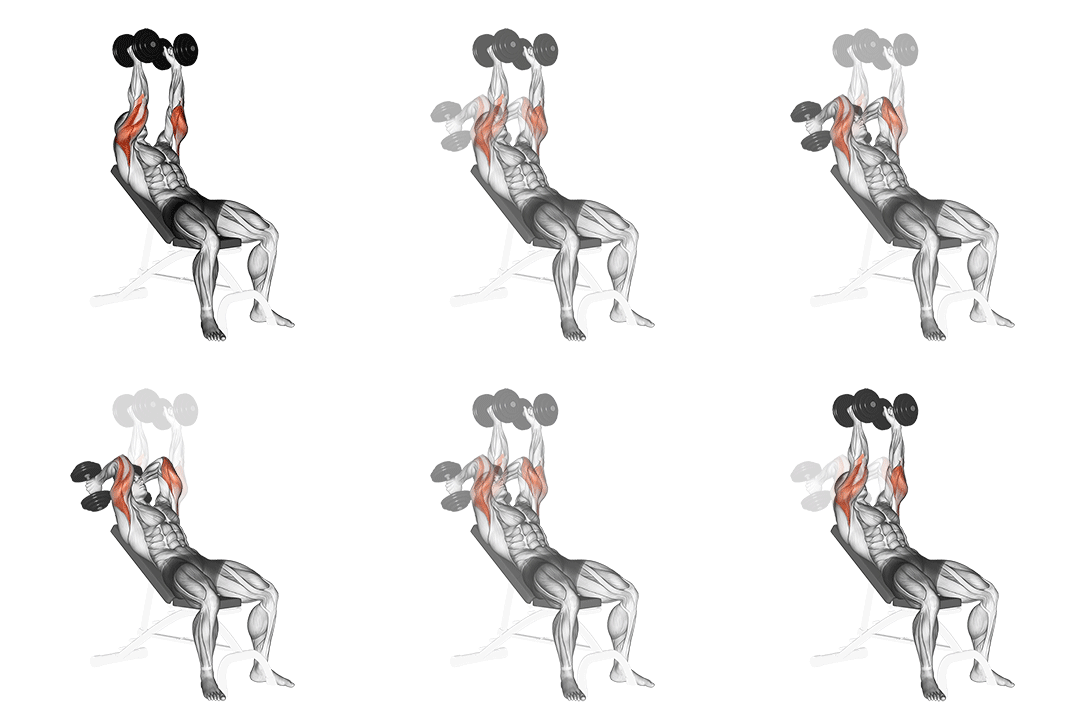
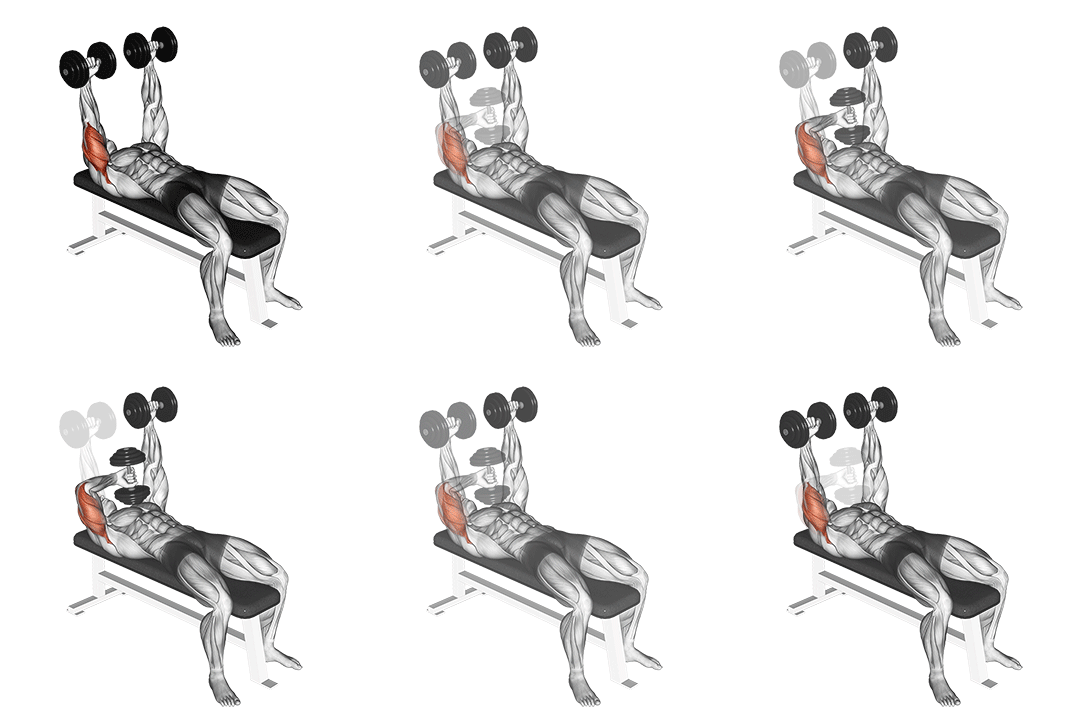
Dumbbell Incline Two Arm Extension
Head-to-Head Comparison
| Attribute | Dumbbell Forward Lunge Triceps Extension | Dumbbell Incline Two Arm Extension |
|---|---|---|
| Target Muscle |
Triceps
|
Triceps
|
| Body Part |
Upper-arms
|
Upper-arms
|
| Equipment |
Dumbbell
|
Dumbbell
|
| Difficulty |
Intermediate
|
Intermediate
|
| Movement Type |
Compound
|
Isolation
|
| Secondary Muscles |
2
|
1
|
Secondary Muscles Activated
Dumbbell Forward Lunge Triceps Extension
Dumbbell Incline Two Arm Extension
Visual Comparison
Overview
Dumbbell Forward Lunge Triceps Extension vs Dumbbell Incline Two Arm Extension — two intermediate dumbbell moves that both target the triceps but do so through very different mechanics. You’ll learn how each exercise loads the triceps (long, lateral, medial heads), which secondary muscles get involved, the equipment and space required, and practical programming suggestions (rep ranges, angles, and progression). Read on for clear technique cues, biomechanical reasoning (length-tension and force vectors), and direct recommendations based on hypertrophy, strength, beginner use, and home training.
Key Differences
- Dumbbell Forward Lunge Triceps Extension is a compound movement, while Dumbbell Incline Two Arm Extension is an isolation exercise.
- Both exercises target the Triceps using Dumbbell. The main differences are in their movement patterns and muscle activation angles.
Pros & Cons
Dumbbell Forward Lunge Triceps Extension
+ Pros
- Integrates triceps work with unilateral lower-body and core stabilization, improving functional strength
- Requires only dumbbells and space—high equipment accessibility
- Trains anti-rotational and anti-flexion core control alongside elbow extension
- Offers multiple progression options: step length, tempo, unilateral loading
− Cons
- More technically demanding—coordination and balance required
- Variable load on triceps due to movement dynamics reduces pure isolation
- Higher knee and low-back stress risk if technique breaks down
Dumbbell Incline Two Arm Extension
+ Pros
- Very focused triceps isolation, especially long-head emphasis at 30–45° incline
- Stable position allows heavier, more controlled loading for hypertrophy
- Simple technique—easy to cue elbow position and range of motion
- Low core and lower-body demand; repeatable set structure for progressive overload
− Cons
- Requires an adjustable bench, limiting accessibility in some home gyms
- Can place concentrated stress on the elbow joint and posterior shoulder if overloaded
- Less carryover to core or unilateral stability compared with compound options
When Each Exercise Wins
The incline setup places the long head on greater stretch and produces consistent loading across reps, which helps mechanical tension—aim 6–12 reps, 3–5 sets at 65–80% effort for optimal hypertrophy.
For overall functional upper-body strength and core integration, the lunge-extension trains force production under unstable conditions and allows heavier compound loading patterns that transfer to pressing strength.
The incline variation is simpler to learn and control: fixed back support, consistent elbow path, and easy feedback make it better for building base triceps strength and motor control.
Needing only one dumbbell and space, the lunge-extension fits minimal-equipment setups and trains multiple systems (legs, core, arms) in one movement.
Frequently Asked Questions
Can I do both Dumbbell Forward Lunge Triceps Extension and Dumbbell Incline Two Arm Extension in the same workout?
Yes. Pair the incline two-arm extension as your primary triceps isolate (3–5 sets of 6–12 reps) and use the lunge-extension later for conditioning, unilateral control, or lighter metabolic work (8–15 reps per side). Sequence the isolation first if your goal is maximum triceps fatigue, or do the compound first for overall strength.
Which exercise is better for beginners?
Dumbbell Incline Two Arm Extension is better for beginners because the bench stabilizes the torso and simplifies elbow pathing. Beginners can learn consistent tension and joint angles before adding the coordination demands of the lunge-extension.
How do the muscle activation patterns differ?
The incline variation produces steady sagittal-plane elbow extension with greater long-head stretch at 30–45° shoulder flexion, increasing mid-range tension. The lunge-extension adds variable load due to torso and step mechanics, increasing co-contraction of the core and anterior deltoid and producing fluctuating triceps activation throughout the rep.
Can Dumbbell Incline Two Arm Extension replace Dumbbell Forward Lunge Triceps Extension?
Yes for pure triceps isolation and hypertrophy needs, but no if you want the additional benefits of unilateral leg strength, balance, and core integration. Replace it when your priority is maximal triceps mechanical tension; keep the lunge-extension when functional carryover matters.
Expert Verdict
Use the Dumbbell Incline Two Arm Extension when your goal is focused triceps development and controlled hypertrophy—set the bench to 30–45°, use 6–12 reps for size, and hold the upper-arm steady to maximize elbow torque. Choose the Dumbbell Forward Lunge Triceps Extension when you want to combine triceps work with unilateral lower-body strength and core stability; cue an upright torso, step length of about 1–1.2x shin length, and controlled tempo to avoid joint stress. Program both: include the incline extension as a primary isolation movement (3–5 sets) and the lunge-extension as an accessory compound or conditioning set to build functional strength and balance.
Also Compare
More comparisons with Dumbbell Forward Lunge Triceps Extension
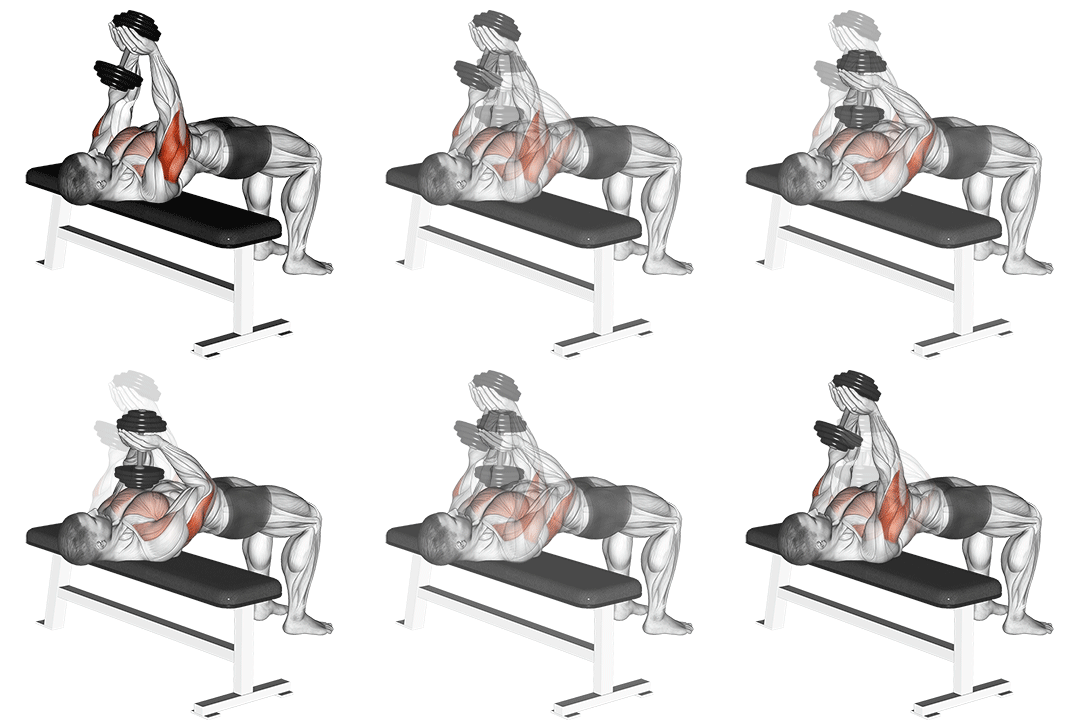
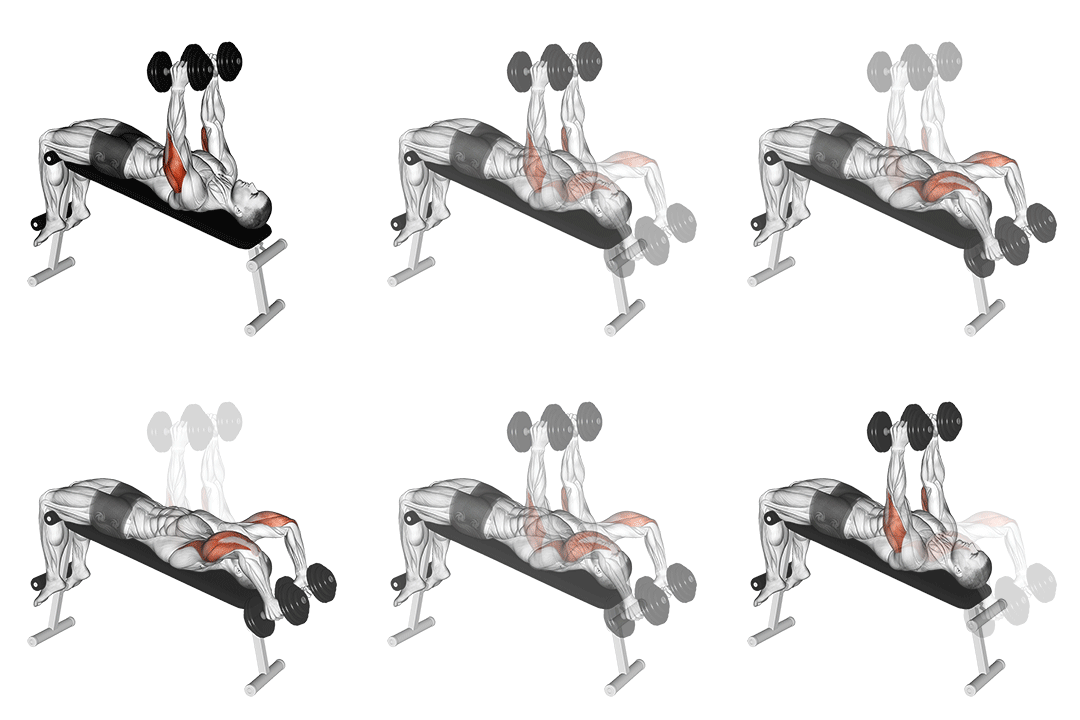
More comparisons with Dumbbell Incline Two Arm Extension
Compare More Exercises
Use our free comparison tool to analyze any two exercises head-to-head.
Compare Exercises