

Diet and fitness information is becoming more accessible with every passing day. However, this also brings along several misconceptions and misinformation that can put you in a rut if you are not careful.
While macronutrients, including protein, carbohydrates, and fats, always stay in the limelight, unsung heroes like fiber are usually left out.
Fiber keeps your stomach calm and blood sugar levels steady, which can keep your cravings at bay and regulate your appetite. If you are hitting your macro goals but still find yourself reaching into the pantry every hour. It might be a sign that you are not eating enough fiber.
I have tried several ways of regulating my fiber intake, but the 3×10 rule has been the most effective.
This might sound a little complicated, but it is very simple and involves consuming 10 grams of fiber at breakfast, lunch, and dinner, totaling 30 grams a day. That’s it.
In this article, I’ll explain how you can incorporate this science-backed 3×10 fiber rule into your diet. You’ll also get a full meal plan and learn techniques to adapt it to your own lifestyle, so you can stick to it for the long term.
What is the Fiber 3×10 Rule?
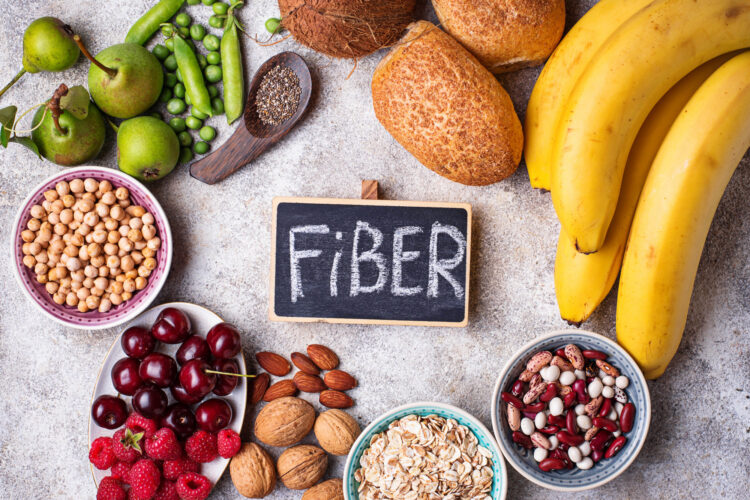
The fiber 3×10 rule involves prioritizing veggies, oats, legumes, and berries in each of your three big meals.
Thirty grams of fiber daily is the sweet spot where your body reaps all the benefits of this nutrient without overloading your gut. Research suggests that consuming around 25-35 grams of fiber daily can reduce the risk of inflammatory bowel disease (IBD), Crohn’s disease (CD flares), and other chronic diseases. (1)
Are you wondering what makes this simple technique so effective? The answer is its three-pronged approach.
Eating an appropriate amount of fiber can slow down your digestion, which can prevent sugar crashes and ensure a steady supply of energy throughout the day. It also means that your body’s satiety signals will fire stronger, resulting in fewer cravings. (2)
Many of my clients report better control of their appetite because their blood sugar levels are controlled, and they only eat when it’s time to refeed according to their programs.
Why Fiber Tames Hunger Fast
I hate to break this to you, but you have been lied to all this time. The foods that keep you full the longest aren’t always the ones with the most protein. They are the ones packed with fiber.

Fiber works its magic by:
Slowing Down Digestion
Fiber doesn’t break down the way protein, fat, and carbs do. It travels through the digestive tract more slowly, meaning your stomach stays fuller for longer. This slower pace stretches the stomach wall and triggers signals to your brain that say, “I’m satisfied,” which delays your hunger pangs.
Think of it like a steady drip of fuel, rather than a quick burst. This also ensures you have long-lasting energy and can avoid fluctuations or a midday crash.
Activating Satiety Hormones
When fiber reaches the gut, it stimulates appetite-regulating hormones like GLP-1 and PYY. The former boosts insulin release and slows gastric emptying, keeping hunger levels under control while stabilizing blood sugar.
The latter, on the other hand, works as a satiety signal, which tells your brain that you’ve had enough. Together, they create a strong ‘off switch’ for your cravings.
Stabilizing Blood Sugar
If you don’t have enough fiber in your diet, carbs can significantly spike your glucose levels. This fluctuation might feel good for a moment, but it is usually followed by a crash that leaves you hungry and sluggish.
Since fiber slows down the absorption of carbs, you get a steady flow of glycogen throughout the day, helping power all your physical activity.
All of this combined means fewer cravings, less fatigue, and a more predictable appetite rhythm.
Two Types of Fiber You Should Know About
All fibers are not created equal. These are the two types that you should know about:
- Soluble Fiber: It is found in oats, beans, lentils, apples, and chia seeds. The soluble form absorbs water and forms a gel-like substance in the gut, which helps slow digestion, lower cholesterol levels, and directly impacts blood sugar control.
- Insoluble Fiber: This type adds bulk to your stool and keeps your digestive system running smoothly.
Both soluble and insoluble fiber are necessary for a healthy gut microbiome. Soluble fibers manage hunger and energy levels, whereas insoluble fiber promotes healthy digestion and satiety.
Sample Fiber 3×10 Meal Plan
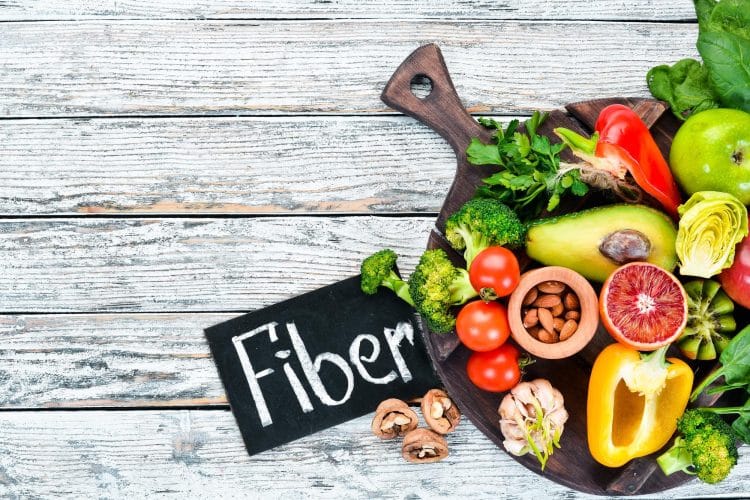
With all that out of the way, here is a simple three-meal plan that prioritizes veggies, oats, legumes, and berries, and delivers 30 grams of fiber throughout the day. You know what? I’ll throw in an optional snack just in case you like munching on something delicious in the middle of the day. So, here it is:
- Breakfast: A cup of oats with berries (8g from oats, 3–4g from berries).
- Lunch: A chickpea salad with greens and veggies (12–14g total).
- Dinner: A serving of lentils with roasted broccoli (15–18g total).
- Snack ideas: An apple with skin (4g), two tablespoons of chia seeds (10g), or a cup of raspberries (8g).
This meal plan follows a structure.
We prioritize oats with berries for breakfast, have a legume-based lunch, and our dinners are vegetable-heavy.
This plan should make you believe that you don’t need fiber supplements to meet your daily goals. Achieving 10 grams of fiber per meal is simple, realistic, and incredibly powerful.
Remember, this is just a blueprint. Feel free to tweak your diet according to your current lifestyle and fitness objectives. Switch your meals daily to ensure variety and avoid boredom. Many people drop their new diets before achieving their fitness objectives because they get bored and can’t stand the bland food anymore.
Don’t let this happen to yourself.
Things to Consider
Consuming the full 30 grams of fiber at one time should be avoided. Your body will maintain a stable supply of this nutrient through three meals, which will create satiety and predictable digestion and a rhythm that your body can handle.
Eating all your daily fiber at once will result in bloating and sluggishness.
A high-fiber diet serves two purposes: it helps control cravings and develops your body into a stronger and more resistant system.
Your training efforts focus on building muscle mass while enhancing strength and athletic performance. The consumption of fiber helps achieve your training goals because it safeguards your heart while nourishing your gut and maintaining stable energy levels.
You should not underestimate the importance of fiber because it serves as more than just a digestive aid. You should handle fiber as an essential component of your dietary approach.
Benefits Beyond Hunger Control

The advantages of fiber consumption extend far past the ability to stay full for longer periods. The substance operates at a broad level to affect all major body systems. Daily consumption of 30 grams of fiber will bring about these additional advantages:
Gut Health and Microbiome Diversity
The two types of fiber we discussed earlier will serve their purpose in this context.
The colon breaks down soluble fiber, which becomes food for beneficial bacteria in the gut. The fermentation process in the colon produces short-chain fatty acids, which strengthen gut lining structure and boost immune system function. The insoluble fiber component in your diet helps create bulk in your stool, which promotes regular bowel movements and prevents constipation.
A balanced gut microbiome that is diverse will enhance your ability to absorb nutrients, which leads to better recovery and improved physical and mental performance.
Cholesterol and Heart Health
The digestive system uses soluble fiber to capture cholesterol particles, which then get eliminated from the body. The reduction of cholesterol levels results in healthier arteries, which carry more blood to your muscles during exercise.
A diet rich in fiber helps maintain vascular health, which enables your heart to function optimally under demanding situations. Strength training athletes will find this change to be highly beneficial.
Weight Management
The high fiber content in these foods allows you to consume larger portions without exceeding your daily calorie needs.
Your daily fiber consumption will help you avoid junk food cravings during the day, which results in reduced overall calorie consumption.
A breakfast combination of oats with chia seeds and berries containing 10 grams of fiber will sustain your energy levels throughout several hours. The initial satisfaction from sugary cereal consumption leads to rapid hunger pangs, which require you to seek your next meal within thirty minutes.
People who want to lose weight find this approach beneficial because a calorie deficit represents the key to reducing body fat.
Long-Term Disease Prevention
The unmentioned advantage of sufficient fiber consumption results in lower probabilities of developing type 2 diabetes.
The body maintains stable blood sugar levels through fiber consumption, which prevents blood sugar spikes. The pancreas experiences lower long-term stress because of this effect.
The consumption of high-fiber foods helps lower the risk of colorectal cancer because it promotes better digestion and improved gut health. The anti-inflammatory properties of this diet protect you from developing chronic diseases.
Common Mistakes and How to Avoid Them

The 3×10 fiber rule provides an easy-to-remember solution for people to follow because it remains in their minds when they sit down for meals.
The most basic nutrition rules become ineffective when people fail to use them properly. The following list contains the most prevalent errors that you should identify:
Going Too High Too Fast
A sudden transition from a low-fiber diet to 30 grams of fiber per day will cause bloating and gas, and discomfort in your body. The same principle applies to diet changes as it does to weightlifting because you should not jump from two-pound dumbbells to thirty pounds in one day.
Your digestive system needs time to adjust to new fiber intake, so start by adding 3-5 grams of fiber during each meal over a seven-day period.
Forgetting Hydration
The optimal functioning of fiber requires adequate water consumption. Your digestive system will slow down when you consume too little fluid while increasing your fiber intake. The result will be constipation instead of improved gut health.
Drinking at least 3 to 4 liters of water each day becomes essential when you increase your fiber consumption. Each time you eat fiber-rich foods, you should drink a glass of water to support proper digestion.
Over-Relying on Supplements
People who discover their diets lack sufficient fiber content often rush to purchase dietary supplements, which come in powder and bar form. The method of reaching your daily fiber target through supplements fails to deliver the complete nutritional benefits of whole foods, which can negatively impact your long-term health goals.
Real food requires chewing as a vital process, which also provides eating satisfaction. Supplements cannot replace the complete nutritional experience that whole foods provide.
Supplements function as a fallback mechanism for your diet, but should not replace your main source of essential nutrients. This never ends well.
Conclusion
The 3×10 rule requires you to distribute 30 grams of fiber throughout your three main meals of the day. The daily fiber intake of 30 grams distributed across three meals helps control hunger while supporting weight management and delivering overall health benefits.
You can start implementing these changes at your own pace because there is no need for immediate implementation. Start by reaching the 10-gram target during your current meal. Start with the initial fiber increase, then proceed to boost the fiber content in your following meals. Best of luck!
References:
- Fatima I, Gamage I, De Almeida RJR, Cabandugama P, Kamath G. Current Understanding of Dietary Fiber and Its Role in Chronic Diseases. Mo Med. 2023 Sep-Oct;120(5):381-388. PMID: 37841565; PMCID: PMC10569388.
- Barber TM, Kabisch S, Pfeiffer AFH, Weickert MO. The Health Benefits of Dietary Fibre. Nutrients. 2020 Oct 21;12(10):3209. doi: 10.3390/nu12103209. PMID: 33096647; PMCID: PMC7589116.