

Strength Standards
Search 445 lift standards, compare by bodyweight and age, and see gym percentiles, verified competition percentiles, and reader logs without blending the data.
Browse Standards by Goal
These focused hubs capture the searches people use before they know the exact lift page they need.
The Big Three at a Glance
Intermediate (50th-percentile) 1RM for the bench press, squat, and deadlift as bodyweight rises (male). Tap any popular lift below for full bodyweight + age tables.
Most Popular Standards
The strength standards people search for most. Tap any to see full bodyweight + age tables.
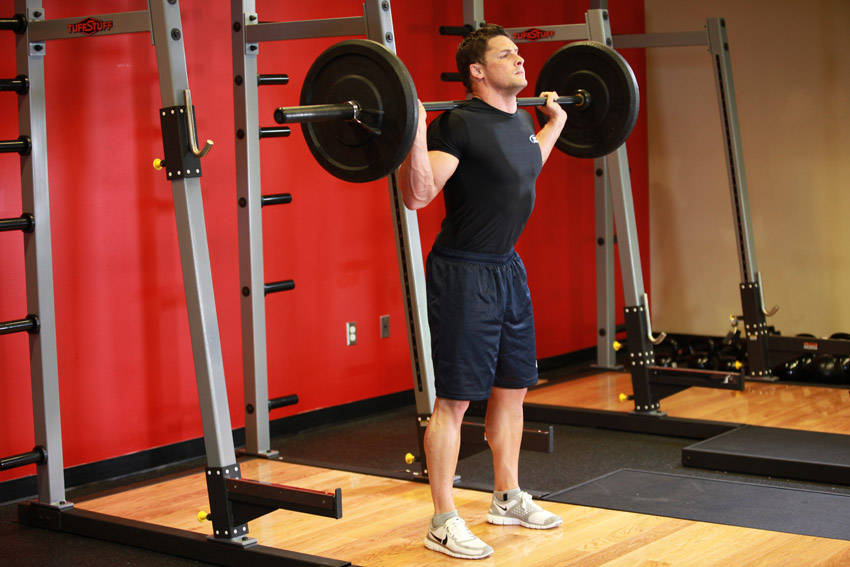
Browse by Muscle Group
Pick a muscle to see every exercise we have standards for.
All 445 Exercises
Showing 36 of 445

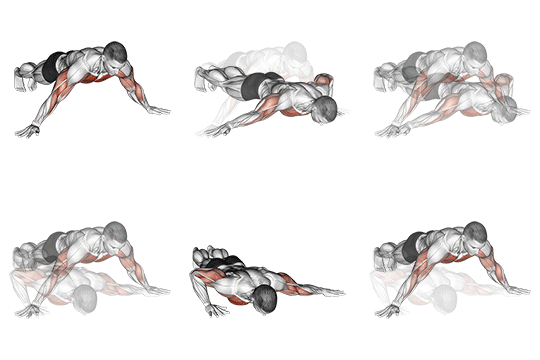


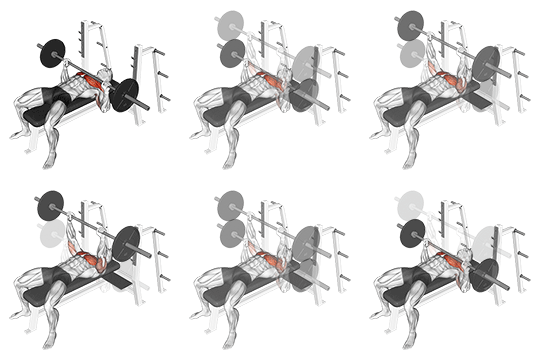


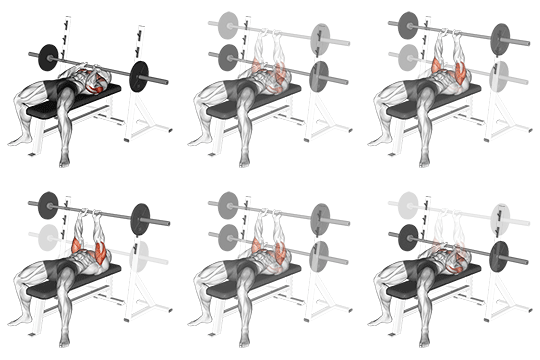






The 5 Strength Levels
Where do you rank? Levels are calibrated to verified competition data, not self-reported gym numbers.
How It Works
Pick an exercise
Search or browse by muscle group across 445 exercises.
Enter your lift
Type your 1RM (or use our one rep max calculator to estimate it).
See your FVCP
Get your percentile rank, gauge, and a path to the next level.
What Are Strength Standards?
Strength standards tell you how your lifts compare to other people of the same bodyweight, age, and sex. They classify performance into five levels:
- Beginner: Stronger than 5% of lifters. Less than one month of training.
- Novice: Stronger than 20% of lifters. 3-6 months of consistent training.
- Intermediate: Stronger than 50% of lifters. 1-2 years of structured programming.
- Advanced: Stronger than 80% of lifters. 3-5+ years with periodized training.
- Elite: Stronger than 95% of lifters. Competitive at regional/national level.
Our database includes 445 exercises with strength standards for both men and women, broken down by bodyweight and age.
Our Methodology
Data pipeline, bias adjustment, and confidence levels.
State of Strength 2026
Original analysis of 2.5M+ competition results.
One Rep Max Calculator
Estimate your 1RM from any rep set, then come back here to rank.
Standards reviewed by the Fitness Volt Editorial Team.