

10 Best Back Lever Alternatives for Strength & Progressions
If you can't do a Back Lever, use horizontal pulls and progression drills that load the same upper-back chain. Start with inverted rows, ring rows, skin-the-cat progressions, tuck back-lever negatives, or pull-ups. Cue: retract the scapula, keep a hollow torso and straight legs to load lats, posterior delts and scapular stabilizers.
Original Exercise: Back Lever
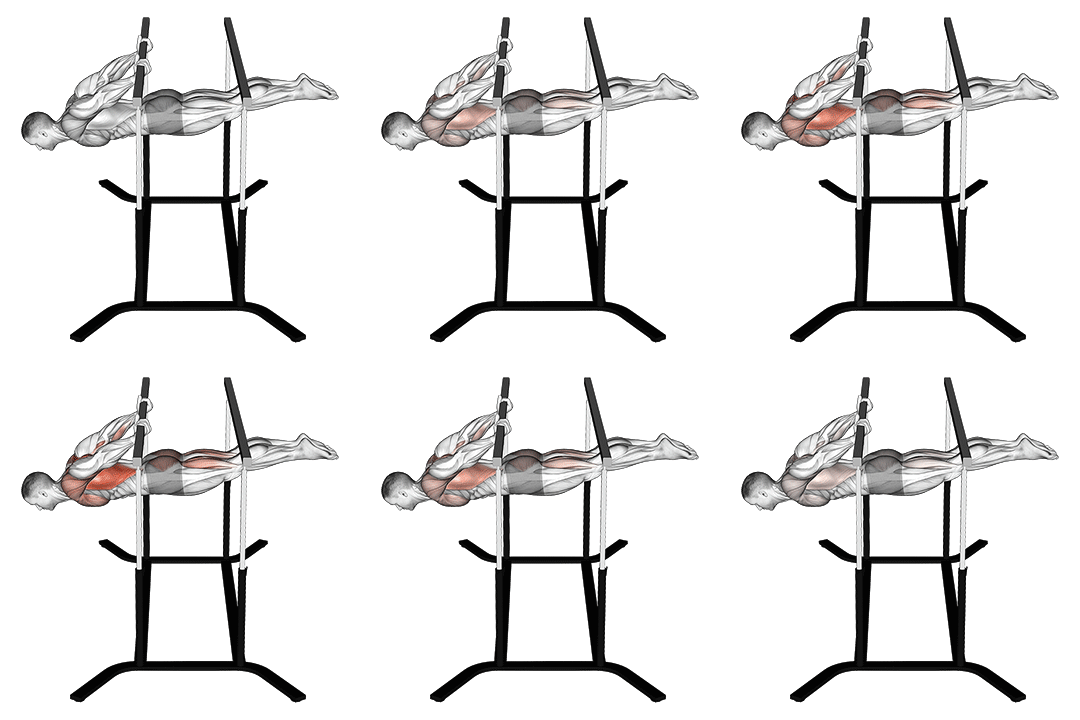
How to Perform Back Lever
- Start by hanging from a pull-up bar with an overhand grip, hands slightly wider than shoulder-width apart.
- Engage your core and pull your shoulder blades down and back.
- Bend your knees and tuck them towards your chest.
- Slowly lift your legs up, keeping them straight, until your body is parallel to the ground.
- Hold this position for a few seconds, then slowly lower your legs back down to the starting position.
- Repeat for the desired number of repetitions.
Best Back Lever Alternatives
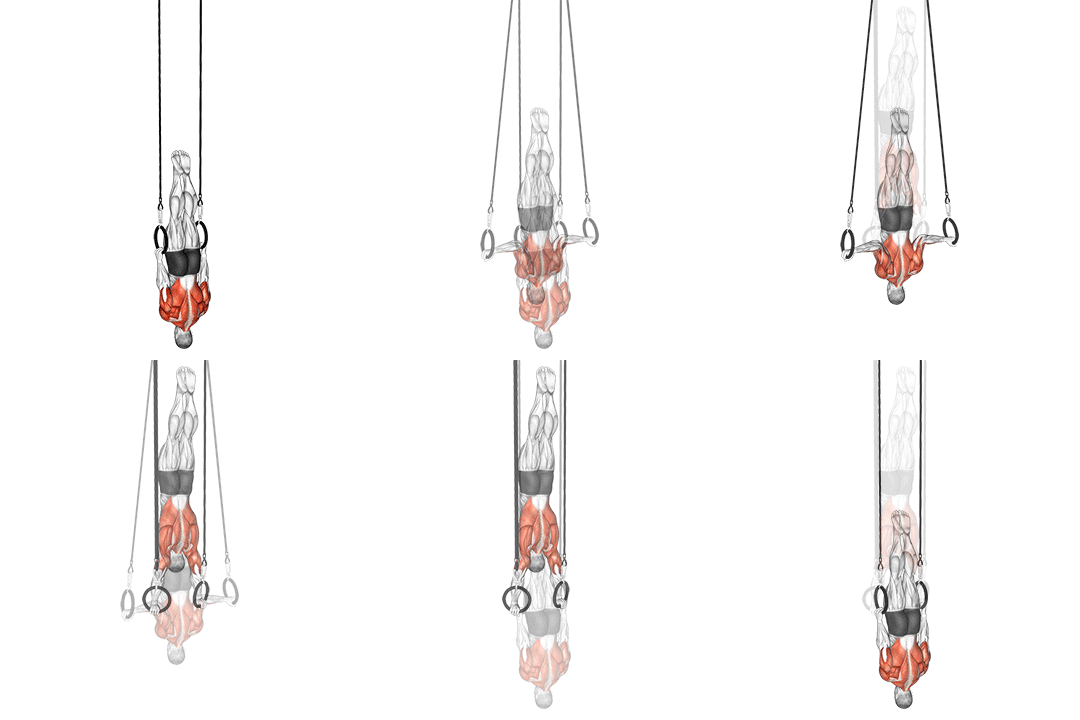
1. Elevator
83.4% MatchHow to perform this exercise
- Stand with your feet shoulder-width apart and your knees slightly bent.
- Place your hands on your hips or cross them in front of your chest.
- Keeping your back straight, slowly bend forward at the waist, lowering your upper body towards the ground.
- Pause for a moment at the bottom, then slowly raise your upper body back up to the starting position.
- Repeat for the desired number of repetitions.
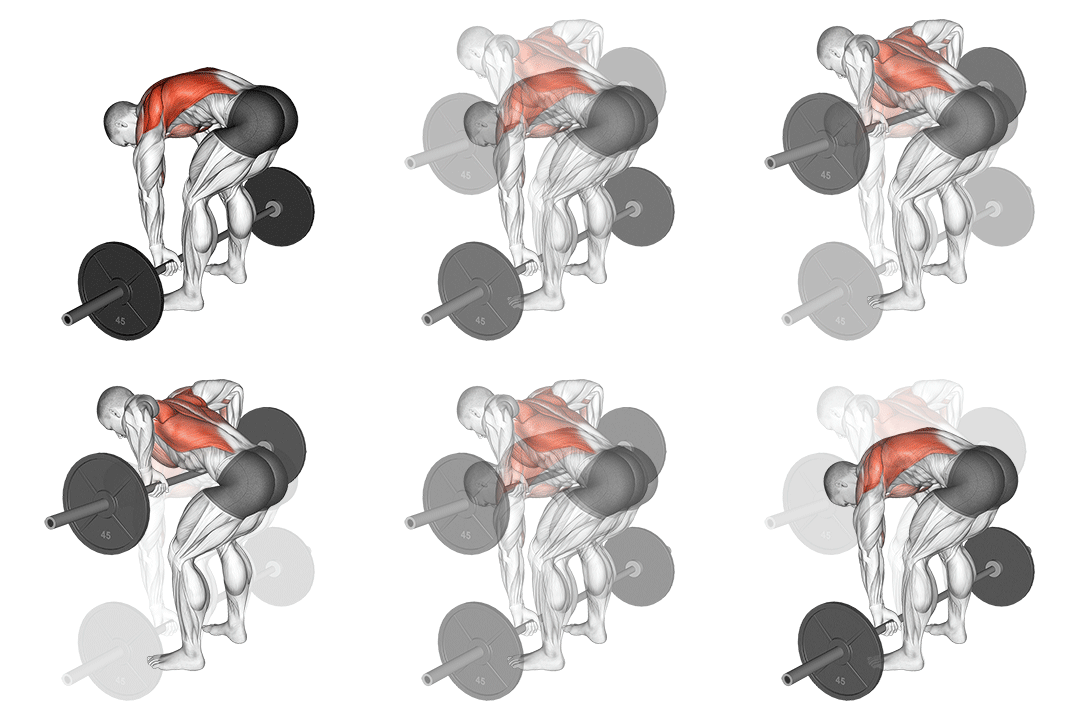
2. Barbell Pendlay Row
74.6% MatchHow to perform this exercise
- Stand with your feet shoulder-width apart and your knees slightly bent.
- Bend forward at the hips, keeping your back straight and your chest up.
- Grasp the barbell with an overhand grip, slightly wider than shoulder-width apart.
- Pull the barbell towards your upper abdomen, squeezing your shoulder blades together.
- Lower the barbell back down to the starting position.
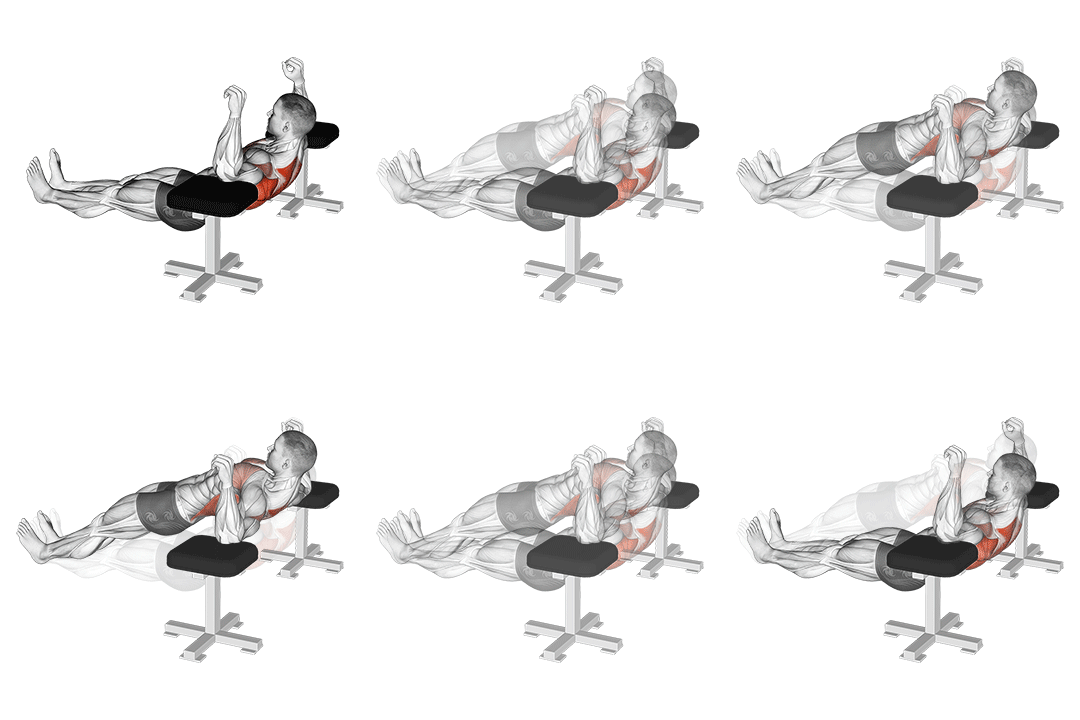
3. Elbow Lift - Reverse Push-up
74.2% MatchHow to perform this exercise
- Start by lying face down on the ground with your legs extended and your hands placed directly under your shoulders.
- Engage your core and press through your palms to lift your upper body off the ground, keeping your elbows close to your sides.
- Pause at the top for a moment, squeezing your upper back muscles.
- Slowly lower your body back down to the starting position.
- Repeat for the desired number of repetitions.
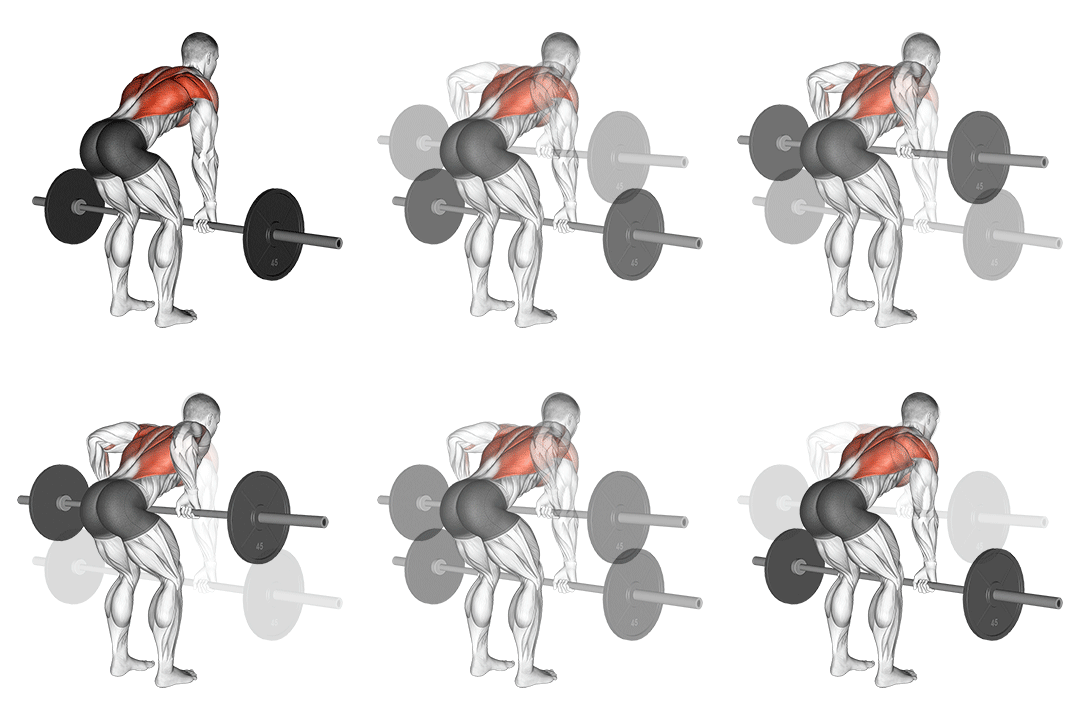
4. Barbell Bent Over Row
74% MatchHow to perform this exercise
- Stand with your feet shoulder-width apart and knees slightly bent.
- Bend forward at the hips while keeping your back straight and chest up.
- Grasp the barbell with an overhand grip, hands slightly wider than shoulder-width apart.
- Pull the barbell towards your lower chest by retracting your shoulder blades and squeezing your back muscles.
- Pause for a moment at the top, then slowly lower the barbell back to the starting position.
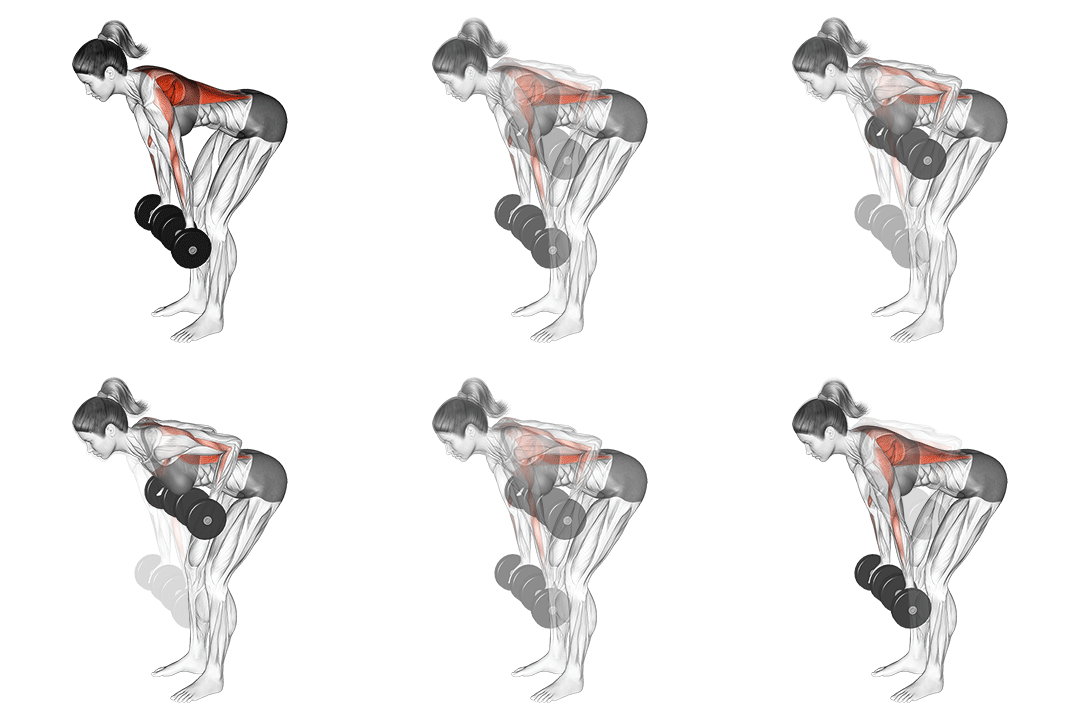
5. Dumbbell Reverse Grip Row (female)
70% MatchHow to perform this exercise
- Stand with your feet shoulder-width apart and knees slightly bent.
- Hold a dumbbell in each hand with an overhand grip, palms facing your body.
- Bend forward at the waist, keeping your back straight and your core engaged.
- Let your arms hang straight down, fully extended, with a slight bend in your elbows.
- Pull the dumbbells up towards your chest, squeezing your shoulder blades together.
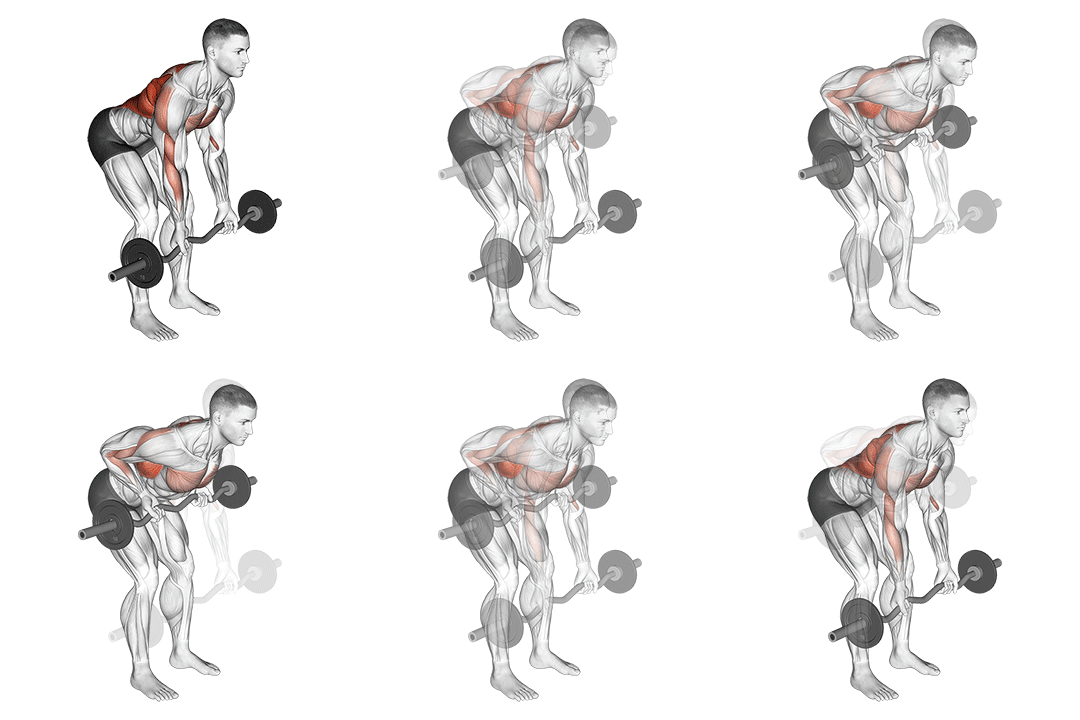
6. Ez Bar Reverse Grip Bent Over Row
70% MatchHow to perform this exercise
- Stand with your feet shoulder-width apart and knees slightly bent.
- Hold the ez barbell with an underhand grip, palms facing up, and hands shoulder-width apart.
- Bend forward at the hips, keeping your back straight and chest up, until your torso is almost parallel to the floor.
- Pull the ez barbell towards your lower chest, squeezing your shoulder blades together.
- Pause for a moment at the top, then slowly lower the ez barbell back to the starting position.
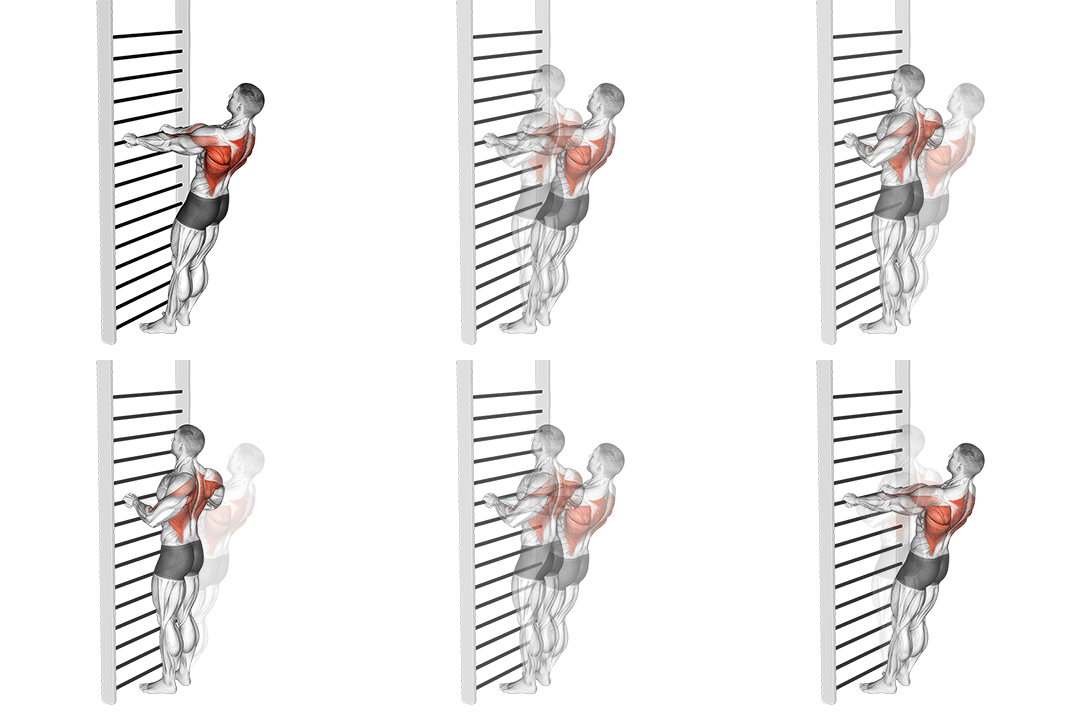
7. Bodyweight Standing Row
69.8% MatchHow to perform this exercise
- Stand with your feet shoulder-width apart and knees slightly bent.
- Grasp a bar or handles with an overhand grip, palms facing down.
- Keep your back straight and core engaged.
- Pull the bar or handles towards your body, squeezing your shoulder blades together.
- Pause for a moment at the top of the movement.
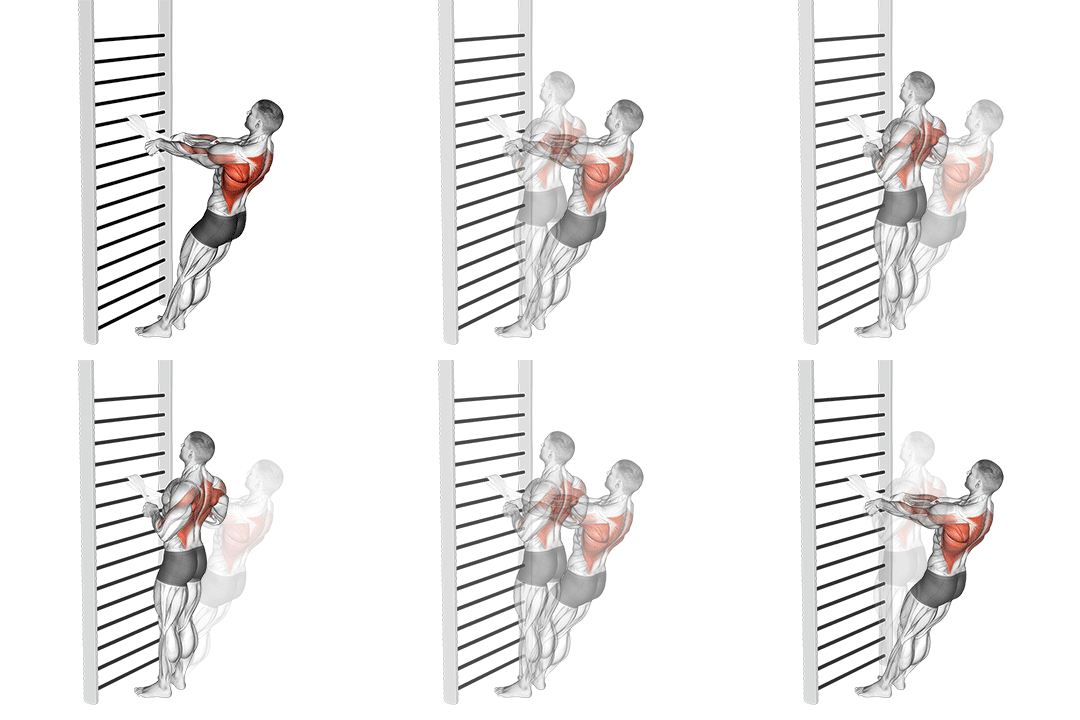
8. Bodyweight Standing Row (with Towel)
66.6% MatchHow to perform this exercise
- Stand with your feet shoulder-width apart and hold a towel in front of you with both hands.
- Bend your knees slightly and hinge forward at the hips, keeping your back straight.
- Pull the towel towards your chest, squeezing your shoulder blades together.
- Pause for a moment at the top, then slowly release the tension and return to the starting position.
- Repeat for the desired number of repetitions.
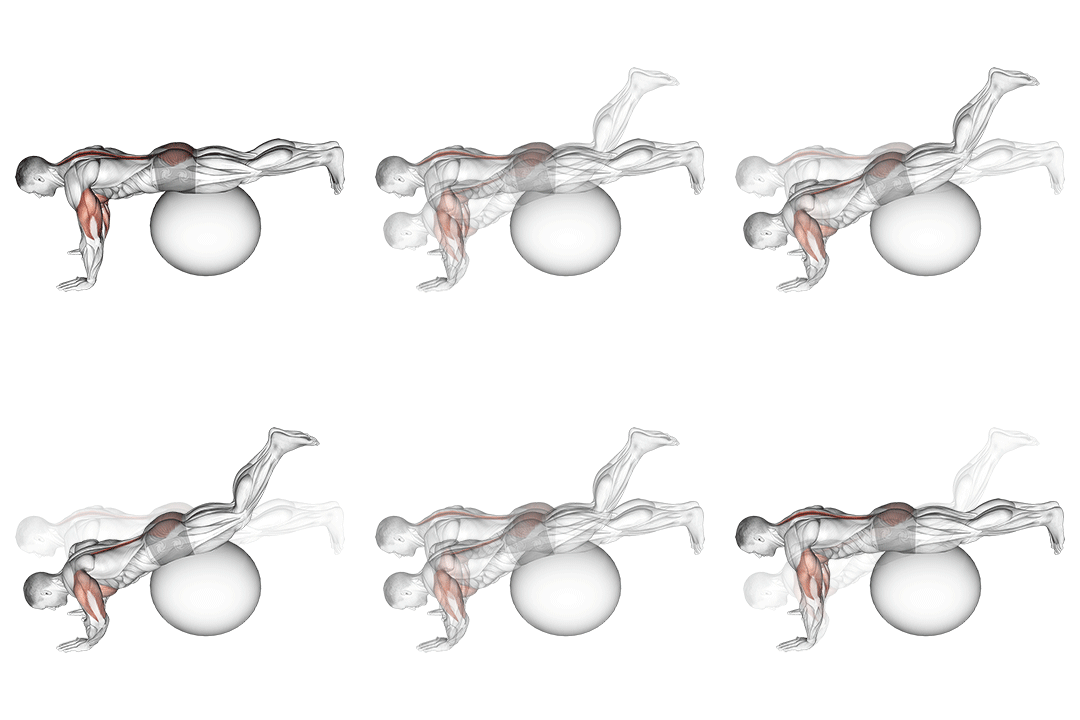
9. Exercise Ball Prone Leg Raise
66% MatchHow to perform this exercise
- Lie face down on a mat with your legs extended and your toes resting on top of the stability ball.
- Place your hands on the ground, shoulder-width apart, and engage your core muscles.
- Keeping your legs straight, slowly lift them off the ground, using your lower back and glutes to raise them as high as possible.
- Pause for a moment at the top, then slowly lower your legs back down to the starting position.
- Repeat for the desired number of repetitions.
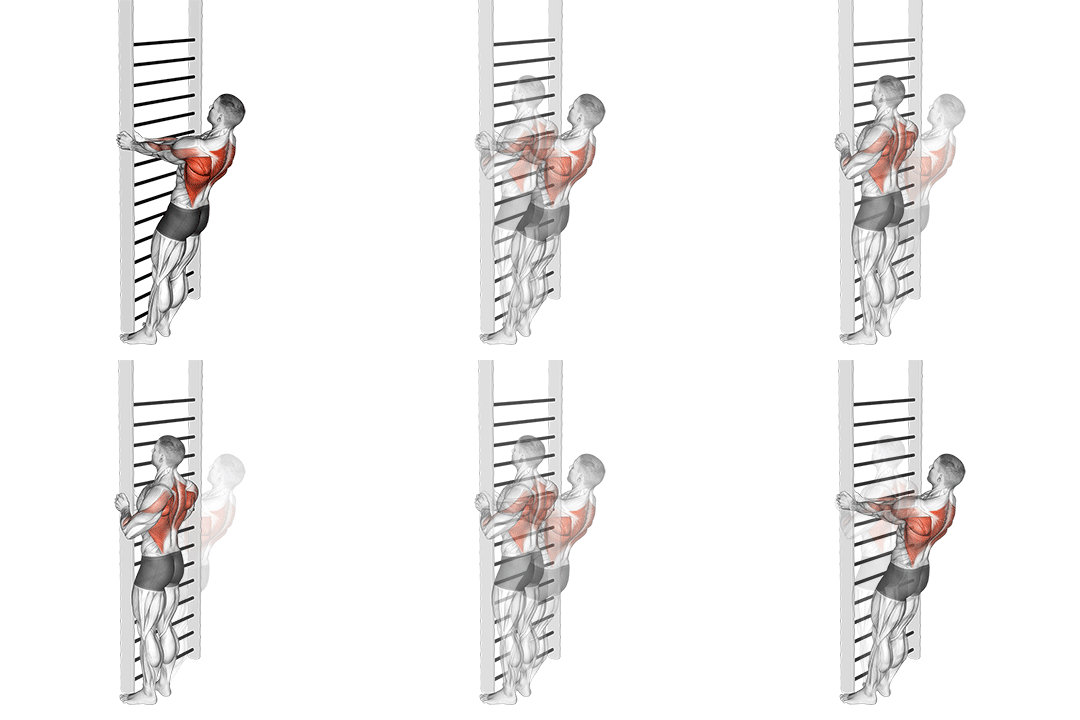
10. Bodyweight Standing Close-grip Row
65.8% MatchHow to perform this exercise
- Stand with your feet shoulder-width apart and knees slightly bent.
- Bend forward at the waist, keeping your back straight and your core engaged.
- Extend your arms straight in front of you, gripping the bar or handles with a close grip.
- Pull the bar or handles towards your body, squeezing your shoulder blades together.
- Pause for a moment at the top of the movement, then slowly release and return to the starting position.
Why You Might Need a Back Lever Alternative
You might substitute the Back Lever because of skill level, shoulder pain, limited equipment, or a specific training goal. The Back Lever creates high posterior torque through a long lever arm; alternatives reduce the moment arm or change the pulling plane so you can overload the lats and mid-traps safely. Horizontal pulls like inverted rows emphasize scapular retraction and mid-trap activation with less shoulder stress; cue: pull the elbows back and squeeze the shoulder blades. Mobility-focused drills such as skin-the-cat and controlled negatives teach shoulder external rotation and scapular depression while maintaining hollow-body tension to protect the thoracic spine.
How to Choose the Right Substitute
Choose a substitute by assessing your mobility, scapular strength, and equipment. If you have decent shoulder range but limited pulling strength, progress from feet-supported inverted rows to horizontal ring rows—cue: maintain a straight line from head to heels and initiate each rep with scapular retraction. If shoulder mobility or rotation is the limiter, use skin-the-cat and tuck-back-lever negatives to train controlled external rotation and scapular depression with less torque. For hypertrophy, increase time under tension via slow eccentrics on ring rows or pull-ups; for skill carryover, prioritize straight-arm scapular depressions and short tuck holds that replicate the Back Lever’s lat and posterior deltoid firing patterns.
Frequently Asked Questions
What muscles does Back Lever work?
The Back Lever primarily targets the lats, teres major, posterior deltoids, rhomboids and lower trapezius while demanding core and glute tension to keep a rigid line. Cue: squeeze and depress the shoulder blades to maximize mid- and lower-trap activation and reduce anterior shoulder shear.
What is the best bodyweight alternative to Back Lever?
The inverted row (Australian pull-up) is the best bodyweight alternative because it matches the horizontal pulling plane and emphasizes scapular retraction and mid-back activation. Set a bar at waist height, keep your body straight from head to heels, and initiate each rep by pulling the elbows back and squeezing the shoulder blades.
Can I build muscle without doing Back Lever?
Yes — you can build substantial upper-back mass with pull-ups, inverted rows, ring rows and band-assisted pulls that progressively increase load or time under tension. Focus on progressive overload (lower the row angle, add reps, or use slow eccentrics) and cue full scapular retraction and a compressed ribcage to maximize lat and posterior deltoid recruitment.
More Exercise Alternatives
Find Alternatives for Any Exercise
Use our free tool to discover the best substitute exercises based on your available equipment and goals.
Try the Exercise Substitution Finder →