

10 Best Band Assisted Pull-up Alternatives for No-Band Training
What can you do instead of Band Assisted Pull-up? Use weighted negatives, ring rows, lat pulldowns, assisted machine pull-downs, or inverted rows to target the lats and vertical pulling pattern. Cue: retract your scapula, drive elbows toward your hips, and keep a braced core to maintain lat tension and proper biomechanics.
Original Exercise: Band Assisted Pull-up
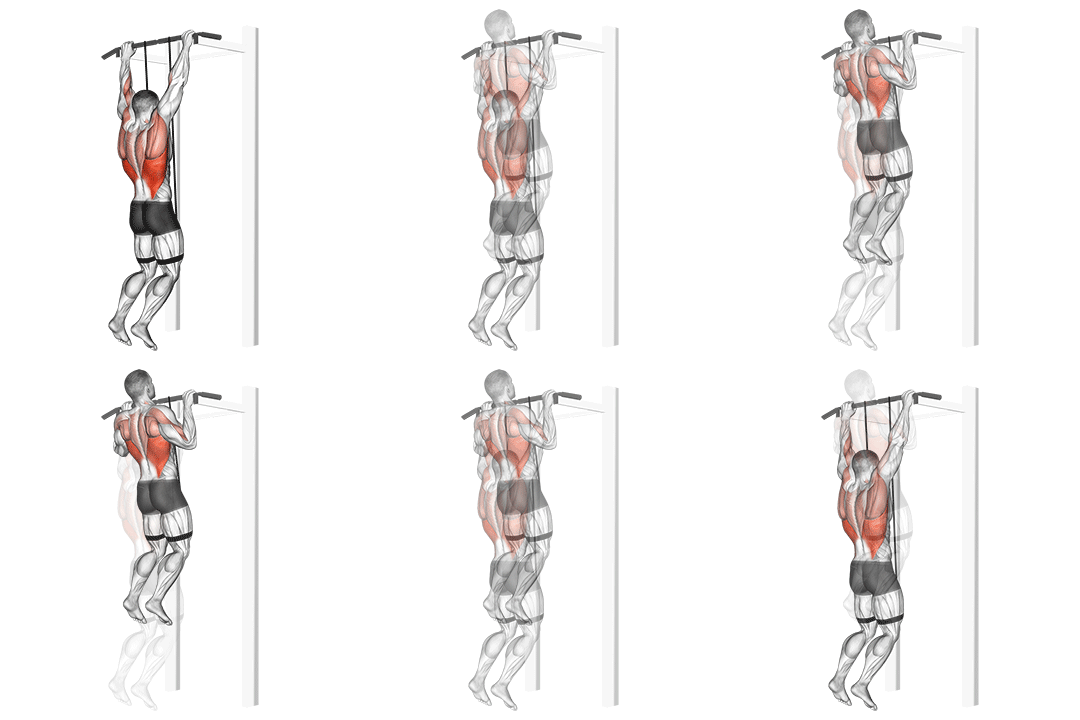
How to Perform Band Assisted Pull-up
- Attach the band to a pull-up bar or sturdy anchor point.
- Step onto the band and grip the bar with your palms facing away from you, hands slightly wider than shoulder-width apart.
- Hang with your arms fully extended, keeping your core engaged and your shoulders down and back.
- Pull your body up towards the bar by squeezing your shoulder blades together and driving your elbows down towards your hips.
- Continue pulling until your chin is above the bar, then slowly lower yourself back down to the starting position.
- Repeat for the desired number of repetitions.
Best Band Assisted Pull-up Alternatives
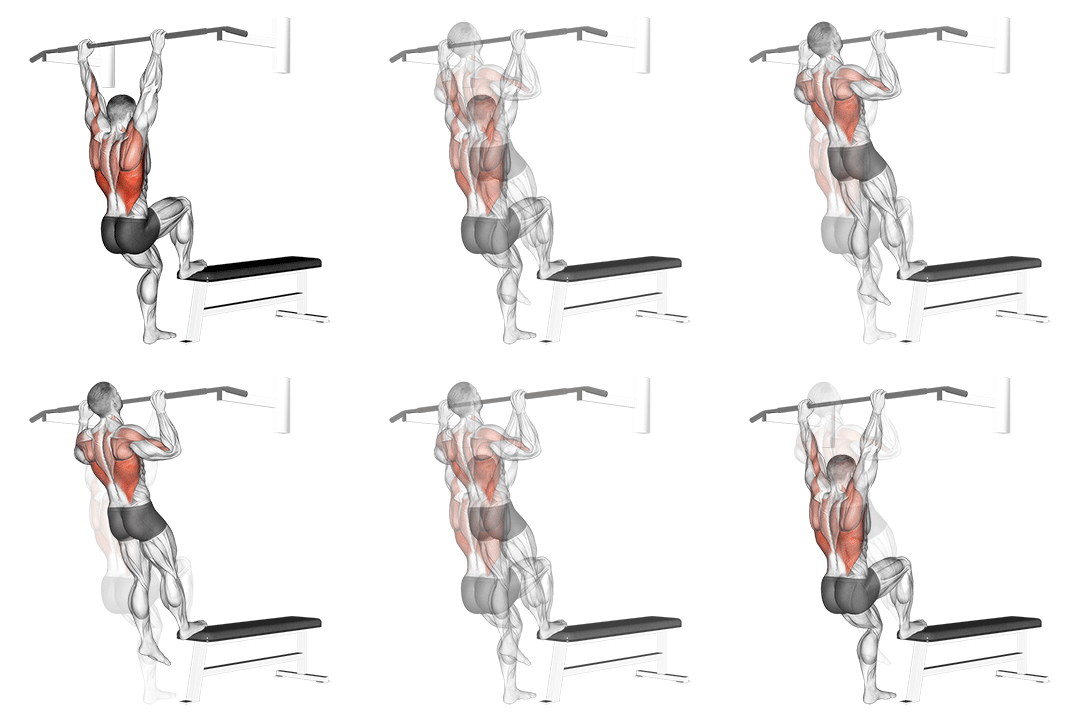
1. Bench Pull-ups
89.2% MatchHow to perform this exercise
- Position yourself under a bar or a sturdy horizontal surface that is at chest height.
- Grab the bar or surface with an overhand grip, slightly wider than shoulder-width apart.
- Hang with your arms fully extended and your body straight.
- Pull your chest towards the bar or surface by squeezing your shoulder blades together and bending your elbows.
- Continue pulling until your chin is above the bar or surface.
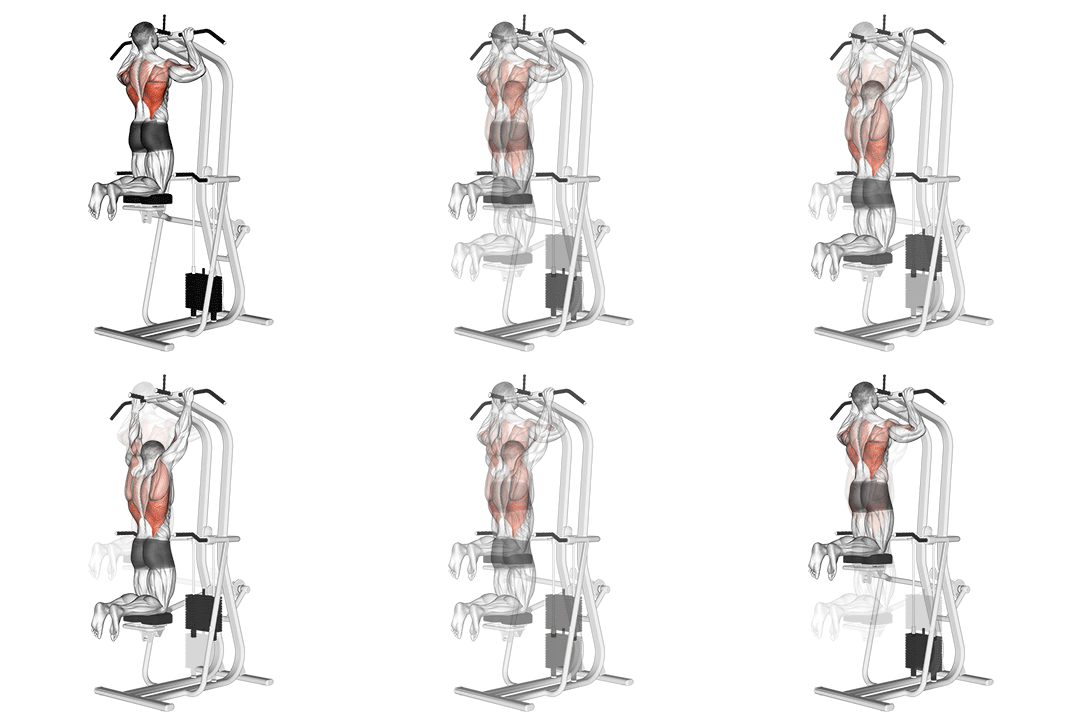
2. Assisted Pull-up
84.4% MatchHow to perform this exercise
- Adjust the machine to your desired weight and height settings.
- Grasp the handles with an overhand grip, slightly wider than shoulder-width apart.
- Hang with your arms fully extended and your feet off the ground.
- Engage your back muscles and pull your body up towards the handles, keeping your elbows close to your body.
- Continue pulling until your chin is above the handles.
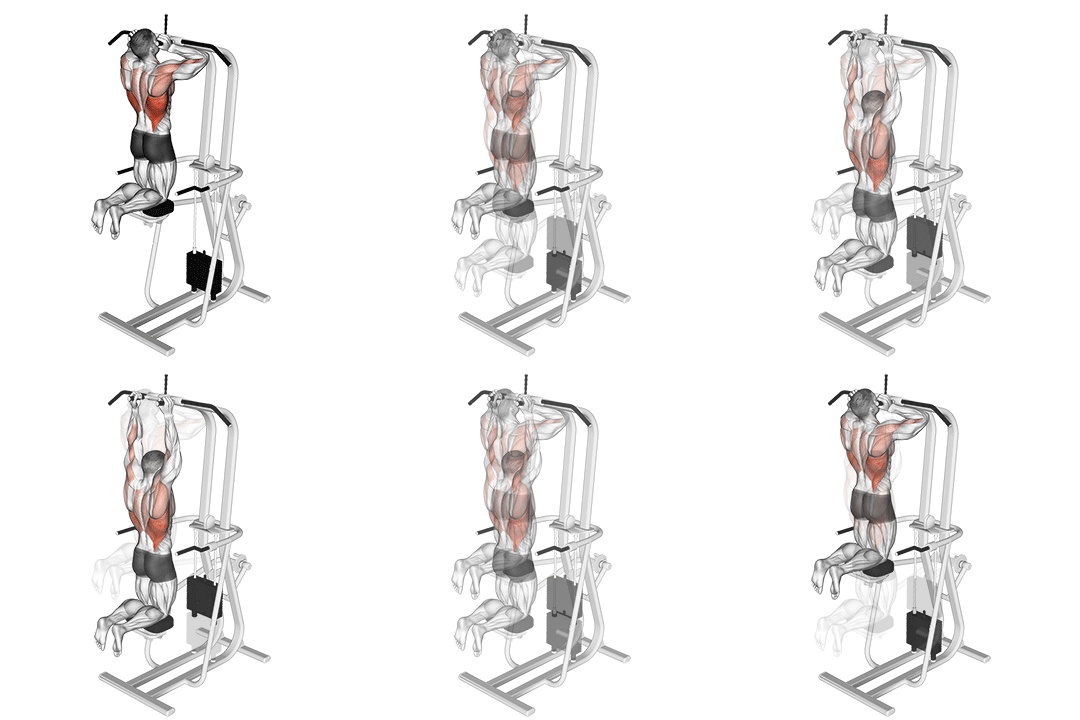
3. Assisted Parallel Close Grip Pull-up
80.4% MatchHow to perform this exercise
- Adjust the machine to your desired weight and height.
- Place your hands on the parallel bars with a close grip, palms facing each other.
- Hang from the bars with your arms fully extended and your feet off the ground.
- Engage your back muscles and pull your body up towards the bars, keeping your elbows close to your body.
- Continue pulling until your chin is above the bars.
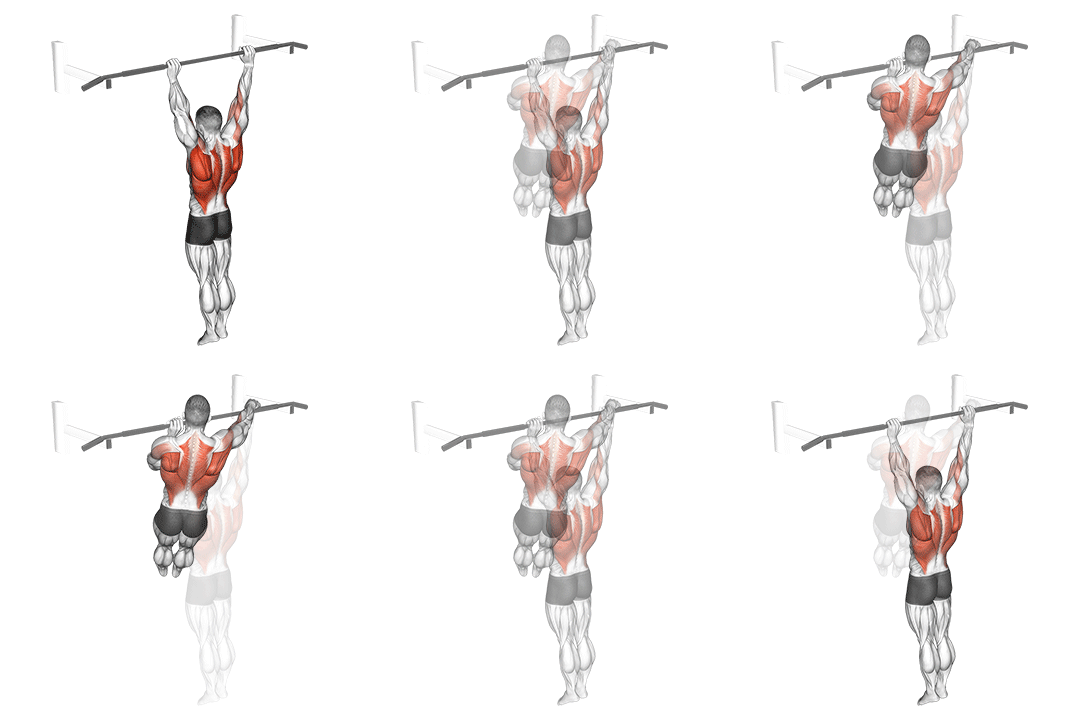
4. Archer Pull Up
78.1% MatchHow to perform this exercise
- Start by hanging from a pull-up bar with an overhand grip, slightly wider than shoulder-width apart.
- Engage your core and pull your shoulder blades down and back.
- As you pull yourself up, bend one arm and bring your elbow towards your side, while keeping the other arm straight.
- Continue pulling until your chin is above the bar and your bent arm is fully flexed.
- Lower yourself back down with control, straightening the bent arm and repeating the movement on the other side.
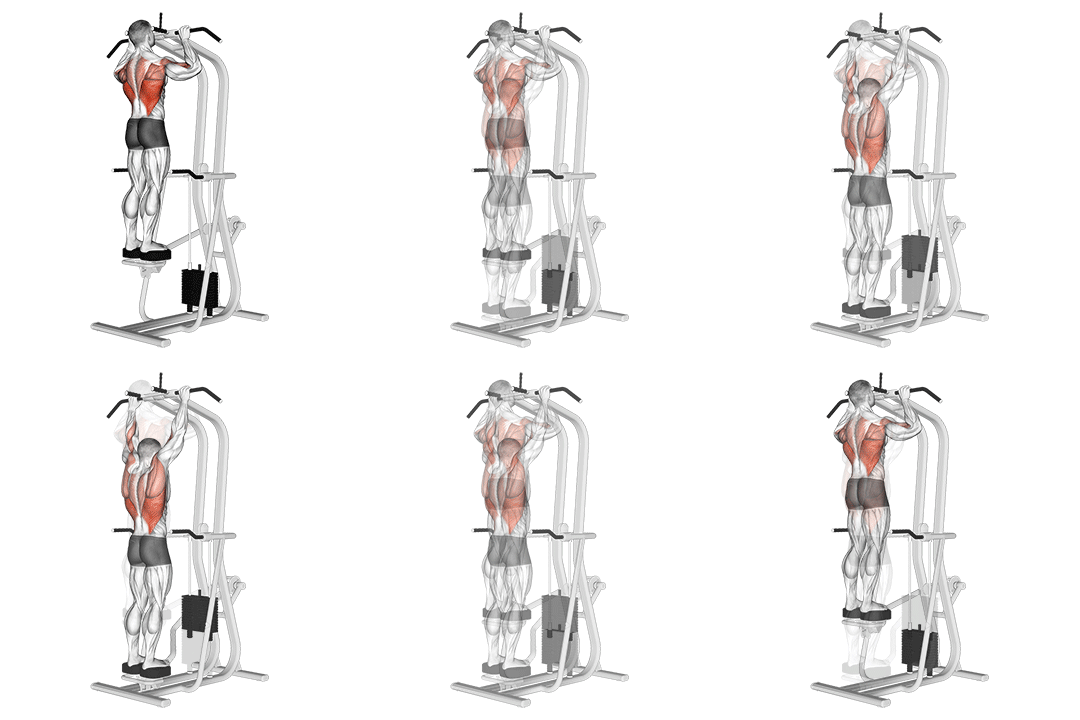
5. Assisted Standing Pull-up
78% MatchHow to perform this exercise
- Adjust the machine to your desired weight and height settings.
- Stand facing the machine with your feet shoulder-width apart.
- Grasp the handles with an overhand grip, slightly wider than shoulder-width apart.
- Engage your lats and biceps, and pull yourself up towards the handles.
- Pause for a moment at the top, squeezing your back muscles.
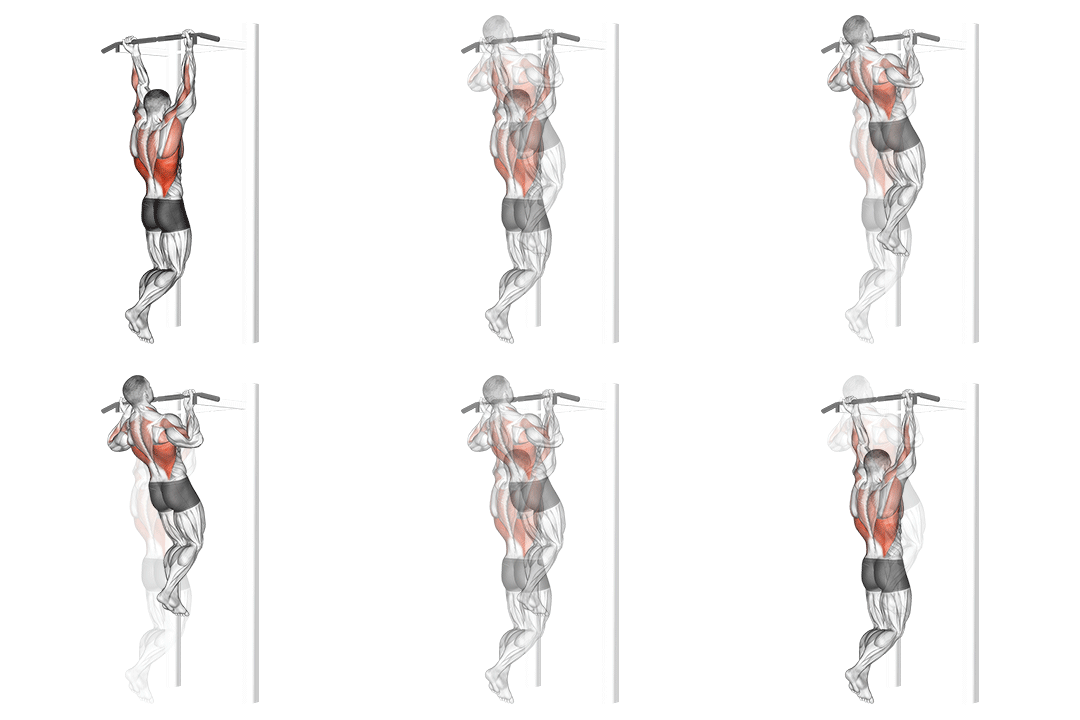
6. Chin-up
75.2% MatchHow to perform this exercise
- Hang from a pull-up bar with your palms facing towards you and your hands shoulder-width apart.
- Engage your core and pull your body up towards the bar, leading with your chest.
- Continue pulling until your chin is above the bar.
- Pause for a moment at the top, then slowly lower your body back down to the starting position.
- Repeat for the desired number of repetitions.
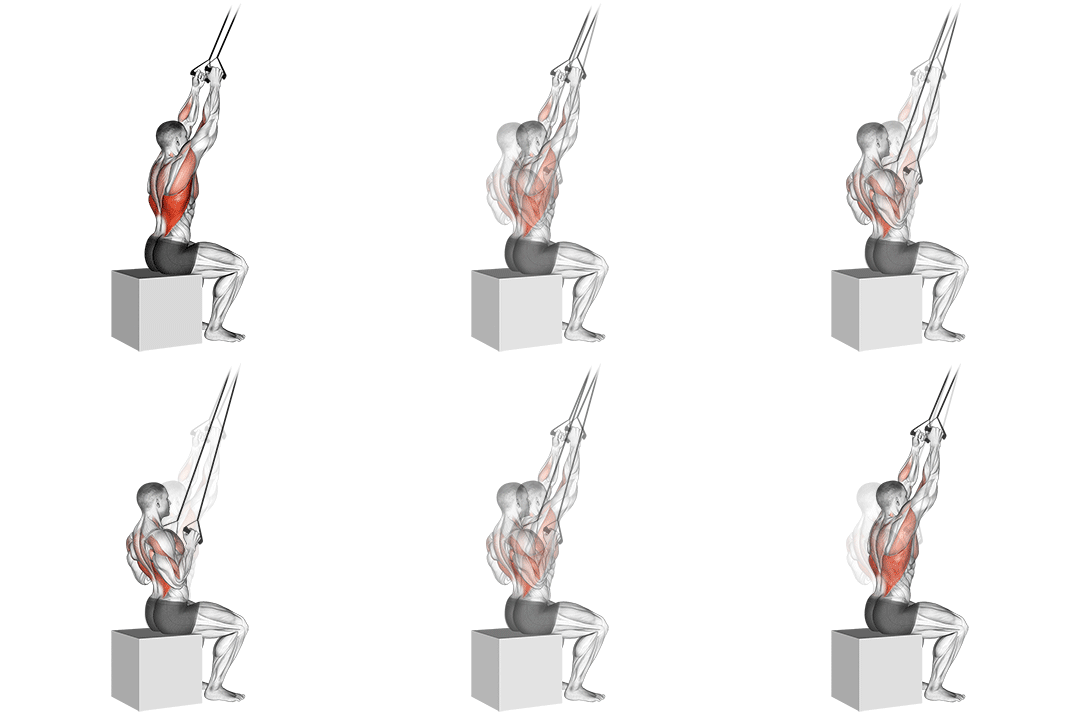
7. Band Close-grip Pulldown
74.8% MatchHow to perform this exercise
- Attach the band to a high anchor point, such as a pull-up bar or sturdy beam.
- Stand facing the anchor point and grab the band with an underhand grip, hands shoulder-width apart.
- Step back to create tension in the band, keeping your feet hip-width apart.
- Engage your core and keep your back straight as you pull the band down towards your chest, squeezing your shoulder blades together.
- Pause for a moment at the bottom of the movement, then slowly release the band back to the starting position.
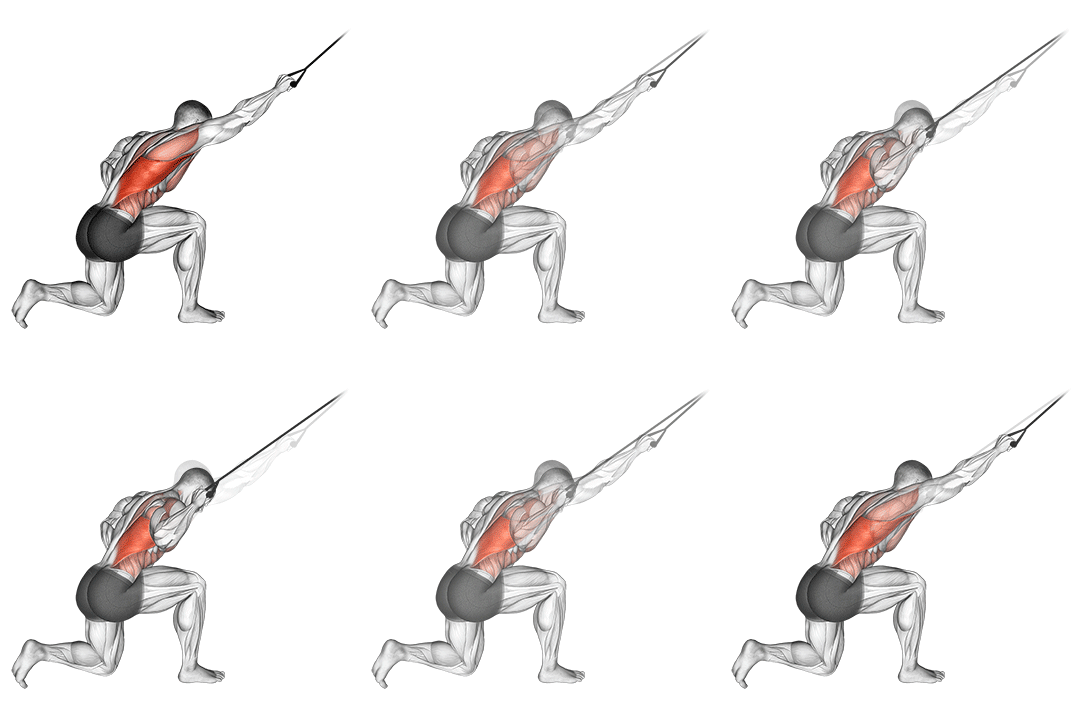
8. Band Kneeling One Arm Pulldown
74.4% MatchHow to perform this exercise
- Attach the band to a sturdy anchor point above your head.
- Kneel down and hold the band with one hand, palm facing down.
- Extend your arm fully overhead, keeping your elbow slightly bent.
- Engage your lat muscles and pull the band down towards your side, bringing your elbow towards your ribcage.
- Pause for a moment at the bottom, then slowly release the tension and return to the starting position.
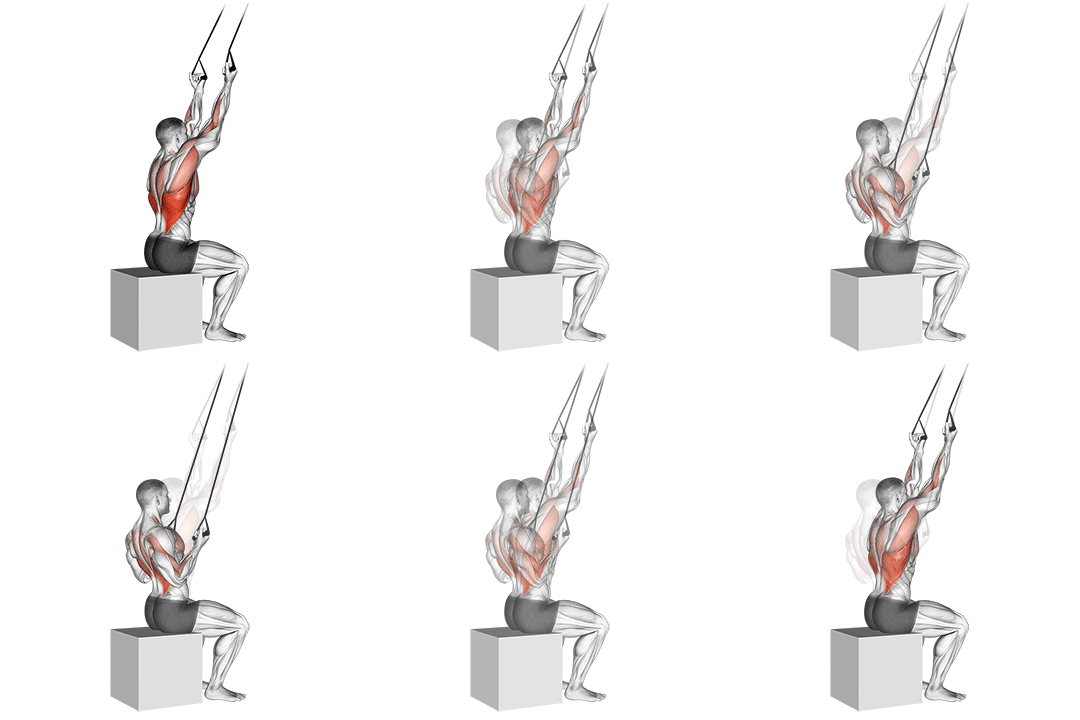
9. Band Underhand Pulldown
74% MatchHow to perform this exercise
- Attach the band to a high anchor point, such as a pull-up bar or sturdy beam.
- Stand facing the anchor point with your feet shoulder-width apart.
- Grasp the band with an underhand grip, hands slightly wider than shoulder-width apart.
- Extend your arms fully overhead, keeping your elbows slightly bent.
- Engage your lats and pull the band down towards your chest, squeezing your shoulder blades together.
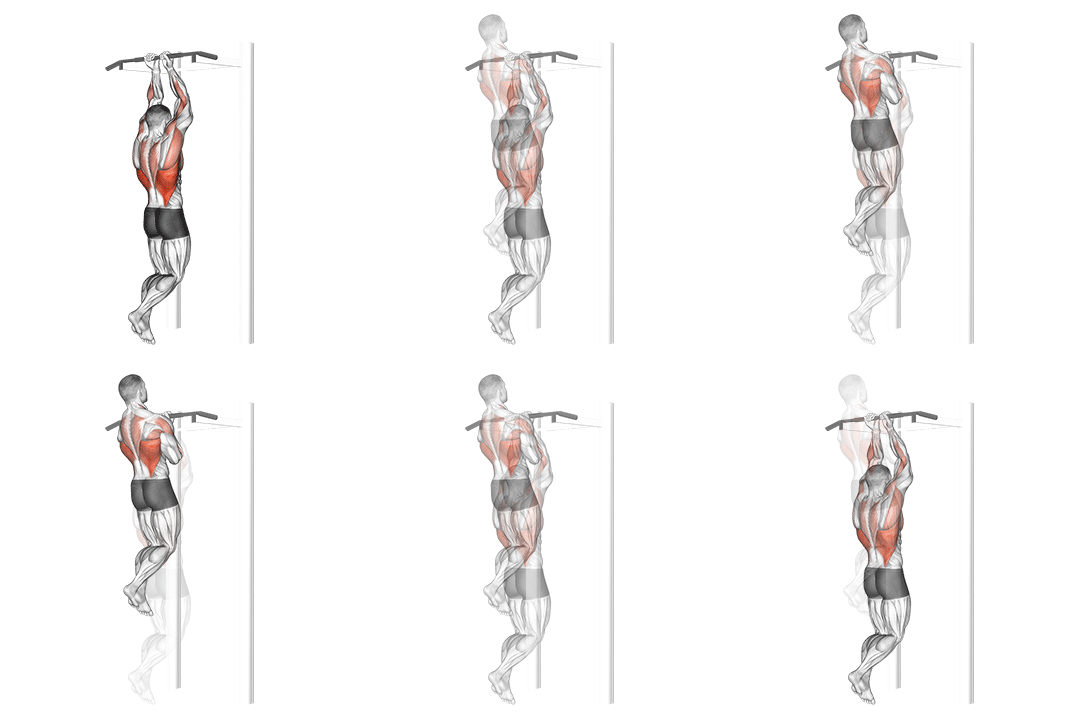
10. Close Grip Chin-up
73.9% MatchHow to perform this exercise
- Grab the pull-up bar with your palms facing towards you and your hands shoulder-width apart.
- Hang from the bar with your arms fully extended and your feet off the ground.
- Engage your back muscles and pull your body up towards the bar, keeping your elbows close to your body.
- Continue pulling until your chin is above the bar.
- Pause for a moment at the top, then slowly lower your body back down to the starting position.
Why You Might Need a Band Assisted Pull-up Alternative
You might substitute band-assisted pull-ups because of injury limitations, limited equipment, or mismatched assistance levels. Shoulder pain or rotator cuff issues often require lower shoulder-abduction loads and more controlled scapular movement; choose exercises that reduce impingement by emphasizing scapular depression and thoracic extension. Bands can also produce inconsistent assistance across the range — replacing them with controlled eccentrics or machines lets you apply steady progressive overload. Preference for horizontal versus vertical pulling, or the need to train lats without high grip strength, also drives substitutions. Cue: perform slow 3–5 second eccentrics and focus on driving the elbows down to maximize lat recruitment while protecting the shoulder complex.
How to Choose the Right Substitute
Match the substitute to your limiting factor: if grip strength fails first, use lat pulldowns or machine rows; if shoulder pain limits range, pick chest-supported rows or neutral-grip pulldowns that reduce shear. Consider loading progression, movement plane (vertical vs horizontal), and the ability to control tempo for eccentrics. Prioritize exercises that allow full scapular retraction and depression to load the lats and teres major without compensatory shrugging. Cue: keep a long spine, pull through the elbows, and pause at peak contraction to reinforce neural drive to the lats. Also evaluate equipment availability and how easily you can add resistance for progressive overload.
Frequently Asked Questions
What muscles does Band Assisted Pull-up work?
Band-assisted pull-ups primarily target the latissimus dorsi, with secondary involvement from the teres major, posterior deltoids, rhomboids, and biceps. It also requires core stabilization and scapular control; cue scapular retraction and depression to maximize lat tension and maintain proper humerothoracic mechanics.
What is the best bodyweight alternative to Band Assisted Pull-up?
Inverted rows (ring rows) are the best bodyweight alternative because they let you modulate difficulty by changing body angle and preserve a pulling pattern that trains the lats and scapular retractors. Set your rings low, keep a rigid plank line, retract the scapula and drive the elbows down toward your hips on each rep to prioritize lat activation.
Can I build muscle without doing Band Assisted Pull-up?
Yes. You can build back muscle using progressive overload through lat pulldowns, weighted negatives, chest-supported rows, and inverted rows while emphasizing full range and tempo. Cue slow eccentrics, pause at peak contraction, and focus on elbow-driven pulling to maximize lat recruitment and hypertrophy.
More Exercise Alternatives
Find Alternatives for Any Exercise
Use our free tool to discover the best substitute exercises based on your available equipment and goals.
Try the Exercise Substitution Finder →