

10 Best Barbell Upright Row Alternatives for Shoulder Development
If the barbell upright row causes pain or you lack a barbell, choose movements that load the delts and upper traps with safer mechanics. Try dumbbell high pulls for explosive lateral deltoid work (drive elbows up and hinge at the hips) or cable lateral raises to isolate the middle delts (lead with the elbow, slight bend).
Original Exercise: Barbell Upright Row
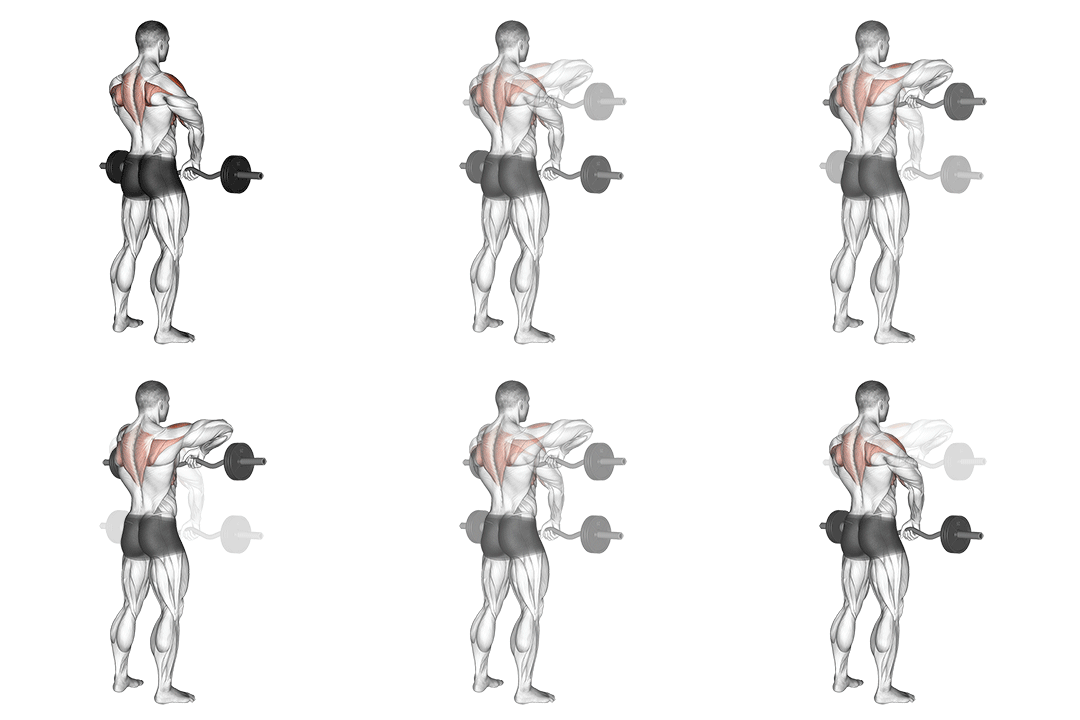
How to Perform Barbell Upright Row
- Stand with your feet shoulder-width apart and hold a barbell with an overhand grip, hands slightly wider than shoulder-width apart.
- Let the barbell hang in front of your thighs, arms fully extended.
- Keeping your back straight and core engaged, exhale and lift the barbell straight up towards your chin, leading with your elbows.
- Pause for a moment at the top, then inhale and slowly lower the barbell back down to the starting position.
- Repeat for the desired number of repetitions.
Best Barbell Upright Row Alternatives
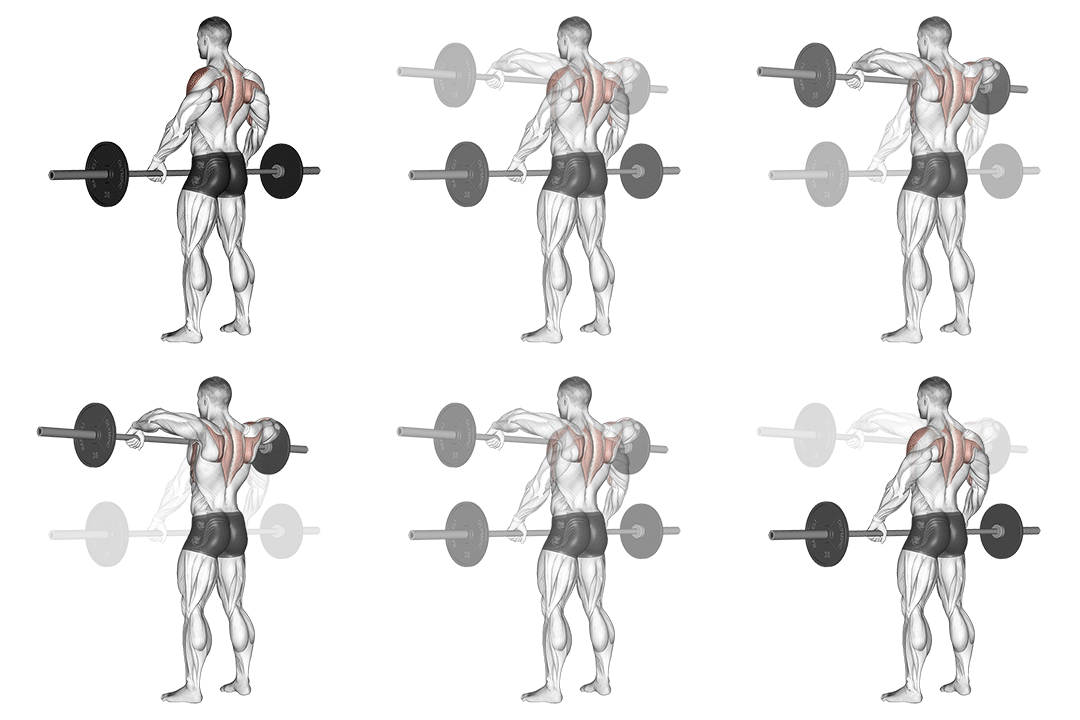
1. Barbell Wide-grip Upright Row
98% MatchHow to perform this exercise
- Stand with your feet shoulder-width apart and hold a barbell with an overhand grip, hands wider than shoulder-width apart.
- Let the barbell hang in front of your thighs, arms fully extended.
- Keeping your back straight, exhale and lift the barbell straight up towards your chin, leading with your elbows.
- Pause for a moment at the top, then inhale and slowly lower the barbell back down to the starting position.
- Repeat for the desired number of repetitions.
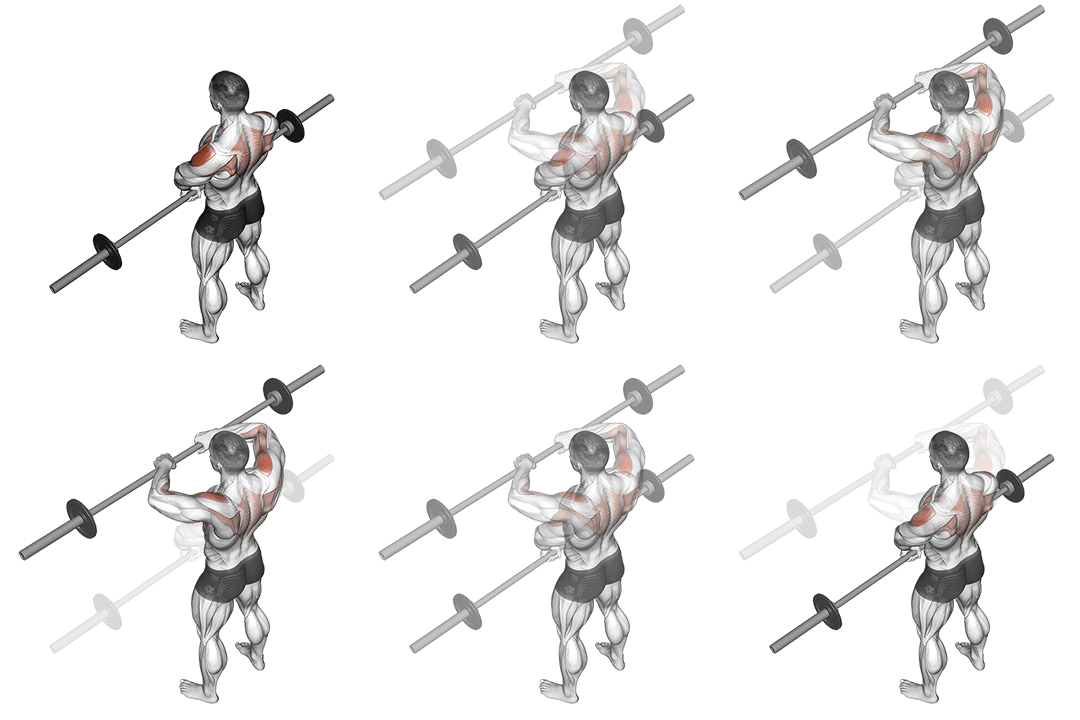
2. Barbell Upright Row V. 2
96% MatchHow to perform this exercise
- Stand with your feet shoulder-width apart and hold a barbell with an overhand grip, hands slightly wider than shoulder-width apart.
- Let the barbell hang in front of your thighs, arms fully extended.
- Keeping your back straight, exhale and lift the barbell straight up towards your chin, leading with your elbows.
- Pause for a moment at the top, then inhale and slowly lower the barbell back down to the starting position.
- Repeat for the desired number of repetitions.
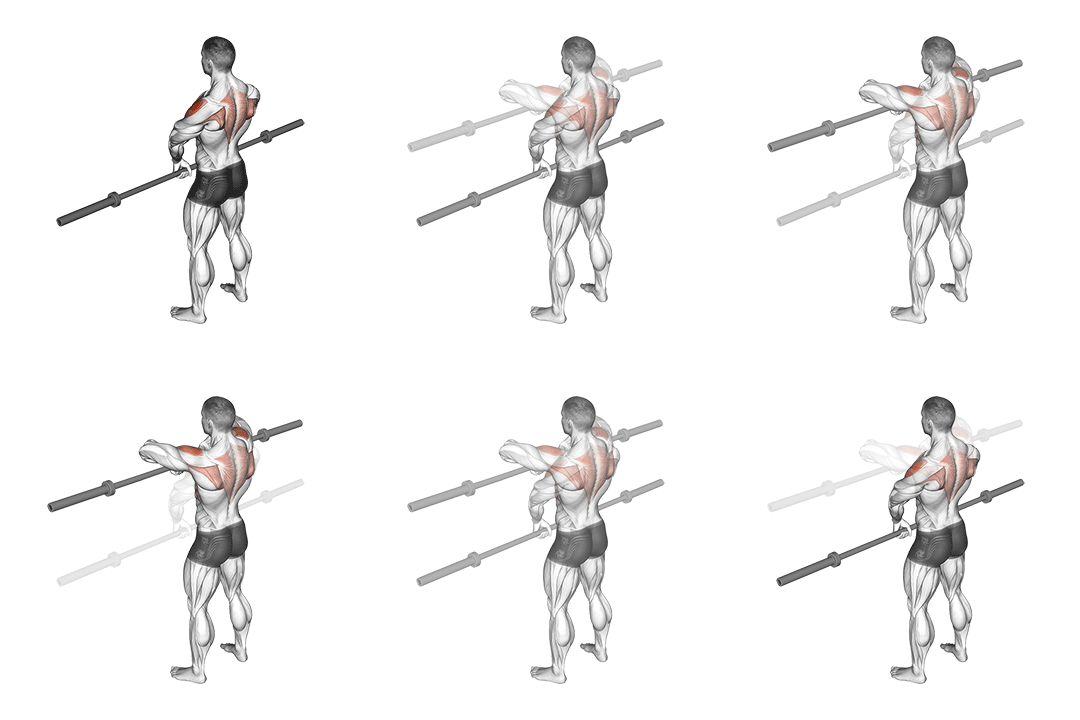
3. Barbell Upright Row V. 3
96% MatchHow to perform this exercise
- Stand with your feet shoulder-width apart and hold a barbell with an overhand grip, hands slightly wider than shoulder-width apart.
- Let the barbell hang in front of your thighs, arms fully extended.
- Keeping your core engaged and back straight, exhale as you lift the barbell straight up towards your chin, leading with your elbows.
- Pause for a moment at the top, then inhale as you slowly lower the barbell back down to the starting position.
- Repeat for the desired number of repetitions.
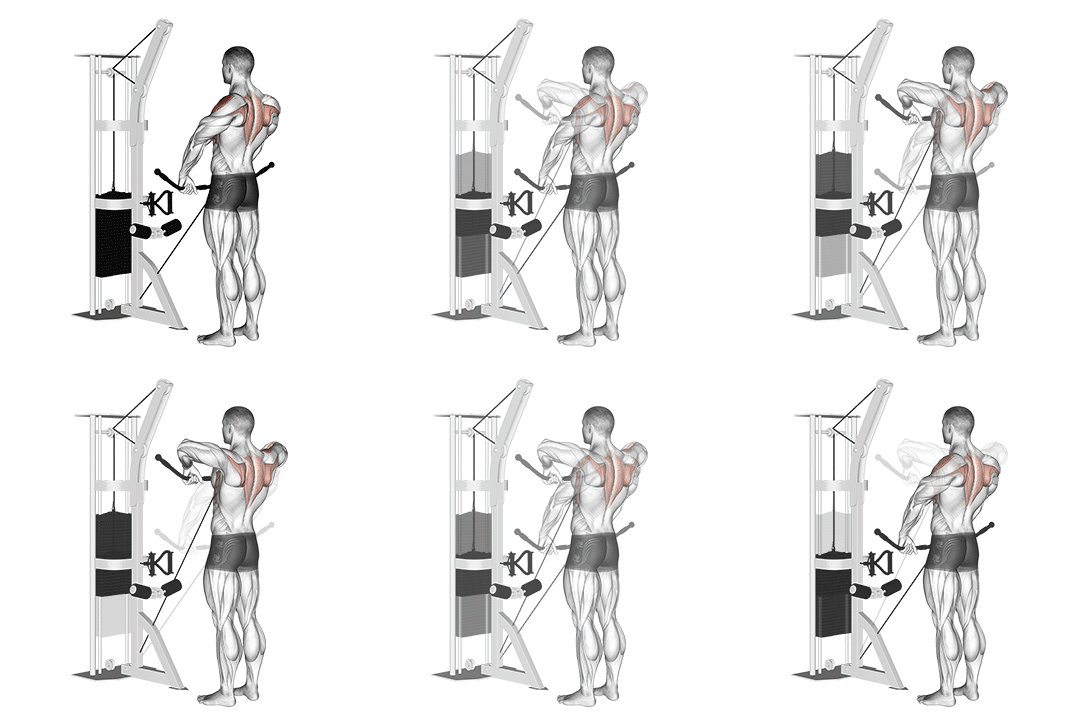
4. Cable Upright Row
75.4% MatchHow to perform this exercise
- Stand with your feet shoulder-width apart, knees slightly bent, and hold the cable attachment with an overhand grip.
- Keep your back straight and your core engaged throughout the exercise.
- Pull the cable attachment straight up towards your chin, leading with your elbows.
- Pause for a moment at the top, squeezing your shoulder blades together.
- Slowly lower the cable attachment back down to the starting position.
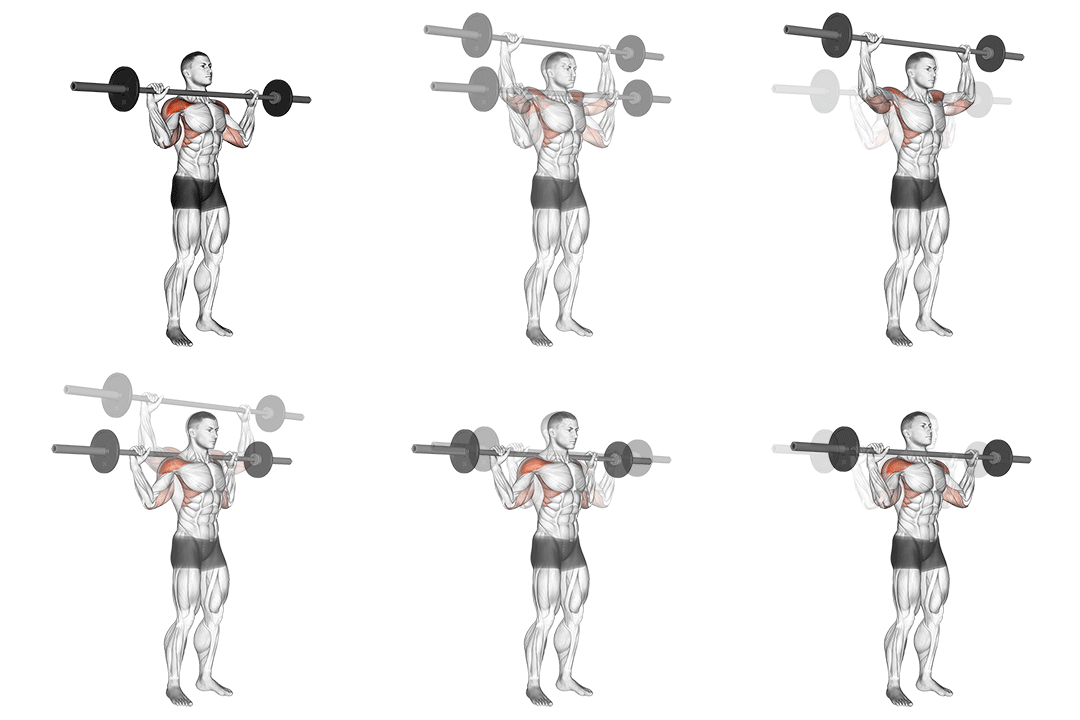
5. Barbell Standing Bradford Press
68.1% MatchHow to perform this exercise
- Stand with your feet shoulder-width apart and hold the barbell in front of your shoulders with an overhand grip.
- Press the barbell overhead, fully extending your arms.
- Lower the barbell back down to the starting position.
- Repeat for the desired number of repetitions.
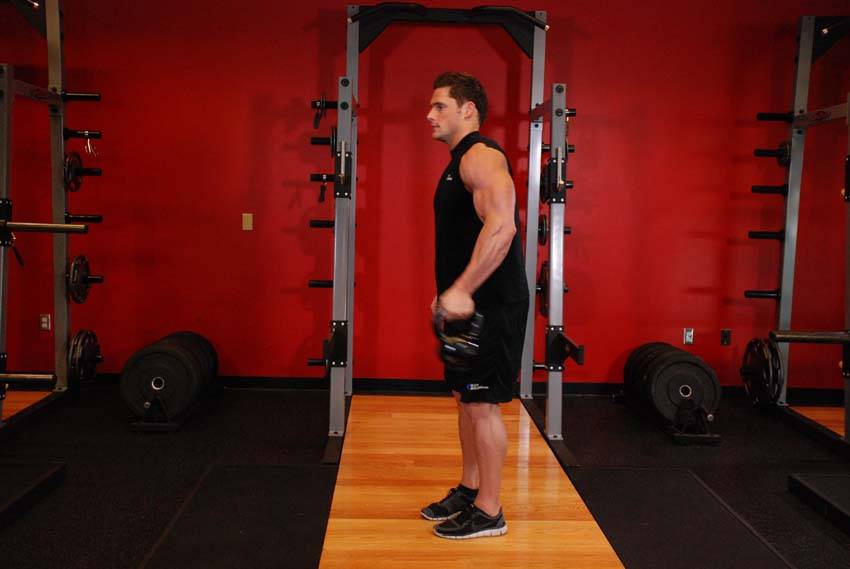
6. Bottoms-Up Clean From The Hang Position
66% MatchHow to perform this exercise
- Initiate the exercise by standing upright with a kettlebell in one hand.
- Swing the kettlebell back forcefully and then reverse the motion forcefully. Crush the kettlebell handle as hard as possible and raise the kettlebell to your shoulder.
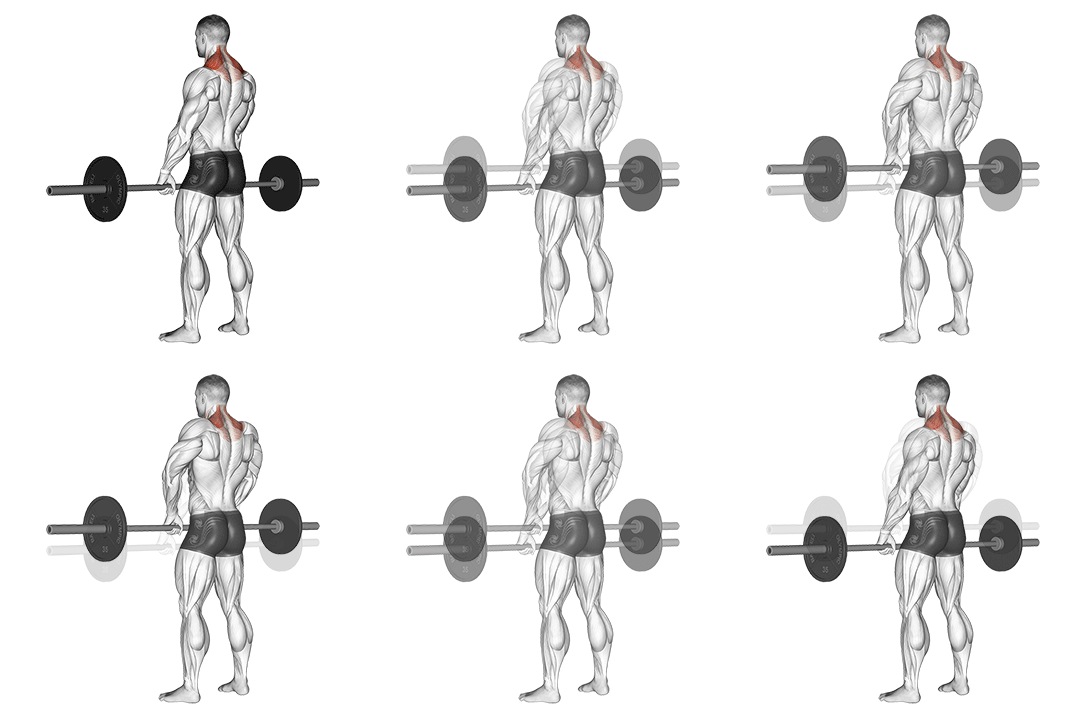
7. Barbell Shrug
64.9% MatchHow to perform this exercise
- Stand with your feet shoulder-width apart and hold a barbell in front of you with an overhand grip.
- Keep your arms straight and your back straight throughout the exercise.
- Lift your shoulders up towards your ears as high as possible, squeezing your traps at the top.
- Hold for a moment, then slowly lower your shoulders back down to the starting position.
- Repeat for the desired number of repetitions.
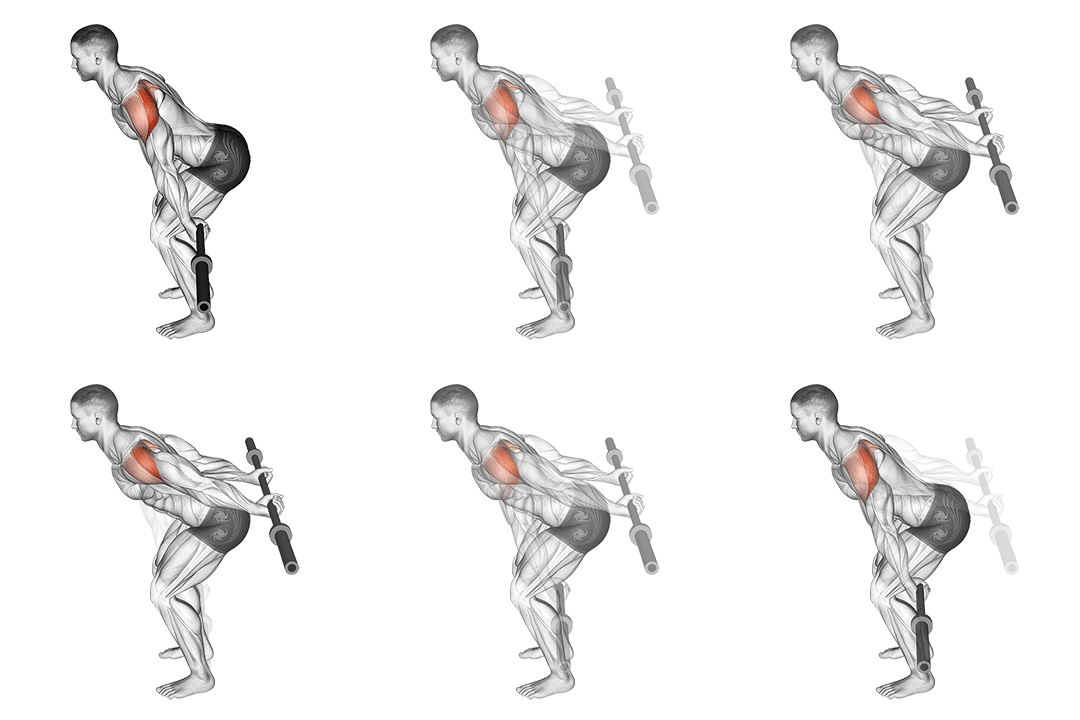
8. Barbell Skier
64.1% MatchHow to perform this exercise
- Stand with your feet shoulder-width apart and hold a barbell in front of your thighs with an overhand grip.
- Bend your knees slightly and hinge forward at the hips, keeping your back straight and chest up.
- Simultaneously lift the barbell up towards your shoulders while jumping slightly off the ground.
- As you reach the top of the movement, quickly reverse the motion and lower the barbell back down to the starting position.
- Repeat for the desired number of repetitions.
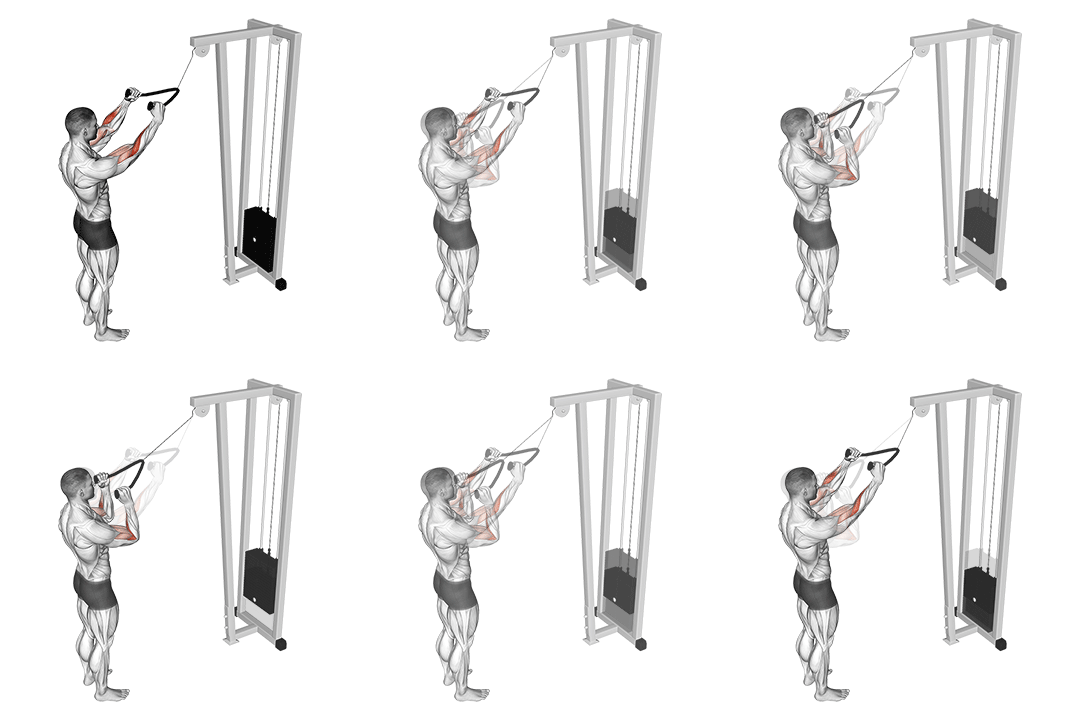
9. Cable Standing Pulldown (with Rope)
61.2% MatchHow to perform this exercise
- Attach a rope to the cable machine at the highest setting.
- Stand facing the machine with your feet shoulder-width apart.
- Grasp the rope with an overhand grip, palms facing down.
- Keep your back straight and core engaged throughout the exercise.
- Pull the rope down towards your thighs, squeezing your biceps.
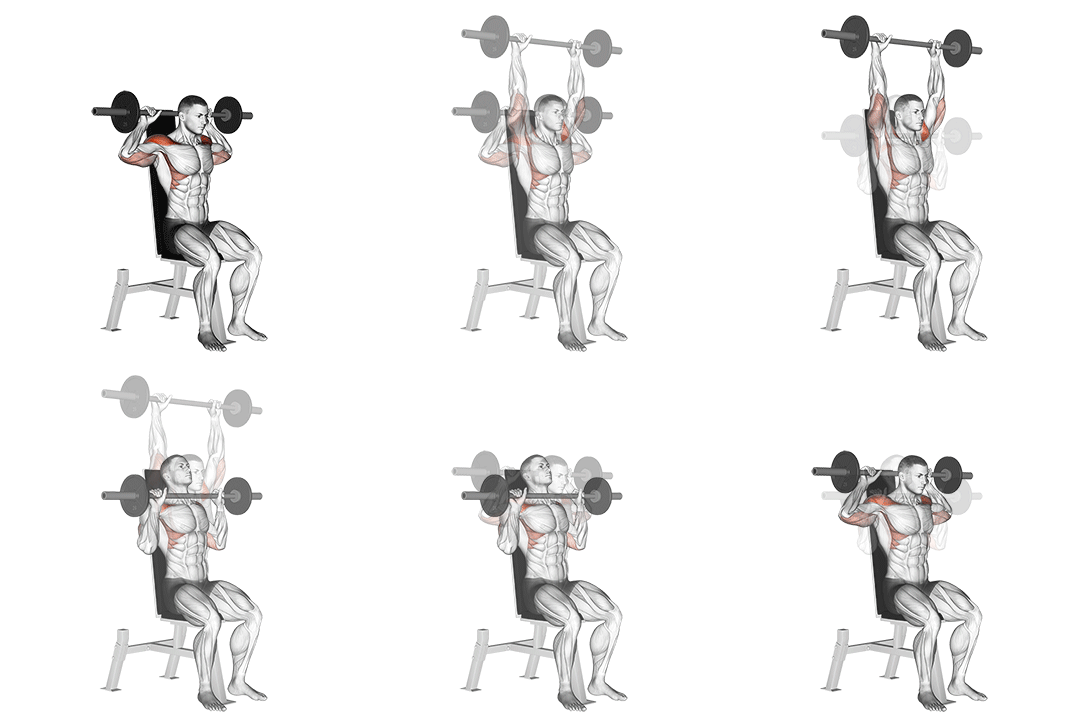
10. Barbell Seated Bradford Rocky Press
60.9% MatchHow to perform this exercise
- Sit on a bench with your back straight and feet flat on the ground.
- Hold the barbell with an overhand grip, slightly wider than shoulder-width apart.
- Lift the barbell to shoulder height, keeping your elbows slightly bent and pointing forward.
- Press the barbell overhead, fully extending your arms.
- Lower the barbell back to shoulder height and repeat for the desired number of repetitions.
Why You Might Need a Barbell Upright Row Alternative
You may swap the upright row for medical, mechanical or practical reasons. The upright row narrows the subacromial space when you force internal rotation and high elbow elevation, which can aggravate impingement. Equipment limits or programming goals—power vs isolation—also justify a switch. Pick movements that preserve external rotation, control scapular upward rotation, and spread load across the deltoid rather than compressing the acromion. For example, face pulls train posterior delts and external rotators (pull to eye level with scapular retraction), while a landmine press reduces horizontal shoulder shear and keeps the humerus in safer rotation.
How to Choose the Right Substitute
Match the substitute to your training objective, shoulder health, and available kit. For strength and power choose dynamic patterns like the dumbbell high pull (explode through hips, lead with elbows) to recruit lateral delts and traps. For hypertrophy or rehab prefer isolated, rotator-friendly moves like cable lateral raises or face pulls that emphasize middle and rear delt fibers and allow external rotation. Also consider range of motion, load progression, and whether the cue requires scapular upward rotation. Prioritize exercises that let you load progressively while maintaining neutral or externally rotated humeral alignment.
Frequently Asked Questions
What muscles does Barbell Upright Row work?
The upright row primarily targets the lateral deltoids and upper trapezius while also loading the anterior deltoid and biceps as stabilizers. Biomechanically it combines humeral elevation with scapular elevation; cue the movement by leading with the elbows to emphasize lateral deltoid drive.
What is the best bodyweight alternative to Barbell Upright Row?
A strict pike push-up is the best bodyweight option to target the delts—tuck the hips and lower with the eyes between the hands to bias the middle and anterior deltoids. If you can control inverted positions, a wall handstand push-up adds vertical load and upper trap recruitment while preserving scapular control.
Can I build muscle without doing Barbell Upright Row?
Yes. You can build shoulder mass with presses, high pulls, lateral raises, and rows that replicate the deltoid loading pattern. Use cues like external rotation and leading with the elbow, and apply progressive overload through volume, load, or frequency to stimulate hypertrophy.
More Exercise Alternatives
Find Alternatives for Any Exercise
Use our free tool to discover the best substitute exercises based on your available equipment and goals.
Try the Exercise Substitution Finder →