

10 Best Bodyweight Squatting Row Alternatives for Home Training
If you can’t perform the Bodyweight Squatting Row, replace it with horizontal pulling movements that preserve scapular retraction and lat length-tension. Top swaps include inverted rows, TRX/strap rows, resistance-band rows, single-arm dumbbell rows, and towel rows. Cue: pull your sternum to the bar and squeeze the lats at the finish to maximize posterior chain activation.
Original Exercise: Bodyweight Squatting Row
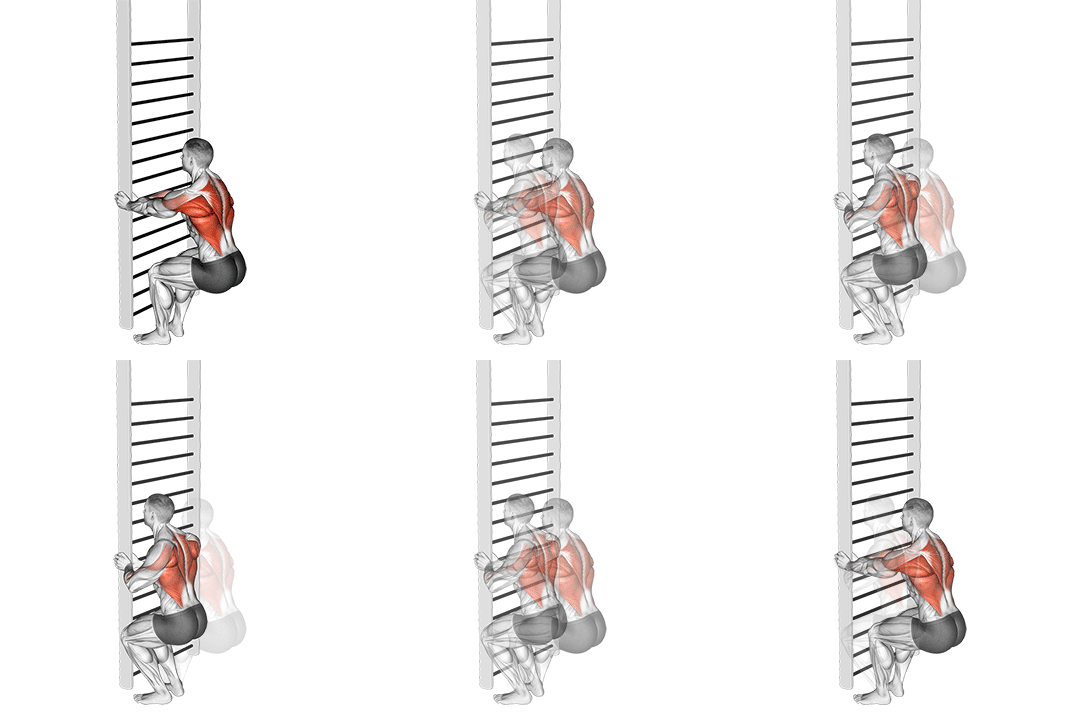
How to Perform Bodyweight Squatting Row
- Stand with your feet shoulder-width apart, holding onto a sturdy object or suspension trainer with your arms extended.
- Lower your body into a squat position, keeping your back straight and your knees behind your toes.
- From the squat position, pull your body up towards the object or suspension trainer, squeezing your shoulder blades together.
- Pause for a moment at the top, then slowly lower your body back down to the starting position.
- Repeat for the desired number of repetitions.
Best Bodyweight Squatting Row Alternatives
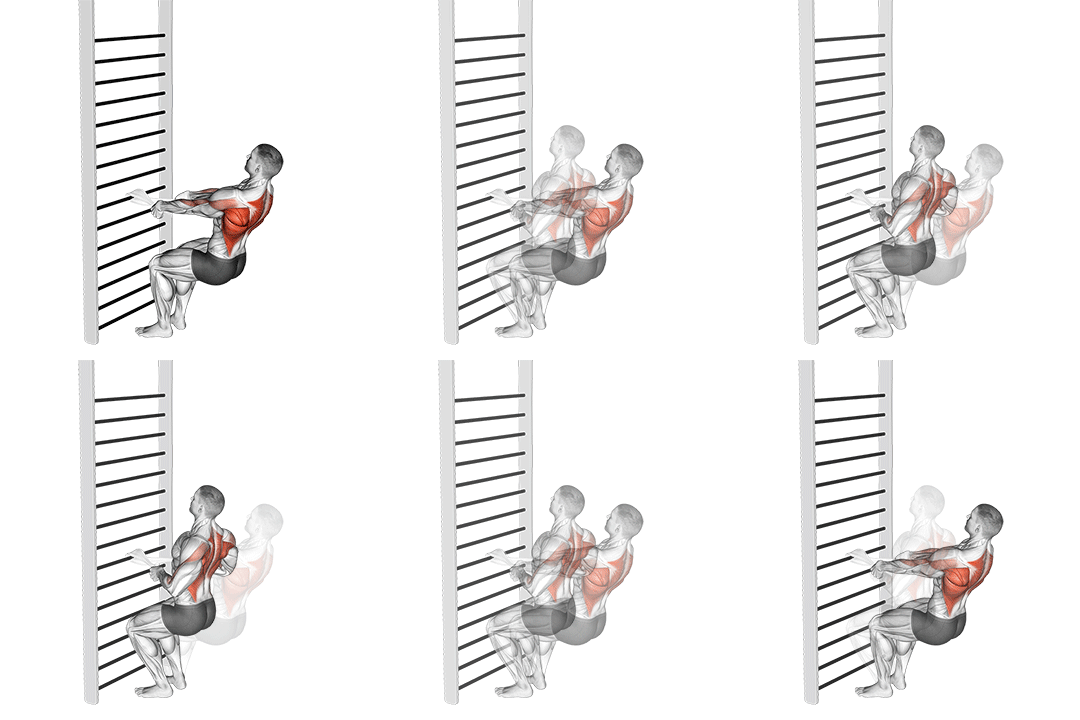
1. Bodyweight Squatting Row (with Towel)
97.9% MatchHow to perform this exercise
- Stand with your feet shoulder-width apart, holding a towel in front of you with your palms facing down.
- Bend your knees and lower your body into a squat position, keeping your back straight and your chest up.
- As you lower into the squat, simultaneously pull the towel towards your chest, squeezing your shoulder blades together.
- Pause for a moment at the bottom of the squat, then slowly return to the starting position while extending your arms.
- Repeat for the desired number of repetitions.
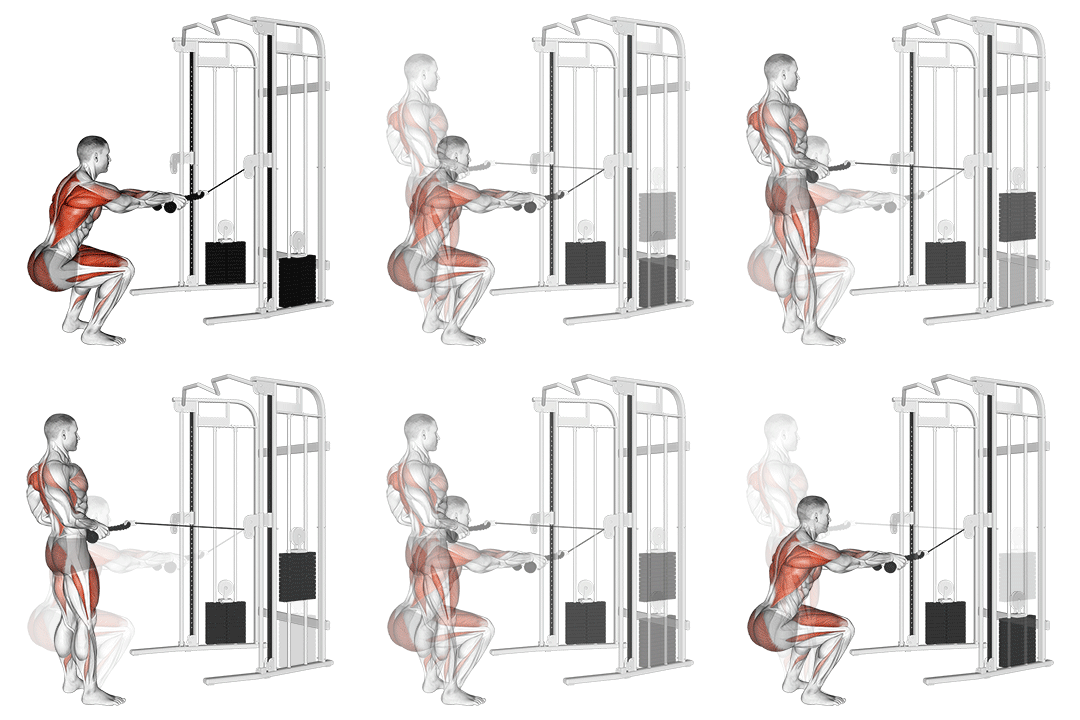
2. Cable Squat Row (with Rope Attachment)
85.2% MatchHow to perform this exercise
- Attach a rope to a cable machine at waist height.
- Stand facing the cable machine with your feet shoulder-width apart.
- Bend your knees and lower your body into a squat position, keeping your back straight and chest up.
- Grasp the rope with an overhand grip, with your hands shoulder-width apart.
- Engage your core and pull the rope towards your body, squeezing your shoulder blades together.
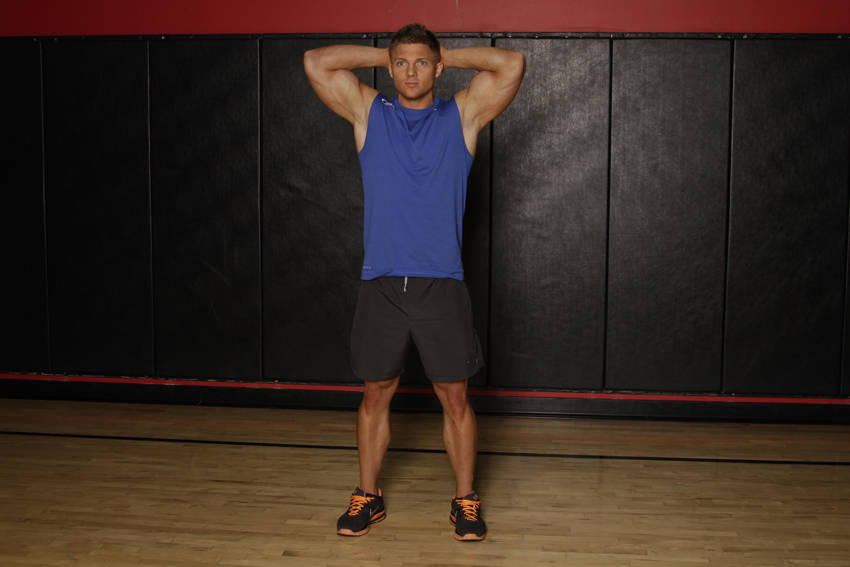
3. Bodyweight Squat
81% MatchHow to perform this exercise
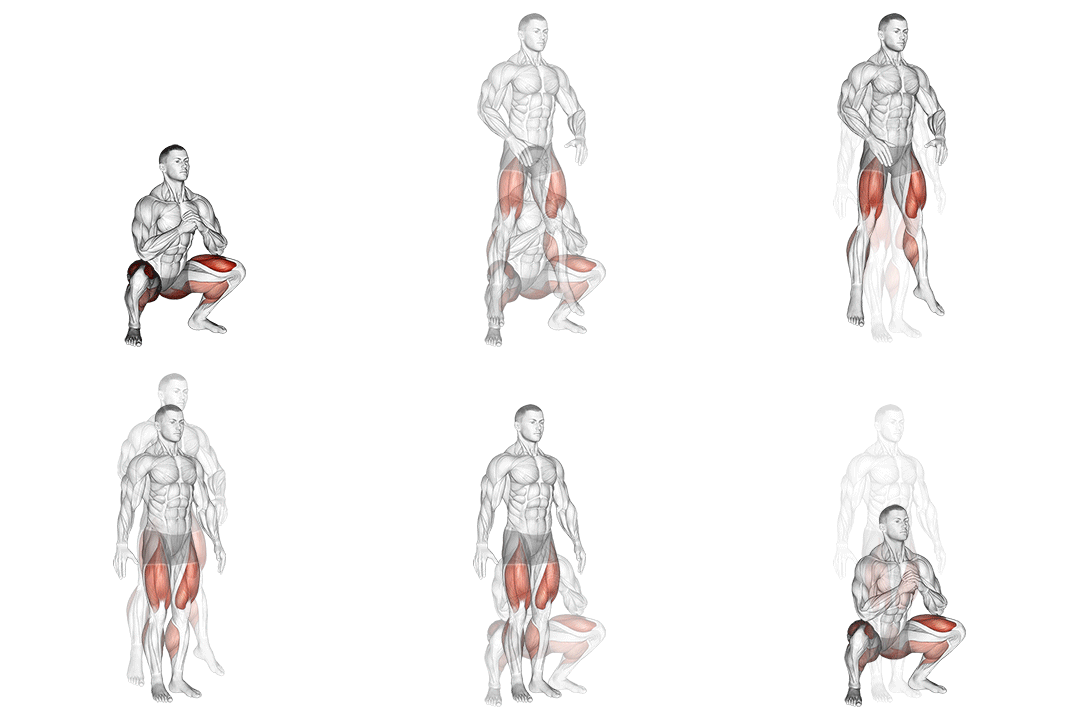
- Stand with your feet shoulder width apart. You can place your hands behind your head. This will be your starting position.
- Begin the movement by flexing your knees and hips, sitting back with your hips.
- Continue down to full depth if you are able,and quickly reverse the motion until you return to the starting position. As you squat, keep your head and chest up and push your knees out.
4. Bodyweight Drop Jump Squat
78.9% MatchHow to perform this exercise
- Stand with your feet shoulder-width apart.
- Lower your body into a squat position by bending your knees and pushing your hips back.
- Jump up explosively, extending your hips, knees, and ankles.
- While in mid-air, quickly bring your feet together.
- Land softly on the balls of your feet and immediately drop back into a squat position.
5. Depth Jump Leap
75.2% MatchHow to perform this exercise
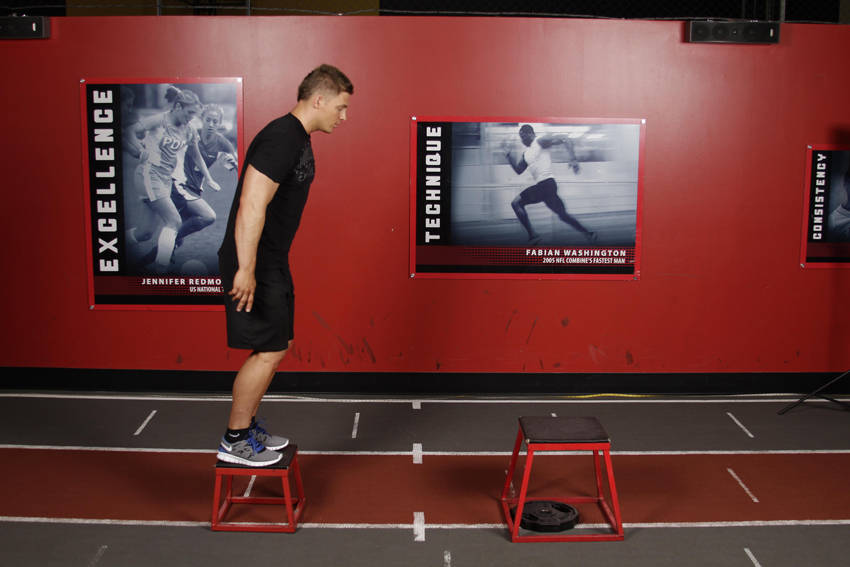
- For this drill you will need two boxes or benches, one 12 to 16 inches high and the other 22 to 26 inches high.
- Stand on one of the two boxes with arms at the sides; feet should be together and slightly off the edge as in the depth jump. Place the other box approximately two or three feet in front of and facing the performer.
- Begin by dropping off the initial box, landing and simultaneously taking off with both feet.
- Rebound by driving upward and outward as intensely as possible, using the arms and full extension of the body to jump onto the higher box. Again, allow the legs to absorb the impact.
6. Box Jump (Multiple Response)
75.2% MatchHow to perform this exercise
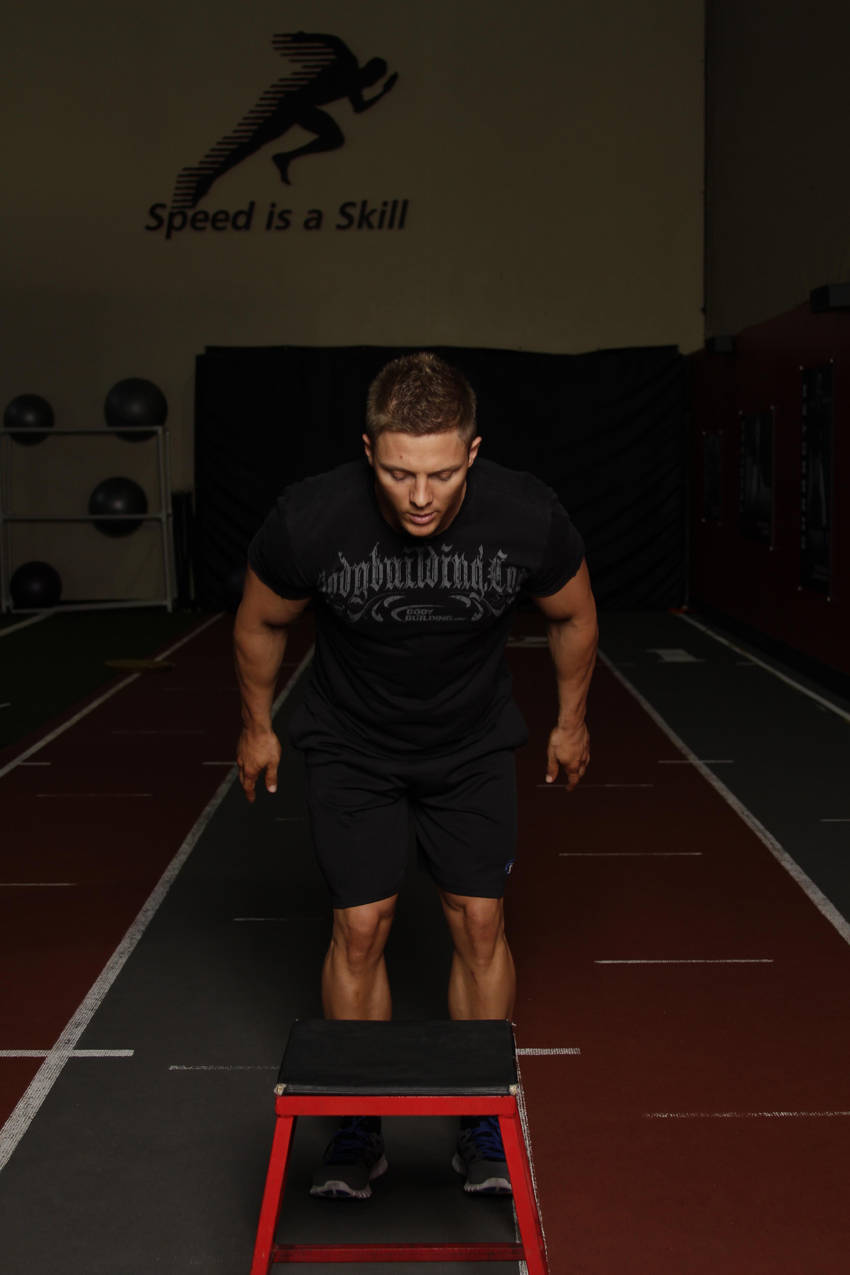
- Assume a relaxed stance facing the box or platform approximately an arm's length away. Arms should be down at the sides and legs slightly bent.
- Using the arms to aid in the initial burst, jump upward and forward, landing with feet simultaneously on top of the box or platform.
- Immediately drop or jump back down to the original starting place; then repeat the sequence.
7. Band Squat Row
75% MatchHow to perform this exercise
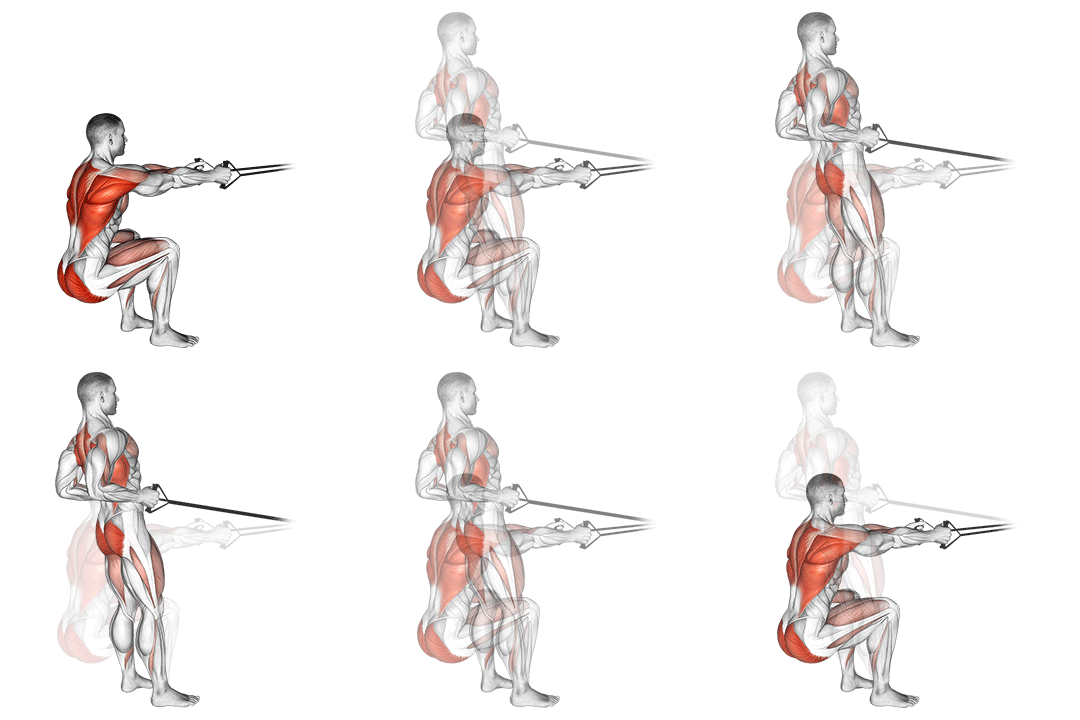
- Attach the band to a sturdy anchor point at waist height.
- Stand facing the anchor point with your feet shoulder-width apart.
- Hold the band handles with your palms facing each other and your arms extended in front of you.
- Bend your knees and lower into a squat position, keeping your back straight and chest lifted.
- From the squat position, pull the band handles towards your body, squeezing your shoulder blades together.
8. Bench Jump
74.7% MatchHow to perform this exercise
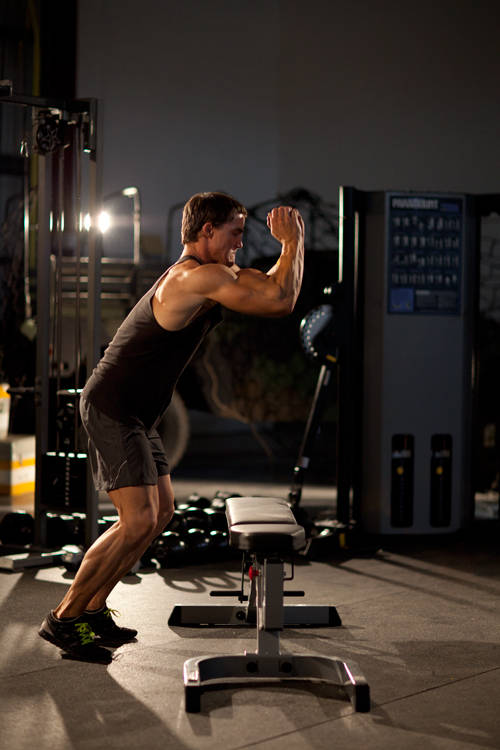
- Begin with a box or bench 1-2 feet in front of you. Stand with your feet shoulder width apart. This will be your starting position.
- Perform a short squat in preparation for the jump; swing your arms behind you.
- Rebound out of this position, extending through the hips, knees, and ankles to jump as high as possible. Swing your arms forward and up.
- Jump over the bench, landing with the knees bent, absorbing the impact through the legs.
- Turn around and face the opposite direction, then jump back over the bench.
9. Backward Jump
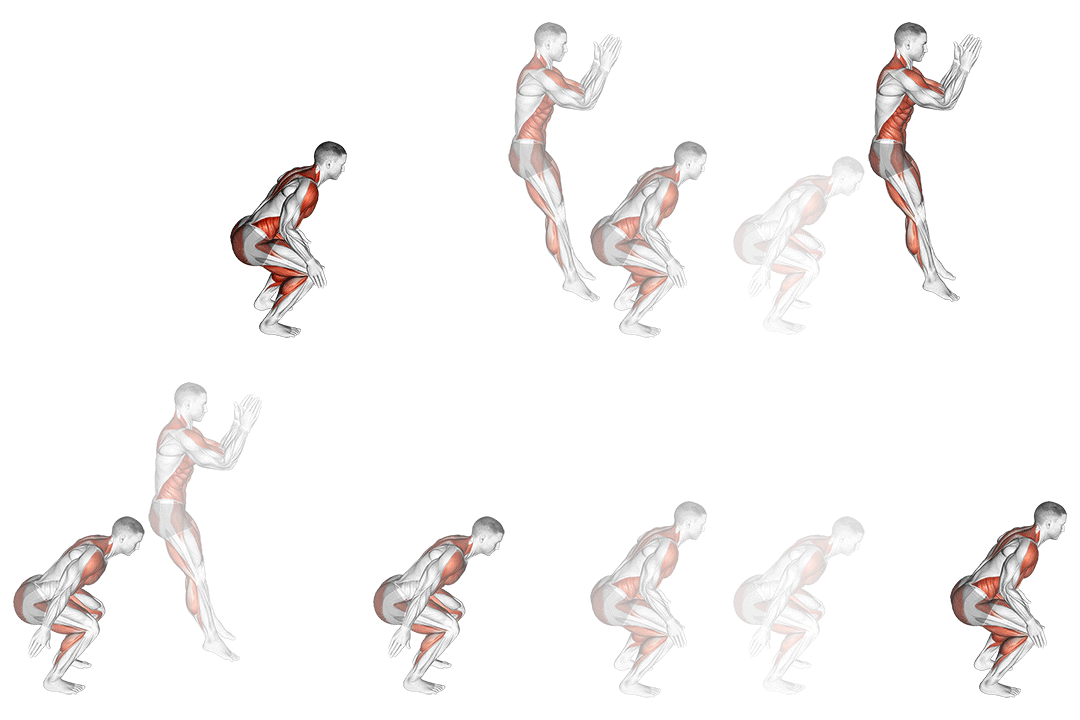
73.9% MatchHow to perform this exercise
- Stand with your feet shoulder-width apart.
- Bend your knees slightly and jump backwards, pushing off with both feet.
- Land softly on the balls of your feet, bending your knees to absorb the impact.
- Repeat for the desired number of repetitions.
10. Band Squat
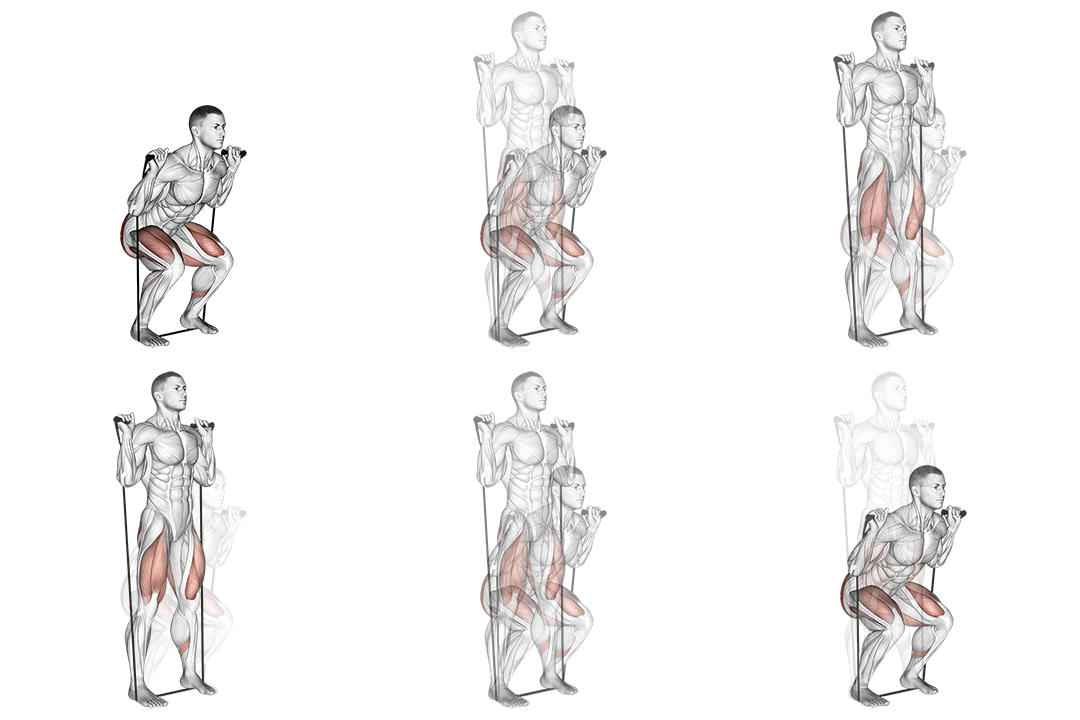
73.7% MatchHow to perform this exercise
- Stand with your feet shoulder-width apart, with the band placed just above your knees.
- Keeping your chest up and core engaged, push your hips back and bend your knees to lower into a squat position.
- Make sure your knees are tracking over your toes and your weight is in your heels.
- Pause for a moment at the bottom, then push through your heels to return to the starting position.
- Repeat for the desired number of repetitions.
Why You Might Need a Bodyweight Squatting Row Alternative
You might substitute the Bodyweight Squatting Row because of shoulder pain, lack of rigging, or to vary stimulus. Horizontal pulls reduce compressive lumbar load compared with bent-over rows and let you manipulate load via body angle; lowering the torso more increases lat activation. If you have acute shoulder irritation choose a neutral-grip TRX or band row and focus on scapular retraction first. For progression or hypertrophy goals, choose a version that lets you add volume or increase difficulty (steeper body angle, slower eccentrics). Technique cue: keep a neutral spine, retract the scapula before pulling, and lead with the elbow to bias the lats.
How to Choose the Right Substitute
Pick a substitute based on equipment, desired overload, and joint tolerance. If you have only bodyweight or straps, use inverted rows and alter torso angle—more horizontal equals greater load on the lats. If you want unilateral control, choose single-arm rows to address asymmetry; cue: keep elbow ~45° from the torso to emphasize lat engagement. For people with shoulder issues, use resistance bands for smoother force curves and start with scapular pulls to teach retraction. Prioritize options that let you progress load, preserve full scapular motion, and maintain a neutral spine.
Frequently Asked Questions
What muscles does Bodyweight Squatting Row work?
The primary mover is the latissimus dorsi, with strong assistance from the rhomboids, middle trapezius, posterior deltoids, and biceps. Cue scapular retraction before the pull to increase rhomboid and trap activation and maintain a neutral spine to involve the erector spinae for stability.
What is the best bodyweight alternative to Bodyweight Squatting Row?
The inverted row (Australian pull-up) is the best pure bodyweight alternative because you can adjust torso angle to scale load while preserving horizontal pulling mechanics. Set your body at about a 45° angle, pull the chest to the bar with elbows driving down, and squeeze the lats at the top to replicate the same activation pattern.
Can I build muscle without doing Bodyweight Squatting Row?
Yes—you can develop the lats and upper back using progressive overload with alternatives like inverted rows, band rows, and single-arm rows. Use techniques such as slower 3–4 second eccentrics, full scapular retraction, and increasing repetitions or angle difficulty to drive hypertrophy.
More Exercise Alternatives
Find Alternatives for Any Exercise
Use our free tool to discover the best substitute exercises based on your available equipment and goals.
Try the Exercise Substitution Finder →