

10 Best Bottoms-up Alternatives for Bodyweight Core Training
If you can’t perform the Bottoms-up, use other bodyweight isolation moves to target the abs and waist. Try dead bugs, hollow holds, reverse crunches, plank knee-ins, and vertical leg raises. Cue: brace your core, posteriorly tilt the pelvis and draw the navel to the spine to maximize rectus abdominis activation and limit hip-flexor dominance.
Original Exercise: Bottoms-up
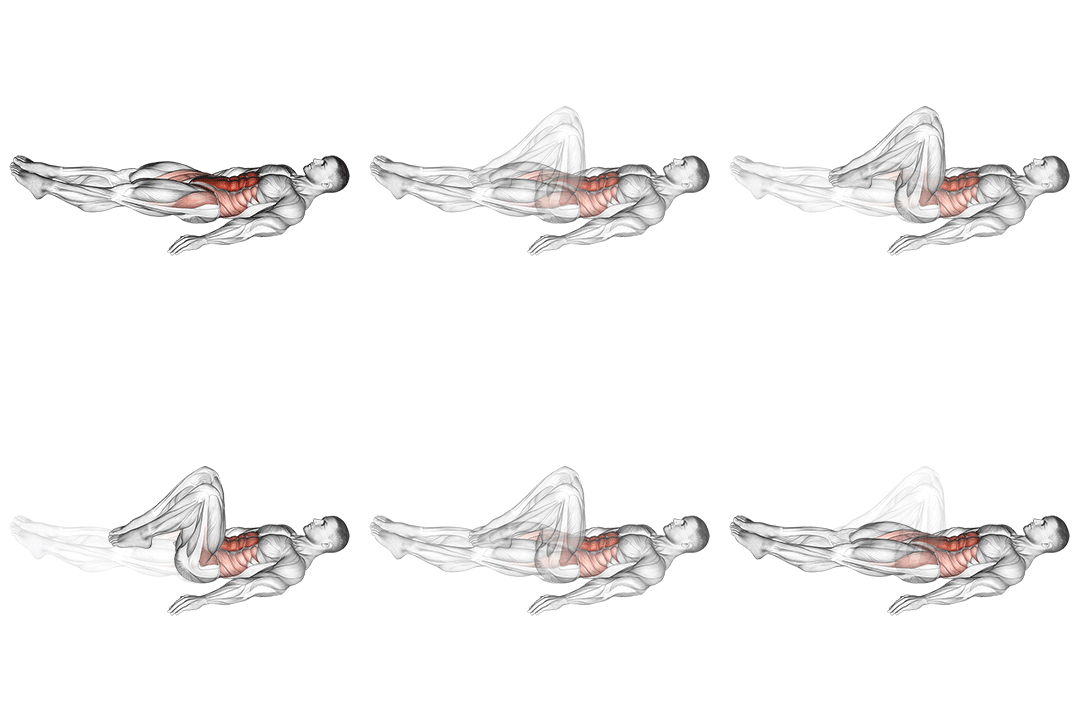
How to Perform Bottoms-up
- Lie flat on your back with your legs extended and your arms by your sides.
- Bend your knees and bring them towards your chest, keeping your feet off the ground.
- Engaging your abs, lift your hips off the ground, bringing your knees towards your head.
- Pause for a moment at the top, then slowly lower your hips back down to the starting position.
- Repeat for the desired number of repetitions.
Best Bottoms-up Alternatives
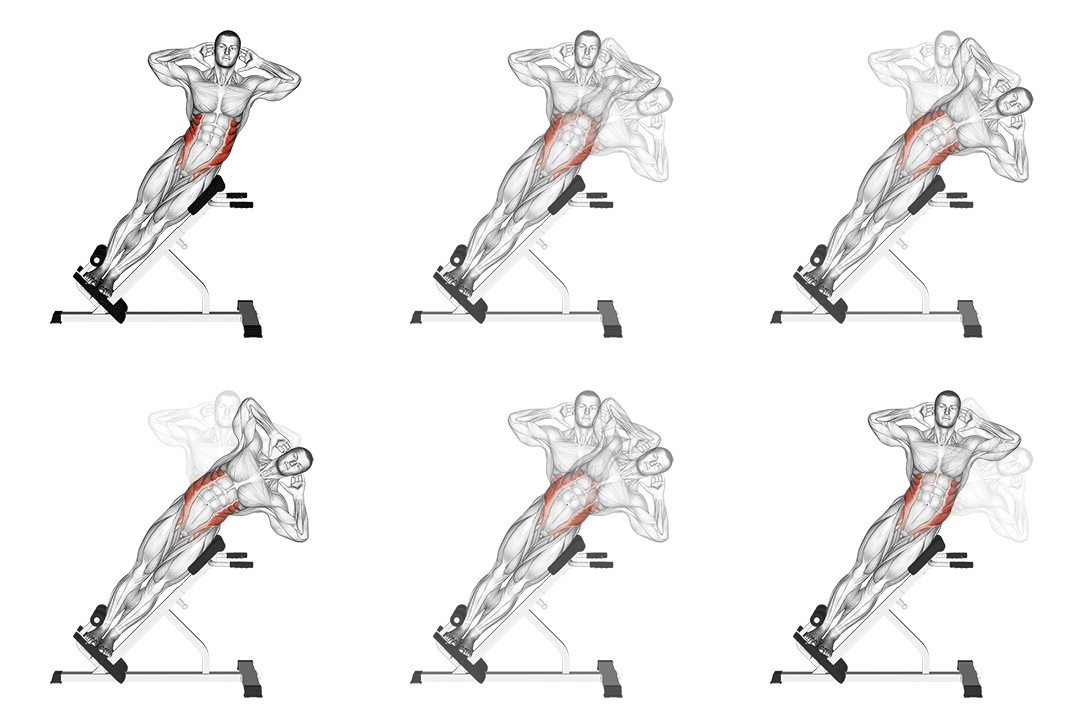
1. 45° Side Bend
85.1% MatchHow to perform this exercise
- Stand with your feet shoulder-width apart and your arms extended straight down by your sides.
- Keeping your back straight and your core engaged, slowly bend your torso to one side, lowering your hand towards your knee.
- Pause for a moment at the bottom, then slowly return to the starting position.
- Repeat on the other side.
- Continue alternating sides for the desired number of repetitions.
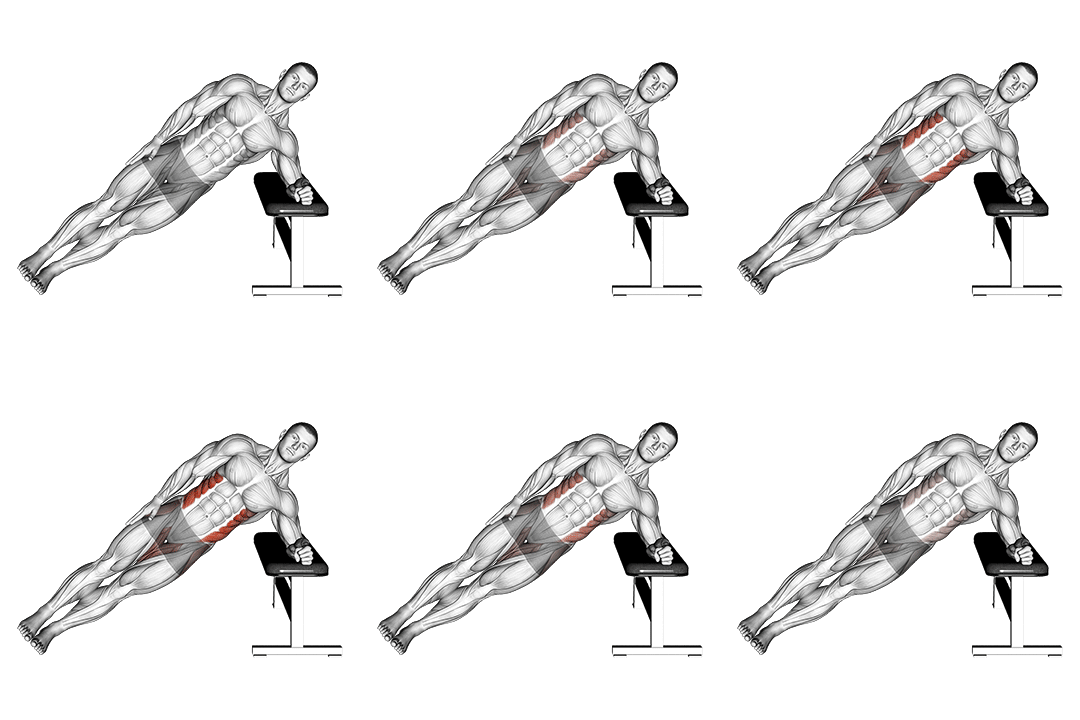
2. Bodyweight Incline Side Plank
75.9% MatchHow to perform this exercise
- Start by lying on your side with your legs extended and stacked on top of each other.
- Place your forearm on the ground directly below your shoulder, with your elbow bent at a 90-degree angle.
- Engage your core and lift your hips off the ground, creating a straight line from your head to your feet.
- Hold this position for the desired amount of time.
- Lower your hips back down to the ground and repeat on the other side.
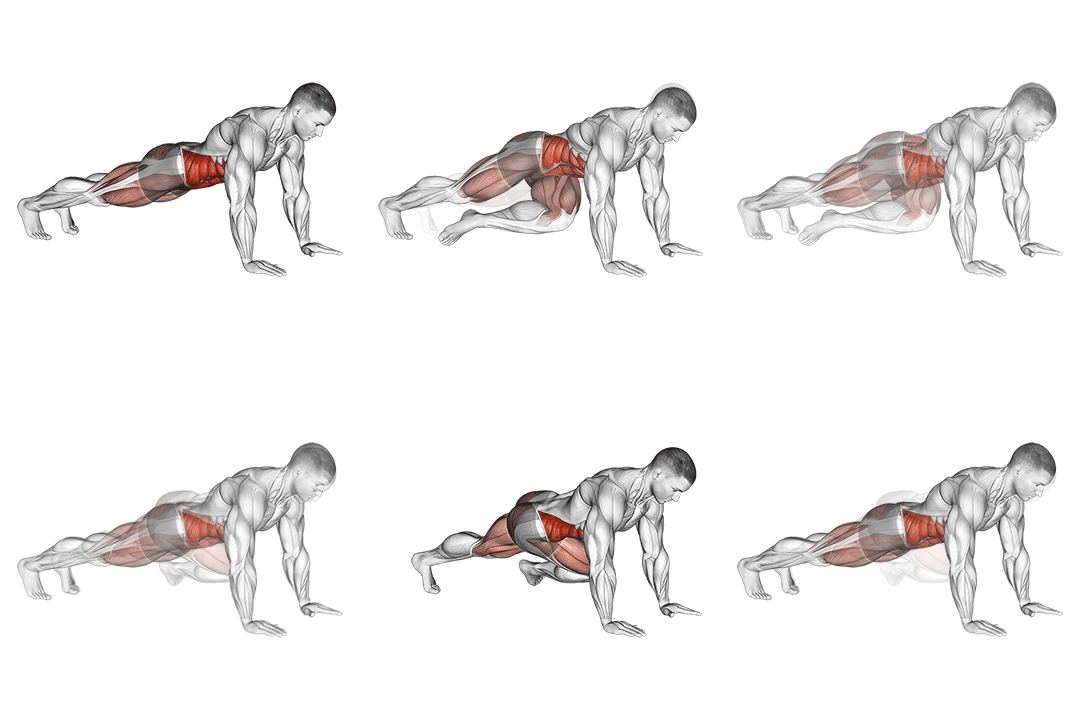
3. Bridge - Mountain Climber (cross Body)
74.1% MatchHow to perform this exercise
- Start in a high plank position with your hands directly under your shoulders and your body in a straight line.
- Engage your core and lift your right foot off the ground, bringing your right knee towards your left elbow.
- Return your right foot to the starting position and repeat the movement with your left foot towards your right elbow.
- Continue alternating sides, moving at a controlled pace.
- Keep your hips level and avoid lifting your hips too high or sagging them too low.
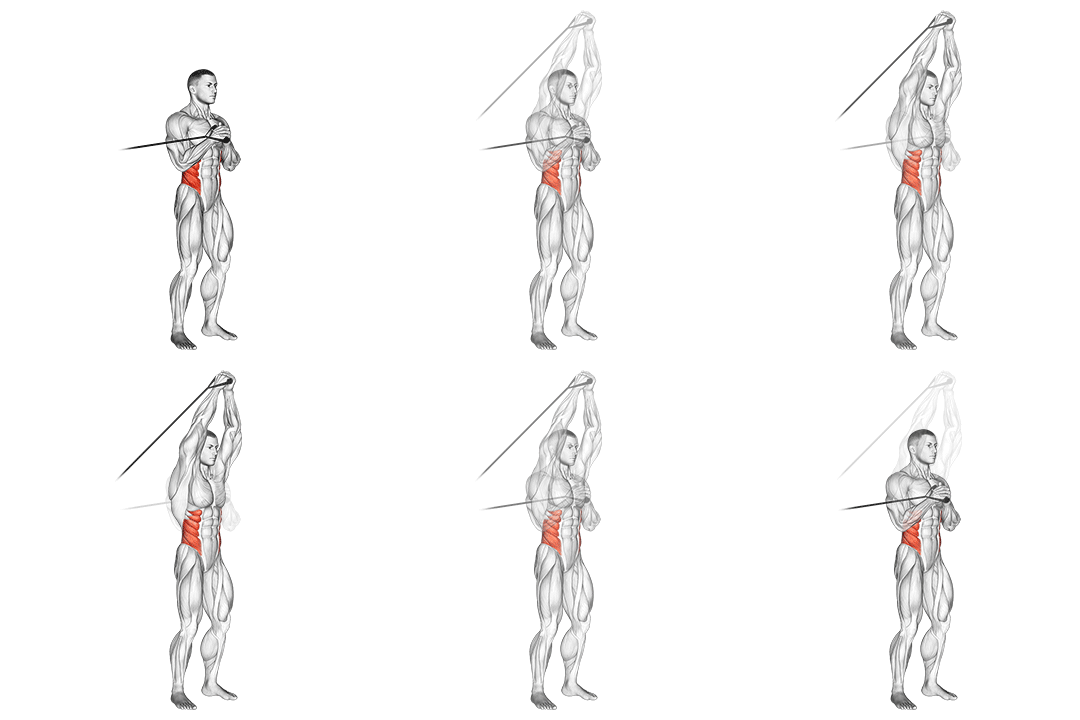
4. Band Vertical Pallof Press
74% MatchHow to perform this exercise
- Stand with your feet shoulder-width apart and wrap the band around a sturdy object at chest height.
- Hold the band with both hands and step away from the anchor point, creating tension in the band.
- Position yourself perpendicular to the anchor point, with your side facing the band.
- Extend your arms straight out in front of you, keeping your hands at chest height.
- Engage your core and press the band away from your chest, fully extending your arms.
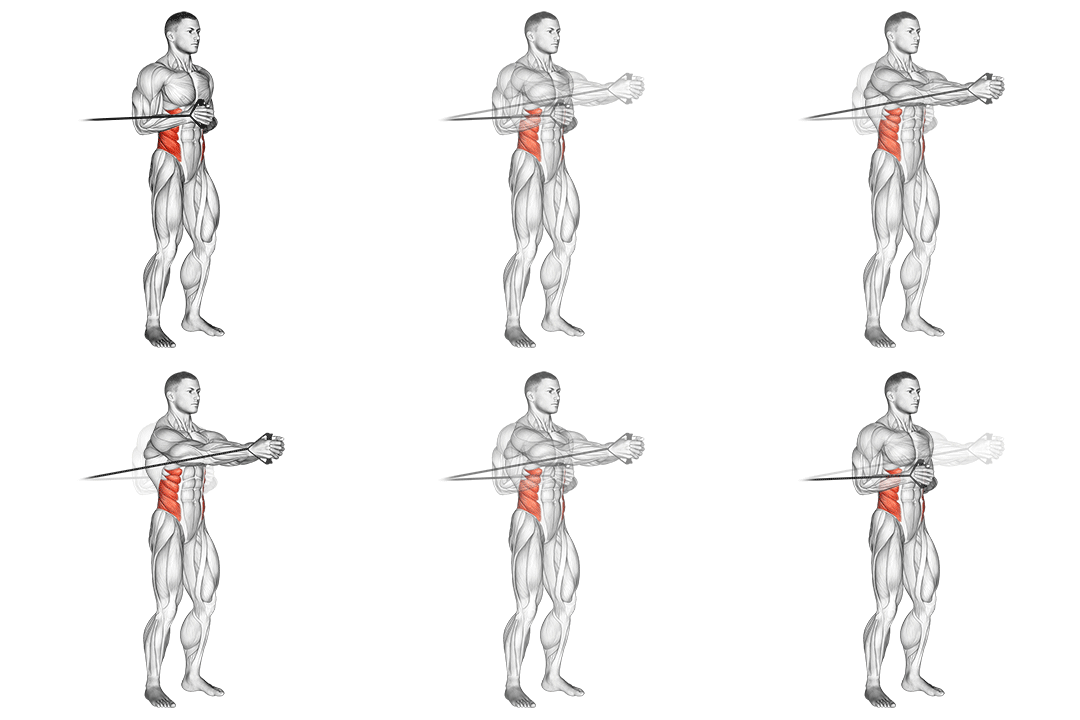
5. Band Horizontal Pallof Press
72.4% MatchHow to perform this exercise
- Attach the band to a sturdy anchor point at waist height.
- Stand perpendicular to the anchor point with your feet shoulder-width apart.
- Grasp the band handle with both hands and step away from the anchor point to create tension in the band.
- Bring your hands to your chest, keeping your elbows bent and close to your body.
- Engage your core and maintain a stable stance.
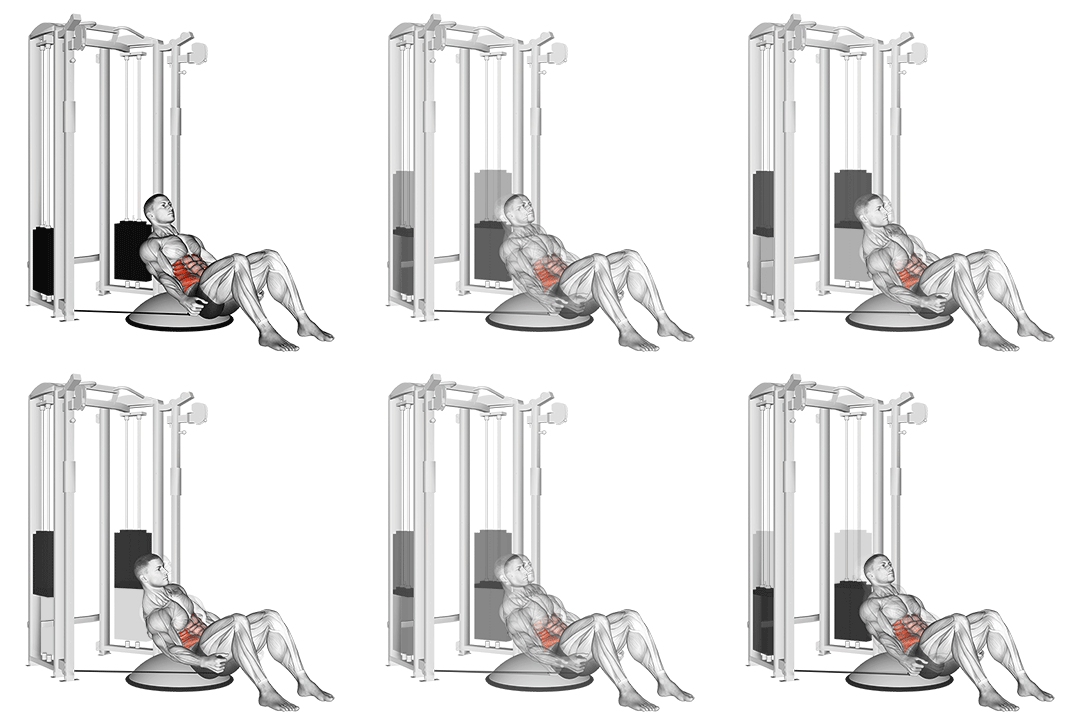
6. Cable Side Bend Crunch (bosu Ball)
70.4% MatchHow to perform this exercise
- Stand with your feet shoulder-width apart, holding a cable handle in one hand.
- Place the other hand on your hip.
- Engage your core and slowly bend sideways towards the hand holding the cable, keeping your back straight.
- Pause for a moment at the bottom of the movement, then slowly return to the starting position.
- Repeat for the desired number of repetitions, then switch sides.
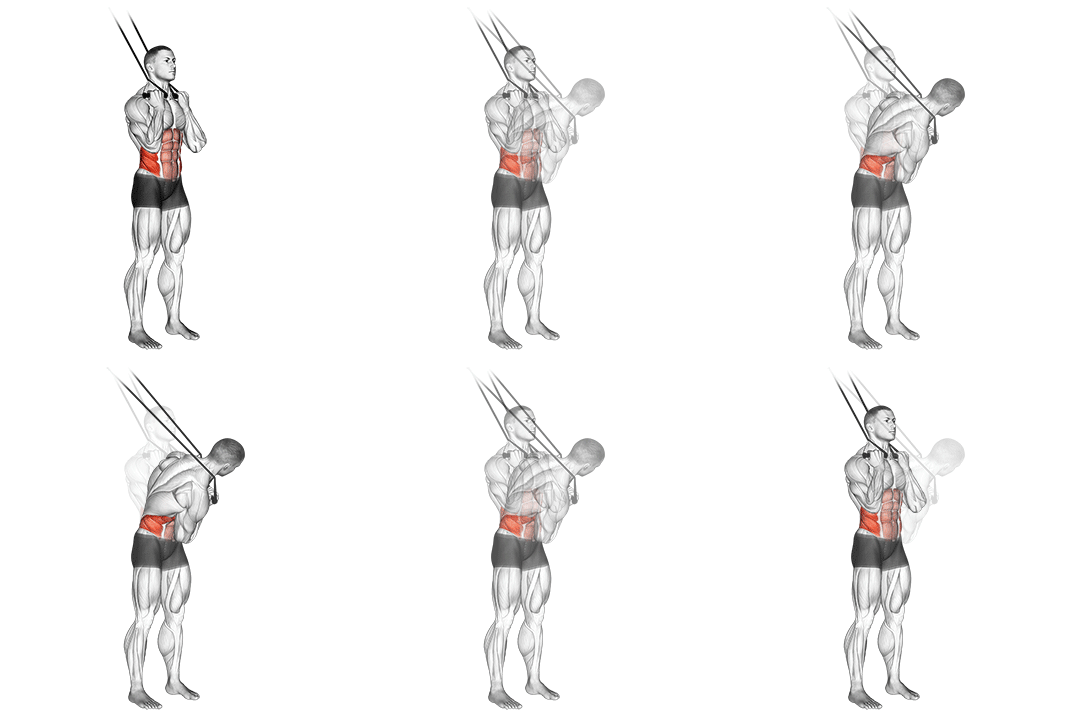
7. Band Standing Twisting Crunch
68.7% MatchHow to perform this exercise
- Stand with your feet shoulder-width apart and place the band around your upper back, crossing it in front of your chest.
- Hold the ends of the band with your hands, keeping your elbows bent and close to your sides.
- Engage your abs and twist your torso to one side, bringing your elbow towards the opposite knee.
- Pause for a moment, then return to the starting position.
- Repeat on the other side.
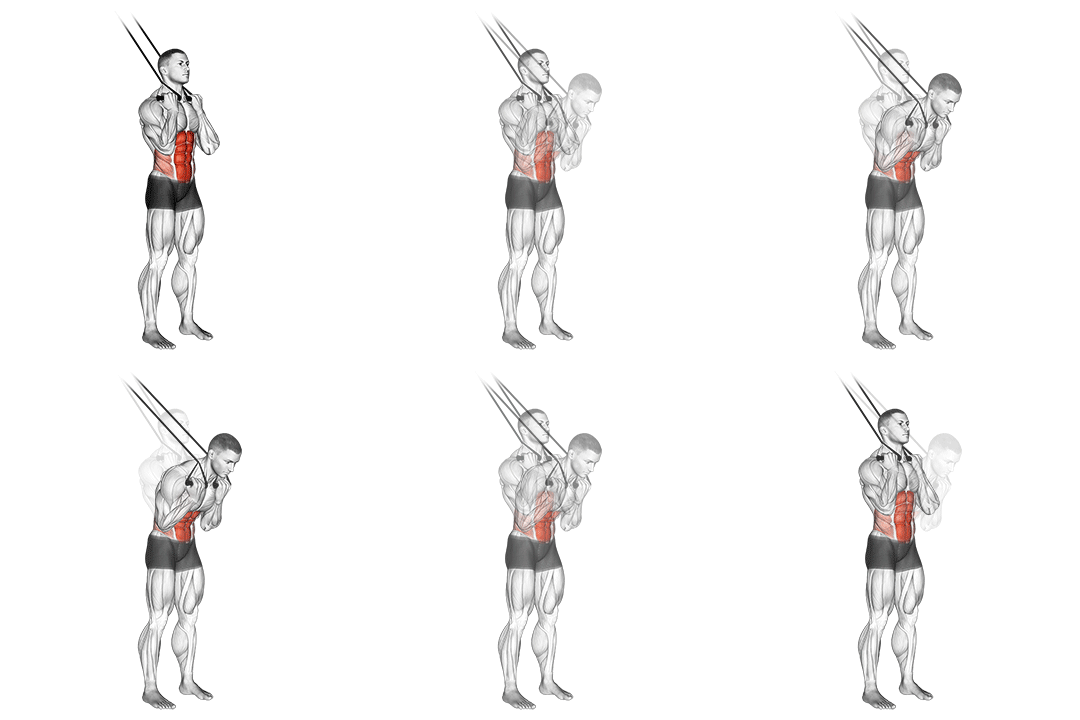
8. Band Standing Crunch
68.7% MatchHow to perform this exercise
- Attach the band to a sturdy anchor point at waist height.
- Stand facing away from the anchor point with your feet shoulder-width apart.
- Hold the band with both hands and bring it up to your chest, keeping your elbows bent and close to your body.
- Engage your abs and slowly crunch forward, bringing your chest towards your knees.
- Pause for a moment at the top of the crunch, then slowly return to the starting position.
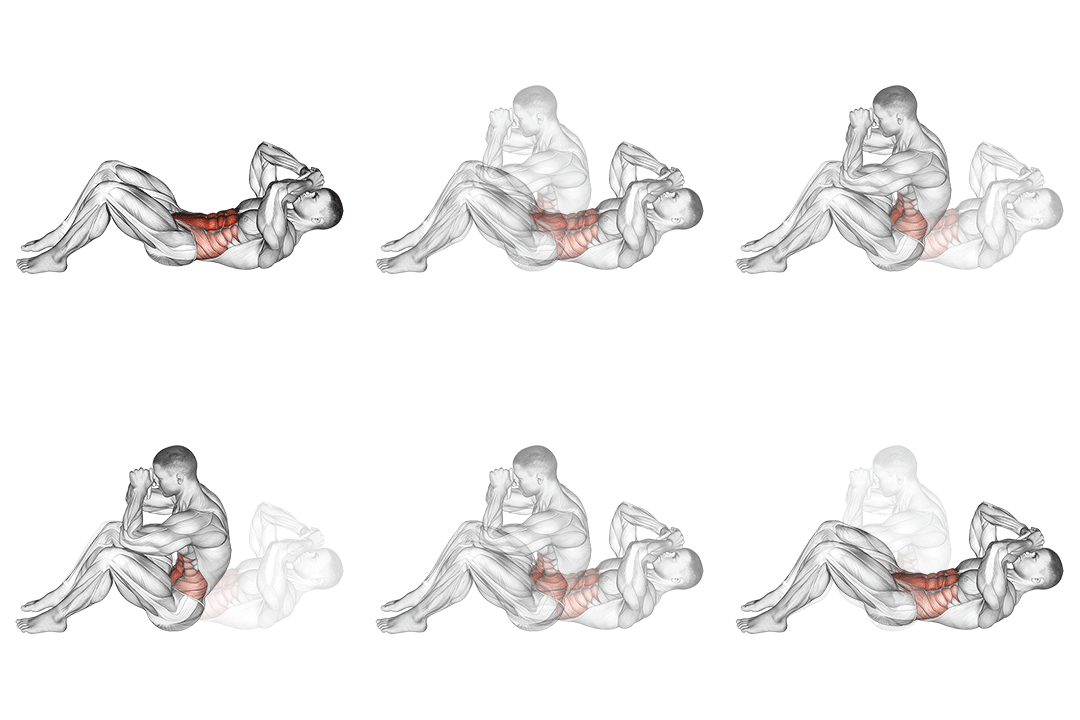
9. 3/4 Sit-up
68.6% MatchHow to perform this exercise
- Lie flat on your back with your knees bent and feet flat on the ground.
- Place your hands behind your head with your elbows pointing outwards.
- Engaging your abs, slowly lift your upper body off the ground, curling forward until your torso is at a 45-degree angle.
- Pause for a moment at the top, then slowly lower your upper body back down to the starting position.
- Repeat for the desired number of repetitions.
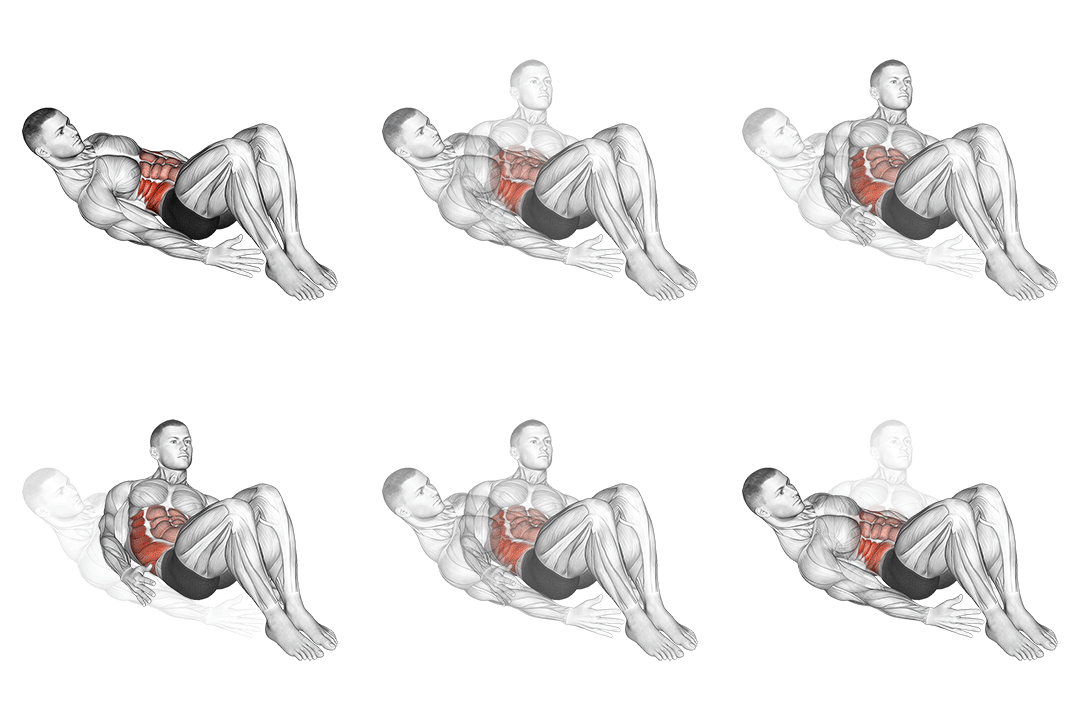
10. Alternate Heel Touchers
68.6% MatchHow to perform this exercise
- Lie flat on your back with your knees bent and feet flat on the ground.
- Extend your arms straight out to the sides, parallel to the ground.
- Engaging your abs, lift your shoulders off the ground and reach your right hand towards your right heel.
- Return to the starting position and repeat on the left side, reaching your left hand towards your left heel.
- Continue alternating sides for the desired number of repetitions.
Why You Might Need a Bottoms-up Alternative
You may need a substitute because of lower-back pain, limited mobility, or lack of specific body positions you can’t hold. Choosing an alternative reduces lumbar shear and hip-flexor overdrive while preserving abdominal tension. Cue: keep a neutral or slightly posterior pelvic tilt and exhale on the concentric phase to protect the spine. Substitutes let you target rectus abdominis and transverse abdominis with controlled flexion or isometric holds, and they allow graded progressions if the Bottoms-up creates excessive spinal flexion or balance demands.
How to Choose the Right Substitute
Select a substitute based on spinal load, movement plane, and whether you need an anti-extension or flexion pattern. For spinal issues pick isometric holds (hollow hold) using a posterior pelvic tilt cue to shorten the rectus and engage the transverse abdominis. If you need dynamic hip-flexor sparing work, choose dead bugs and keep opposite limbs low while you draw the navel to the spine. Progress by increasing time under tension or range of motion rather than speed to preserve core stability and minimize compensatory lumbar extension.
Frequently Asked Questions
What muscles does Bottoms-up work?
Bottoms-up primarily targets the rectus abdominis and transverse abdominis while challenging obliques for stabilization. Cue: perform with a posterior pelvic tilt and tight brace to emphasize spinal flexion and minimize hip-flexor involvement.
What is the best bodyweight alternative to Bottoms-up?
The dead bug is an excellent bodyweight alternative because it isolates the abs while limiting lumbar shear and hip-flexor dominance. Cue: keep the low back pressed to the floor and draw the navel to the spine as you extend opposite arm and leg to maintain rectus and transverse abdominis activation.
Can I build muscle without doing Bottoms-up?
Yes. You can hypertrophy and strengthen your abs using progressive overload via increased time under tension, added range (vertical leg raises), or higher rep sets with strict form. Cue: always control the eccentric, maintain bracing, and avoid compensatory lumbar extension to maximize abdominal recruitment.
More Exercise Alternatives
Find Alternatives for Any Exercise
Use our free tool to discover the best substitute exercises based on your available equipment and goals.
Try the Exercise Substitution Finder →