

10 Best Cable Cross-over Lateral Pulldown Alternatives for Limited Equipment
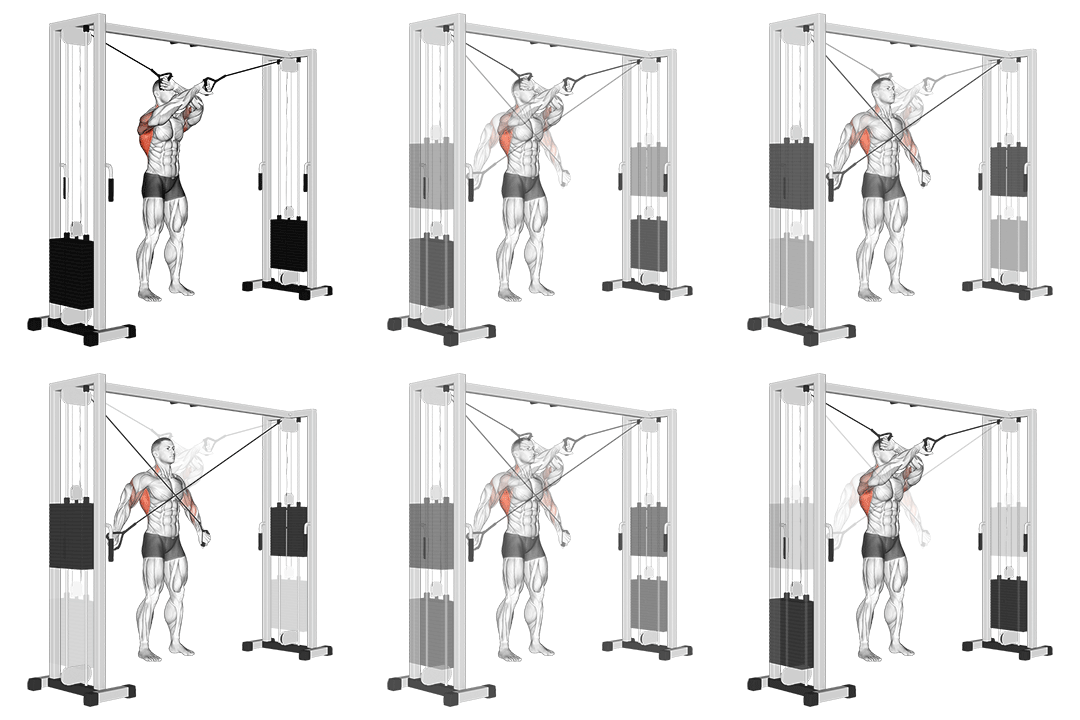
If you can't perform the Cable Cross-over Lateral Pulldown, use vertical-pull movements and lat-dominant variations that reproduce scapular depression and humeral extension. Top replacements are wide-grip lat pulldowns, pull-ups, straight-arm cable pulldowns, single-arm dumbbell rows, and bent-over barbell rows—each maintains strong lat activation and clear progression options.
Original Exercise: Cable Cross-over Lateral Pulldown
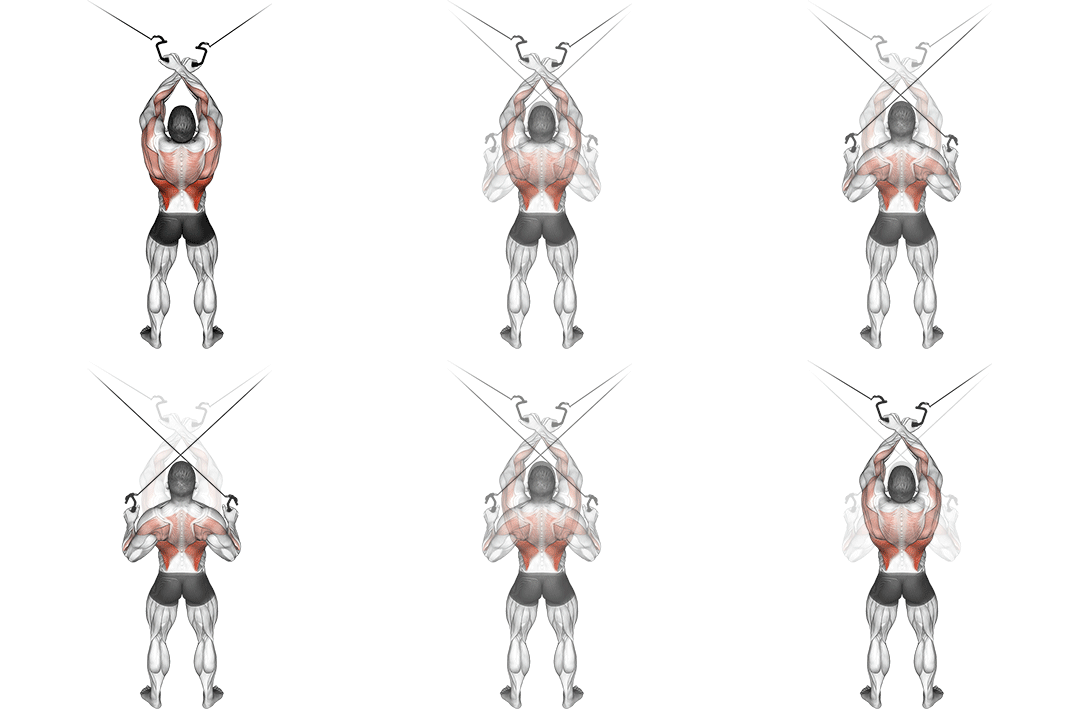
How to Perform Cable Cross-over Lateral Pulldown
- Attach a cable handle to each side of a cable machine at shoulder height.
- Stand in the middle of the machine with your feet shoulder-width apart.
- Grasp the handles with an overhand grip and step back to create tension in the cables.
- Lean forward slightly from the hips, keeping your back straight and your chest up.
- Pull the handles down and across your body, squeezing your shoulder blades together.
- Pause for a moment at the bottom of the movement, then slowly return to the starting position.
- Repeat for the desired number of repetitions.
Best Cable Cross-over Lateral Pulldown Alternatives
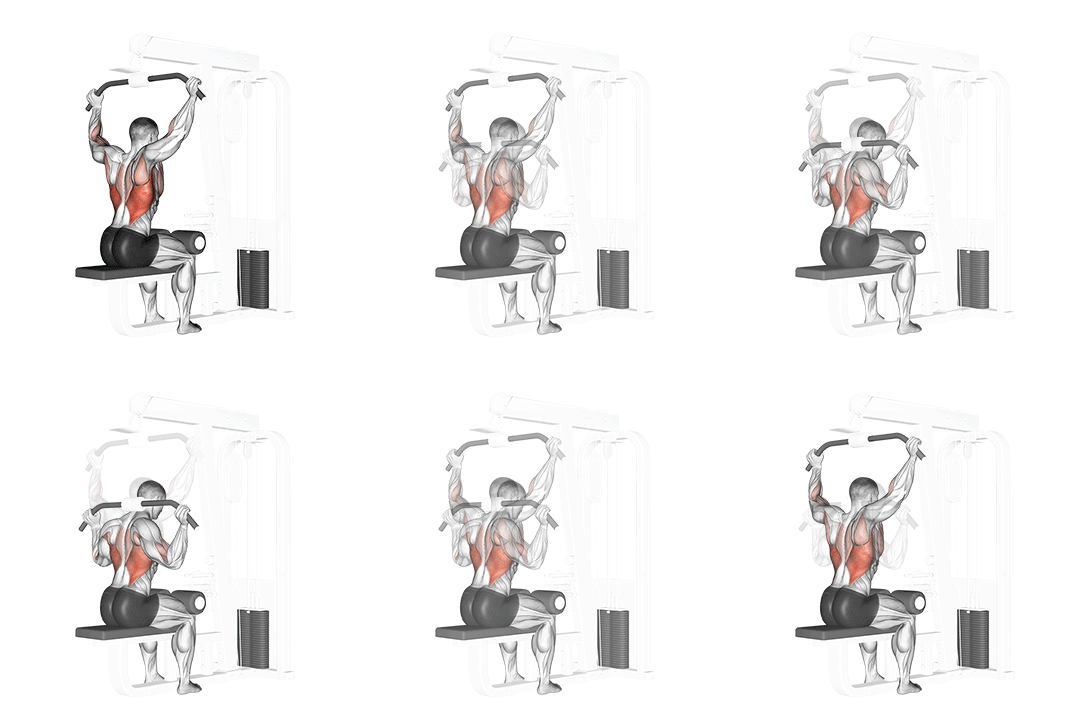
1. Cable Rear Pulldown
99.9% MatchHow to perform this exercise
- Adjust the cable machine so that the pulley is at the highest position.
- Sit facing the machine with your feet flat on the ground and your knees slightly bent.
- Grasp the cable attachment with an overhand grip, hands slightly wider than shoulder-width apart.
- Lean back slightly, keeping your back straight and your chest up.
- Pull the cable attachment down towards your chest, squeezing your shoulder blades together.
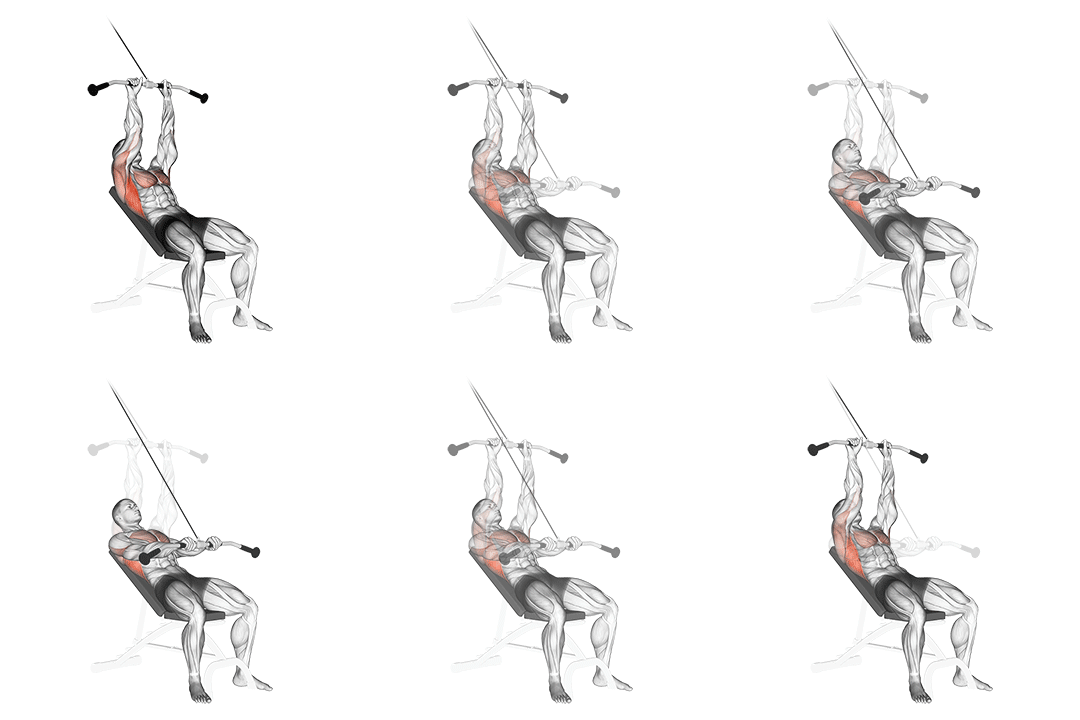
2. Cable Incline Pushdown
99.9% MatchHow to perform this exercise
- Attach a straight bar to a high pulley cable machine.
- Stand facing away from the machine with your feet shoulder-width apart.
- Grasp the bar with an overhand grip, hands slightly wider than shoulder-width apart.
- Lean forward slightly and keep your back straight.
- Pull the bar down towards your thighs by extending your elbows.
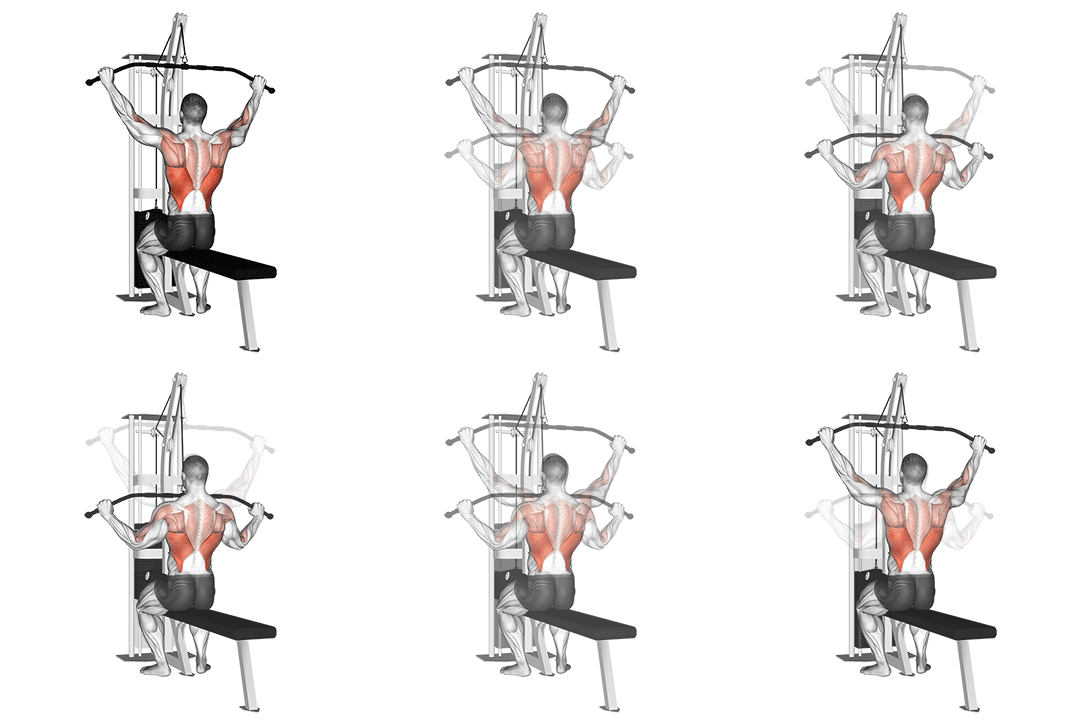
3. Cable Pulldown (pro Lat Bar)
99.9% MatchHow to perform this exercise
- Adjust the seat height so that your thighs are parallel to the ground and your feet are flat on the floor.
- Grasp the lat bar with an overhand grip, slightly wider than shoulder-width apart.
- Sit down and lean back slightly, keeping your chest up and your back straight.
- Pull the bar down towards your chest, squeezing your shoulder blades together.
- Pause for a moment at the bottom of the movement, then slowly release the bar back up to the starting position.
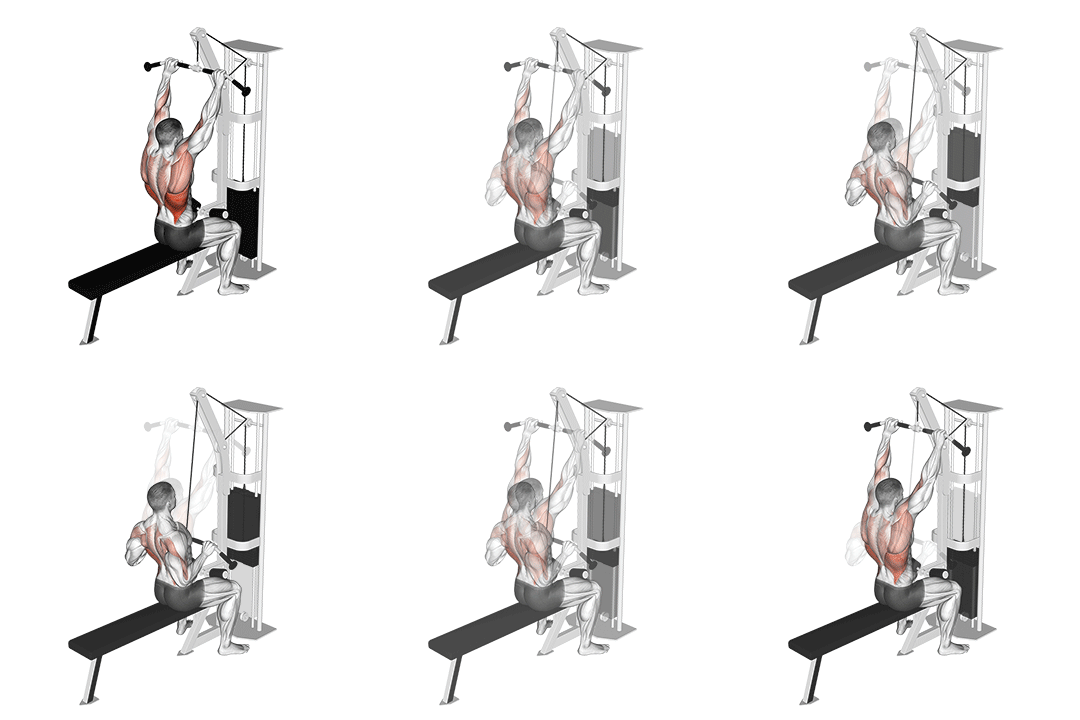
4. Cable Bar Lateral Pulldown
99.4% MatchHow to perform this exercise
- Adjust the cable pulley to a high position and attach a straight bar.
- Sit facing the cable machine with your feet flat on the ground and your knees slightly bent.
- Grasp the bar with an overhand grip, slightly wider than shoulder-width apart.
- Lean back slightly and keep your chest up, maintaining a slight arch in your lower back.
- Pull the bar down towards your chest, leading with your elbows and squeezing your shoulder blades together.
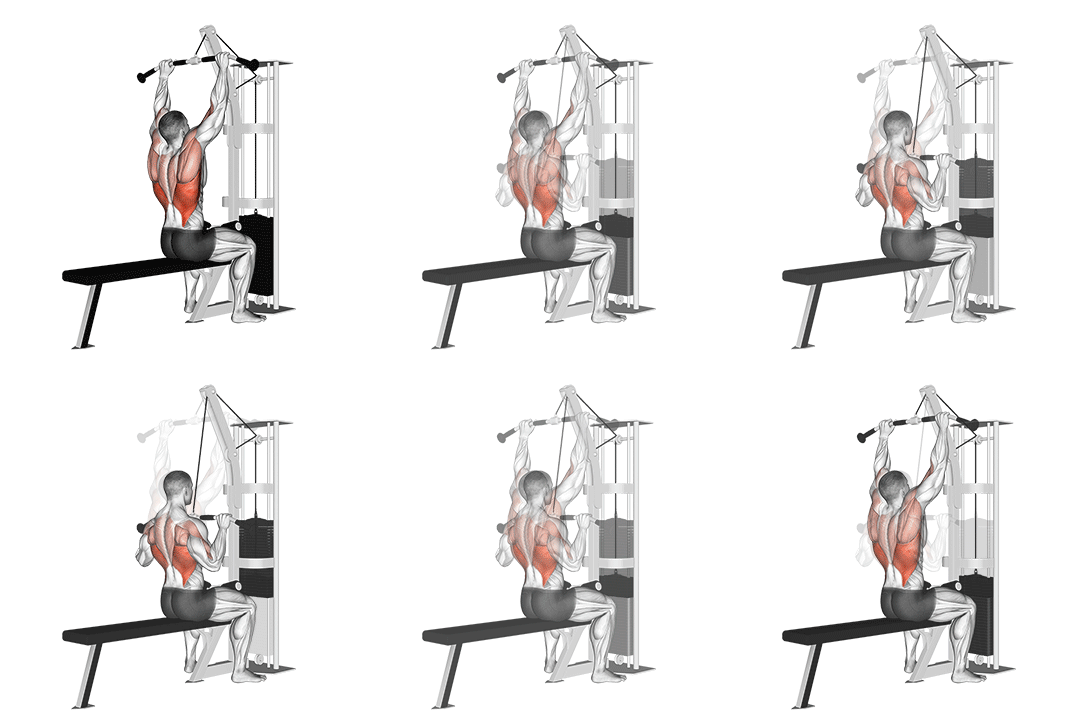
5. Cable Pulldown
98% MatchHow to perform this exercise
- Adjust the cable pulldown machine so that the seat is at a comfortable height and the knee pad is secured.
- Sit on the seat with your back straight and your feet flat on the ground.
- Grasp the cable bar with an overhand grip, slightly wider than shoulder-width apart.
- Lean back slightly and engage your core.
- Pull the cable bar down towards your chest, squeezing your shoulder blades together.
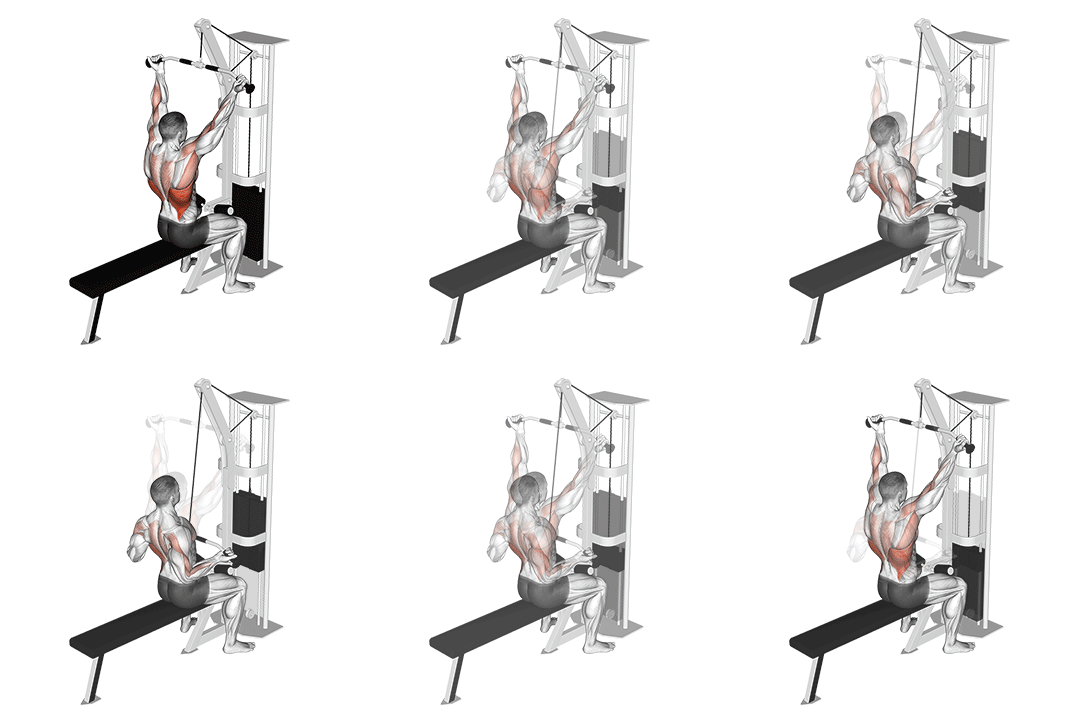
6. Cable Underhand Pulldown
96% MatchHow to perform this exercise
- Adjust the cable machine so that the pulldown bar is at a height above your head.
- Sit down on the seat and grab the pulldown bar with an underhand grip, hands slightly wider than shoulder-width apart.
- Keep your back straight and lean back slightly.
- Pull the bar down towards your chest, squeezing your shoulder blades together.
- Pause for a moment at the bottom of the movement, then slowly release the bar back up to the starting position.
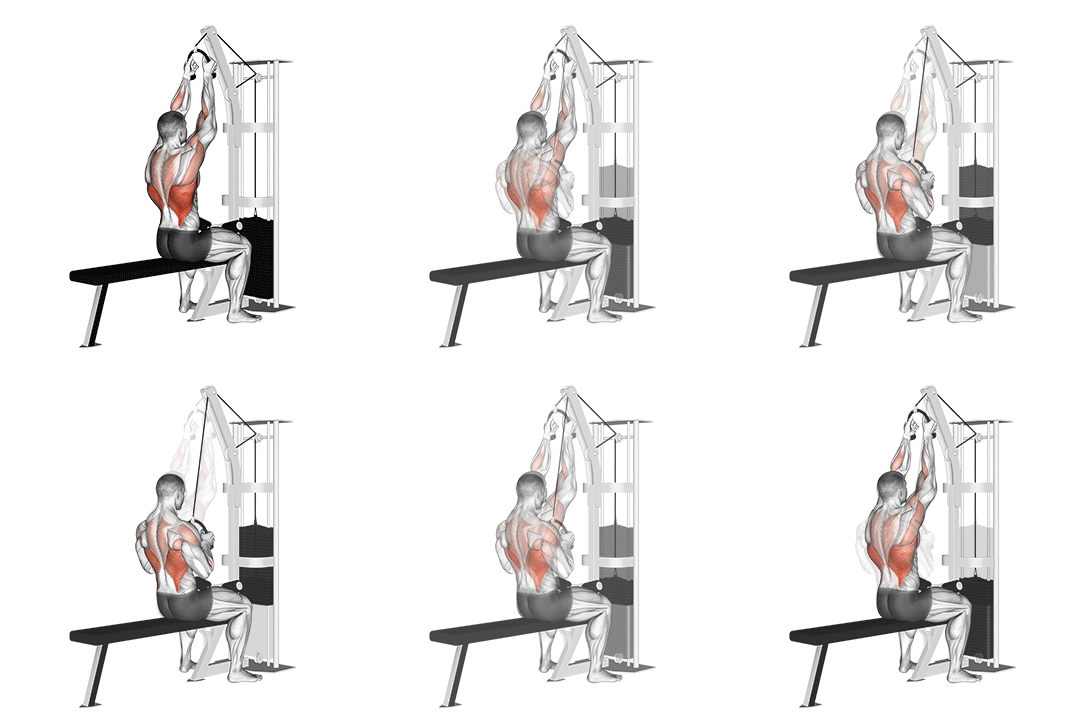
7. Cable Lateral Pulldown (with Rope Attachment)
95.4% MatchHow to perform this exercise
- Attach a rope attachment to the cable machine at a high position.
- Stand facing the machine with your feet shoulder-width apart.
- Grasp the rope with an overhand grip, palms facing each other.
- Keep your back straight and lean slightly back.
- Pull the rope down towards your sides, squeezing your shoulder blades together.
8. Cable Lat Pulldown Full Range Of Motion
95% MatchHow to perform this exercise
- Sit on the lat pulldown machine with your knees positioned under the pads.
- Grasp the cable bar with an overhand grip, slightly wider than shoulder-width apart.
- Lean back slightly and keep your chest up, maintaining a slight arch in your lower back.
- Pull the bar down towards your upper chest, squeezing your shoulder blades together.
- Pause for a moment at the bottom of the movement, then slowly release the bar back to the starting position.
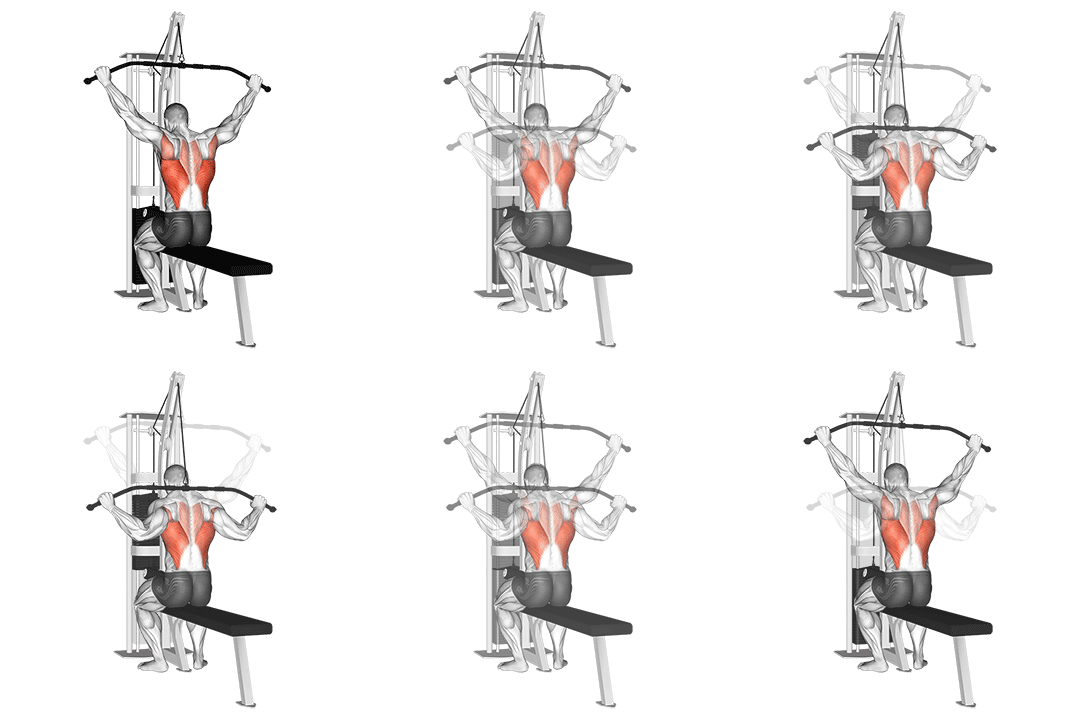
9. Cable Wide Grip Rear Pulldown Behind Neck
94.4% MatchHow to perform this exercise
- Adjust the cable machine so that the pulldown bar is at a height above your head.
- Sit down on the seat and grab the pulldown bar with a wide overhand grip.
- Keep your back straight and your chest up as you lean back slightly.
- Pull the bar down towards your upper chest, squeezing your shoulder blades together.
- Pause for a moment at the bottom of the movement, then slowly release the bar back up to the starting position.
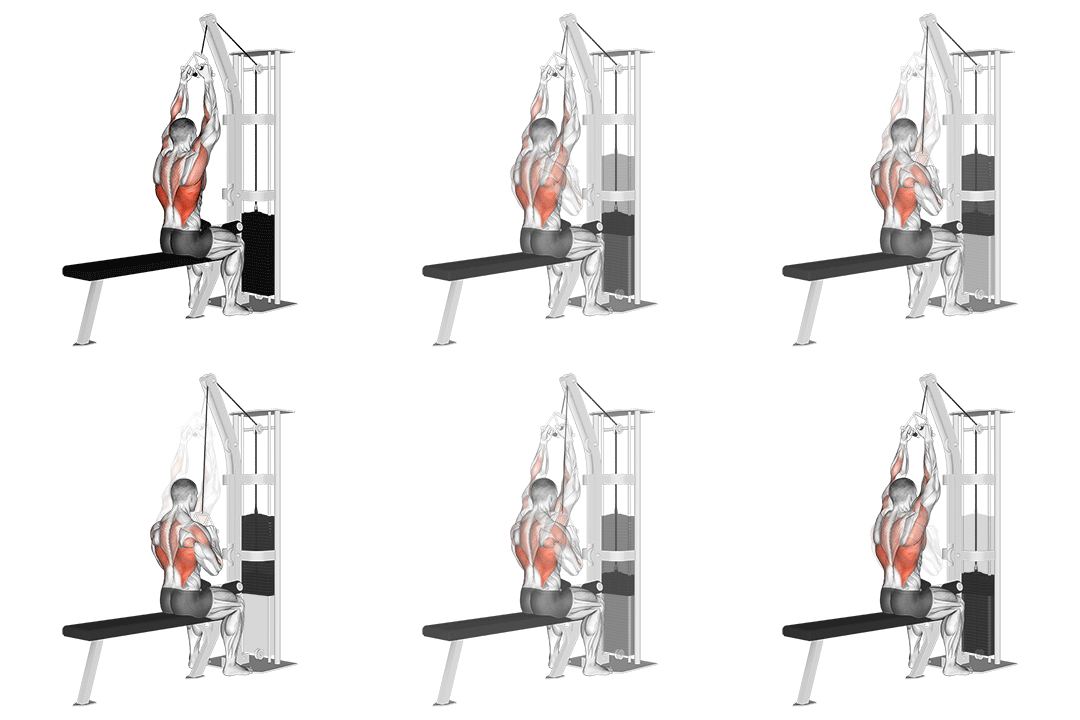
10. Cable Lateral Pulldown With V-bar
91% MatchHow to perform this exercise
- Sit down on the cable pulldown machine and grab the v-bar attachment with an overhand grip.
- Adjust the knee pad so that your thighs are secured under it.
- Keep your back straight and lean back slightly.
- Pull the v-bar down towards your upper chest while keeping your elbows close to your body.
- Squeeze your back muscles at the bottom of the movement.
Why You Might Need a Cable Cross-over Lateral Pulldown Alternative
You might substitute the Cable Cross-over Lateral Pulldown for several reasons: gym limitations (no cable crossover station), acute or chronic shoulder pain that makes the specific cable path uncomfortable, or a preference for more free-weight or bodyweight stimulus. Technical faults or limited mobility can also reduce effectiveness, so swapping to a movement that restores proper scapular control and humeral extension preserves lat loading. Additionally, rehabilitation or program periodization can call for reduced axial loading or unilateral work; choosing an alternative that matches the original movement pattern and activation profile lets you maintain hypertrophy and strength adaptations without technical compromise.
How to Choose the Right Substitute
Choose a substitute by matching movement pattern, grip, and loading progression to your goal. Prioritize vertical pulls (wide-grip pulldowns or pull-ups) when you need the same humeral extension and scapular depression; pick straight-arm pulldowns to bias long-head lat activation without elbow flexion. Use unilateral rows to correct asymmetry or when cable stations are unavailable, and select chest-supported rows or a neutral grip to minimize lumbar or shoulder stress. Finally, ensure the exercise allows progressive overload, a full, controlled ROM, and a grip/torso angle you can perform pain-free.
Frequently Asked Questions
What muscles does Cable Cross-over Lateral Pulldown work?
The Cable Cross-over Lateral Pulldown primarily targets the latissimus dorsi, emphasizing humeral extension and adduction. It also recruits teres major, posterior deltoid, the long head of the triceps to a small degree, and scapular retractors like the rhomboids and middle trapezius.
What is the best bodyweight alternative to Cable Cross-over Lateral Pulldown?
Wide-grip pull-ups are the best bodyweight alternative because they replicate vertical pulling, scapular depression, and strong lat engagement. Focus on a full hang-to-chest path, initiating the rep with scapular depression and avoiding excessive elbow-dominant pulling to maximize lat activation.
Can I build muscle without doing Cable Cross-over Lateral Pulldown?
Yes. You can build lat muscle with multiple effective alternatives so long as you provide progressive overload, sufficient volume, and the correct movement pattern (vertical or horizontal pull) for your program. Combine heavy compound rows or pull-ups with isolation pulls like straight-arm pulldowns to reproduce the cable variation's activation and hypertrophy stimulus.
More Exercise Alternatives
Find Alternatives for Any Exercise
Use our free tool to discover the best substitute exercises based on your available equipment and goals.
Try the Exercise Substitution Finder →