

10 Best Cable Pushdown (straight Arm) V. 2 Alternatives for Home or Gym
If you can't perform the Cable Pushdown (straight Arm) V. 2, use exercises that produce shoulder extension with lat-driven scapular depression. Good options include straight-arm band pulldowns, lat pulldowns, single-arm dumbbell pullovers, bent-over rows, and prone lat pulls. Cue: keep arms nearly straight and lead the motion with the elbows to load the lats.
Original Exercise: Cable Pushdown (straight Arm) V. 2
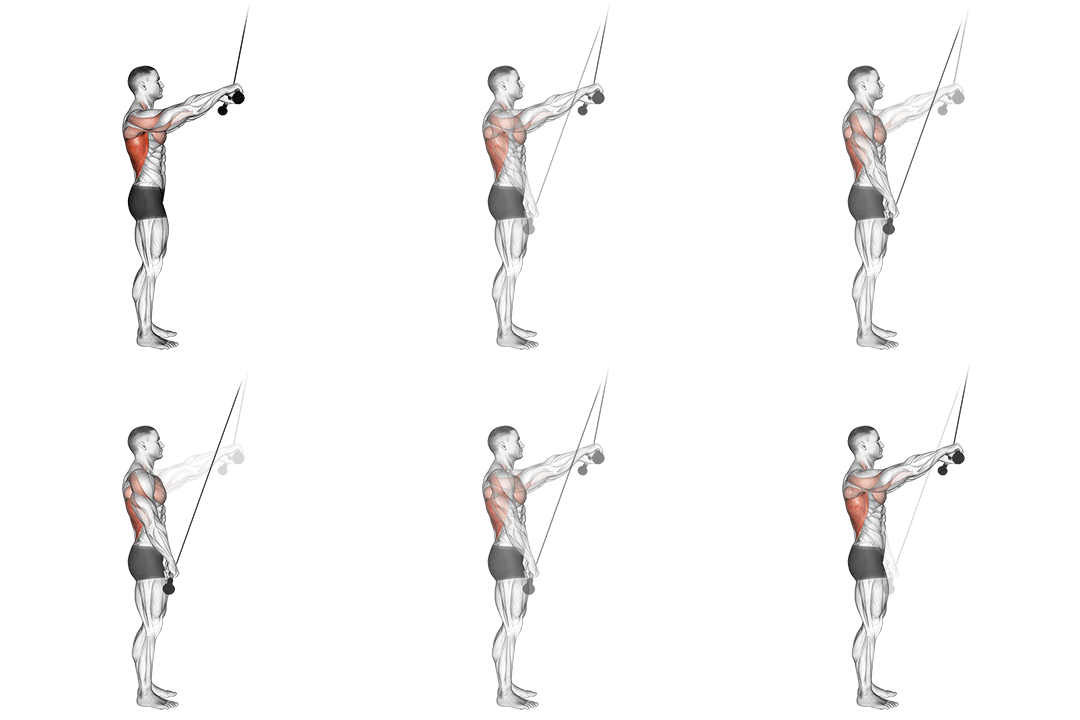
How to Perform Cable Pushdown (straight Arm) V. 2
- Attach a straight bar to a high pulley cable machine.
- Stand facing the machine with your feet shoulder-width apart and a slight bend in your knees.
- Grasp the bar with an overhand grip, keeping your arms straight and your palms facing down.
- Engage your core and keep your back straight as you exhale and push the bar down towards your thighs.
- Pause for a moment at the bottom, then slowly return the bar to the starting position while inhaling.
- Repeat for the desired number of repetitions.
Best Cable Pushdown (straight Arm) V. 2 Alternatives
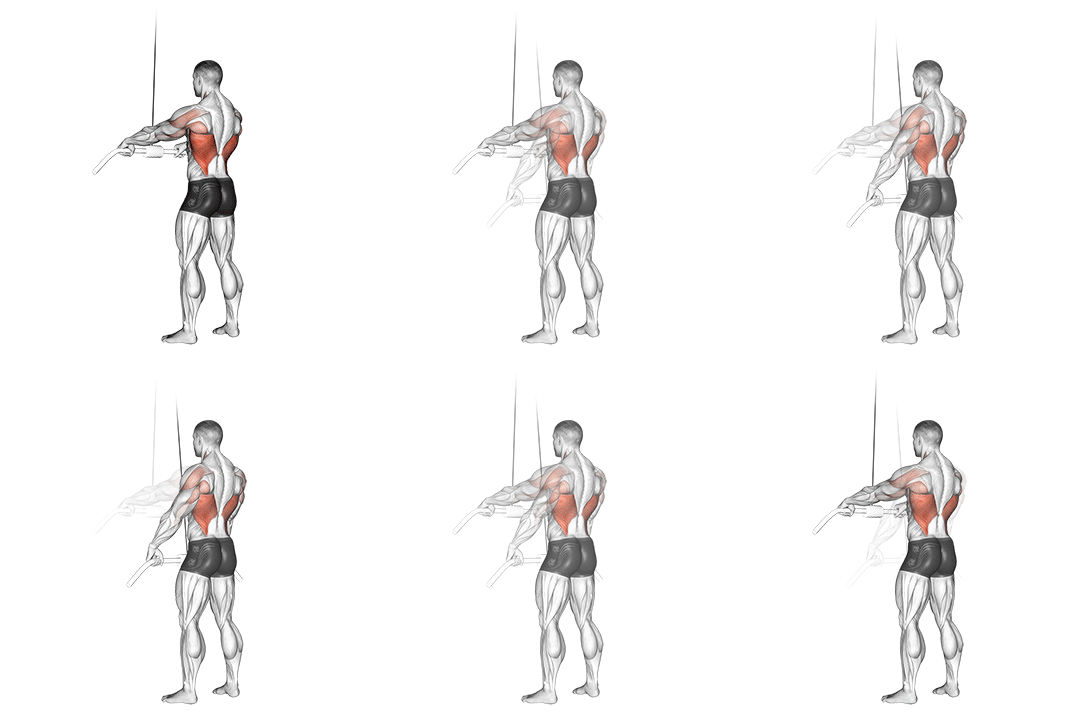
1. Cable Straight Arm Pulldown
86% MatchHow to perform this exercise
- Attach a straight bar to the high pulley of a cable machine.
- Stand facing the machine with your feet shoulder-width apart.
- Grasp the bar with an overhand grip, keeping your arms straight and your palms facing down.
- Engage your lats and pull the bar down towards your thighs, keeping your arms straight throughout the movement.
- Pause for a moment at the bottom, then slowly return the bar to the starting position.
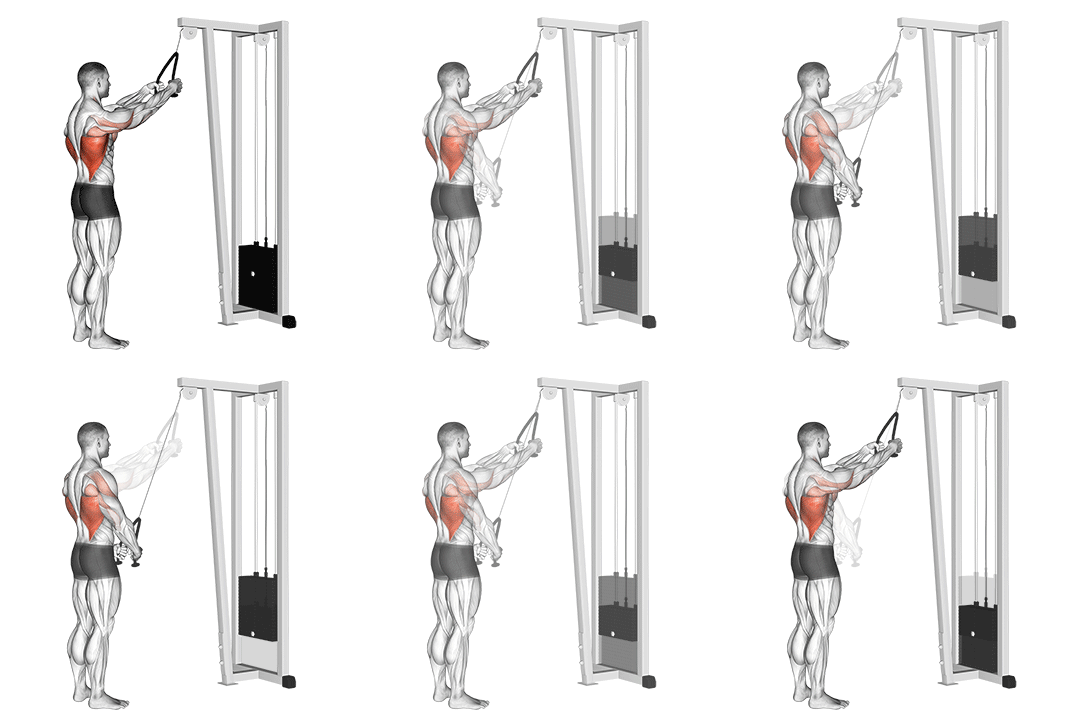
2. Cable Straight Arm Pulldown (with Rope)
86% MatchHow to perform this exercise
- Attach a rope to the cable machine at the highest setting.
- Stand facing the machine with your feet shoulder-width apart.
- Grasp the rope with both hands, palms facing down.
- Extend your arms fully in front of you, keeping your elbows slightly bent.
- Engage your lats and slowly pull the rope down towards your thighs, keeping your arms straight.
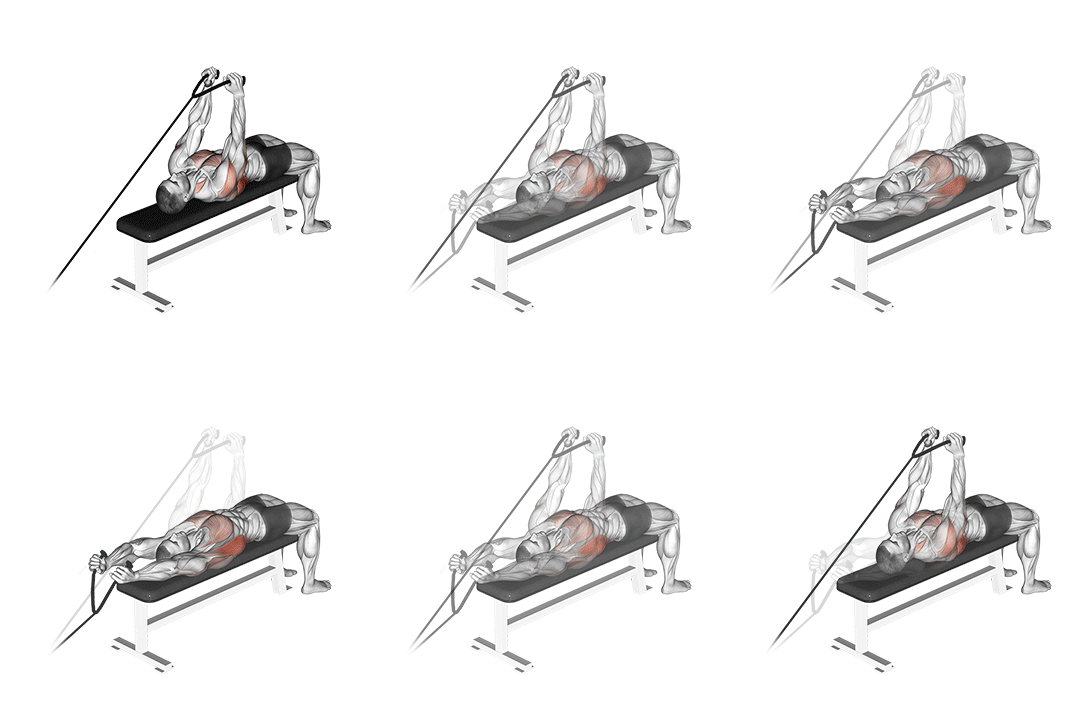
3. Cable Lying Extension Pullover (with Rope Attachment)
77.2% MatchHow to perform this exercise
- Attach a rope to a cable machine and set the pulley at the highest position.
- Lie down on a bench with your head towards the cable machine.
- Hold the rope with both hands and extend your arms straight up above your chest.
- Keeping your arms straight, slowly lower the rope behind your head while maintaining control.
- Pause for a moment at the bottom, then slowly raise the rope back to the starting position.
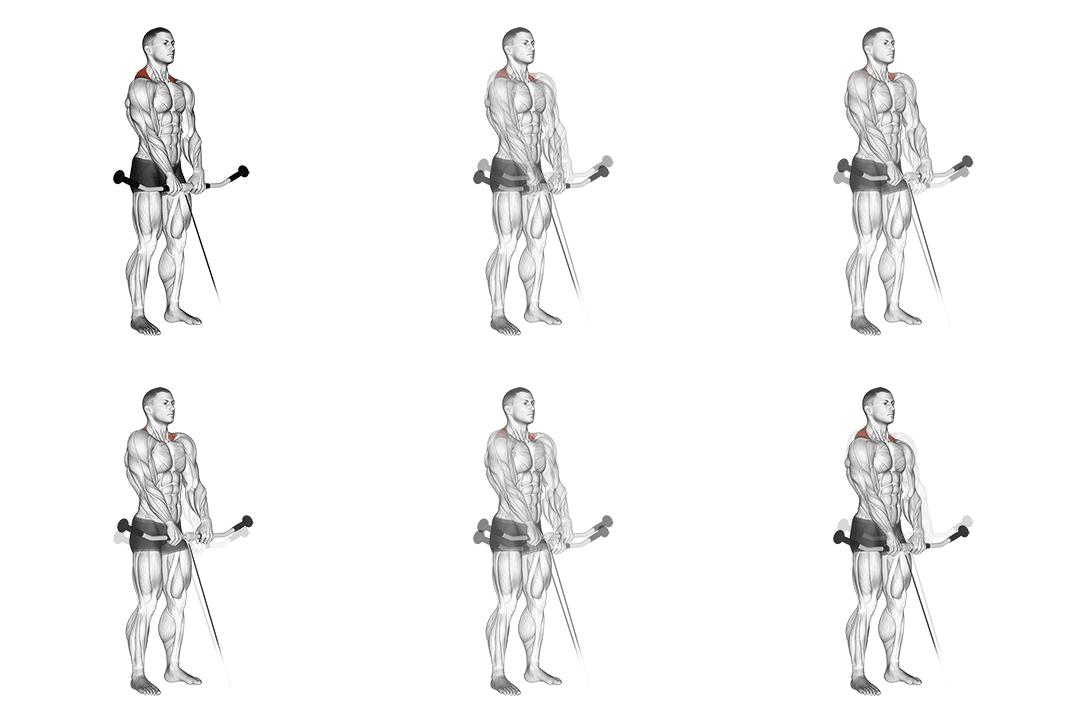
4. Cable Shrug
66.4% MatchHow to perform this exercise
- Stand facing the cable machine with your feet shoulder-width apart.
- Grasp the cable handles with an overhand grip and let your arms hang down in front of you.
- Keeping your arms straight, shrug your shoulders up towards your ears.
- Hold the contraction for a moment, then slowly lower your shoulders back down to the starting position.
- Repeat for the desired number of repetitions.
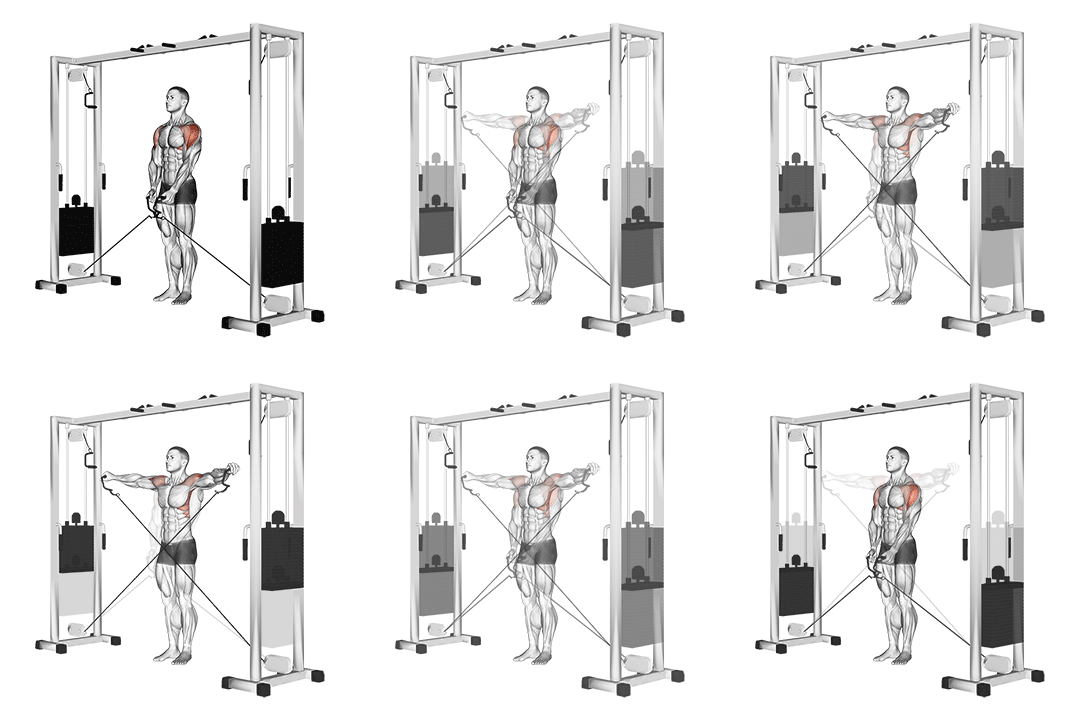
5. Cable Lateral Raise
65% MatchHow to perform this exercise
- Stand with your feet shoulder-width apart and grasp the cable handles with an overhand grip.
- Keep your arms straight and your core engaged.
- Raise your arms out to the sides until they are parallel to the floor.
- Pause for a moment at the top, then slowly lower your arms back down to the starting position.
- Repeat for the desired number of repetitions.
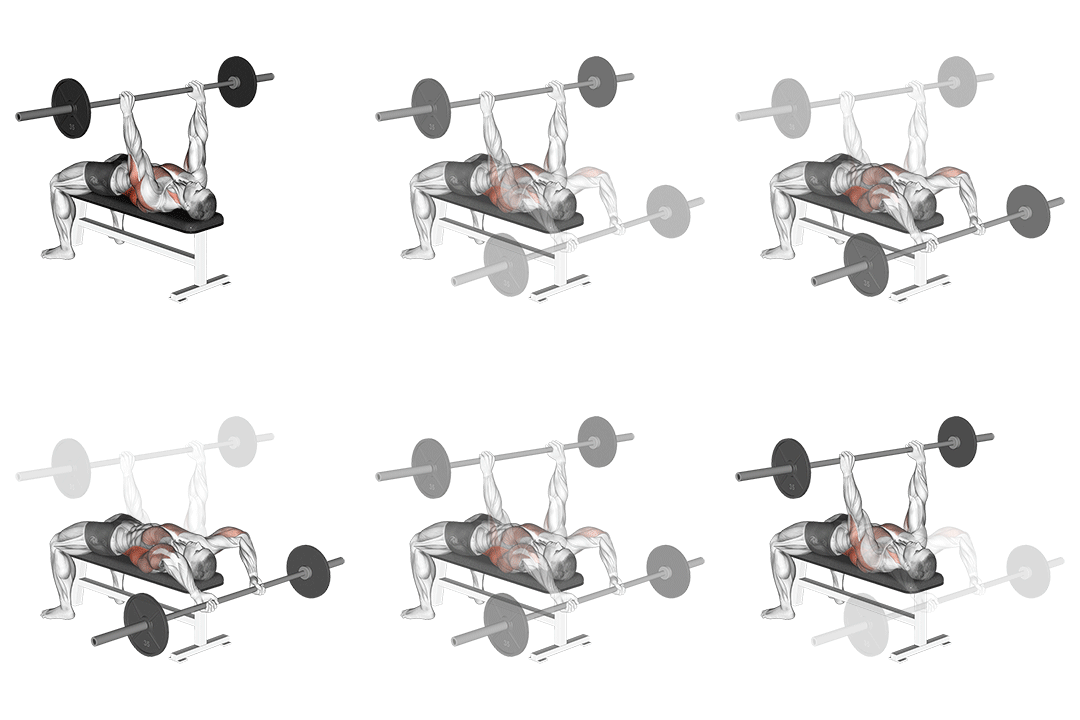
6. Barbell Bent Arm Pullover
63% MatchHow to perform this exercise
- Lie flat on a bench with your head at one end and your feet on the floor.
- Hold a barbell with a shoulder-width grip and extend your arms straight above your chest.
- Lower the barbell behind your head while keeping your arms slightly bent.
- Pause for a moment, then raise the barbell back to the starting position.
- Repeat for the desired number of repetitions.
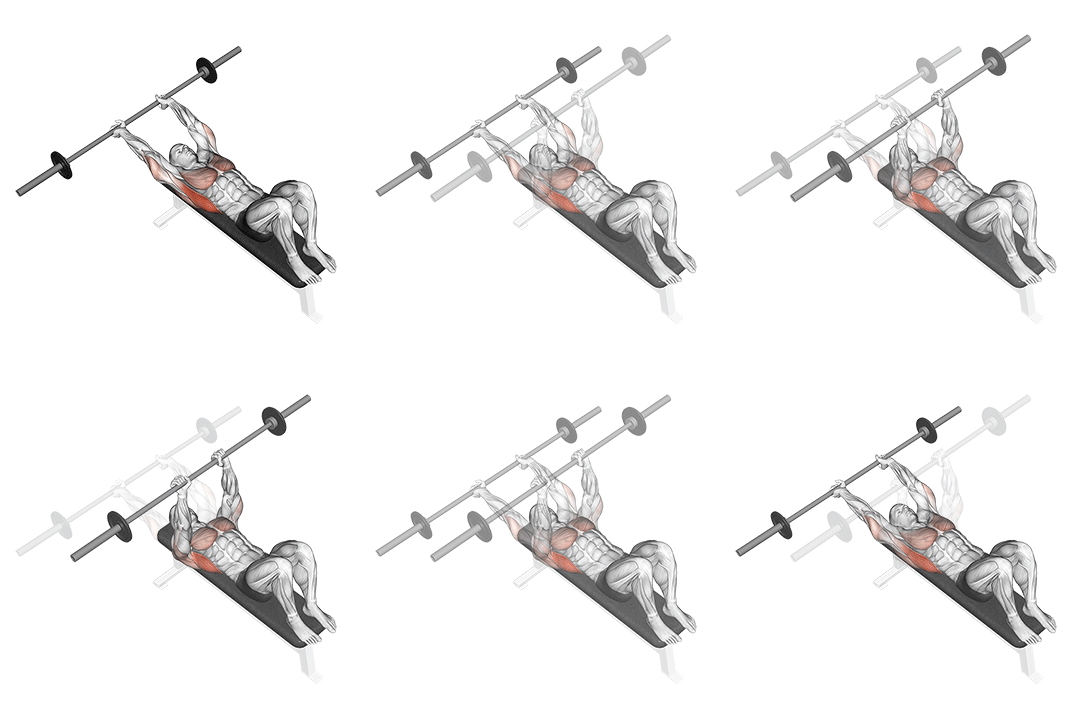
7. Barbell Pullover
62.4% MatchHow to perform this exercise
- Lie flat on a bench with your head at one end and your feet on the floor.
- Hold a barbell with a shoulder-width grip and extend your arms straight above your chest.
- Keeping your arms straight, lower the barbell behind your head in a controlled manner until you feel a stretch in your lats.
- Pause for a moment, then raise the barbell back to the starting position.
- Repeat for the desired number of repetitions.
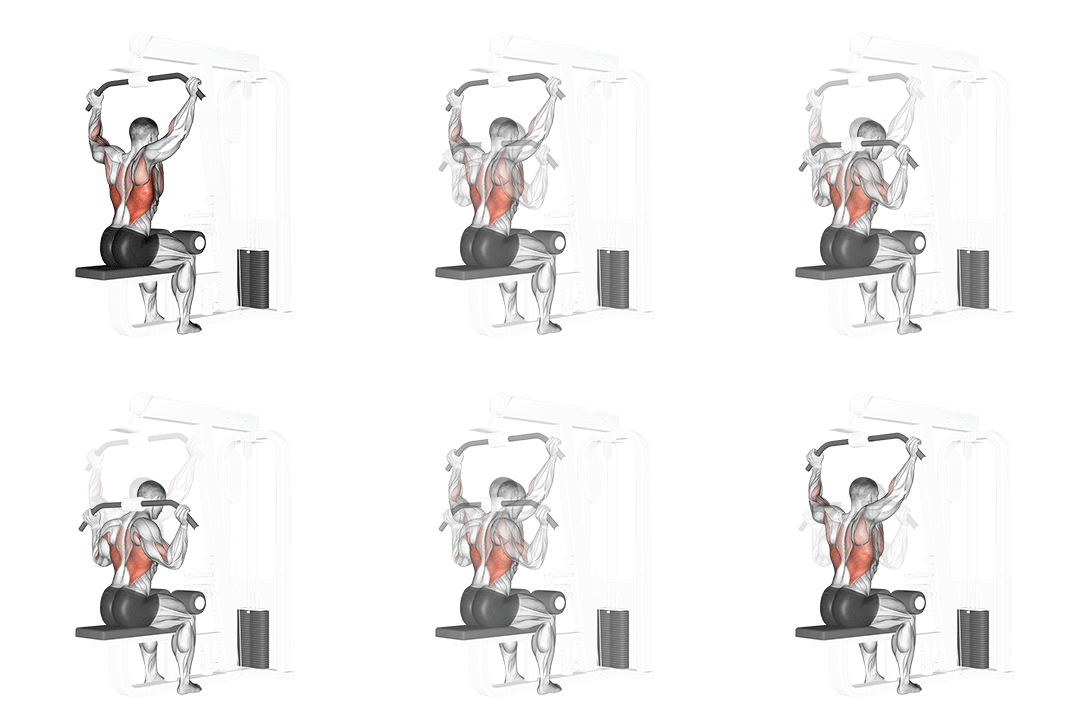
8. Cable Rear Pulldown
62.2% MatchHow to perform this exercise
- Adjust the cable machine so that the pulley is at the highest position.
- Sit facing the machine with your feet flat on the ground and your knees slightly bent.
- Grasp the cable attachment with an overhand grip, hands slightly wider than shoulder-width apart.
- Lean back slightly, keeping your back straight and your chest up.
- Pull the cable attachment down towards your chest, squeezing your shoulder blades together.
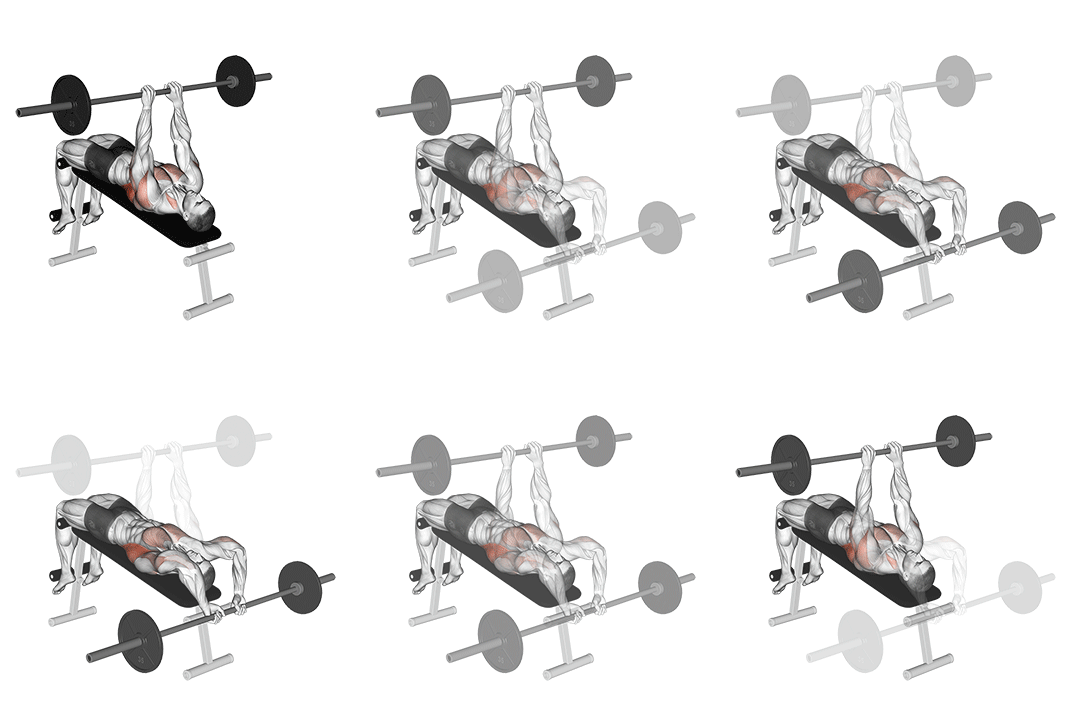
9. Barbell Decline Bent Arm Pullover
62.2% MatchHow to perform this exercise
- Lie down on a decline bench with your head lower than your hips and your feet secured.
- Hold a barbell with a pronated grip (palms facing away from you) and extend your arms straight above your chest.
- Lower the barbell behind your head in a controlled manner, keeping your arms slightly bent.
- Pause for a moment, then raise the barbell back to the starting position by contracting your lats.
- Repeat for the desired number of repetitions.
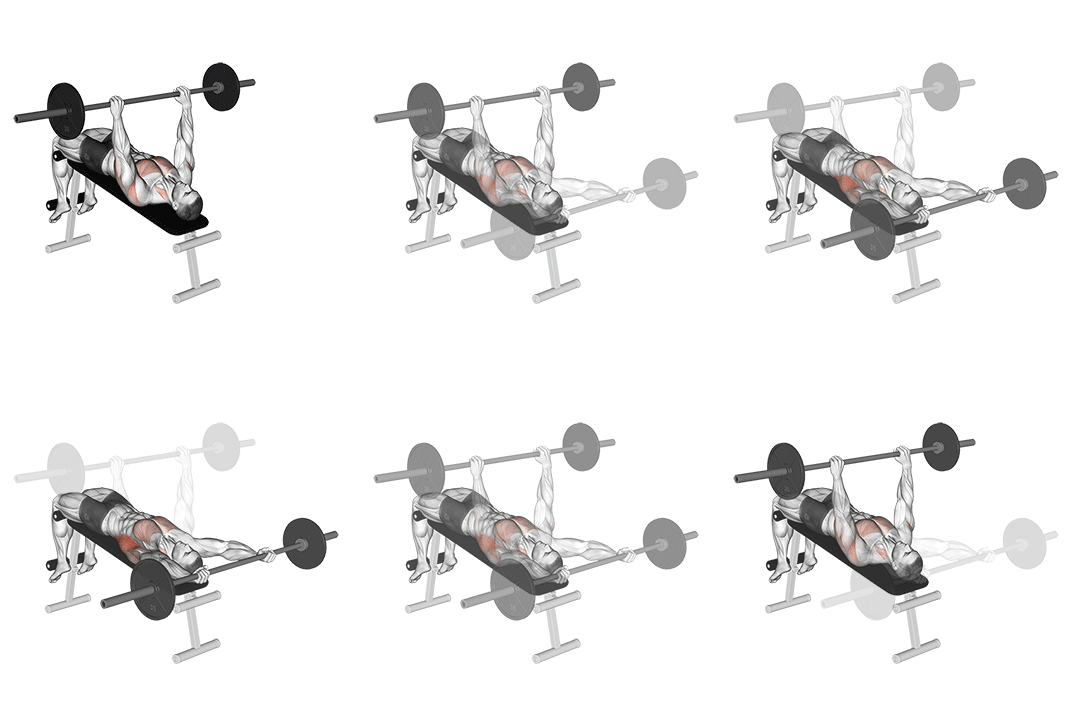
10. Barbell Decline Wide-grip Pullover
62.2% MatchHow to perform this exercise
- Lie on a decline bench with your head lower than your hips and your feet secured.
- Hold a barbell with a wide grip and extend your arms straight above your chest.
- Lower the barbell behind your head in a controlled manner, keeping your arms straight.
- Pause for a moment, then raise the barbell back to the starting position.
- Repeat for the desired number of repetitions.
Why You Might Need a Cable Pushdown (straight Arm) V. 2 Alternative
You may substitute this exercise for several practical reasons: no cable machine, shoulder pain from end-range overhead positions, or a training focus on compound mass over isolation. Biomechanically, straight-arm pushdowns isolate lat-driven shoulder extension and scapular depression; alternatives must replicate that posterior pull while avoiding unwanted elbow-flexor dominance. For shoulder issues, pick movements that limit end-range humeral internal rotation and maintain scapular control. Cue: maintain a neutral spine and initiate movement by depressing and pulling the scapula toward the pelvis to emphasize lat activation and reduce deltoid compensation.
How to Choose the Right Substitute
Choose based on equipment, movement pattern, and desired loading. If you lack a cable, use a resistance band anchored high for similar constant tension; cue: keep arms long and imagine pulling ribs toward hips to prioritize the lats. For strength or hypertrophy, pick heavier compound tools (lat pulldown or rows) and focus on tempo and full eccentric control. If joint pain limits range, choose supine or prone variations that reduce shoulder overhead loading. Assess which substitutes preserve shoulder extension torque and scapular depression to match the original lat emphasis.
Frequently Asked Questions
What muscles does Cable Pushdown (straight Arm) V. 2 work?
The move primarily targets the latissimus dorsi through shoulder extension and scapular depression. It also engages the teres major and the posterior portion of the deltoid, with minimal biceps involvement when you keep the elbows nearly locked.
What is the best bodyweight alternative to Cable Pushdown (straight Arm) V. 2?
A prone lat pull (modified Superman) replicates the shoulder extension and scapular depression with zero equipment: lie face down, extend arms, then pull the arms down toward your hips while keeping them mostly straight. Cue: focus on squeezing the scapula down and back to feel the lats engage.
Can I build muscle without doing Cable Pushdown (straight Arm) V. 2?
Yes. You can stimulate lat hypertrophy with progressive overload using alternatives like weighted pull-ups, heavy rows, lat pulldowns, and pullover variants. Emphasize progressive loading, slow eccentrics, and lat-focused cues (scapular depression and elbow-led movement) to ensure equivalent muscle activation.
More Exercise Alternatives
Find Alternatives for Any Exercise
Use our free tool to discover the best substitute exercises based on your available equipment and goals.
Try the Exercise Substitution Finder →