

10 Best Child's Pose Alternatives for Back Mobility & Core Relief
If Child's Pose aggravates your knees, shoulders, or lumbar spine, use targeted bodyweight moves that stretch the posterior chain and engage the abs. Try cat-cow and pelvic tilts for spinal mobility—on all fours, exhale to round the spine and pull your navel to the spine to activate the transverse abdominis and lengthen the erector spinae.
Original Exercise: Child's Pose
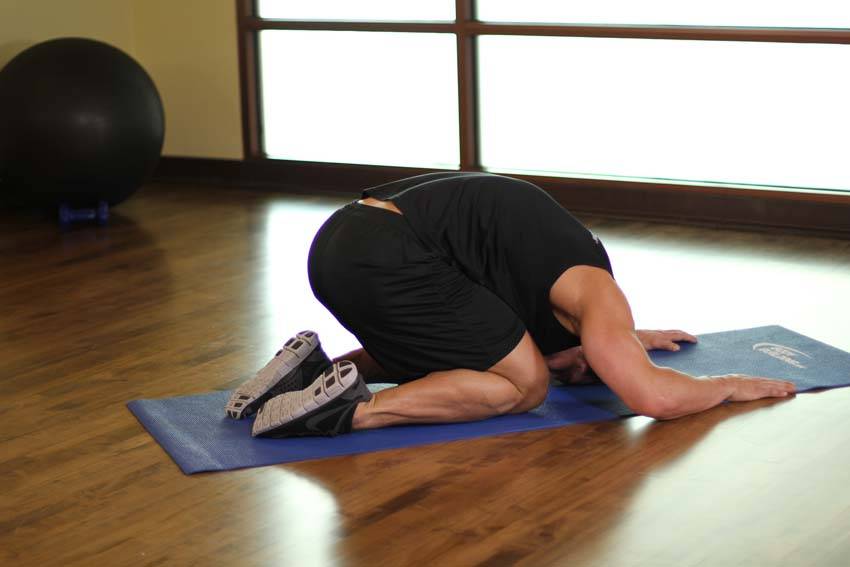
How to Perform Child's Pose
- Get on your hands and knees, walk your hands in front of you.
- Lower your buttocks down to sit on your heels. Let your arms drag along the floor as you sit back to stretch your entire spine.
- Once you settle onto your heels, bring your hands next to your feet and relax. "breathe" into your back. Rest your forehead on the floor. Avoid this position if you have knee problems.
Pro Tips
- Category: Stretching
- Force: Static
Best Child's Pose Alternatives
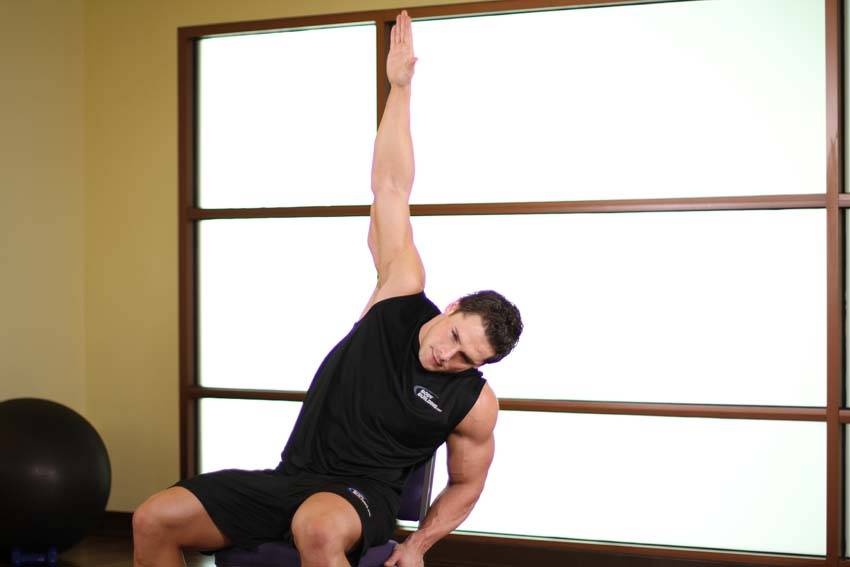
1. Chair Lower Back Stretch
76.2% MatchHow to perform this exercise
- Sit upright on a chair.
- Bend to one side with your arm over your head. You can hold onto the chair with your free hand.
- Hold for 10 seconds, and repeat for your other side.
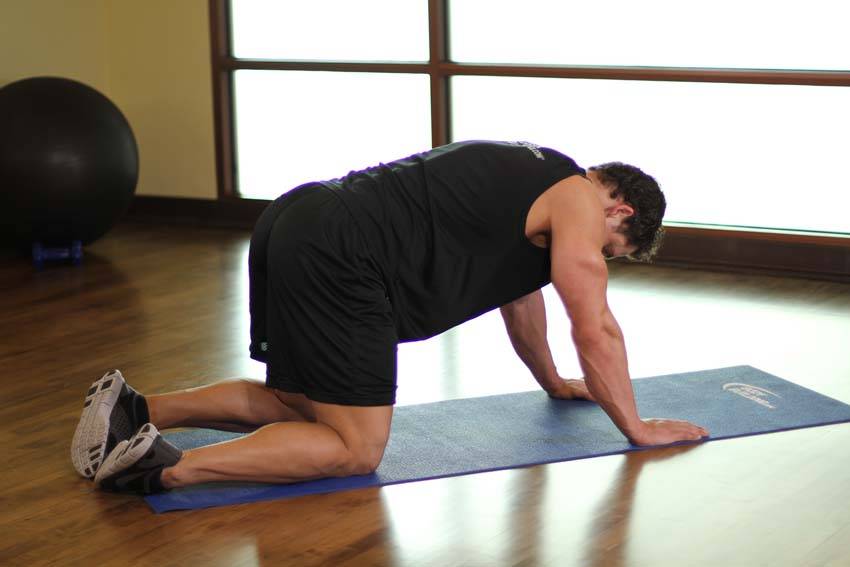
2. Cat Stretch
73.4% MatchHow to perform this exercise
- Position yourself on the floor on your hands and knees.
- Pull your belly in and round your spine, lower back, shoulders, and neck, letting your head drop.
- Hold for 15 seconds.
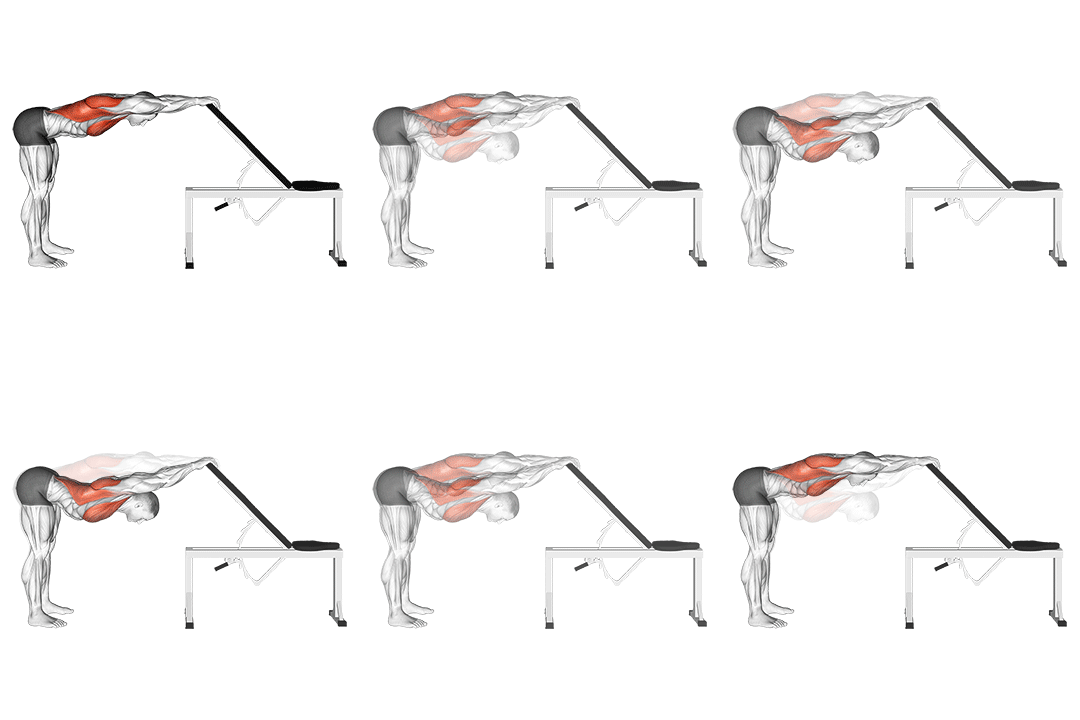
3. Back Pec Stretch
73% MatchHow to perform this exercise
- Stand tall with your feet shoulder-width apart.
- Extend your arms straight out in front of you, parallel to the ground.
- Cross your arms in front of your body, with your right arm over your left arm.
- Interlock your fingers and rotate your palms away from your body.
- Slowly raise your arms up and away from your body, feeling a stretch in your back and chest.
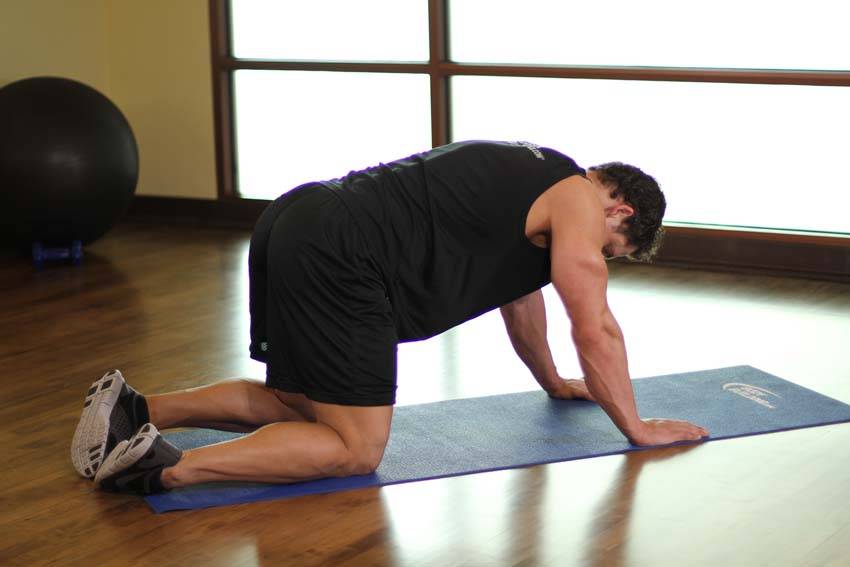
4. All Fours Quad Stretch
70.2% MatchHow to perform this exercise
- Start off on your hands and knees, then lift your leg off the floor and hold the foot with your hand.
- Use your hand to hold the foot or ankle, keeping the knee fully flexed, stretching the quadriceps and hip flexors.
- Focus on extending your hips, thrusting them towards the floor. Hold for 10-20 seconds and then switch sides.
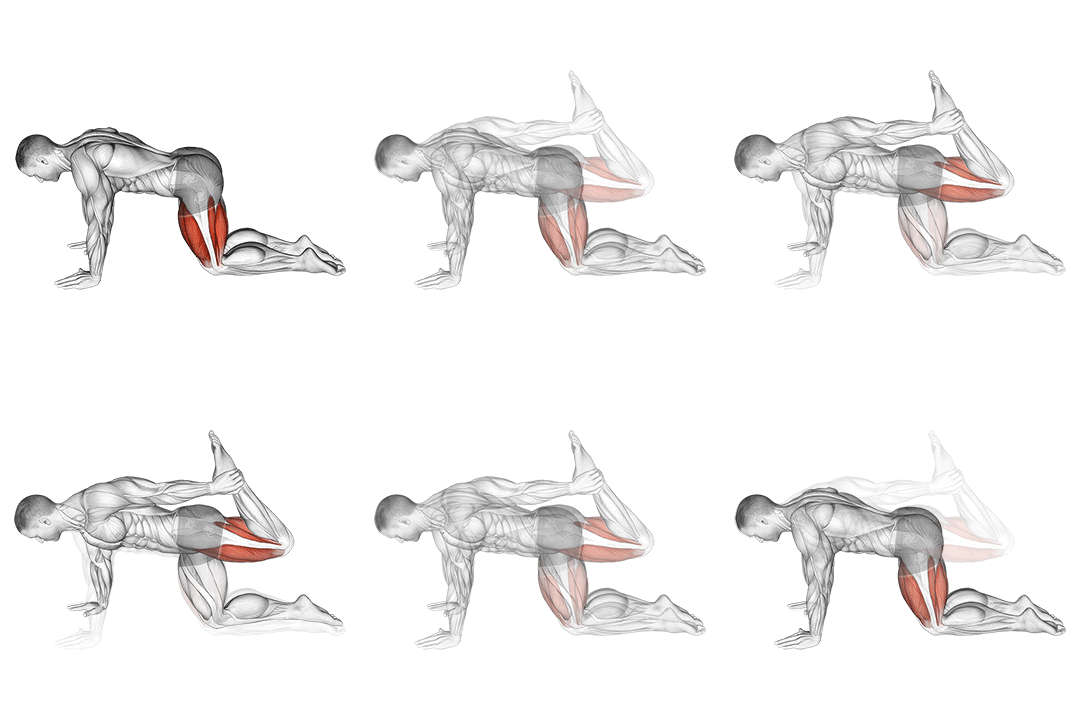
5. All Fours Squad Stretch
70.2% MatchHow to perform this exercise
- Start on all fours with your hands directly under your shoulders and your knees directly under your hips.
- Extend one leg straight back, keeping your knee bent and your foot flexed.
- Slowly lower your hips towards the ground, feeling a stretch in your quads.
- Hold this position for 20-30 seconds.
- Switch legs and repeat the stretch on the other side.
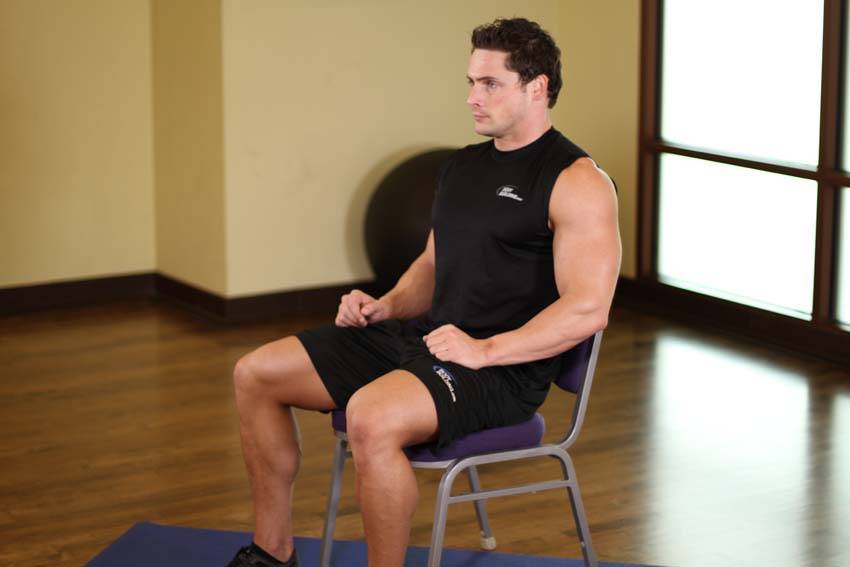
6. Chair Upper Body Stretch
67% MatchHow to perform this exercise
- Sit on the edge of a chair, gripping the back of it.
- Straighten your arms, keeping your back straight, and pull your upper body forward so you feel a stretch. Hold for 20-30 seconds.
7. Chin To Chest Stretch
67% MatchHow to perform this exercise
- Get into a seated position on the floor.
- Place both hands at the rear of your head, fingers interlocked, thumbs pointing down and elbows pointing straight ahead. Slowly pull your head down to your chest. Hold for 20-30 seconds.
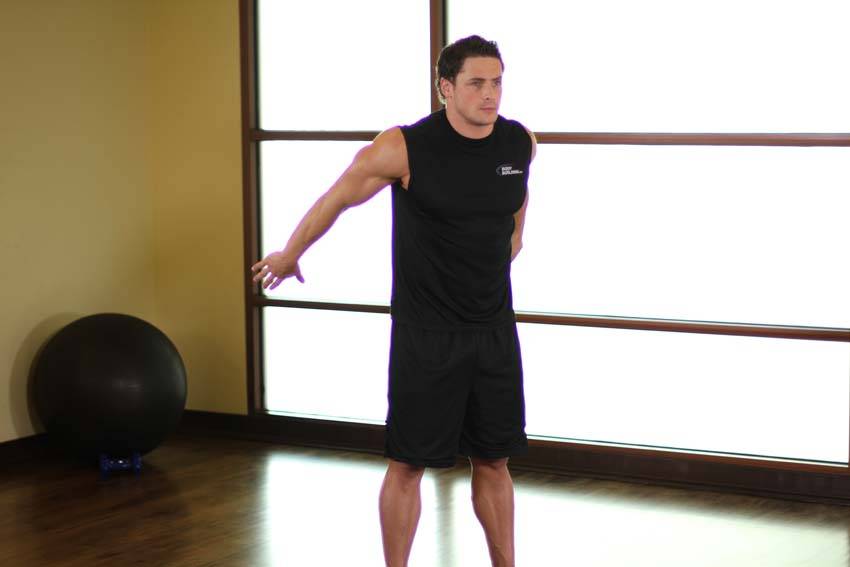
8. Dynamic Back Stretch
67% MatchHow to perform this exercise
- Stand with your feet shoulder width apart. This will be your starting position.
- Keeping your arms straight, swing them straight up in front of you 5-10 times, increasing the range of motion each time until your arms are above your head.
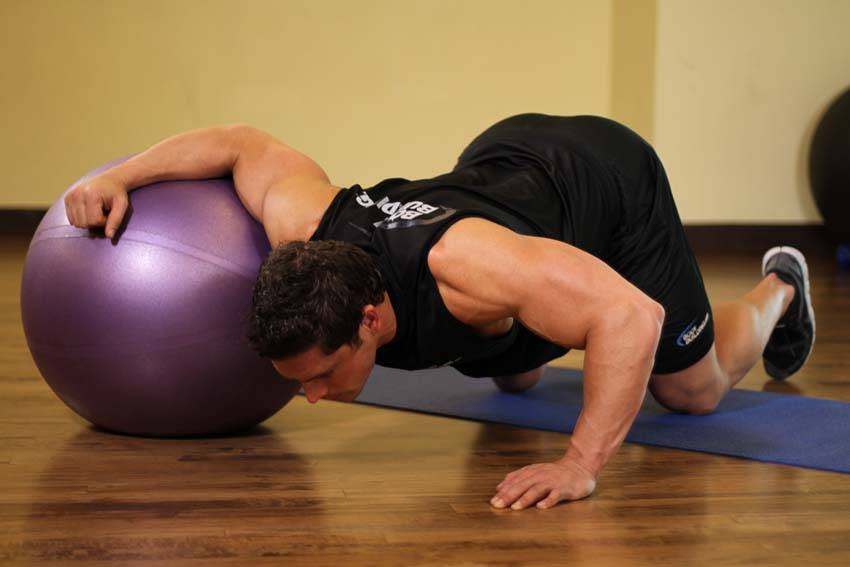
9. Chest Stretch On Stability Ball
64.1% MatchHow to perform this exercise
- Get on your hands and knees next to an exercise ball.
- Place your elbows on top of the ball, keeping your arm out to your side. This will be your starting position.
- Lower your torso towards the floor, keeping your elbow on top of the ball. Hold the stretch for 20-30 seconds, and repeat with the other arm.
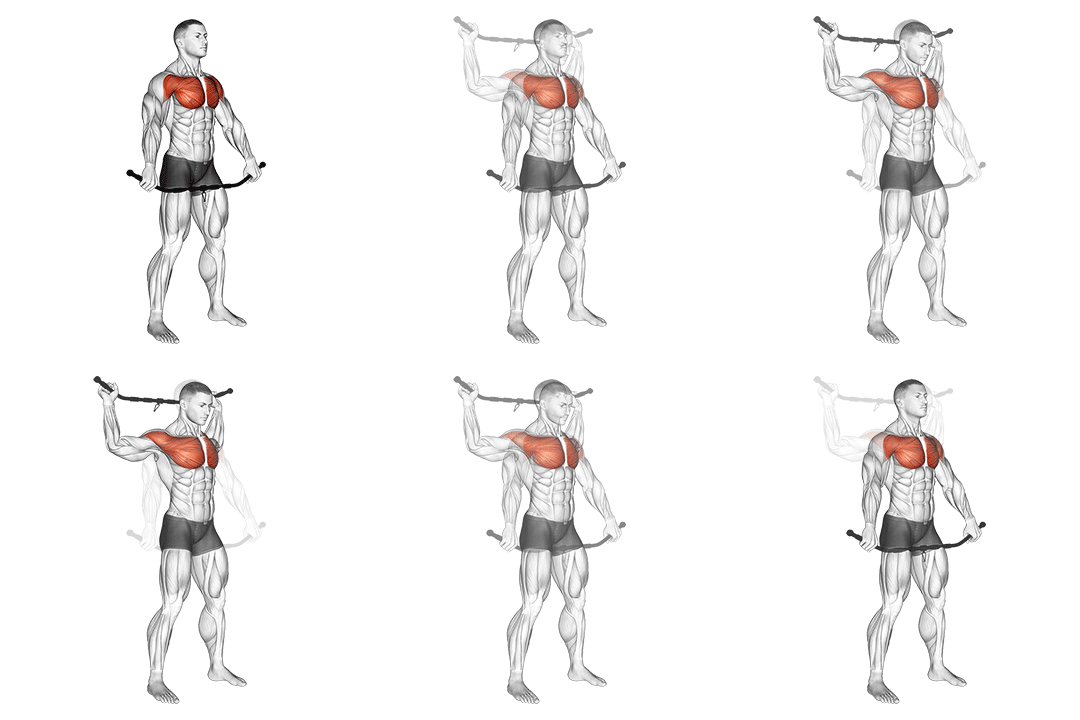
10. Chest And Front Of Shoulder Stretch
63% MatchHow to perform this exercise
- Stand tall with your feet shoulder-width apart.
- Extend your arms straight out in front of you at shoulder height.
- Cross your arms in front of your body, with your right arm on top of your left arm.
- Interlace your fingers and press your palms together.
- Gently squeeze your shoulder blades together and push your hands forward, feeling a stretch in your chest and front of your shoulders.
Why You Might Need a Child's Pose Alternative
You might replace Child's Pose for injury, pregnancy, limited shoulder or knee mobility, or simply to target different core mechanics. Substitutes let you prioritize active spinal mobility, lumbar decompression, or abdominal engagement. For example, pelvic tilts emphasize anterior pelvic control and TVA activation, while thread-the-needle targets thoracic rotation and scapular mobility; both reduce loading of inflamed lumbar extensors. Use cues like "tuck the tailbone and breathe into the lower ribs" to protect the lumbar spine and ensure the abs — not passive ligaments — control the movement.
How to Choose the Right Substitute
Select a substitute based on your goal: passive stretch versus active core control, pain location, and available load tolerance. If you need decompression, choose sphinx or child variation with ribcage down; for motor control pick bird-dog or pelvic tilts to train anti-extension via the TVA. Check technique: keep a neutral pelvis, cue "navel to spine," and move slowly to emphasize eccentric control of the erectors. Prioritize exercises that maintain spinal neutrality and reproducible breathing patterns to ensure proper muscle activation and safe biomechanics.
Frequently Asked Questions
What muscles does Child's Pose work?
Child's Pose primarily stretches the erector spinae, lats, and gluteals while reducing lumbar lordosis and passively compressing the anterior core. Cue "spread the shoulder blades and breathe into the belly" to further mobilize the thoracic spine and feel the posterior chain lengthen.
What is the best bodyweight alternative to Child's Pose?
For combined mobility and core activation, use cat-cow paired with supine pelvic tilts. On all fours, exhale to round the spine and pull the navel to the spine for cat; supine, flatten the low back by tucking the pelvis and engaging the transverse abdominis for pelvic tilts.
Can I build muscle without doing Child's Pose?
Yes. Child's Pose is a mobility/stretching position, not a hypertrophy exercise. Build back and core muscle with progressive bodyweight loading like planks, bird-dogs, and slow back extensions—cue a neutral pelvis, braced abs, and controlled range of motion to maximize muscle activation.
More Exercise Alternatives
Find Alternatives for Any Exercise
Use our free tool to discover the best substitute exercises based on your available equipment and goals.
Try the Exercise Substitution Finder →