

10 Best Clean From Blocks Alternatives for Quad Strength
If you can't perform the Clean From Blocks, use quad-dominant alternatives like the front squat, hang clean, trap-bar deadlift, or Bulgarian split squat to preserve power and knee-extension strength. Cue: keep a tall torso, drive through the mid-foot, and forcefully extend the knees and hips to reproduce the clean's explosive second pull.
Original Exercise: Clean From Blocks
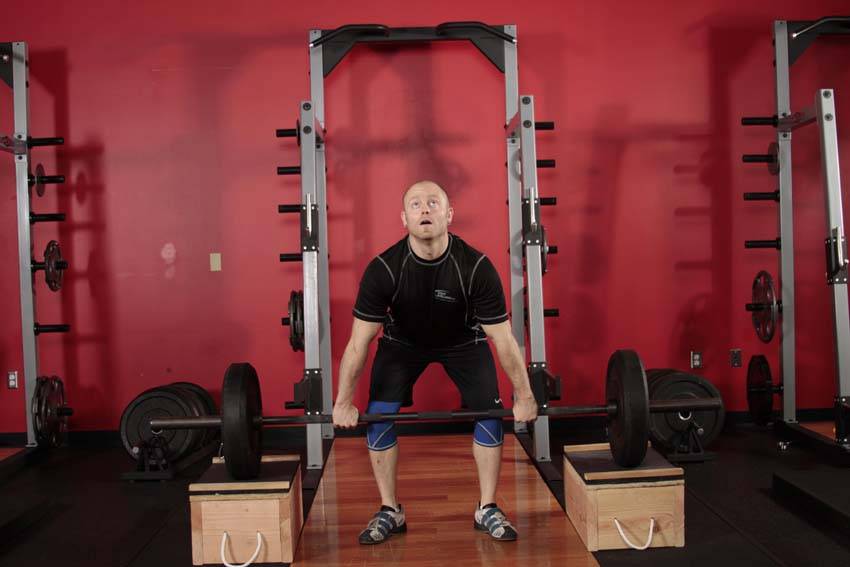
How to Perform Clean From Blocks
- With a barbell on boxes or stands of the desired height, take an overhand or hook grip just outside the legs. Lower your hips with the weight focused on the heels, back straight, head facing forward, chest up, with your shoulders just in front of the bar. This will be your starting position.
- Begin the first pull by driving through the heels, extending your knees. Your back angle should stay the same, and your arms should remain straight with the elbows pointed out.
- As full extension is achieved, transition into the receiving position by aggressively shrugging and flexing the arms with the elbows up and out. Aggressively pull yourself down, rotating your elbows under the bar as you do so. Receive the bar in a front squat position, the depth of which is dependent upon the height of the bar at the end of the third pull. The bar should be racked onto the protracted shoulders, lightly touching the throat with the hands relaxed. Continue to descend to the bottom squat position, which will help in the recovery.
- Immediately recover by driving through the heels, keeping the torso upright and elbows up. Continue until you have risen to a standing position. Return the weight to the boxes for the next rep.
Pro Tips
- Category: Olympic weightlifting
- Force: Pull
- Movement type: Compound
Best Clean From Blocks Alternatives
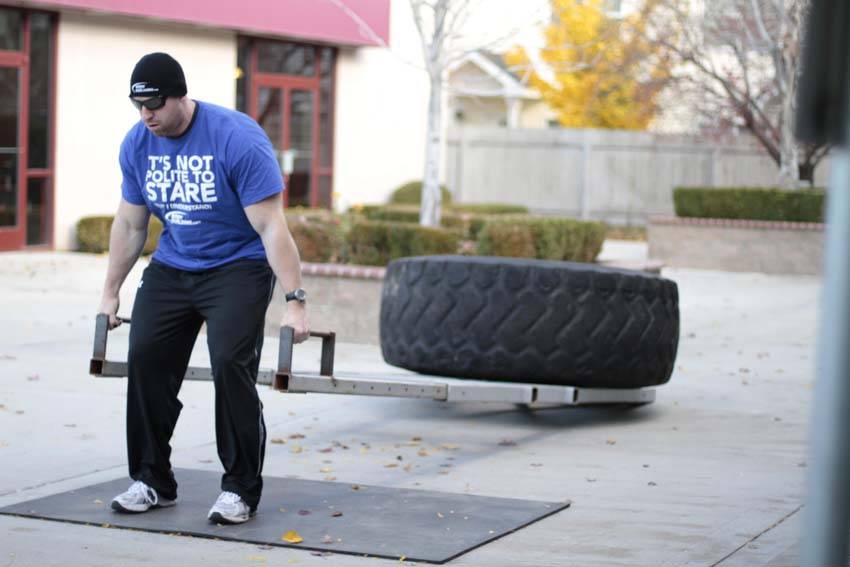
1. Car Deadlift
85.2% MatchHow to perform this exercise
- This event apparatus typically has neutral grip handles, however some have a straight bar that you can approach like a normal deadlift. The apparatus can be loaded with a vehicle or other heavy objects such as tractor tires or kegs.
- Center yourself between the handles if you are a strong squatter, or back a couple inches if you are a strong deadlifter. You feet should be about hip width apart. Bend at the hip to grip the handles. With your feet and your grip set, take a big breath and then lower your hips and flex the knees.
- Look forward with your head, keep your chest up and your back arched, and begin driving through the heels to move the weight upward. As the weight comes up, pull your shoulder blades together as you drive your hips forward.
- Lower the weight by bending at the hips and guiding it to the floor.
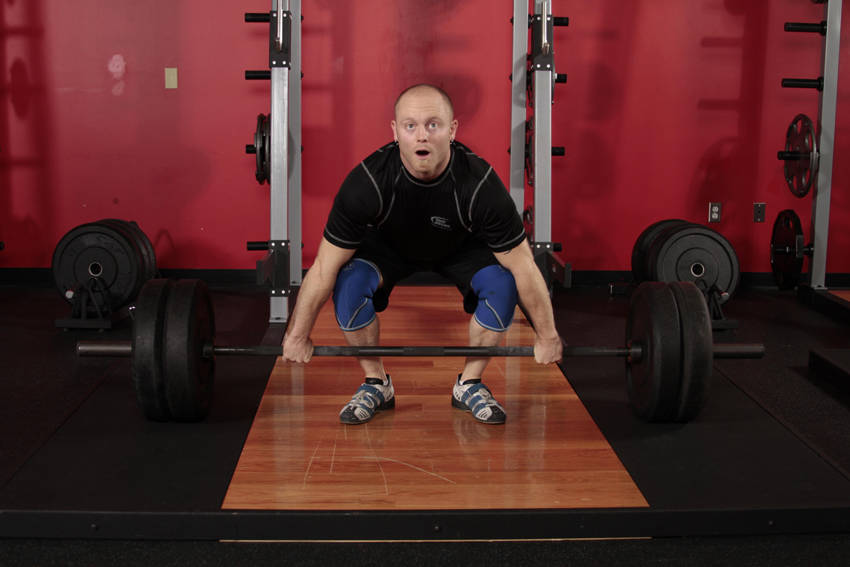
2. Clean
80.3% MatchHow to perform this exercise
- With a barbell on the floor close to the shins, take an overhand (or hook) grip just outside the legs. Lower your hips with the weight focused on the heels, back straight, head facing forward, chest up, with your shoulders just in front of the bar. This will be your starting position.
- Begin the first pull by driving through the heels, extending your knees. Your back angle should stay the same, and your arms should remain straight. Move the weight with control as you continue to above the knees.
- Next comes the second pull, the main source of acceleration for the clean. As the bar approaches the mid-thigh position, begin extending through the hips. In a jumping motion, accelerate by extending the hips, knees, and ankles, using speed to move the bar upward. There should be no need to actively pull through the arms to accelerate the weight; at the end of the second pull, the body should be fully extended, leaning slightly back, with the arms still extended.
- As full extension is achieved, transition into the third pull by aggressively shrugging and flexing the arms with the elbows up and out. At peak extension, aggressively pull yourself down, rotating your elbows under the bar as you do so. Receive the bar in a front squat position, the depth of which is dependent upon the height of the bar at the end of the third pull. The bar should be racked onto the protracted shoulders, lightly touching the throat with the hands relaxed. Continue to descend to the bottom squat position, which will help in the recovery.
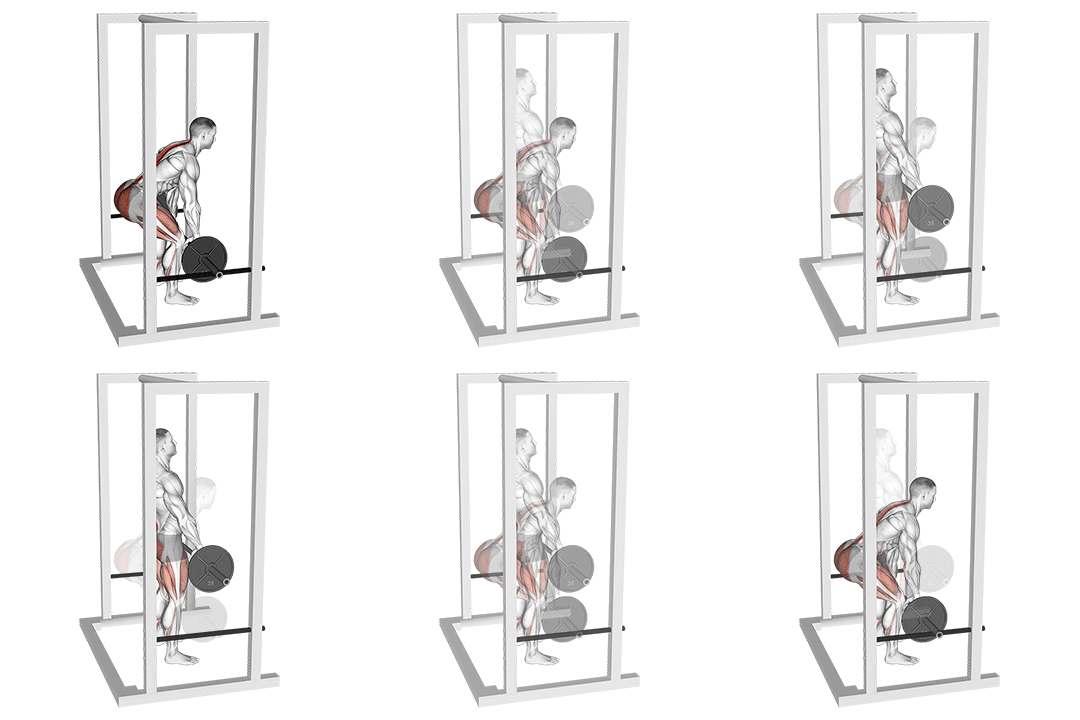
3. Barbell Rack Pull
79.2% MatchHow to perform this exercise
- Set up a barbell on a rack at knee height.
- Stand with your feet shoulder-width apart, toes pointing slightly outwards.
- Bend at the hips and knees to lower yourself down and grip the barbell with an overhand grip, hands shoulder-width apart.
- Engage your core and lift the barbell by extending your hips and knees, pulling your shoulders back and squeezing your glutes at the top.
- Lower the barbell back down to the starting position by bending at the hips and knees.
4. Clean Pull
75.8% MatchHow to perform this exercise
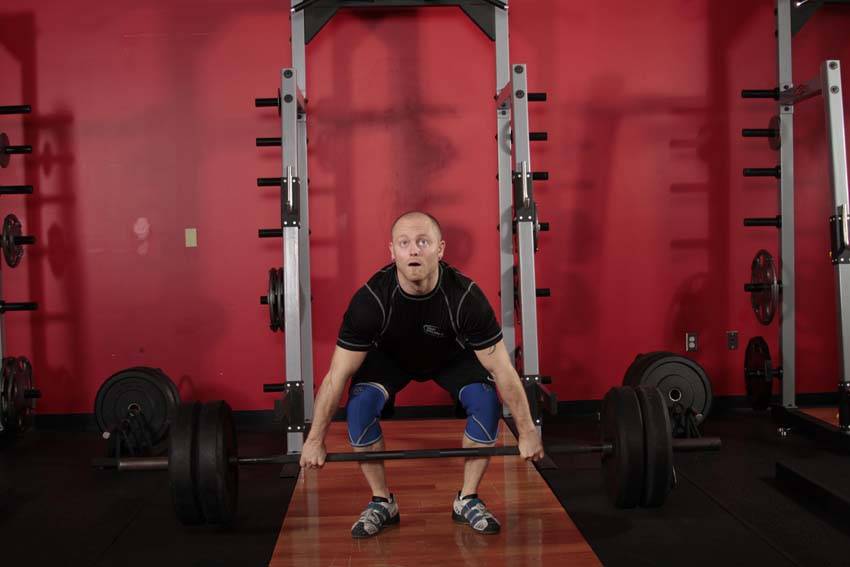
- With a barbell on the floor close to the shins, take an overhand or hook grip just outside the legs. Lower your hips with the weight focused on the heels, back straight, head facing forward, chest up, with your shoulders just in front of the bar. This will be your starting position.
- Begin the first pull by driving through the heels, extending your knees. Your back angle should stay the same, and your arms should remain straight and elbows out. Move the weight with control as you continue to above the knees.
- Next comes the second pull, the main source of acceleration for the clean. As the bar approaches the mid-thigh position, begin extending through the hips. In a jumping motion, accelerate by extending the hips, knees, and ankles, using speed to move the bar upward. There should be no need to actively pull through the arms to accelerate the weight; at the end of the second pull, the body should be fully extended, leaning slightly back, with the arms still extended. Full extension should be violent and abrupt, and ensure that you do not prolong the extension for longer than necessary.
5. Barbell Sumo Deadlift
75.2% MatchHow to perform this exercise
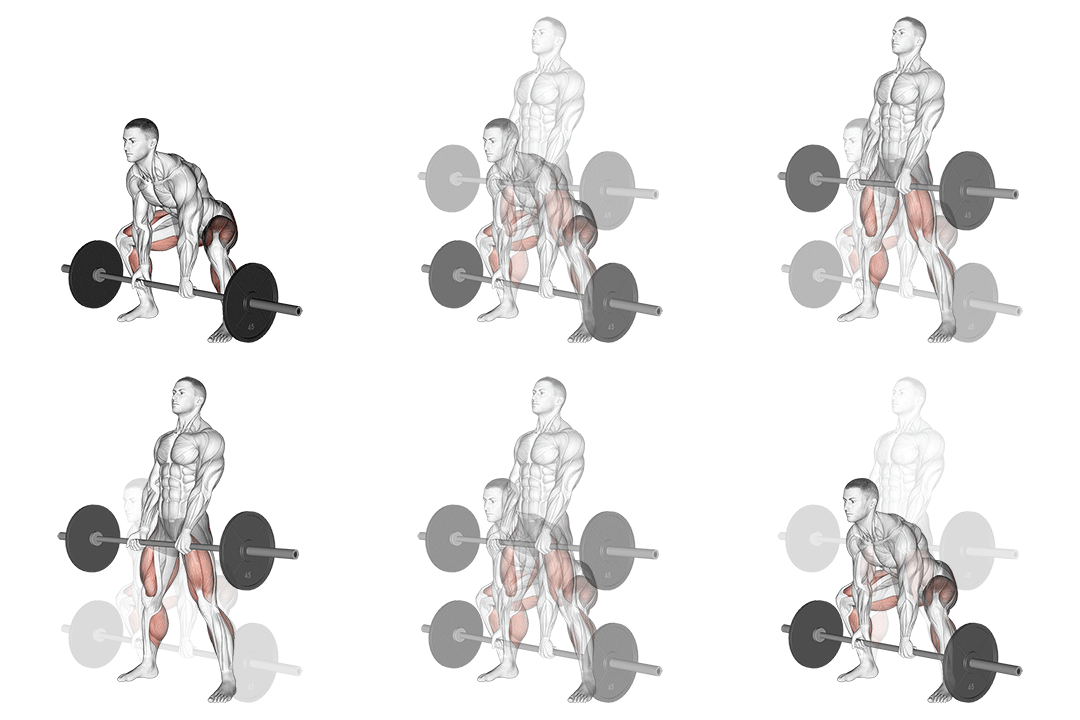
- Stand with your feet wider than shoulder-width apart, toes pointing outwards.
- Place a barbell on the ground in front of you, centered between your feet.
- Bend your knees and lower your hips, keeping your back straight and chest up, to grip the barbell with an overhand grip.
- Engage your core and drive through your heels to lift the barbell off the ground, extending your hips and knees simultaneously.
- As you lift, keep your chest up and back straight, and push your hips forward to fully engage your glutes.
6. Deadlift With Bands
70.8% MatchHow to perform this exercise
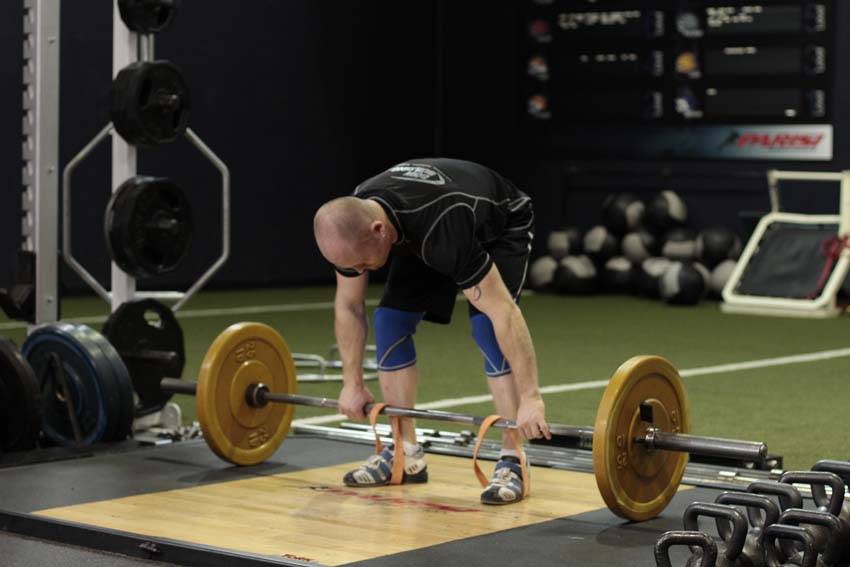
- To deadlift with short bands, simply loop them over the bar before you start, and step into them to set up. For long bands, they will need to be anchored to a secure base, such as heavy dumbbells or a rack.
- With your feet, and your grip set, take a big breath and then lower your hips and bend the knees until your shins contact the bar. Look forward with your head, keep your chest up and your back arched, and begin driving through the heels to move the weight upward. After the bar passes the knees, aggressively pull the bar back, pulling your shoulder blades together as you drive your hips forward into the bar.
- Lower the bar by bending at the hips and guiding it to the floor.
7. Deficit Deadlift
70.8% MatchHow to perform this exercise
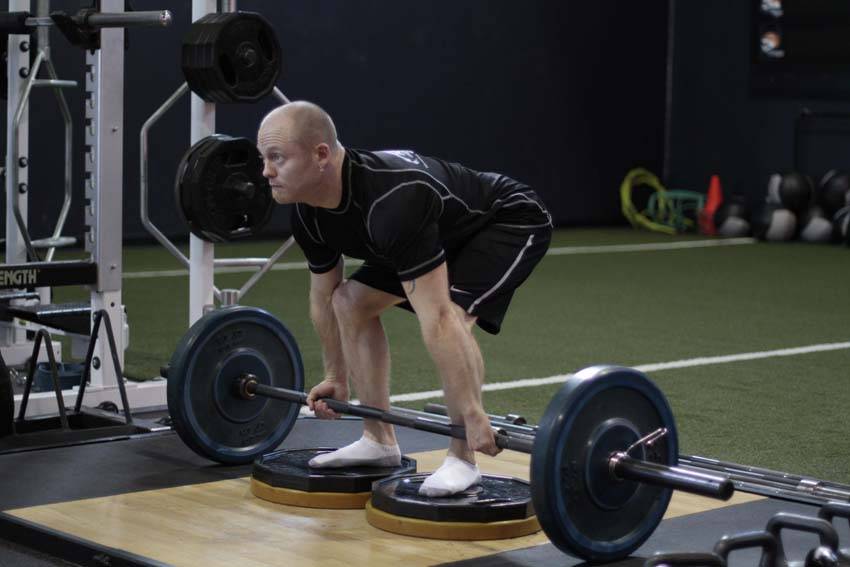
- Begin by having a platform or weight plates that you can stand on, usually 1-3 inches in height. Approach the bar so that it is centered over your feet. You feet should be about hip width apart. Bend at the hip to grip the bar at shoulder width, allowing your shoulder blades to protract. Typically, you would use an overhand grip or an over/under grip on heavier sets.
- With your feet, and your grip set, take a big breath and then lower your hips and bend the knees until your shins contact the bar. Look forward with your head, keep your chest up and your back arched, and begin driving through the heels to move the weight upward. After the bar passes the knees, aggressively pull the bar back, pulling your shoulder blades together as you drive your hips forward into the bar.
- Lower the bar by bending at the hips and guiding it to the floor.
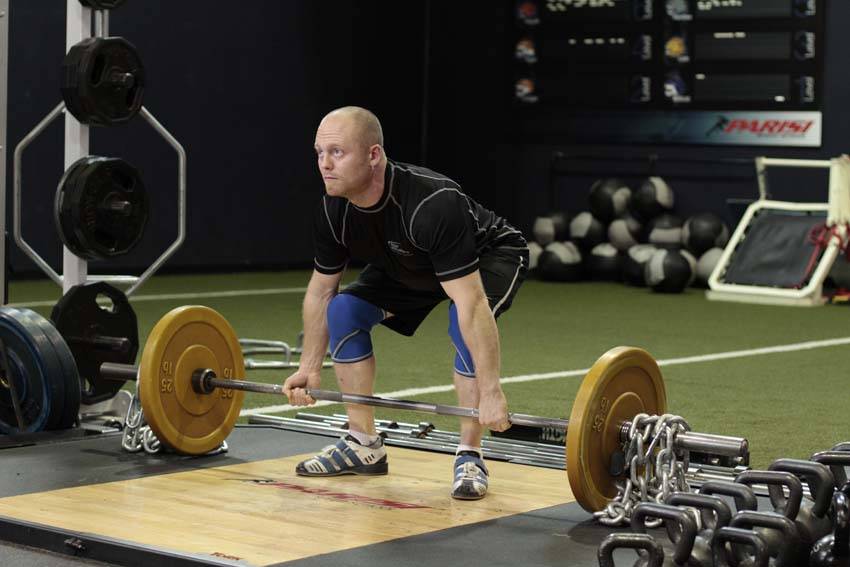
8. Deadlift With Chains
70.8% MatchHow to perform this exercise
- You can attach the chains to the sleeves of the bar, or just drape the middle over the bar so there is a greater weight increase as you lift.
- Approach the bar so that it is centered over your feet. You feet should be about hip width apart. Bend at the hip to grip the bar at shoulder width, allowing your shoulder blades to protract. Typically, you would use an overhand grip or an over/under grip on heavier sets. With your feet, and your grip set, take a big breath and then lower your hips and bend the knees until your shins contact the bar.
- Look forward with your head, keep your chest up and your back arched, and begin driving through the heels to move the weight upward. After the bar passes the knees, aggressively pull the bar back, pulling your shoulder blades together as you drive your hips forward into the bar.
- Lower the bar by bending at the hips and guiding it to the floor.
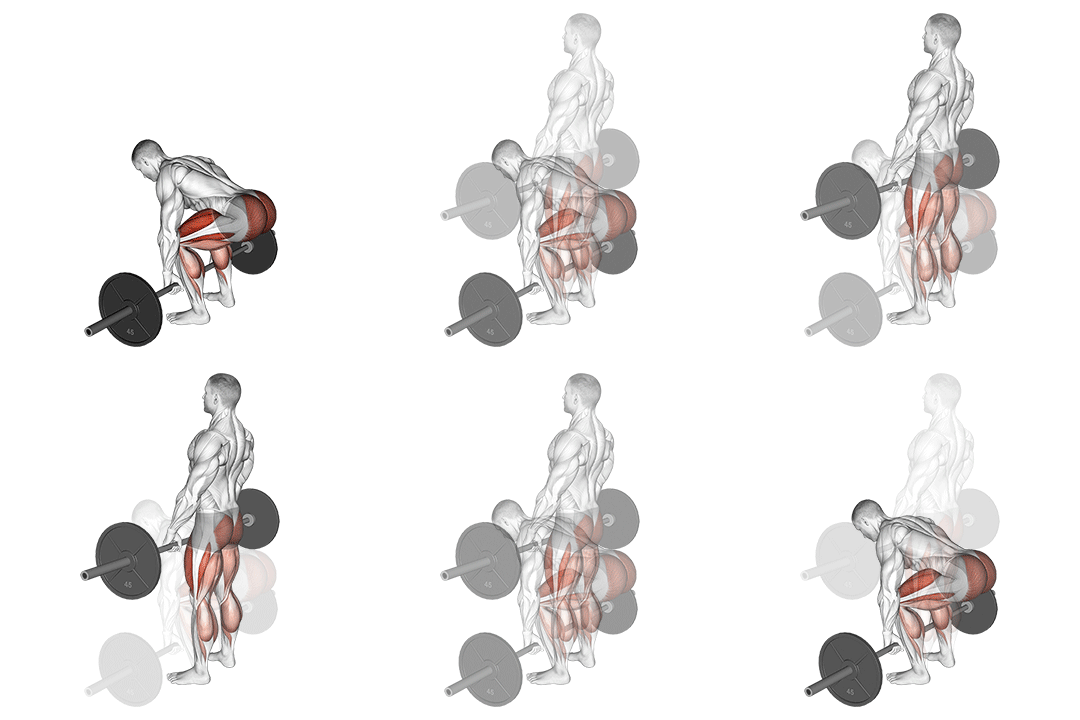
9. Barbell Deadlift
70.8% MatchHow to perform this exercise
- Stand with your feet shoulder-width apart and the barbell on the ground in front of you.
- Bend your knees and hinge at the hips to lower your torso and grip the barbell with an overhand grip, hands slightly wider than shoulder-width apart.
- Keep your back straight and chest lifted as you drive through your heels to lift the barbell off the ground, extending your hips and knees.
- As you stand up straight, squeeze your glutes and keep your core engaged.
- Lower the barbell back down to the ground by bending at the hips and knees, keeping your back straight.
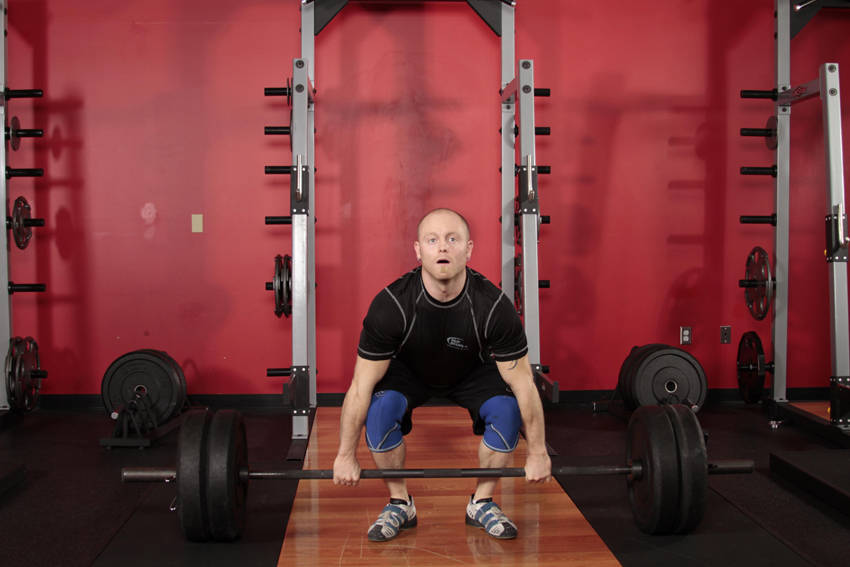
10. Clean Deadlift
70.2% MatchHow to perform this exercise
- Begin standing with a barbell close to your shins. Your feet should be directly under your hips with your feet turned out slightly. Grip the bar with a double overhand grip or hook grip, about shoulder width apart. Squat down to the bar. Your spine should be in full extension, with a back angle that places your shoulders in front of the bar and your back as vertical as possible.
- Begin by driving through the floor through the front of your heels. As the bar travels upward, maintain a constant back angle. Flare your knees out to the side to help keep them out of the bar's path.
- After the bar crosses the knees, complete the lift by driving the hips into the bar until your hips and knees are extended.
Why You Might Need a Clean From Blocks Alternative
You may substitute Clean From Blocks because the lift demands precise timing, specific equipment (blocks or rack), and strong hip mobility. Injuries to the lower back, shoulders, or wrists often limit your ability to perform efficient cleans; alternatives let you maintain quadriceps loading without complex pulls. Equipment or coaching constraints favor front squats, trap-bar deadlifts, or high pulls that reproduce the clean's triple-extension while lowering technical risk. Technique cue for front squat: keep elbows high and sit back between the heels to bias the quads; for trap-bar, drive through the mid-foot to increase knee-extension contribution. These swaps preserve quad hypertrophy and power with less technical demand.
How to Choose the Right Substitute
Match the substitute to your primary goal: quad hypertrophy, explosive power, or reduced technical load. For maximum quad stress choose front squats or leg press — cue: keep an upright torso and drive the knees out over the toes to emphasize vastus lateralis activation. For power transfer pick hang cleans or high pulls and focus on rapid triple-extension and knee snap. If spinal loading or shoulder mobility is limited, use trap-bar deadlifts with hips set slightly lower and push through the heels to bias knee drive. Consider unilateral options (Bulgarian split squats) to fix imbalances while progressing load safely.
Frequently Asked Questions
What muscles does Clean From Blocks work?
The Clean From Blocks primarily loads the quadriceps through the knee-extension phase, while the second pull and lockout recruit glutes and hamstrings during hip extension. Upper traps and forearms assist in the catch and pull, so cue an aggressive knee and hip drive to maximize quad contribution.
What is the best bodyweight alternative to Clean From Blocks?
The Bulgarian split squat is the best bodyweight option for quad development because it loads the front leg under a long range of motion. Cue: keep the torso upright, descend to about 90° at the front knee, and push through the mid-foot to target the quadriceps effectively.
Can I build muscle without doing Clean From Blocks?
Yes. You can build quadriceps size and strength with progressive overload using front squats, leg presses, Bulgarian split squats, and tempo-controlled sets to increase time under tension. Focus on full range of motion and incrementally increasing load or reps while cueing solid knee tracking to maximize quad activation.
More Exercise Alternatives
Find Alternatives for Any Exercise
Use our free tool to discover the best substitute exercises based on your available equipment and goals.
Try the Exercise Substitution Finder →