

10 Best Dumbbell Front Raise Alternatives for Shoulder Training
If you need a substitute for the dumbbell front raise, use movements that load shoulder flexion and anterior delts while preserving scapular control. Effective swaps include cable front raises, plate raises, kettlebell front raises, barbell front raises and landmine presses. Keep a slight elbow bend, lift to eye level, and avoid shrugging.
Original Exercise: Dumbbell Front Raise
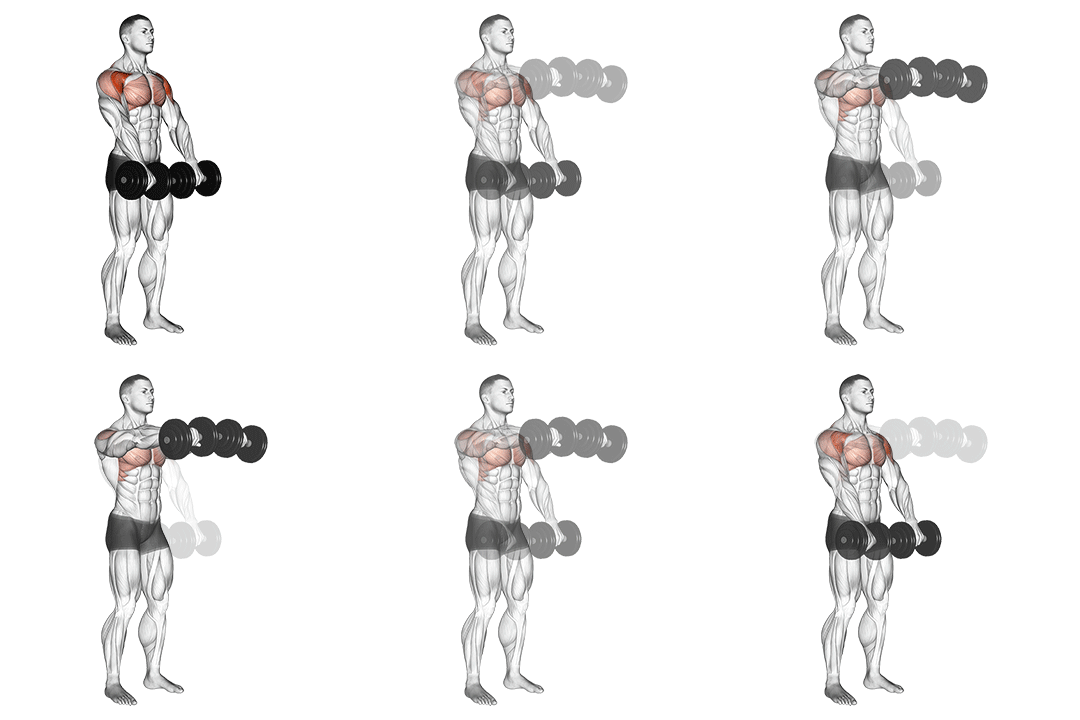
How to Perform Dumbbell Front Raise
- Stand with your feet shoulder-width apart, holding a dumbbell in each hand with your palms facing your thighs.
- Keeping your arms straight, exhale and lift the dumbbells in front of you until they are at shoulder level.
- Pause for a moment at the top, then inhale and slowly lower the dumbbells back down to the starting position.
- Repeat for the desired number of repetitions.
Best Dumbbell Front Raise Alternatives
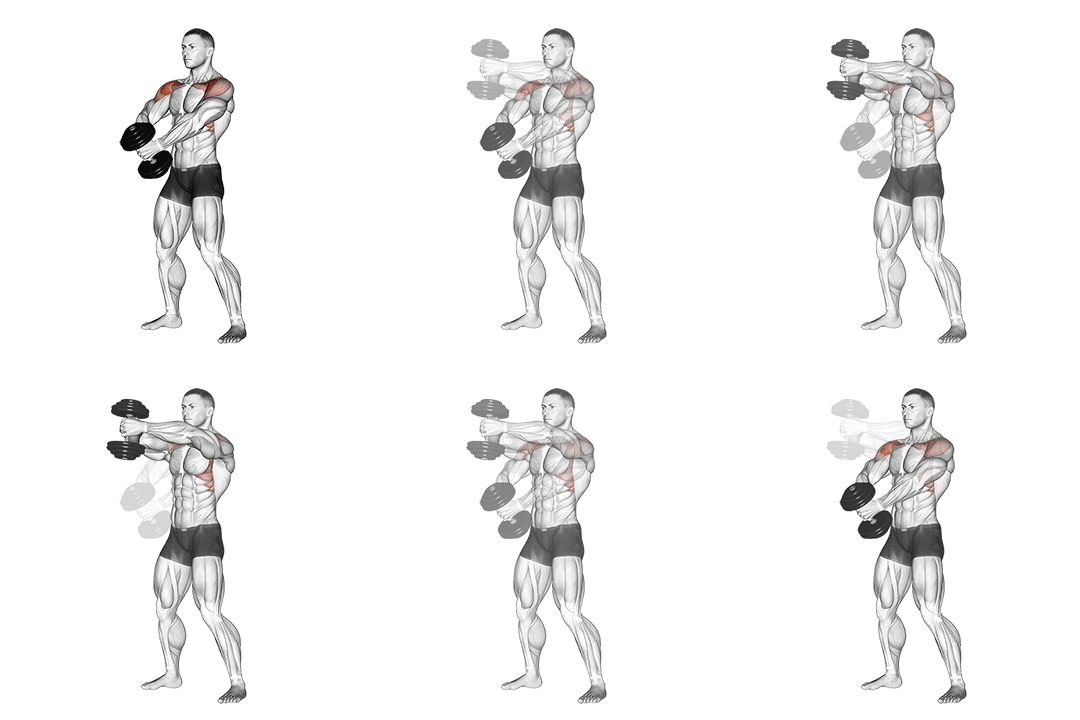
1. Dumbbell Front Raise V. 2
99.9% MatchHow to perform this exercise
- Stand with your feet shoulder-width apart, holding a dumbbell in each hand with your palms facing your thighs.
- Keep your back straight and engage your core.
- Slowly lift the dumbbells in front of you, with your arms straight, until they are at shoulder level.
- Pause for a moment at the top, then slowly lower the dumbbells back down to the starting position.
- Repeat for the desired number of repetitions.
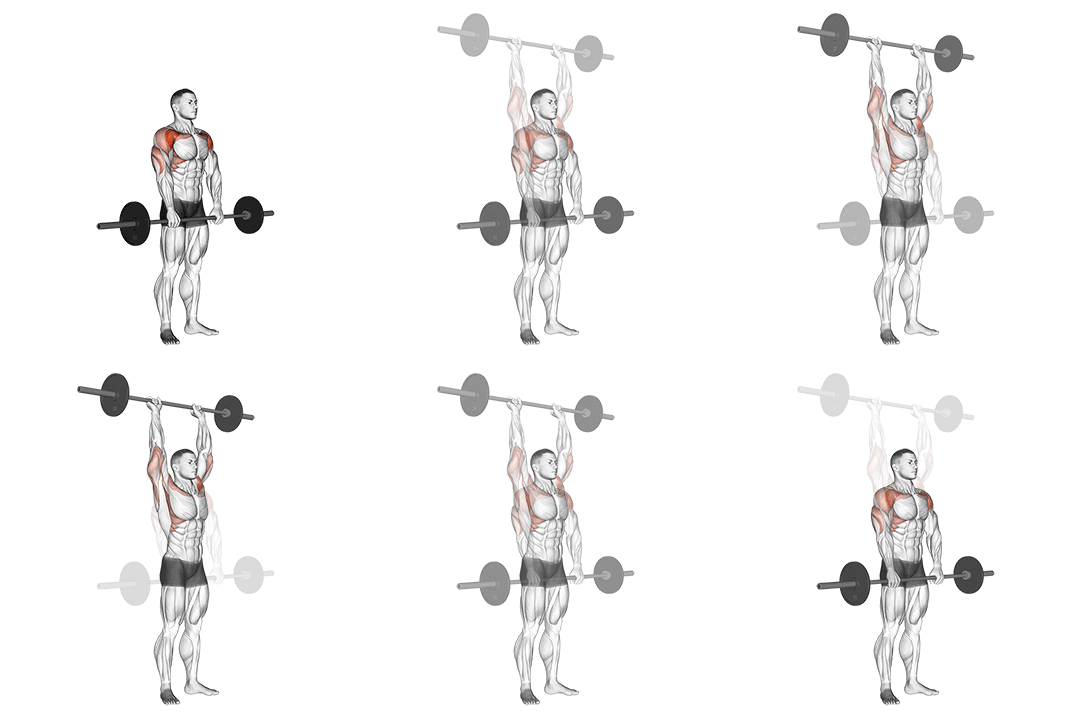
2. Barbell Standing Front Raise Over Head
95.2% MatchHow to perform this exercise
- Stand with your feet shoulder-width apart, holding a barbell in front of your thighs with an overhand grip.
- Keep your back straight and engage your core.
- Slowly raise the barbell in front of you, keeping your arms straight and your palms facing down.
- Continue lifting until the barbell is slightly above shoulder level.
- Pause for a moment at the top, then slowly lower the barbell back down to the starting position.
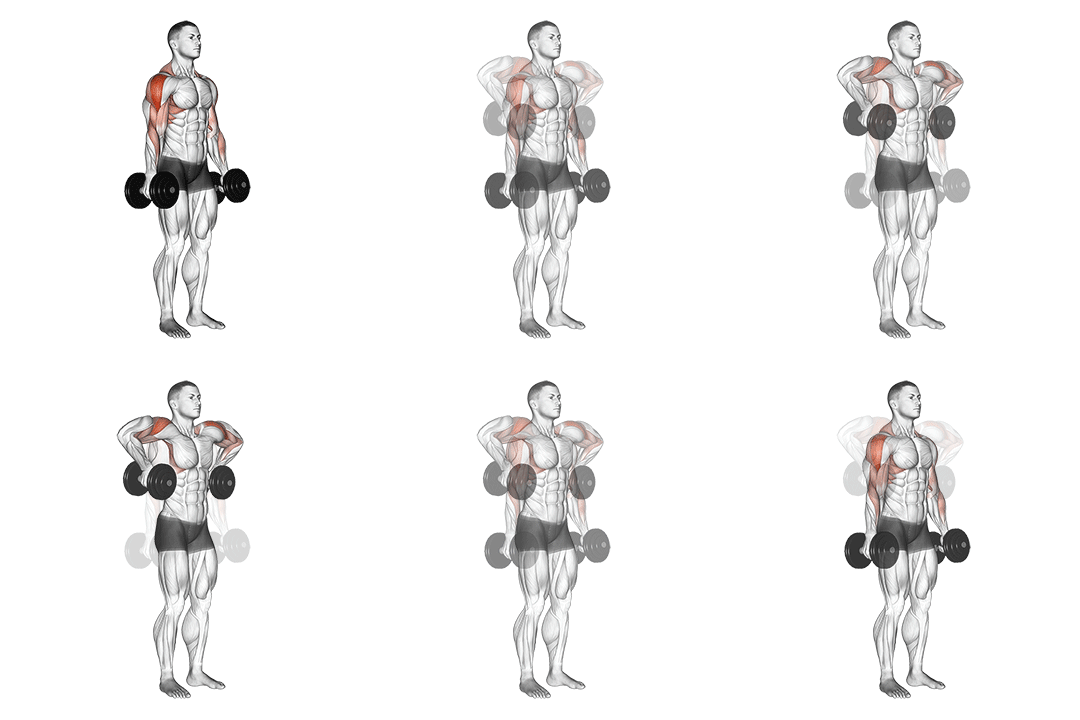
3. Dumbbell Raise
95% MatchHow to perform this exercise
- Stand with your feet shoulder-width apart and hold a dumbbell in each hand, palms facing your body.
- Keep your back straight and engage your core.
- Raise your arms out to the sides until they are parallel to the floor, keeping a slight bend in your elbows.
- Pause for a moment at the top, then slowly lower your arms back down to the starting position.
- Repeat for the desired number of repetitions.
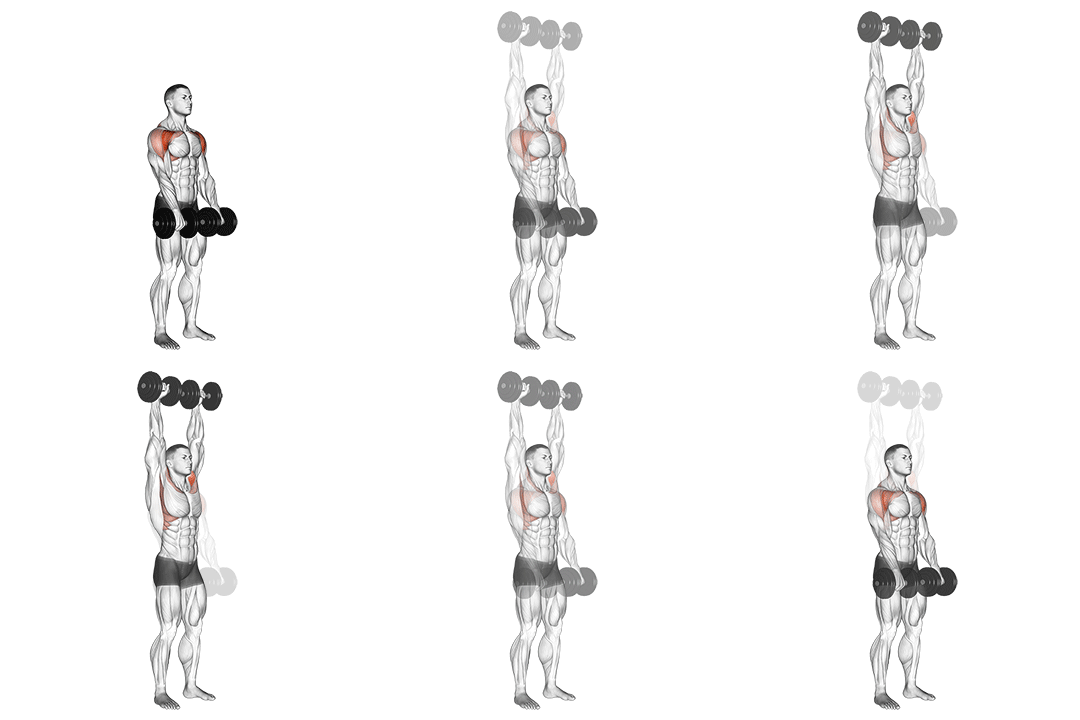
4. Dumbbell Standing Front Raise Above Head
95% MatchHow to perform this exercise
- Stand with your feet shoulder-width apart, holding a dumbbell in each hand with an overhand grip.
- Keep your arms straight and lift the dumbbells in front of you, raising them above your head.
- Pause for a moment at the top, then slowly lower the dumbbells back to the starting position.
- Repeat for the desired number of repetitions.
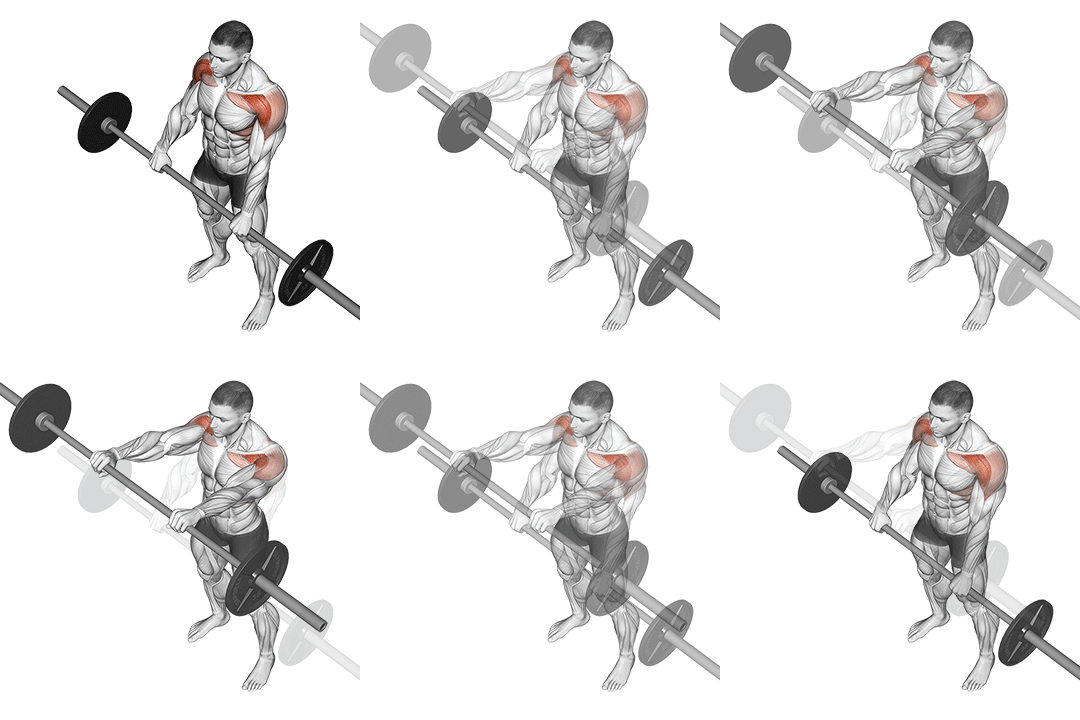
5. Barbell Front Raise
94.2% MatchHow to perform this exercise
- Stand with your feet shoulder-width apart and hold a barbell in front of your thighs with an overhand grip.
- Keep your arms straight and lift the barbell forward and upward until it reaches shoulder level.
- Pause for a moment at the top, then slowly lower the barbell back down to the starting position.
- Repeat for the desired number of repetitions.
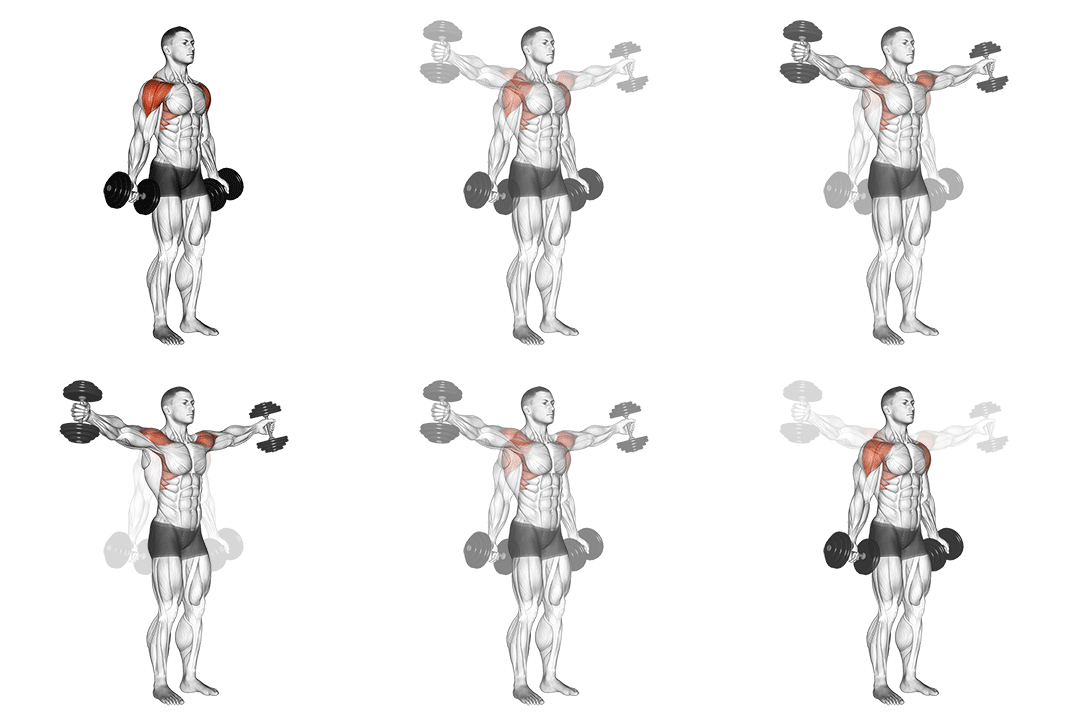
6. Dumbbell Full Can Lateral Raise
89.1% MatchHow to perform this exercise
- Stand with your feet shoulder-width apart, holding a dumbbell in each hand with your palms facing your body.
- Keep your back straight and engage your core.
- Raise your arms out to the sides, keeping a slight bend in your elbows, until they are parallel to the ground.
- Pause for a moment at the top, then slowly lower your arms back down to the starting position.
- Repeat for the desired number of repetitions.
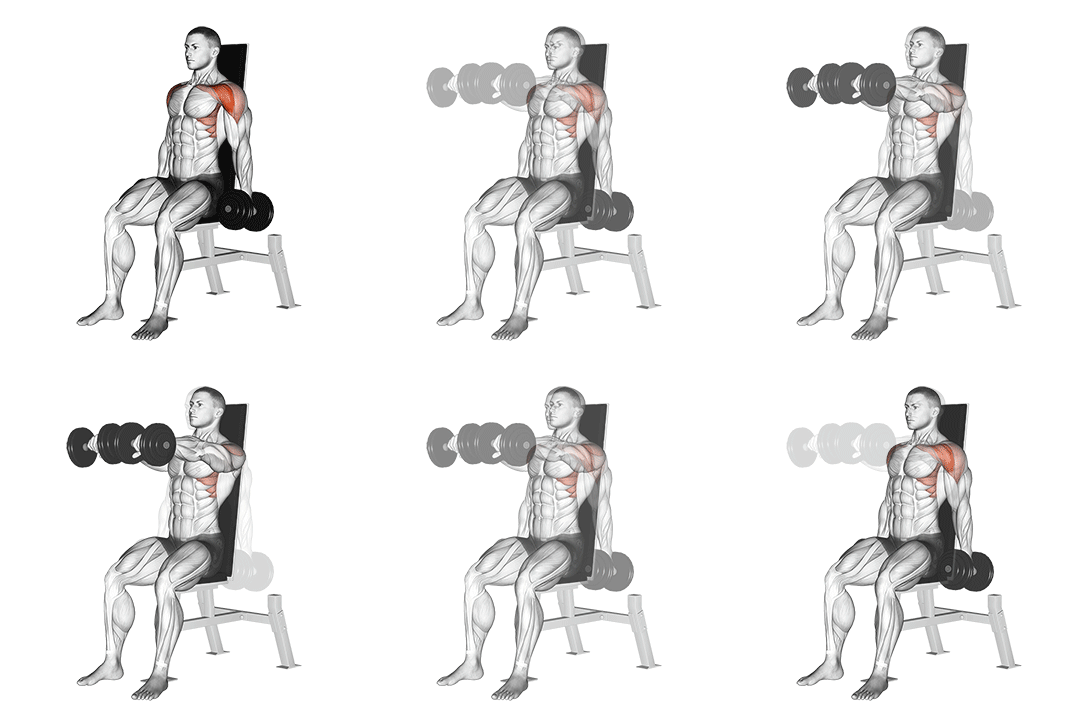
7. Dumbbell Seated Front Raise
85.4% MatchHow to perform this exercise
- Sit on a bench with your feet flat on the ground and a dumbbell in each hand, resting on your thighs.
- Keep your back straight and core engaged.
- Raise the dumbbells in front of you, with your palms facing down, until they are at shoulder level.
- Pause for a moment at the top, then slowly lower the dumbbells back down to the starting position.
- Repeat for the desired number of repetitions.
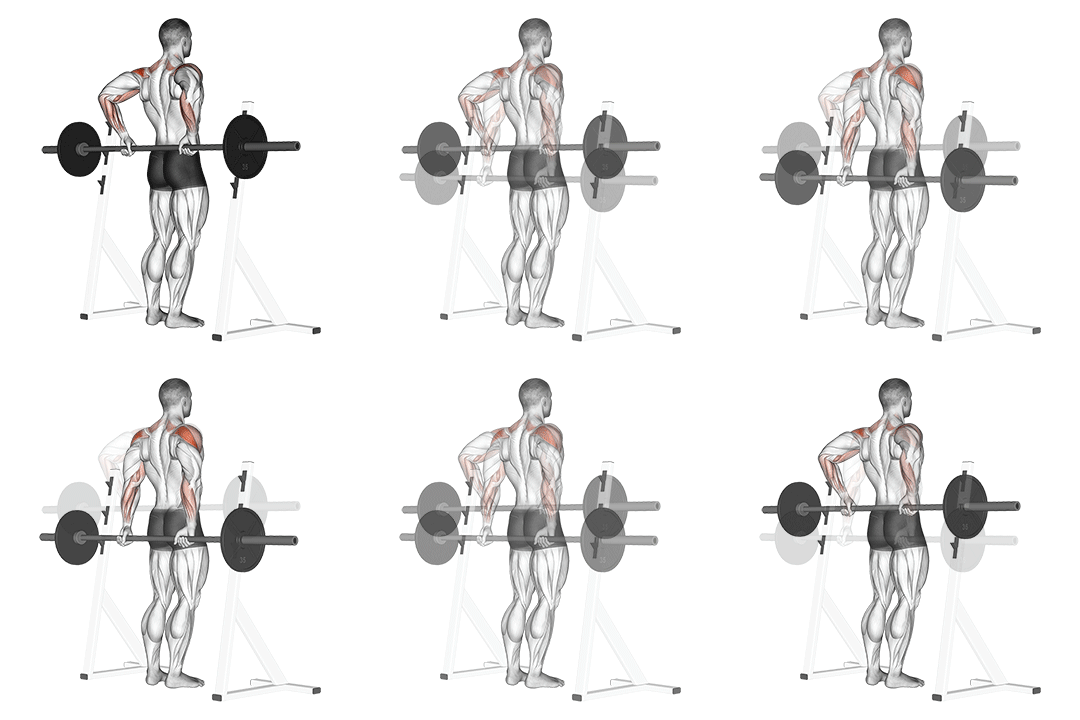
8. Barbell Rear Delt Raise
84.4% MatchHow to perform this exercise
- Stand with your feet shoulder-width apart and hold a barbell with an overhand grip, palms facing down.
- Bend your knees slightly and hinge forward at the hips, keeping your back straight.
- Raise the barbell out to the sides, keeping your arms straight, until they are parallel to the ground.
- Pause for a moment at the top, then slowly lower the barbell back to the starting position.
- Repeat for the desired number of repetitions.
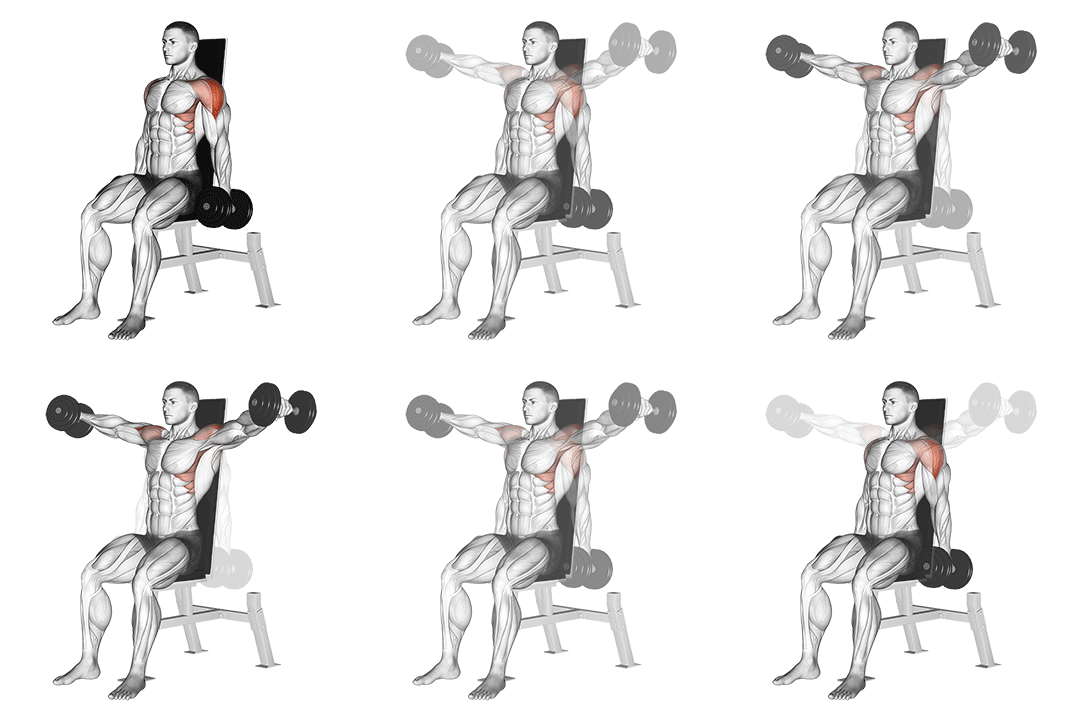
9. Dumbbell Seated Lateral Raise V. 2
80.9% MatchHow to perform this exercise
- Sit on a bench with your feet flat on the ground and a dumbbell in each hand, resting on your thighs.
- Keep your back straight and core engaged.
- Raise the dumbbells to your sides with a slight bend in your elbows, until your arms are parallel to the ground.
- Pause for a moment at the top, then slowly lower the dumbbells back down to the starting position.
- Repeat for the desired number of repetitions.
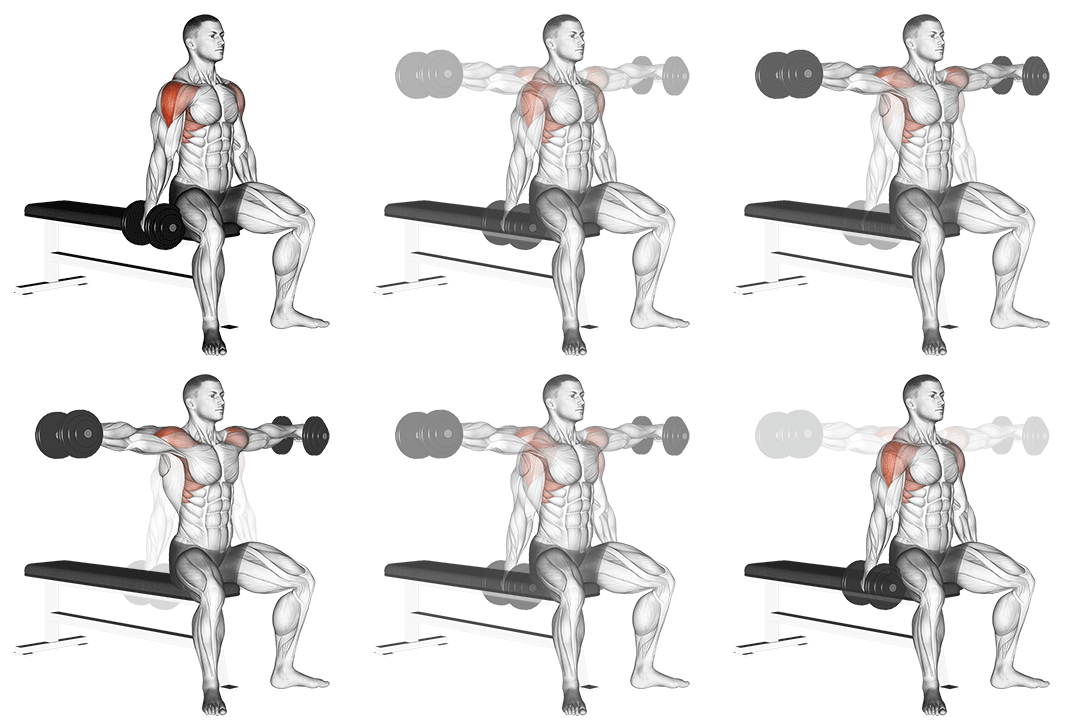
10. Dumbbell Seated Lateral Raise
80.9% MatchHow to perform this exercise
- Sit on a bench with your feet flat on the ground and a dumbbell in each hand, resting on your thighs.
- Keep your back straight and core engaged.
- Raise the dumbbells to your sides with a slight bend in your elbows, until your arms are parallel to the ground.
- Pause for a moment at the top, then slowly lower the dumbbells back down to the starting position.
- Repeat for the desired number of repetitions.
Why You Might Need a Dumbbell Front Raise Alternative
You may replace the dumbbell front raise for several practical reasons: shoulder impingement during overhead work, limited or damaged dumbbells, or a need for different tension curves and progression. The dumbbell front raise isolates anterior deltoid via shoulder flexion; poor form lets the upper trapezius or clavicular pecs take over and increases joint shear. If you feel pain, select a landmine press or cable variation that keeps the humerus closer to the body and reduces anterior glide. Technique cue: maintain scapular stability, lead with the humerus (not the hands), and avoid excessive shoulder elevation to keep activation on the anterior delt.
How to Choose the Right Substitute
Base your choice on equipment, pain, and training goal. For constant tension and precise load, pick cable front raises—set the pulley low, palms down, and raise to eye level while keeping elbows soft. If you lack cables, use a plate or kettlebell front raise and brace the core to control the single-arm moment arm. For rehab or impingement, use landmine presses with a neutral grip and limited forward flexion to reduce glenohumeral shear. Technique cue: prioritize controlled eccentrics (3–4 seconds) and stop at a range where the anterior delt, not the traps, is doing the work.
Frequently Asked Questions
What muscles does Dumbbell Front Raise work?
The primary mover is the anterior deltoid, which performs shoulder flexion. Secondary muscles include the lateral deltoid, upper pectoralis major, serratus anterior for scapular control, and the rotator cuff for stabilization; keep a slight elbow bend to isolate the deltoid and limit torque.
What is the best bodyweight alternative to Dumbbell Front Raise?
The best bodyweight option is an elevated pike push-up (feet on a box) performed with hips high to bias the anterior delts. Cue: lead with the forehead toward the floor, keep elbows slightly forward, and increase torso verticality to shift more load onto shoulder flexion.
Can I build muscle without doing Dumbbell Front Raise?
Yes. Compound presses—strict overhead press, incline press, and landmine press—plus cable front raises and kettlebell variations will stimulate anterior delt hypertrophy. Focus on progressive overload, controlled eccentrics, and exercise selection that emphasizes shoulder flexion to maintain direct anterior deltoid activation.
More Exercise Alternatives
Find Alternatives for Any Exercise
Use our free tool to discover the best substitute exercises based on your available equipment and goals.
Try the Exercise Substitution Finder →