

10 Best Dumbbell Front Raise V. 2 Alternatives for Limited Equipment
If you can't do the Dumbbell Front Raise V. 2, perform movements that preserve shoulder flexion and isolate the anterior deltoid. Try cable front raises, plate raises, or lying dumbbell raises, and cue a slight elbow bend and controlled eccentric to keep deltoid activation high and prevent scapular hitching.
Original Exercise: Dumbbell Front Raise V. 2
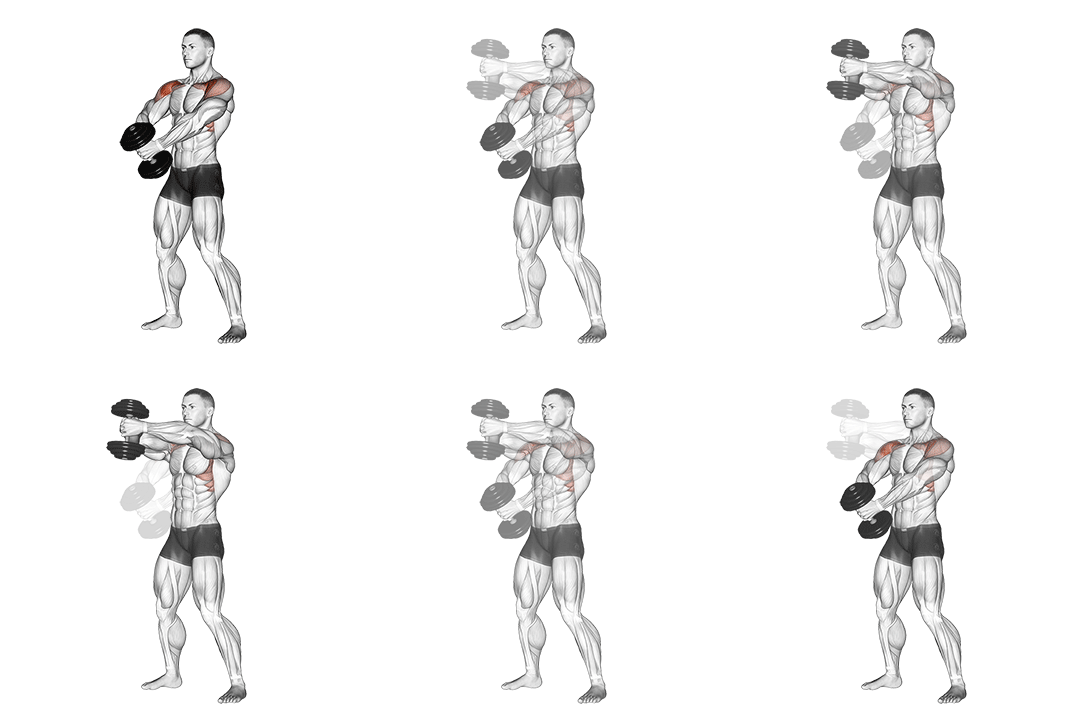
How to Perform Dumbbell Front Raise V. 2
- Stand with your feet shoulder-width apart, holding a dumbbell in each hand with your palms facing your thighs.
- Keep your back straight and engage your core.
- Slowly lift the dumbbells in front of you, with your arms straight, until they are at shoulder level.
- Pause for a moment at the top, then slowly lower the dumbbells back down to the starting position.
- Repeat for the desired number of repetitions.
Best Dumbbell Front Raise V. 2 Alternatives
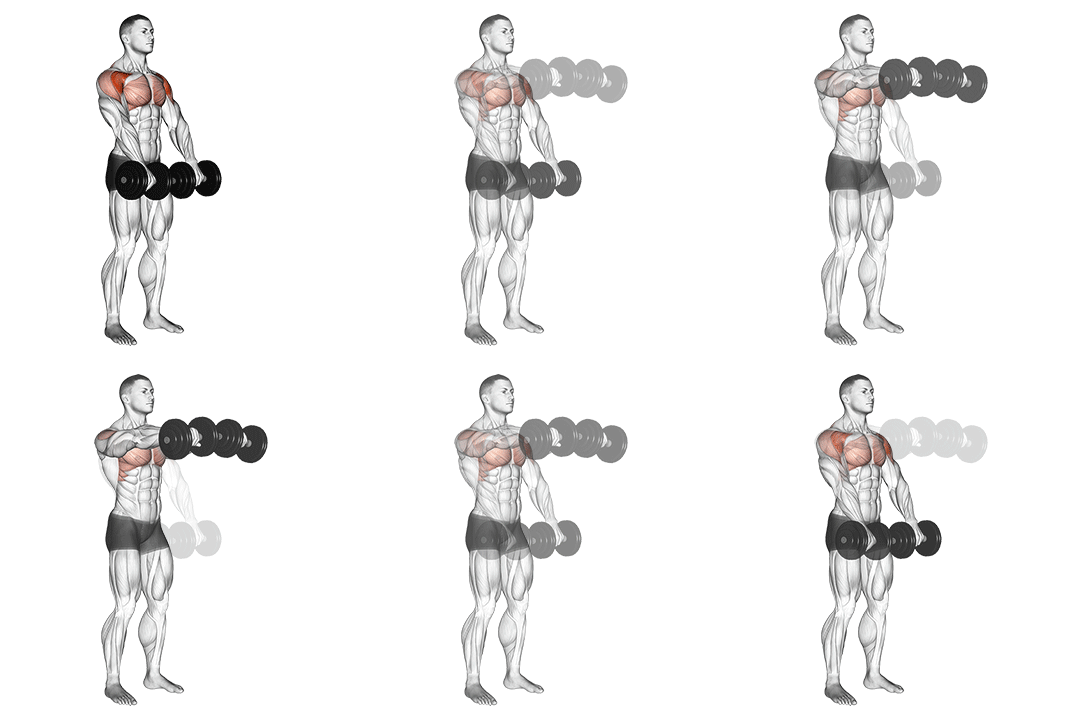
1. Dumbbell Front Raise
99.9% MatchHow to perform this exercise
- Stand with your feet shoulder-width apart, holding a dumbbell in each hand with your palms facing your thighs.
- Keeping your arms straight, exhale and lift the dumbbells in front of you until they are at shoulder level.
- Pause for a moment at the top, then inhale and slowly lower the dumbbells back down to the starting position.
- Repeat for the desired number of repetitions.
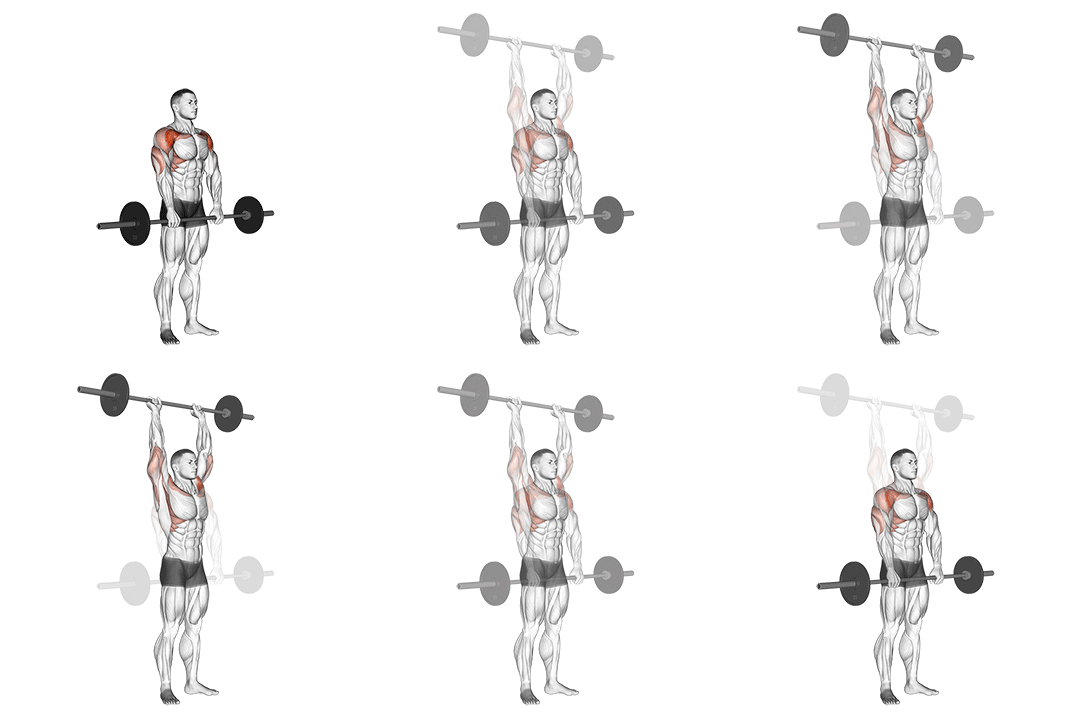
2. Barbell Standing Front Raise Over Head
95.2% MatchHow to perform this exercise
- Stand with your feet shoulder-width apart, holding a barbell in front of your thighs with an overhand grip.
- Keep your back straight and engage your core.
- Slowly raise the barbell in front of you, keeping your arms straight and your palms facing down.
- Continue lifting until the barbell is slightly above shoulder level.
- Pause for a moment at the top, then slowly lower the barbell back down to the starting position.
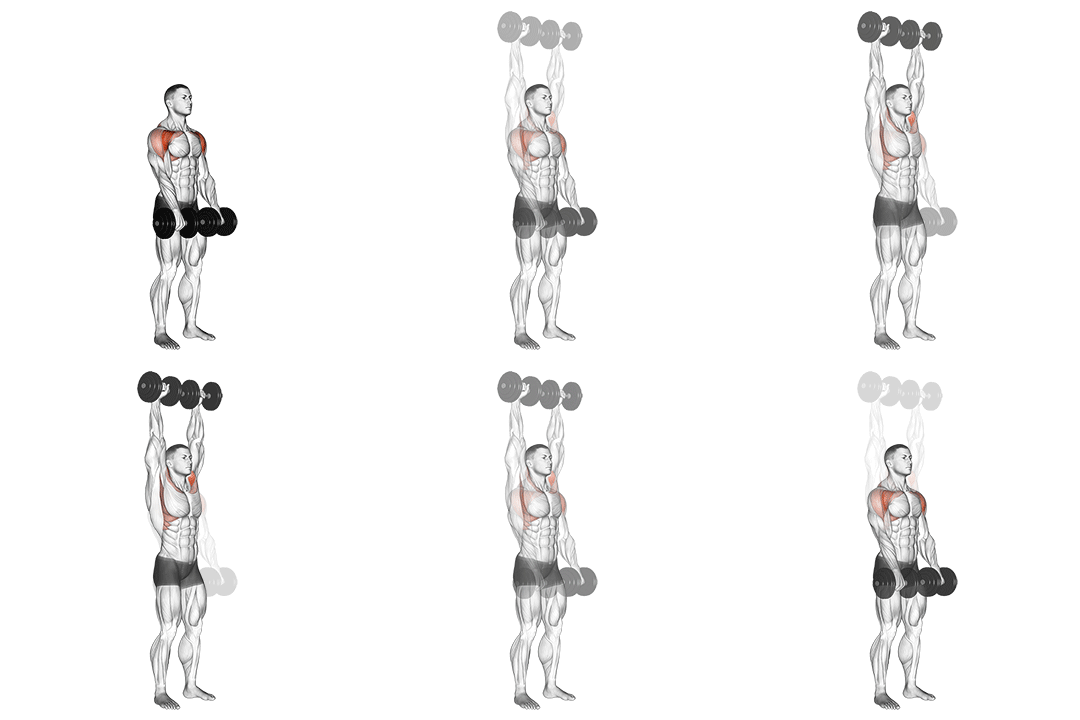
3. Dumbbell Standing Front Raise Above Head
95% MatchHow to perform this exercise
- Stand with your feet shoulder-width apart, holding a dumbbell in each hand with an overhand grip.
- Keep your arms straight and lift the dumbbells in front of you, raising them above your head.
- Pause for a moment at the top, then slowly lower the dumbbells back to the starting position.
- Repeat for the desired number of repetitions.
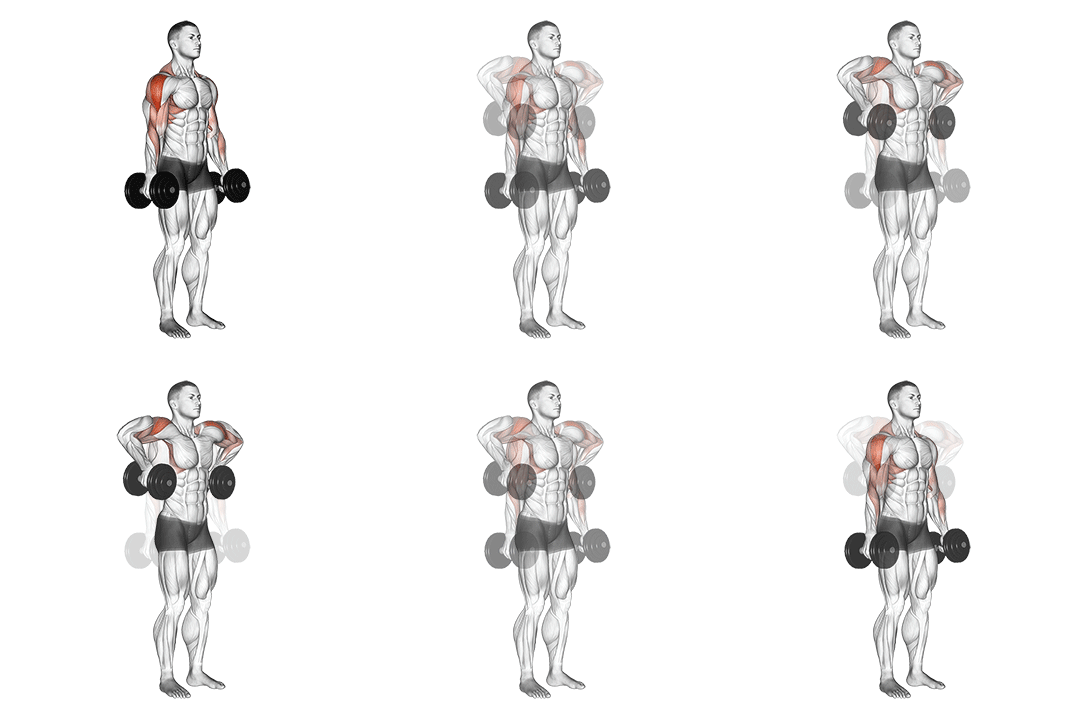
4. Dumbbell Raise
95% MatchHow to perform this exercise
- Stand with your feet shoulder-width apart and hold a dumbbell in each hand, palms facing your body.
- Keep your back straight and engage your core.
- Raise your arms out to the sides until they are parallel to the floor, keeping a slight bend in your elbows.
- Pause for a moment at the top, then slowly lower your arms back down to the starting position.
- Repeat for the desired number of repetitions.
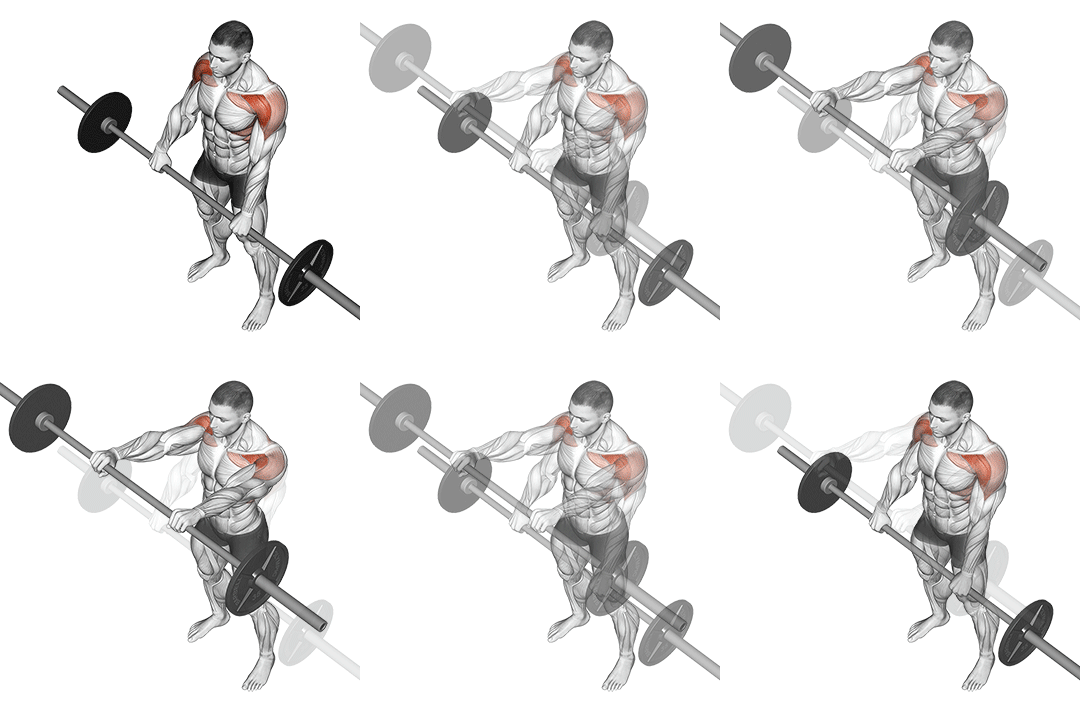
5. Barbell Front Raise
94.2% MatchHow to perform this exercise
- Stand with your feet shoulder-width apart and hold a barbell in front of your thighs with an overhand grip.
- Keep your arms straight and lift the barbell forward and upward until it reaches shoulder level.
- Pause for a moment at the top, then slowly lower the barbell back down to the starting position.
- Repeat for the desired number of repetitions.
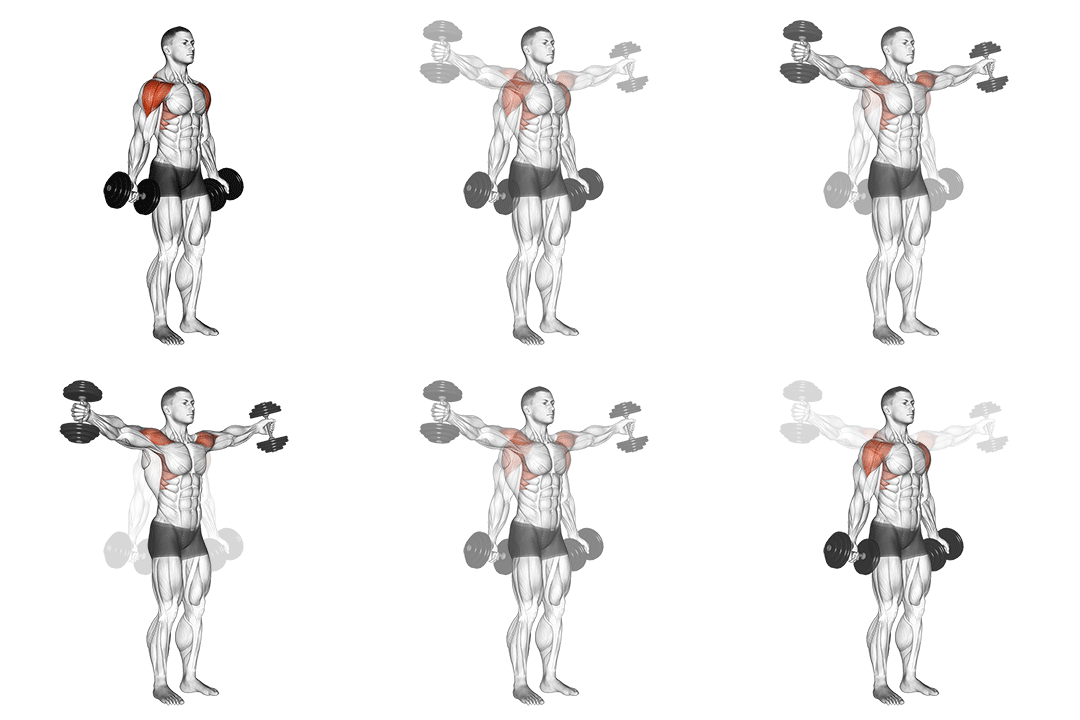
6. Dumbbell Full Can Lateral Raise
89.1% MatchHow to perform this exercise
- Stand with your feet shoulder-width apart, holding a dumbbell in each hand with your palms facing your body.
- Keep your back straight and engage your core.
- Raise your arms out to the sides, keeping a slight bend in your elbows, until they are parallel to the ground.
- Pause for a moment at the top, then slowly lower your arms back down to the starting position.
- Repeat for the desired number of repetitions.
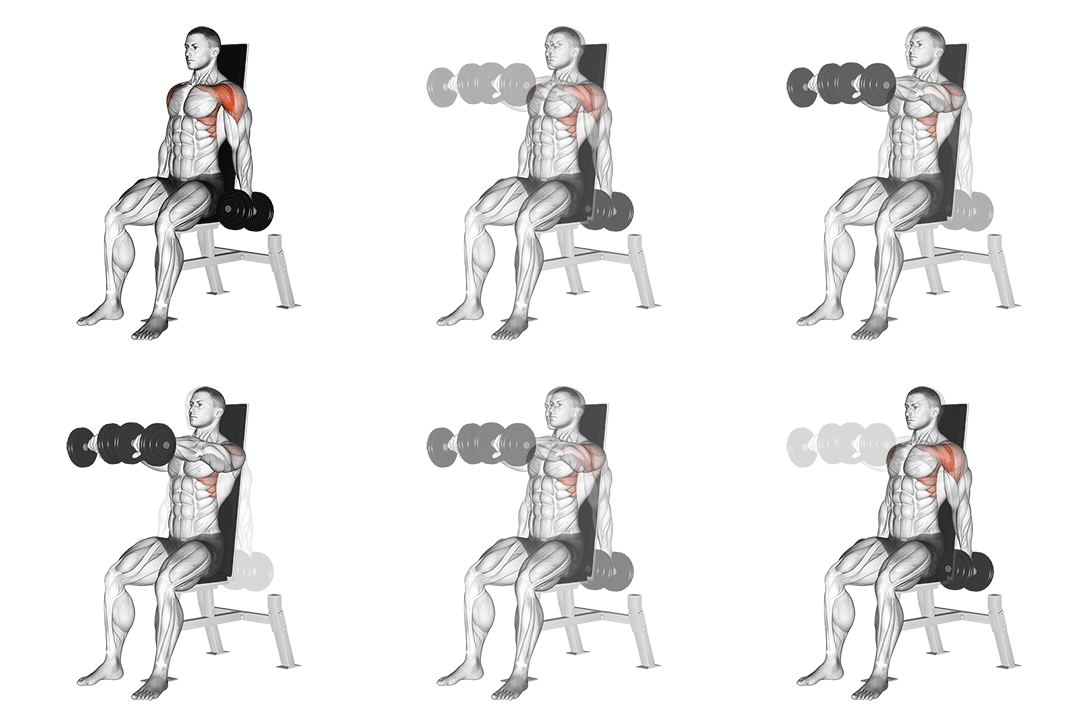
7. Dumbbell Seated Front Raise
85.4% MatchHow to perform this exercise
- Sit on a bench with your feet flat on the ground and a dumbbell in each hand, resting on your thighs.
- Keep your back straight and core engaged.
- Raise the dumbbells in front of you, with your palms facing down, until they are at shoulder level.
- Pause for a moment at the top, then slowly lower the dumbbells back down to the starting position.
- Repeat for the desired number of repetitions.
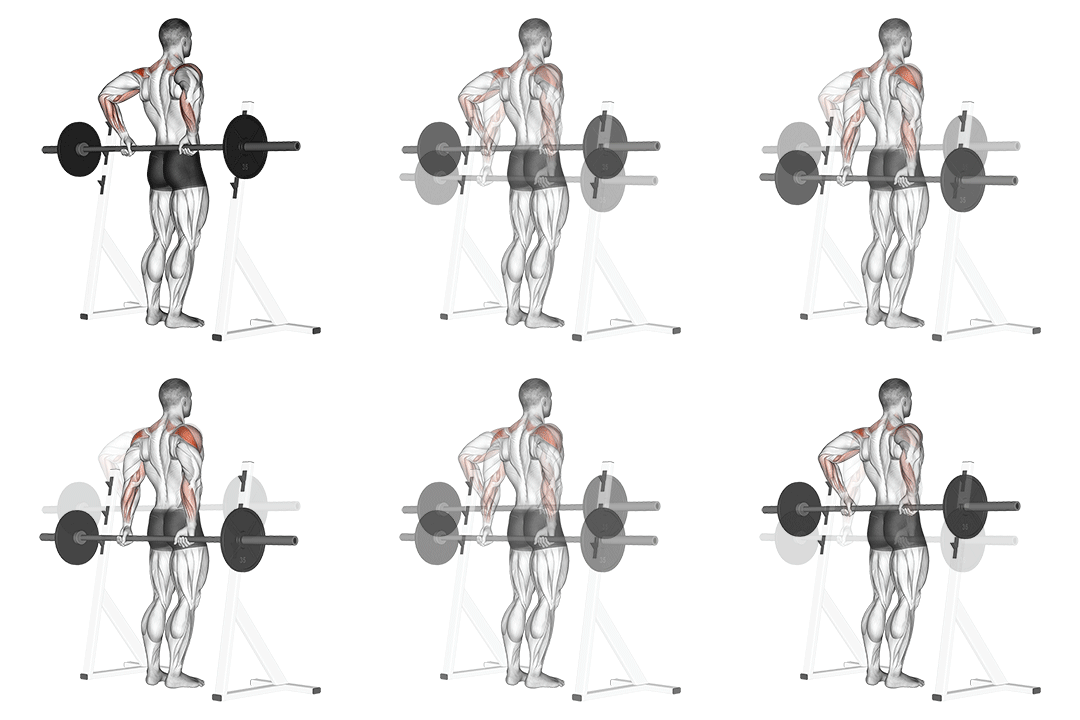
8. Barbell Rear Delt Raise
84.4% MatchHow to perform this exercise
- Stand with your feet shoulder-width apart and hold a barbell with an overhand grip, palms facing down.
- Bend your knees slightly and hinge forward at the hips, keeping your back straight.
- Raise the barbell out to the sides, keeping your arms straight, until they are parallel to the ground.
- Pause for a moment at the top, then slowly lower the barbell back to the starting position.
- Repeat for the desired number of repetitions.
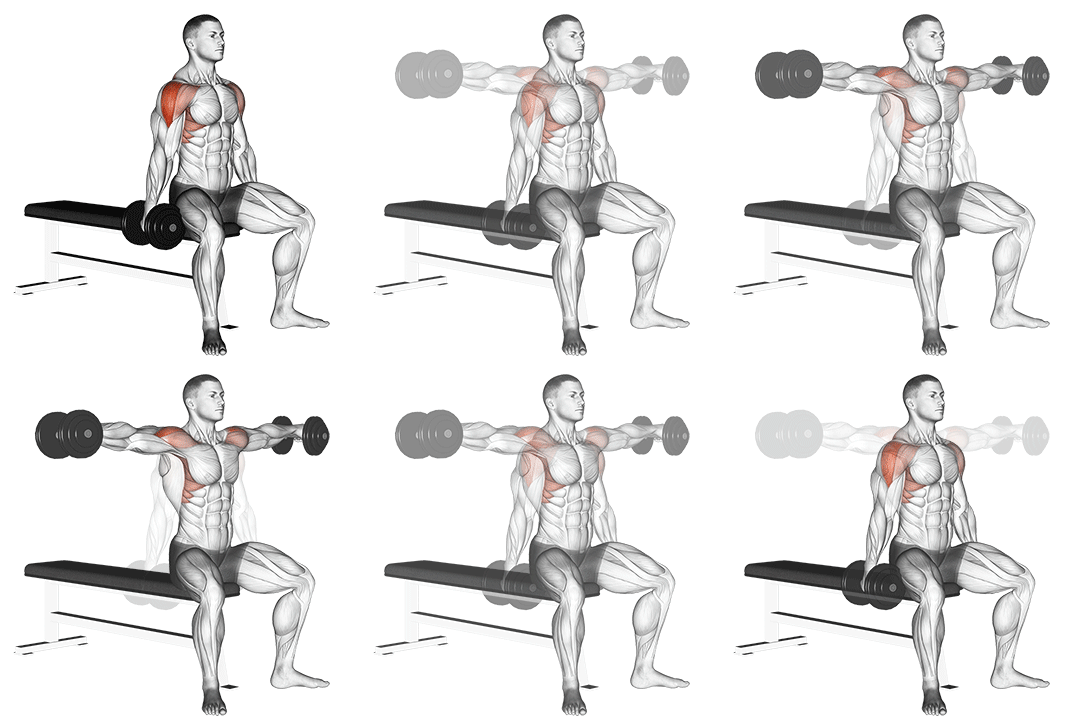
9. Dumbbell Seated Lateral Raise
80.9% MatchHow to perform this exercise
- Sit on a bench with your feet flat on the ground and a dumbbell in each hand, resting on your thighs.
- Keep your back straight and core engaged.
- Raise the dumbbells to your sides with a slight bend in your elbows, until your arms are parallel to the ground.
- Pause for a moment at the top, then slowly lower the dumbbells back down to the starting position.
- Repeat for the desired number of repetitions.
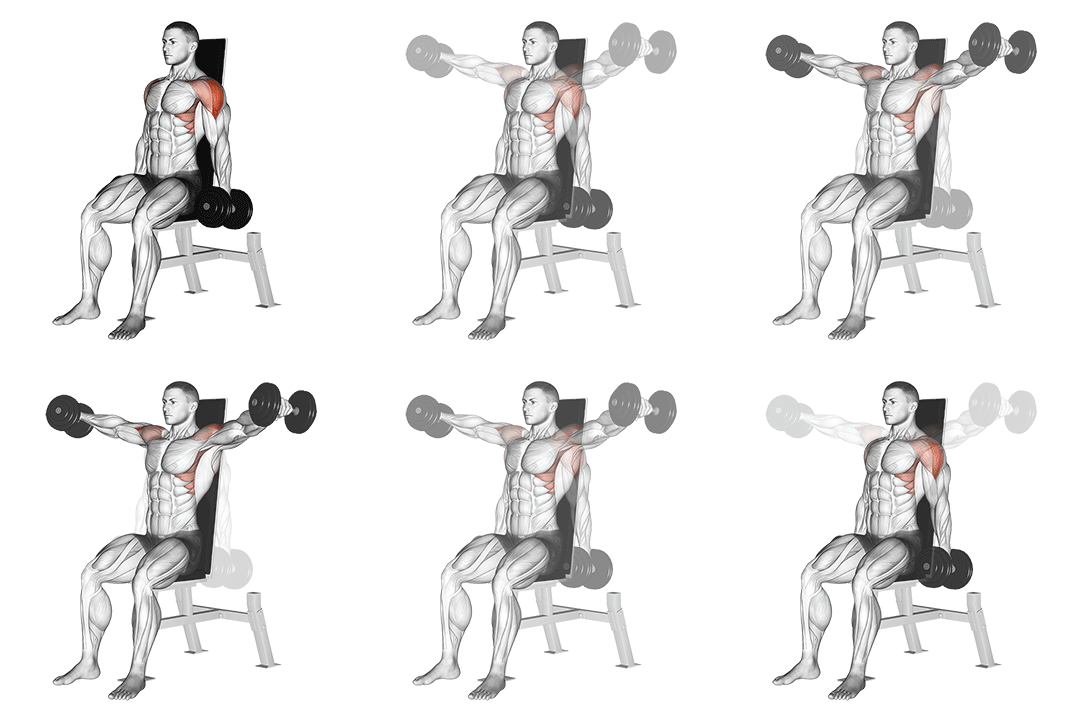
10. Dumbbell Seated Lateral Raise V. 2
80.9% MatchHow to perform this exercise
- Sit on a bench with your feet flat on the ground and a dumbbell in each hand, resting on your thighs.
- Keep your back straight and core engaged.
- Raise the dumbbells to your sides with a slight bend in your elbows, until your arms are parallel to the ground.
- Pause for a moment at the top, then slowly lower the dumbbells back down to the starting position.
- Repeat for the desired number of repetitions.
Why You Might Need a Dumbbell Front Raise V. 2 Alternative
You may need substitutes because of shoulder pain, lack of dumbbells, or to correct movement imbalances. The Dumbbell Front Raise V. 2 places the humerus into flexion and can increase subacromial compression if you internally rotate or shrug; switching to exercises that allow slight external rotation and scapular stabilization reduces impingement risk. Choose a cable or plate front raise and lead with the elbow to maintain anterior deltoid tension while lowering shear at the joint. For limited equipment, bent-arm plate raises preserve time-under-tension and let you focus on the eccentric phase to stimulate deltoid fibers without heavy loading.
How to Choose the Right Substitute
Match the substitute to the movement plane, loading needs, and symptom response. Prioritize exercises that reproduce shoulder flexion and anterior deltoid activation—cable front raises keep constant tension; plate raises increase control of the sagittal plane. Cue scapular retraction and a small elbow bend to bias the clavicular deltoid and reduce upper-trap takeover. If you have pain, use palms-neutral or slight external rotation to open the subacromial space and perform slower eccentrics to build capacity. Finally, pick a variation that allows progressive overload either by increasing weight, reps, or time under tension.
Frequently Asked Questions
What muscles does Dumbbell Front Raise V. 2 work?
The Dumbbell Front Raise V. 2 primarily targets the anterior deltoid and the clavicular fibers of the pectoralis major, with secondary stabilization from the serratus anterior and biceps long head. Cue a slight elbow bend and lead with the elbow to maximize anterior deltoid activation and limit trapezius recruitment.
What is the best bodyweight alternative to Dumbbell Front Raise V. 2?
A feet-elevated pike push-up is the best bodyweight alternative to load the delts in a sagittal-predominant pattern; it shifts more load to the anterior deltoid than a standard push-up. Cue a controlled descent and a nodding motion of the head to maintain shoulder flexion and keep deltoid fibers under tension.
Can I build muscle without doing Dumbbell Front Raise V. 2?
Yes—you can build anterior deltoid mass with other movements that reproduce shoulder flexion and tension, such as cable front raises, plate raises, or overhead pressing variations. Focus on progressive overload, controlled eccentrics, and cues like leading with the elbow and avoiding shoulder shrug to ensure the deltoid, not the traps, carries the load.
More Exercise Alternatives
Find Alternatives for Any Exercise
Use our free tool to discover the best substitute exercises based on your available equipment and goals.
Try the Exercise Substitution Finder →