

10 Best Dumbbell Full Can Lateral Raise Alternatives for Shoulder Pain
If you can’t perform the Dumbbell Full Can Lateral Raise, use cable lateral raises, resistance-band raises, leaning dumbbell lateral raises, seated machine lateral raises, or incline (side-lying) lateral raises. Focus on a slight elbow bend, thumbs-up position, and lift to shoulder height in the scapular plane to target the lateral deltoid safely.
Original Exercise: Dumbbell Full Can Lateral Raise
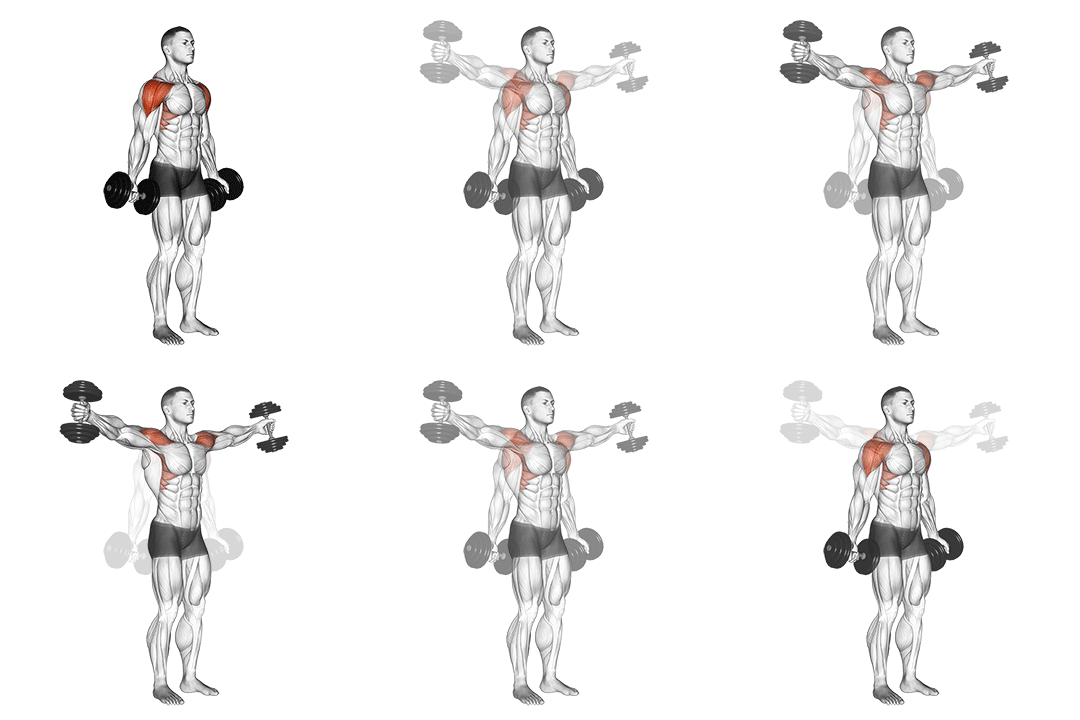
How to Perform Dumbbell Full Can Lateral Raise
- Stand with your feet shoulder-width apart, holding a dumbbell in each hand with your palms facing your body.
- Keep your back straight and engage your core.
- Raise your arms out to the sides, keeping a slight bend in your elbows, until they are parallel to the ground.
- Pause for a moment at the top, then slowly lower your arms back down to the starting position.
- Repeat for the desired number of repetitions.
Best Dumbbell Full Can Lateral Raise Alternatives
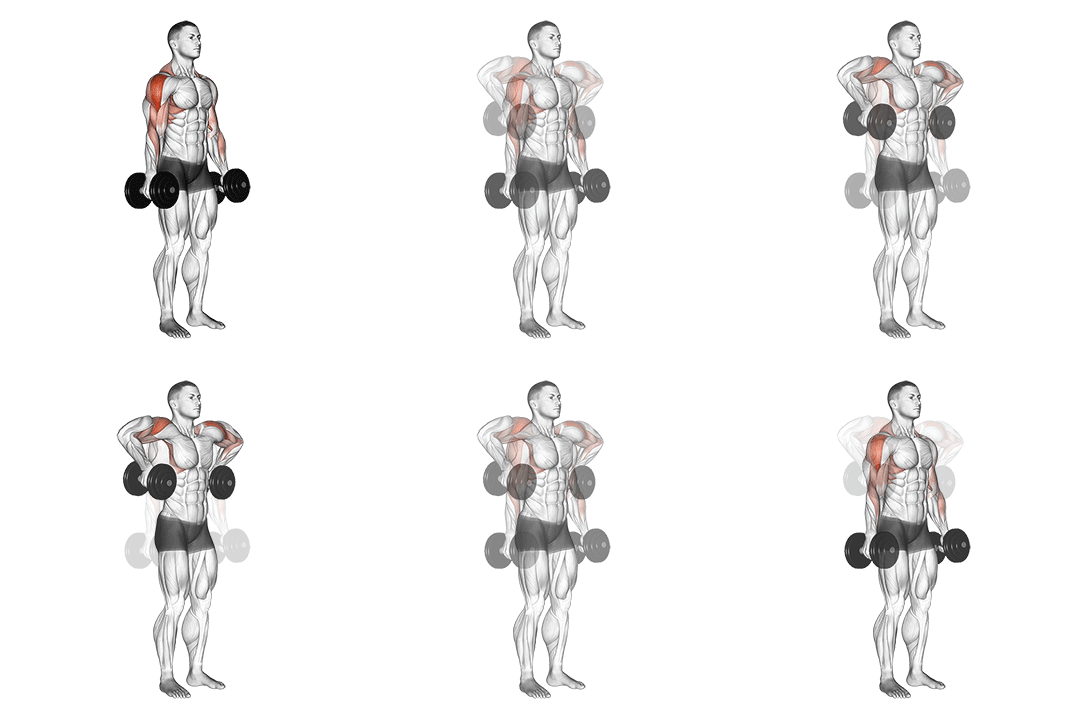
1. Dumbbell Raise
94.1% MatchHow to perform this exercise
- Stand with your feet shoulder-width apart and hold a dumbbell in each hand, palms facing your body.
- Keep your back straight and engage your core.
- Raise your arms out to the sides until they are parallel to the floor, keeping a slight bend in your elbows.
- Pause for a moment at the top, then slowly lower your arms back down to the starting position.
- Repeat for the desired number of repetitions.
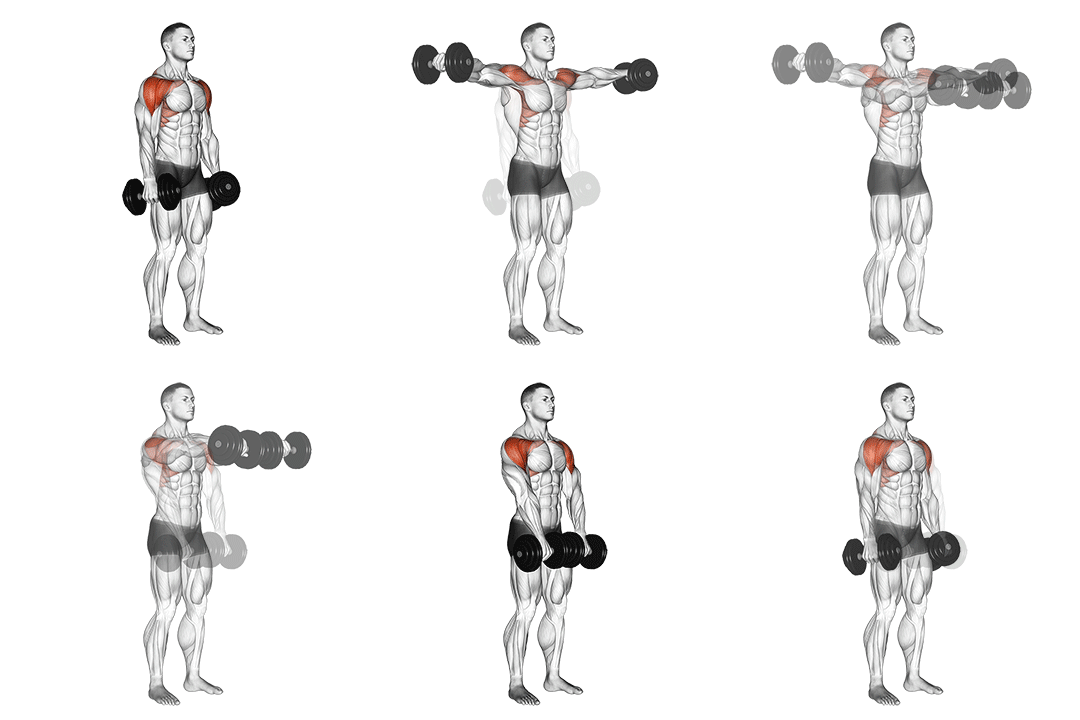
2. Dumbbell Lateral To Front Raise
89.2% MatchHow to perform this exercise
- Stand with your feet shoulder-width apart, holding a dumbbell in each hand with your palms facing your body.
- Keep your back straight and engage your core.
- Raise your arms out to the sides until they are parallel to the ground, keeping a slight bend in your elbows.
- Pause for a moment at the top, then slowly lower your arms back down to the starting position.
- Next, raise your arms in front of you until they are parallel to the ground, again keeping a slight bend in your elbows.
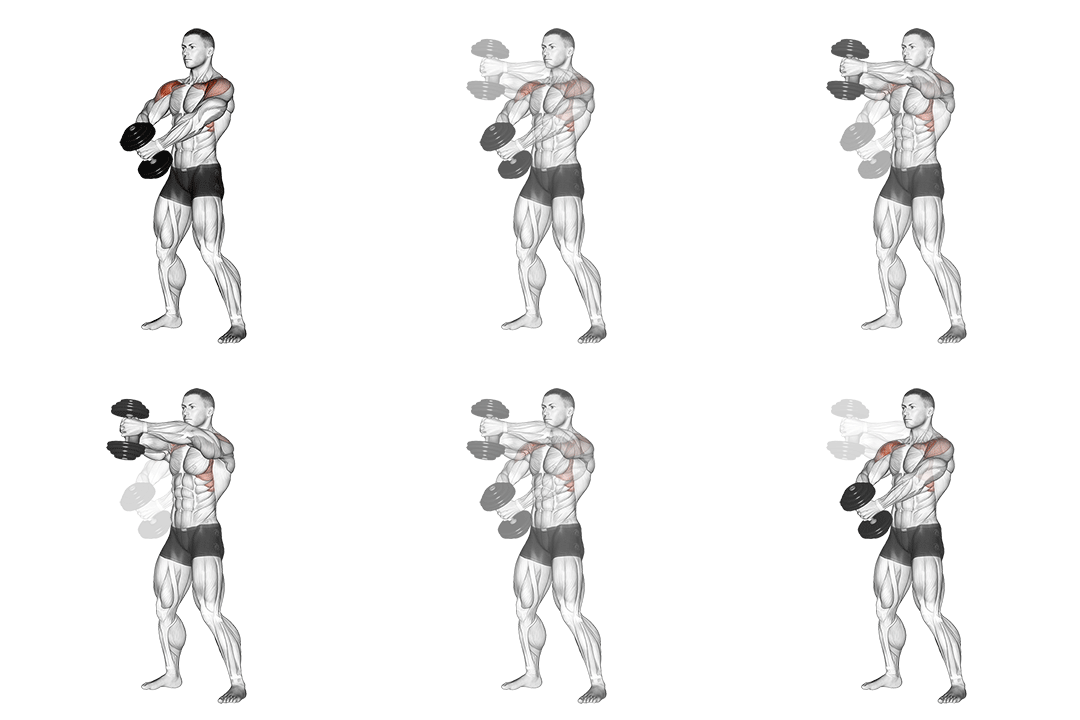
3. Dumbbell Front Raise V. 2
89.1% MatchHow to perform this exercise
- Stand with your feet shoulder-width apart, holding a dumbbell in each hand with your palms facing your thighs.
- Keep your back straight and engage your core.
- Slowly lift the dumbbells in front of you, with your arms straight, until they are at shoulder level.
- Pause for a moment at the top, then slowly lower the dumbbells back down to the starting position.
- Repeat for the desired number of repetitions.
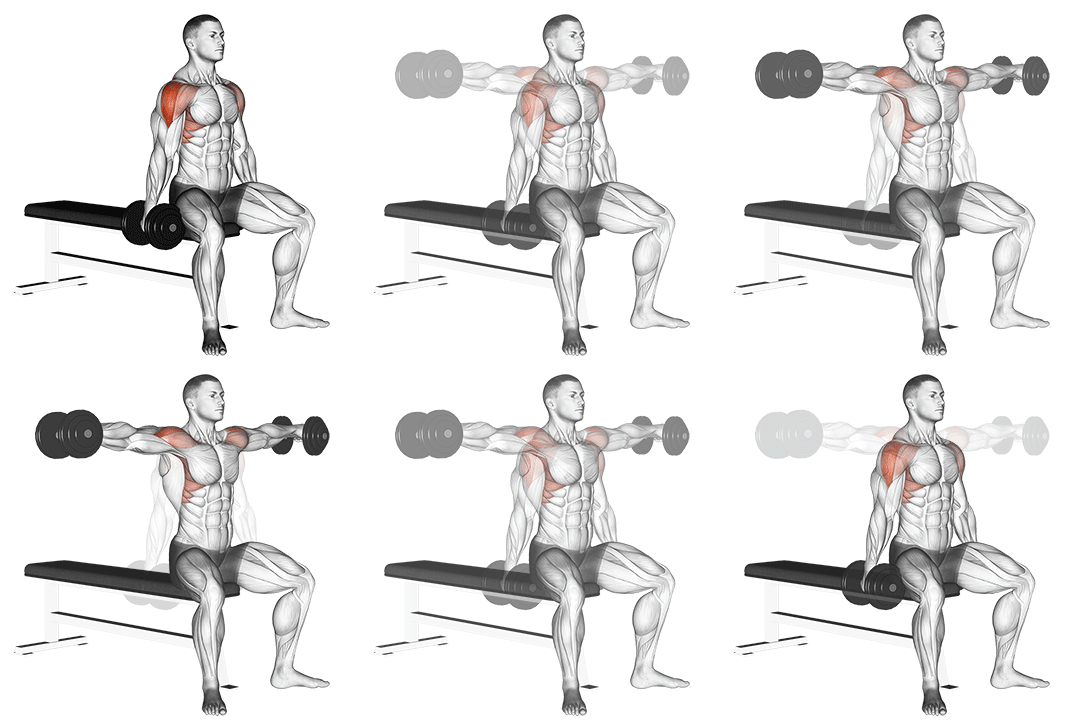
4. Dumbbell Seated Lateral Raise
89.1% MatchHow to perform this exercise
- Sit on a bench with your feet flat on the ground and a dumbbell in each hand, resting on your thighs.
- Keep your back straight and core engaged.
- Raise the dumbbells to your sides with a slight bend in your elbows, until your arms are parallel to the ground.
- Pause for a moment at the top, then slowly lower the dumbbells back down to the starting position.
- Repeat for the desired number of repetitions.
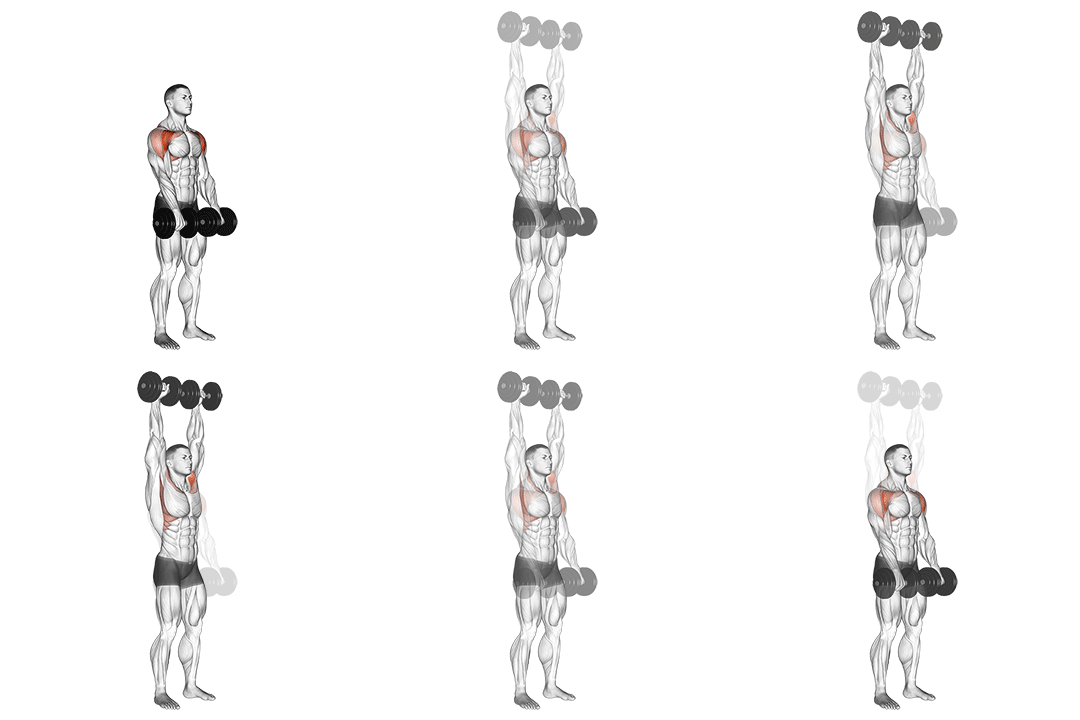
5. Dumbbell Standing Front Raise Above Head
89.1% MatchHow to perform this exercise
- Stand with your feet shoulder-width apart, holding a dumbbell in each hand with an overhand grip.
- Keep your arms straight and lift the dumbbells in front of you, raising them above your head.
- Pause for a moment at the top, then slowly lower the dumbbells back to the starting position.
- Repeat for the desired number of repetitions.
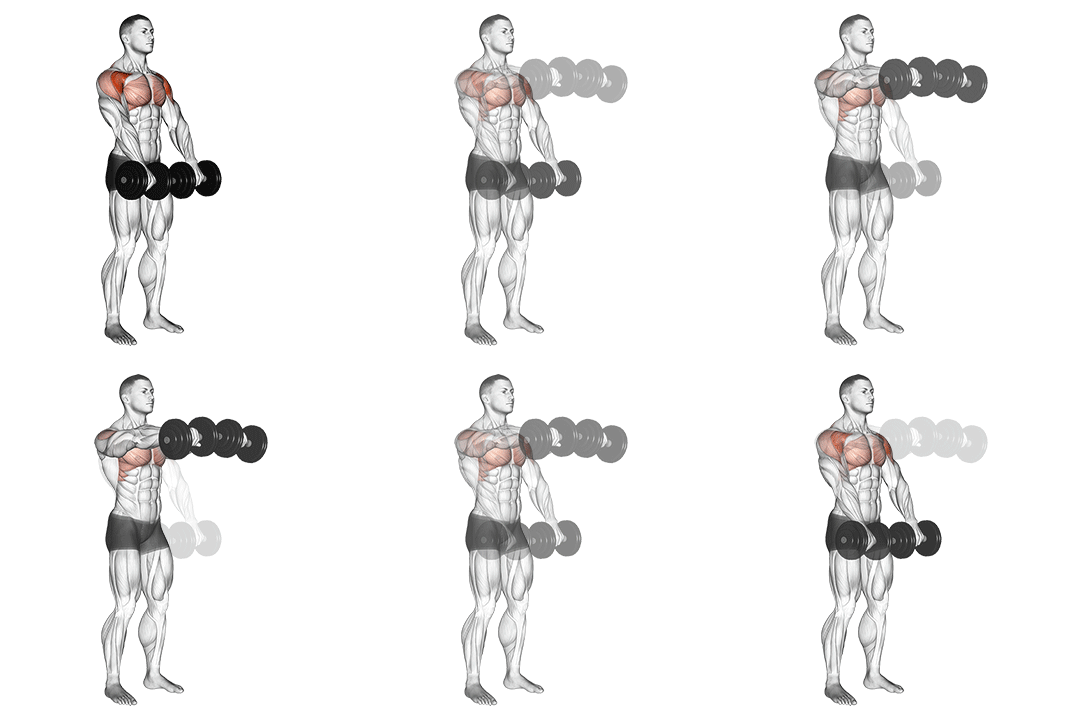
6. Dumbbell Front Raise
89.1% MatchHow to perform this exercise
- Stand with your feet shoulder-width apart, holding a dumbbell in each hand with your palms facing your thighs.
- Keeping your arms straight, exhale and lift the dumbbells in front of you until they are at shoulder level.
- Pause for a moment at the top, then inhale and slowly lower the dumbbells back down to the starting position.
- Repeat for the desired number of repetitions.
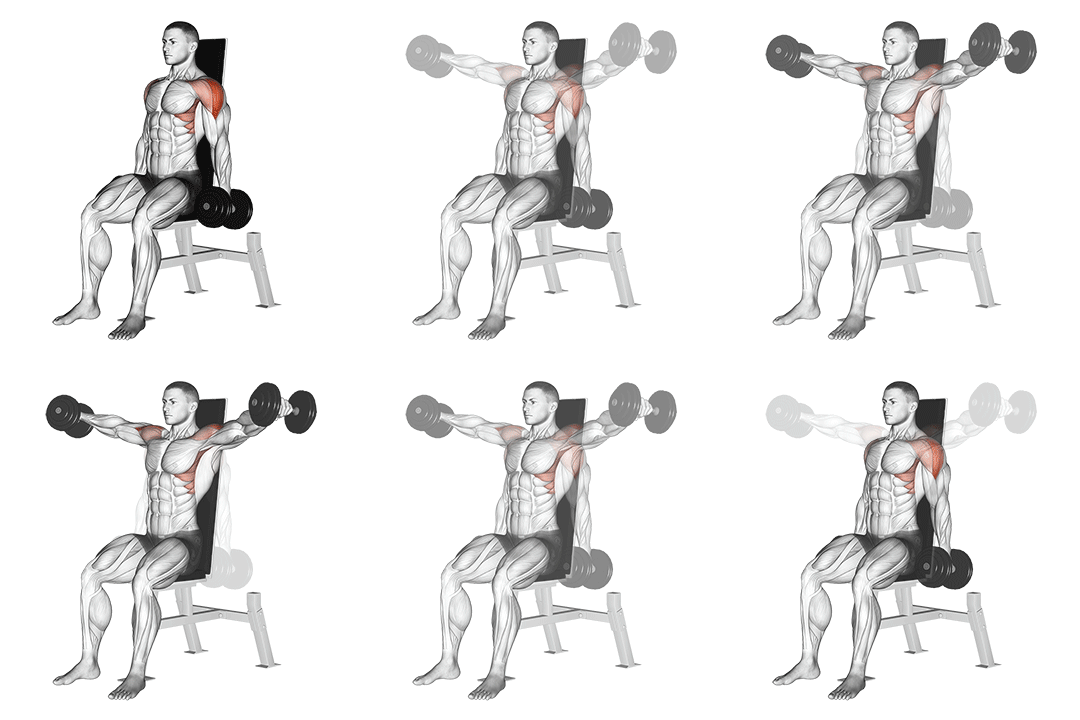
7. Dumbbell Seated Lateral Raise V. 2
89.1% MatchHow to perform this exercise
- Sit on a bench with your feet flat on the ground and a dumbbell in each hand, resting on your thighs.
- Keep your back straight and core engaged.
- Raise the dumbbells to your sides with a slight bend in your elbows, until your arms are parallel to the ground.
- Pause for a moment at the top, then slowly lower the dumbbells back down to the starting position.
- Repeat for the desired number of repetitions.
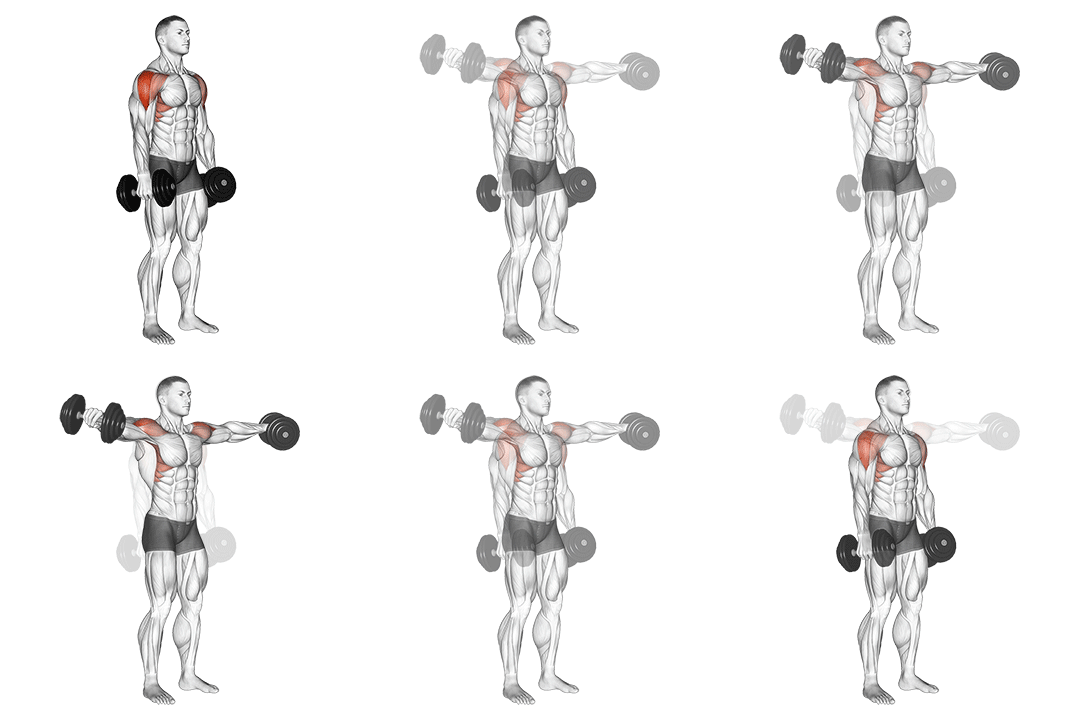
8. Dumbbell Lateral Raise
88.7% MatchHow to perform this exercise
- Stand with your feet shoulder-width apart and hold a dumbbell in each hand, palms facing your body.
- Keep your back straight and engage your core.
- Raise your arms out to the sides until they are parallel to the floor, keeping a slight bend in your elbows.
- Pause for a moment at the top, then slowly lower your arms back down to the starting position.
- Repeat for the desired number of repetitions.
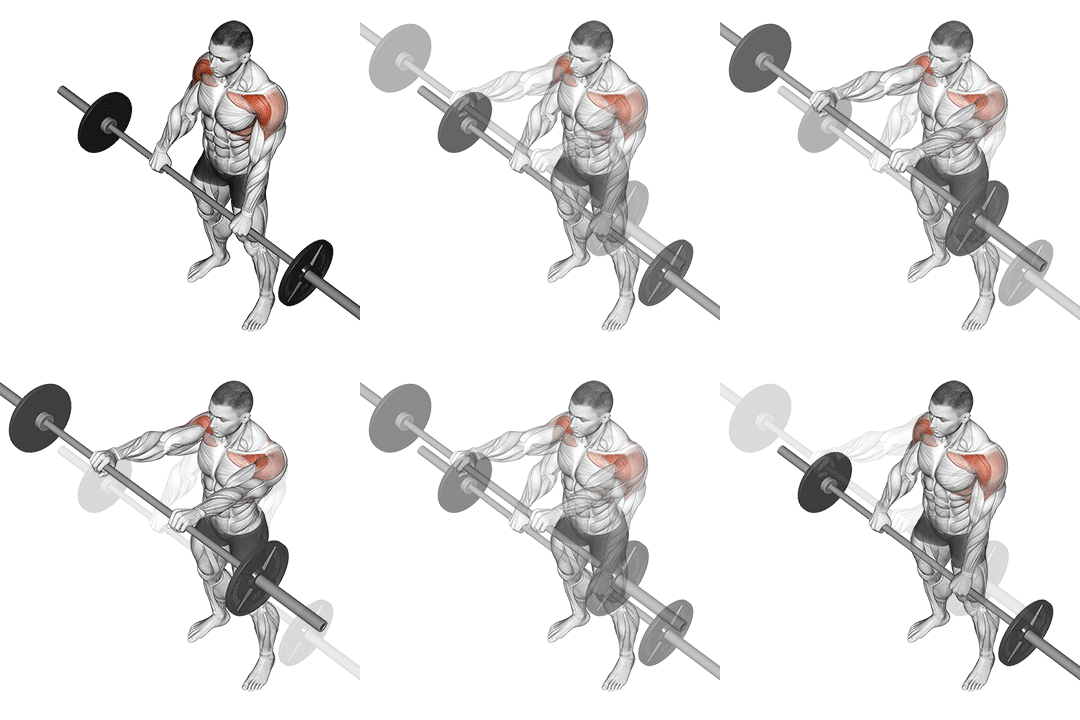
9. Barbell Front Raise
88.3% MatchHow to perform this exercise
- Stand with your feet shoulder-width apart and hold a barbell in front of your thighs with an overhand grip.
- Keep your arms straight and lift the barbell forward and upward until it reaches shoulder level.
- Pause for a moment at the top, then slowly lower the barbell back down to the starting position.
- Repeat for the desired number of repetitions.
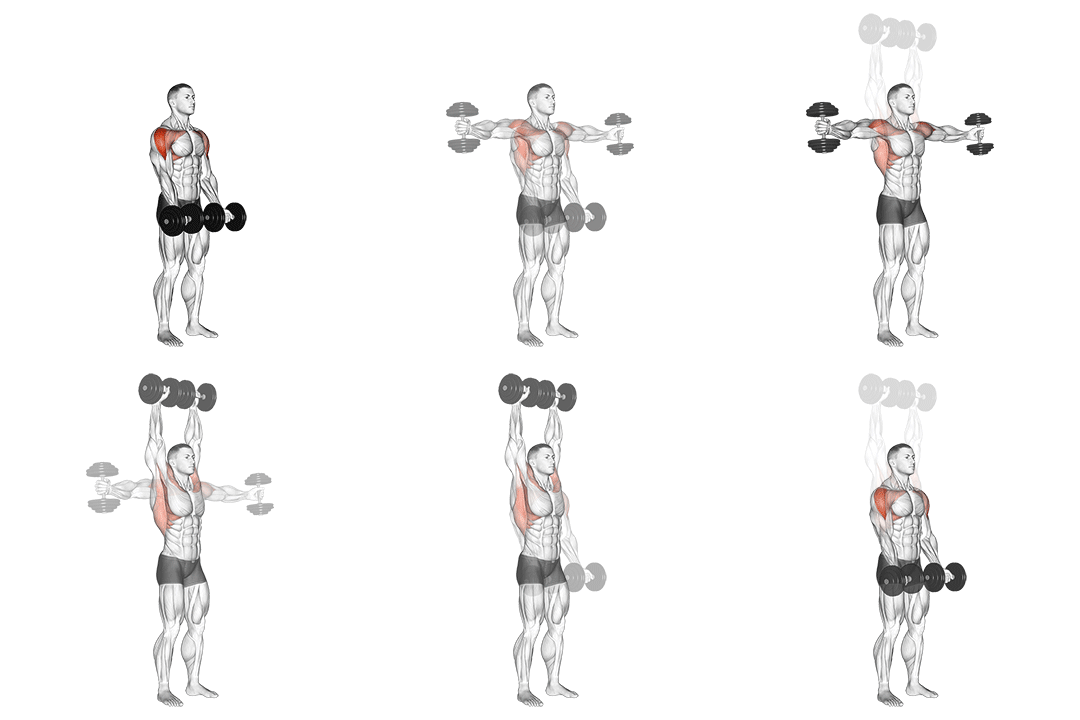
10. Dumbbell Standing Around World
85% MatchHow to perform this exercise
- Stand with your feet shoulder-width apart and hold a dumbbell in each hand.
- Extend your arms straight out to the sides at shoulder height, palms facing down.
- Keeping your arms straight, slowly rotate your arms in a circular motion, bringing the dumbbells in front of your body and then overhead.
- Continue the circular motion, bringing the dumbbells back down to the starting position.
- Repeat for the desired number of repetitions.
Why You Might Need a Dumbbell Full Can Lateral Raise Alternative
You might substitute the full-can lateral raise for shoulder pain, impingement, lack of dumbbells, or to vary stimulus. Different tools change the resistance curve and scapular mechanics: cables keep constant tension, bands shift load through range, and leaning raises align the resistance vector to emphasize the medial head. Use the scapular-plane (about 30° forward) and a thumbs-up grip to reduce supraspinatus irritation and bias the lateral deltoid. Choose a substitute that lowers joint stress while maintaining slow, controlled reps and tight scapular control—keep elbows soft and lead with the elbow to maintain deltoid activation.
How to Choose the Right Substitute
Match the substitute to your limitation and training goal. For persistent shoulder pain choose cables or bands and perform raises in the scapular plane with a thumbs-up grip to reduce impingement; cue: stop at shoulder height and avoid shrugging. If you need progressive overload pick machine or single-arm cable variations to increase load incrementally, cue: keep elbow bent 15–20° and tension through the eccentric. For limited equipment, leaning dumbbell or band raises let you change the resistance vector; cue: hinge at the waist 15° and pull the elbow up so the working line passes through the lateral deltoid.
Frequently Asked Questions
What muscles does Dumbbell Full Can Lateral Raise work?
The primary mover is the lateral (middle) deltoid; the anterior and posterior deltoid portions assist for stabilization, while the upper trapezius helps at the top. Biomechanically the movement is shoulder abduction in the scapular plane, so keep the thumb-up and elbow leading to bias the lateral head over the supraspinatus.
What is the best bodyweight alternative to Dumbbell Full Can Lateral Raise?
True single-joint lateral resistance is hard to replicate bodyweight, but an elevated pike push-up (feet raised on a box) provides significant deltoid loading through vertical pressing. Cue: keep hips high, lower your head with elbows out ~45°, and press vertically to emphasize the medial and anterior deltoids while maintaining scapular control.
Can I build muscle without doing Dumbbell Full Can Lateral Raise?
Yes. You can build lateral deltoid size with other movements that provide targeted tension and progressive overload—single-arm cables, leaning dumbbell raises, machine lateral raises, or band work. Keep tension high, control the eccentric, and use moderate reps (8–15) while pausing at 30–60° abduction to maximize muscle activation.
More Exercise Alternatives
Find Alternatives for Any Exercise
Use our free tool to discover the best substitute exercises based on your available equipment and goals.
Try the Exercise Substitution Finder →