

5 Alternatives to Dumbbell Incline One Arm Fly On Exercise Ball
If you can't perform the Dumbbell Incline One Arm Fly on an exercise ball, use single-arm incline dumbbell fly on a bench, cable single-arm incline fly, standing cable single-arm fly, floor single-arm fly, or archer push-up. Cue: keep a 10–20° elbow bend, retract the scapula, and move through controlled horizontal adduction to load the pectorals.
Original Exercise: Dumbbell Incline One Arm Fly On Exercise Ball
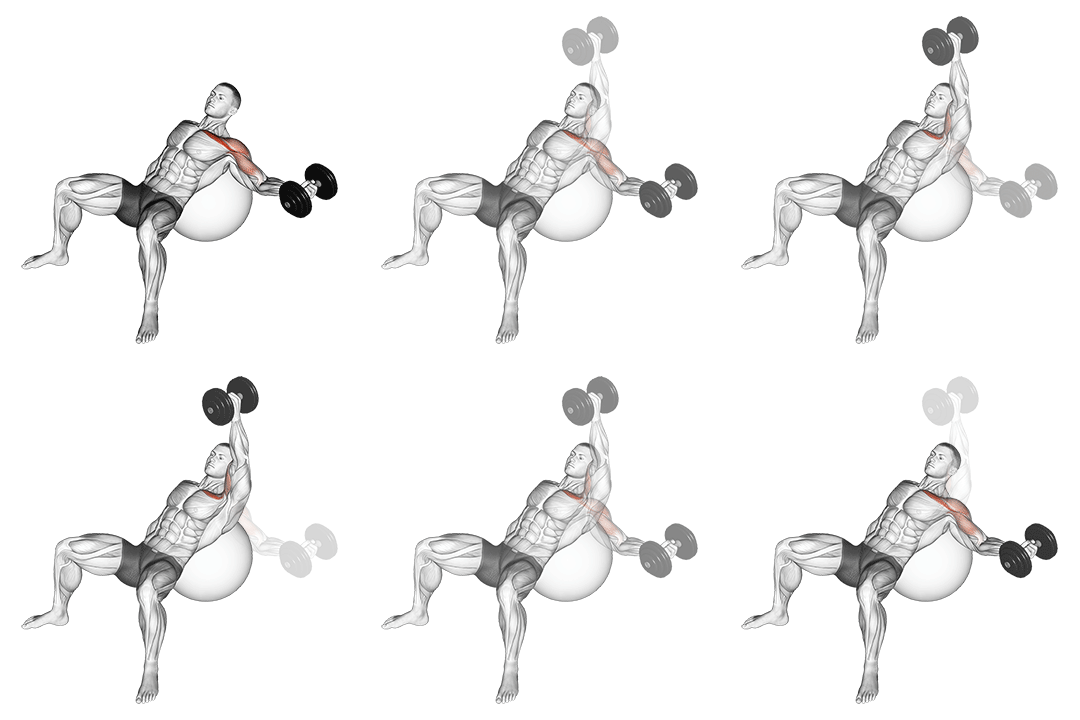
How to Perform Dumbbell Incline One Arm Fly On Exercise Ball
- Sit on an exercise ball with a dumbbell in one hand.
- Walk your feet forward and roll your body down until your head, neck, and upper back are supported on the ball.
- Hold the dumbbell with your arm extended straight up over your chest, palm facing inwards.
- Slowly lower the dumbbell out to the side, keeping a slight bend in your elbow.
- Pause for a moment when your arm is parallel to the ground.
- Engage your chest muscles to bring the dumbbell back up to the starting position.
- Repeat for the desired number of repetitions, then switch arms.
Best Dumbbell Incline One Arm Fly On Exercise Ball Alternatives
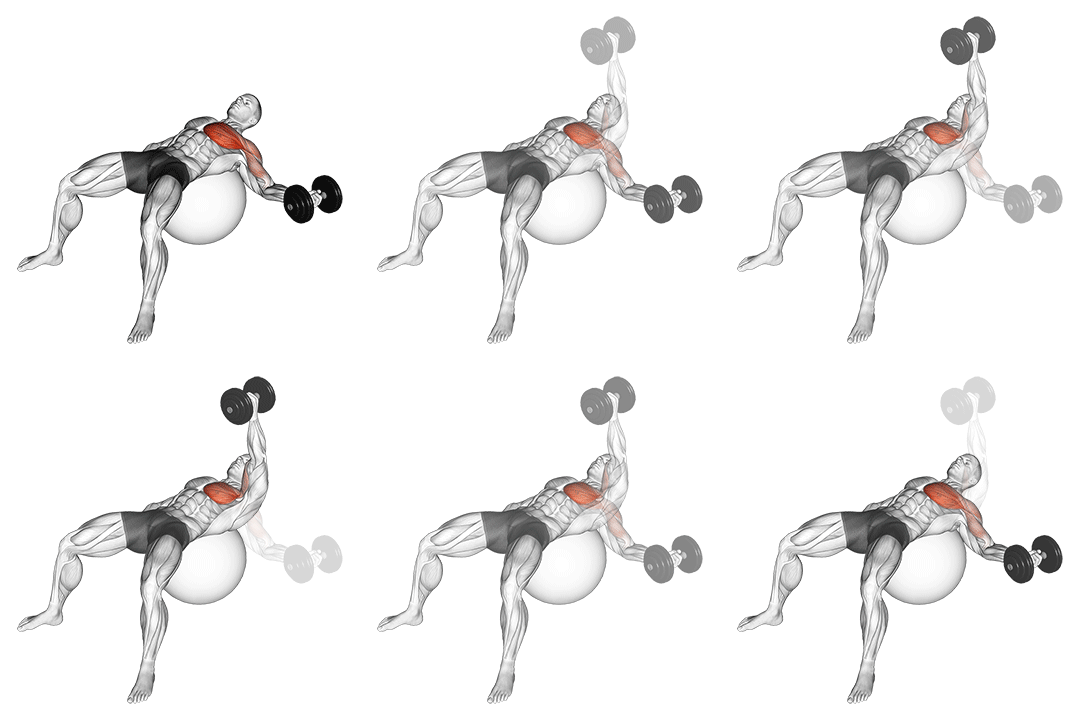
1. Dumbbell One Arm Chest Fly On Exercise Ball
99.9% MatchHow to perform this exercise
- Sit on an exercise ball with a dumbbell in one hand and your feet flat on the ground.
- Walk your feet forward, rolling the ball until your upper back is supported on the ball and your head, neck, and shoulders are off the ball.
- Extend your arm with the dumbbell straight up above your chest, palm facing inward.
- Slowly lower the dumbbell out to the side, keeping a slight bend in your elbow.
- Pause for a moment when your arm is parallel to the ground.
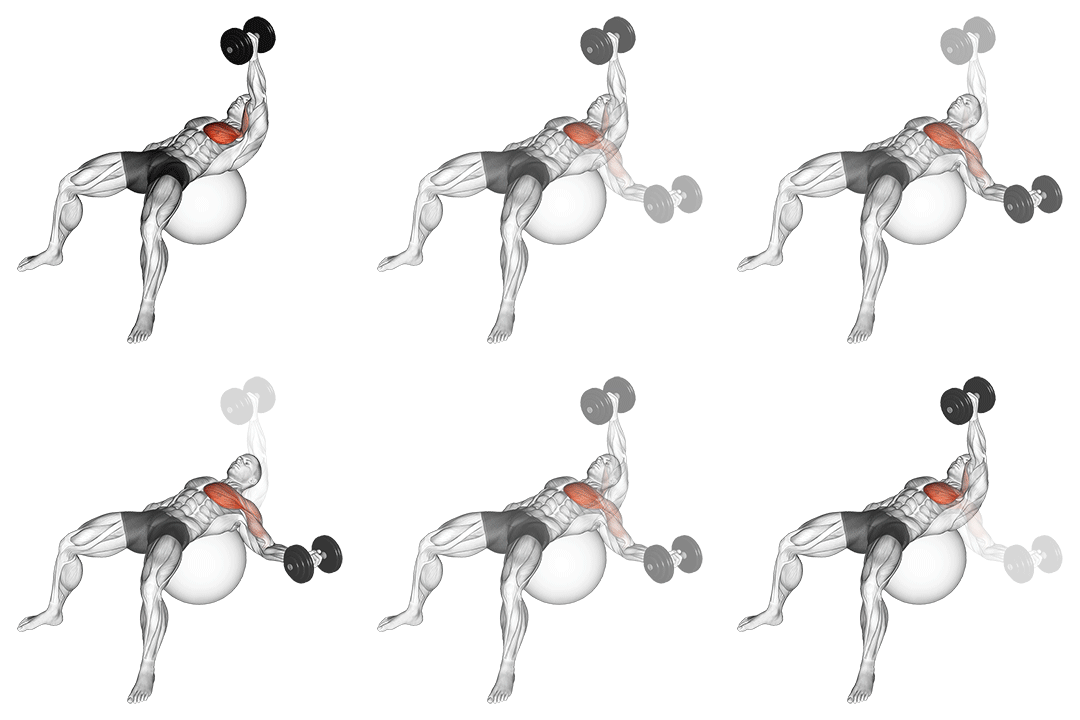
2. Dumbbell One Arm Fly On Exercise Ball
99.9% MatchHow to perform this exercise
- Sit on an exercise ball with a dumbbell in one hand and your feet flat on the ground.
- Walk your feet forward and roll your body down until your upper back is resting on the exercise ball.
- Extend your arm with the dumbbell straight up above your chest, palm facing inwards.
- Slowly lower the dumbbell out to the side, keeping a slight bend in your elbow.
- Pause for a moment, then squeeze your chest muscles to bring the dumbbell back to the starting position.
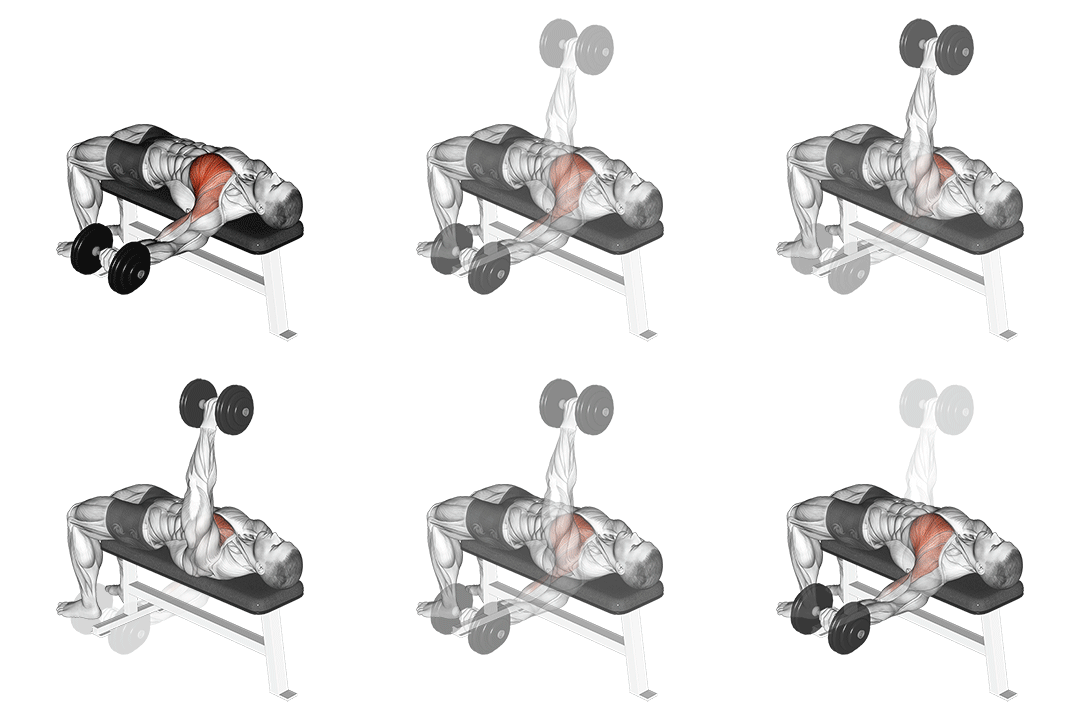
3. Dumbbell One Arm Bench Fly
97.9% MatchHow to perform this exercise
- Sit on a flat bench with a dumbbell in one hand, resting it on top of your thigh.
- Lie back on the bench, keeping the dumbbell pressed against your thigh.
- Using your free hand, help lift the dumbbell up to the starting position.
- Hold the dumbbell directly above your shoulder with your arm extended and palm facing inward.
- Lower the dumbbell out to the side in a wide arc, keeping a slight bend in your elbow.
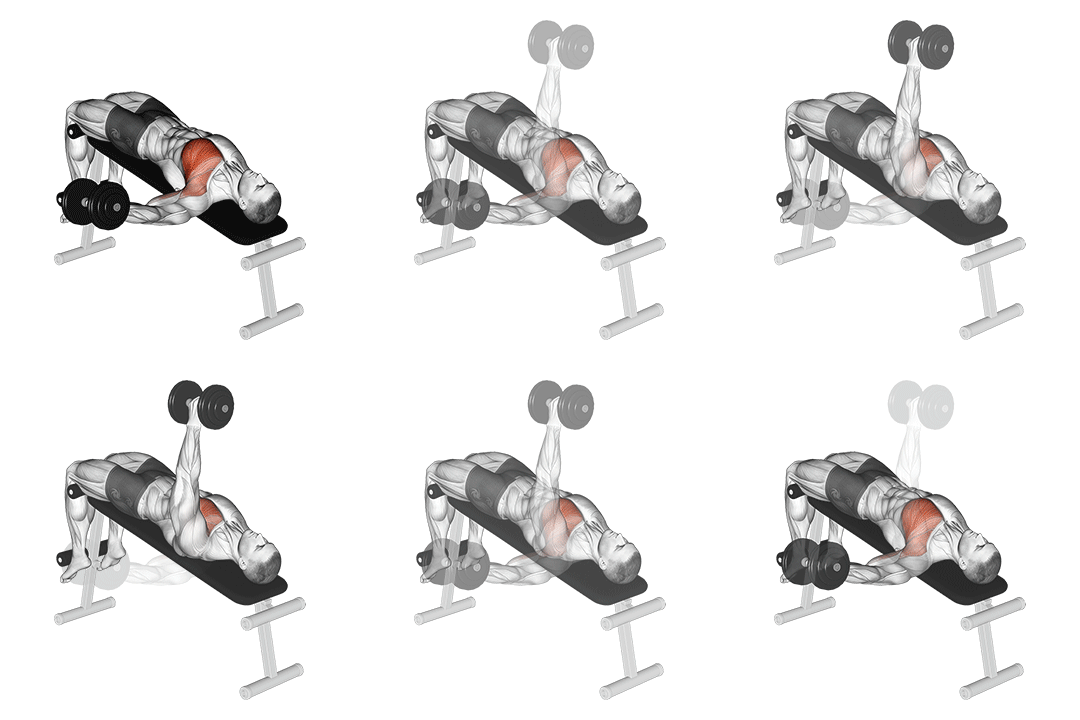
4. Dumbbell Decline One Arm Fly
97.9% MatchHow to perform this exercise
- Lie down on a decline bench with a dumbbell in one hand, resting it on your thigh.
- Using your thigh to help raise the dumbbell, lift it up to shoulder width with your palm facing your torso.
- Rotate your wrist so that the palm of your hand is facing forward.
- As you breathe in, lower the dumbbell slowly to the side until you feel a stretch in your chest.
- Exhale and use your chest muscles to bring the dumbbell back up to the starting position.
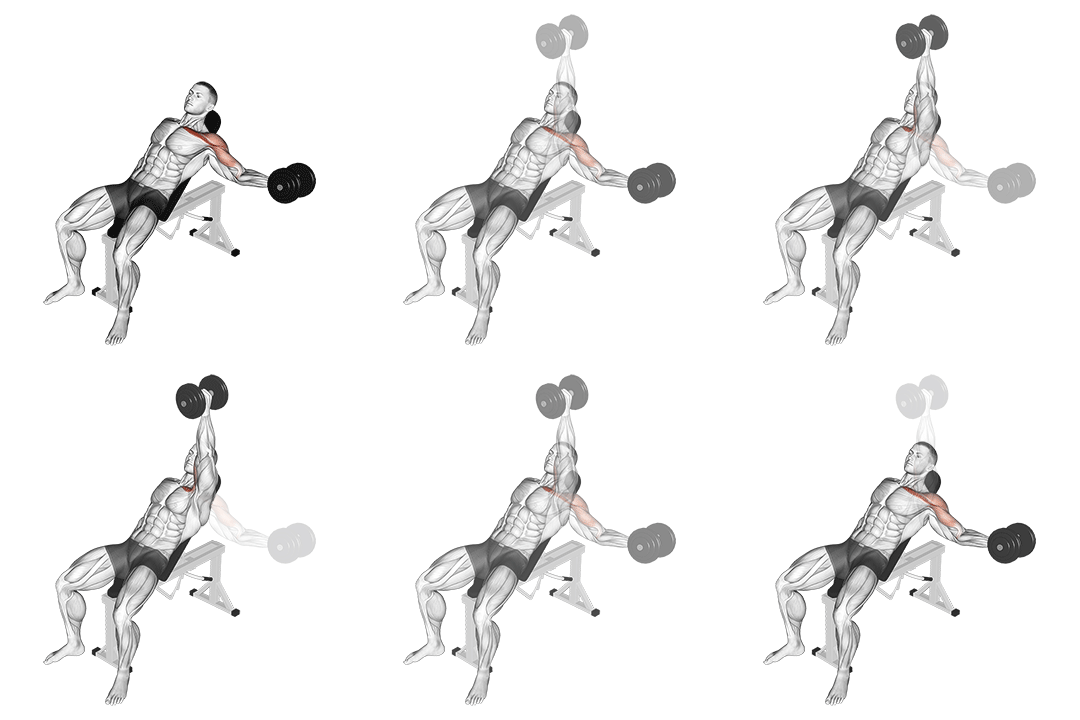
5. Dumbbell Incline One Arm Fly
97.9% MatchHow to perform this exercise
- Adjust the incline bench to a 30-45 degree angle.
- Sit on the bench with a dumbbell in one hand, resting it on your thigh.
- Lie back on the bench, keeping your feet flat on the ground.
- Hold the dumbbell with your arm extended straight up over your chest.
- Lower the dumbbell out to the side in a wide arc, keeping a slight bend in your elbow.
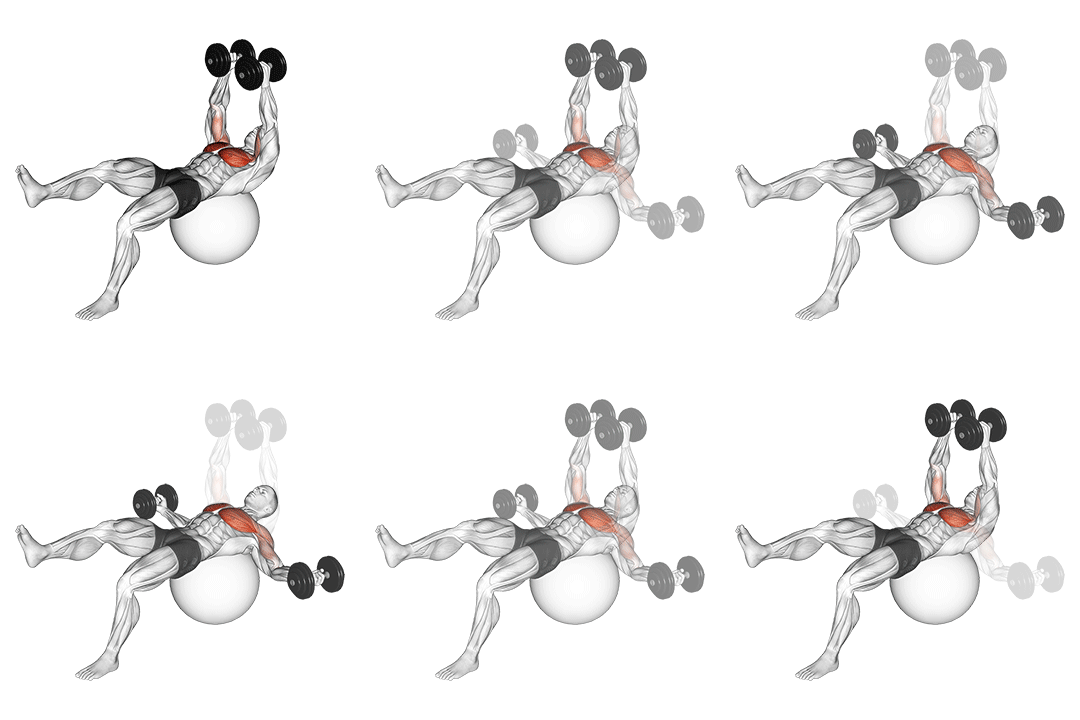
6. Dumbbell One Leg Fly On Exercise Ball
93% MatchHow to perform this exercise
- Sit on an exercise ball with a dumbbell in each hand, palms facing each other.
- Place one foot on the ground and extend the other leg straight out in front of you.
- Lean forward slightly and bring your arms out to the sides, keeping a slight bend in your elbows.
- Slowly lower the dumbbells down and out to the sides, feeling a stretch in your chest.
- Pause for a moment at the bottom, then squeeze your chest muscles to bring the dumbbells back up to the starting position.
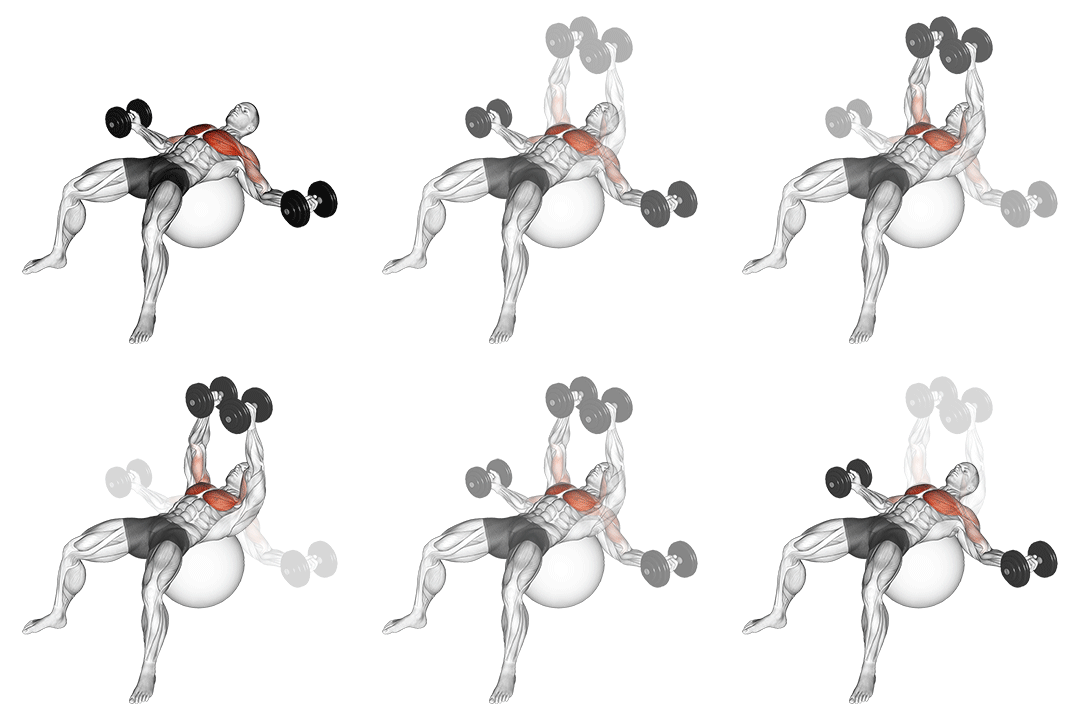
7. Dumbbell Fly On Exercise Ball
91.7% MatchHow to perform this exercise
- Sit on an exercise ball and hold a dumbbell in each hand.
- Walk your feet forward and roll your body down until your head, neck, and upper back are supported by the ball.
- Extend your arms straight up above your chest, palms facing each other.
- Bend your elbows slightly and lower your arms out to the sides in a wide arc until you feel a stretch in your chest.
- Pause for a moment, then reverse the movement and squeeze your chest muscles as you bring the dumbbells back to the starting position.
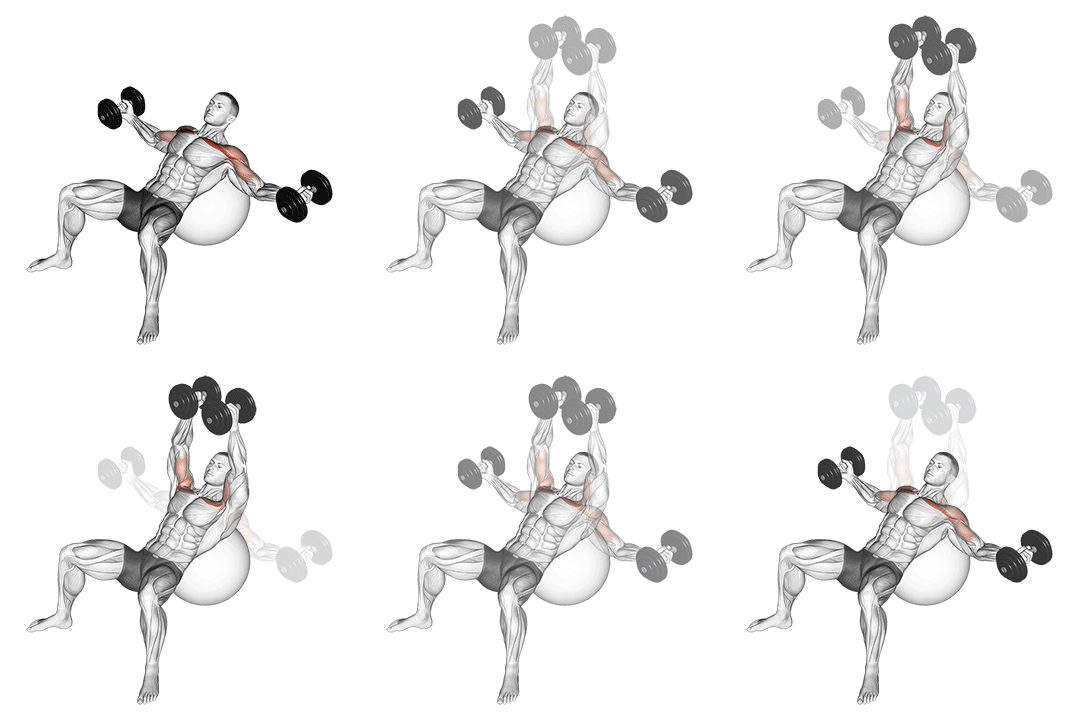
8. Dumbbell Incline Fly On Exercise Ball
91.7% MatchHow to perform this exercise
- Set up an incline bench at a 45-degree angle.
- Sit on an exercise ball and roll forward until your upper back is resting on the incline bench.
- Hold a dumbbell in each hand with your palms facing each other and your arms extended above your chest.
- Lower the dumbbells out to the sides in a wide arc until you feel a stretch in your chest.
- Pause for a moment, then squeeze your chest muscles to bring the dumbbells back to the starting position.
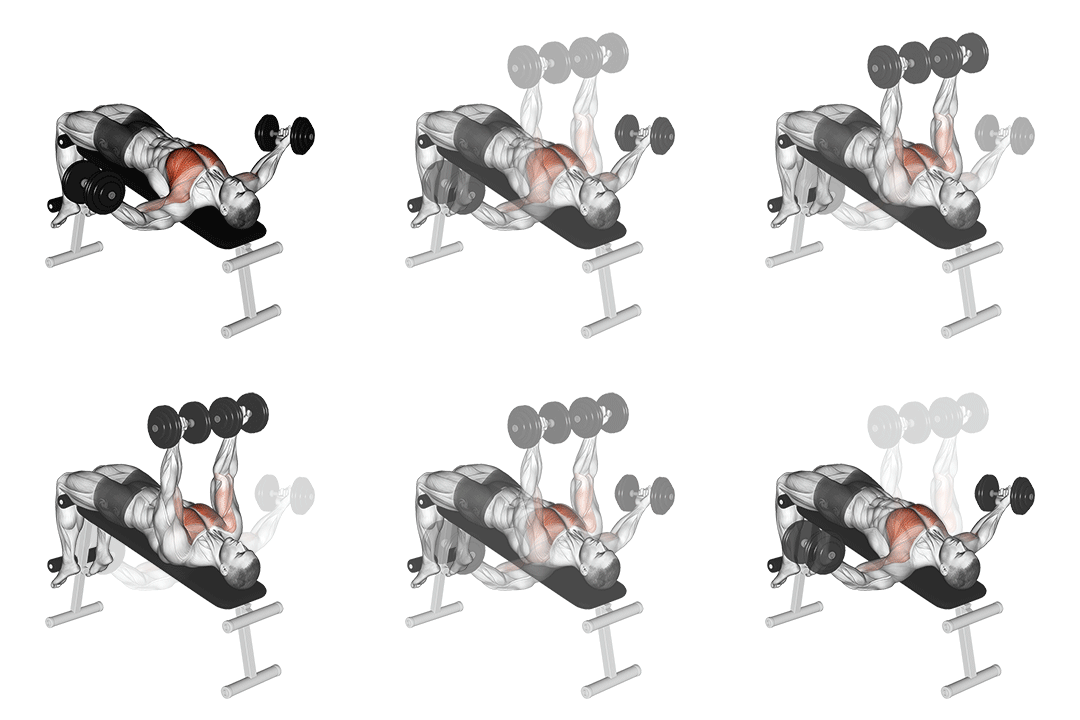
9. Dumbbell Decline Twist Fly
89% MatchHow to perform this exercise
- Lie down on a decline bench with your head lower than your hips.
- Hold a dumbbell in each hand with your palms facing each other and your arms extended straight up over your chest.
- Lower the dumbbells out to the sides in a wide arc until you feel a stretch in your chest.
- As you lower the dumbbells, twist your wrists so that your palms face forward at the bottom of the movement.
- Reverse the motion and bring the dumbbells back up to the starting position, squeezing your chest muscles at the top.
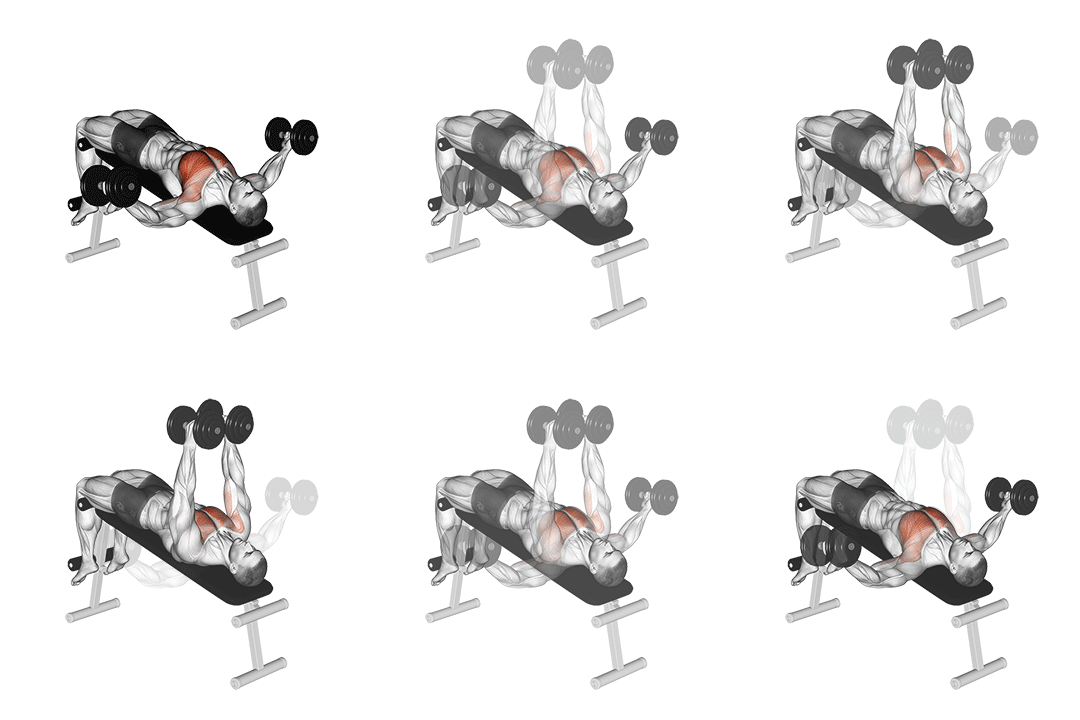
10. Dumbbell Decline Fly
88.4% MatchHow to perform this exercise
- Lie on a decline bench with your feet secured and your head lower than your hips.
- Hold a dumbbell in each hand with your palms facing each other and your arms extended above your chest.
- Lower the dumbbells out to the sides in a wide arc until you feel a stretch in your chest.
- Pause for a moment, then squeeze your chest muscles to bring the dumbbells back to the starting position.
- Repeat for the desired number of repetitions.
Why You Might Need a Dumbbell Incline One Arm Fly On Exercise Ball Alternative
You may substitute the exercise for several practical reasons: no stability ball, persistent shoulder pain, poor balance, or the need for precise load progression. Bench-based single-arm incline flies remove instability, letting you increase load while maintaining pec isolation. Cables preserve continuous tension and allow a more anterior line of pull to target the clavicular head. Machines provide fixed arcs for injured athletes to limit scapular drift. Choose alternatives that let you control elbow angle (10–20° bend) and maintain scapular retraction to keep the glenohumeral joint centered and maximize pectoral activation.
How to Choose the Right Substitute
Decide based on available equipment, injury history, and the pec region you want to emphasize. For upper-pec emphasis pick a 30–45° incline and perform controlled horizontal adduction; cue: lead with the sternum and keep elbows tracking 30–45° from the torso. If shoulder stability or progressive overload is the priority, use a bench with dumbbells or a single-arm cable to increase load while keeping a consistent line of pull. For limited gear choose floor single-arm flyes or archer push-ups and focus on slow eccentrics and scapular control to maintain high pectoral tension.
Frequently Asked Questions
What muscles does Dumbbell Incline One Arm Fly On Exercise Ball work?
The movement primarily targets the pectoralis major—especially the clavicular (upper) head when performed on an incline—through horizontal adduction. Secondary muscles include the anterior deltoid and serratus anterior for scapular control; the rotator cuff stabilizes the glenohumeral joint during the fly.
What is the best bodyweight alternative to Dumbbell Incline One Arm Fly On Exercise Ball?
The archer push-up is an effective bodyweight substitute because it shifts load unilaterally and emphasizes horizontal adduction. Cue: keep the working arm slightly bent, retract the scapula, and lower under control so the chest stretches and then drives laterally to load the pecs.
Can I build muscle without doing Dumbbell Incline One Arm Fly On Exercise Ball?
Yes. You can achieve hypertrophy with other unilateral or bilateral chest movements that provide sufficient tension and progressive overload, such as incline dumbbell presses, cable flies, or single-arm bench flies. Focus on loading the pecs through full range, maintaining a slight elbow bend, and increasing volume or load over time.
More Exercise Alternatives
Find Alternatives for Any Exercise
Use our free tool to discover the best substitute exercises based on your available equipment and goals.
Try the Exercise Substitution Finder →