

10 Best Alternatives for Dumbbell Incline One-Arm Hammer Press on Ball
If you can’t use an exercise ball for the dumbbell incline one‑arm hammer press, choose a stable single‑arm incline dumbbell press on a bench, a one‑arm landmine press, or a floor single‑arm press. Cue: brace your core, retract the scapula, and drive the elbow up and slightly inward to maximize pec fiber recruitment and shoulder joint stability.
Original Exercise: Dumbbell Incline One Arm Hammer Press On Exercise Ball
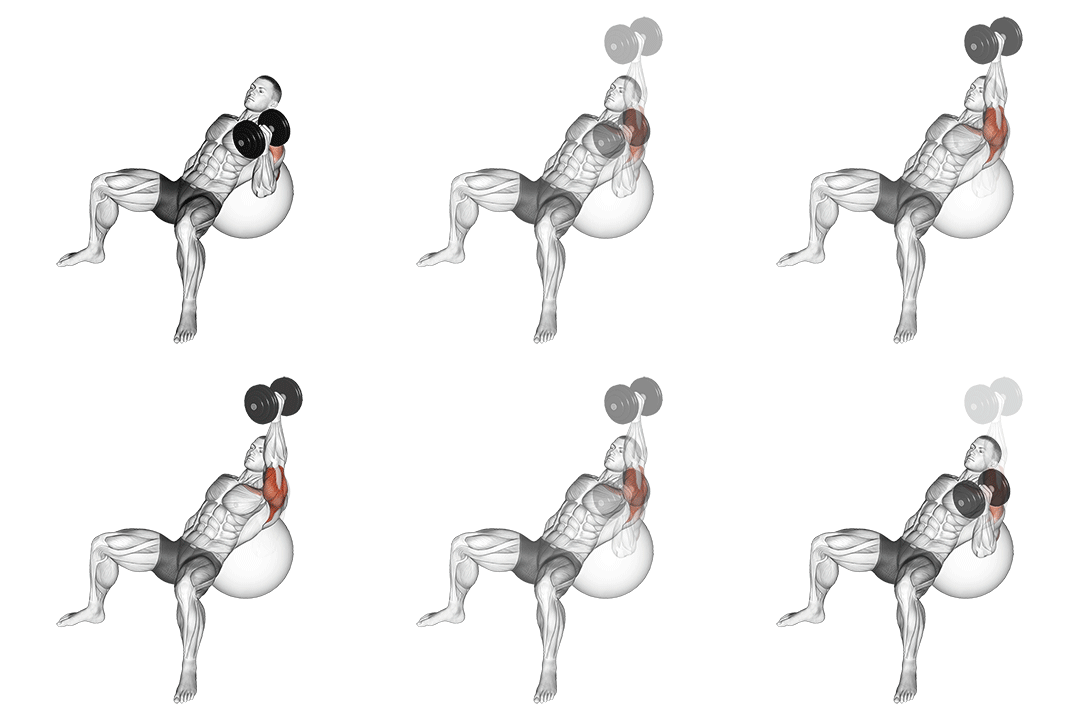
How to Perform Dumbbell Incline One Arm Hammer Press On Exercise Ball
- Sit on an exercise ball with a dumbbell in one hand.
- Walk your feet forward and roll your body down until your head, neck, and upper back are supported on the ball.
- Hold the dumbbell with your palm facing inward and your elbow bent at a 90-degree angle.
- Press the dumbbell up towards the ceiling, straightening your arm.
- Lower the dumbbell back down to the starting position.
- Repeat for the desired number of repetitions, then switch arms.
Best Dumbbell Incline One Arm Hammer Press On Exercise Ball Alternatives
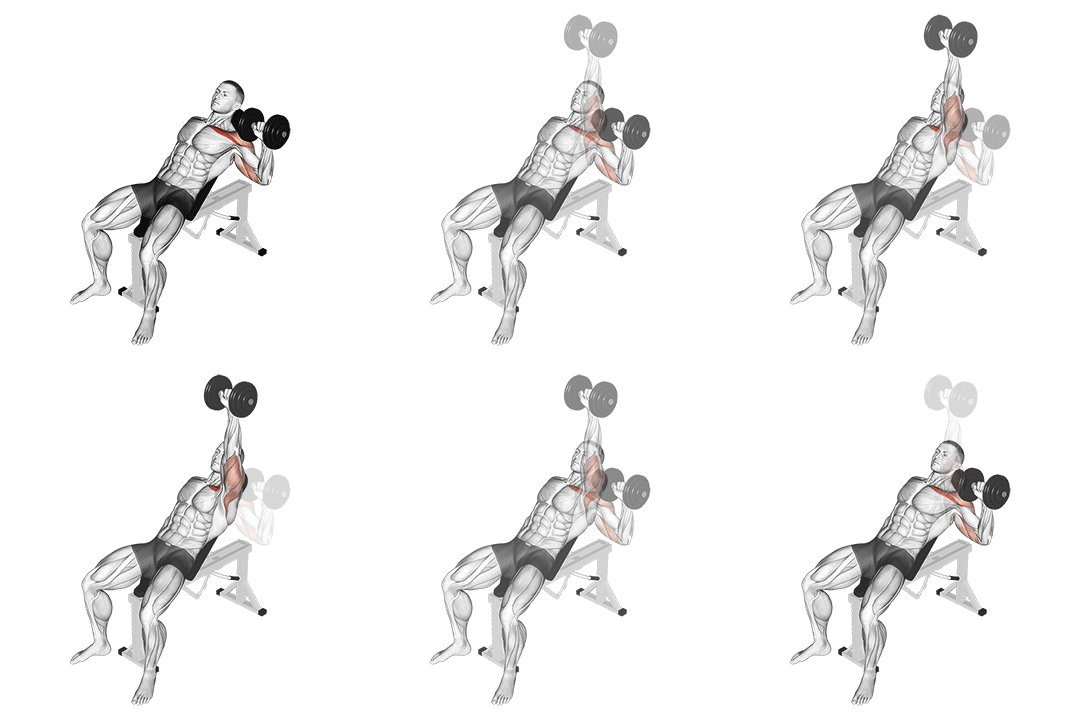
1. Dumbbell Incline One Arm Press
98.7% MatchHow to perform this exercise
- Sit on an incline bench with a dumbbell in one hand, resting on your thigh.
- Lie back on the bench and position the dumbbell at shoulder level, palm facing forward.
- Press the dumbbell upward and slightly inward, extending your arm fully.
- Pause for a moment at the top, then slowly lower the dumbbell back to the starting position.
- Repeat for the desired number of repetitions, then switch to the other arm.
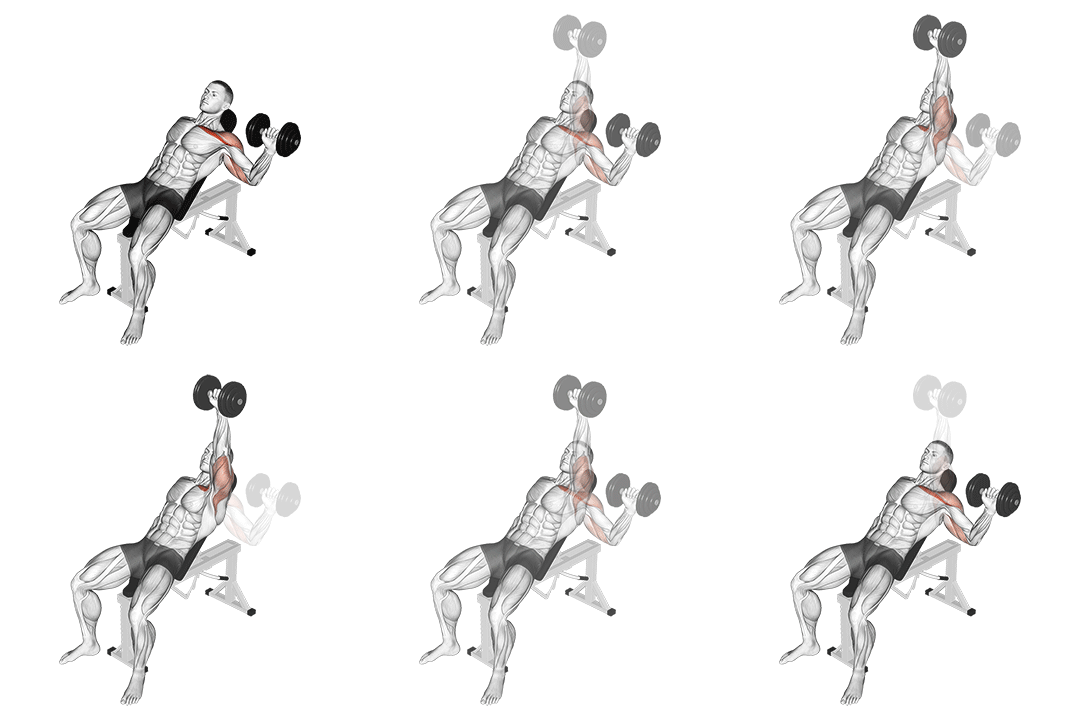
2. Dumbbell One Arm Incline Chest Press
98.7% MatchHow to perform this exercise
- Adjust the incline bench to a 45-degree angle.
- Sit on the bench with your back against the pad and feet flat on the ground.
- Hold a dumbbell in one hand with an overhand grip, resting it on your shoulder.
- Push the dumbbell up and away from your body, extending your arm fully.
- Pause for a moment at the top, then slowly lower the dumbbell back down to the starting position.
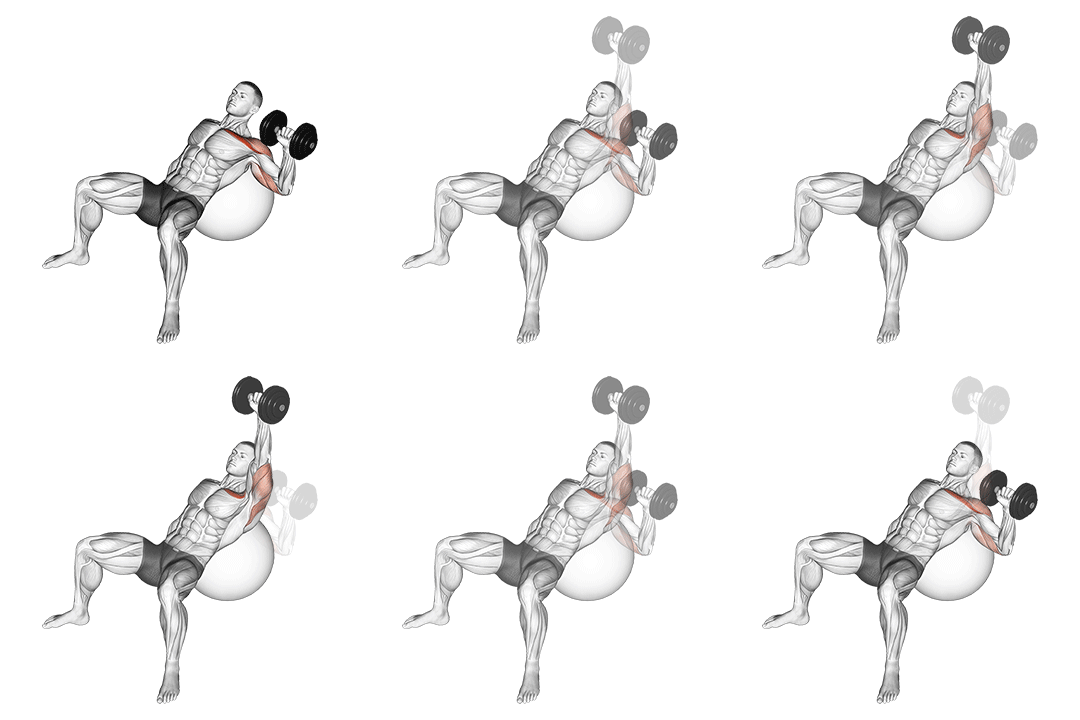
3. Dumbbell Incline One Arm Press On Exercise Ball
98.1% MatchHow to perform this exercise
- Sit on an exercise ball with a dumbbell in one hand, feet flat on the ground.
- Slowly walk your feet forward, rolling the ball until your head, neck, and upper back are supported on the ball.
- Hold the dumbbell at shoulder height with your palm facing forward.
- Press the dumbbell upward until your arm is fully extended.
- Pause for a moment at the top, then slowly lower the dumbbell back to the starting position.
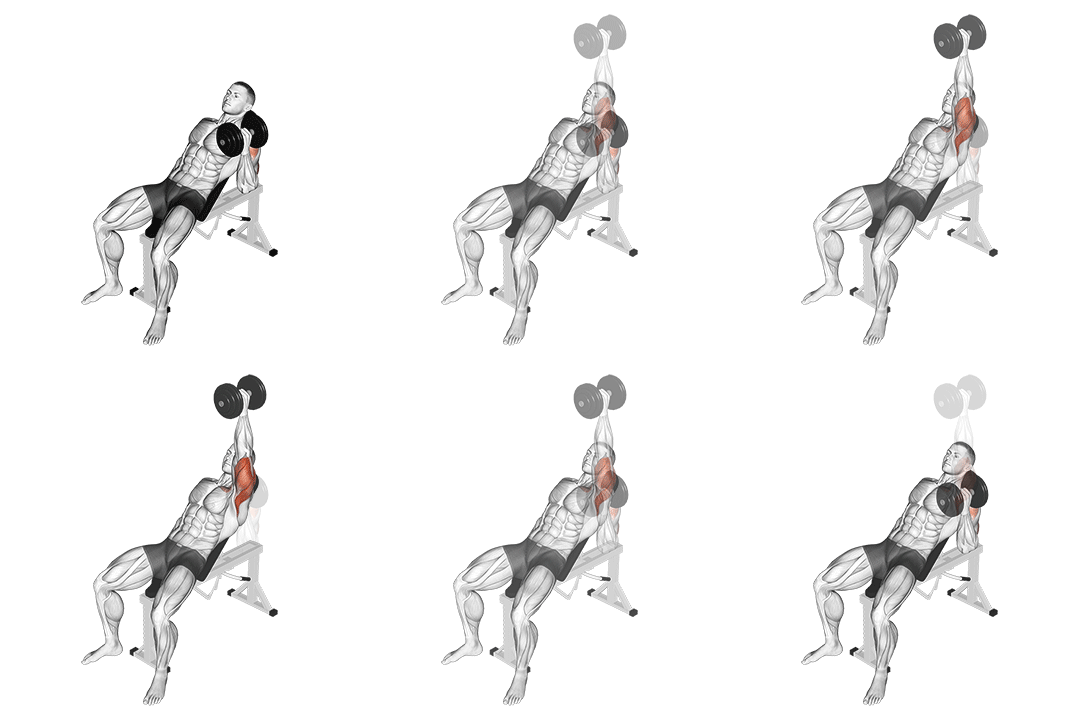
4. Dumbbell Incline One Arm Hammer Press
97.9% MatchHow to perform this exercise
- Sit on an incline bench with a dumbbell in one hand, resting on your thigh.
- Lean back on the bench and use your thigh to help raise the dumbbell to shoulder height.
- Rotate your wrist so that your palm is facing inward, towards your body.
- Press the dumbbell up and away from your body, extending your arm fully.
- Pause for a moment at the top, then slowly lower the dumbbell back down to the starting position.
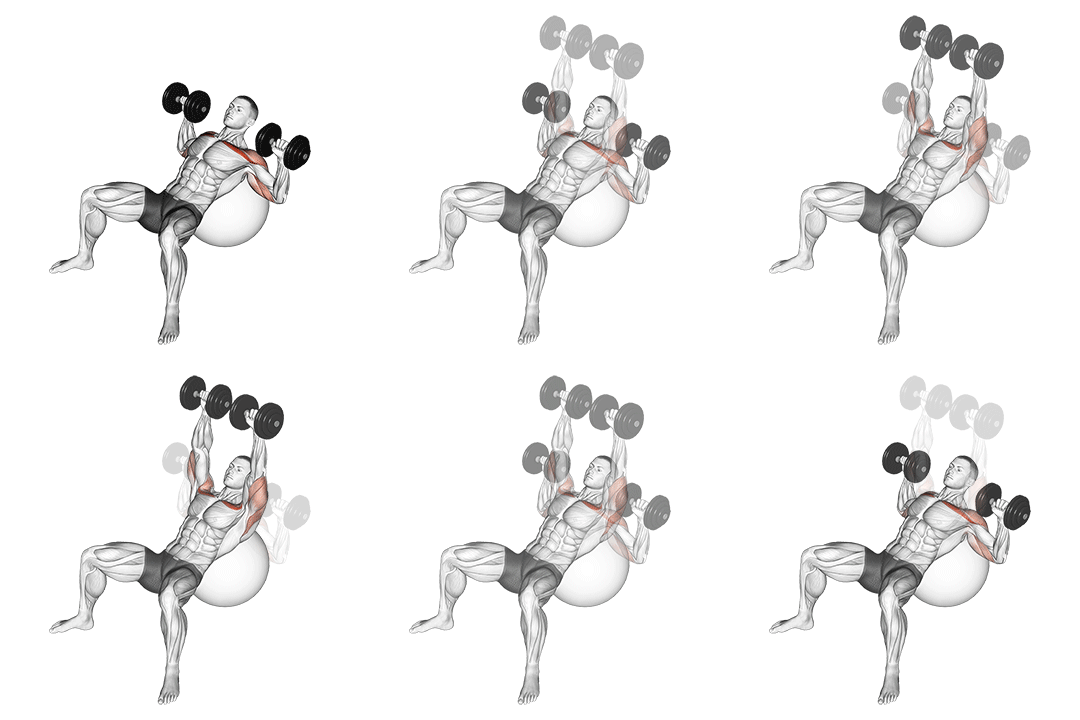
5. Dumbbell Incline Press On Exercise Ball
93% MatchHow to perform this exercise
- Sit on an exercise ball with a dumbbell in each hand, palms facing forward.
- Slowly walk your feet forward, rolling your body down the ball until your head, neck, and upper back are supported on the ball.
- Hold the dumbbells at shoulder level, elbows bent and pointing out to the sides.
- Press the dumbbells upward, extending your arms fully.
- Pause for a moment at the top, then slowly lower the dumbbells back to the starting position.
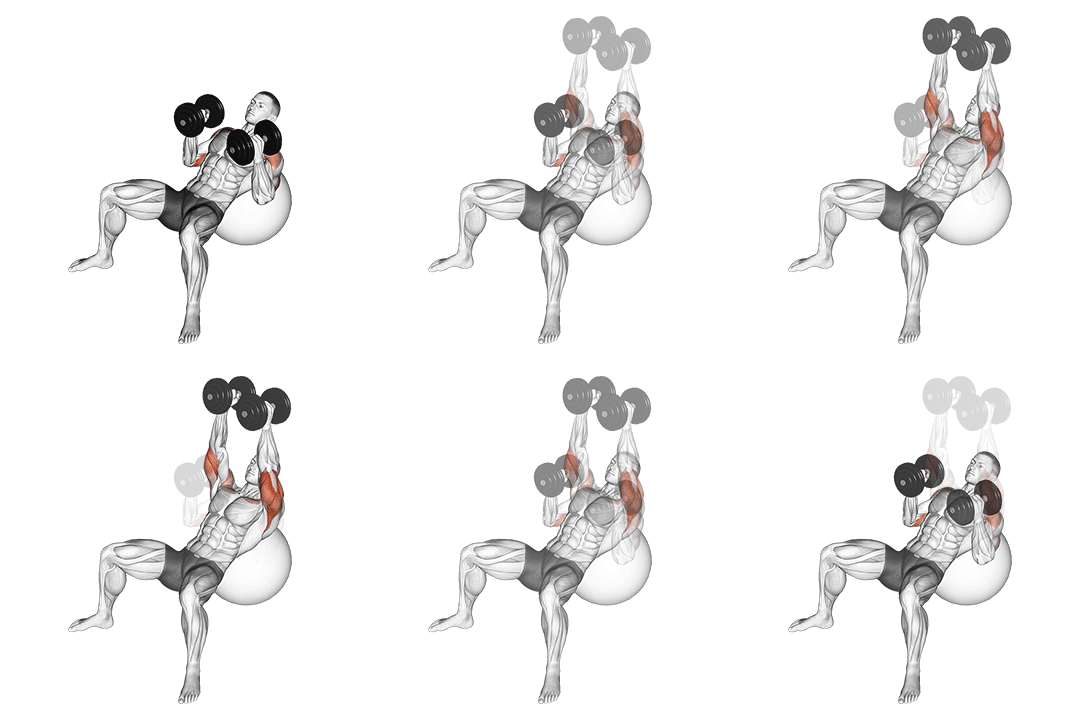
6. Dumbbell Incline Hammer Press On Exercise Ball
93% MatchHow to perform this exercise
- Sit on an exercise ball with a dumbbell in each hand, palms facing each other.
- Walk your feet forward and roll your body down the ball until your head, neck, and upper back are supported on the ball.
- Hold the dumbbells at shoulder level, elbows bent and pointing out to the sides.
- Press the dumbbells up and slightly inward, keeping your palms facing each other.
- Extend your arms fully, squeezing your triceps at the top of the movement.
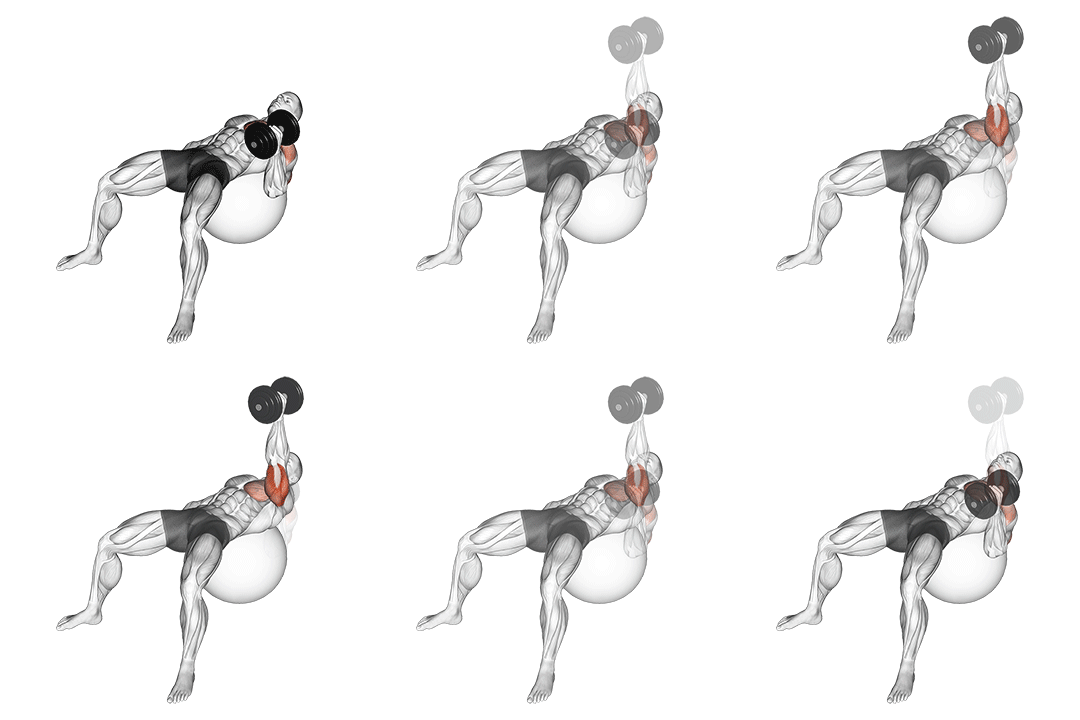
7. Dumbbell One Arm Hammer Press On Exercise Ball
90% MatchHow to perform this exercise
- Sit on an exercise ball with your feet flat on the ground and your back straight.
- Hold a dumbbell in one hand with your palm facing inwards and your elbow bent at a 90-degree angle.
- Place your other hand on your hip for stability.
- Press the dumbbell upwards, extending your arm fully.
- Pause for a moment at the top, then slowly lower the dumbbell back to the starting position.
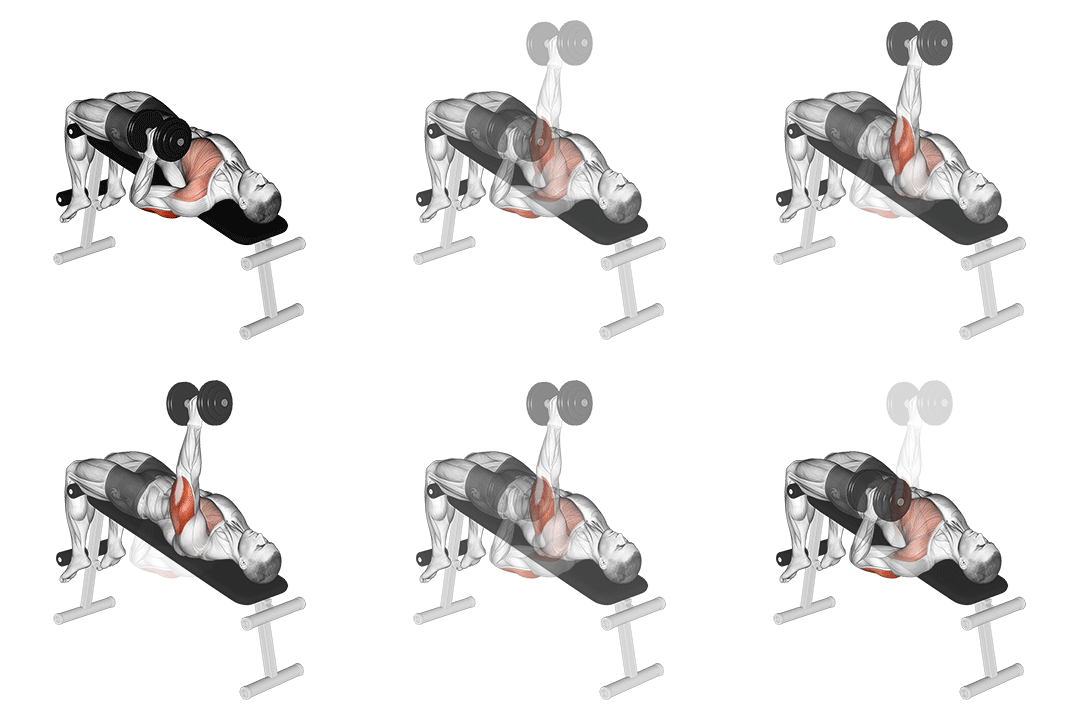
8. Dumbbell Decline One Arm Hammer Press
89.2% MatchHow to perform this exercise
- Lie on a decline bench with a dumbbell in one hand, resting on your chest.
- Extend your arm straight up, keeping your elbow slightly bent.
- Lower the dumbbell down towards your shoulder, keeping your elbow close to your body.
- Press the dumbbell back up to the starting position.
- Repeat for the desired number of repetitions, then switch arms.
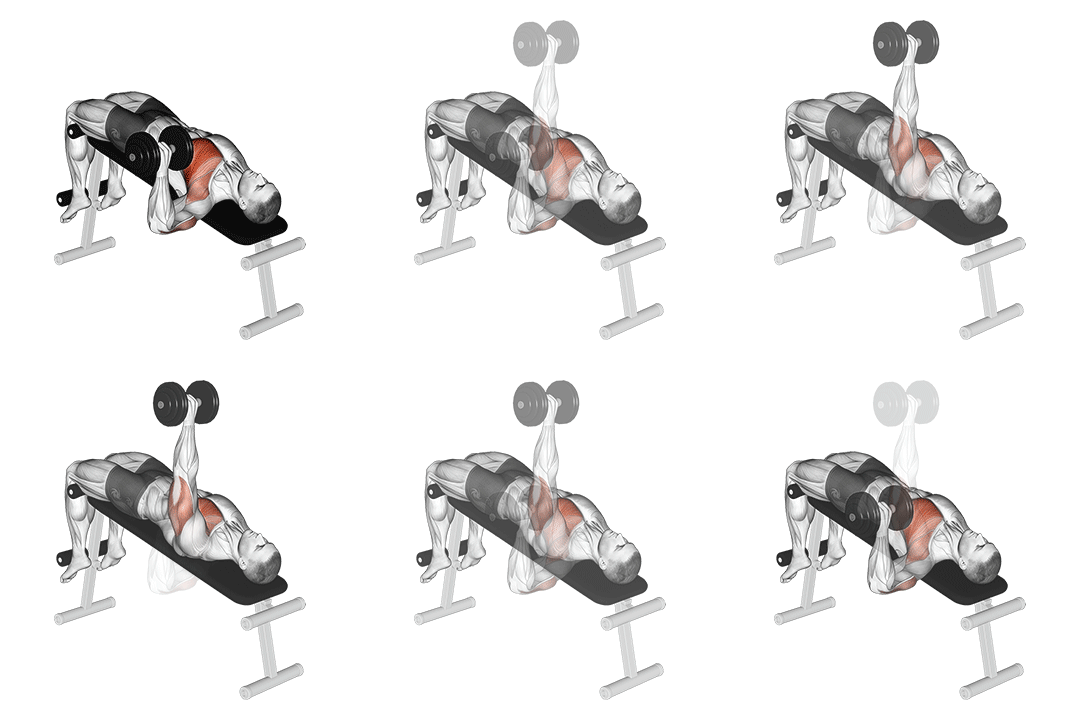
9. Dumbbell One Arm Decline Chest Press
88.7% MatchHow to perform this exercise
- Lie on a decline bench with a dumbbell in one hand, resting on your chest.
- Place your feet flat on the ground and keep your back pressed against the bench.
- Extend your arm and push the dumbbell up towards the ceiling, fully extending your elbow.
- Pause for a moment at the top, then slowly lower the dumbbell back down to the starting position.
- Repeat for the desired number of repetitions, then switch to the other arm.
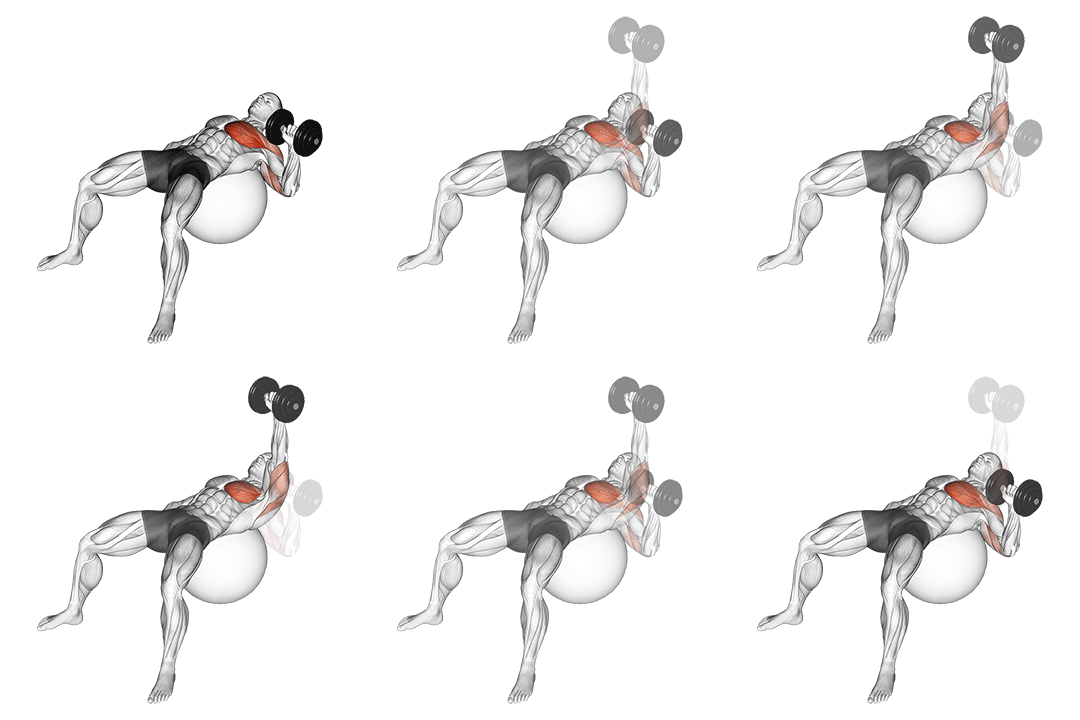
10. Dumbbell One Arm Press On Exercise Ball
88.1% MatchHow to perform this exercise
- Sit on an exercise ball with your feet flat on the ground and your knees bent at a 90-degree angle.
- Hold a dumbbell in one hand and position it at shoulder height, with your elbow bent and palm facing forward.
- Slowly press the dumbbell upward until your arm is fully extended, while keeping your core engaged and maintaining balance on the exercise ball.
- Pause for a moment at the top, then slowly lower the dumbbell back to the starting position.
- Repeat for the desired number of repetitions, then switch to the other arm.
Why You Might Need a Dumbbell Incline One Arm Hammer Press On Exercise Ball Alternative
You may substitute this exercise for shoulder pain, lack of an exercise ball, poor balance, or limited progression options. For example, an incline bench single‑arm press removes balance demands so you can load the pectoralis major more safely; cue: plant your feet, squeeze the bench with your lats, and press while keeping the elbow tracking slightly inward to target clavicular fibers. If scapular instability causes discomfort, a floor press shortens the range of motion and reduces anterior shoulder stress while still loading horizontal adduction and elbow extension. Substitutes let you preserve unilateral strength and pec activation without compromising joint mechanics.
How to Choose the Right Substitute
Select a substitute based on equipment, shoulder health, and training goal. If you want maximal pec activation and progressive overload, use a stable incline bench single‑arm press and cue a tight scapular retraction and full pec contraction at lockout. For shoulder rehab or limited range, choose a floor single‑arm press and stop where the humerus aligns safely with the glenoid. Want anti‑rotation core work plus chest drive? Pick a landmine one‑arm press and brace the obliques to resist torso twist. Prioritize exercises that maintain horizontal adduction and controlled scapular motion.
Frequently Asked Questions
What muscles does Dumbbell Incline One Arm Hammer Press On Exercise Ball work?
It primarily targets the pectoralis major—especially the upper/clavicular fibers—while recruiting the anterior deltoid and triceps for elbow extension. The unstable ball increases scapular stabilizer and core activation, so you’ll also load the serratus anterior and obliques to control torso position.
What is the best bodyweight alternative to Dumbbell Incline One Arm Hammer Press On Exercise Ball?
A single‑arm elevated push‑up (hand on a box or step) is the best bodyweight swap; cue: keep a neutral wrist, brace your core, and drive the elbow slightly in toward the midline to emphasize chest fibers. This preserves unilateral horizontal adduction and forces anti‑rotation core activation.
Can I build muscle without doing Dumbbell Incline One Arm Hammer Press On Exercise Ball?
Yes. You can build chest muscle with stable single‑arm incline presses, landmine presses, and floor presses by progressively loading and maintaining full pec contraction. Focus on quality reps—scapular retraction, controlled eccentric lowering, and an intentional squeeze at the top—to maximize hypertrophic stimulus.
More Exercise Alternatives
Find Alternatives for Any Exercise
Use our free tool to discover the best substitute exercises based on your available equipment and goals.
Try the Exercise Substitution Finder →