

10 Best Dumbbell Raise Alternatives for Shoulder Isolation
If you can’t perform the dumbbell raise, use cable lateral raises, resistance-band laterals, plate raises, machine laterals, or single-arm cable scaptions to hit the delts. Keep your torso upright, lead with the elbow, and slightly externally rotate the humerus to maximize lateral delt activation and protect the rotator cuff on each rep.
Original Exercise: Dumbbell Raise
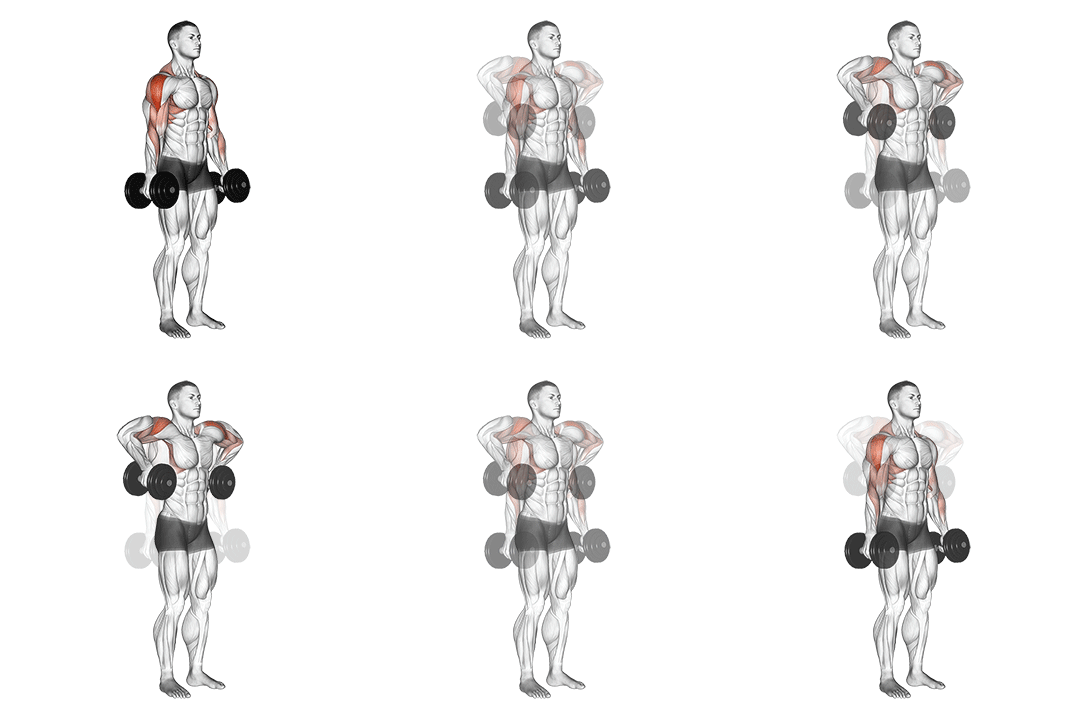
How to Perform Dumbbell Raise
- Stand with your feet shoulder-width apart and hold a dumbbell in each hand, palms facing your body.
- Keep your back straight and engage your core.
- Raise your arms out to the sides until they are parallel to the floor, keeping a slight bend in your elbows.
- Pause for a moment at the top, then slowly lower your arms back down to the starting position.
- Repeat for the desired number of repetitions.
Best Dumbbell Raise Alternatives
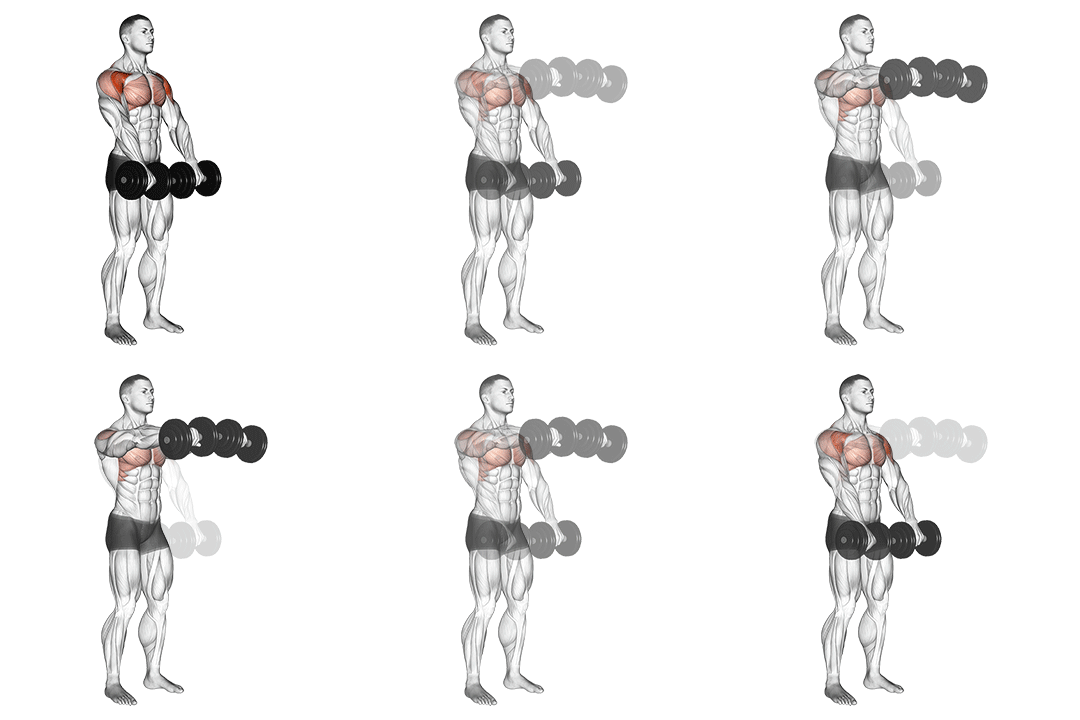
1. Dumbbell Front Raise
95% MatchHow to perform this exercise
- Stand with your feet shoulder-width apart, holding a dumbbell in each hand with your palms facing your thighs.
- Keeping your arms straight, exhale and lift the dumbbells in front of you until they are at shoulder level.
- Pause for a moment at the top, then inhale and slowly lower the dumbbells back down to the starting position.
- Repeat for the desired number of repetitions.
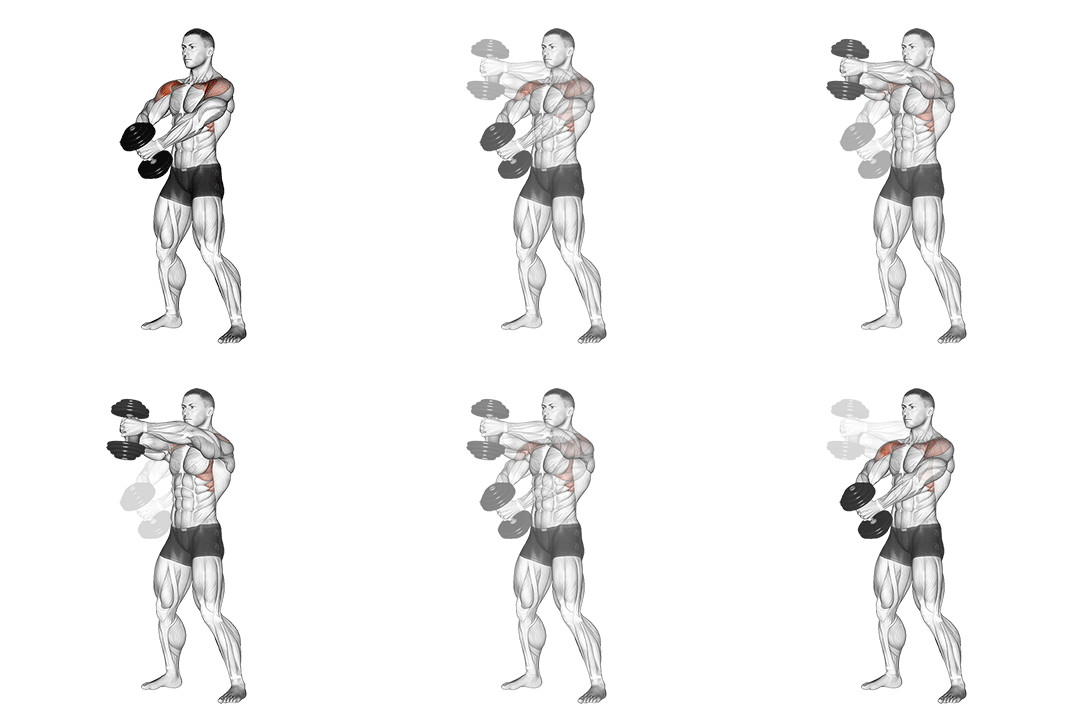
2. Dumbbell Front Raise V. 2
95% MatchHow to perform this exercise
- Stand with your feet shoulder-width apart, holding a dumbbell in each hand with your palms facing your thighs.
- Keep your back straight and engage your core.
- Slowly lift the dumbbells in front of you, with your arms straight, until they are at shoulder level.
- Pause for a moment at the top, then slowly lower the dumbbells back down to the starting position.
- Repeat for the desired number of repetitions.
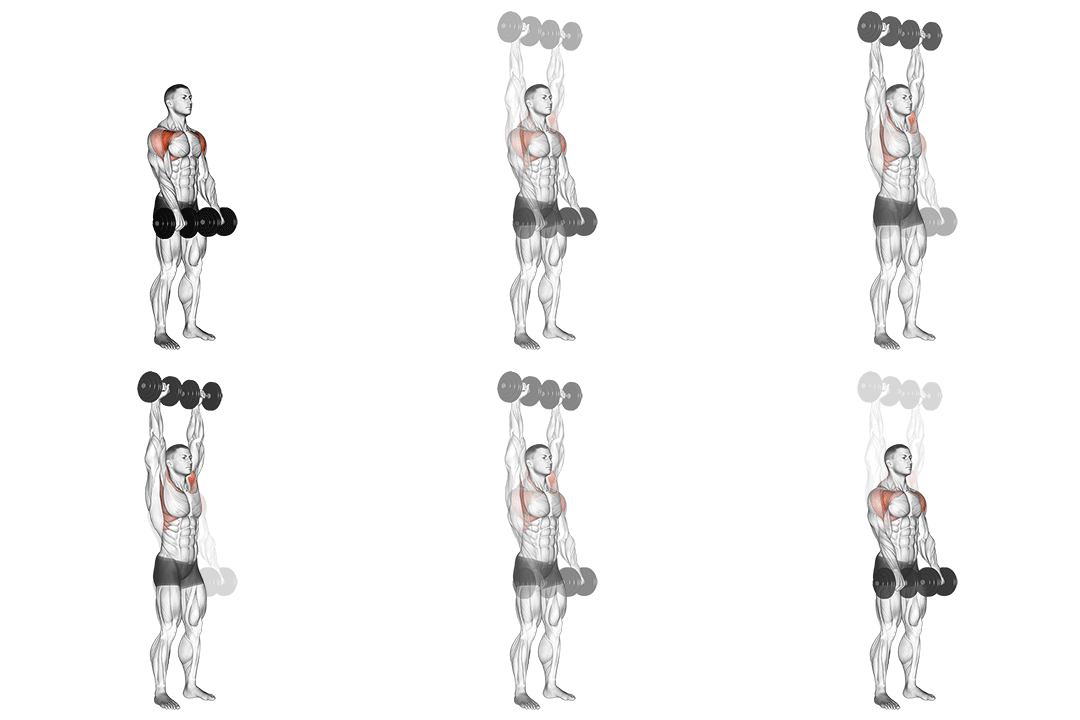
3. Dumbbell Standing Front Raise Above Head
95% MatchHow to perform this exercise
- Stand with your feet shoulder-width apart, holding a dumbbell in each hand with an overhand grip.
- Keep your arms straight and lift the dumbbells in front of you, raising them above your head.
- Pause for a moment at the top, then slowly lower the dumbbells back to the starting position.
- Repeat for the desired number of repetitions.
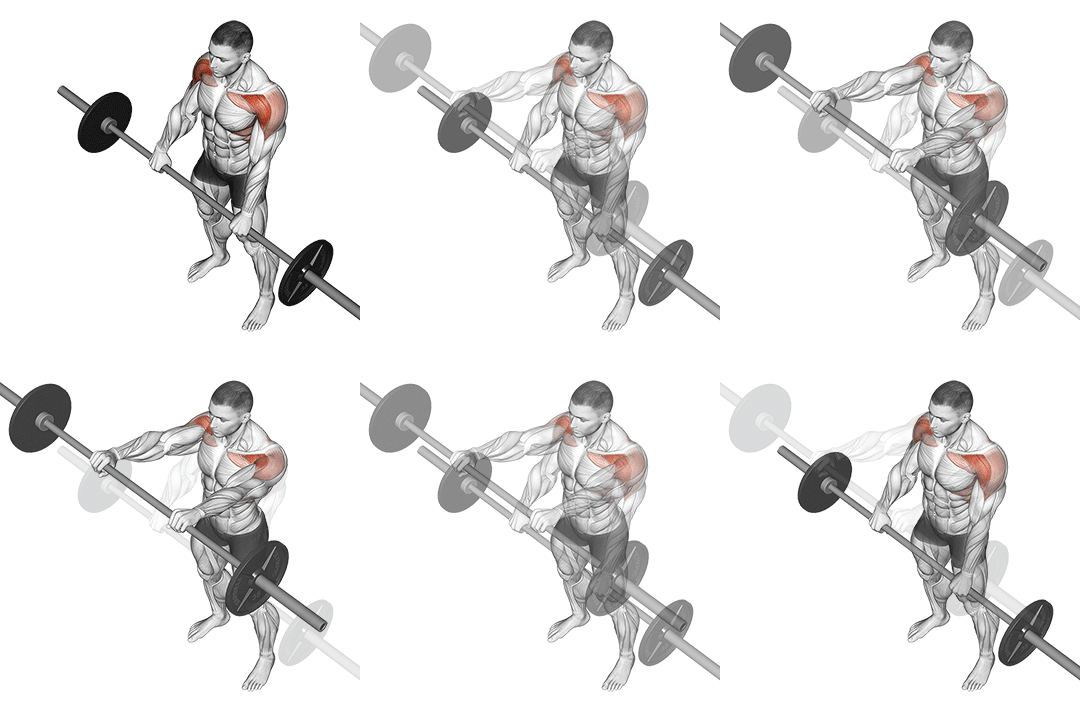
4. Barbell Front Raise
94.2% MatchHow to perform this exercise
- Stand with your feet shoulder-width apart and hold a barbell in front of your thighs with an overhand grip.
- Keep your arms straight and lift the barbell forward and upward until it reaches shoulder level.
- Pause for a moment at the top, then slowly lower the barbell back down to the starting position.
- Repeat for the desired number of repetitions.
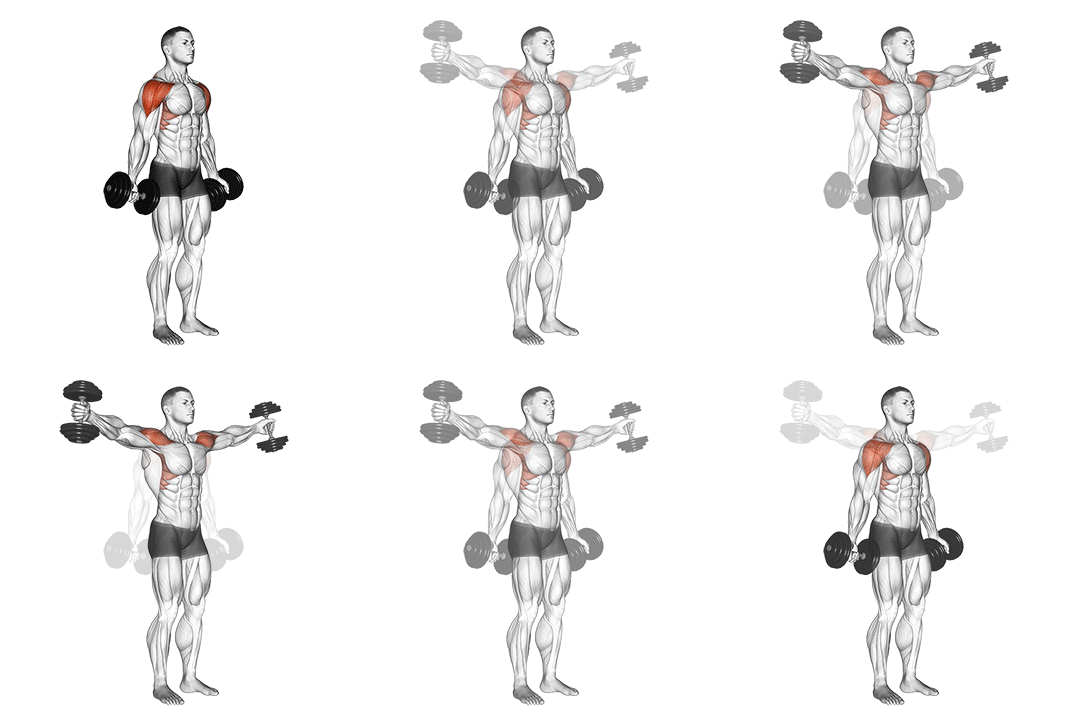
5. Dumbbell Full Can Lateral Raise
94.1% MatchHow to perform this exercise
- Stand with your feet shoulder-width apart, holding a dumbbell in each hand with your palms facing your body.
- Keep your back straight and engage your core.
- Raise your arms out to the sides, keeping a slight bend in your elbows, until they are parallel to the ground.
- Pause for a moment at the top, then slowly lower your arms back down to the starting position.
- Repeat for the desired number of repetitions.
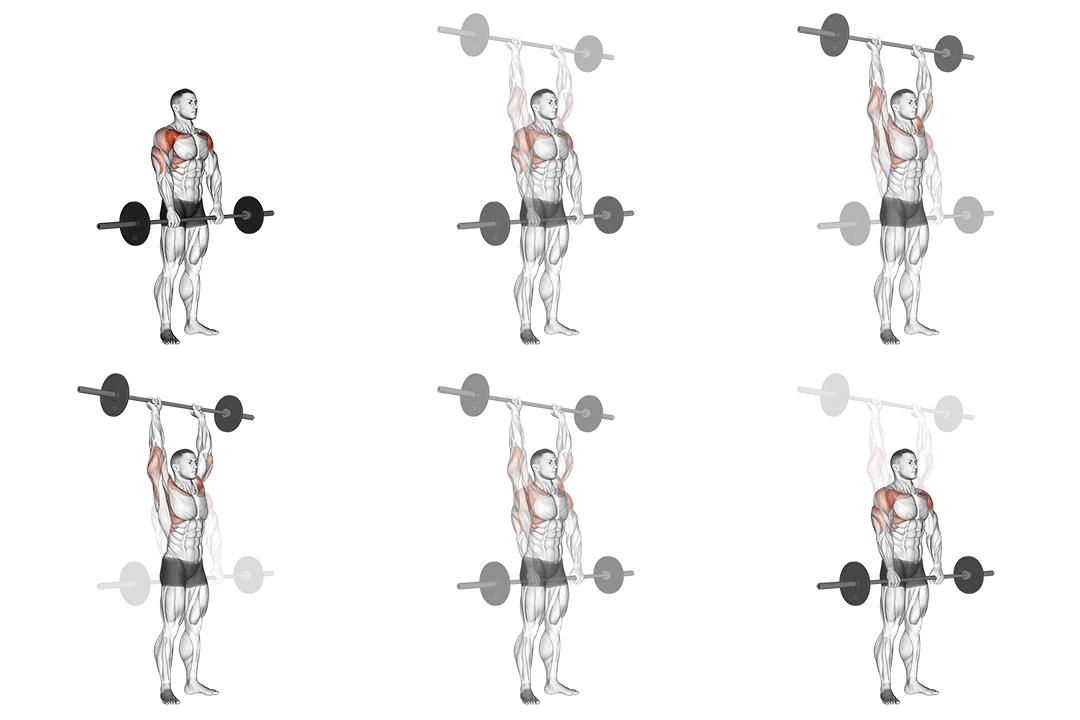
6. Barbell Standing Front Raise Over Head
90.2% MatchHow to perform this exercise
- Stand with your feet shoulder-width apart, holding a barbell in front of your thighs with an overhand grip.
- Keep your back straight and engage your core.
- Slowly raise the barbell in front of you, keeping your arms straight and your palms facing down.
- Continue lifting until the barbell is slightly above shoulder level.
- Pause for a moment at the top, then slowly lower the barbell back down to the starting position.
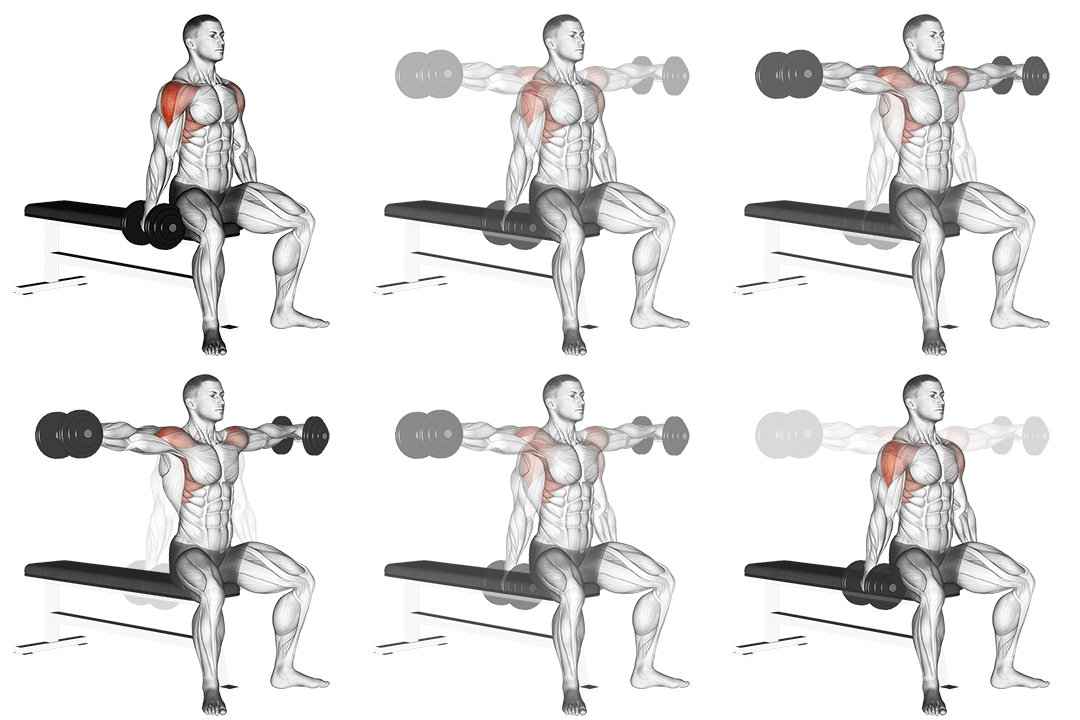
7. Dumbbell Seated Lateral Raise
85.9% MatchHow to perform this exercise
- Sit on a bench with your feet flat on the ground and a dumbbell in each hand, resting on your thighs.
- Keep your back straight and core engaged.
- Raise the dumbbells to your sides with a slight bend in your elbows, until your arms are parallel to the ground.
- Pause for a moment at the top, then slowly lower the dumbbells back down to the starting position.
- Repeat for the desired number of repetitions.
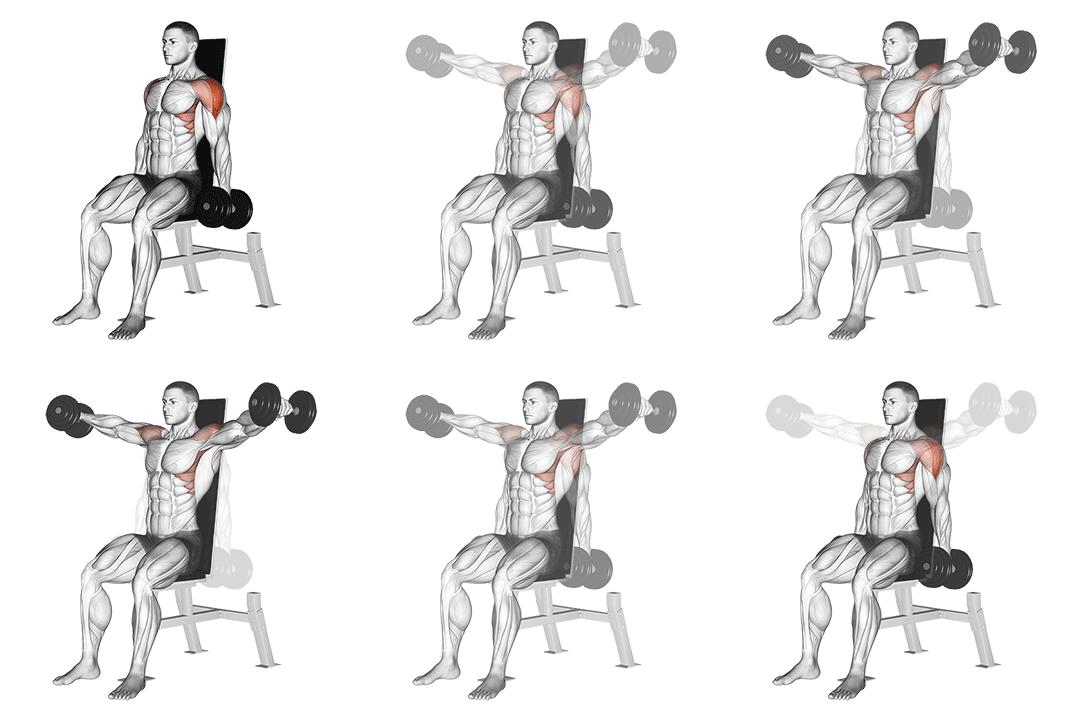
8. Dumbbell Seated Lateral Raise V. 2
85.9% MatchHow to perform this exercise
- Sit on a bench with your feet flat on the ground and a dumbbell in each hand, resting on your thighs.
- Keep your back straight and core engaged.
- Raise the dumbbells to your sides with a slight bend in your elbows, until your arms are parallel to the ground.
- Pause for a moment at the top, then slowly lower the dumbbells back down to the starting position.
- Repeat for the desired number of repetitions.
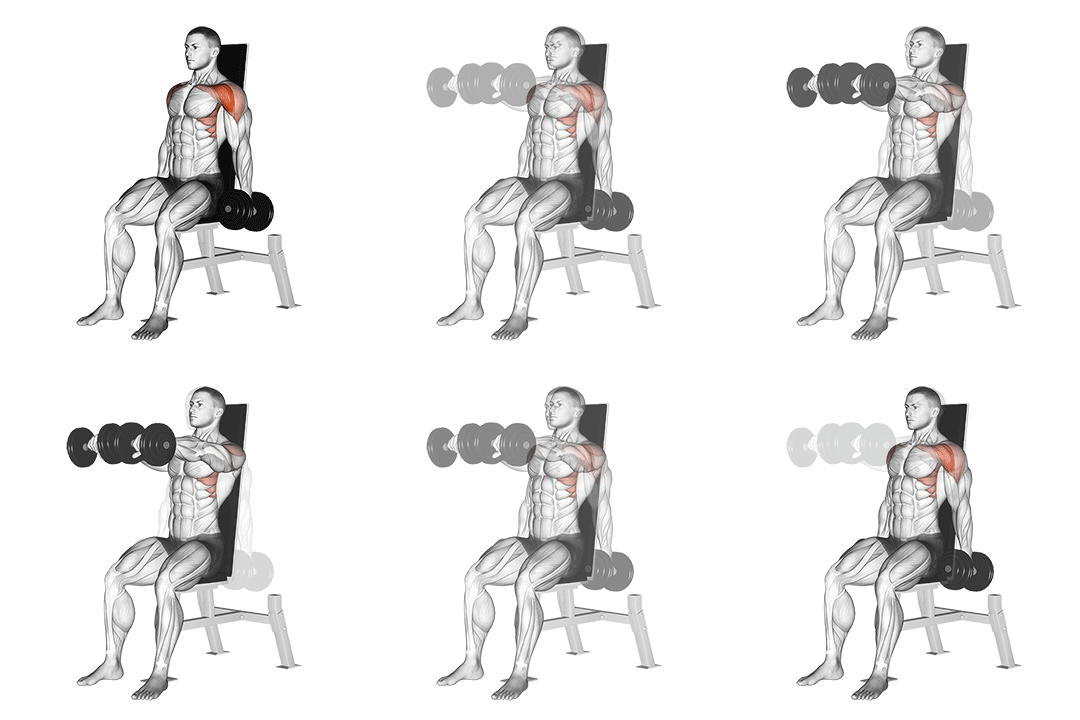
9. Dumbbell Seated Front Raise
85.4% MatchHow to perform this exercise
- Sit on a bench with your feet flat on the ground and a dumbbell in each hand, resting on your thighs.
- Keep your back straight and core engaged.
- Raise the dumbbells in front of you, with your palms facing down, until they are at shoulder level.
- Pause for a moment at the top, then slowly lower the dumbbells back down to the starting position.
- Repeat for the desired number of repetitions.
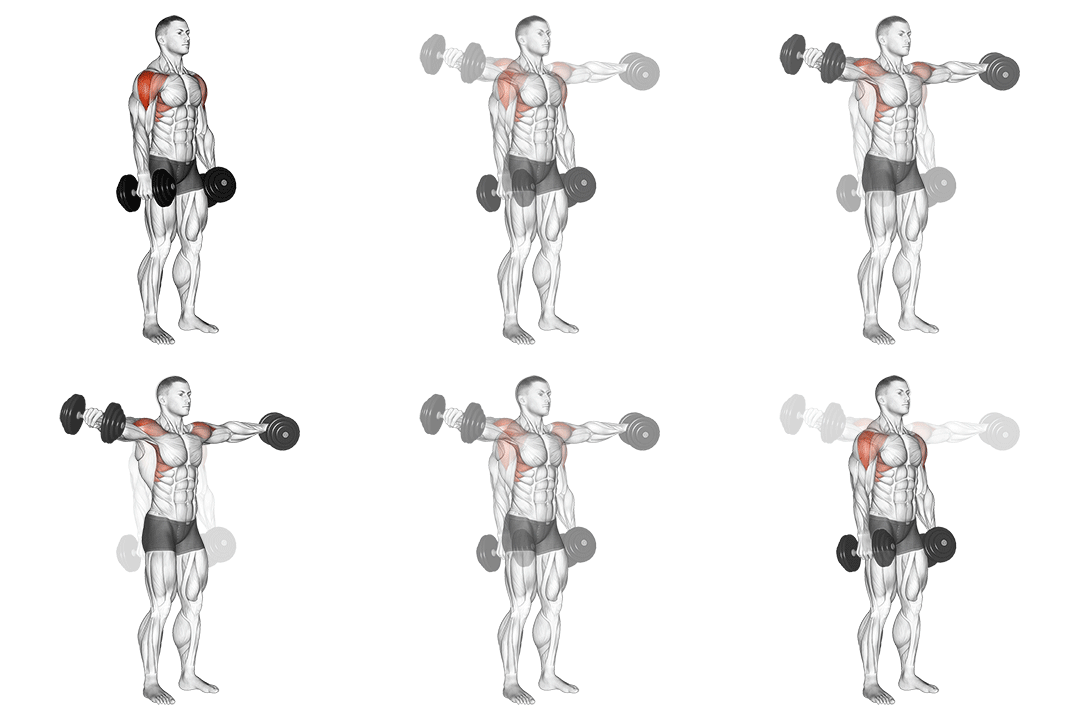
10. Dumbbell Lateral Raise
85.4% MatchHow to perform this exercise
- Stand with your feet shoulder-width apart and hold a dumbbell in each hand, palms facing your body.
- Keep your back straight and engage your core.
- Raise your arms out to the sides until they are parallel to the floor, keeping a slight bend in your elbows.
- Pause for a moment at the top, then slowly lower your arms back down to the starting position.
- Repeat for the desired number of repetitions.
Why You Might Need a Dumbbell Raise Alternative
You may substitute dumbbell raises because of shoulder pain, limited ROM, or no access to dumbbells. Alternatives let you change the resistance curve and movement plane to keep the lateral deltoid loaded while reducing supraspinatus or anterior joint stress. For example, cables provide constant tension—set the pulley at hip height, lead with the elbow and stop at shoulder level to avoid impingement. Bands shorten the moment arm and reduce peak compression, while machines guide scapular plane motion to limit compensatory torso lean. Smart substitutions preserve mid-deltoid activation and maintain hypertrophy stimulus without aggravating vulnerable tissue.
How to Choose the Right Substitute
Choose a substitute by testing muscle activation pattern, range of motion, and load progression. Do five slow reps while keeping the scapula retracted and depressed; lead with the elbow and note whether you feel the lateral deltoid before the traps. If traps dominate, reduce load or move 20–30 degrees anterior to the frontal plane (scaption). Consider equipment: bands scale tension through the ROM, cables give adjustable line-of-pull, and machines reduce stabilizer demand. Prioritize options that let you progressively overload the lateral deltoid while keeping the humeral head centered in the glenoid.
Frequently Asked Questions
What muscles does Dumbbell Raise work?
Dumbbell raises primarily load the lateral (middle) deltoid and secondarily recruit the anterior deltoid and supraspinatus during the initial elevation. Maintain a slight external rotation and lead with the elbow to bias the lateral head and limit upper-trap compensation.
What is the best bodyweight alternative to Dumbbell Raise?
A prone scaption (Y-raise) on the floor or an incline bench is the best bodyweight option to target shoulder deltoids without weights: lie face down and lift the arms in a 30-degree anterior plane with thumbs up. Keep the neck neutral and squeeze the delts at the top, focusing on scapular control to feel delt—rather than trap—activation.
Can I build muscle without doing Dumbbell Raise?
Yes—you can build lateral deltoid mass using alternatives like cables, bands, machines, and compound presses combined with targeted isolation variants. Prioritize progressive overload and cues such as leading with the elbow and maintaining scapular stability to ensure the lateral delts receive the primary loading stimulus.
More Exercise Alternatives
Find Alternatives for Any Exercise
Use our free tool to discover the best substitute exercises based on your available equipment and goals.
Try the Exercise Substitution Finder →