

10 Best Dumbbell Rear Fly Alternatives for Shoulder Workouts
If you can't perform the Dumbbell Rear Fly, use movements that load horizontal abduction and scapular retraction to hit the posterior delts. Effective replacements include face pulls, band pull-aparts, chest-supported rear delt rows, cable reverse flyes, and prone T-raises. Cue: hinge at the hips, maintain a neutral spine, and lead with the elbows to isolate the rear delts.
Original Exercise: Dumbbell Rear Fly
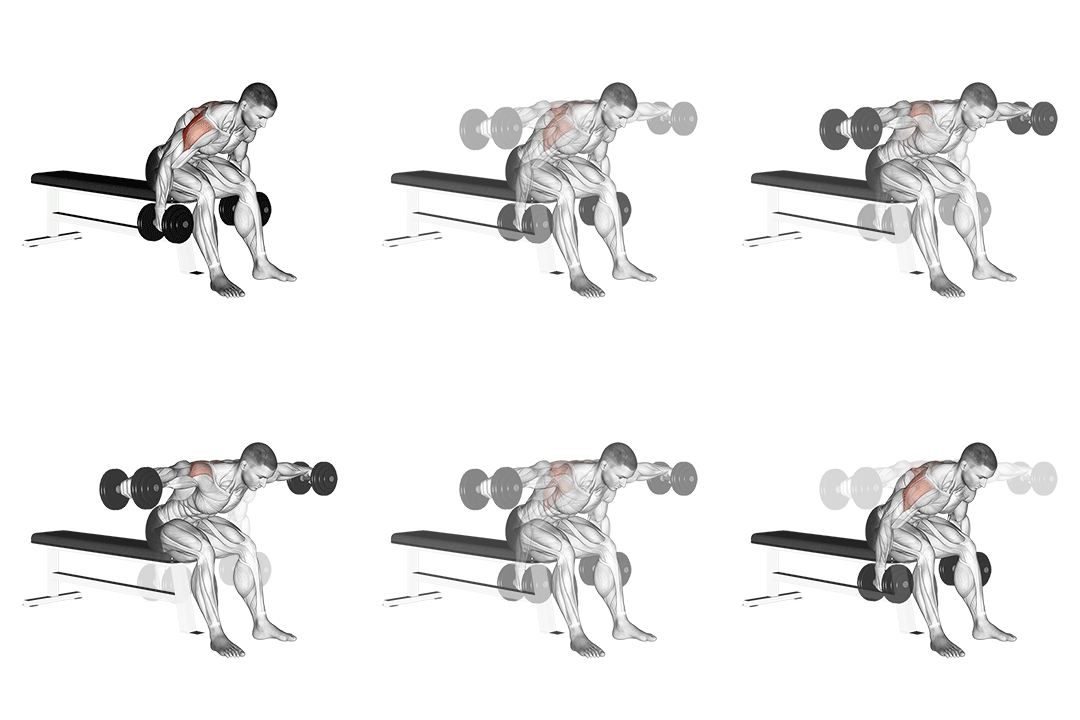
How to Perform Dumbbell Rear Fly
- Stand with your feet shoulder-width apart and hold a dumbbell in each hand.
- Bend your knees slightly and hinge forward at the hips, keeping your back straight.
- Extend your arms straight down towards the ground, palms facing each other.
- Keeping a slight bend in your elbows, lift your arms out to the sides and squeeze your shoulder blades together.
- Pause for a moment at the top, then slowly lower your arms back down to the starting position.
- Repeat for the desired number of repetitions.
Best Dumbbell Rear Fly Alternatives
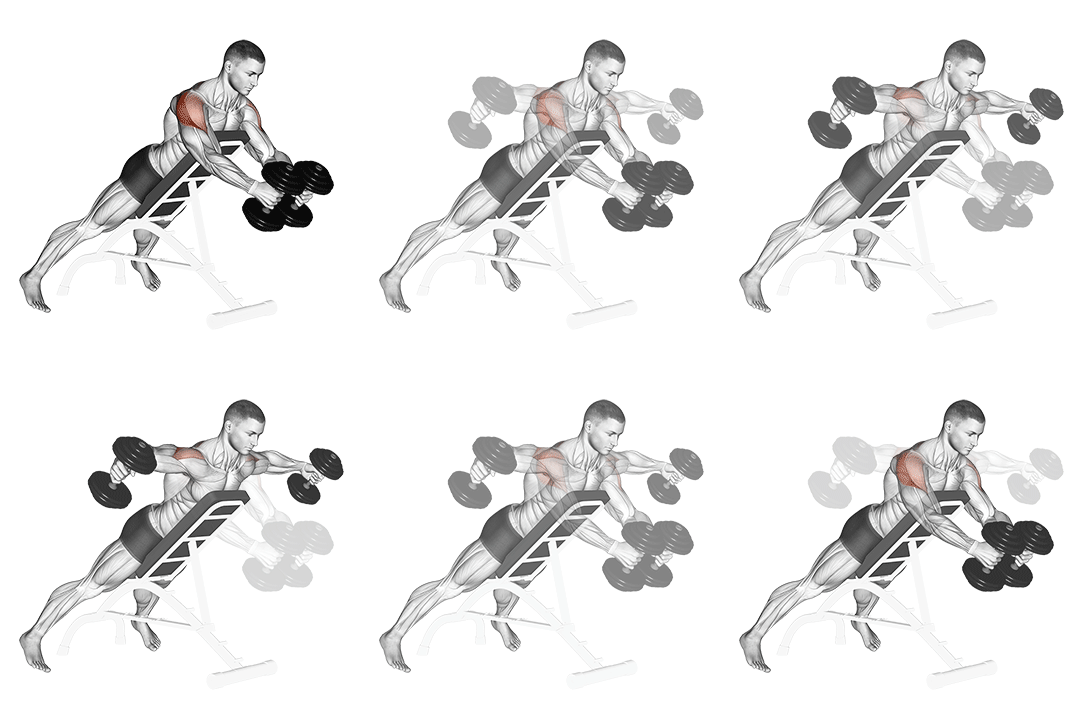
1. Dumbbell Reverse Fly
99.9% MatchHow to perform this exercise
- Stand with your feet shoulder-width apart and hold a dumbbell in each hand.
- Bend your knees slightly and hinge forward at the hips, keeping your back straight.
- Extend your arms straight down in front of you, palms facing each other.
- Keeping a slight bend in your elbows, raise your arms out to the sides until they are parallel to the ground.
- Pause for a moment at the top, then slowly lower your arms back down to the starting position.
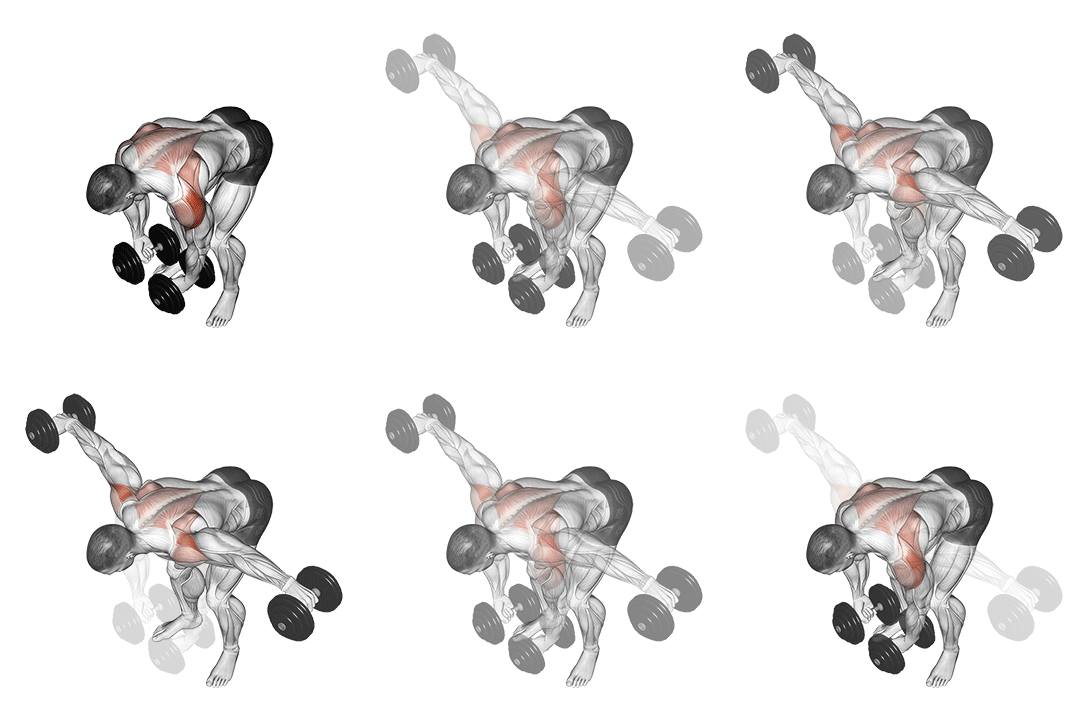
2. Dumbbell Rear Lateral Raise
89.2% MatchHow to perform this exercise
- Stand with your feet shoulder-width apart and hold a dumbbell in each hand, palms facing your body.
- Bend your knees slightly and hinge forward at the hips, keeping your back straight and core engaged.
- Raise your arms out to the sides, keeping a slight bend in your elbows, until they are parallel to the floor.
- Pause for a moment at the top, then slowly lower your arms back down to the starting position.
- Repeat for the desired number of repetitions.
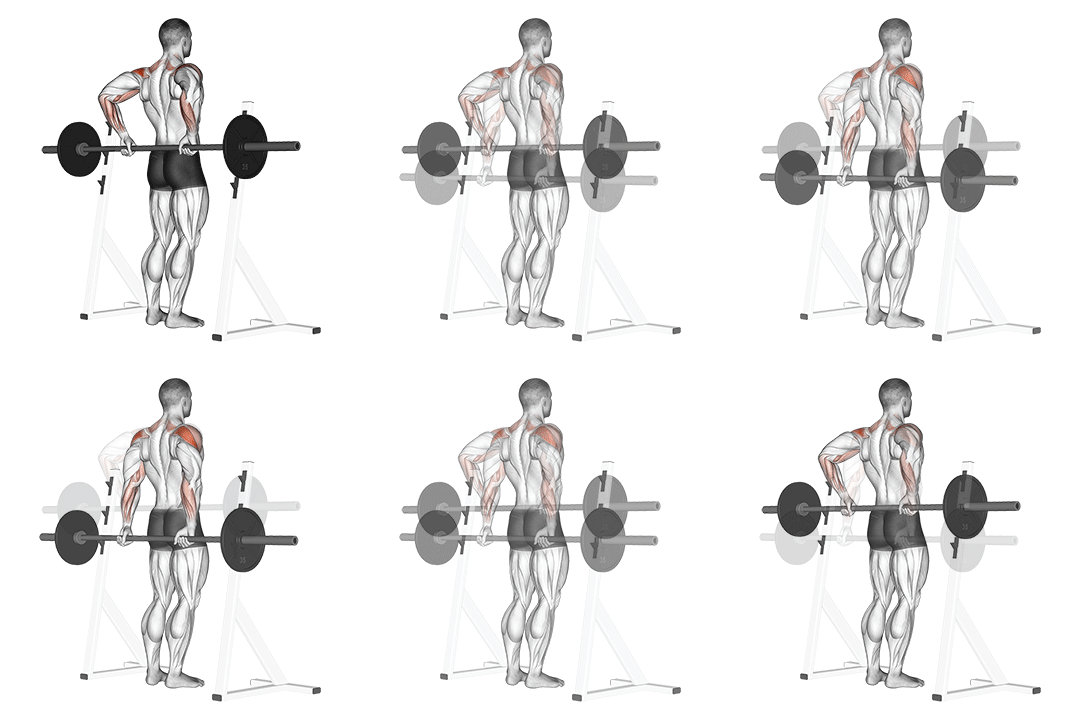
3. Barbell Rear Delt Raise
85.2% MatchHow to perform this exercise
- Stand with your feet shoulder-width apart and hold a barbell with an overhand grip, palms facing down.
- Bend your knees slightly and hinge forward at the hips, keeping your back straight.
- Raise the barbell out to the sides, keeping your arms straight, until they are parallel to the ground.
- Pause for a moment at the top, then slowly lower the barbell back to the starting position.
- Repeat for the desired number of repetitions.
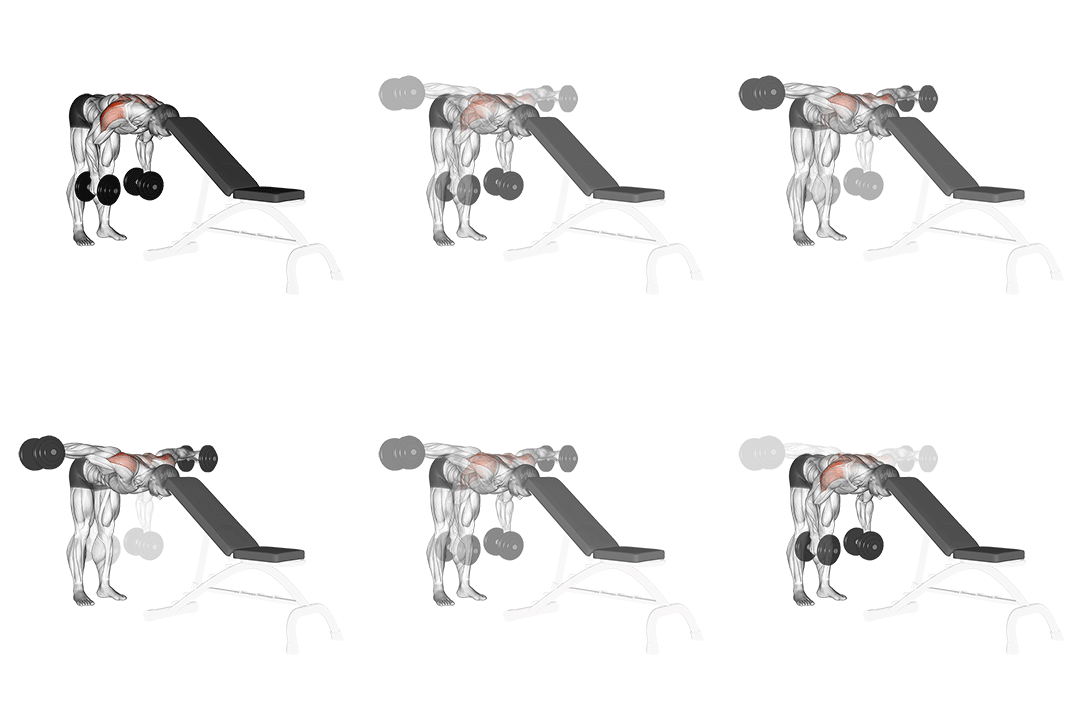
4. Dumbbell Rear Lateral Raise (support Head)
79.7% MatchHow to perform this exercise
- Stand with your feet shoulder-width apart and hold a dumbbell in each hand.
- Bend your knees slightly and hinge forward at the hips, keeping your back straight.
- Raise your arms out to the sides, keeping a slight bend in your elbows, until they are parallel to the ground.
- Pause for a moment at the top, then slowly lower your arms back down to the starting position.
- Repeat for the desired number of repetitions.
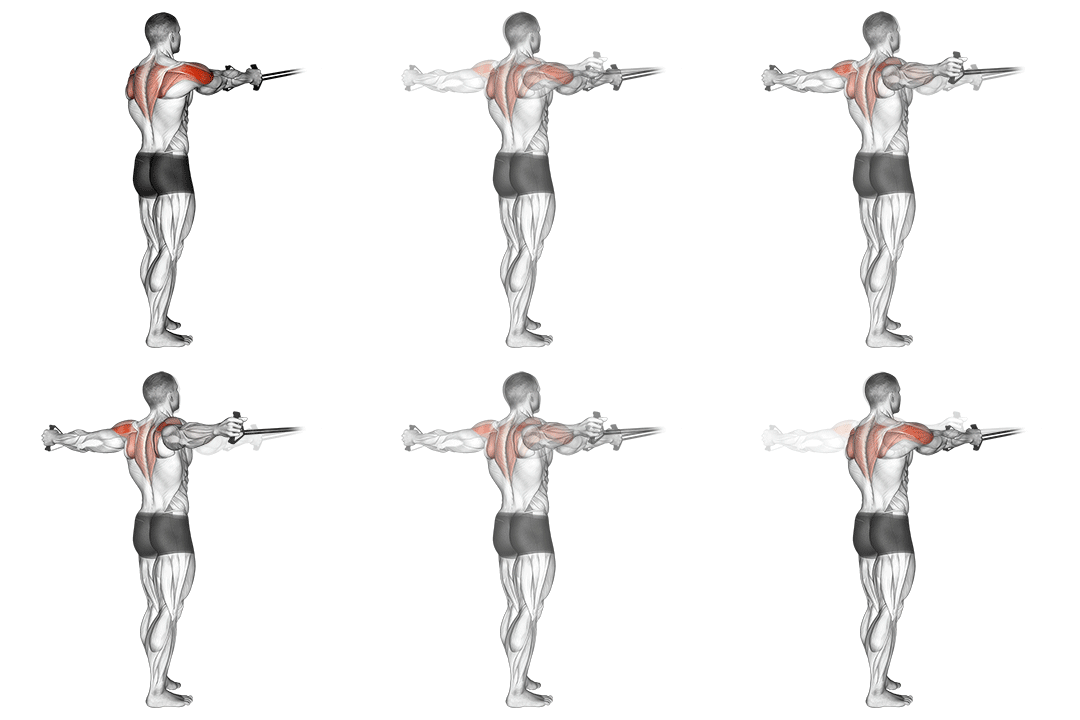
5. Band Reverse Fly
75% MatchHow to perform this exercise
- Attach the band to a stationary object at chest height.
- Stand with your feet shoulder-width apart and hold the band with both hands in front of you.
- Keep your arms straight and lift them out to the sides until they are parallel to the ground.
- Squeeze your shoulder blades together at the top of the movement.
- Slowly lower your arms back to the starting position.
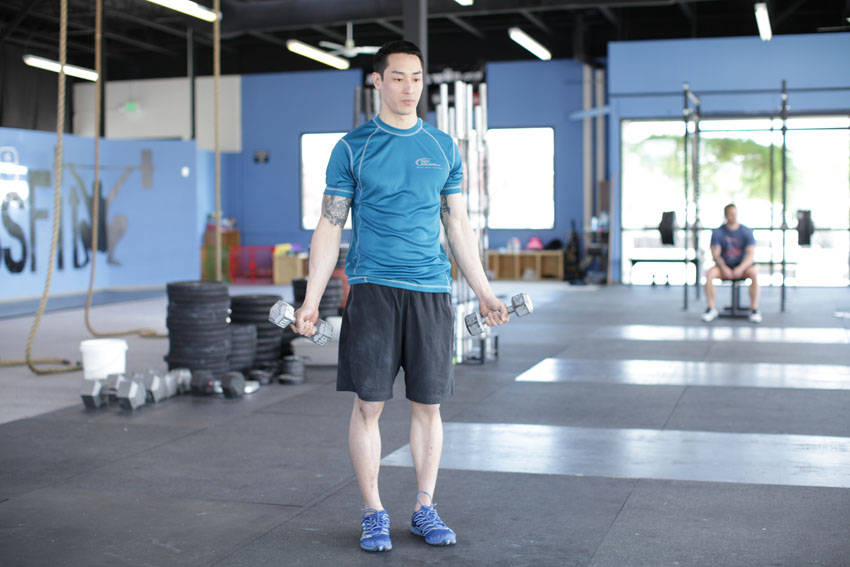
6. Dumbbell Scaption
75% MatchHow to perform this exercise
- This corrective exercise strengthens the muscles that stabilize your shoulder blade. Hold a light weight in each hand, hanging at your sides. Your thumbs should pointing up.
- Begin the movement raising your arms out in front of you, about 30 degrees off center. Your arms should be fully extended as you perform the movement.
- Continue until your arms are parallel to the ground, and then return to the starting position.
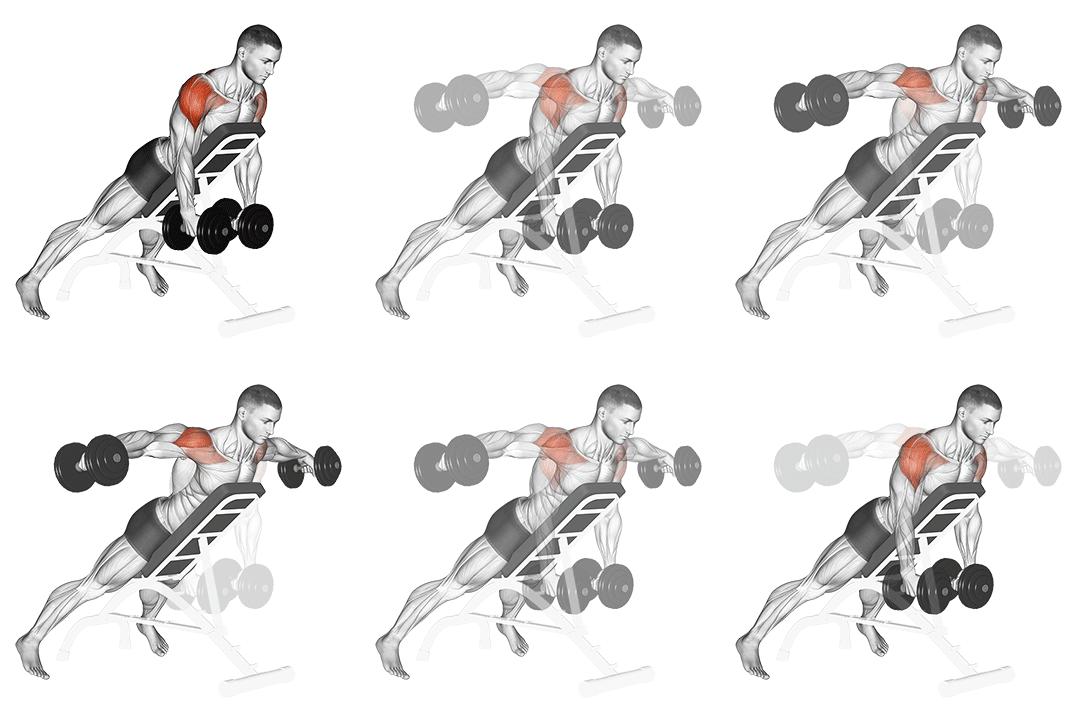
7. Dumbbell Incline Rear Lateral Raise
74.7% MatchHow to perform this exercise
- Set up an incline bench at a 45-degree angle.
- Sit on the bench with your chest against the backrest and hold a dumbbell in each hand.
- Extend your arms straight down with your palms facing each other.
- Keeping a slight bend in your elbows, raise your arms out to the sides until they are parallel to the ground.
- Pause for a moment at the top, then slowly lower your arms back down to the starting position.
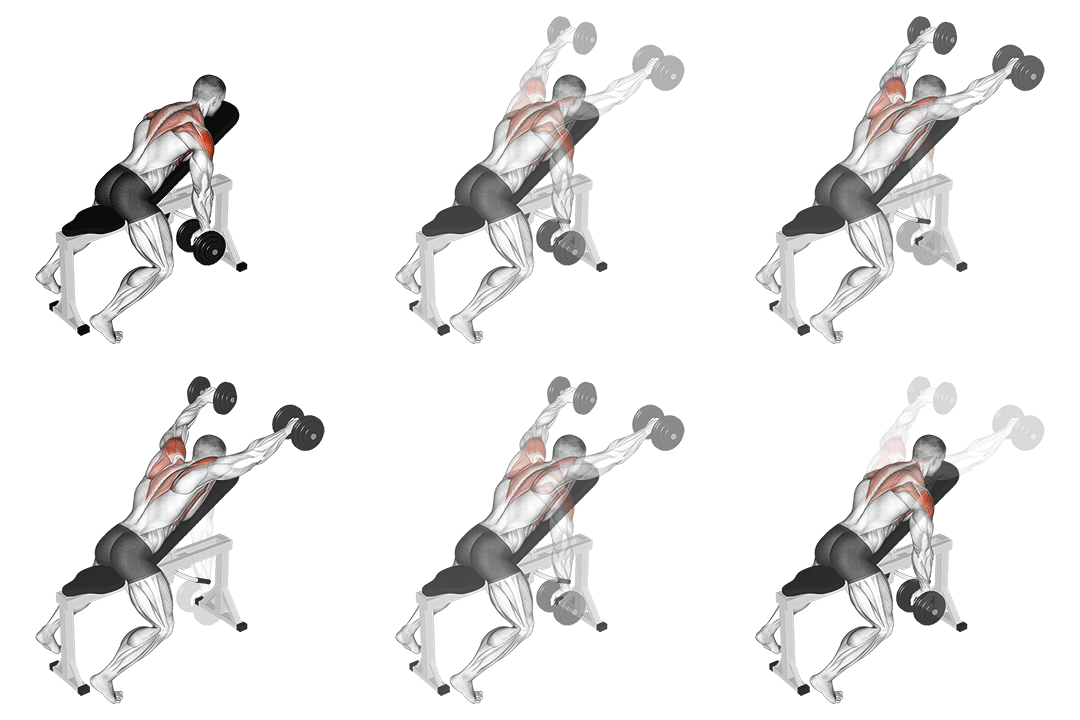
8. Dumbbell Incline Y-raise
74.7% MatchHow to perform this exercise
- Set an incline bench to a 45-degree angle and sit on it with a dumbbell in each hand, palms facing inwards.
- Lean forward slightly and let your arms hang straight down, keeping a slight bend in your elbows.
- Raise your arms out to the sides and up in a Y shape until they are parallel to the ground.
- Pause for a moment at the top, then slowly lower your arms back down to the starting position.
- Repeat for the desired number of repetitions.
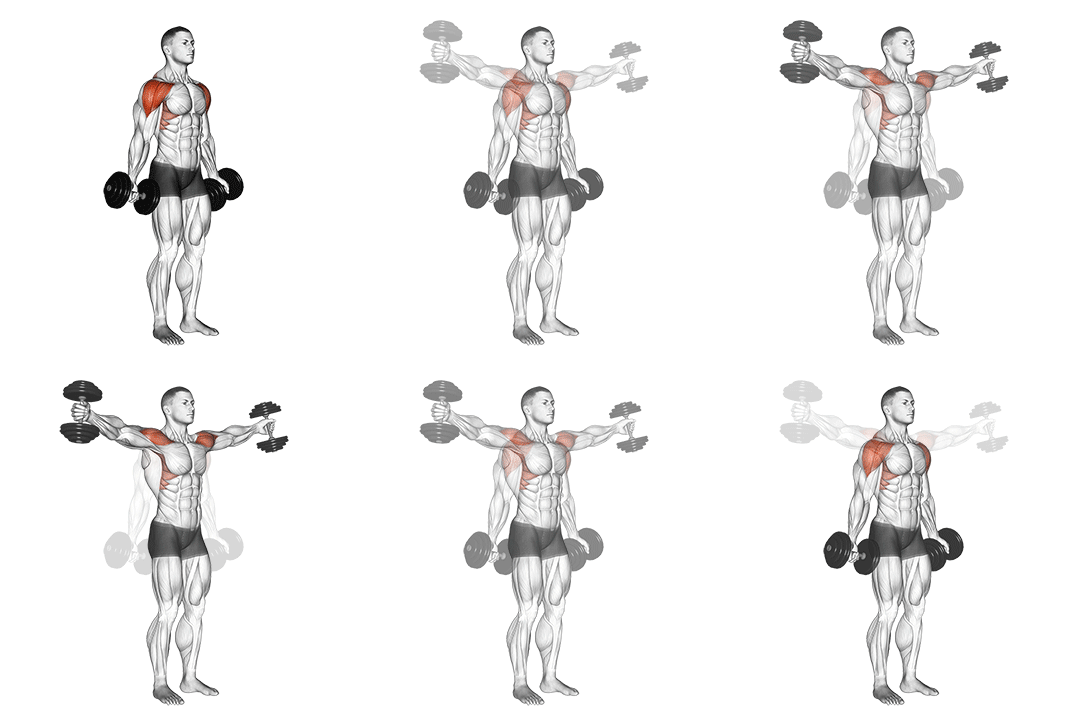
9. Dumbbell Full Can Lateral Raise
74.4% MatchHow to perform this exercise
- Stand with your feet shoulder-width apart, holding a dumbbell in each hand with your palms facing your body.
- Keep your back straight and engage your core.
- Raise your arms out to the sides, keeping a slight bend in your elbows, until they are parallel to the ground.
- Pause for a moment at the top, then slowly lower your arms back down to the starting position.
- Repeat for the desired number of repetitions.
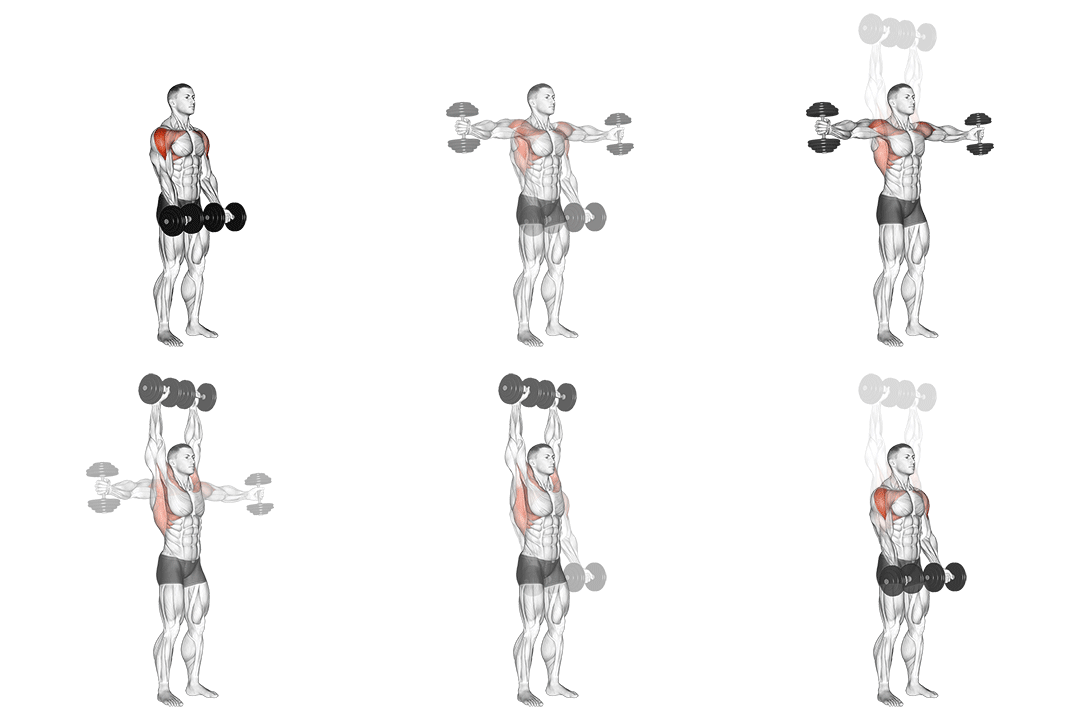
10. Dumbbell Standing Around World
74.4% MatchHow to perform this exercise
- Stand with your feet shoulder-width apart and hold a dumbbell in each hand.
- Extend your arms straight out to the sides at shoulder height, palms facing down.
- Keeping your arms straight, slowly rotate your arms in a circular motion, bringing the dumbbells in front of your body and then overhead.
- Continue the circular motion, bringing the dumbbells back down to the starting position.
- Repeat for the desired number of repetitions.
Why You Might Need a Dumbbell Rear Fly Alternative
You might substitute the Dumbbell Rear Fly for several reasons: shoulder pain from poor rotator cuff control, lack of dumbbells, or a need for better scapular stability and overload options. Alternatives let you adjust loading planes and external rotation torque to protect the glenohumeral joint while still activating the posterior deltoid, mid-trapezius, and rhomboids. For example, face pulls shift demand to external rotators and scapular retractors, reducing shear on the joint. Technique cue: keep the scapula pinched and avoid shrugging—this emphasizes deltoid activation over upper trap compensation.
How to Choose the Right Substitute
Pick a substitute based on equipment, shoulder mobility, and training goal. If you lack weights, choose band pull-aparts or prone T-raises to preserve horizontal abduction and scapular control. For heavy loading and progressive overload, use chest-supported rows or cable reverse flyes to limit lumbar involvement. Assess biomechanics: prefer moves that keep the humerus in slight external rotation and let you lead with the elbow to maximize posterior deltoid activation. Technique cue: control the eccentric phase and hold a 1-second squeeze at peak contraction to improve motor recruitment.
Frequently Asked Questions
What muscles does Dumbbell Rear Fly work?
The primary target is the posterior deltoid; secondary muscles include the middle trapezius, rhomboids, and external rotators (infraspinatus and teres minor). The movement emphasizes horizontal abduction and scapular retraction, so proper scapular control increases posterior delt activation and reduces upper trap dominance.
What is the best bodyweight alternative to Dumbbell Rear Fly?
Prone T-raises on the floor are an effective bodyweight substitute: lie face down, arms extended to form a 'T', and lift by pinching the shoulder blades together while keeping the neck neutral. Cue: lead with the elbows and hold the top position for one second to maximize posterior delt and scapular muscle recruitment.
Can I build muscle without doing Dumbbell Rear Fly?
Yes. You can build the posterior delts using other isolation and compound movements—face pulls, chest-supported rear delt rows, and horizontal rows all provide progressive overload. Focus on consistent loading, controlled eccentrics, and a deliberate squeeze at peak contraction to ensure muscle growth without the dumbbell rear fly.
More Exercise Alternatives
Find Alternatives for Any Exercise
Use our free tool to discover the best substitute exercises based on your available equipment and goals.
Try the Exercise Substitution Finder →