

10 Best Dumbbell Seated Lateral Raise Alternatives for Shoulders
If you can’t perform the dumbbell seated lateral raise, use standing dumbbell lateral raises, cable lateral raises, machine lateral raises, banded side raises, or incline lateral raises. Cue: keep a 10–20° bend at the elbow, lead with the elbow rather than the hand, and control a 1–2 second eccentric to emphasize the lateral deltoid.
Original Exercise: Dumbbell Seated Lateral Raise
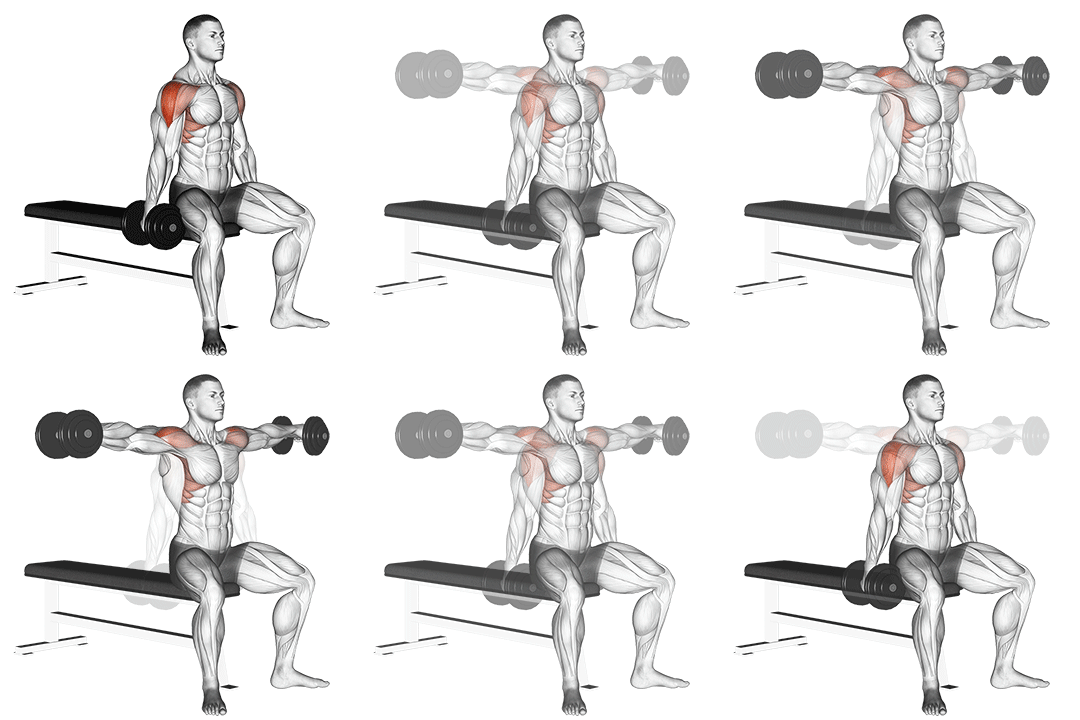
How to Perform Dumbbell Seated Lateral Raise
- Sit on a bench with your feet flat on the ground and a dumbbell in each hand, resting on your thighs.
- Keep your back straight and core engaged.
- Raise the dumbbells to your sides with a slight bend in your elbows, until your arms are parallel to the ground.
- Pause for a moment at the top, then slowly lower the dumbbells back down to the starting position.
- Repeat for the desired number of repetitions.
Best Dumbbell Seated Lateral Raise Alternatives
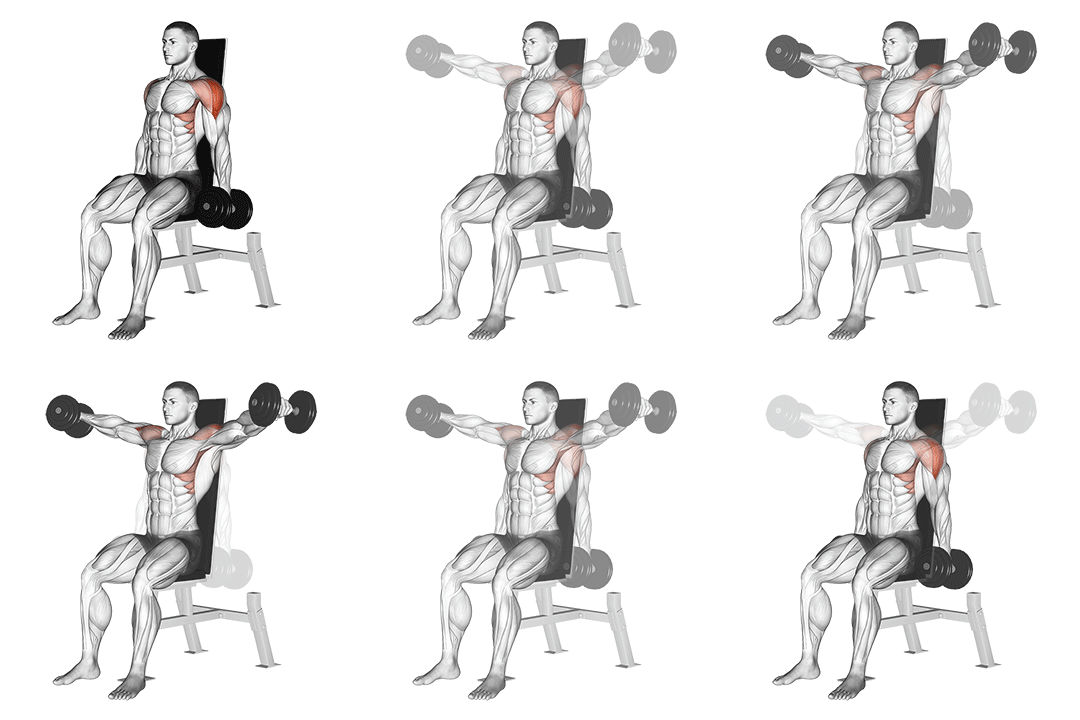
1. Dumbbell Seated Lateral Raise V. 2
99.9% MatchHow to perform this exercise
- Sit on a bench with your feet flat on the ground and a dumbbell in each hand, resting on your thighs.
- Keep your back straight and core engaged.
- Raise the dumbbells to your sides with a slight bend in your elbows, until your arms are parallel to the ground.
- Pause for a moment at the top, then slowly lower the dumbbells back down to the starting position.
- Repeat for the desired number of repetitions.
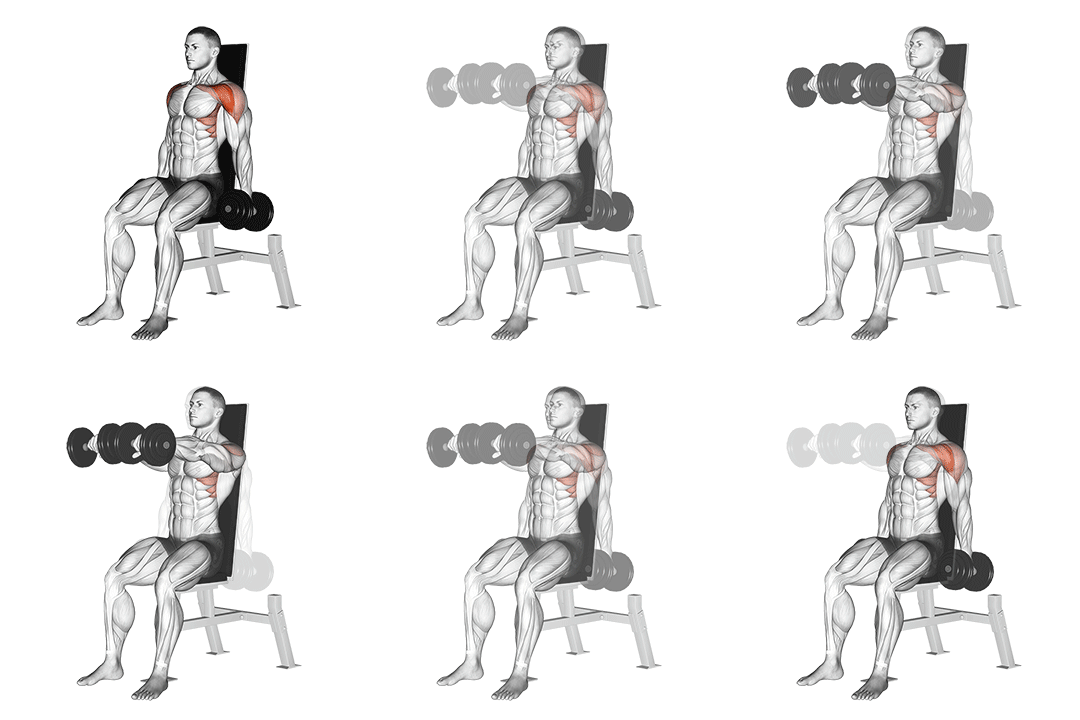
2. Dumbbell Seated Front Raise
90.4% MatchHow to perform this exercise
- Sit on a bench with your feet flat on the ground and a dumbbell in each hand, resting on your thighs.
- Keep your back straight and core engaged.
- Raise the dumbbells in front of you, with your palms facing down, until they are at shoulder level.
- Pause for a moment at the top, then slowly lower the dumbbells back down to the starting position.
- Repeat for the desired number of repetitions.
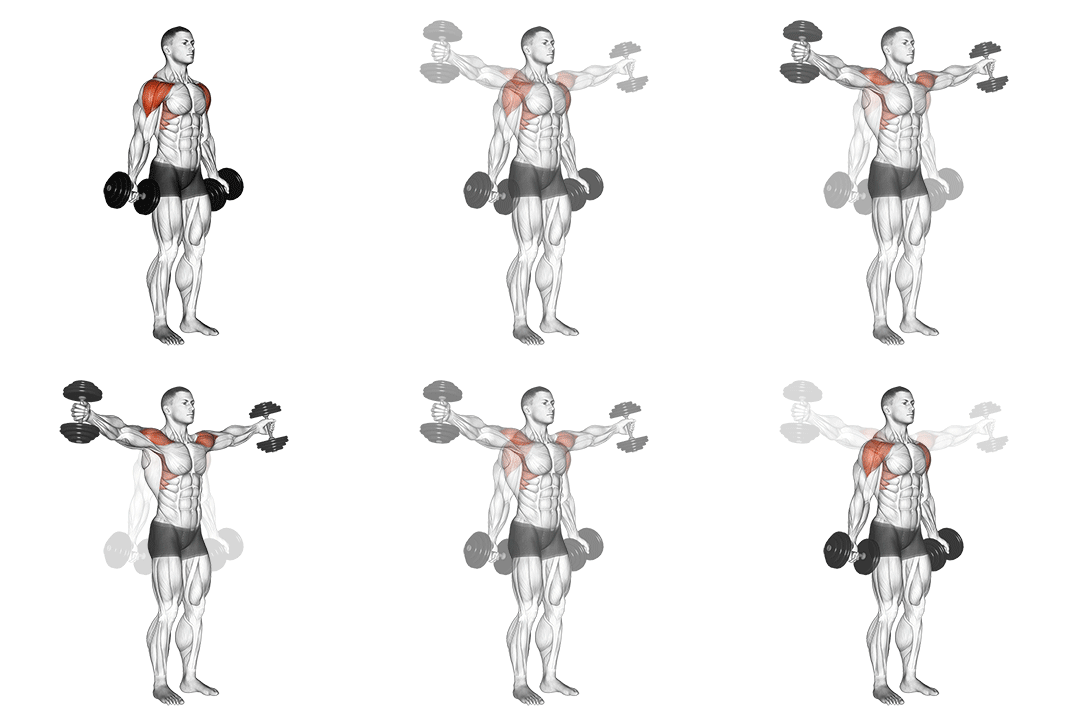
3. Dumbbell Full Can Lateral Raise
89.1% MatchHow to perform this exercise
- Stand with your feet shoulder-width apart, holding a dumbbell in each hand with your palms facing your body.
- Keep your back straight and engage your core.
- Raise your arms out to the sides, keeping a slight bend in your elbows, until they are parallel to the ground.
- Pause for a moment at the top, then slowly lower your arms back down to the starting position.
- Repeat for the desired number of repetitions.
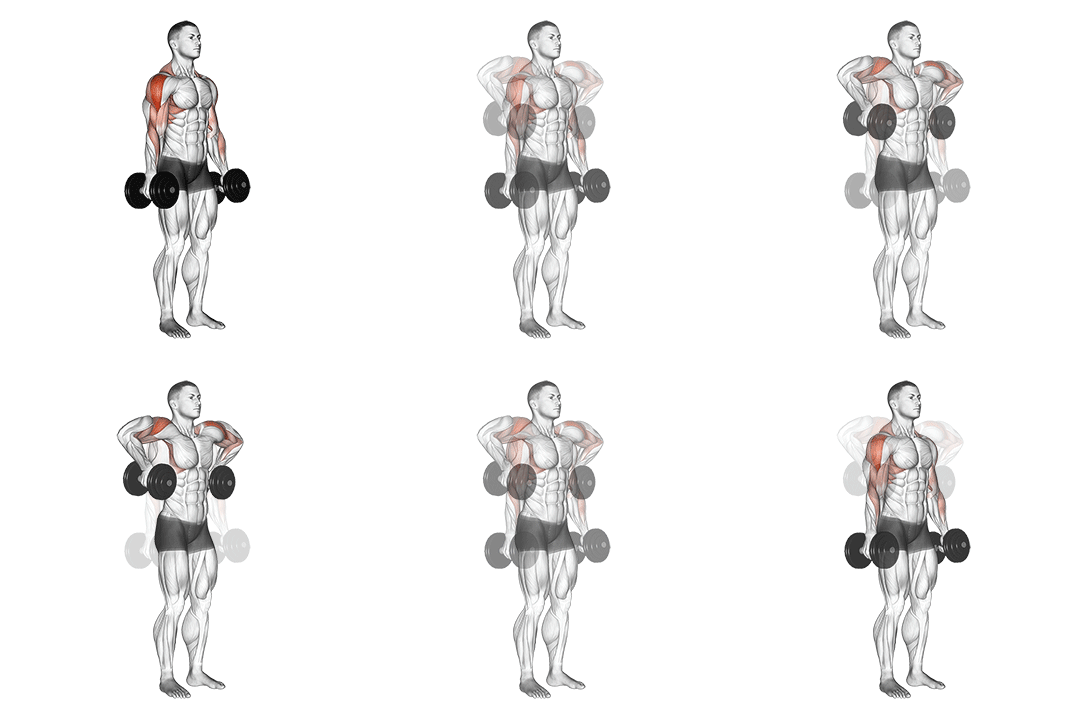
4. Dumbbell Raise
85.9% MatchHow to perform this exercise
- Stand with your feet shoulder-width apart and hold a dumbbell in each hand, palms facing your body.
- Keep your back straight and engage your core.
- Raise your arms out to the sides until they are parallel to the floor, keeping a slight bend in your elbows.
- Pause for a moment at the top, then slowly lower your arms back down to the starting position.
- Repeat for the desired number of repetitions.
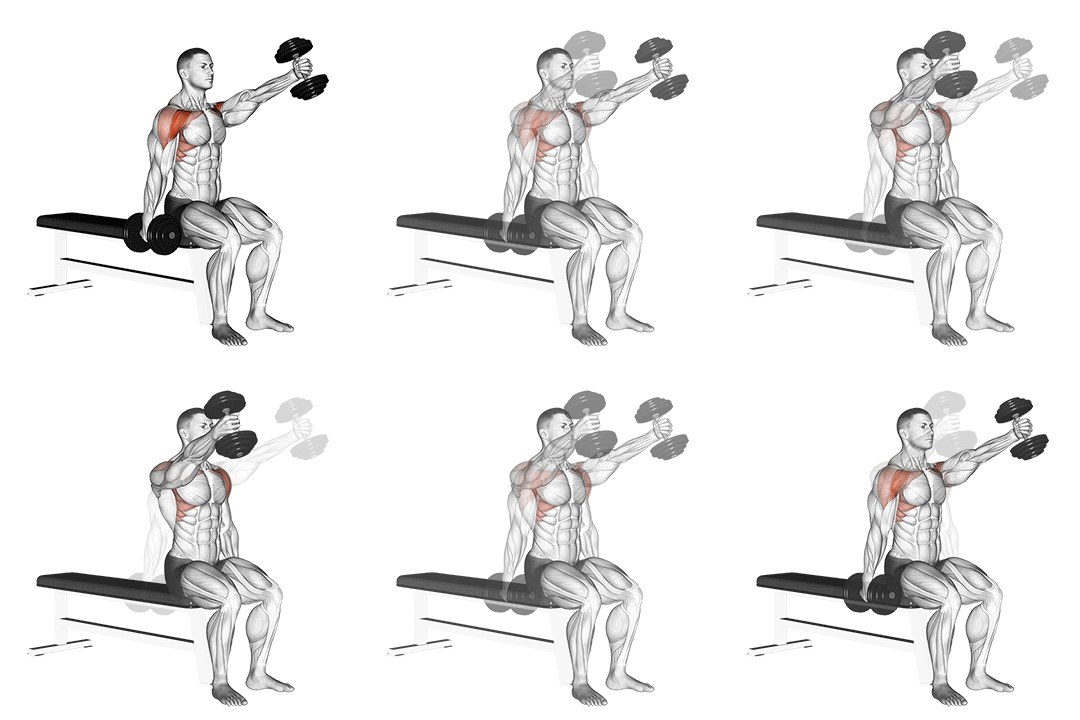
5. Dumbbell Seated Alternate Front Raise
83.4% MatchHow to perform this exercise
- Sit on a bench with your back straight and feet flat on the ground.
- Hold a dumbbell in each hand with your palms facing your body and arms extended down by your sides.
- Keeping your arms straight, raise one dumbbell in front of you until it is parallel to the ground.
- Pause for a moment at the top, then slowly lower the dumbbell back down to the starting position.
- Repeat with the other arm.
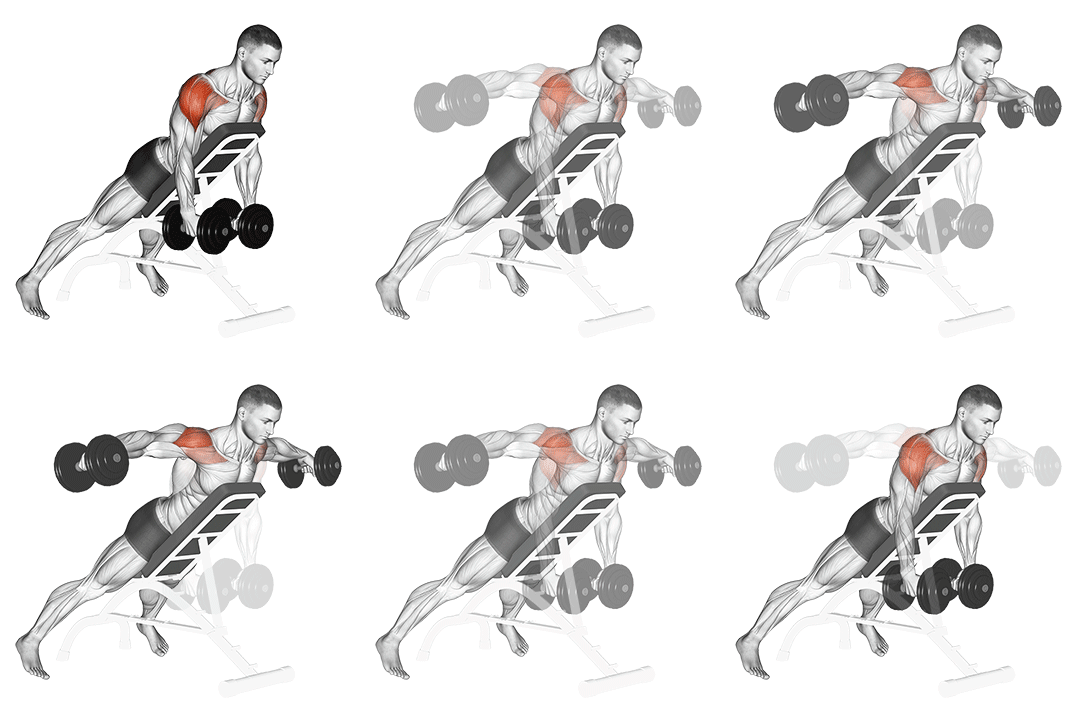
6. Dumbbell Incline Rear Lateral Raise
82% MatchHow to perform this exercise
- Set up an incline bench at a 45-degree angle.
- Sit on the bench with your chest against the backrest and hold a dumbbell in each hand.
- Extend your arms straight down with your palms facing each other.
- Keeping a slight bend in your elbows, raise your arms out to the sides until they are parallel to the ground.
- Pause for a moment at the top, then slowly lower your arms back down to the starting position.
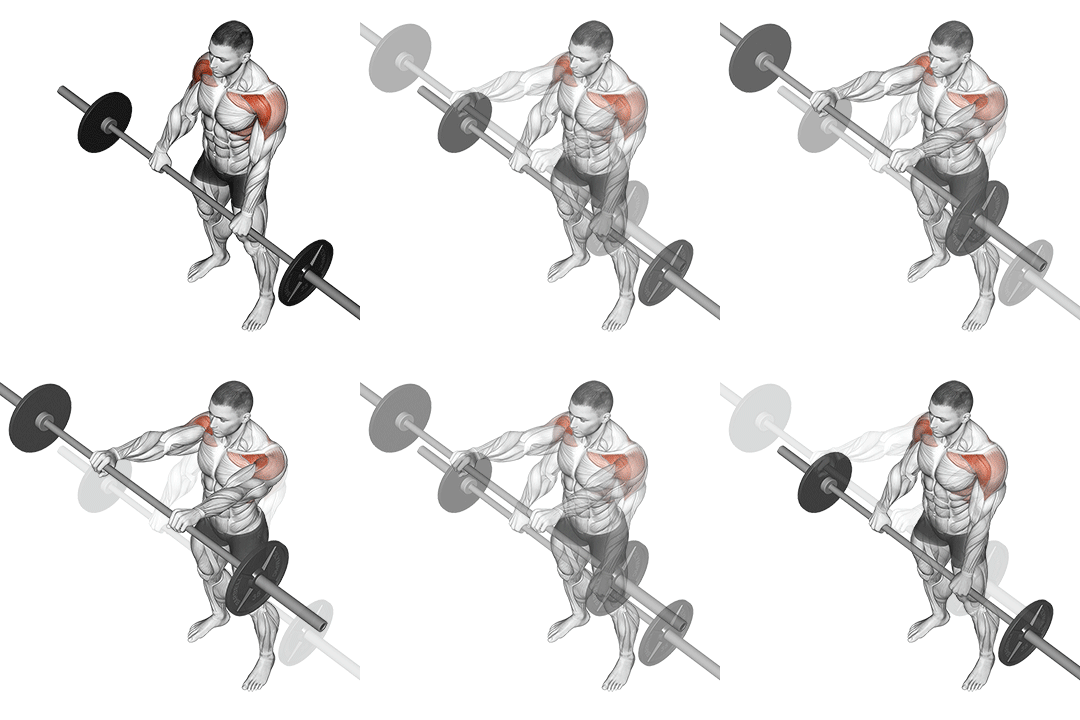
7. Barbell Front Raise
81.7% MatchHow to perform this exercise
- Stand with your feet shoulder-width apart and hold a barbell in front of your thighs with an overhand grip.
- Keep your arms straight and lift the barbell forward and upward until it reaches shoulder level.
- Pause for a moment at the top, then slowly lower the barbell back down to the starting position.
- Repeat for the desired number of repetitions.
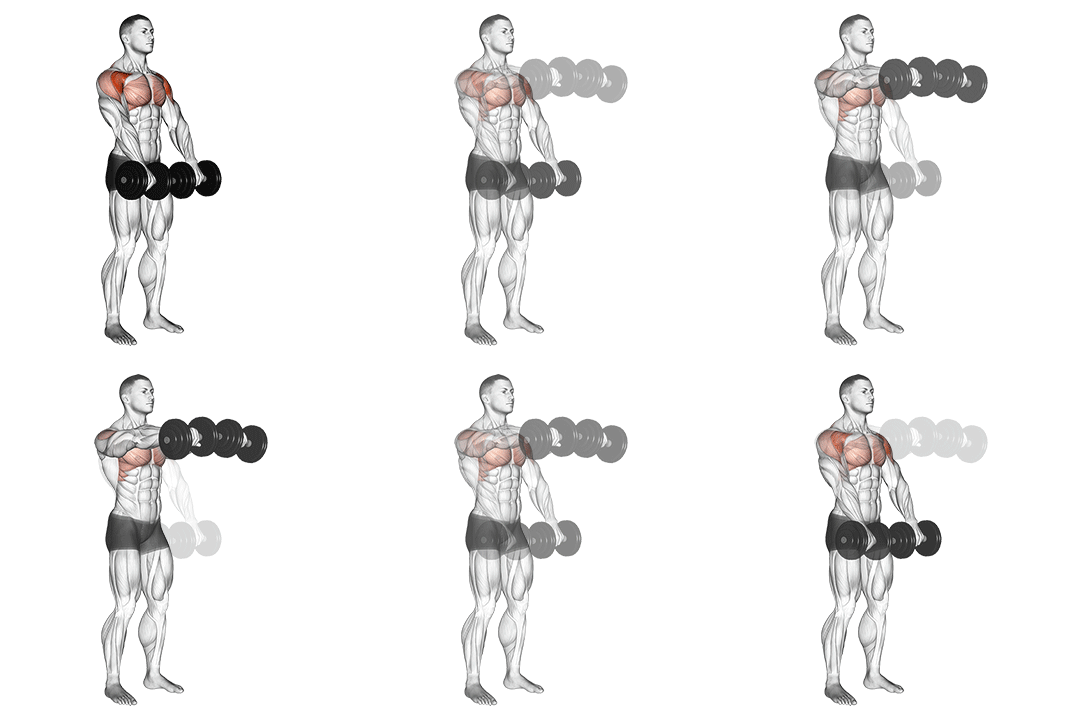
8. Dumbbell Front Raise
80.9% MatchHow to perform this exercise
- Stand with your feet shoulder-width apart, holding a dumbbell in each hand with your palms facing your thighs.
- Keeping your arms straight, exhale and lift the dumbbells in front of you until they are at shoulder level.
- Pause for a moment at the top, then inhale and slowly lower the dumbbells back down to the starting position.
- Repeat for the desired number of repetitions.
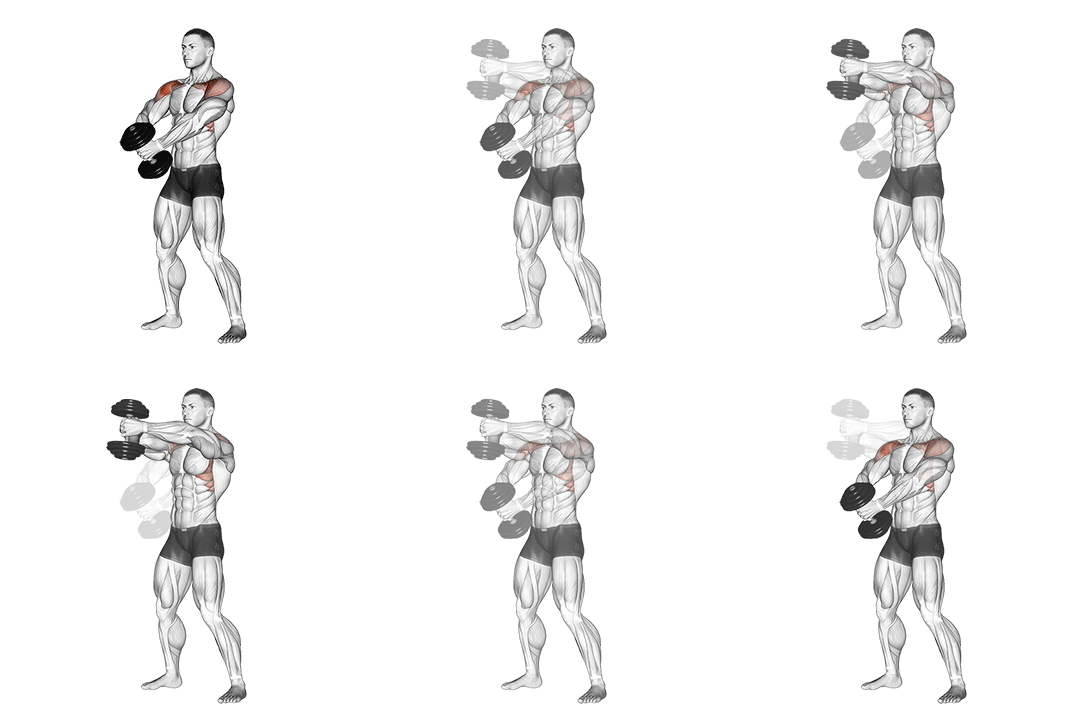
9. Dumbbell Front Raise V. 2
80.9% MatchHow to perform this exercise
- Stand with your feet shoulder-width apart, holding a dumbbell in each hand with your palms facing your thighs.
- Keep your back straight and engage your core.
- Slowly lift the dumbbells in front of you, with your arms straight, until they are at shoulder level.
- Pause for a moment at the top, then slowly lower the dumbbells back down to the starting position.
- Repeat for the desired number of repetitions.
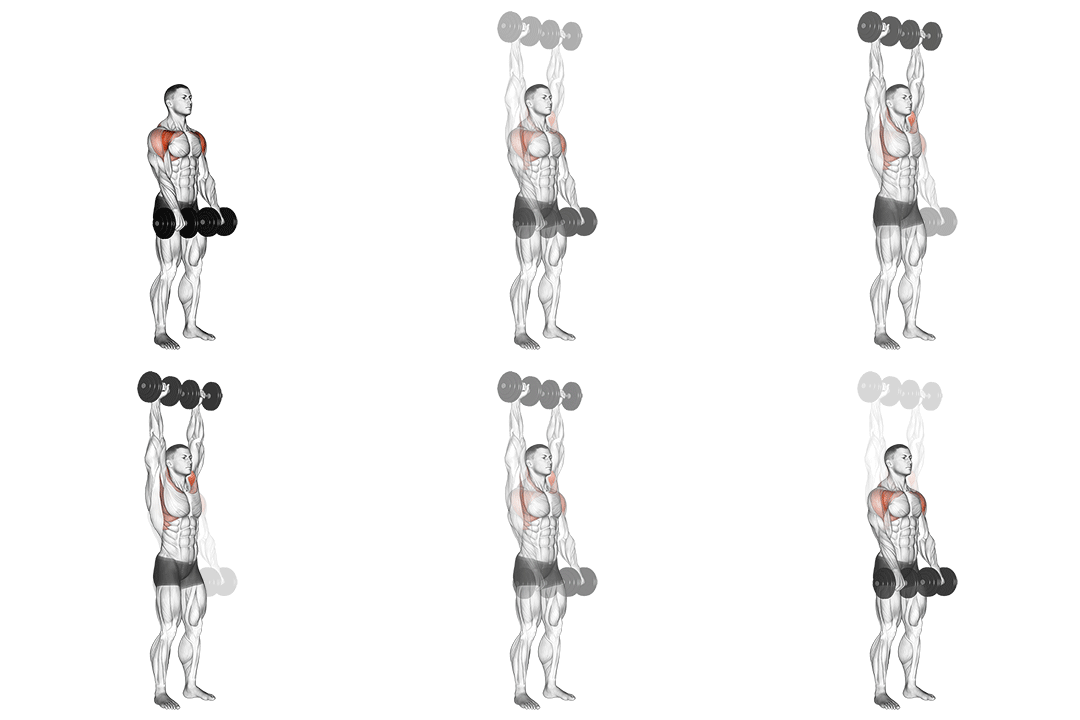
10. Dumbbell Standing Front Raise Above Head
80.9% MatchHow to perform this exercise
- Stand with your feet shoulder-width apart, holding a dumbbell in each hand with an overhand grip.
- Keep your arms straight and lift the dumbbells in front of you, raising them above your head.
- Pause for a moment at the top, then slowly lower the dumbbells back to the starting position.
- Repeat for the desired number of repetitions.
Why You Might Need a Dumbbell Seated Lateral Raise Alternative
You might substitute the seated lateral raise for several reasons: shoulder pain or impingement, limited dumbbell availability, or a desire for different tension profiles. Seated raises reduce trunk momentum and isolate the middle deltoid; alternatives change lever arm, continuous tension, or range of motion. For example, cables provide constant tension through the arc while bands alter resistance end-range. If impingement occurs, shift the movement to the scapular plane and use a neutral grip to decrease supraspinatus compression. Technique cue: keep the scapula stable, hinge slightly at the shoulder (10–45° scapular plane), and maintain a soft elbow to maximize medial deltoid activation and protect the joint.
How to Choose the Right Substitute
Choose a substitute based on equipment, pain, and training goal. If you need strict isolation and minimal momentum, pick a machine lateral raise and keep the torso braced; cue: sit tall and stop at shoulder height. For continuous tension, use a cable lateral raise with a palm-down finish and a slow 2-second eccentric. If you lack weights, use resistance bands and focus on even tension through the arc. For rehab or impingement, select scapular-plane raises and reduce ROM until pain-free. Prioritize variations that let you maintain a 10–20° elbow bend and stable scapula so the lateral deltoid bears the load.
Frequently Asked Questions
What muscles does Dumbbell Seated Lateral Raise work?
The seated lateral raise primarily targets the lateral (middle) deltoid, with secondary assistance from the anterior and posterior deltoid fibers and the upper trapezius. Seated positioning reduces hip and trunk drive, increasing middle deltoid isolation; cue: keep elbows slightly bent and lift to shoulder level.
What is the best bodyweight alternative to Dumbbell Seated Lateral Raise?
A practical bodyweight option is an isometric lateral abduction against a wall: stand side-on, abduct the arm to ~90°, palm facing down, press into the wall and hold. This creates middle deltoid tension without load; cue: maintain scapular neutrality and a 10–20° elbow bend.
Can I build muscle without doing Dumbbell Seated Lateral Raise?
Yes. You can develop the lateral deltoid with cables, machines, bands, incline lateral raises, or progressive overload through tempo and volume. Focus on consistent tension, proper elbow position, and gradual load increases while keeping the scapula stable to stimulate hypertrophy.
More Exercise Alternatives
Find Alternatives for Any Exercise
Use our free tool to discover the best substitute exercises based on your available equipment and goals.
Try the Exercise Substitution Finder →