

5 Dumbbell Standing One Arm Extension Alternatives for Limited Gear
If you can’t perform the Dumbbell Standing One Arm Extension, use exercises that replicate elbow extension while minimizing shoulder compensation. Effective swaps include skull crushers, cable overhead extensions, rope pushdowns, close-grip bench press, and bench dips. Cue: keep the upper arm still and extend the forearm to full lockout on each rep to target the triceps.
Original Exercise: Dumbbell Standing One Arm Extension
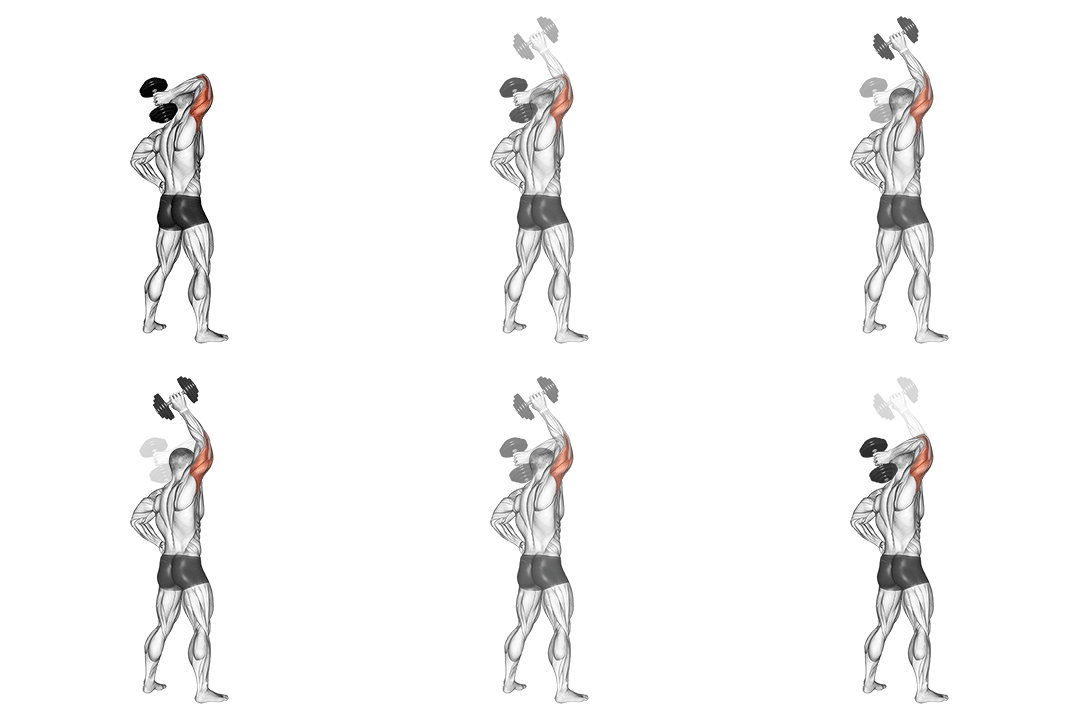
How to Perform Dumbbell Standing One Arm Extension
- Stand with your feet shoulder-width apart, holding a dumbbell in one hand.
- Raise the dumbbell overhead, fully extending your arm.
- Keep your upper arm close to your head and perpendicular to the ground.
- Slowly lower the dumbbell behind your head, bending your elbow.
- Pause for a moment, then raise the dumbbell back to the starting position.
- Repeat for the desired number of repetitions.
Best Dumbbell Standing One Arm Extension Alternatives
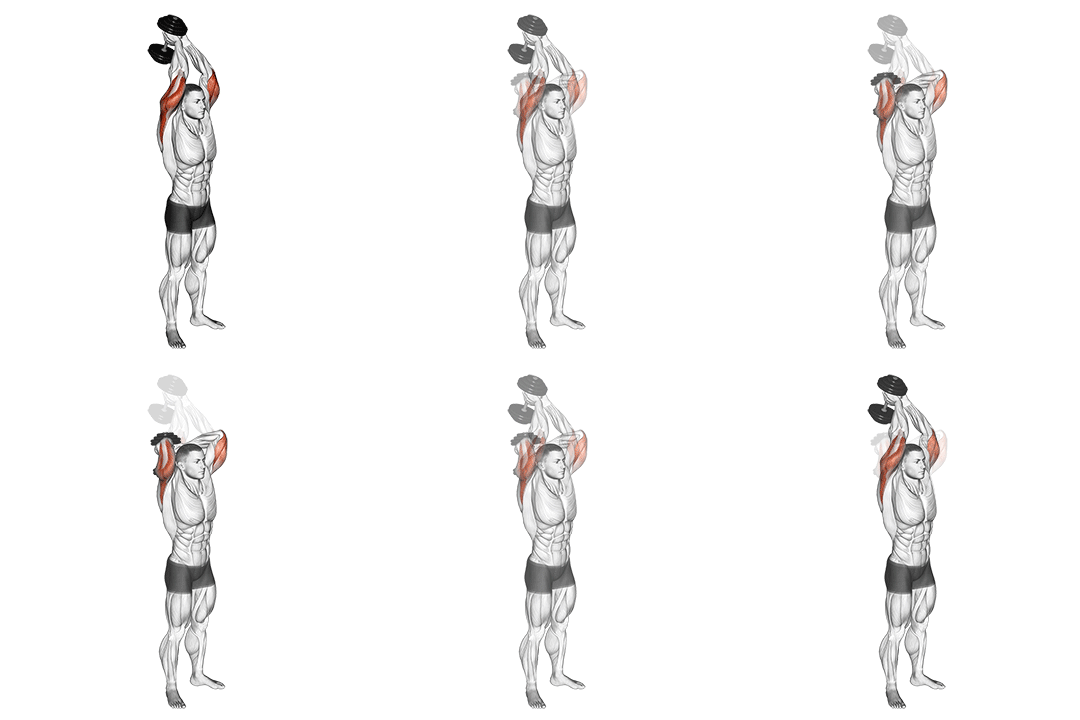
1. Dumbbell Standing Triceps Extension
93% MatchHow to perform this exercise
- Stand with your feet shoulder-width apart and hold a dumbbell in one hand.
- Raise the dumbbell overhead, keeping your arm straight.
- Bend your elbow and lower the dumbbell behind your head, keeping your upper arm stationary.
- Extend your arm back up to the starting position.
- Repeat for the desired number of repetitions.
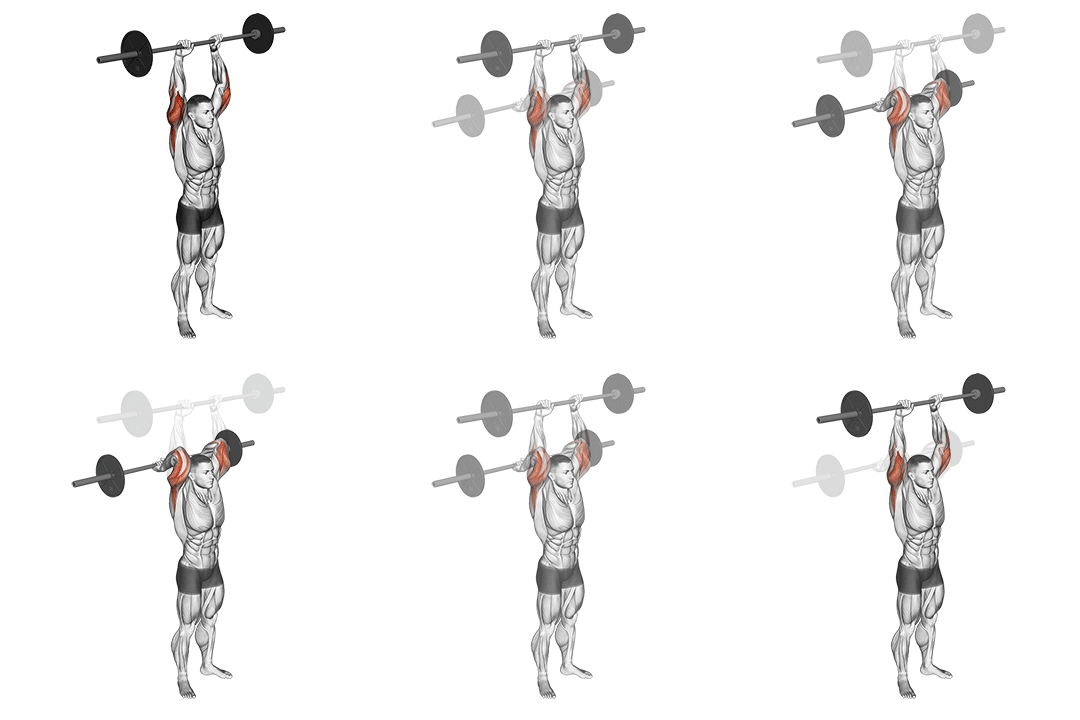
2. Barbell Standing Overhead Triceps Extension
89% MatchHow to perform this exercise
- Stand with your feet shoulder-width apart and hold a barbell with an overhand grip.
- Raise the barbell overhead, fully extending your arms.
- Keeping your upper arms close to your head, slowly lower the barbell behind your head by bending your elbows.
- Pause for a moment, then raise the barbell back to the starting position by extending your arms.
- Repeat for the desired number of repetitions.
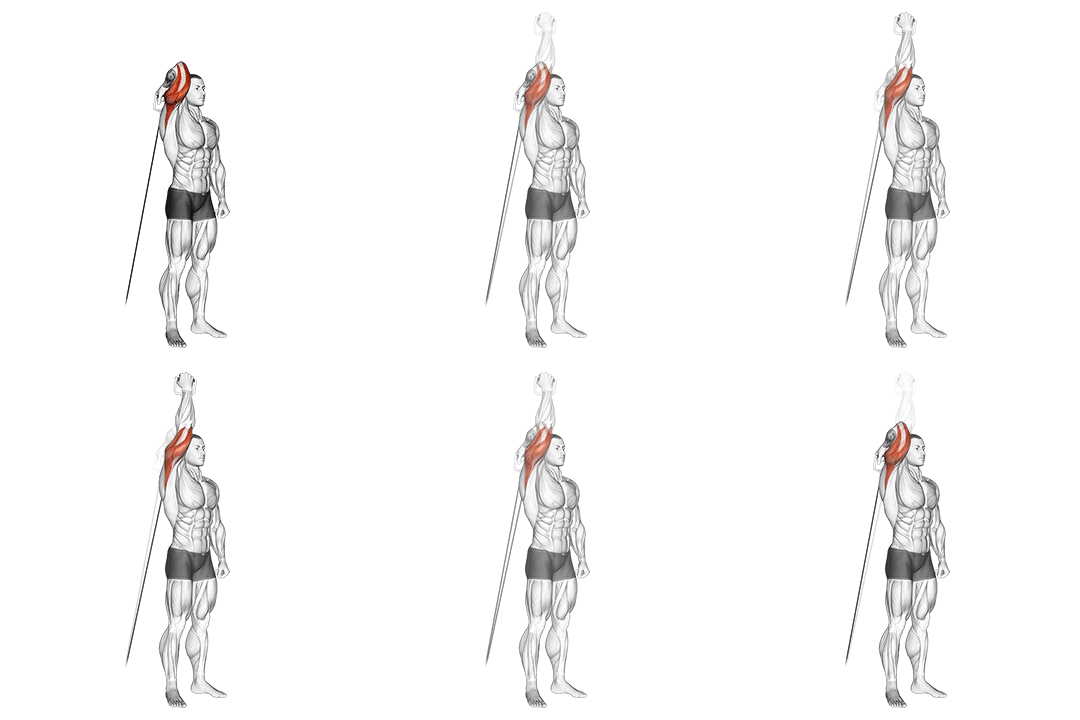
3. Cable Standing Reverse Grip One Arm Overhead Tricep Extension
84.4% MatchHow to perform this exercise
- Stand facing away from the cable machine with your feet shoulder-width apart.
- Hold the cable handle with an underhand grip and extend your arm overhead, keeping your elbow close to your head.
- Keep your upper arm stationary and slowly lower the cable handle behind your head by bending your elbow.
- Pause for a moment at the bottom, then extend your arm back to the starting position.
- Repeat for the desired number of repetitions, then switch arms.
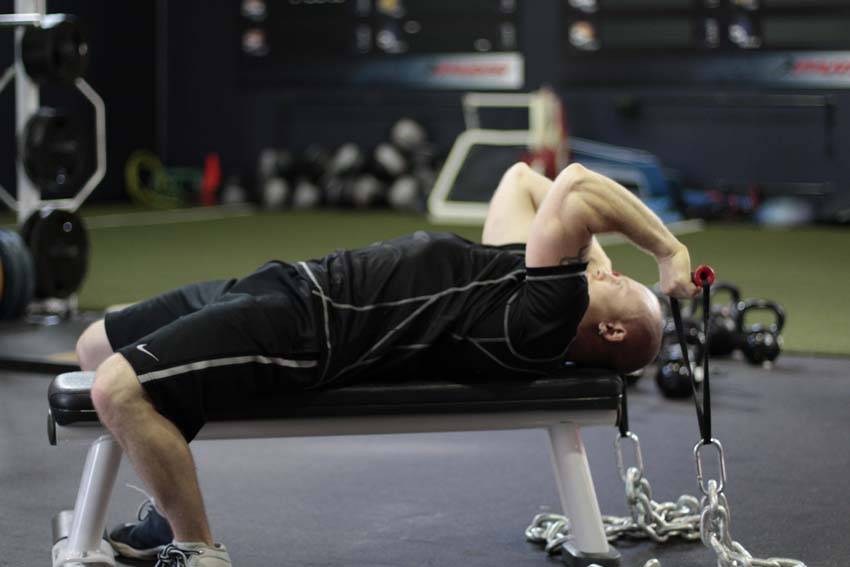
4. Chain Handle Extension
83.4% MatchHow to perform this exercise
- You will need two cable handle attachments and a flat bench, as well as chains, for this exercise. Clip the middle of the chains to the handles, and position yourself on the flat bench. Your elbows should be pointing straight up.
- Begin by extending through the elbow, keeping your upper arm still, with your wrists pronated.
- Pause at the lockout, and reverse the motion to return to the starting position.
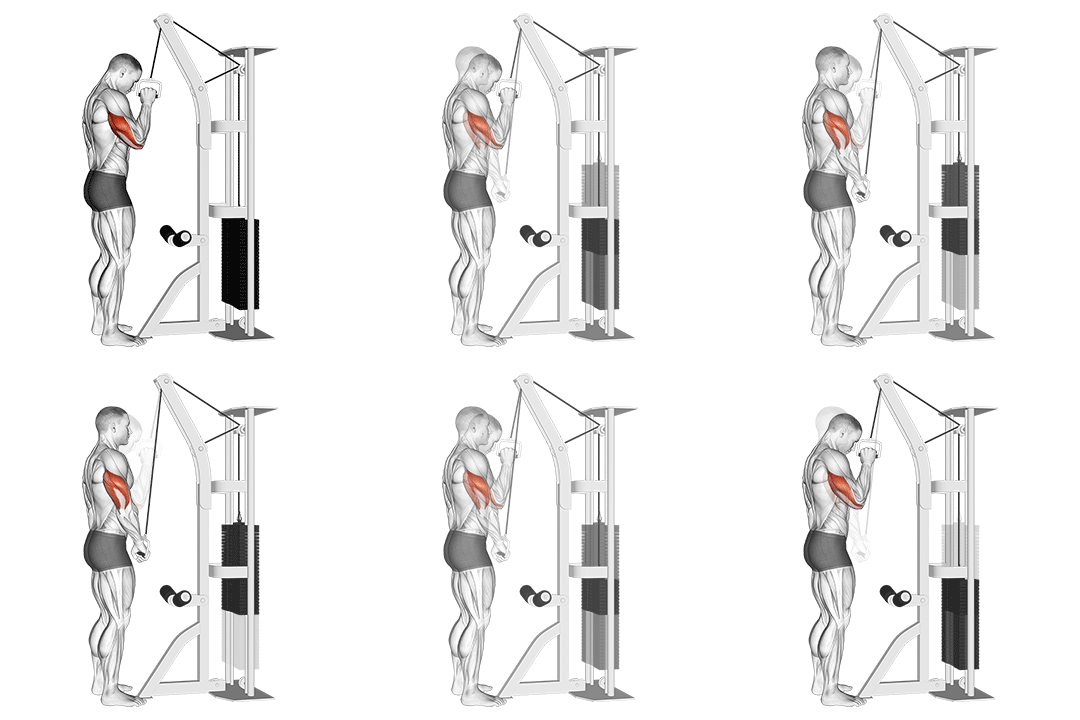
5. Cable One Arm Tricep Pushdown
83.1% MatchHow to perform this exercise
- Stand facing a cable machine with a straight bar attachment at chest height.
- Grasp the bar with an overhand grip and step back to create tension in the cable.
- Position your feet shoulder-width apart and slightly bend your knees.
- Keep your back straight and core engaged throughout the exercise.
- Start with your arm fully extended and perpendicular to the floor.
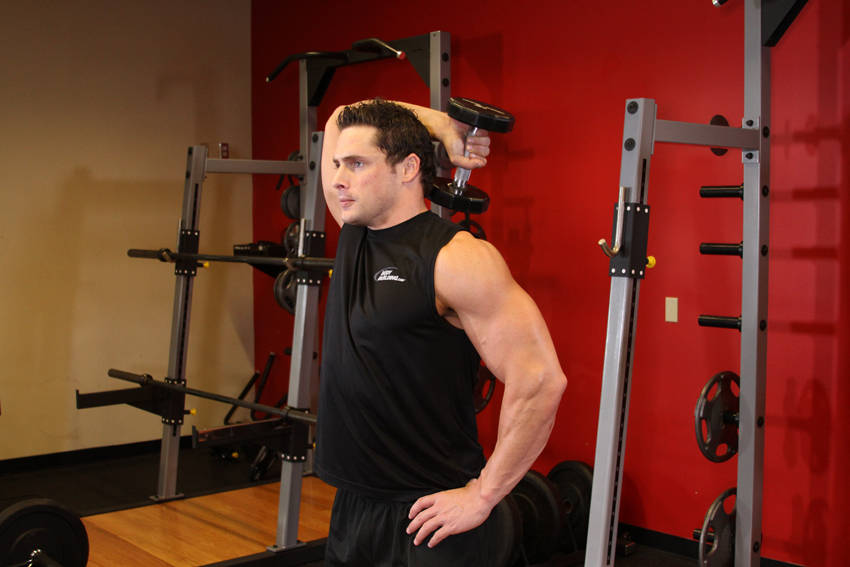
6. Dumbbell One-Arm Triceps Extension
82.9% MatchHow to perform this exercise
- Grab a dumbbell and either sit on a military press bench or a utility bench that has a back support on it as you place the dumbbells upright on top of your thighs or stand up straight.
- Clean the dumbbell up to bring it to shoulder height and then extend the arm over your head so that the whole arm is perpendicular to the floor and next to your head. The dumbbell should be on top of you. The other hand can be kept fully extended to the side, by the waist, supporting the upper arm that has the dumbbell or grabbing a fixed surface.
- Rotate the wrist so that the palm of your hand is facing forward and the pinkie is facing the ceiling. This will be your starting position.
- Slowly lower the dumbbell behind your head as you hold the upper arm stationary. Inhale as you perform this movement and pause when your triceps are fully stretched.
- Return to the starting position by flexing your triceps as you breathe out. Tip: It is imperative that only the forearm moves. The upper arm should remain at all times stationary next to your head.
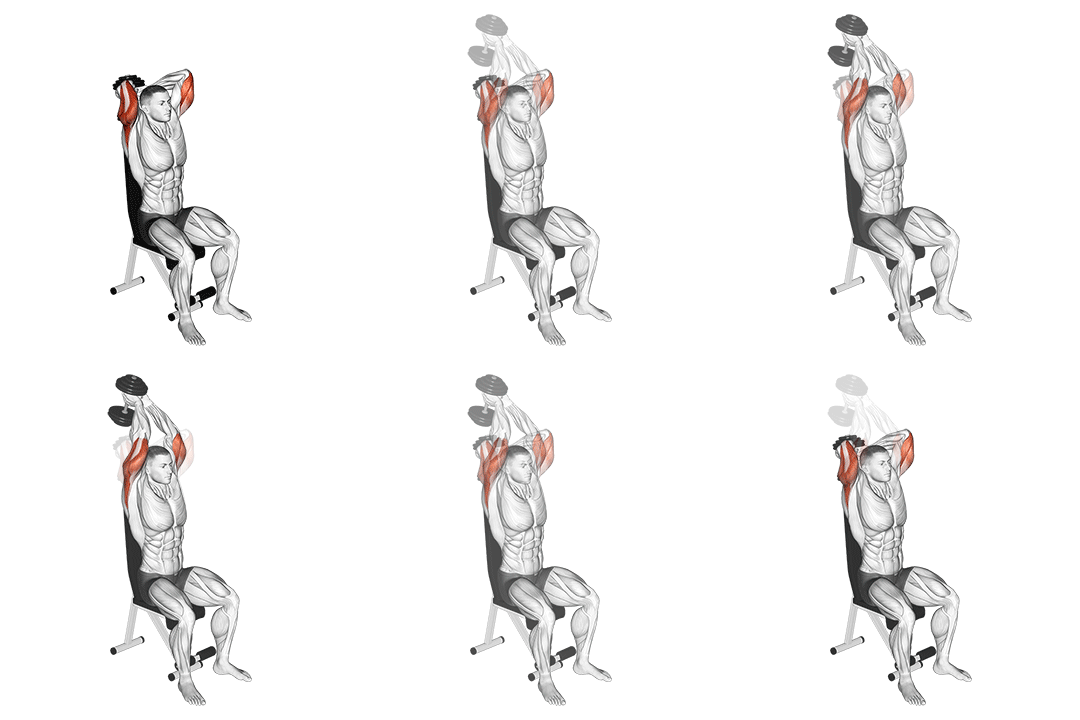
7. Dumbbell Seated Triceps Extension
82.9% MatchHow to perform this exercise
- Sit on a bench with your back straight and feet flat on the ground.
- Hold a dumbbell with both hands and extend your arms straight up overhead.
- Bend your elbows and lower the dumbbell behind your head, keeping your upper arms close to your ears.
- Pause for a moment, then straighten your arms and return to the starting position.
- Repeat for the desired number of repetitions.
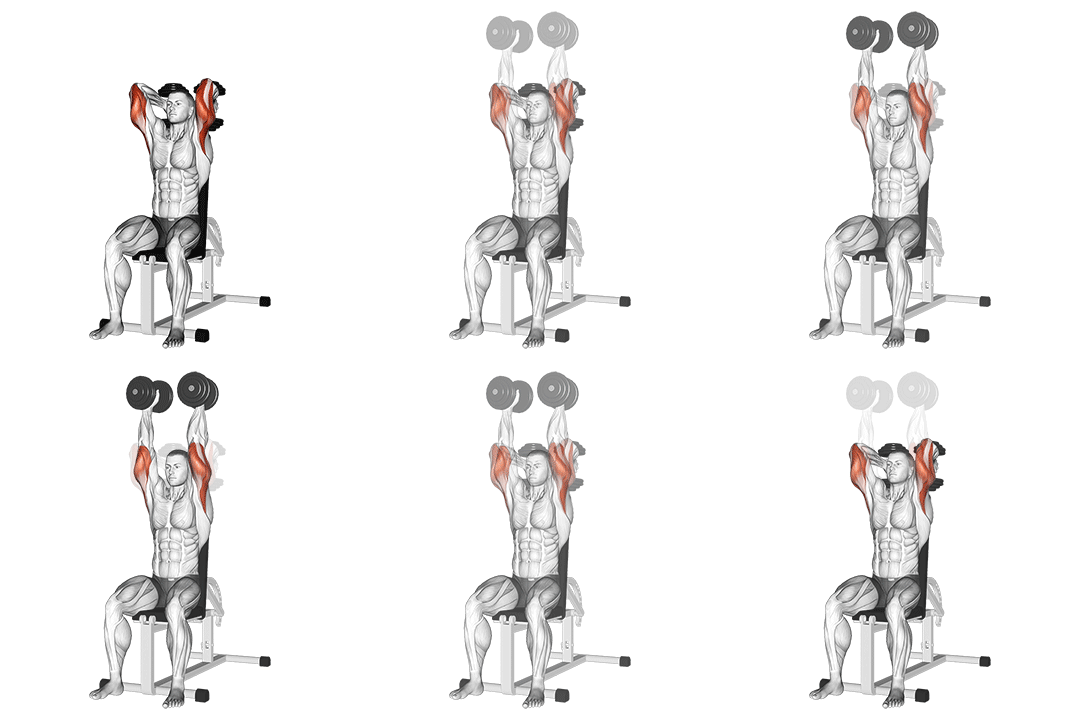
8. Dumbbells Seated Triceps Extension
82.9% MatchHow to perform this exercise
- Sit on a bench with your back straight and feet flat on the ground.
- Hold a dumbbell in both hands with an overhand grip, and raise it above your head.
- Bend your elbows and lower the dumbbell behind your head, keeping your upper arms close to your ears.
- Extend your arms and raise the dumbbell back to the starting position.
- Repeat for the desired number of repetitions.
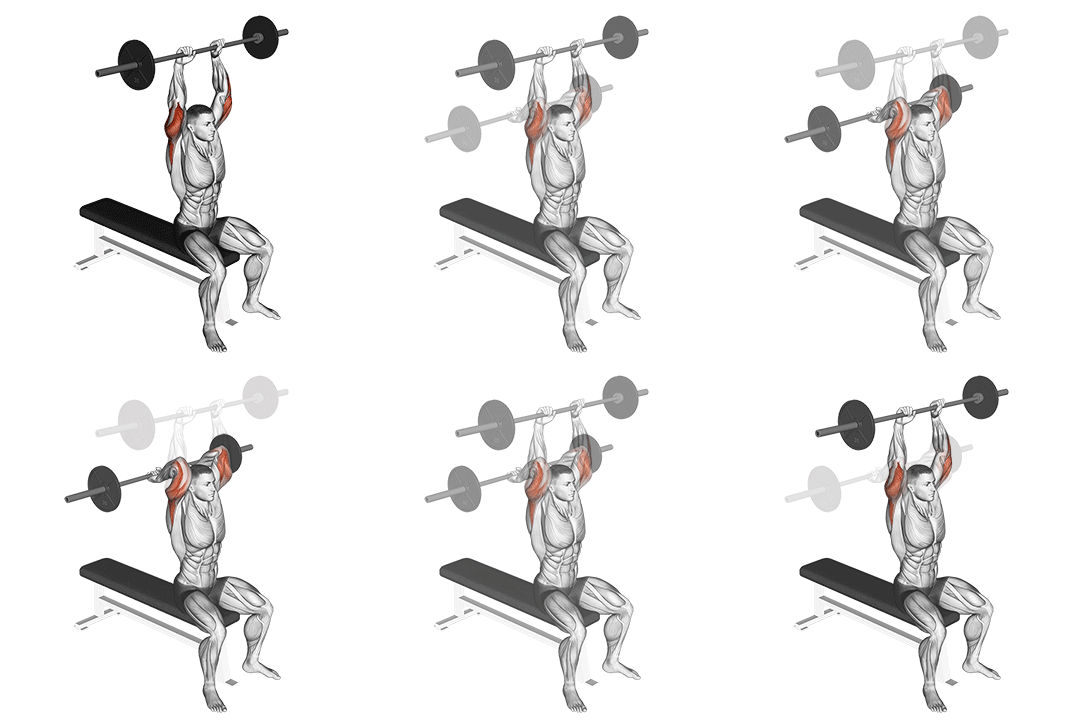
9. Barbell Seated Overhead Triceps Extension
78.1% MatchHow to perform this exercise
- Sit on a bench with your back straight and feet flat on the ground.
- Hold a barbell with an overhand grip, hands shoulder-width apart, and raise it overhead.
- Lower the barbell behind your head by bending your elbows, keeping your upper arms close to your head.
- Pause for a moment, then extend your arms to raise the barbell back to the starting position.
- Repeat for the desired number of repetitions.
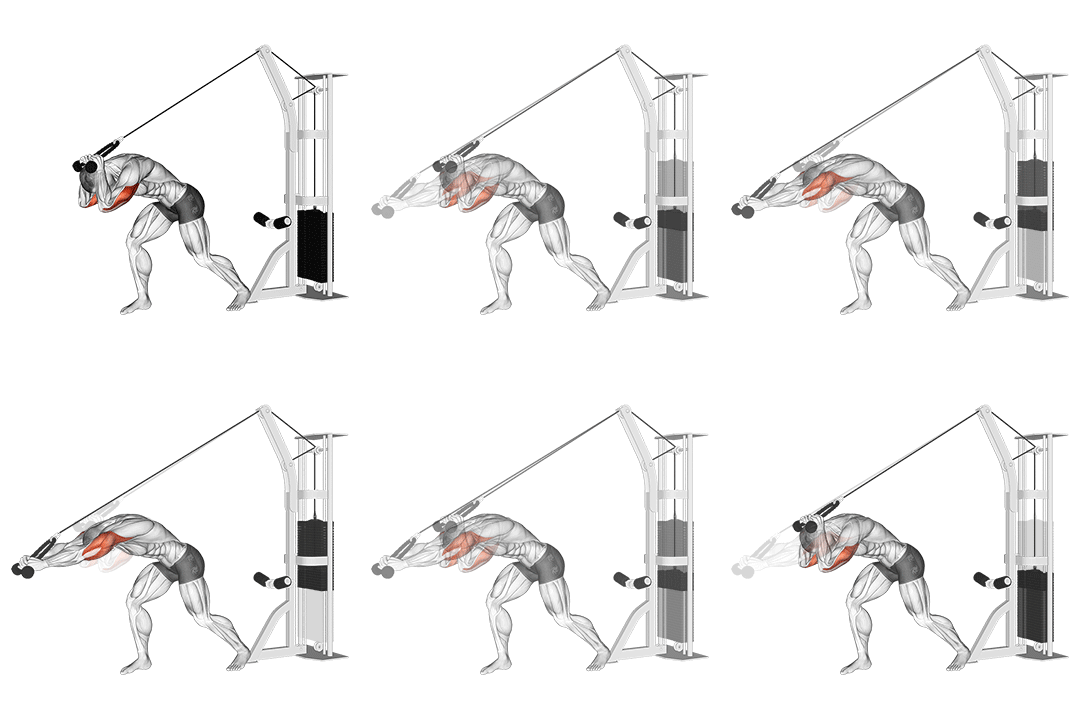
10. Cable Rope High Pulley Overhead Tricep Extension
77.4% MatchHow to perform this exercise
- Attach a rope to a high pulley and adjust the weight accordingly.
- Stand facing away from the pulley machine with your feet shoulder-width apart.
- Grasp the rope with both hands, palms facing down, and bring your hands above your head.
- Keep your upper arms close to your head and perpendicular to the floor.
- Slowly lower the rope behind your head by bending your elbows.
Why You Might Need a Dumbbell Standing One Arm Extension Alternative
You may substitute the Dumbbell Standing One Arm Extension for several reasons: wrist or elbow irritation from the dumbbell path, lack of a suitable dumbbell, or a desire for different loading patterns. Some alternatives reduce shoulder involvement and shift load across triceps heads; for example, overhead variations lengthen the long head via shoulder extension, while pushdowns emphasize the lateral head through a shorter moment arm. Rehabilitation or unilateral control needs also drive substitution — choose an exercise that keeps the elbow fixed and limits shoulder motion (cue: brace the scapula and avoid shoulder elevation) to preserve triceps activation without aggravating joints.
How to Choose the Right Substitute
Select a substitute based on equipment, pain, and your training goal. For pure isolation and long-head emphasis choose an overhead movement (cue: keep the humerus vertical and extend at the elbow). For higher loading and strength use close-grip presses to engage triceps under heavy load with stable shoulder mechanics. If you lack weights, use pushdowns or bodyweight variations for high-rep metabolic work (cue: control the eccentric and avoid elbow flare). Consider moment arm, range of motion, and whether you need unilateral control; pick the movement that reproduces the desired elbow-extension torque while keeping the shoulder stable.
Frequently Asked Questions
What muscles does Dumbbell Standing One Arm Extension work?
The exercise primarily targets the triceps brachii — long, lateral, and medial heads — through elbow extension. The long head is biased when the humerus is elevated; keep the upper arm stationary and extend the elbow to emphasize triceps activation.
What is the best bodyweight alternative to Dumbbell Standing One Arm Extension?
A close-grip (diamond) push-up is the top bodyweight alternative because it forces elbow extension under torso-loading and recruits the triceps. Cue: place hands under the sternum, keep elbows close to the ribs, and lower with a controlled eccentric to maximize triceps tension.
Can I build muscle without doing Dumbbell Standing One Arm Extension?
Yes. You can build triceps mass using a variety of movements that provide sufficient tension and progressive overload, such as skull crushers, pushdowns, and close-grip presses. Focus on full elbow extension, controlled eccentrics, and increasing load or volume over time to stimulate hypertrophy.
More Exercise Alternatives
Find Alternatives for Any Exercise
Use our free tool to discover the best substitute exercises based on your available equipment and goals.
Try the Exercise Substitution Finder →