

10 Best Dumbbell Standing Reverse Curl Alternatives for At-Home Training
If you can’t do the Dumbbell Standing Reverse Curl, use movements that reproduce the pronated elbow-flexion pattern: barbell reverse curl, EZ-bar reverse curl, hammer curl, cable reverse curl, or band reverse curl. Cue: keep elbows pinned, wrists neutral, and lower slowly to load the brachioradialis.
Original Exercise: Dumbbell Standing Reverse Curl
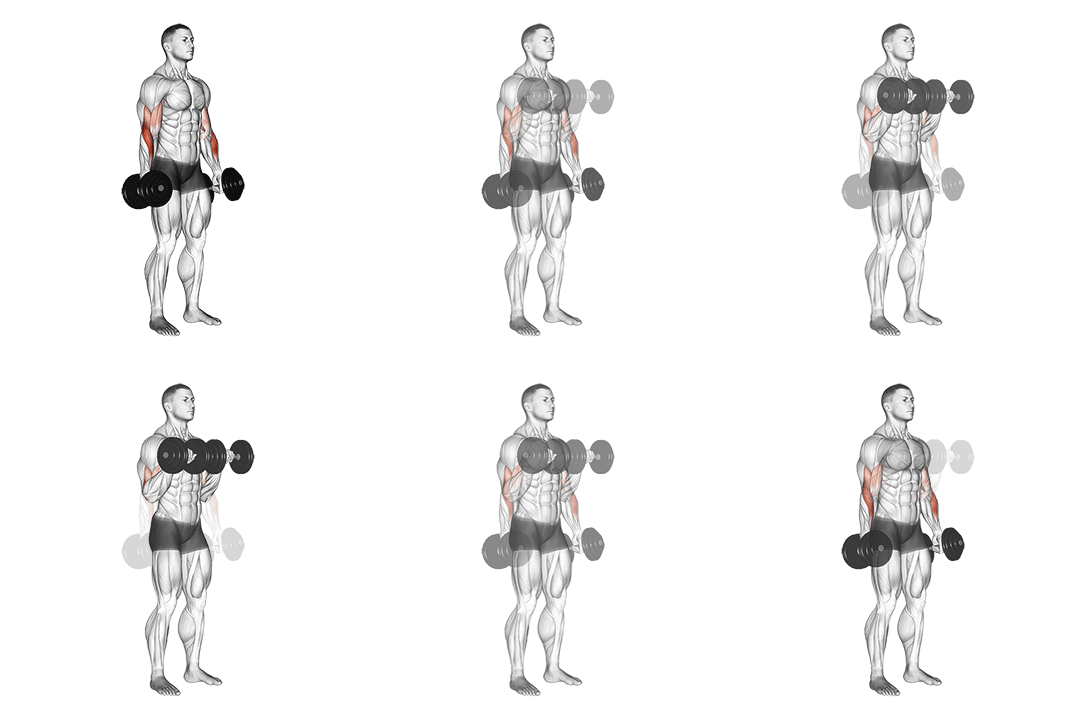
How to Perform Dumbbell Standing Reverse Curl
- Stand up straight with your feet shoulder-width apart and hold a dumbbell in each hand, palms facing your body.
- Keeping your upper arms stationary, exhale and curl the weights while contracting your biceps. Continue to raise the weights until your biceps are fully contracted and the dumbbells are at shoulder level.
- Hold the contracted position for a brief pause as you squeeze your biceps.
- Inhale and slowly begin to lower the dumbbells back to the starting position.
- Repeat for the desired number of repetitions.
Best Dumbbell Standing Reverse Curl Alternatives
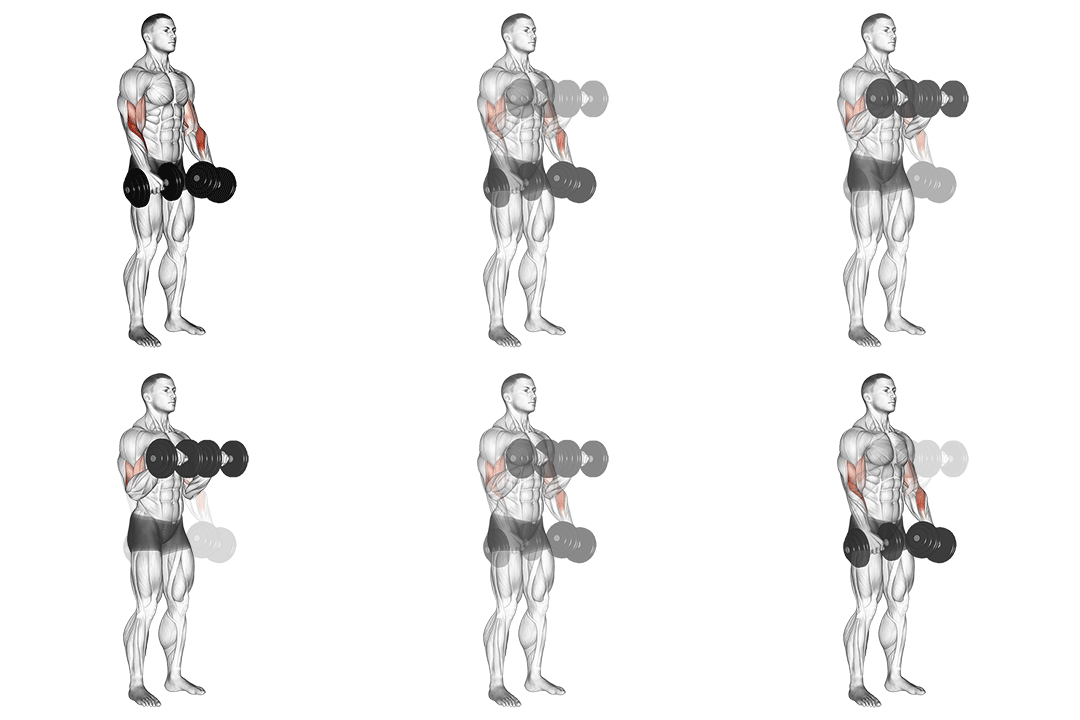
1. Dumbbell Revers Grip Biceps Curl
99.2% MatchHow to perform this exercise
- Stand up straight with a dumbbell in each hand, palms facing down and arms fully extended.
- Keeping your upper arms stationary, exhale and curl the weights while contracting your biceps.
- Continue to raise the weights until your biceps are fully contracted and the dumbbells are at shoulder level.
- Hold the contracted position for a brief pause as you squeeze your biceps.
- Inhale and slowly begin to lower the dumbbells back to the starting position.
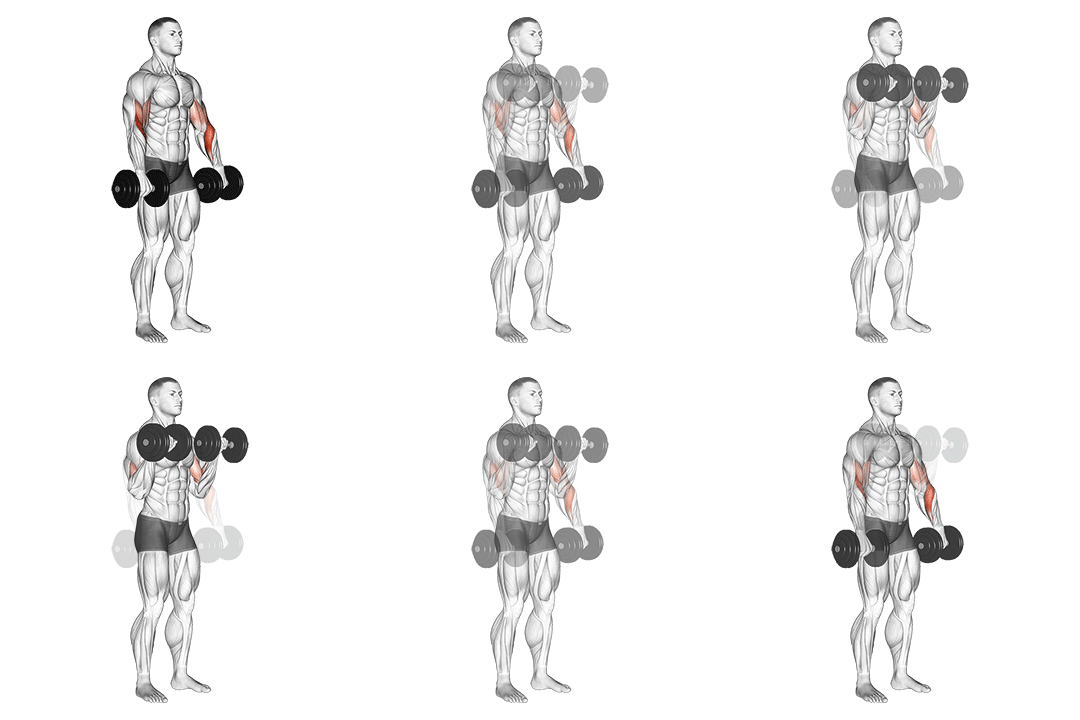
2. Dumbbell Biceps Curl Reverse
99.2% MatchHow to perform this exercise
- Stand up straight with a dumbbell in each hand, palms facing down and arms fully extended.
- Keeping your upper arms stationary, exhale and curl the weights while contracting your biceps.
- Continue to raise the dumbbells until your biceps are fully contracted and the dumbbells are at shoulder level.
- Hold the contracted position for a brief pause as you squeeze your biceps.
- Inhale and slowly begin to lower the dumbbells back to the starting position.
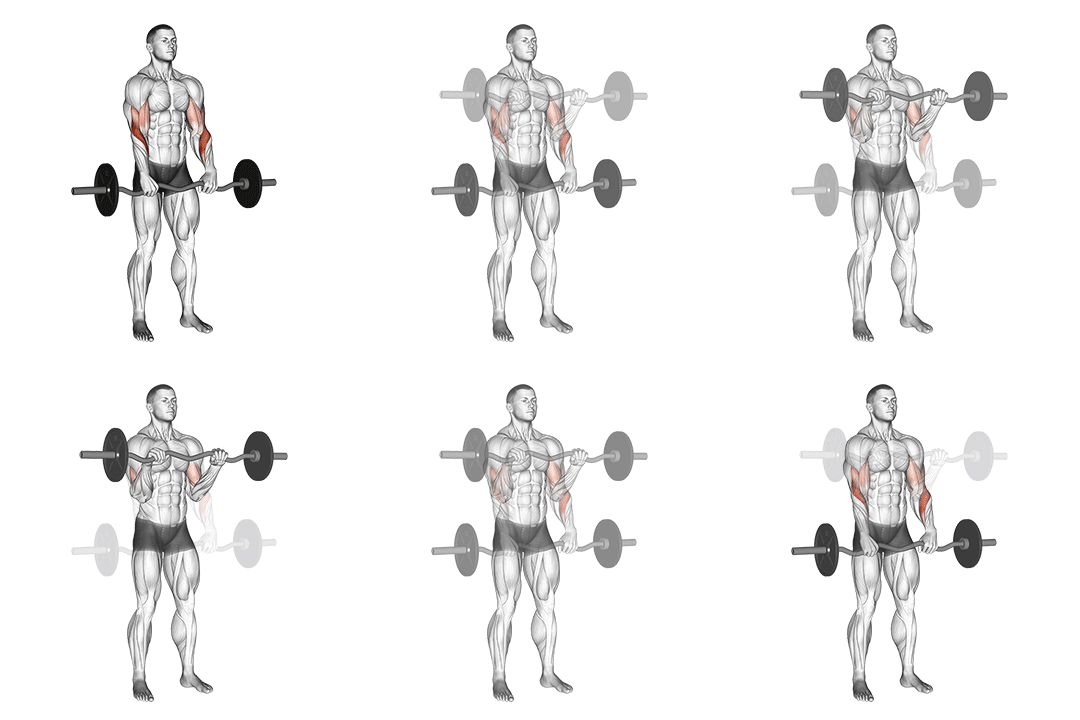
3. Ez Barbell Reverse Grip Curl
98.7% MatchHow to perform this exercise
- Stand up straight with your feet shoulder-width apart and hold the ez barbell with an underhand grip.
- Keep your elbows close to your torso and your upper arms stationary throughout the exercise.
- Curl the barbell upwards by contracting your biceps, while exhaling.
- Continue to raise the barbell until your biceps are fully contracted and the barbell is at shoulder level.
- Hold the contracted position for a brief pause as you squeeze your biceps.
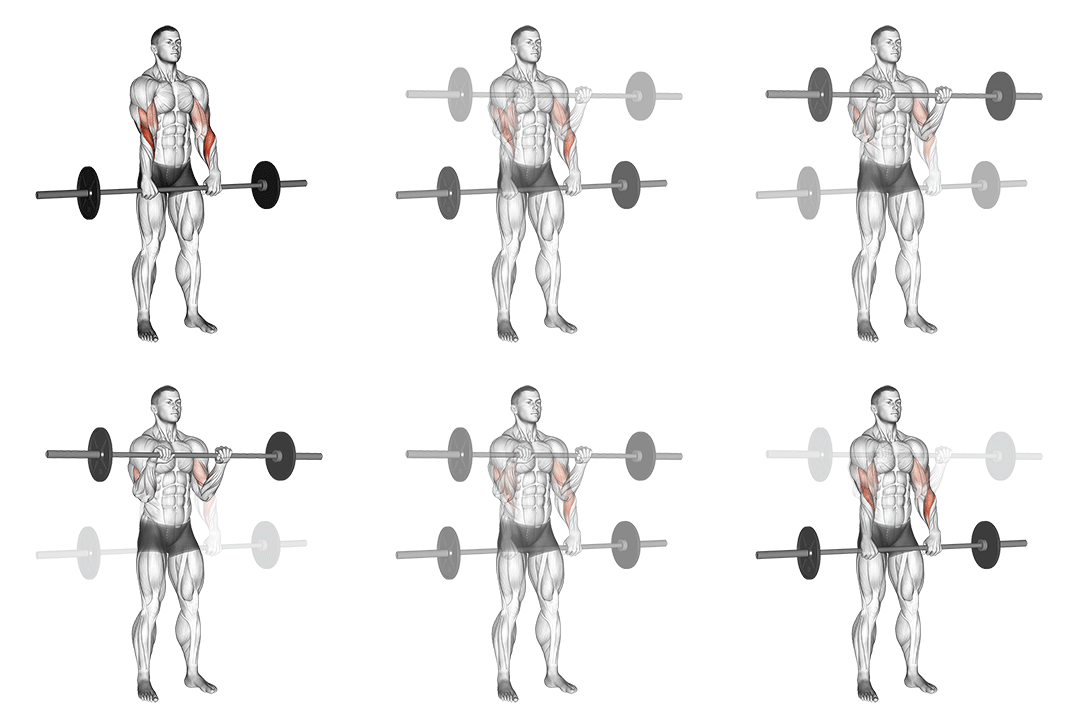
4. Barbell Standing Reverse Grip Curl
97.7% MatchHow to perform this exercise
- Stand up straight with your feet shoulder-width apart and hold a barbell with an underhand grip, palms facing up.
- Keep your elbows close to your torso and your upper arms stationary.
- Exhale and curl the weights while contracting your biceps, bringing the barbell as close to your shoulders as possible.
- Hold the contracted position for a brief pause as you squeeze your biceps.
- Inhale and slowly lower the barbell back to the starting position.
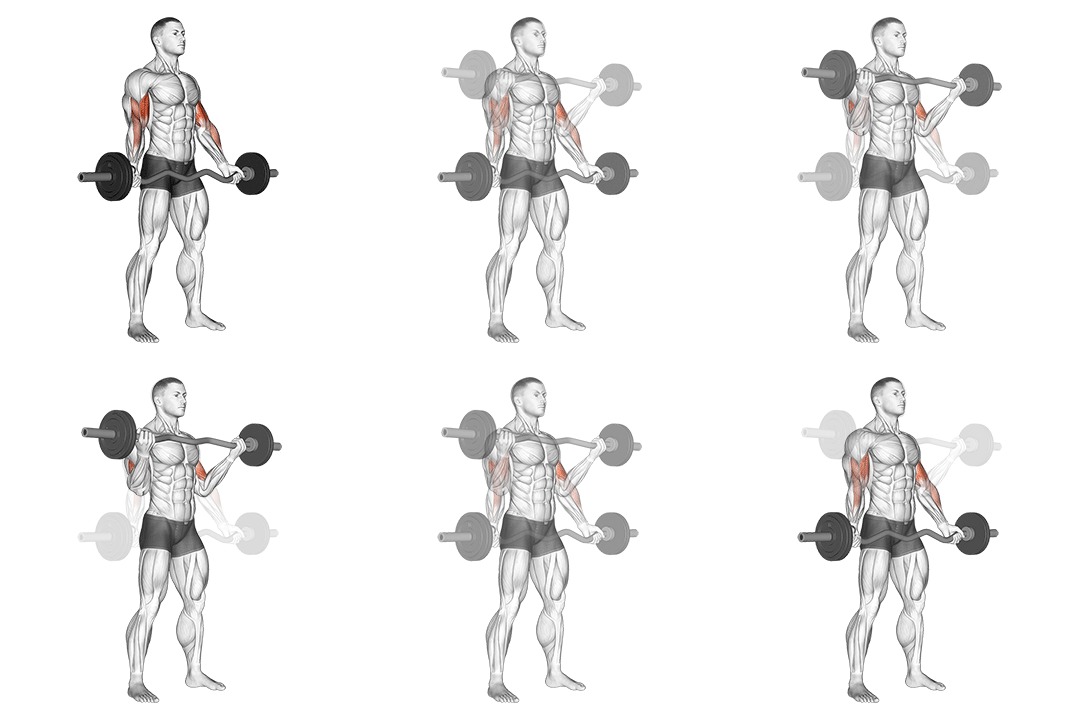
5. Ez-barbell Standing Wide Grip Biceps Curl
97.2% MatchHow to perform this exercise
- Stand up straight with your feet shoulder-width apart and hold the ez barbell with an underhand grip, hands wider than shoulder-width apart.
- Keep your elbows close to your torso and your upper arms stationary throughout the movement.
- Curl the barbell up towards your shoulders by contracting your biceps.
- Pause for a moment at the top, then slowly lower the barbell back to the starting position.
- Repeat for the desired number of repetitions.
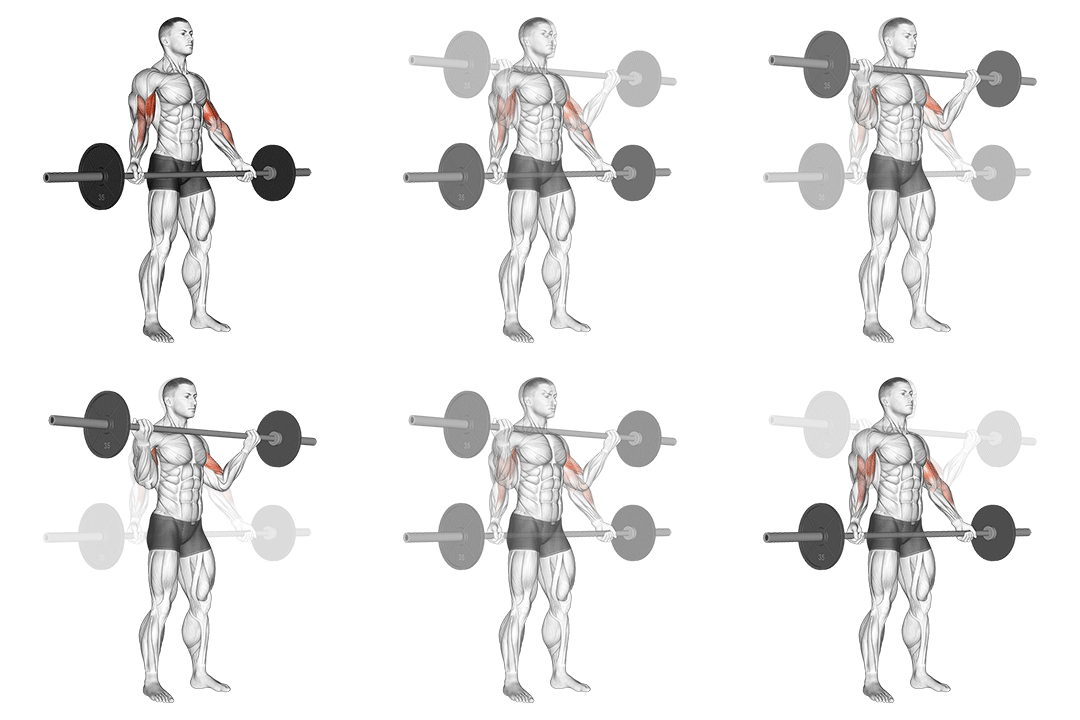
6. Barbell Standing Wide Grip Biceps Curl
96.7% MatchHow to perform this exercise
- Stand with your feet shoulder-width apart and hold a barbell with an underhand grip, hands wider than shoulder-width apart.
- Keep your back straight and your elbows close to your torso.
- Exhale and curl the barbell up towards your shoulders, keeping your upper arms stationary.
- Pause for a moment at the top, squeezing your biceps.
- Inhale and slowly lower the barbell back to the starting position, fully extending your arms.
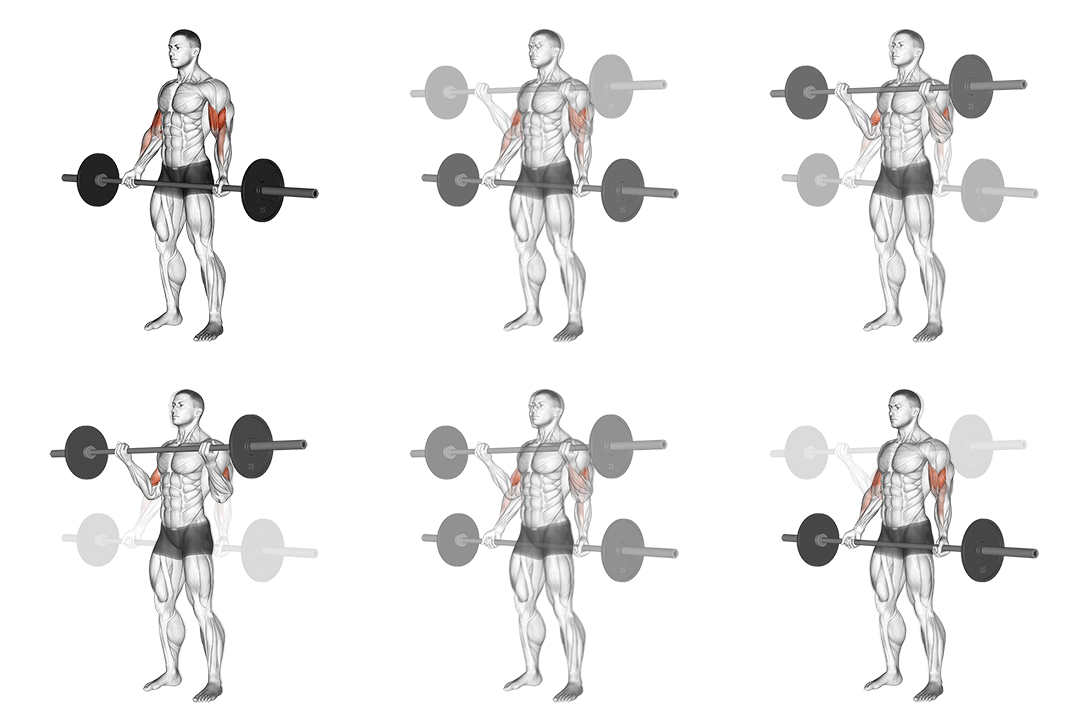
7. Barbell Standing Wide-grip Curl
95.7% MatchHow to perform this exercise
- Stand up straight with your feet shoulder-width apart and hold a barbell with an overhand grip, hands wider than shoulder-width apart.
- Let the barbell hang at arm's length in front of your thighs, with your palms facing away from your body.
- Keeping your upper arms stationary, exhale and curl the barbell upward by contracting your biceps.
- Continue to raise the barbell until your biceps are fully contracted and the barbell is at shoulder level.
- Hold the contracted position for a brief pause as you squeeze your biceps.
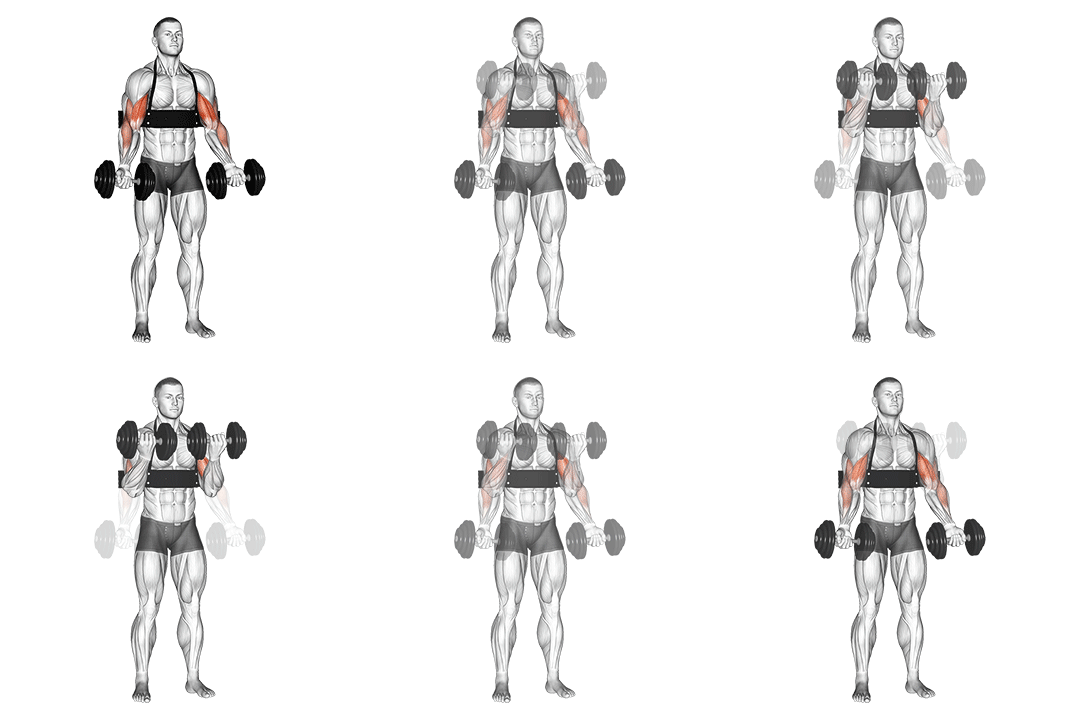
8. Dumbbell Biceps Curl (with Arm Blaster)
95.2% MatchHow to perform this exercise
- Stand up straight with a dumbbell in each hand, palms facing forward.
- Keep your elbows close to your torso and your upper arms stationary.
- Exhale and curl the weights while contracting your biceps.
- Continue to raise the weights until your biceps are fully contracted and the dumbbells are at shoulder level.
- Hold the contracted position for a brief pause as you squeeze your biceps.
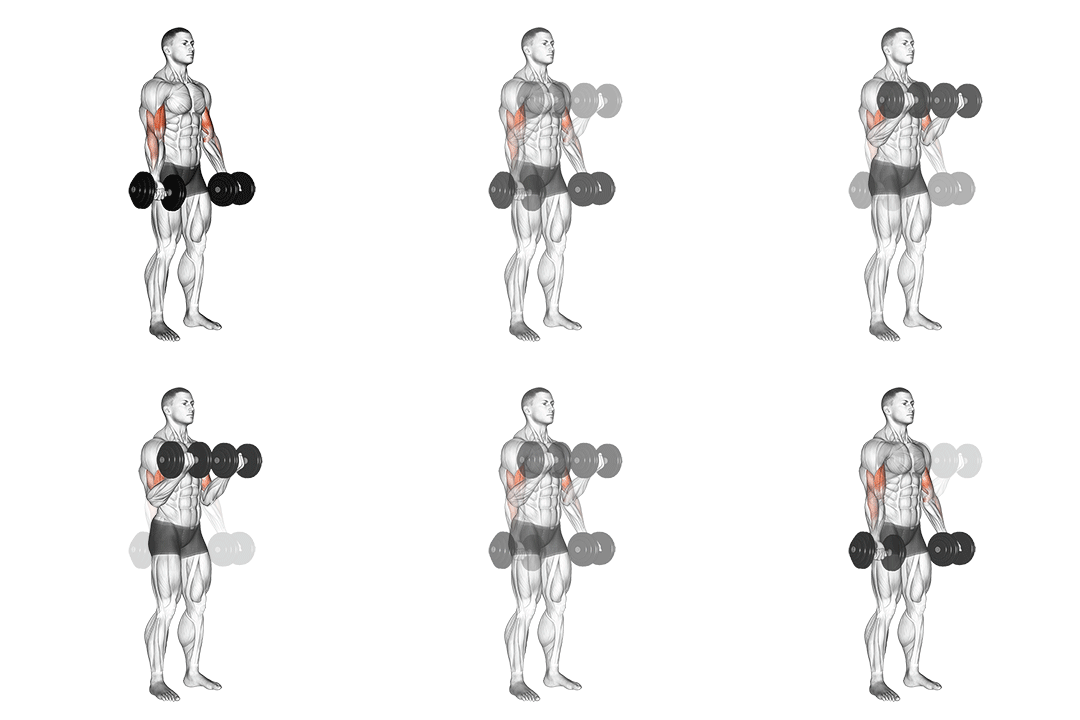
9. Dumbbell Biceps Curl
95.2% MatchHow to perform this exercise
- Stand up straight with a dumbbell in each hand, palms facing forward and arms fully extended.
- Keeping your upper arms stationary, exhale and curl the weights while contracting your biceps.
- Continue to raise the weights until your biceps are fully contracted and the dumbbells are at shoulder level.
- Hold the contracted position for a brief pause as you squeeze your biceps.
- Inhale and slowly begin to lower the dumbbells back to the starting position.
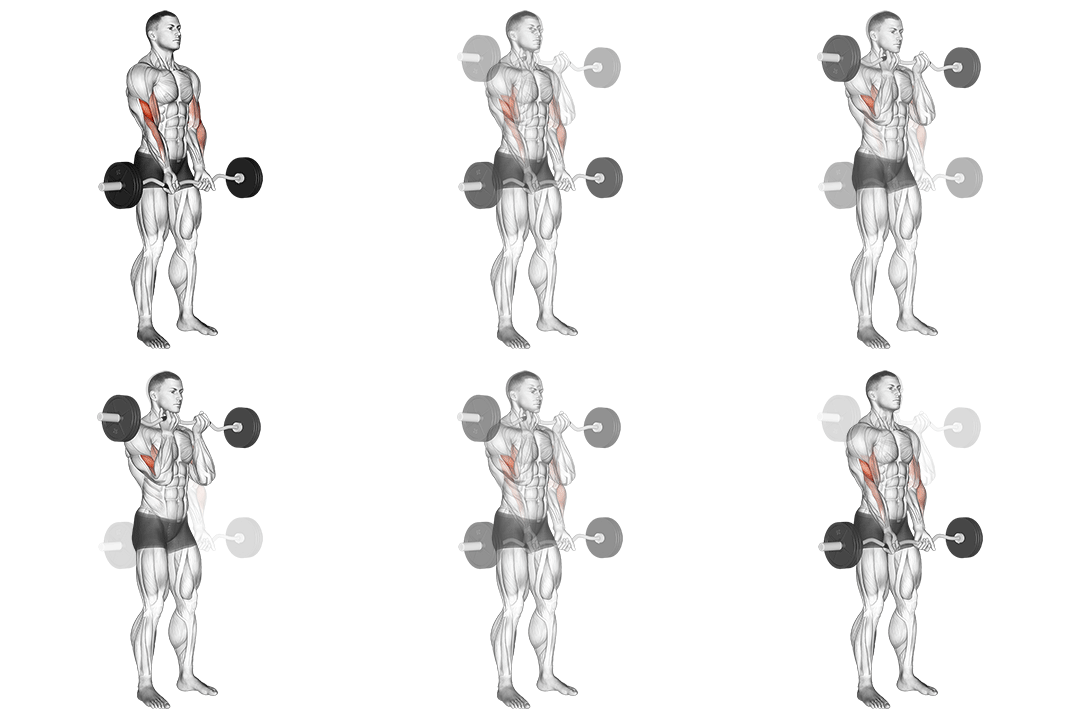
10. Ez Barbell Close-grip Curl
95.2% MatchHow to perform this exercise
- Stand up straight with your feet shoulder-width apart and hold the ez barbell with an underhand grip, hands shoulder-width apart.
- Keep your elbows close to your torso and your upper arms stationary throughout the movement.
- Curl the barbell up towards your shoulders, contracting your biceps.
- Pause for a moment at the top, then slowly lower the barbell back down to the starting position.
- Repeat for the desired number of repetitions.
Why You Might Need a Dumbbell Standing Reverse Curl Alternative
You may substitute the Dumbbell Standing Reverse Curl for several reasons: wrist or elbow irritation from a heavy dumbbell, no access to dumbbells, or the need to shift emphasis between brachioradialis, brachialis, and biceps. A pronated grip increases brachioradialis recruitment and can aggravate wrist extensors; switching to an EZ-bar or cable lets you change grip angle to reduce joint stress. For progression or variety, using a barbell or cable also allows heavier loading and consistent tension through the range. Cue: choose a grip that lets you keep the wrist neutral and the forearm vertical to preserve target activation and limit compensatory shoulder swing.
How to Choose the Right Substitute
Pick a substitute based on equipment, pain history, and the muscle you want to emphasize. If you lack dumbbells but have a barbell or EZ-bar, use a reverse-grip barbell curl to maintain the same pronated mechanics and load. If wrist pain limits pronation, choose hammer curls or neutral-grip cable curls to bias the brachialis and brachioradialis with less forearm torsion. For limited load, bands and slow eccentrics give time-under-tension benefits. Cue: select a weight or resistance that lets you perform strict reps with elbows pinned and controlled eccentrics to maximize muscle activation and minimize momentum.
Frequently Asked Questions
What muscles does Dumbbell Standing Reverse Curl work?
The reverse curl mainly targets the brachioradialis and brachialis, with secondary activation of the biceps brachii. The pronated grip shifts torque away from the biceps long head and increases forearm involvement; cue: keep wrists neutral and elbows fixed to isolate the target forearm flexors.
What is the best bodyweight alternative to Dumbbell Standing Reverse Curl?
A pronated-grip inverted row (feet elevated) is the best bodyweight option to mimic elbow flexion with an overhand grip and stress the brachioradialis. Cue: set the bar low, maintain a straight plank, grip overhand, and pull elbows back to emphasize forearm flexors and full contraction.
Can I build muscle without doing Dumbbell Standing Reverse Curl?
Yes. You can build forearm and biceps size with other curl variants and compound pulls that allow progressive overload, like EZ-bar reverse curls, hammer curls, and heavy rows. Cue: prioritize strict tempo, full range of motion, and progressive load while keeping elbows stationary to maximize hypertrophy of the same muscle groups.
More Exercise Alternatives
Find Alternatives for Any Exercise
Use our free tool to discover the best substitute exercises based on your available equipment and goals.
Try the Exercise Substitution Finder →