

10 Best Alternatives to Dumbbell Step-Up Biceps Curl for Limited Gear
If you can’t perform the Dumbbell Step-Up Single-Leg Balance With Bicep Curl, replace it with exercises that still load elbow flexion and demand single-arm control. Try chin-ups, single-arm cable curls, seated concentration curls, hammer curls, or incline dumbbell curls. Cue: brace your core, pin the elbow to isolate the biceps brachii during flexion.
Original Exercise: Dumbbell Step Up Single Leg Balance With Bicep Curl
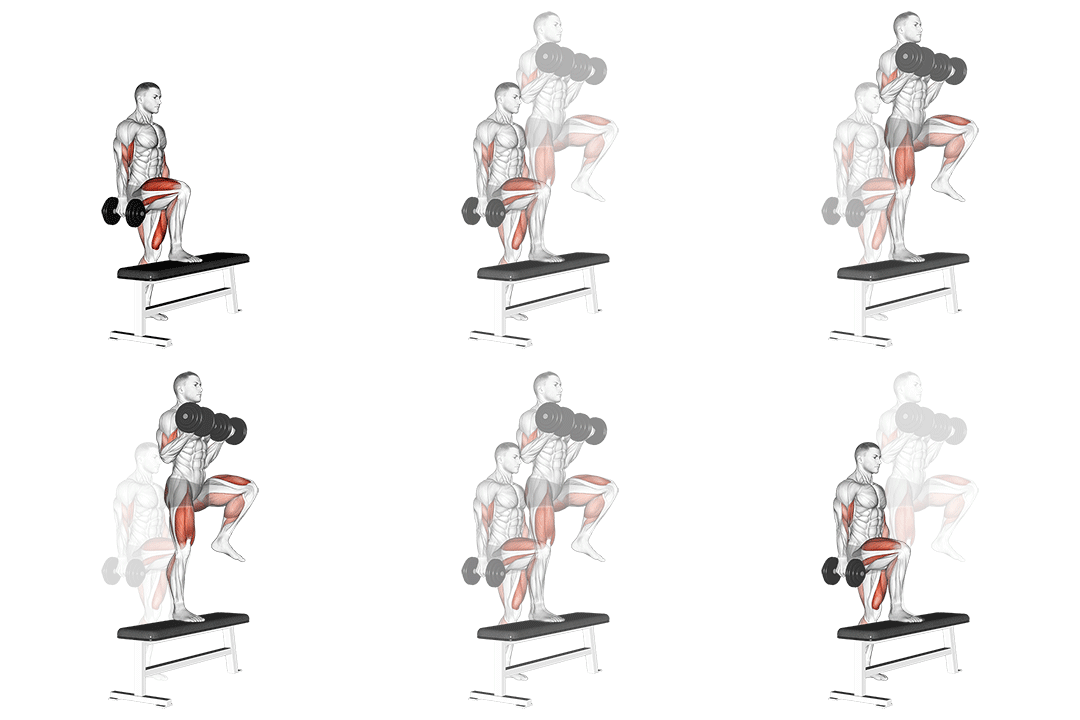
How to Perform Dumbbell Step Up Single Leg Balance With Bicep Curl
- Stand in front of a step or platform with a dumbbell in each hand, palms facing your body.
- Place your right foot on the step, ensuring your entire foot is in contact with the surface.
- Engage your core and push through your right heel to lift your body up onto the step, bringing your left knee up towards your chest.
- At the top of the movement, perform a bicep curl by bending your elbows and bringing the dumbbells towards your shoulders.
- Lower the dumbbells back down and simultaneously lower your left foot back to the ground.
- Repeat the movement on the opposite side, stepping up with your left foot and curling the dumbbells.
- Continue alternating sides for the desired number of repetitions.
Best Dumbbell Step Up Single Leg Balance With Bicep Curl Alternatives
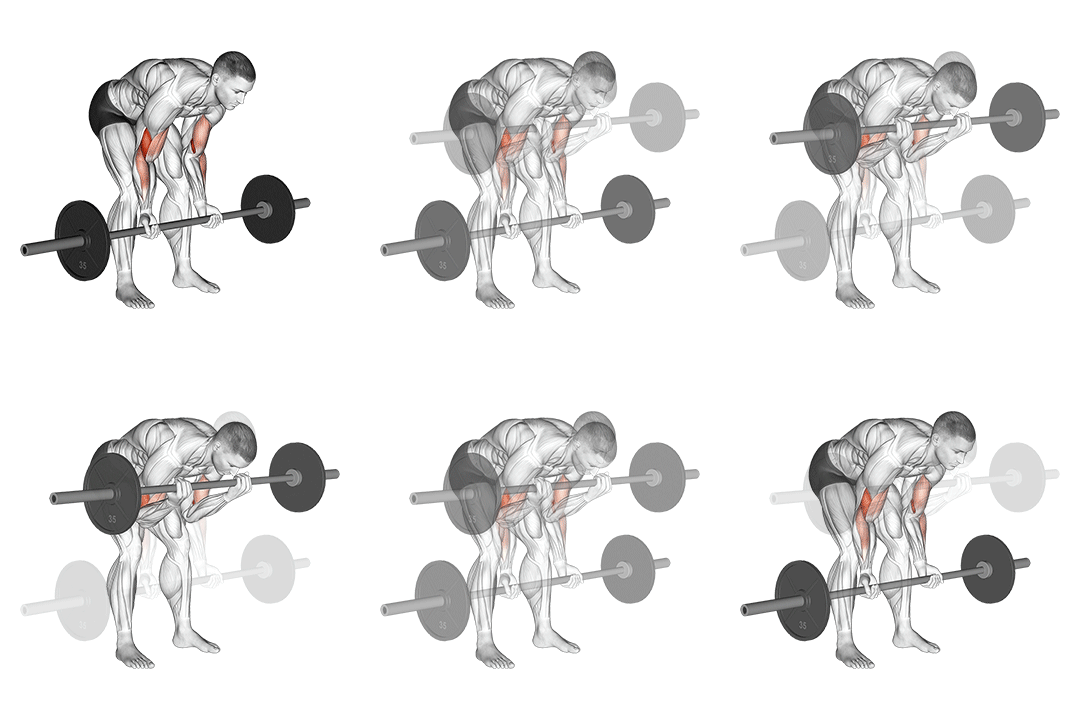
1. Barbell Standing Concentration Curl
92.6% MatchHow to perform this exercise
- Stand with your feet shoulder-width apart and hold a barbell in one hand, palm facing up.
- Rest your opposite hand on your thigh for support.
- Keeping your upper arm stationary, exhale and curl the weight up towards your shoulder.
- Pause for a moment at the top, squeezing your biceps.
- Inhale and slowly lower the weight back down to the starting position.
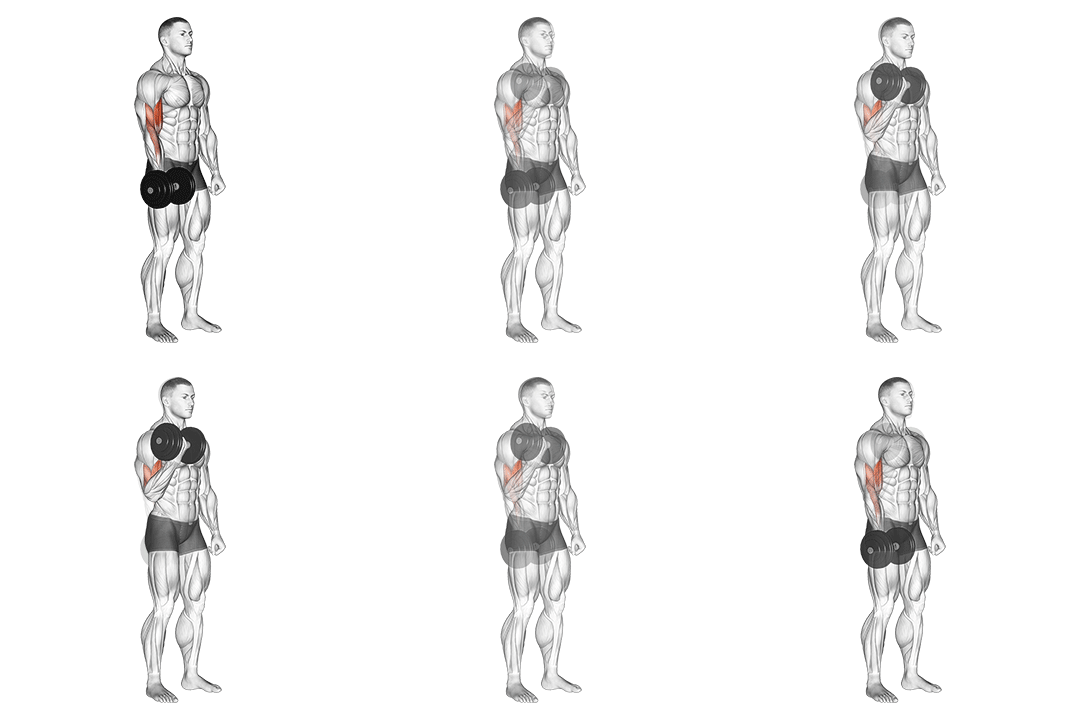
2. Dumbbell One Arm Standing Curl
91.8% MatchHow to perform this exercise
- Stand up straight with a dumbbell in one hand, palm facing forward and arm fully extended.
- Keeping your upper arm stationary, exhale and curl the weight upward while contracting your biceps.
- Continue to raise the dumbbell until your biceps are fully contracted and the dumbbell is at shoulder level.
- Hold the contracted position for a brief pause as you squeeze your biceps.
- Inhale and slowly lower the dumbbell back to the starting position.
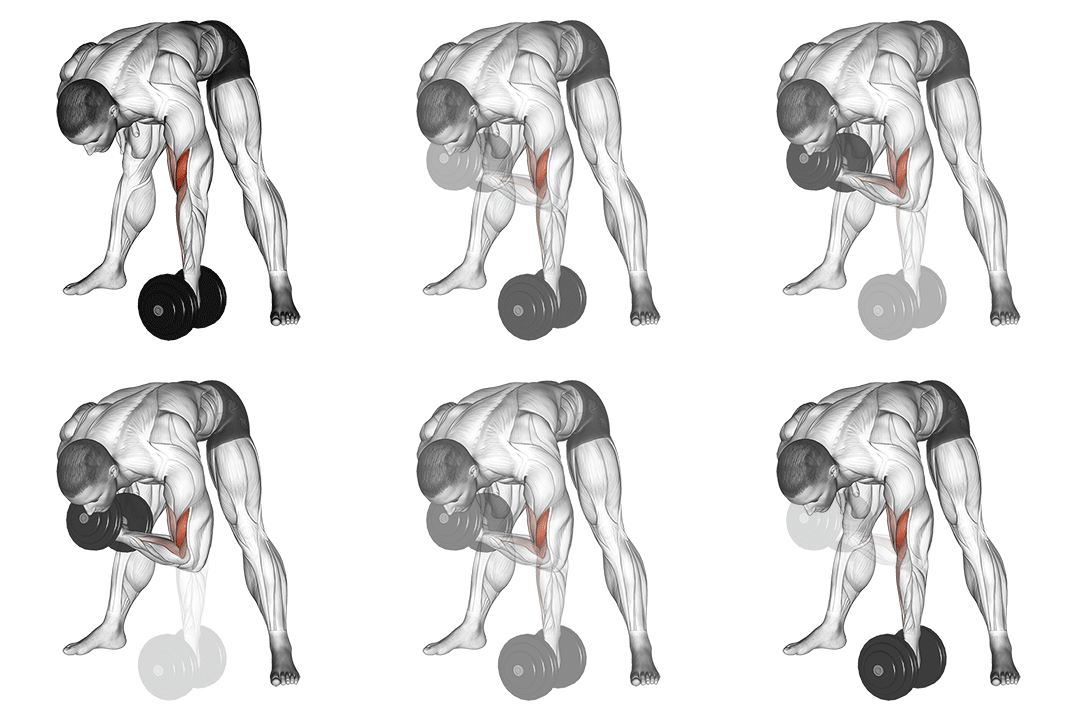
3. Dumbbell Standing Concentration Curl
91.2% MatchHow to perform this exercise
- Stand with your feet shoulder-width apart and hold a dumbbell in one hand, with your arm fully extended and palm facing inwards.
- Place your opposite hand on your thigh for support.
- Keeping your upper arm stationary, exhale and curl the dumbbell towards your shoulder by contracting your biceps.
- Continue to raise the dumbbell until your biceps are fully contracted and the dumbbell is at shoulder level.
- Hold the contracted position for a brief pause as you squeeze your biceps.
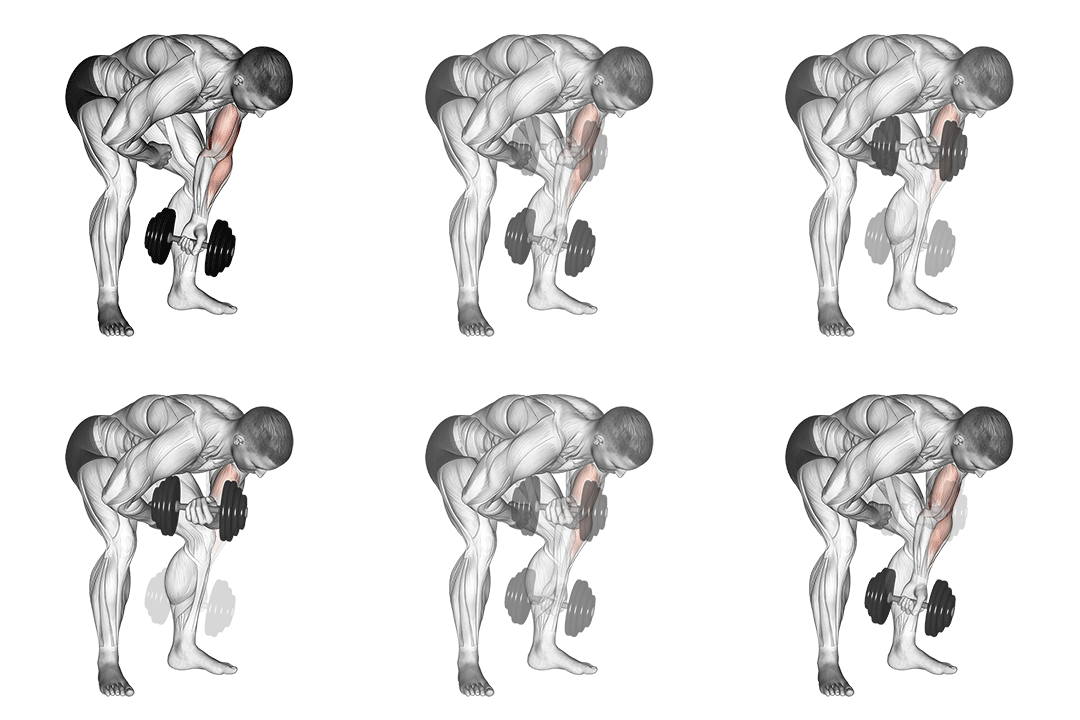
4. Dumbbell Standing One Arm Concentration Curl
91.2% MatchHow to perform this exercise
- Stand up straight with your feet shoulder-width apart and hold a dumbbell in one hand, palm facing up.
- Place your free hand on your thigh for support.
- Keeping your upper arm stationary, exhale and curl the dumbbell towards your shoulder by contracting your biceps.
- Continue to raise the dumbbell until your biceps are fully contracted and the dumbbell is at shoulder level.
- Hold the contracted position for a brief pause as you squeeze your biceps.
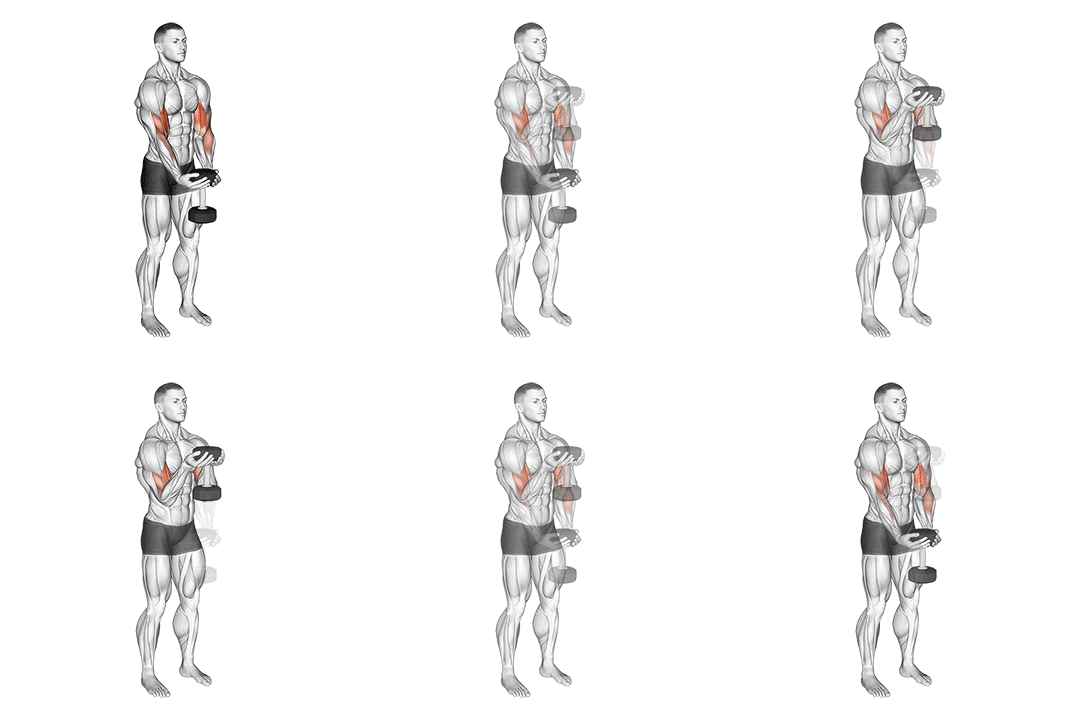
5. Dumbbell Waiter Biceps Curl
91% MatchHow to perform this exercise
- Stand up straight with a dumbbell in each hand, palms facing forward.
- Keep your upper arms close to your body and your elbows tucked in.
- Slowly curl the dumbbells up towards your shoulders, keeping your wrists straight.
- Pause for a moment at the top, then slowly lower the dumbbells back down to the starting position.
- Repeat for the desired number of repetitions.
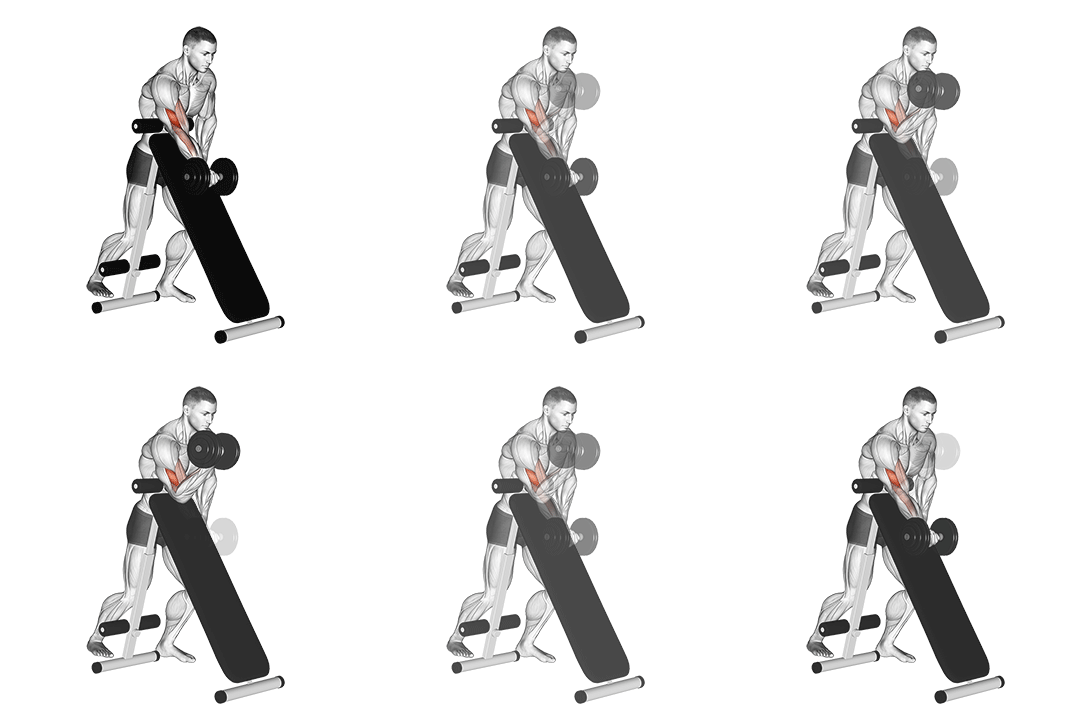
6. Dumbbell Standing One Arm Curl (over Incline Bench)
89.7% MatchHow to perform this exercise
- Stand with your feet shoulder-width apart, holding a dumbbell in one hand with your palm facing forward.
- Place your other hand on an incline bench for support.
- Keeping your upper arm stationary, exhale and curl the dumbbell towards your shoulder by contracting your biceps.
- Pause for a moment at the top, then inhale and slowly lower the dumbbell back to the starting position.
- Repeat for the desired number of repetitions, then switch arms.
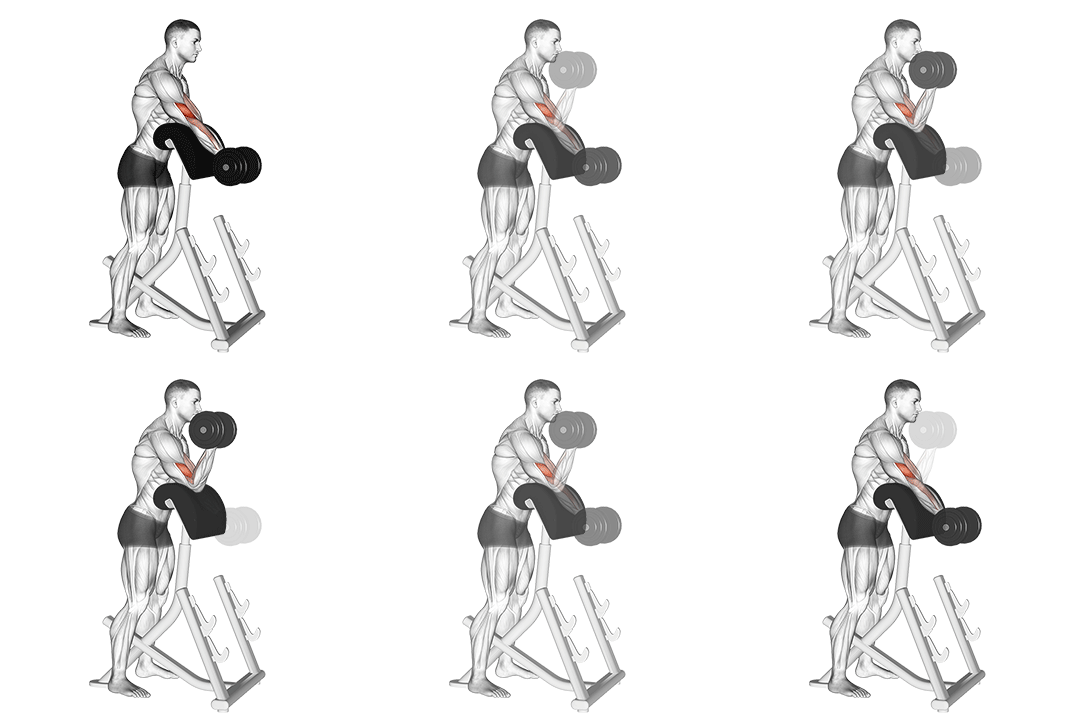
7. Dumbbell Standing Preacher Curl
89.7% MatchHow to perform this exercise
- Stand upright with your feet shoulder-width apart and hold a dumbbell in each hand, palms facing forward.
- Rest the back of your upper arms against the preacher bench or an incline bench, with your elbows slightly bent.
- Keeping your upper arms stationary, exhale and curl the weights while contracting your biceps.
- Continue to raise the dumbbells until your biceps are fully contracted and the dumbbells are at shoulder level.
- Hold the contracted position for a brief pause as you squeeze your biceps.
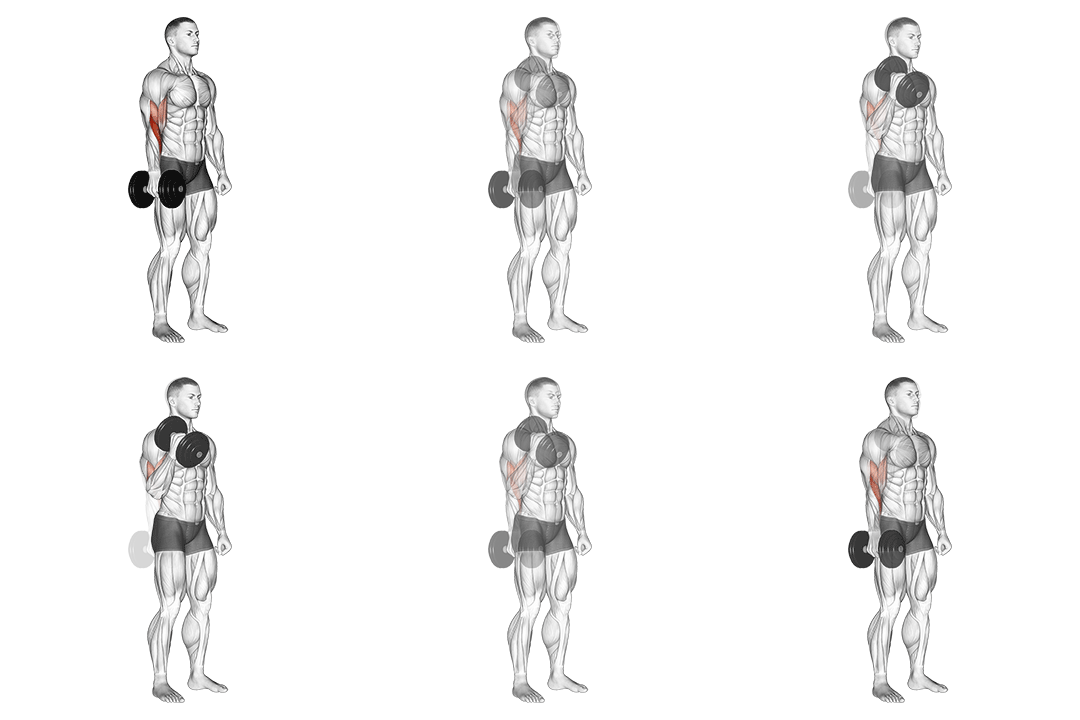
8. Dumbbell One Arm Standing Hammer Curl
87.8% MatchHow to perform this exercise
- Stand up straight with a dumbbell in each hand, palms facing your torso.
- Keep your elbows close to your torso and your upper arms stationary.
- Exhale and curl the weights while contracting your biceps.
- Continue to raise the weights until your biceps are fully contracted and the dumbbells are at shoulder level.
- Hold the contracted position for a brief pause as you squeeze your biceps.
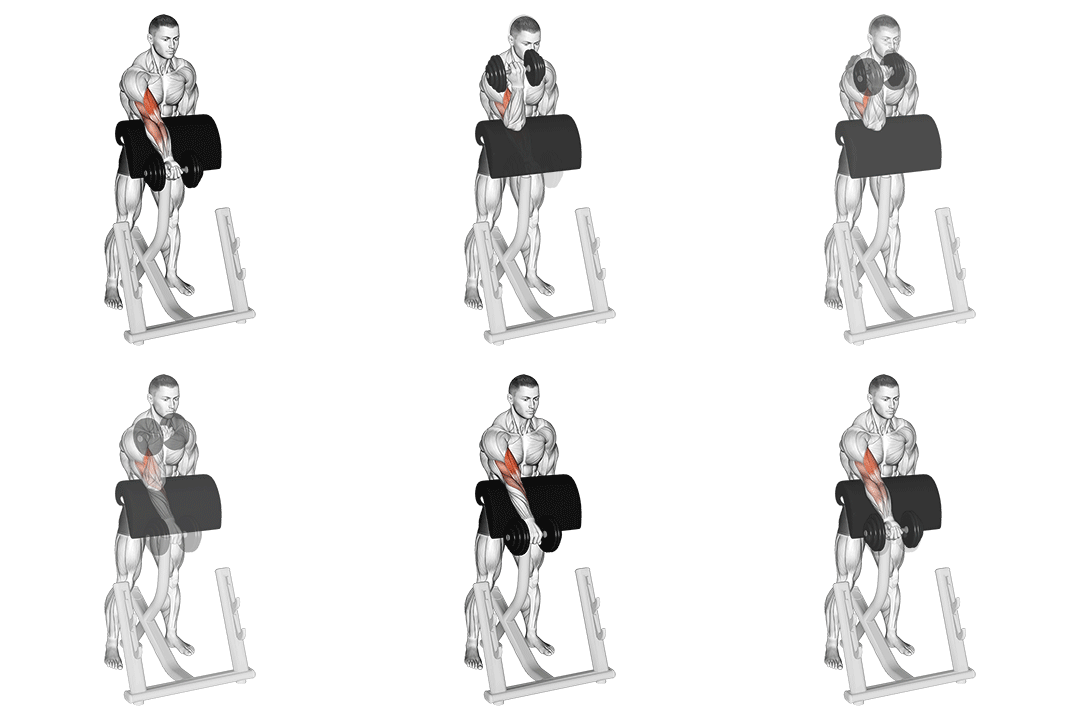
9. Dumbbell Standing Zottman Preacher Curl
87.3% MatchHow to perform this exercise
- Stand up straight with a dumbbell in each hand, palms facing forward.
- Place your upper arms against the preacher bench and keep your elbows slightly bent.
- Curl the dumbbells up towards your shoulders while keeping your upper arms stationary.
- At the top of the movement, rotate your wrists so that your palms are facing downward.
- Slowly lower the dumbbells back to the starting position, rotating your wrists back to the starting position as well.
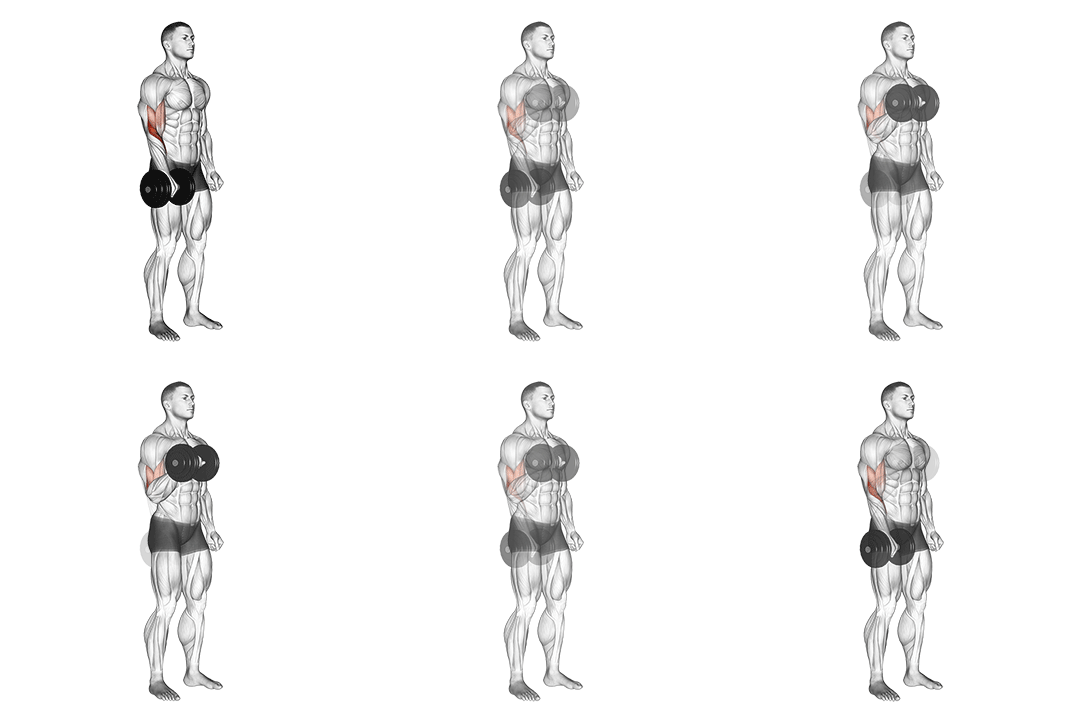
10. Dumbbell Standing One Arm Reverse Curl
87.2% MatchHow to perform this exercise
- Stand up straight with your feet shoulder-width apart and hold a dumbbell in one hand with an overhand grip.
- Keep your arm fully extended and close to your body, with your palm facing down.
- Slowly curl the dumbbell up towards your shoulder, keeping your upper arm stationary.
- Pause for a moment at the top, then slowly lower the dumbbell back down to the starting position.
- Repeat for the desired number of repetitions, then switch to the other arm.
Why You Might Need a Dumbbell Step Up Single Leg Balance With Bicep Curl Alternative
You may substitute this compound move for several reasons: knee, ankle or balance limitations; lack of a stable step platform; or a training goal that emphasizes pure biceps overload rather than lower-body drive. Replacing the step-up portion reduces hip and knee extension torque and shifts load to elbow flexors. For injury concerns choose seated or supported single-arm curls to minimize trunk rotation and isolate the biceps brachii and brachialis. If equipment is limited, use a chin-up to maintain high biceps activation with scapular retraction and controlled elbow flexion.
How to Choose the Right Substitute
Select a substitute based on equipment, desired muscle emphasis, and stability needs. If you want the same unilateral control and carryover to balance, use a single-arm dumbbell curl with a slow 2–3 second eccentric and an isometric top hold to train stability and biceps peak. For pure hypertrophy pick incline dumbbell curls to increase stretch on the long head of the biceps. For limited gear choose chin-ups or inverted rows to use bodyweight while maintaining high biceps activation; cue scapular retraction and lead with the elbow to maximize elbow flexor torque.
Frequently Asked Questions
What muscles does Dumbbell Step Up Single Leg Balance With Bicep Curl work?
This compound exercise loads elbow flexors (biceps brachii and brachialis) during the curl and engages hip extensors and quads during the step-up. It also recruits core stabilizers to maintain single-leg balance; cue a tight core and vertical torso to reduce compensatory hip rotation.
What is the best bodyweight alternative to Dumbbell Step Up Single Leg Balance With Bicep Curl?
Chin-ups are the top bodyweight substitute because they provide high biceps activation while demanding scapular control and core tension. Cue full scapular retraction and pull with the elbow to emphasize elbow flexion and long-head recruitment.
Can I build muscle without doing Dumbbell Step Up Single Leg Balance With Bicep Curl?
Yes. Focus on progressive overload with exercises that isolate elbow flexion—single-arm dumbbell curls, incline curls, or cable curls—to drive biceps hypertrophy. Use controlled eccentrics, pin the elbow to prevent cheating, and increase volume or load over time for growth.
More Exercise Alternatives
Find Alternatives for Any Exercise
Use our free tool to discover the best substitute exercises based on your available equipment and goals.
Try the Exercise Substitution Finder →