

10 Best Exercise Ball Lying Side Lat Stretch Alternatives for Home
If you can’t perform the Exercise Ball Lying Side Lat Stretch, use other lat-focused options that maintain shoulder mobility and thoracic extension. Try a standing band lat stretch, child’s-pose side reach, or a foam-roller supine lat release. Cue: reach the working arm overhead, drive the scapula down and back to lengthen the lat.
Original Exercise: Exercise Ball Lying Side Lat Stretch
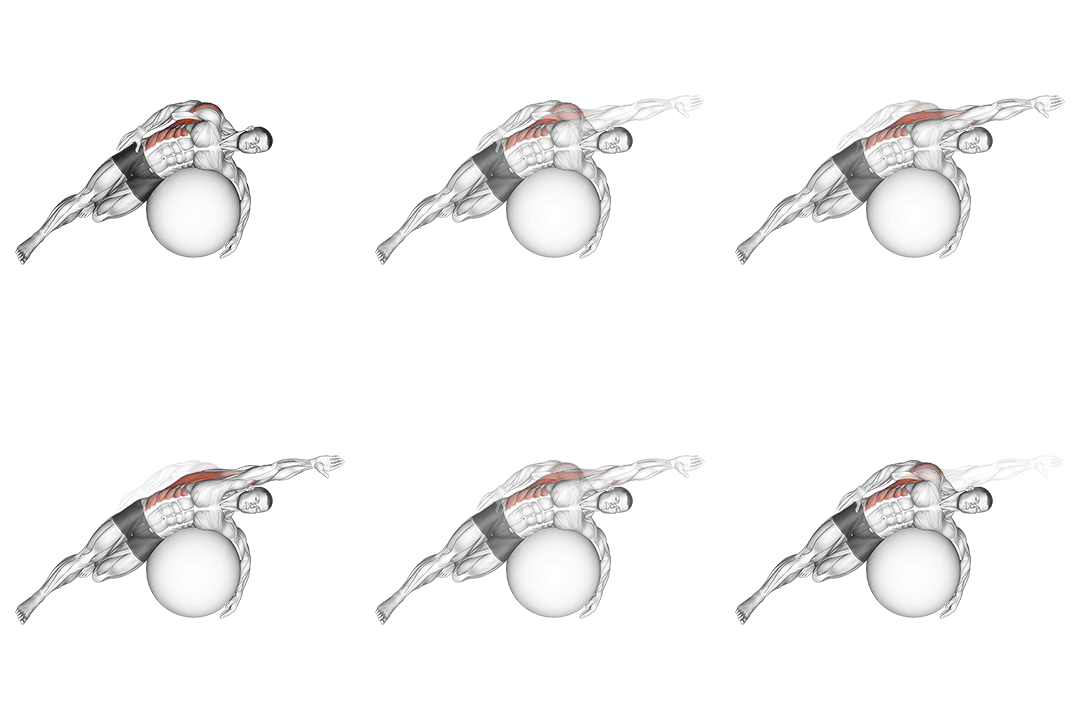
How to Perform Exercise Ball Lying Side Lat Stretch
- Lie on your side with your legs extended and your head supported by the stability ball.
- Place your top arm on the ball for stability.
- Reach your top arm overhead and allow your torso to rotate slightly.
- Feel the stretch in your lat muscles on the side of your body.
- Hold the stretch for 20-30 seconds, then switch sides and repeat.
Best Exercise Ball Lying Side Lat Stretch Alternatives
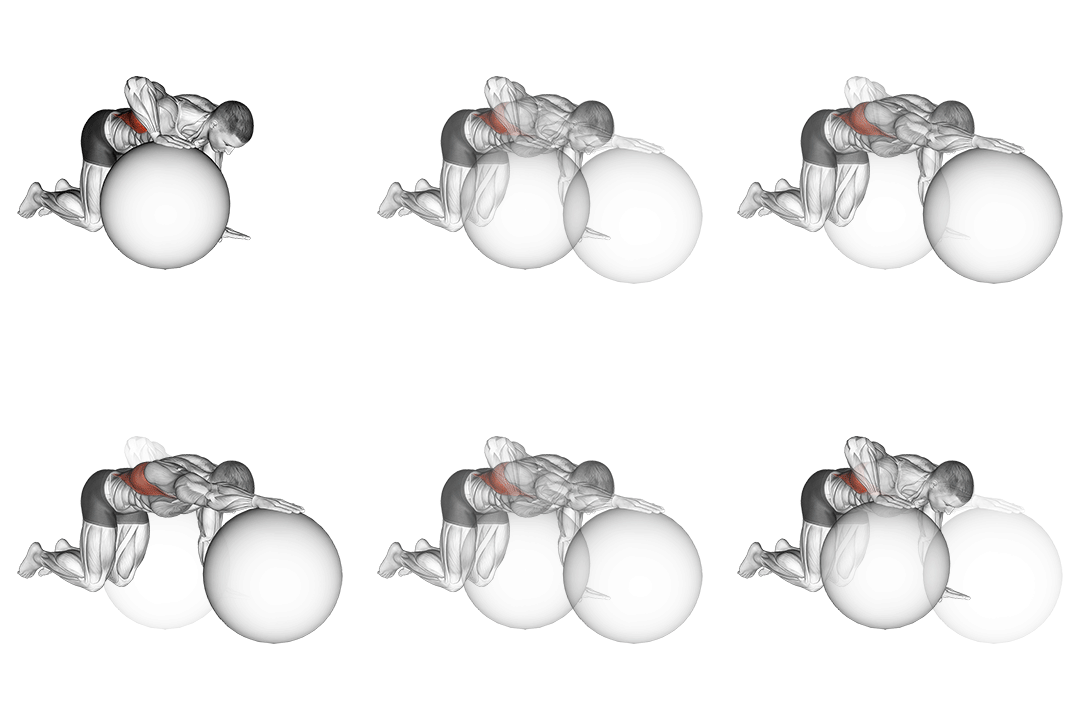
1. Exercise Ball Lat Stretch
91.2% MatchHow to perform this exercise
- Sit on a stability ball with your feet flat on the ground and your back straight.
- Hold a dumbbell in one hand and extend your arm straight up overhead.
- Slowly lean to the opposite side, feeling a stretch in your lat muscle.
- Hold the stretch for 20-30 seconds, then return to the starting position.
- Repeat on the other side.
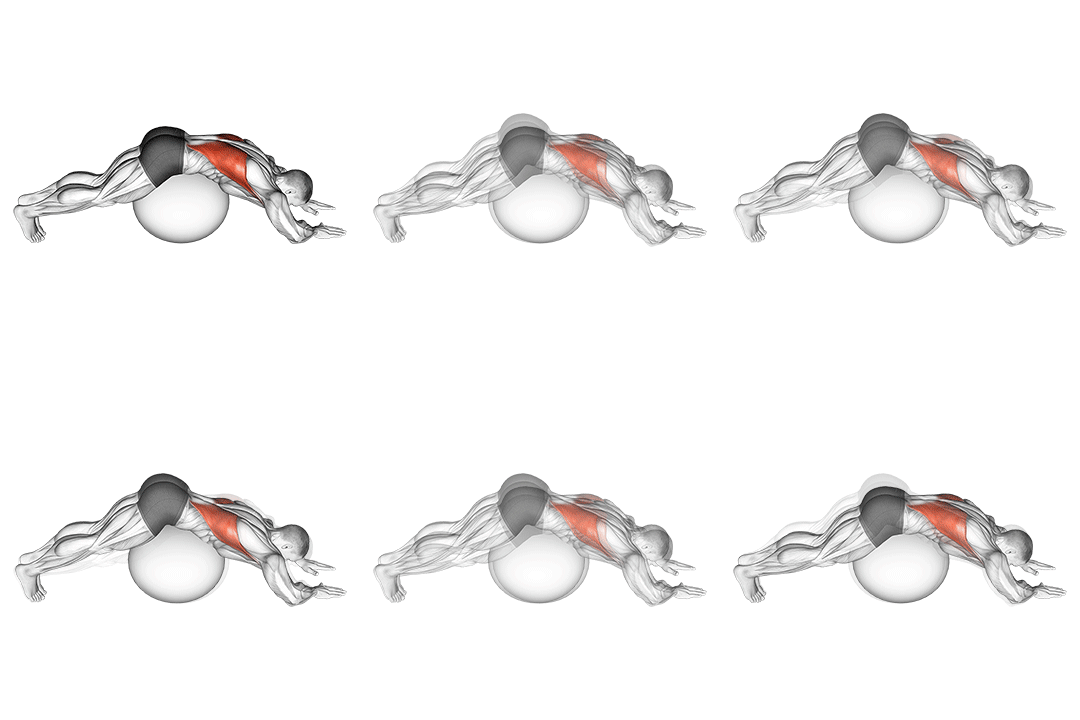
2. Exercise Ball Lower Back Stretch (pyramid)
85% MatchHow to perform this exercise
- Sit on the stability ball with your feet flat on the ground and your knees bent at a 90-degree angle.
- Slowly walk your feet forward, rolling the ball down your back until your lower back is resting on the ball.
- Place your hands behind your head or cross them over your chest.
- Engage your core and slowly lower your upper body towards the ground, allowing your lower back to stretch over the ball.
- Hold the stretch for a few seconds, then slowly return to the starting position.
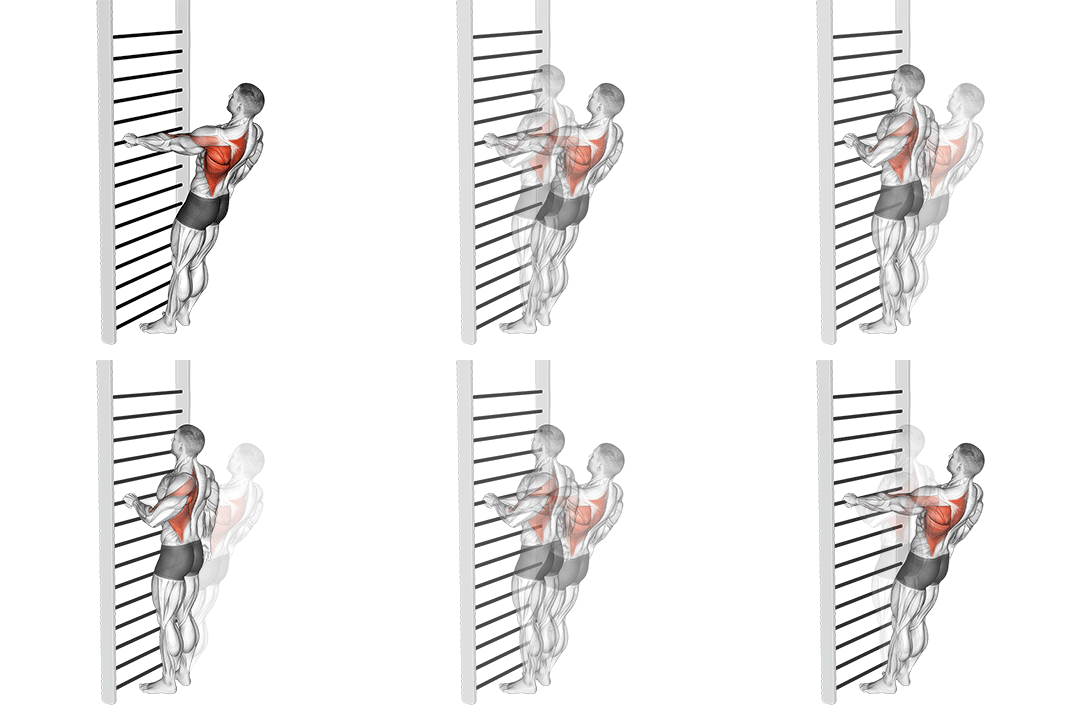
3. Bodyweight Standing One Arm Row
73.4% MatchHow to perform this exercise
- Stand with your feet shoulder-width apart, knees slightly bent, and hold a dumbbell in one hand.
- Bend forward at the hips, keeping your back straight and your core engaged.
- Let the dumbbell hang straight down in front of you, with your arm fully extended.
- Pull the dumbbell up towards your chest, keeping your elbow close to your body.
- Squeeze your shoulder blades together at the top of the movement.
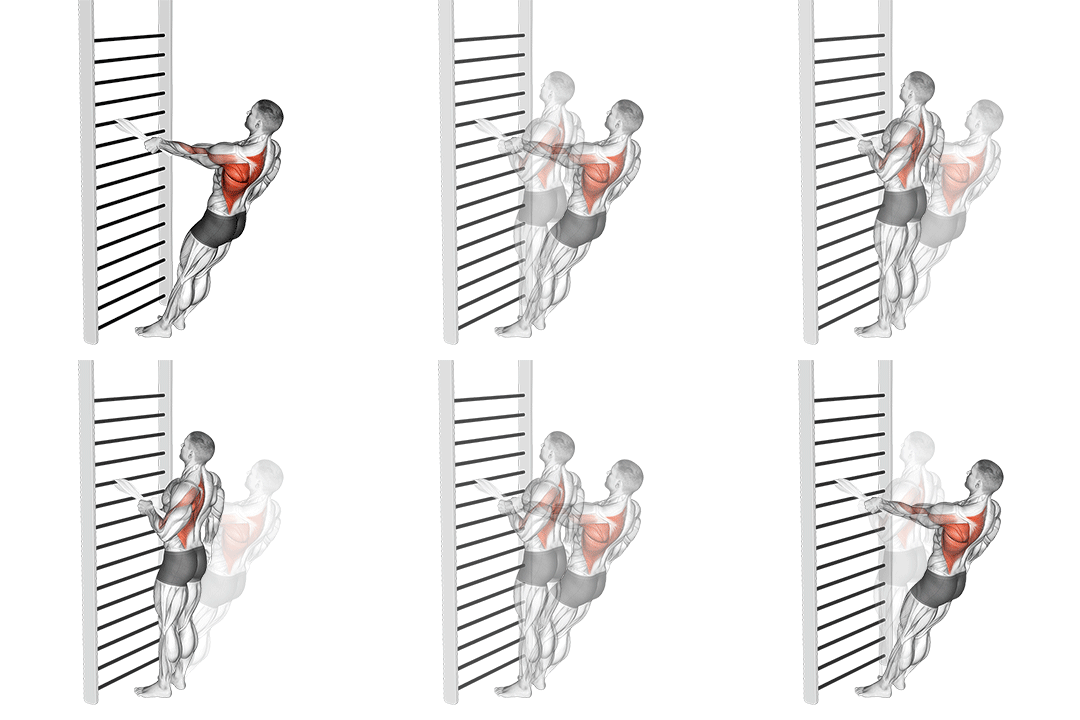
4. Bodyweight Standing One Arm Row (with Towel)
72.7% MatchHow to perform this exercise
- Stand with your feet shoulder-width apart, knees slightly bent, and hold a towel with one hand.
- Bend forward at the hips, keeping your back straight and your core engaged.
- Pull the towel towards your chest, squeezing your shoulder blades together.
- Pause for a moment at the top, then slowly lower the towel back to the starting position.
- Repeat for the desired number of repetitions, then switch to the other arm.
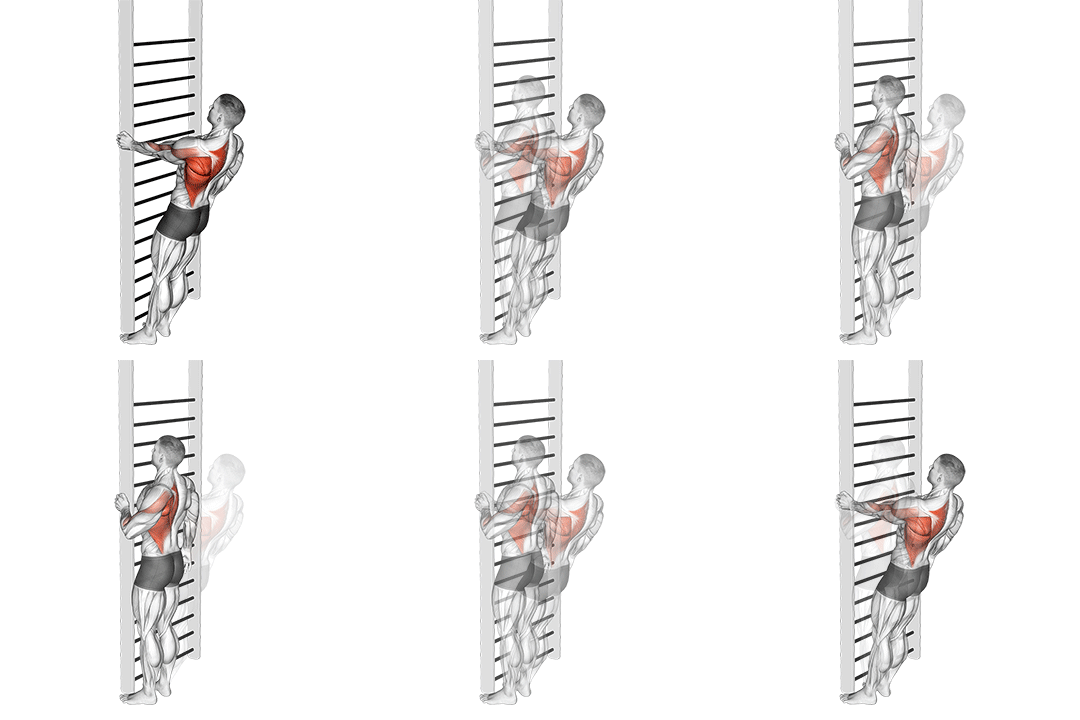
5. Bodyweight Standing Close-grip One Arm Row
70% MatchHow to perform this exercise
- Stand with your feet shoulder-width apart, knees slightly bent, and hold a dumbbell in one hand with a neutral grip.
- Bend forward at the hips, keeping your back straight and your core engaged.
- Pull the dumbbell up towards your chest, keeping your elbow close to your body and squeezing your shoulder blades together.
- Pause for a moment at the top, then slowly lower the dumbbell back down to the starting position.
- Repeat for the desired number of repetitions, then switch sides.
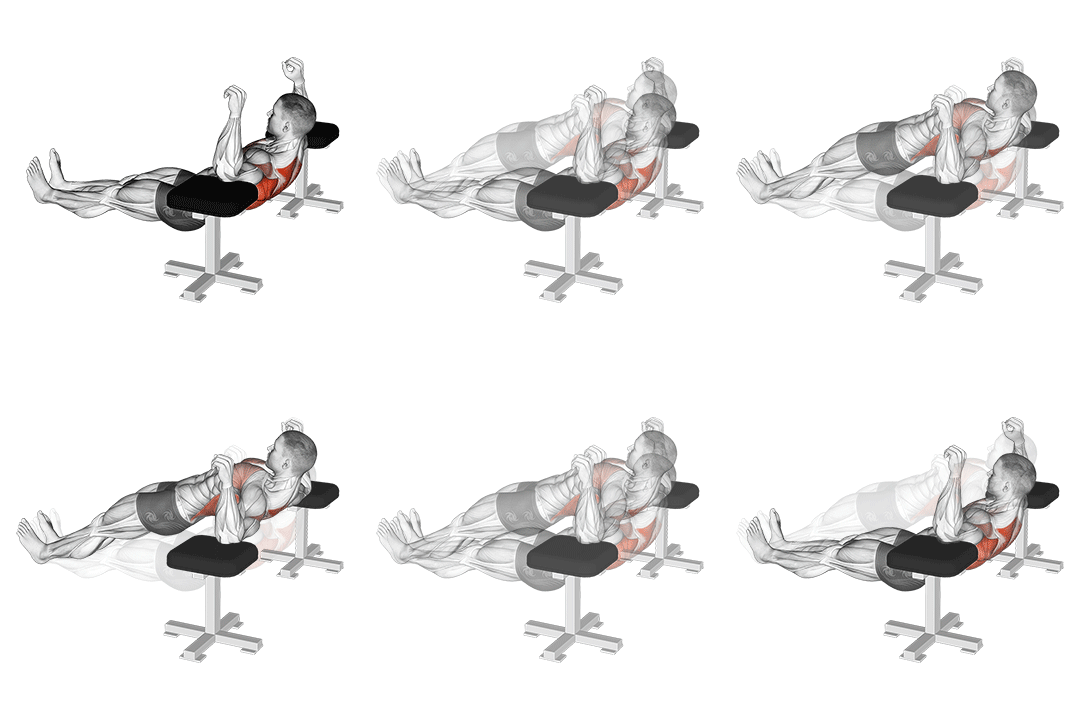
6. Elbow Lift - Reverse Push-up
67.3% MatchHow to perform this exercise
- Start by lying face down on the ground with your legs extended and your hands placed directly under your shoulders.
- Engage your core and press through your palms to lift your upper body off the ground, keeping your elbows close to your sides.
- Pause at the top for a moment, squeezing your upper back muscles.
- Slowly lower your body back down to the starting position.
- Repeat for the desired number of repetitions.
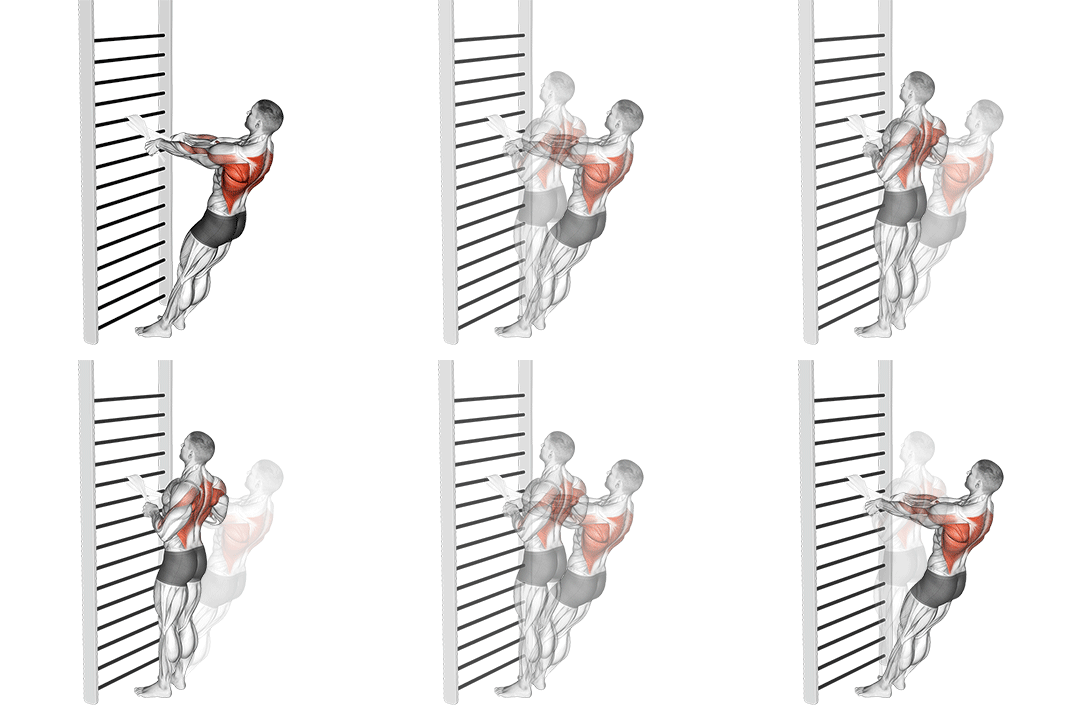
7. Bodyweight Standing Row (with Towel)
67% MatchHow to perform this exercise
- Stand with your feet shoulder-width apart and hold a towel in front of you with both hands.
- Bend your knees slightly and hinge forward at the hips, keeping your back straight.
- Pull the towel towards your chest, squeezing your shoulder blades together.
- Pause for a moment at the top, then slowly release the tension and return to the starting position.
- Repeat for the desired number of repetitions.
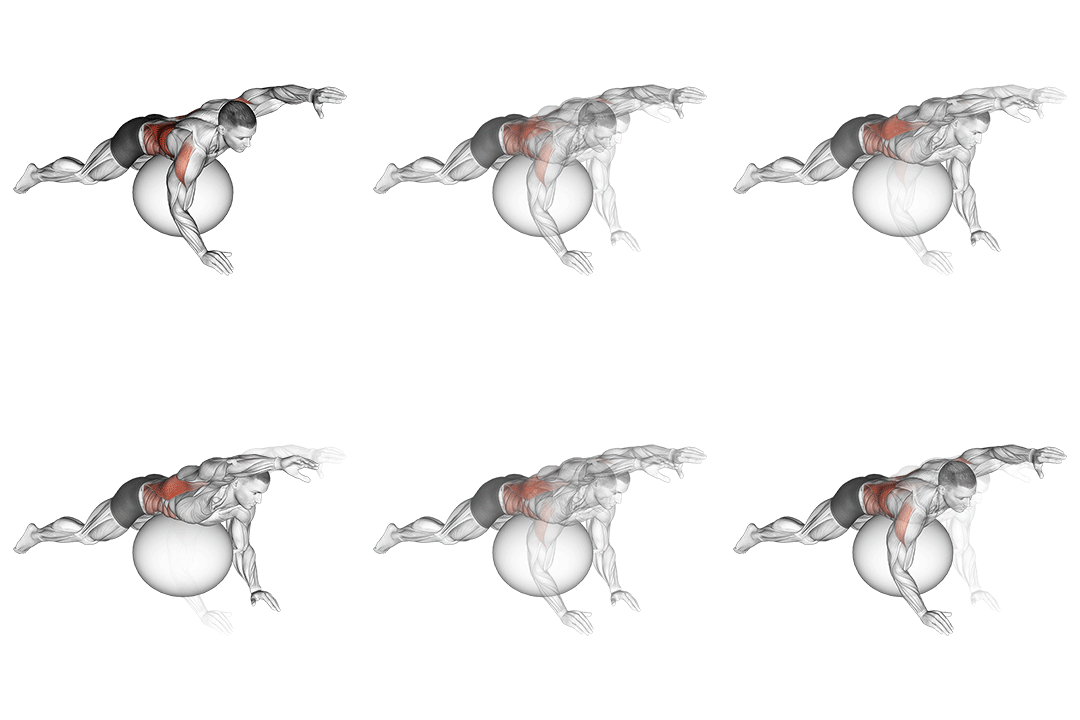
8. Exercise Ball Alternating Arm Ups
65.7% MatchHow to perform this exercise
- Sit on the stability ball with your feet flat on the ground and your back straight.
- Hold a dumbbell in each hand with your palms facing inwards and your arms extended down by your sides.
- Engage your core and slowly lift one arm up towards your shoulder, keeping your elbow slightly bent.
- Pause for a moment at the top, then slowly lower your arm back down to the starting position.
- Repeat the movement with the other arm.
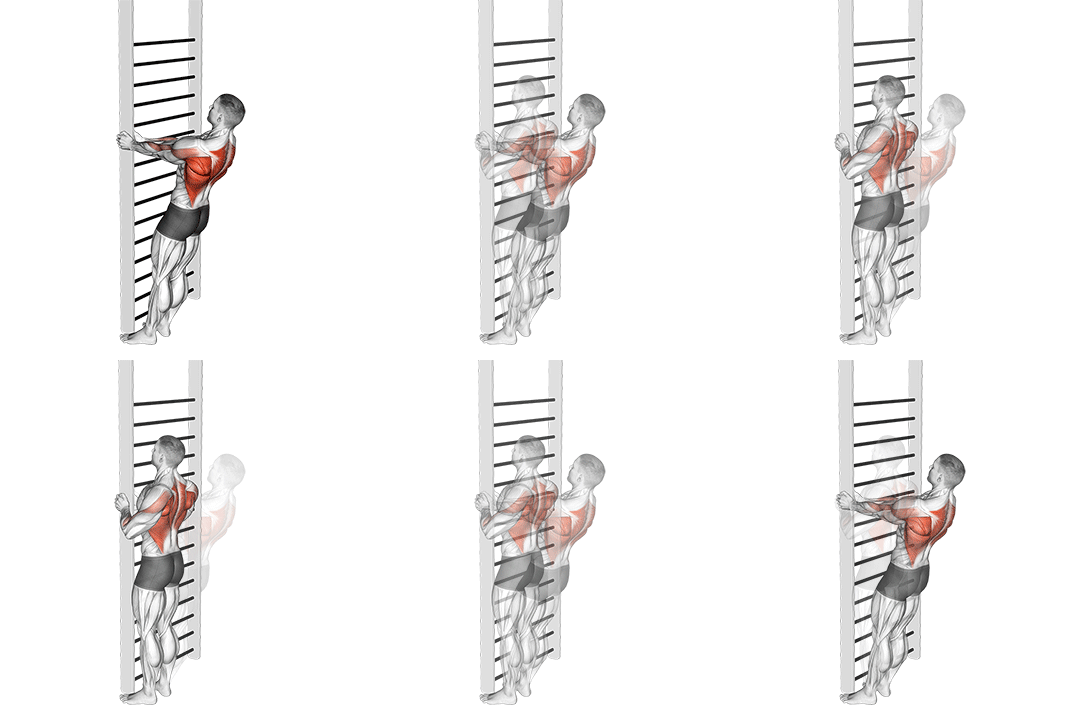
9. Bodyweight Standing Close-grip Row
63.8% MatchHow to perform this exercise
- Stand with your feet shoulder-width apart and knees slightly bent.
- Bend forward at the waist, keeping your back straight and your core engaged.
- Extend your arms straight in front of you, gripping the bar or handles with a close grip.
- Pull the bar or handles towards your body, squeezing your shoulder blades together.
- Pause for a moment at the top of the movement, then slowly release and return to the starting position.
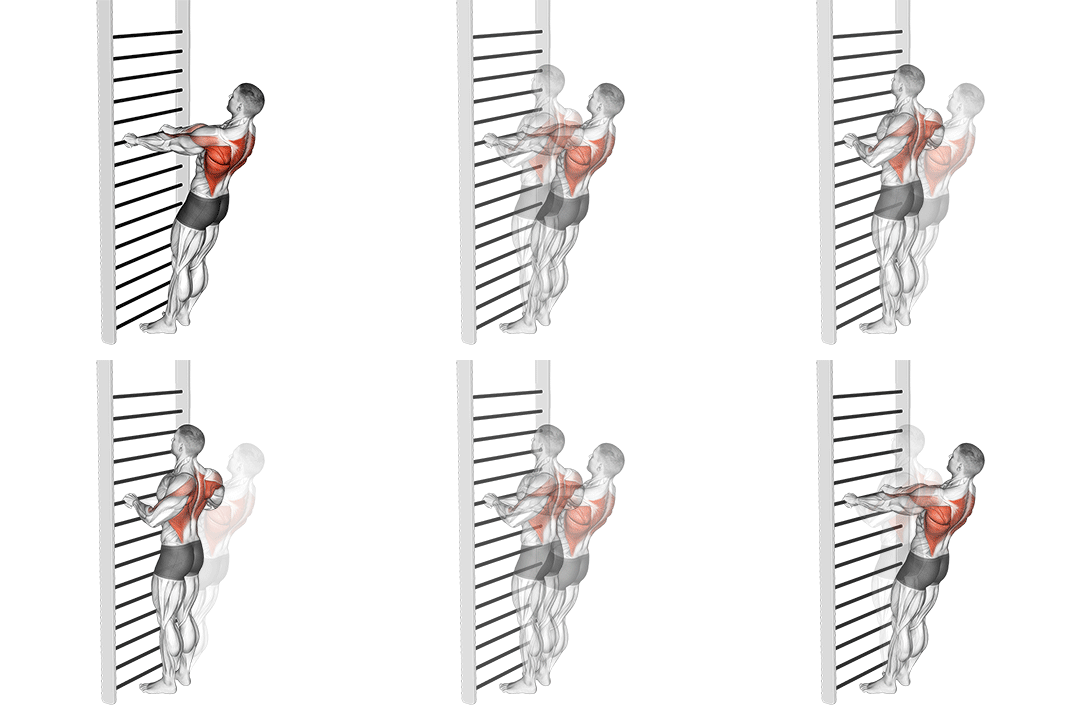
10. Bodyweight Standing Row
63.8% MatchHow to perform this exercise
- Stand with your feet shoulder-width apart and knees slightly bent.
- Grasp a bar or handles with an overhand grip, palms facing down.
- Keep your back straight and core engaged.
- Pull the bar or handles towards your body, squeezing your shoulder blades together.
- Pause for a moment at the top of the movement.
Why You Might Need a Exercise Ball Lying Side Lat Stretch Alternative
You may need substitutes when you lack a stability ball, have shoulder impingement, or need a safer position for low-back pain. Alternatives let you control load, range of motion, and scapular position to avoid painful end-range shoulder flexion. For example, a standing band lat stretch keeps the hips stacked and reduces lumbar extension while still lengthening the latissimus dorsi. If the goal is mobility, emphasize long holds with scapular depression; if the goal is soft-tissue work, use a foam roller with slow pressure along the lat insertion into the thoracolumbar fascia.
How to Choose the Right Substitute
Select a substitute based on your priority: mobility, pain tolerance, or strength. If you need passive lengthening, pick a supported option like foam-roller supine release or child’s-pose side reach and hold 30–60 seconds while breathing into the ribs. For progressive loading and neuromuscular control, use a standing band lat stretch or kneeling single-arm lat stretch and cue scapular depression and humeral extension against resistance. Consider spinal mechanics: avoid excess lumbar arching by bracing your core and hinging at the hips when reaching overhead.
Frequently Asked Questions
What muscles does Exercise Ball Lying Side Lat Stretch work?
It primarily stretches the latissimus dorsi and tensions the thoracolumbar fascia, with secondary lengthening of the teres major and posterior shoulder. Biomechanically it places the humerus into flexion and the scapula into elevation/protraction, so you feel stretch through the lateral back into the ribs.
What is the best bodyweight alternative to Exercise Ball Lying Side Lat Stretch?
Child’s pose with a side reach is the best bodyweight option: sit back on your heels, reach one arm overhead and slide it laterally while keeping the ribs down. Cue scapular depression and breathe into the side ribs to target lat length without extra equipment.
Can I build muscle without doing Exercise Ball Lying Side Lat Stretch?
Yes. Building lat muscle relies on loaded rowing and pulldown patterns rather than this isolation stretch. Use bent-over rows, single-arm dumbbell rows, or band-assisted pull-ups and emphasize full scapular depression and humeral extension to recruit and overload the lats.
More Exercise Alternatives
Find Alternatives for Any Exercise
Use our free tool to discover the best substitute exercises based on your available equipment and goals.
Try the Exercise Substitution Finder →