

10 Best External Rotation With Cable Alternatives for Shoulder Rehab
The External Rotation With Cable is done standing with a cable machine. Ranked closest by our scoring: the Incline Twisting Sit-up, the Crab Twist Toe Touch and the Side Hip (On Parallel Bars).
Updated Ranked by our 12-factor similarity model How it works
Original Exercise: External Rotation With Cable
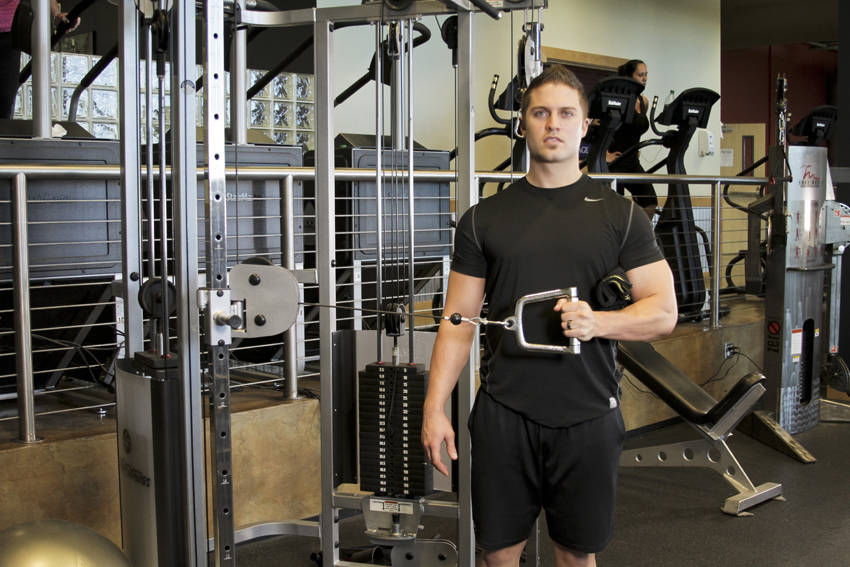
- Primary muscle
- Rotator Cuff
- Equipment
- Cable
- Difficulty
- Beginner
- Type
- Isolation
How to perform External Rotation With Cable
- Adjust the cable to the same height as your elbow. Stand with your left side to the band a couple of feet away.
- Grasp the handle with your right hand, and keep your elbow pressed firmly to your side. We recommend you hold a pad or foam roll in place with your elbow to keep it firmly in position.
- With your upper arm in position, your elbow should be flexed to 90 degrees with your hand reaching across the front of your torso. This will be your starting position.
- Execute the movement by rotating your arm in a backhand motion, keeping your elbow in place.
Ranked External Rotation With Cable Alternatives
10 substitutes, ranked by how closely each one matches the External Rotation With Cable on movement pattern, muscles worked, equipment and body position. The higher the score, the less you change. Open "How to perform this exercise" on a card for the steps; every card title links to that exercise's own alternatives page.
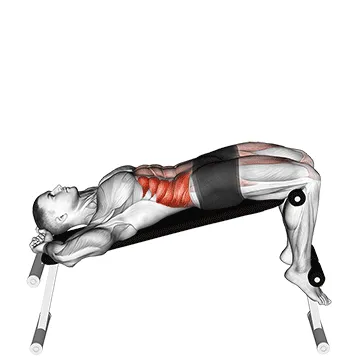
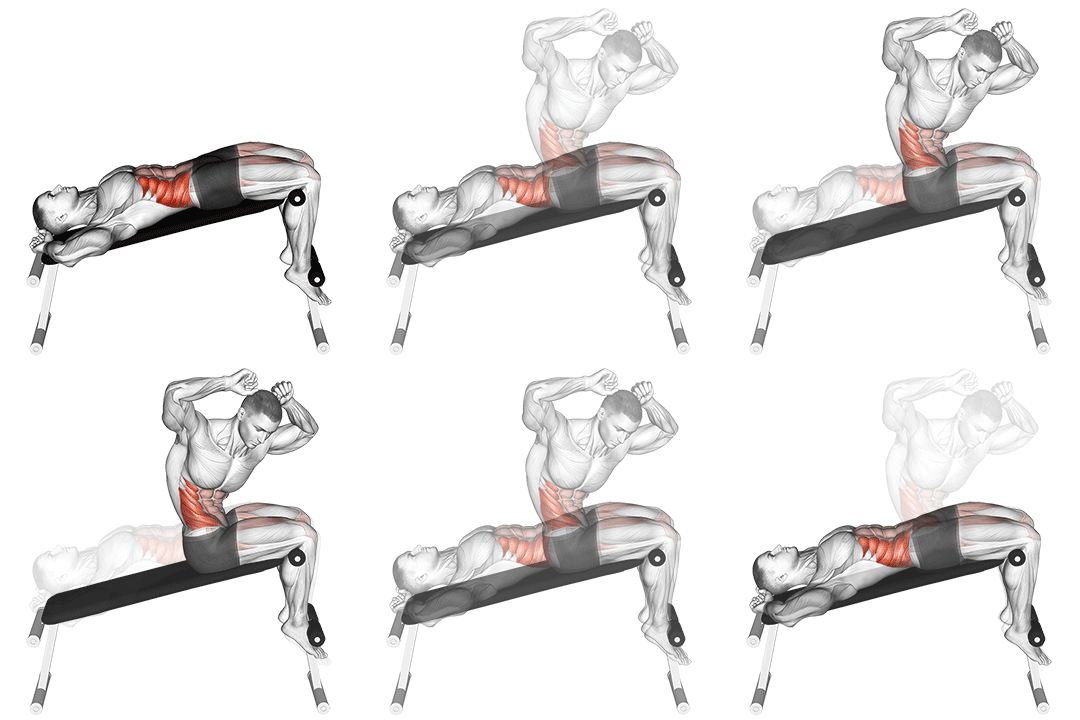
1. Incline Twisting Sit-up
54% match- Abs
- Bodyweight
- Intermediate
- Compound
A looser match: it works the abs rather than the rotator cuff.
How to perform this exercise
- Set up an incline bench at a 45-degree angle.
- Lie down on the bench with your feet secured under the foot pads.
- Place your hands behind your head or across your chest.
- Engage your abs and lift your upper body off the bench, curling forward.
- As you curl up, twist your torso to one side, bringing your elbow towards the opposite knee.
- Pause for a moment at the top, then slowly lower your upper body back down to the starting position.
- Repeat the movement, this time twisting your torso to the other side.
- Continue alternating sides for the desired number of repetitions.
Sets and reps: 3 or 4 sets of 6 to 10 reps.
Why this matches
- Primary muscle: abs, not rotator cuff
- Equipment: bodyweight only, not a cable
- Body position: lying on your back, not standing
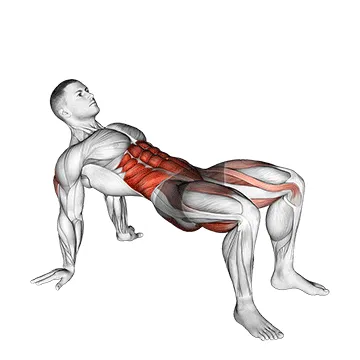
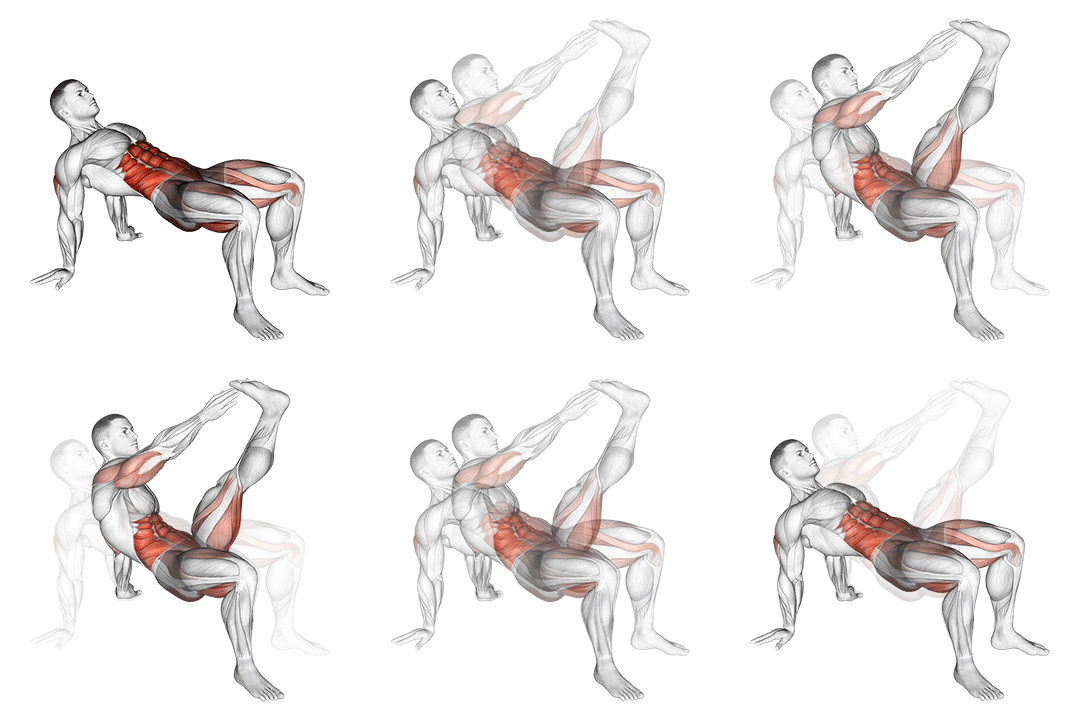
2. Crab Twist Toe Touch
50% match- Abs
- Bodyweight
- Intermediate
- Compound
How to perform this exercise
- Start by sitting on the ground with your knees bent and feet flat on the floor.
- Place your hands behind you, fingers pointing towards your feet, and lift your hips off the ground.
- Extend one leg straight out in front of you while simultaneously reaching your opposite hand towards your toes.
- Return to the starting position and repeat on the other side.
- Continue alternating sides for the desired number of repetitions.
Sets and reps: 3 or 4 sets of 6 to 10 reps on each side.
Why this matches
- Primary muscle: abs, not rotator cuff
- Equipment: bodyweight only, not a cable
- Body position: seated, not standing
- Balance: harder to stay steady on than the External Rotation With Cable
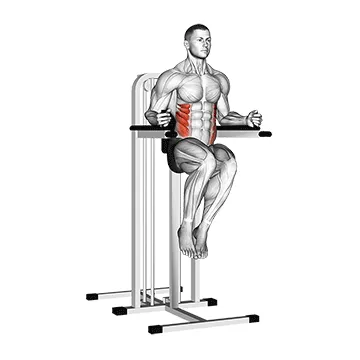
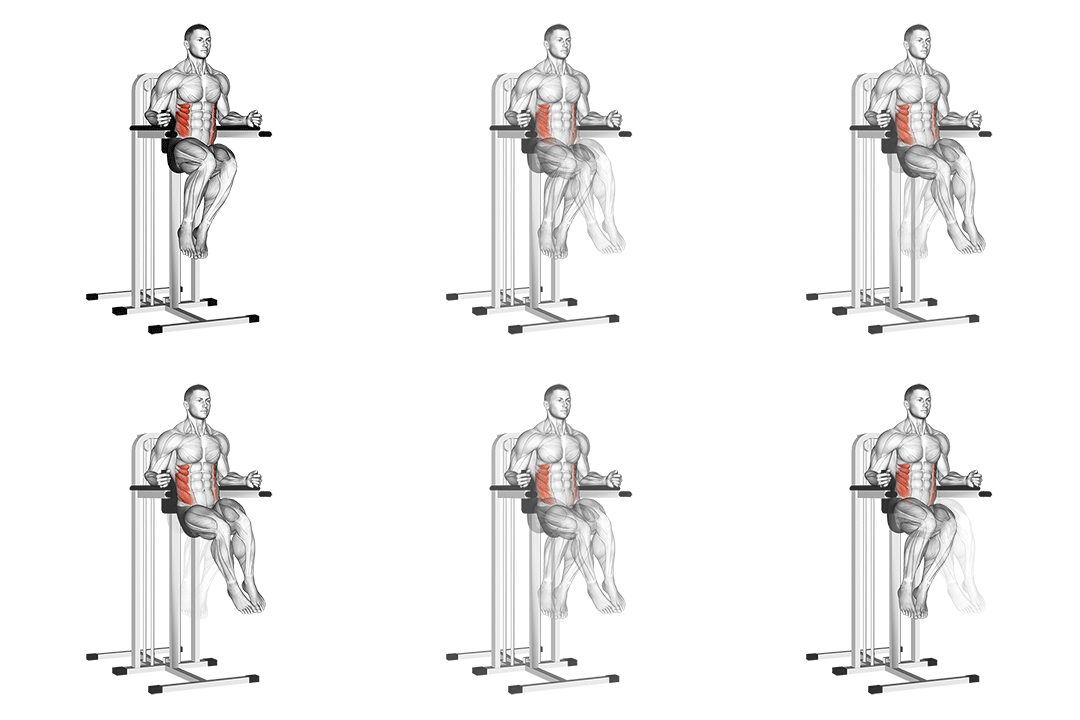
3. Side Hip (On Parallel Bars)
50% match- Abs
- Bodyweight
- Advanced
- Compound
How to perform this exercise
- Stand between two parallel bars with your feet shoulder-width apart.
- Place your hands on the bars and lift your body off the ground, supporting your weight on your arms.
- Engage your abs and slowly lift your legs to the side, keeping them straight.
- Pause for a moment at the top, then slowly lower your legs back down to the starting position.
- Repeat for the desired number of repetitions.
Sets and reps: 3 or 4 sets of 6 to 10 reps.
Why this matches
- Primary muscle: abs, not rotator cuff
- Equipment: bodyweight only, not a cable
- Body position: hanging, not standing
- Balance: harder to stay steady on than the External Rotation With Cable
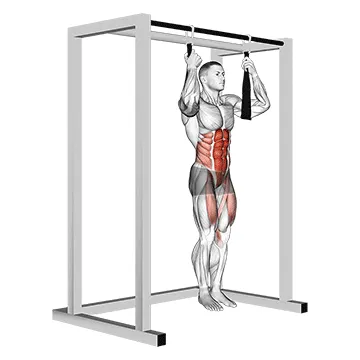
- Abs
- Bodyweight
- Advanced
- Compound
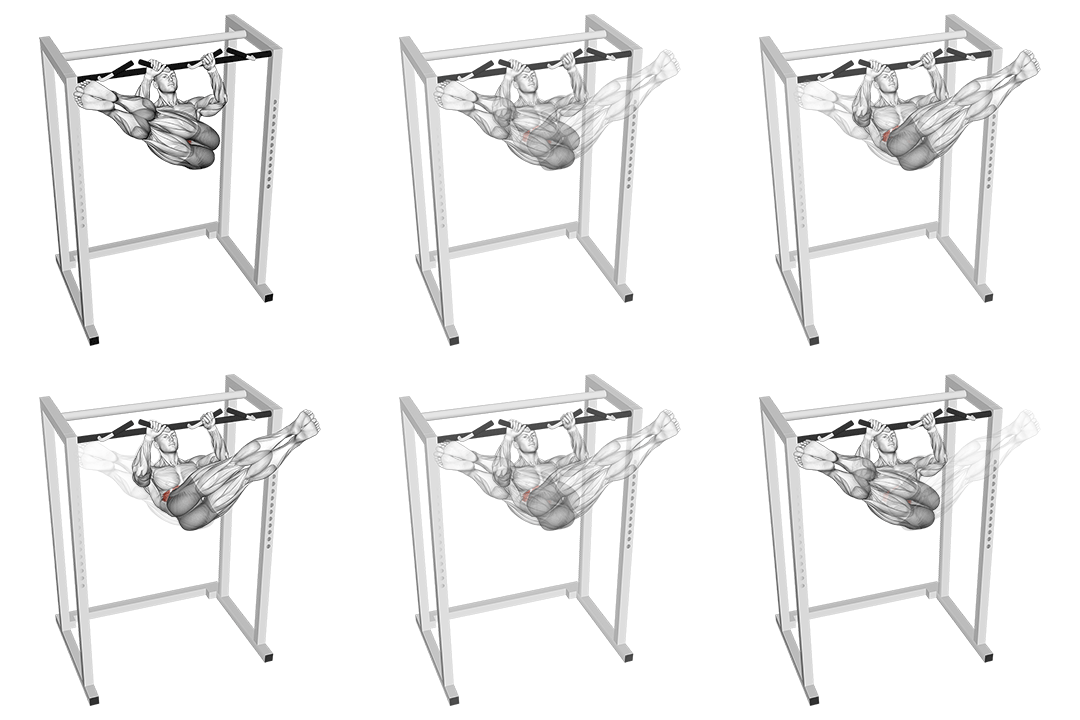
How to perform this exercise
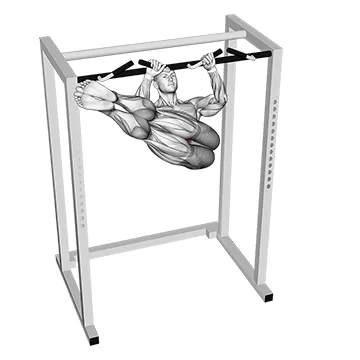
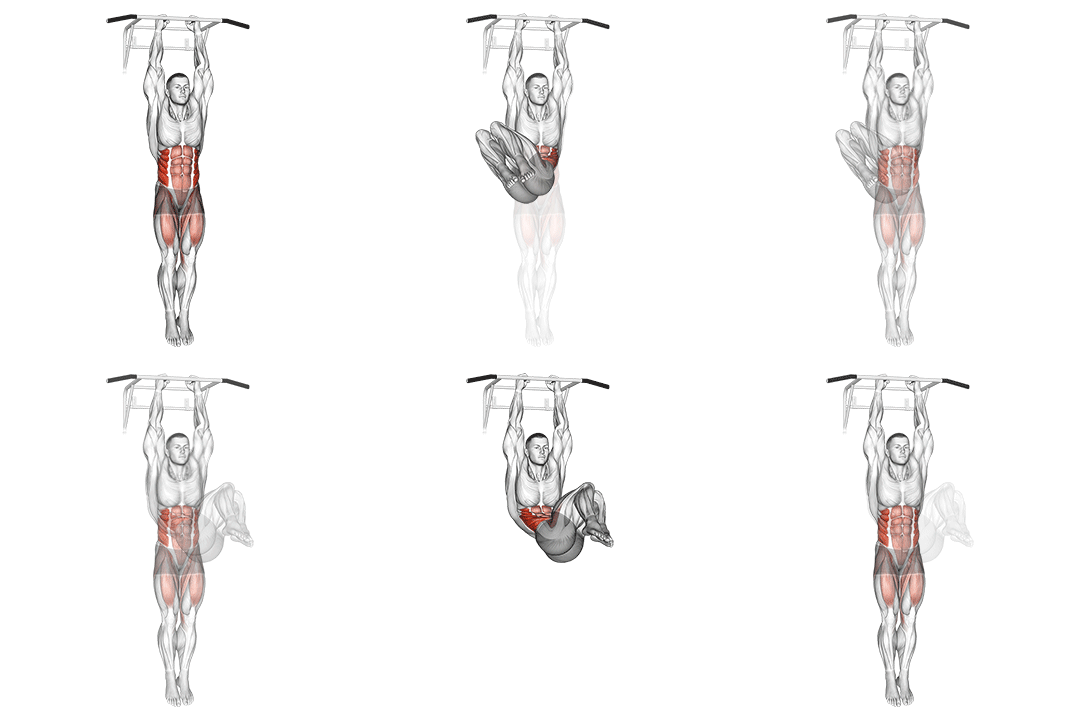
- Hang from a pull-up bar with your arms fully extended and your legs straight.
- Engage your core and lift your legs up towards your chest, keeping them straight.
- Once your legs are parallel to the ground, twist your hips to one side, bringing your legs towards that side.
- Pause for a moment, then return to the starting position.
- Repeat the movement, but this time twist your hips to the opposite side.
- Continue alternating sides for the desired number of repetitions.
Sets and reps: 3 or 4 sets of 6 to 10 reps.
Why this matches
- Primary muscle: abs, not rotator cuff
- Equipment: bodyweight only, not a cable
- Body position: hanging, not standing
- Balance: harder to stay steady on than the External Rotation With Cable
5. Gorilla Chin
45% match- Abs
- Bodyweight
- Intermediate
- Compound
How to perform this exercise
- Stand with your feet shoulder-width apart and your knees slightly bent.
- Grasp a pull-up bar with an overhand grip, slightly wider than shoulder-width apart.
- Hang from the bar with your arms fully extended and your palms facing away from you.
- Engage your core and pull your body up towards the bar, bringing your chin above the bar.
- Pause for a moment at the top, then slowly lower your body back down to the starting position.
- Repeat for the desired number of repetitions.
Sets and reps: 3 or 4 sets of 6 to 10 reps on each side.
Why this matches
- Primary muscle: abs, not rotator cuff
- Equipment: bodyweight only, not a cable
- Body position: hanging, not standing
- Balance: harder to stay steady on than the External Rotation With Cable
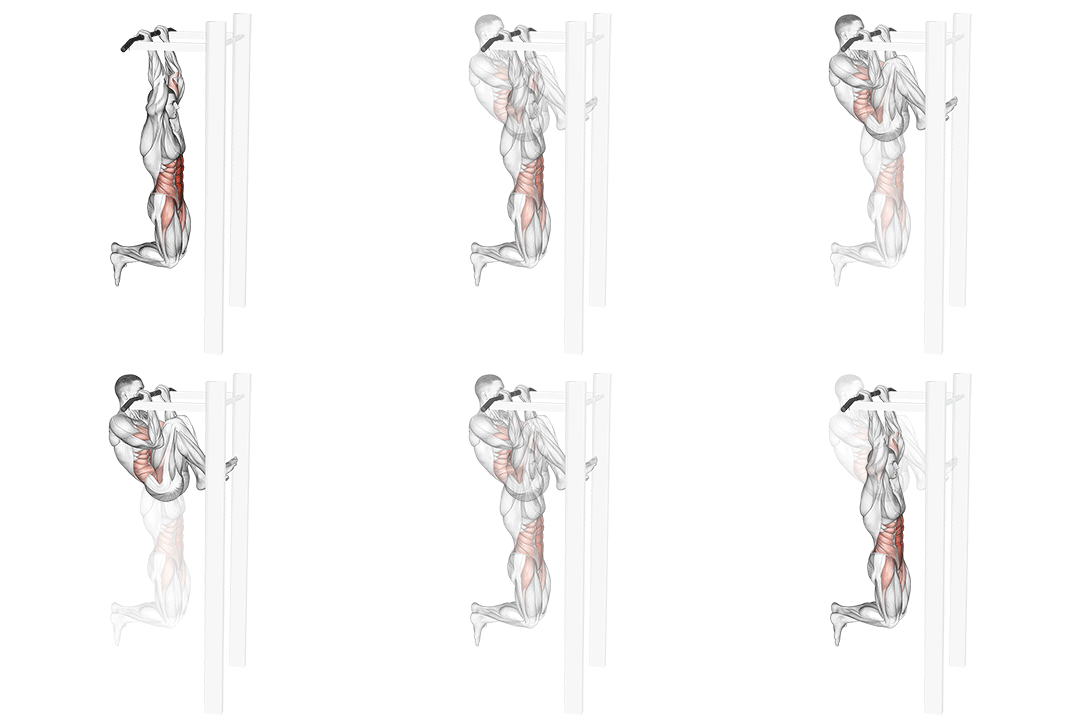
6. Hanging Oblique Knee Raise
42% match- Abs
- Bodyweight
- Advanced
- Compound
How to perform this exercise
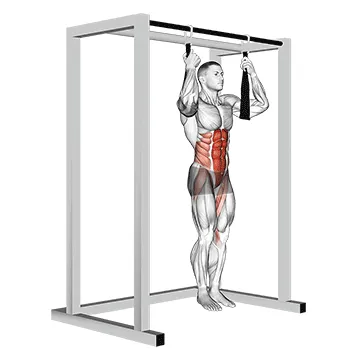
- Hang from a pull-up bar with your arms fully extended and your palms facing away from you.
- Engage your core and lift your knees towards your chest, twisting your torso to the side as you do so.
- Pause for a moment at the top, then slowly lower your legs back down to the starting position.
- Repeat on the other side, twisting your torso in the opposite direction.
- Continue alternating sides for the desired number of repetitions.
Sets and reps: 3 or 4 sets of 6 to 10 reps on each side.
Why this matches
- Primary muscle: abs, not rotator cuff
- Equipment: bodyweight only, not a cable
- Body position: hanging, not standing
- Balance: harder to stay steady on than the External Rotation With Cable
- Abs
- Bodyweight
- Intermediate
- Compound
How to perform this exercise
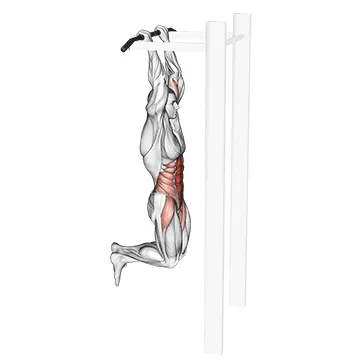
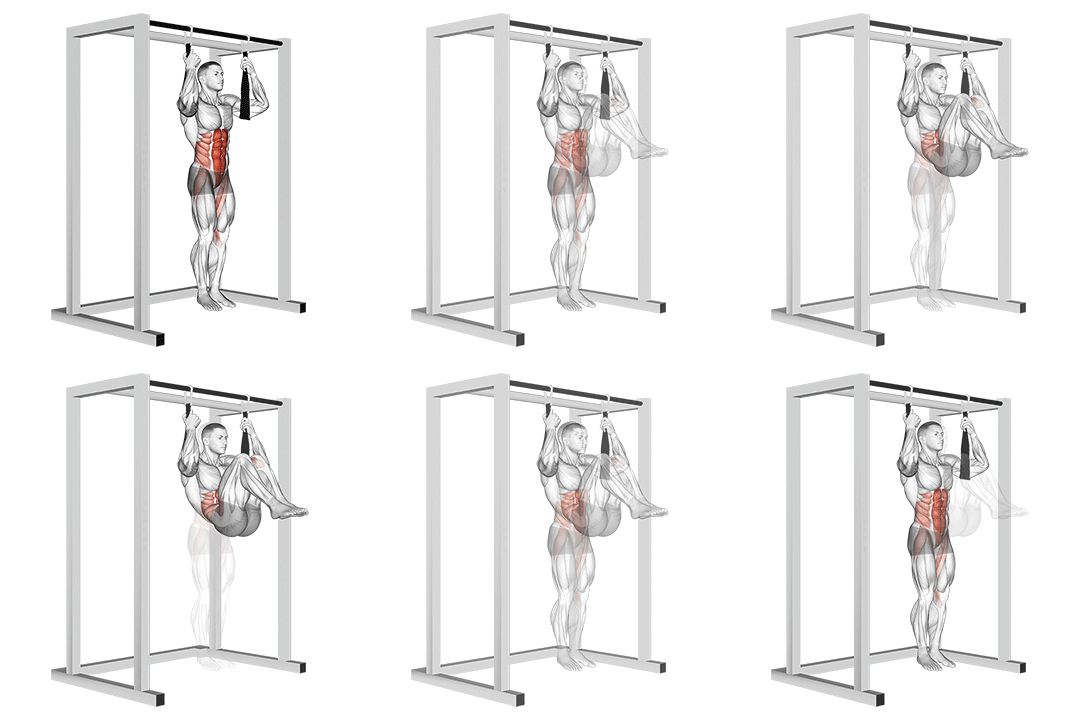
- Hang from a pull-up bar with your arms fully extended and your knees bent at a 90-degree angle.
- Engage your core and lift your knees towards your chest, bringing them as close to your elbows as possible.
- Slowly lower your legs back down to the starting position.
- Repeat for the desired number of repetitions.
Sets and reps: 3 or 4 sets of 6 to 10 reps on each side.
Why this matches
- Primary muscle: abs, not rotator cuff
- Equipment: bodyweight only, not a cable
- Body position: hanging, not standing
- Balance: harder to stay steady on than the External Rotation With Cable
- Abs
- Bodyweight
- Advanced
- Compound
How to perform this exercise
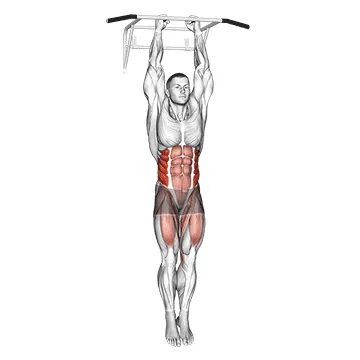
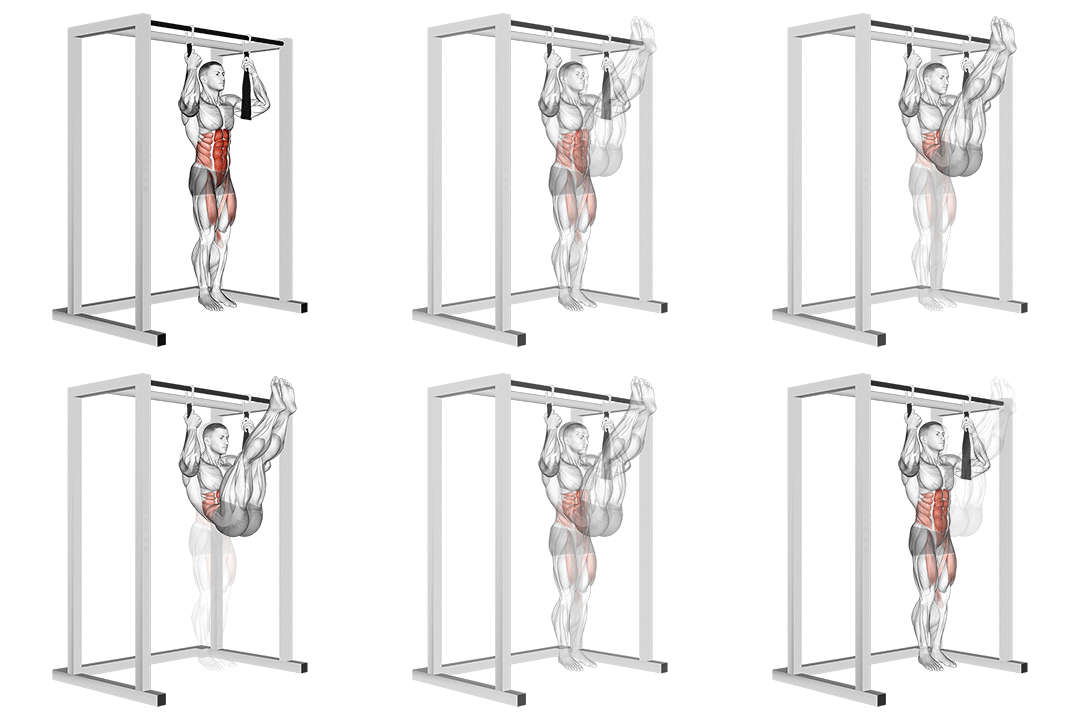
- Hang from a pull-up bar with your arms fully extended and your legs straight down.
- Engage your core and lift your legs up in front of you until they are parallel to the ground.
- Hold for a moment at the top, then slowly lower your legs back down to the starting position.
- Repeat for the desired number of repetitions.
Sets and reps: 3 or 4 sets of 6 to 10 reps on each side.
Why this matches
- Primary muscle: abs, not rotator cuff
- Equipment: bodyweight only, not a cable
- Body position: hanging, not standing
- Balance: harder to stay steady on than the External Rotation With Cable
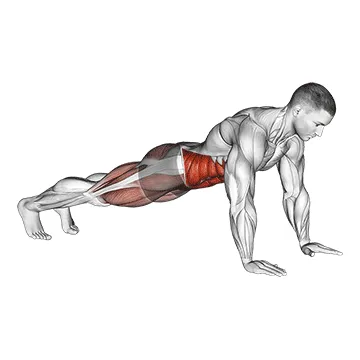
- Abs
- Bodyweight
- Intermediate
- Compound
How to perform this exercise
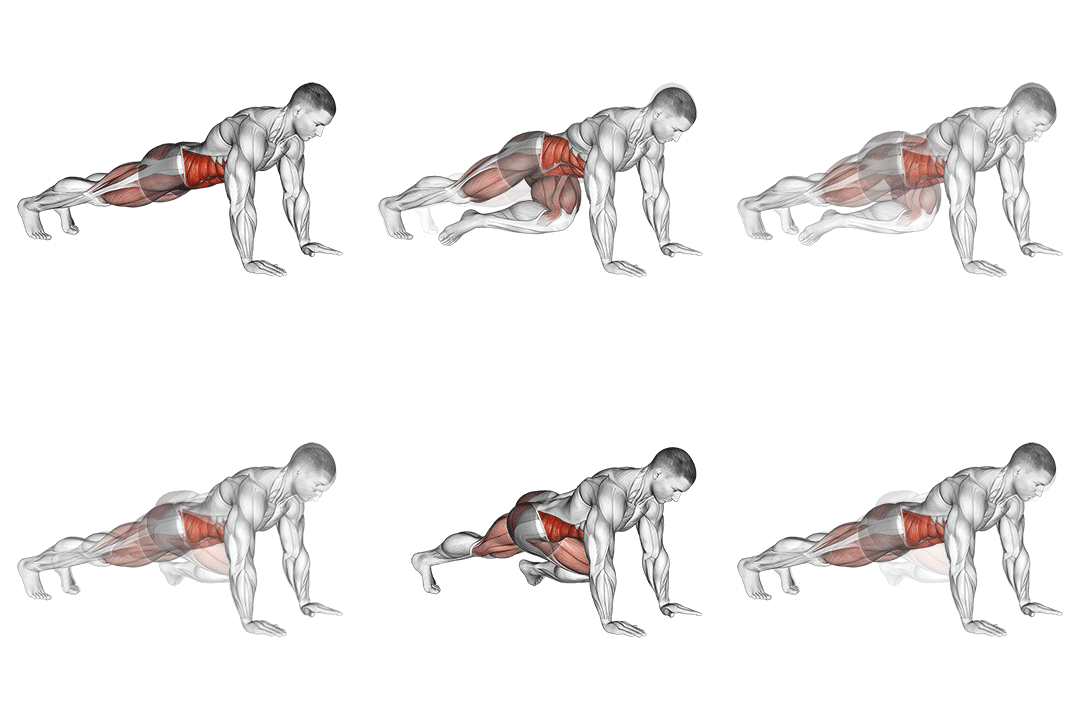
- Start in a high plank position with your hands directly under your shoulders and your body in a straight line.
- Engage your core and lift your right foot off the ground, bringing your right knee towards your left elbow.
- Return your right foot to the starting position and repeat the movement with your left foot towards your right elbow.
- Continue alternating sides, moving at a controlled pace.
- Keep your hips level and avoid lifting your hips too high or sagging them too low.
- Maintain a steady breathing pattern throughout the exercise.
- Repeat for the desired number of repetitions.
Sets and reps: 3 or 4 sets of 6 to 10 reps on each side.
Why this matches
- Primary muscle: abs, not rotator cuff
- Equipment: bodyweight only, not a cable
- Body position: lying face down, not standing
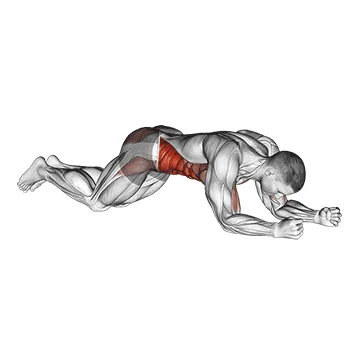
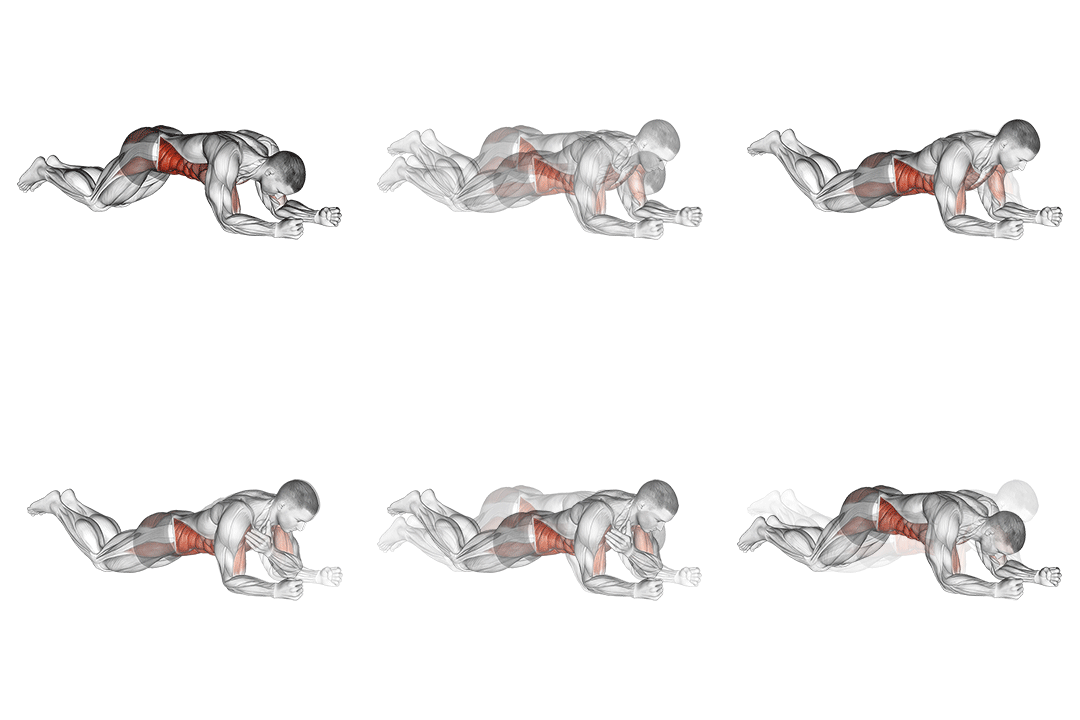
10. Kneeling Plank Tap Shoulder
40% match- Abs
- Bodyweight
- Intermediate
- Compound
How to perform this exercise
- Start in a kneeling position with your hands on the ground, shoulder-width apart.
- Extend your legs behind you, resting on your toes, and lift your body into a plank position.
- Keeping your core engaged and your hips stable, lift one hand off the ground and tap the opposite shoulder.
- Return the hand to the ground and repeat with the other hand.
- Continue alternating sides for the desired number of repetitions.
Sets and reps: 3 or 4 sets of 6 to 10 reps on each side.
Why this matches
- Movement: an anti-extension hold, close to the External Rotation With Cable
- Primary muscle: abs, not rotator cuff
- Equipment: bodyweight only, not a cable
- Body position: kneeling, not standing
Why You Might Need an External Rotation With Cable Alternative
You may substitute External Rotation With Cable for several reasons: lack of cable equipment, acute shoulder pain, post-op restrictions, or preference for simpler tools. Alternatives using bands or light dumbbells let you precisely scale resistance and control joint translation at the glenohumeral joint. For rehab, choose techniques that limit frontal-plane abduction and keep the elbow at 90° so the humeral head stays centered; that reduces supraspinatus impingement and favors isolated infraspinatus/teres minor engagement. If pain persists, reduce range of motion and slow the eccentric for better neuromuscular control.
External Rotation With Cable FAQ
What muscles does External Rotation With Cable work?
External Rotation With Cable primarily targets the rotator-cuff muscles, especially infraspinatus and teres minor, plus stabilizing fibers of the posterior deltoid. The movement externally rotates the humerus, producing posterior cuff torque while resisting anterior translation of the humeral head.
Find Alternatives for Any Exercise
Search the exercise database and filter the ranked substitutes by the equipment you own.
Similarity scores compare exercise metadata such as movement pattern, muscles, equipment and body position. They are not a safety rating or a check that you own the equipment. Learn about our methodology