

10 Best Inchworm V. 2 Alternatives for Core Strength
What can I do instead of Inchworm V. 2? Use exercises that replicate its hip-hinge and anti-extension demands: plank walkouts, dead bugs, pike-to-plank, bird dogs, and bear crawls. Cue: hinge at the hips, brace your abs, and move slowly to control scapular protraction and rectus abdominis activation.
Original Exercise: Inchworm V. 2
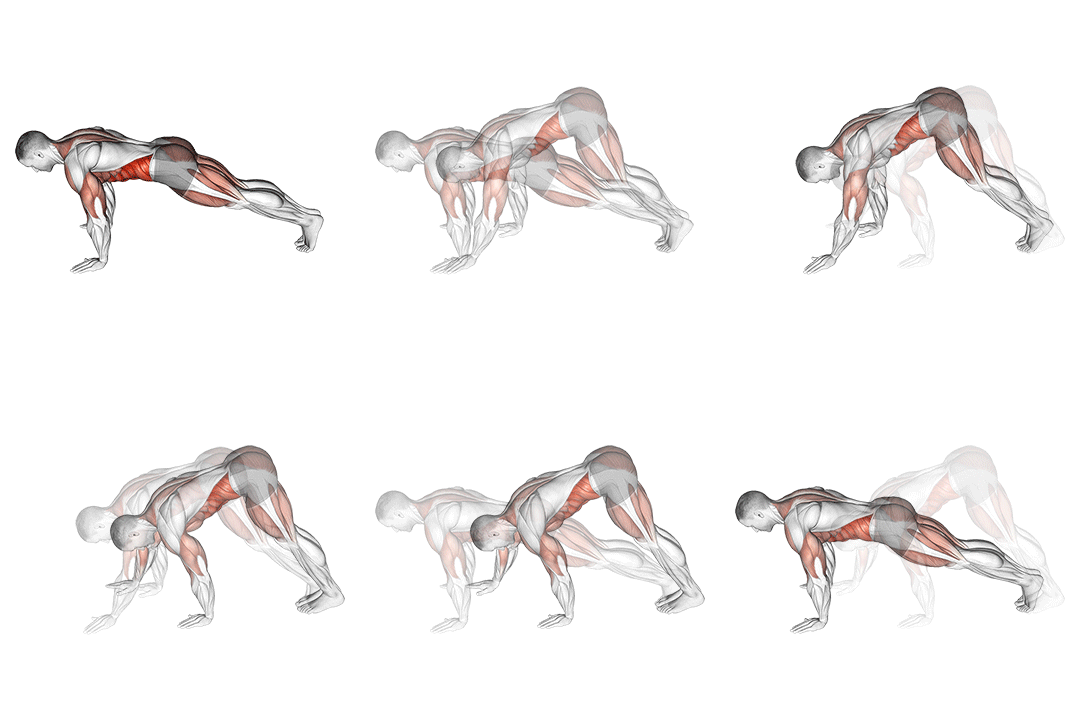
How to Perform Inchworm V. 2
- Start in a standing position with your feet hip-width apart.
- Bend forward at the waist and place your hands on the ground in front of you.
- Walk your hands forward until you are in a high plank position, with your body in a straight line from head to toe.
- Keeping your legs straight, walk your feet towards your hands, bringing your hips up towards the ceiling.
- Continue walking your hands forward, repeating the movement for the desired number of repetitions.
Best Inchworm V. 2 Alternatives
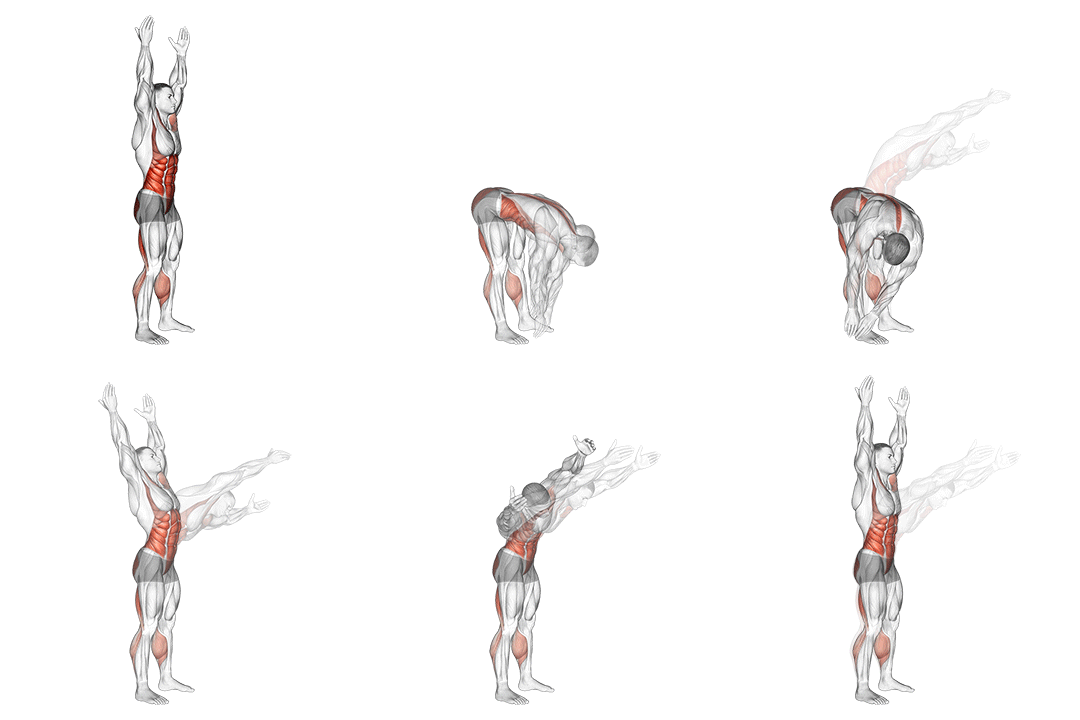
1. Arms Apart Circular Toe Touch (male)
80.2% MatchHow to perform this exercise
- Stand with your feet shoulder-width apart and arms extended to the sides.
- Keeping your legs straight, bend forward at the waist and reach down towards your toes with your right hand.
- As you reach down, simultaneously lift your left leg straight up behind you, maintaining balance.
- Return to the starting position and repeat the movement with your left hand reaching towards your toes and your right leg lifting up behind you.
- Continue alternating sides for the desired number of repetitions.
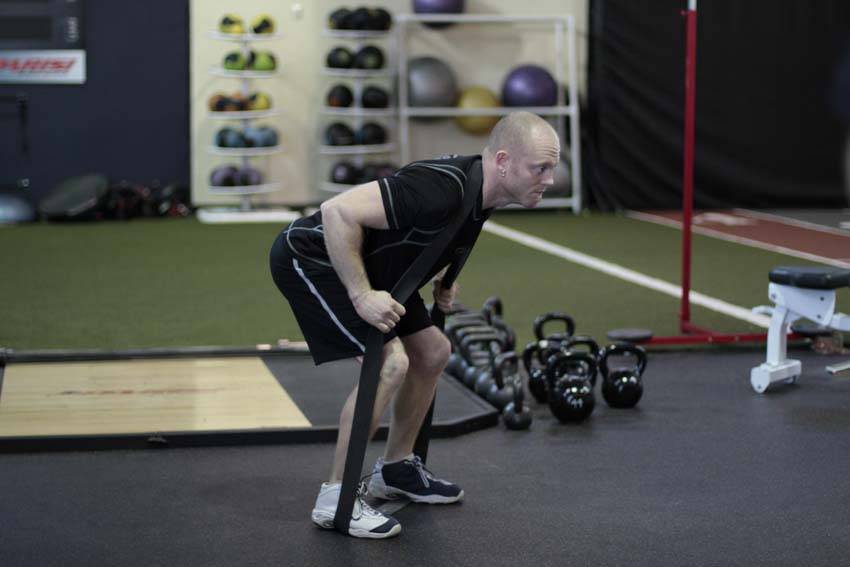
2. Band Good Morning
67.6% MatchHow to perform this exercise
- Using a 41 inch band, stand on one end, spreading your feet a small amount. Bend at the hips to loop the end of the band behind your neck. This will be your starting position.
- Keeping your legs straight, extend through the hips to come to a near vertical position.
- Ensure that you do not round your back as you go down back to the starting position.
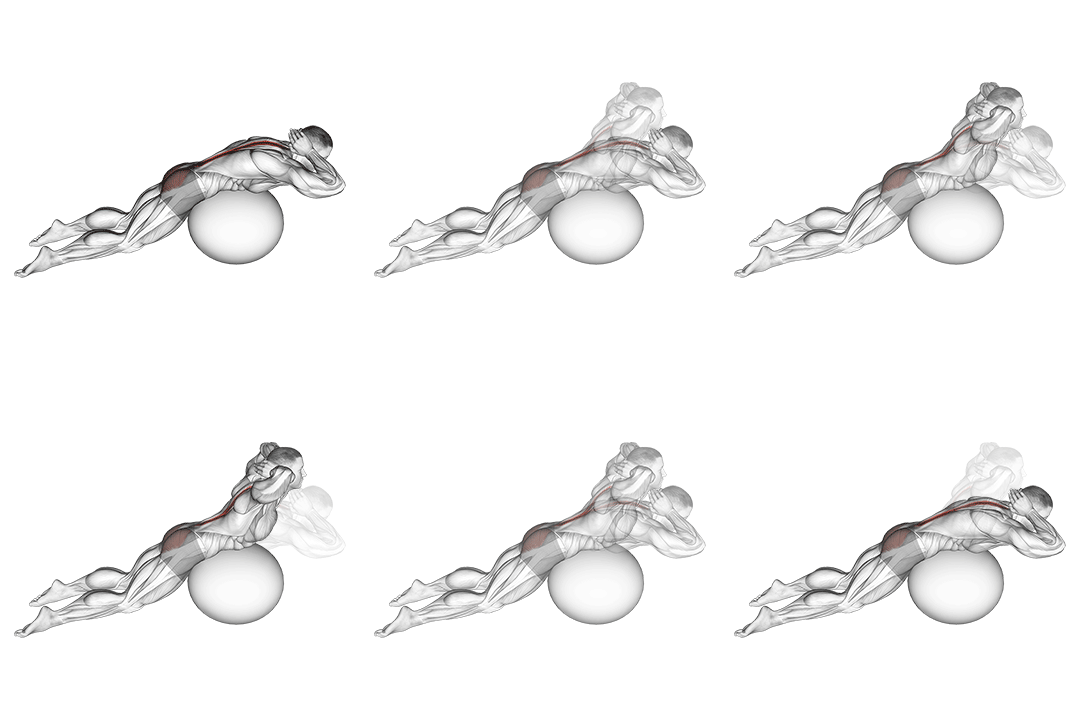
3. Exercise Ball Back Extension With Hands Behind Head
66.2% MatchHow to perform this exercise
- Place the stability ball on the ground and lie face down on top of it with your hips resting on the ball.
- Position your feet against a wall or other stable surface for support.
- Cross your arms behind your head, with your hands touching the back of your head.
- Engage your core and slowly lift your upper body off the ball, extending your back until your body forms a straight line from your head to your hips.
- Pause for a moment at the top of the movement, then slowly lower your upper body back down to the starting position.
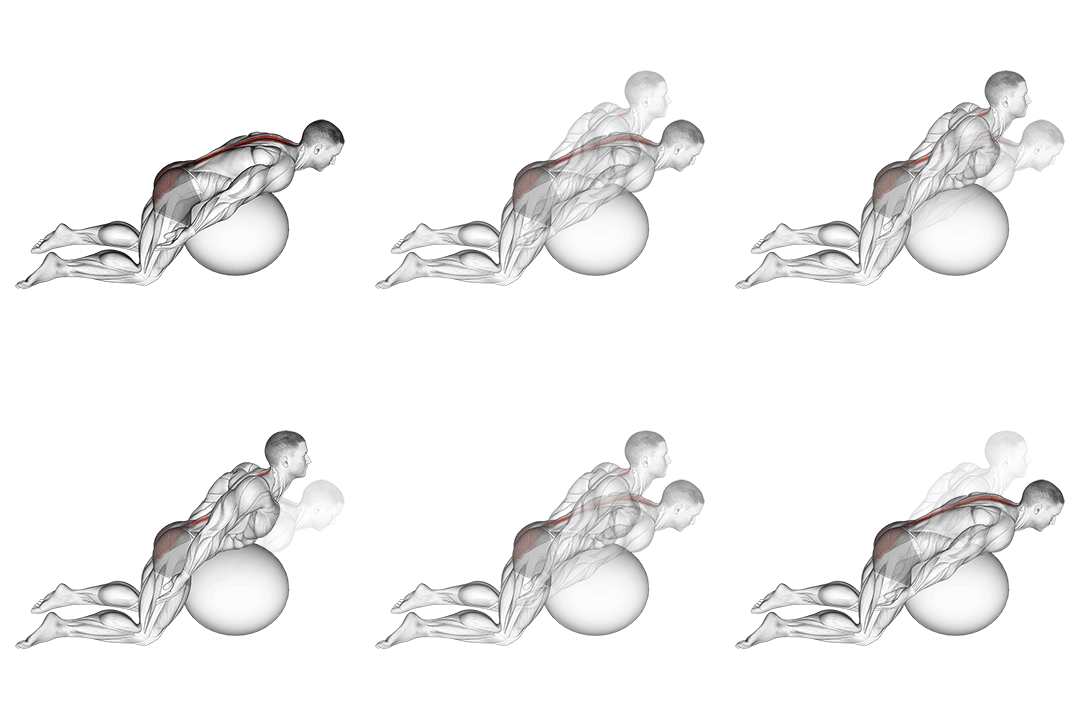
4. Exercise Ball Back Extension With Arms Extended
66.2% MatchHow to perform this exercise
- Place the stability ball on the ground and lie face down on top of it, with your hips resting on the ball and your feet against a wall for stability.
- Extend your arms straight out in front of you, with your palms facing down.
- Engage your core and slowly lift your upper body off the ball, keeping your back straight and your neck in line with your spine.
- Pause for a moment at the top, then slowly lower your upper body back down to the starting position.
- Repeat for the desired number of repetitions.
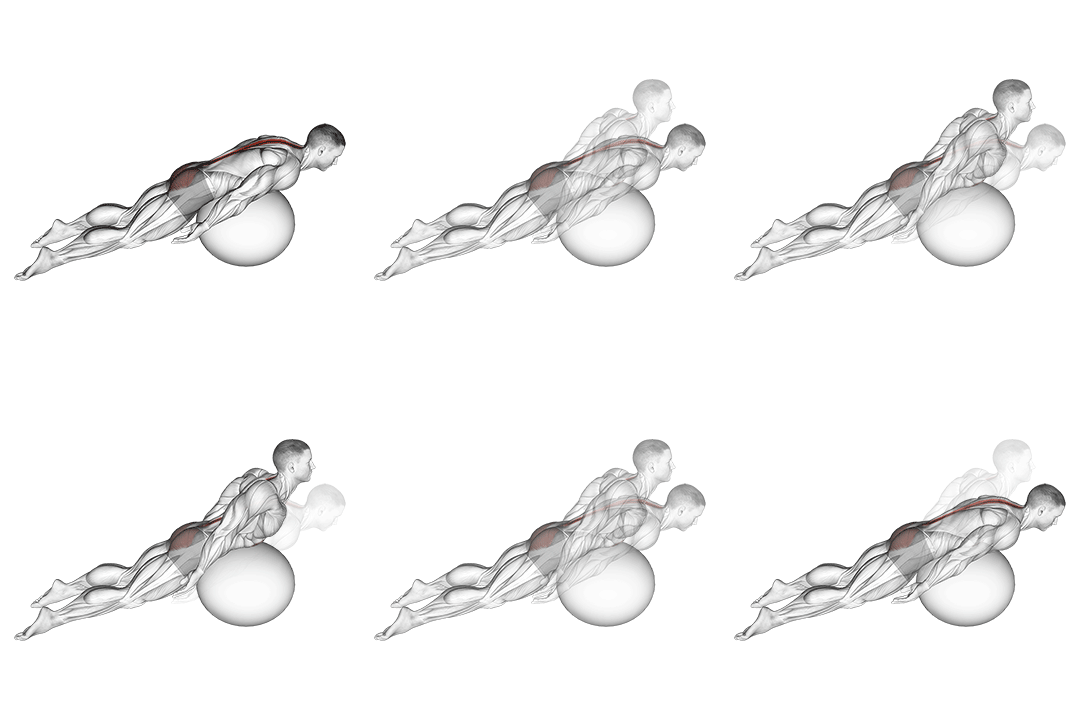
5. Exercise Ball Back Extension With Knees Off Ground
64.9% MatchHow to perform this exercise
- Place the stability ball on the ground and lie face down on top of it, with your hips resting on the ball and your feet against a wall for stability.
- Position your hands behind your head or crossed over your chest.
- Engage your core and slowly lift your upper body off the ball, extending your back until your body forms a straight line from your head to your heels.
- Pause for a moment at the top, then slowly lower your upper body back down to the starting position.
- Repeat for the desired number of repetitions.
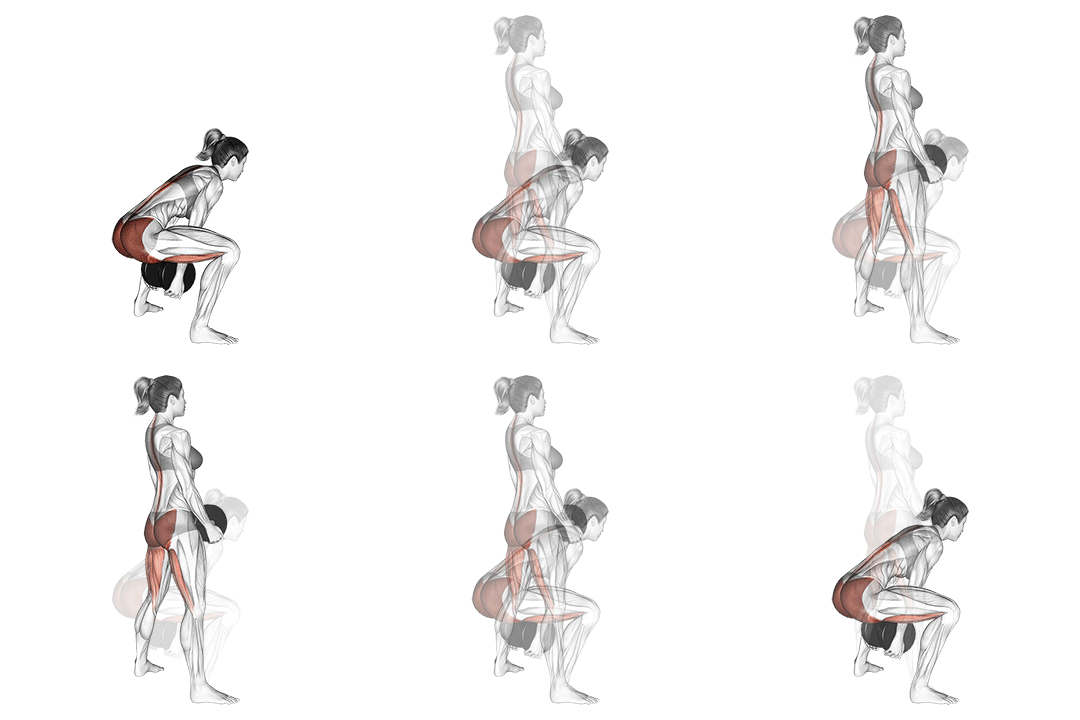
6. Dumbbell Sumo Pull Through
64.2% MatchHow to perform this exercise
- Stand with your feet wider than shoulder-width apart, toes pointed outwards.
- Hold a dumbbell with both hands in front of your body, arms extended.
- Bend your knees and lower your hips down into a squat position, keeping your back straight.
- Lower the dumbbell down between your legs, keeping your arms straight.
- Drive through your heels and extend your hips forward, pulling the dumbbell up and in front of your body.
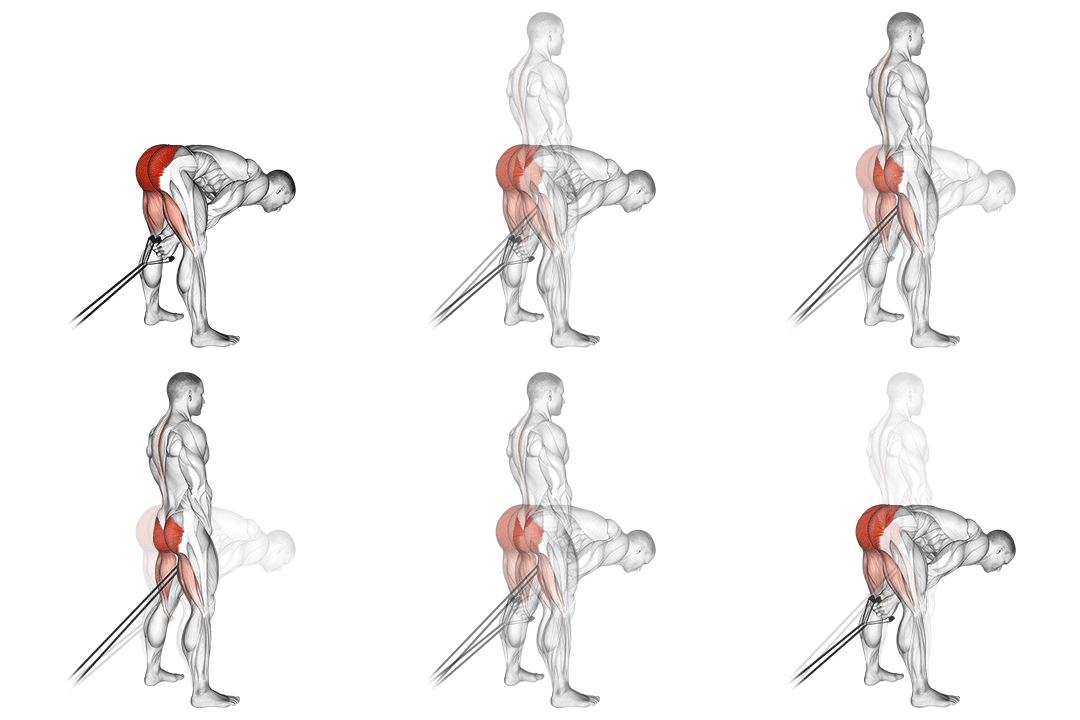
7. Band Pull Through
63.4% MatchHow to perform this exercise
- Attach a resistance band to a sturdy anchor point at ground level.
- Stand facing away from the anchor point with your feet shoulder-width apart.
- Step forward to create tension in the band, keeping your knees slightly bent.
- Hinge at the hips and push your glutes back, maintaining a slight bend in your knees.
- Lower your torso until it is parallel to the ground, feeling a stretch in your hamstrings.
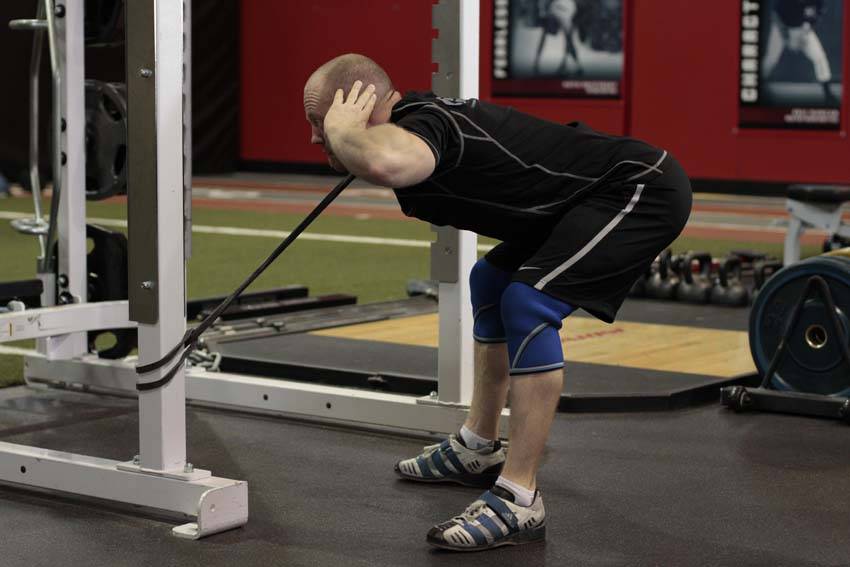
8. Band Good Morning (Pull Through)
62.9% MatchHow to perform this exercise
- Loop the band around a post. Standing a little ways away, loop the opposite end around the neck. Your hands can help hold the band in position.
- Begin by bending at the hips, getting your butt back as far as possible. Keep your back flat and bend forward to about 90 degrees. Your knees should be only slightly bent.
- Return to the starting position be driving through with the hips to come back to a standing position.
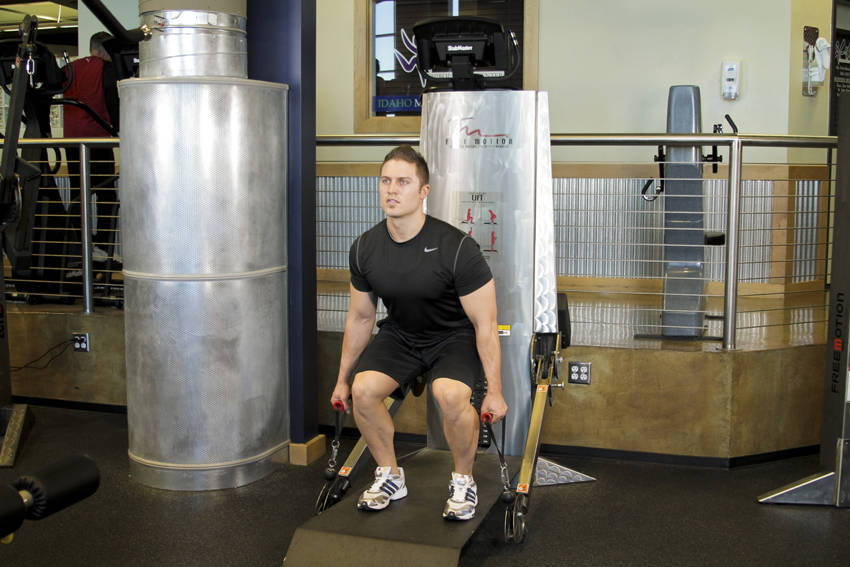
9. Cable Deadlifts
62.1% MatchHow to perform this exercise
- Move the cables to the bottom of the towers and select an appropriate weight. Stand directly in between the uprights.
- To begin, squat down be flexing your hips and knees until you can reach the handles.
- After grasping them, begin your ascent. Driving through your heels extend your hips and knees keeping your hands hanging at your side. Keep your head and chest up throughout the movement.
- After reaching a full standing position, Return to the starting position and repeat.
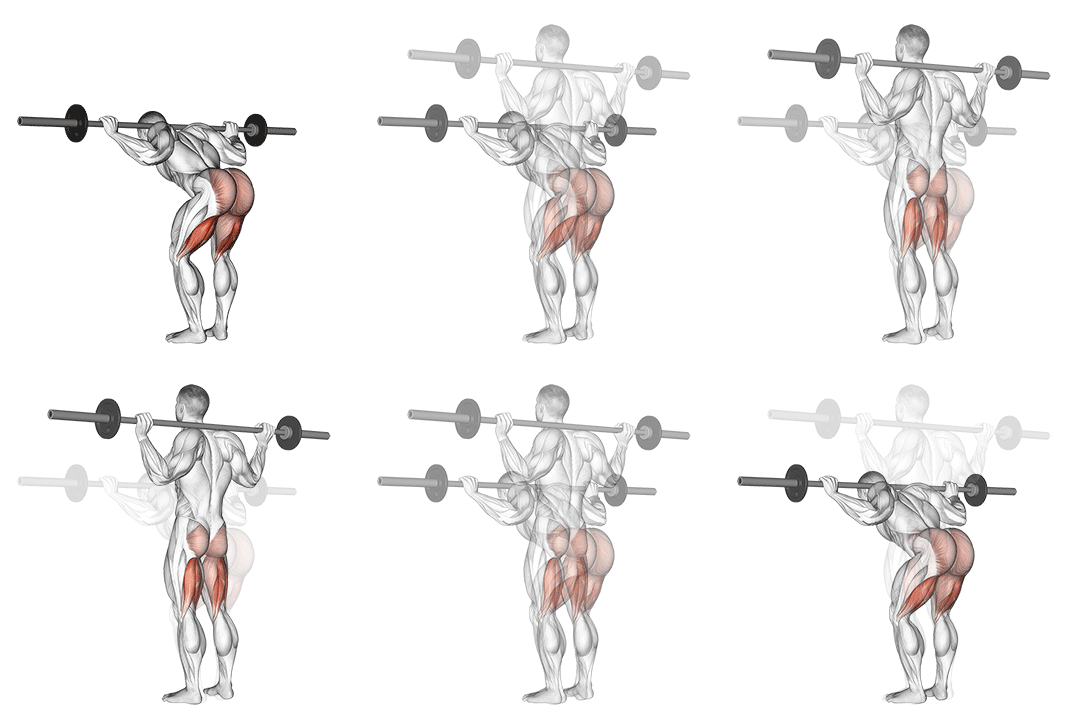
10. Barbell Good Morning
61.4% MatchHow to perform this exercise
- Start by standing with your feet shoulder-width apart and the barbell resting on your upper back.
- Keeping your back straight and your core engaged, hinge forward at the hips, pushing your buttocks back as if you were trying to touch the wall behind you with your glutes.
- Lower your torso until it is parallel to the ground, feeling a stretch in your hamstrings.
- Pause for a moment, then return to the starting position by squeezing your glutes and pushing your hips forward.
- Repeat for the desired number of repetitions.
Why You Might Need a Inchworm V. 2 Alternative
You may substitute Inchworm V. 2 for several practical reasons: wrist or shoulder pain from loading in a plank, limited hamstring flexibility that blocks full walkouts, or preference for lower-impact core work. Choose an alternative when you need reduced thoracic flexion or less dynamic hip range of motion. For example, dead bugs remove axial load while preserving anti-extension training; cue a posterior pelvic tilt and feel the rectus abdominis and transverse abdominis engage. If scapular control is the issue, regress to controlled plank walkouts with deliberate scapular protraction and retraction to train serratus anterior without ballistic movement.
How to Choose the Right Substitute
Select a substitute by matching the primary movement pattern and muscular demand. Prioritize anti-extension alternatives (plank variations, pike-to-plank) if your goal is rectus abdominis control; cue a flat back and braced core. Pick hip-hinge light-load options (standing walkouts or dead bugs) when hamstring mobility or lumbar load is limited; keep ribs down and squeeze the glutes to protect the lumbar spine. If shoulder stability is weak, choose exercises that minimize scapular load or allow isolated serratus activation, such as wall-based bear crawls or elevated plank walkouts while maintaining scapular packing.
Frequently Asked Questions
What muscles does Inchworm V. 2 work?
Inchworm V. 2 primarily targets the rectus abdominis and obliques through anti-extension, while recruiting the serratus anterior, anterior deltoids, hamstrings, and glutes for the hip hinge and walkout-return. Cue a posterior pelvic tilt and brace your core to feel the rectus abdominis engage.
What is the best bodyweight alternative to Inchworm V. 2?
The plank walkout (standing walkout to plank and back) is the closest bodyweight substitute because it preserves the hip-hinge and anti-extension demands. Cue a neutral spine, pack the shoulders, and move deliberately to maintain serratus anterior and rectus abdominis activation.
Can I build muscle without doing Inchworm V. 2?
Yes. You can build core and waist musculature using progressive overload and volume through plank progressions, weighted carries, hanging leg raises, and loaded anti-extension holds. For each exercise, cue full core bracing and incremental resistance or rep increases to drive hypertrophy and strength gains.
More Exercise Alternatives
Find Alternatives for Any Exercise
Use our free tool to discover the best substitute exercises based on your available equipment and goals.
Try the Exercise Substitution Finder →