

10 Best Inverted Row On Bench Alternatives for Limited Equipment
If you can’t perform the inverted row on a bench, use other horizontal and vertical pulls that load the upper back: ring/TRX rows, bar inverted rows, single-arm dumbbell rows, chest-supported rows, or pull-up negatives. Keep a rigid plank, retract your scapula, and drive the elbows toward your ribs to emphasize rhomboid and lat activation.
Original Exercise: Inverted Row On Bench
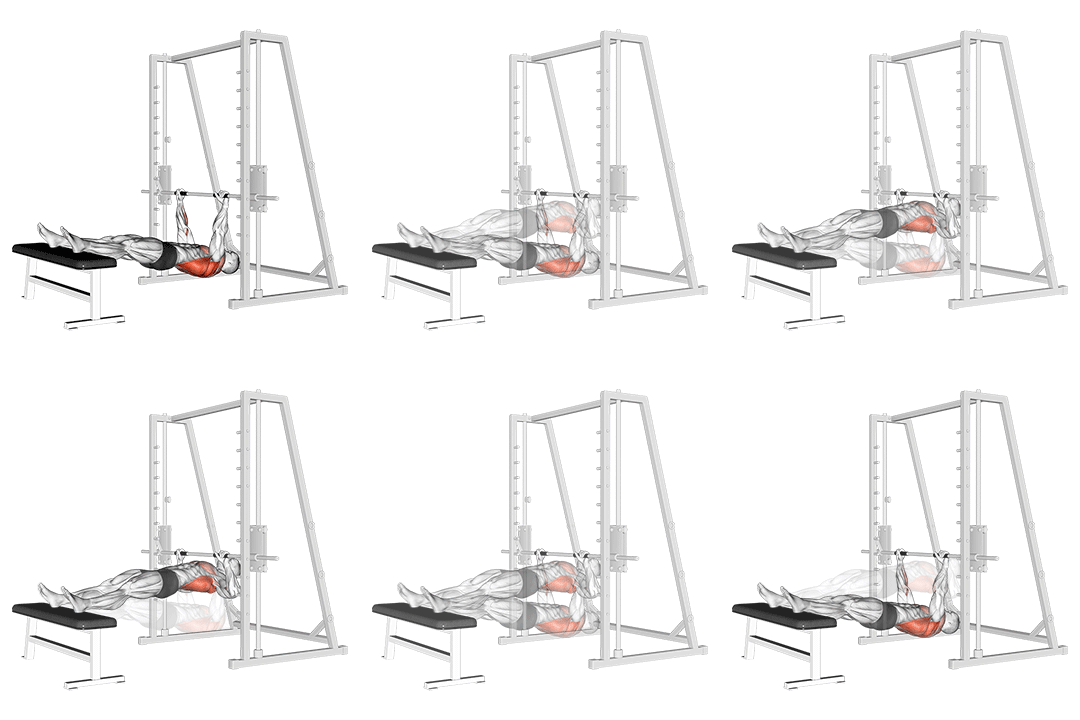
How to Perform Inverted Row On Bench
- Set up a bench at a height that allows your body to hang freely underneath it.
- Lie face up on the ground with your head towards the bench.
- Reach up and grab the bench with an overhand grip, slightly wider than shoulder-width apart.
- Position your body so that your heels are on the ground and your arms are fully extended.
- Engage your core and squeeze your shoulder blades together as you pull your chest up towards the bench.
- Pause for a moment at the top of the movement, then slowly lower your body back down to the starting position.
- Repeat for the desired number of repetitions.
Best Inverted Row On Bench Alternatives
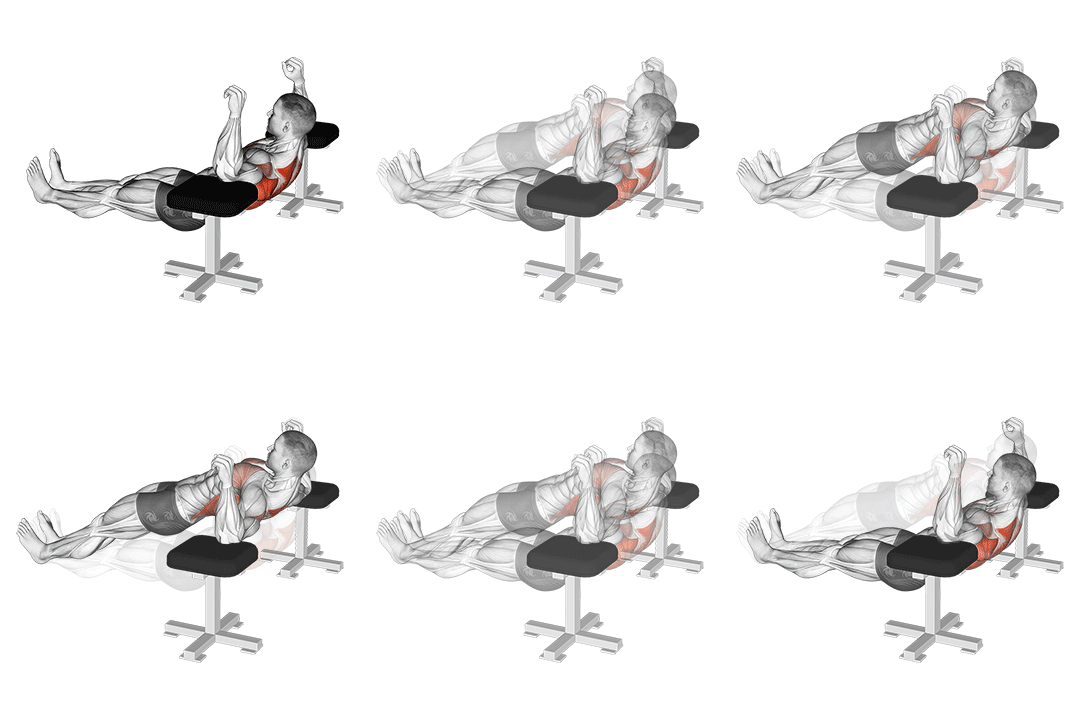
1. Elbow Lift - Reverse Push-up
91.4% MatchHow to perform this exercise
- Start by lying face down on the ground with your legs extended and your hands placed directly under your shoulders.
- Engage your core and press through your palms to lift your upper body off the ground, keeping your elbows close to your sides.
- Pause at the top for a moment, squeezing your upper back muscles.
- Slowly lower your body back down to the starting position.
- Repeat for the desired number of repetitions.
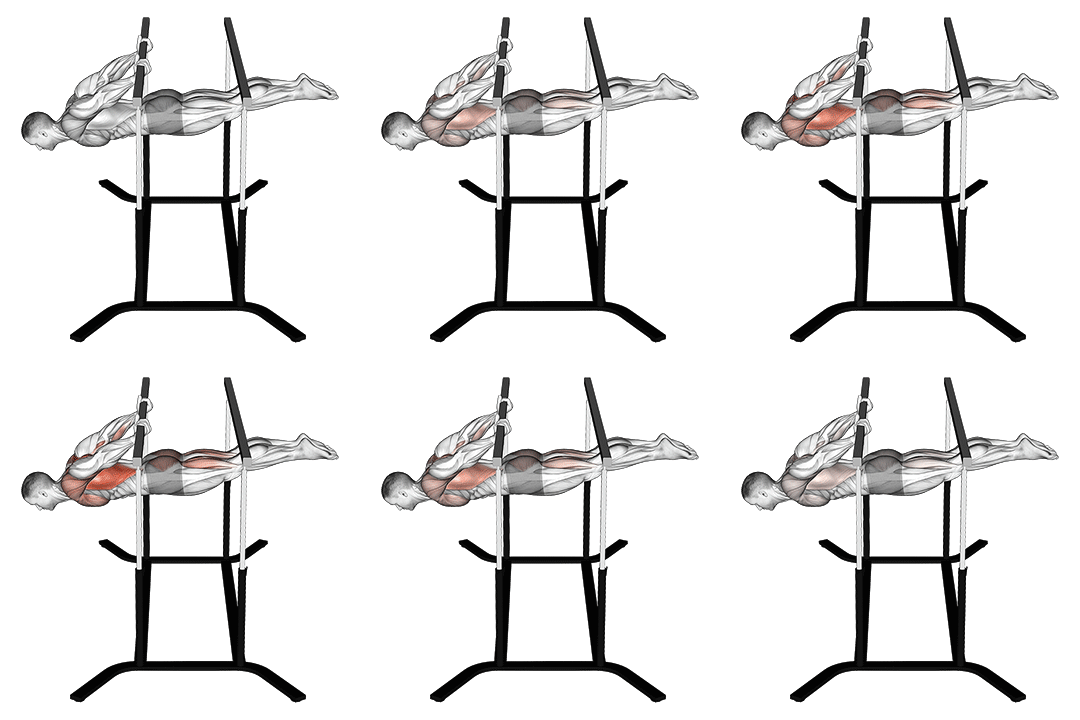
2. Back Lever
82.8% MatchHow to perform this exercise
- Start by hanging from a pull-up bar with an overhand grip, hands slightly wider than shoulder-width apart.
- Engage your core and pull your shoulder blades down and back.
- Bend your knees and tuck them towards your chest.
- Slowly lift your legs up, keeping them straight, until your body is parallel to the ground.
- Hold this position for a few seconds, then slowly lower your legs back down to the starting position.
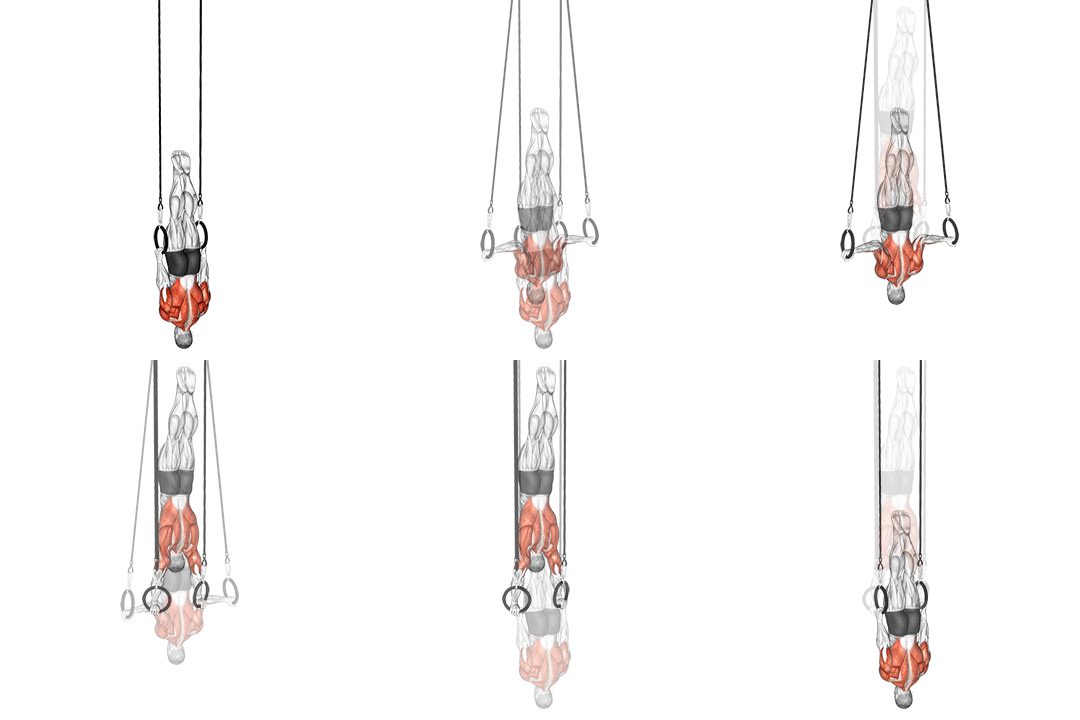
3. Elevator
80.7% MatchHow to perform this exercise
- Stand with your feet shoulder-width apart and your knees slightly bent.
- Place your hands on your hips or cross them in front of your chest.
- Keeping your back straight, slowly bend forward at the waist, lowering your upper body towards the ground.
- Pause for a moment at the bottom, then slowly raise your upper body back up to the starting position.
- Repeat for the desired number of repetitions.
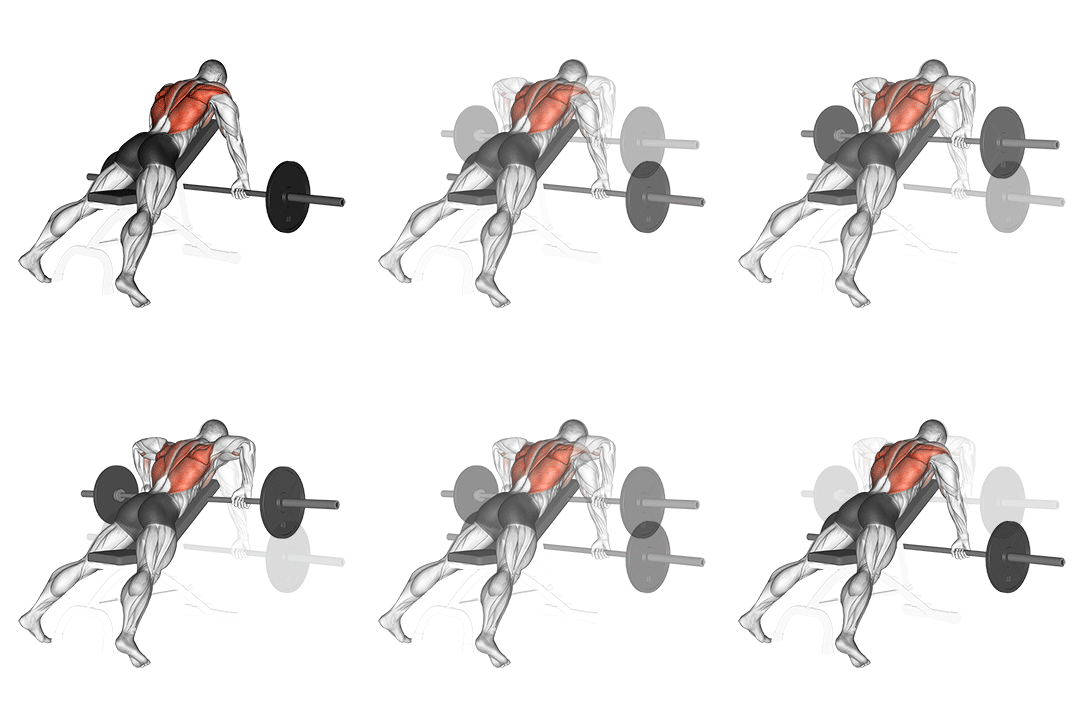
4. Barbell Incline Row
77.8% MatchHow to perform this exercise
- Set up an incline bench at a 45-degree angle.
- Lie face down on the bench with your chest against the pad and your feet flat on the ground.
- Grasp the barbell with an overhand grip, slightly wider than shoulder-width apart.
- Keep your back straight and your core engaged.
- Pull the barbell towards your chest, squeezing your shoulder blades together.
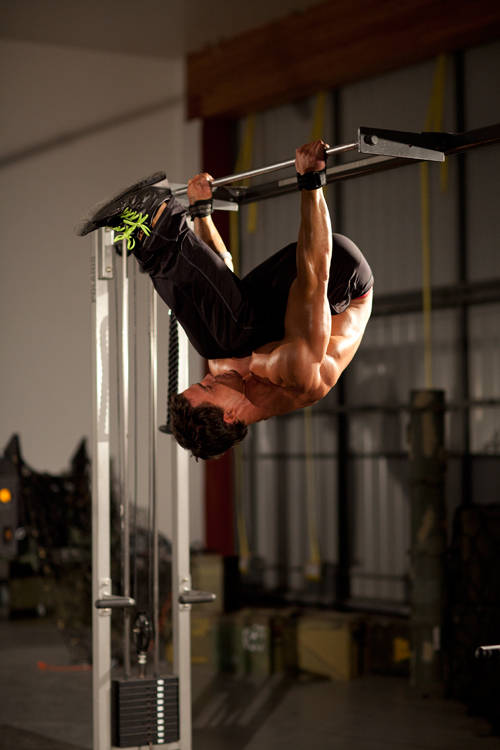
5. Bodyweight Mid Row
75.7% MatchHow to perform this exercise
- Begin by taking a medium to wide grip on a pull-up apparatus with your palms facing away from you. From a hanging position, tuck your knees to your chest, leaning back and getting your legs over your side of the pull-up apparatus. This will be your starting position.
- Beginning with your arms straight, flex the elbows and retract the shoulder blades to raise your body up until your legs contact the pull-up apparatus.
- After a brief pause, return to the starting position.
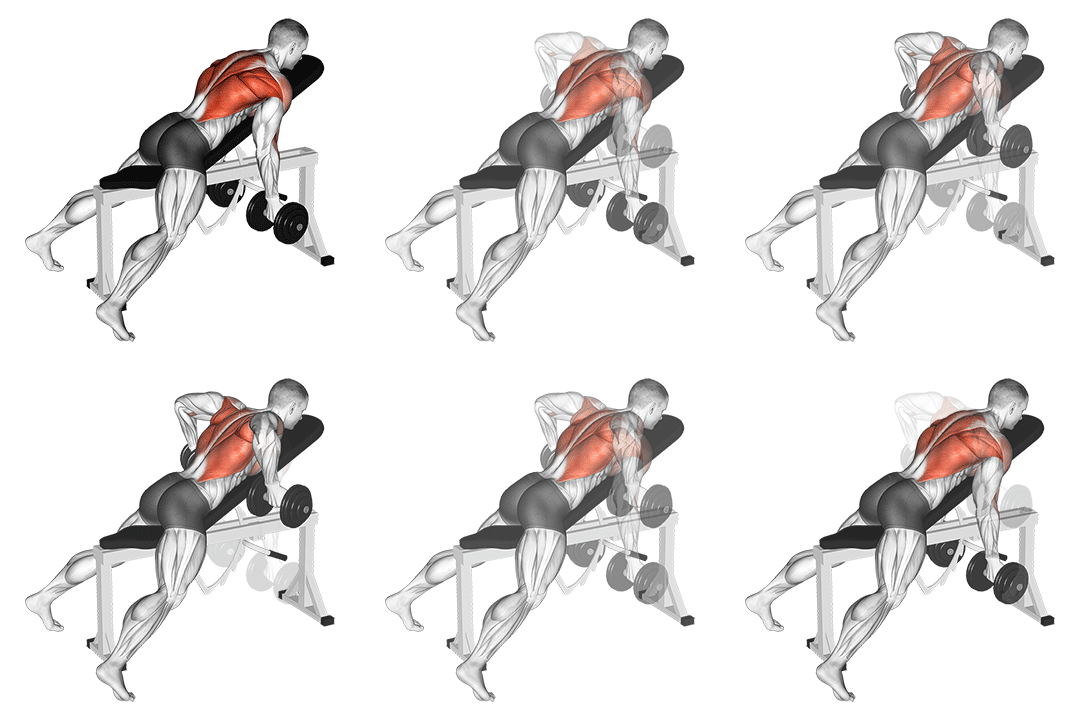
6. Dumbbell Reverse Grip Incline Bench Two Arm Row
75.1% MatchHow to perform this exercise
- Set up an incline bench at a 45-degree angle.
- Sit on the bench with your chest against the backrest and your feet flat on the ground.
- Hold a dumbbell in each hand with an underhand grip.
- Lean forward and let your arms hang straight down, fully extended.
- Pull the dumbbells up towards your chest, squeezing your shoulder blades together.
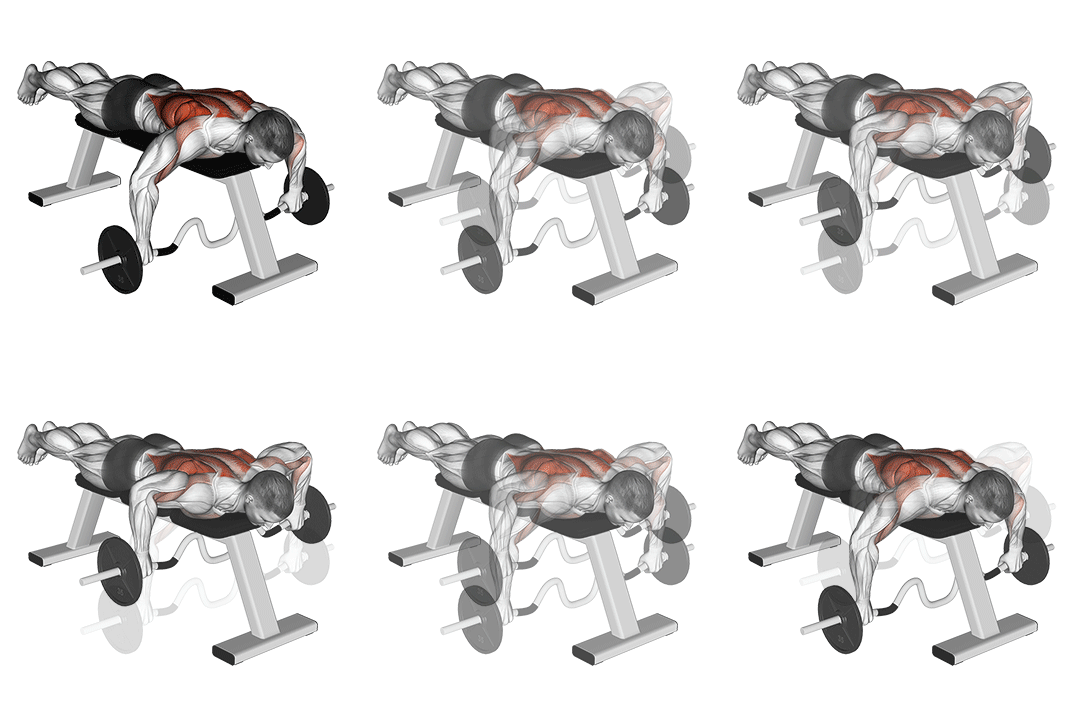
7. Cambered Bar Lying Row
74.9% MatchHow to perform this exercise
- Set up a barbell on the floor and lie face down on a bench with your chest just off the edge.
- Reach down and grab the barbell with an overhand grip, slightly wider than shoulder-width apart.
- With your legs straight and feet on the ground, lift the barbell off the floor by extending your arms.
- Pull the barbell towards your chest, squeezing your shoulder blades together.
- Lower the barbell back down to the starting position and repeat for the desired number of repetitions.
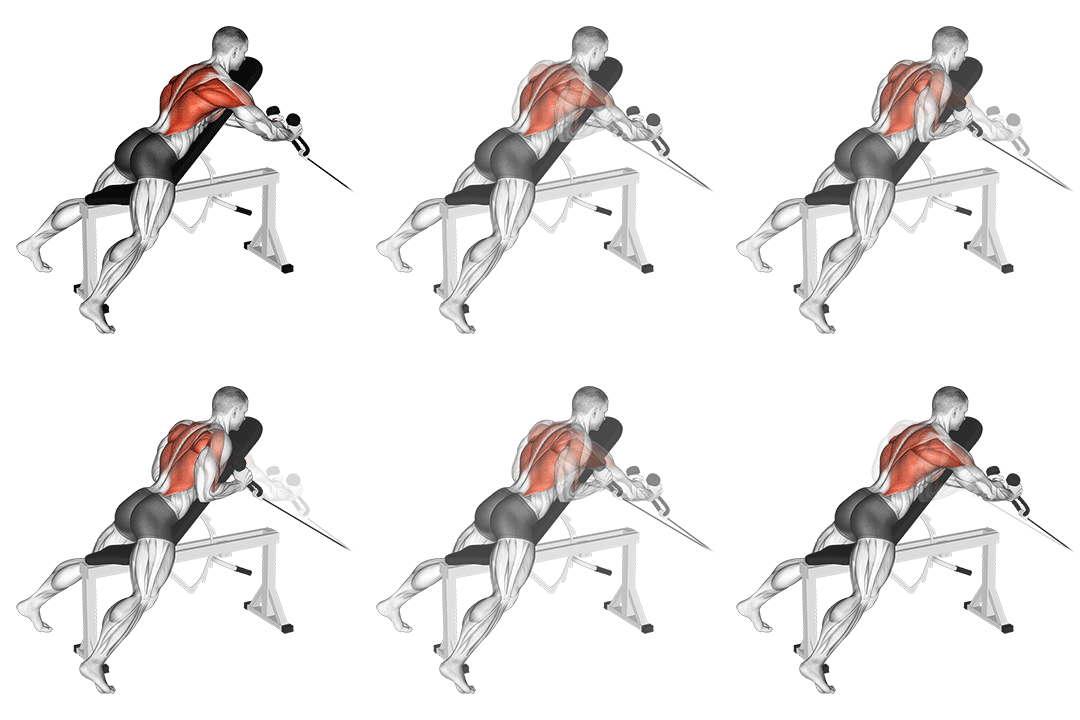
8. Cable Rope Extension Incline Bench Row
73.8% MatchHow to perform this exercise
- Set up an incline bench at a 45-degree angle and attach a cable machine to the low pulley.
- Attach a rope handle to the cable machine and sit on the incline bench facing the machine.
- Grab the rope handle with an overhand grip and lean forward, keeping your back straight.
- Extend your arms fully, pulling the rope towards your upper chest while keeping your elbows close to your body.
- Squeeze your shoulder blades together at the end of the movement.
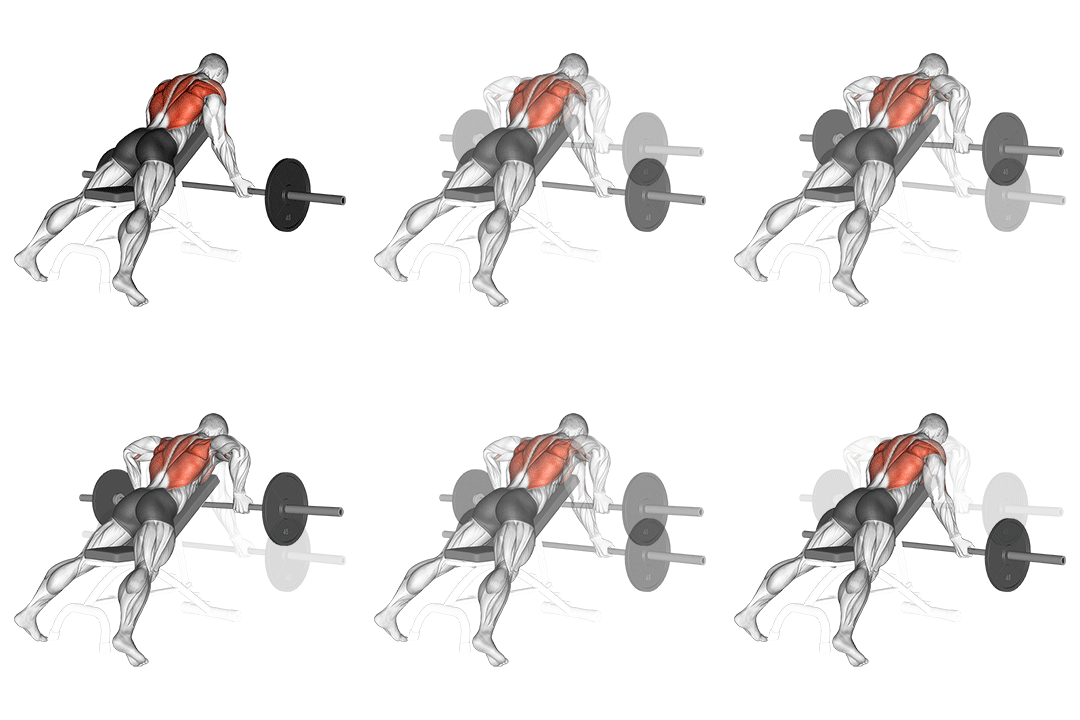
9. Barbell Reverse Grip Incline Bench Row
73.8% MatchHow to perform this exercise
- Set up an incline bench at a 45-degree angle.
- Sit on the bench facing the backrest with your chest against it.
- Grab the barbell with a reverse grip (palms facing down) and hands slightly wider than shoulder-width apart.
- Keep your back straight and core engaged.
- Pull the barbell towards your upper abdomen, squeezing your shoulder blades together.
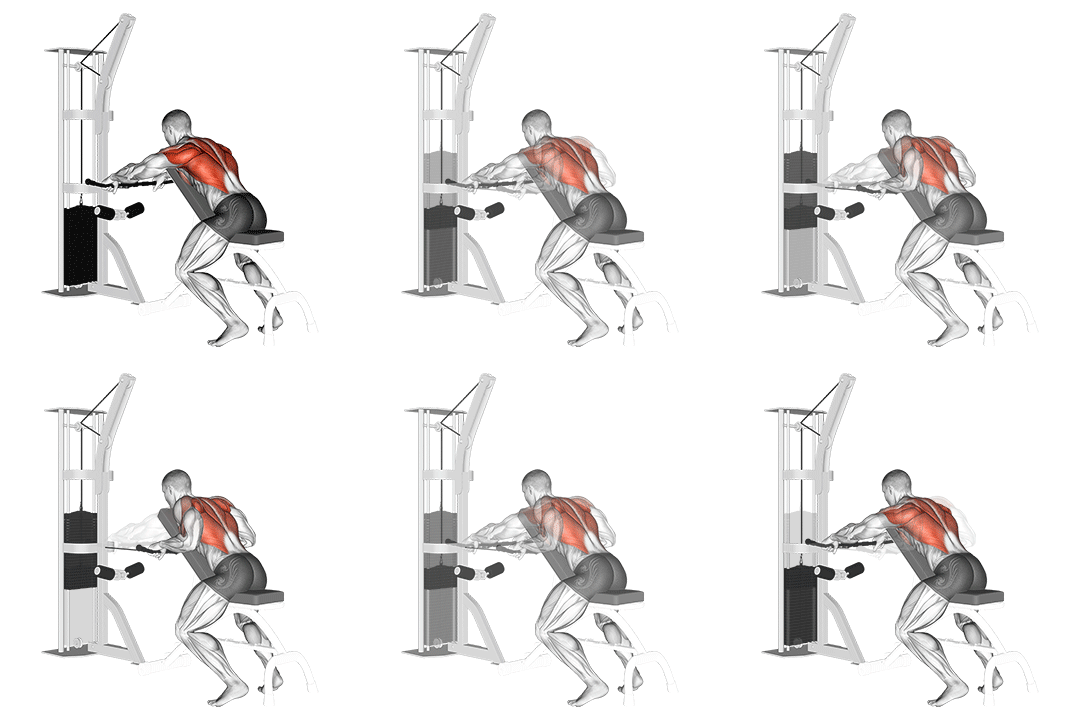
10. Cable Incline Bench Row
73.8% MatchHow to perform this exercise
- Set up an incline bench at a 45-degree angle and attach a cable handle to the low pulley.
- Sit on the bench facing the cable machine with your feet flat on the floor and your knees slightly bent.
- Grasp the cable handle with an overhand grip and extend your arms fully in front of you.
- Lean forward from your hips while keeping your back straight and your core engaged.
- Pull the cable handle towards your chest by retracting your shoulder blades and bending your elbows.
Why You Might Need a Inverted Row On Bench Alternative
You may substitute the inverted row because of shoulder discomfort, lack of a stable bench, or to progress strength. Different alternatives alter biomechanics: chest-supported rows reduce lumbar shear, vertical pulls like pull-ups emphasize lat length-tension, and ring rows demand more scapular control. If you have wrist or elbow pain, switch to neutral-grip single-arm rows to change forearm loading. Use technique cues: maintain a flat spine, initiate the pull with scapular retraction, and pull the elbows along the torso to target mid-trapezius and rhomboids effectively.
How to Choose the Right Substitute
Select a substitute based on equipment, training goal, and injury history. For limited gear choose ring/TRX or bar inverted rows and adjust body angle to scale load; set your feet higher to reduce resistance or lower them to increase it. For hypertrophy favor controlled tempo and full ROM; for strength increase load with weighted chest-supported rows or single-arm dumbbell rows. Watch muscle activation: vertical pulls bias lats and long-head activation, horizontal pulls emphasize scapular retractors — cue a strong scapular squeeze and neutral spine to maximize targeted recruitment.
Frequently Asked Questions
What muscles does Inverted Row On Bench work?
The inverted row primarily targets the mid and upper back: rhomboids, middle trapezius, posterior deltoids, and latissimus dorsi, with secondary biceps involvement. Mechanically it’s a horizontal pull that relies on scapular retraction; squeeze the shoulder blades together at the top to maximize upper-back activation.
What is the best bodyweight alternative to Inverted Row On Bench?
Ring rows or TRX rows are the best bodyweight alternative because they preserve the horizontal pull pattern and allow easy load scaling. Set the rings at waist height, keep a rigid plank, pull your chest to the handles, and actively retract the scapula to match the muscle activation of the bench inverted row.
Can I build muscle without doing Inverted Row On Bench?
Yes — you can build upper-back muscle using other progressive pulls like weighted rows, pull-ups, chest-supported machine rows, and tempo-controlled ring rows. Progress by increasing load, manipulating leverage, and controlling eccentric tempo while cueing full scapular retraction and a neutral spine to ensure consistent muscle recruitment.
More Exercise Alternatives
Find Alternatives for Any Exercise
Use our free tool to discover the best substitute exercises based on your available equipment and goals.
Try the Exercise Substitution Finder →