

10 Best Kettlebell One-legged Deadlift Alternatives for Rehab & Strength
If you can’t do the kettlebell one-legged deadlift, use alternatives that preserve the unilateral hip-hinge and hamstring load. Try two‑hand Romanian deadlifts, split‑stance RDLs, single‑leg bodyweight hinges, Nordic curls, or glute‑ham raises. Cue: hinge at the hips, keep a neutral spine, and feel hamstring tension on the eccentric.
Original Exercise: Kettlebell One-legged Deadlift
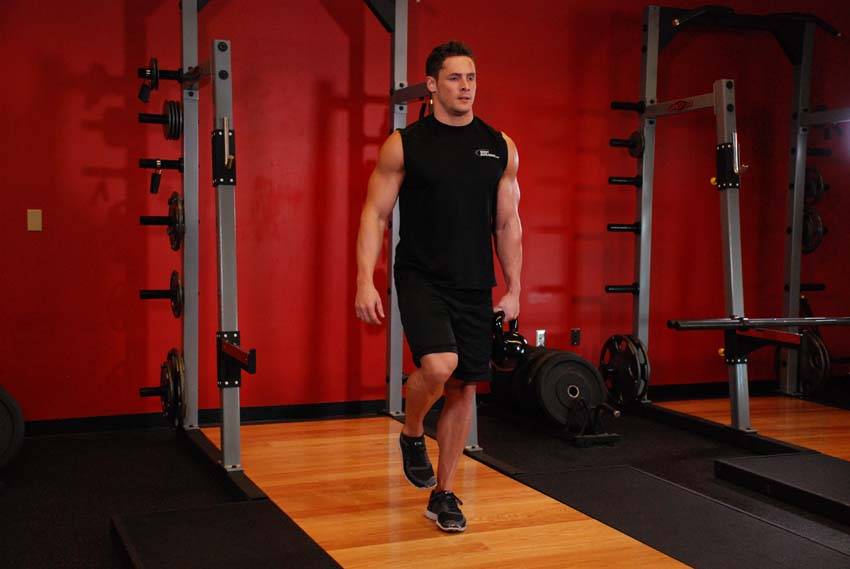
How to Perform Kettlebell One-legged Deadlift
- Hold a kettlebell by the handle in one hand. Stand on one leg, on the same side that you hold the kettlebell.
- Keeping that knee slightly bent, perform a stiff legged deadlift by bending at the hip, extending your free leg behind you for balance.
- Continue lowering the kettlebell until you are parallel to the ground, and then return to the upright position.
Pro Tips
- Category: Strength
- Force: Pull
- Movement type: Compound
Best Kettlebell One-legged Deadlift Alternatives
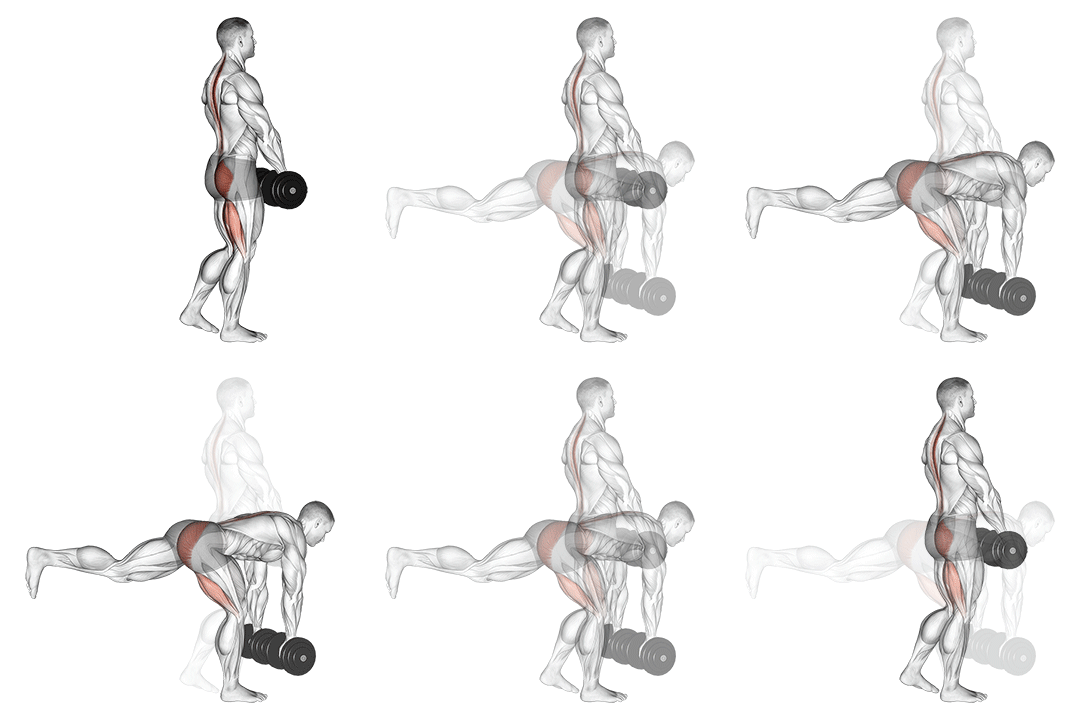
1. Dumbbell Single Leg Deadlift
84.2% MatchHow to perform this exercise
- Stand with your feet hip-width apart, holding a dumbbell in your right hand.
- Shift your weight onto your left leg and lift your right foot slightly off the ground.
- Keeping your back straight, hinge forward at the hips and lower the dumbbell towards the ground.
- At the same time, extend your right leg straight behind you, maintaining a slight bend in your left knee.
- Lower the dumbbell until your torso and right leg are parallel to the ground.
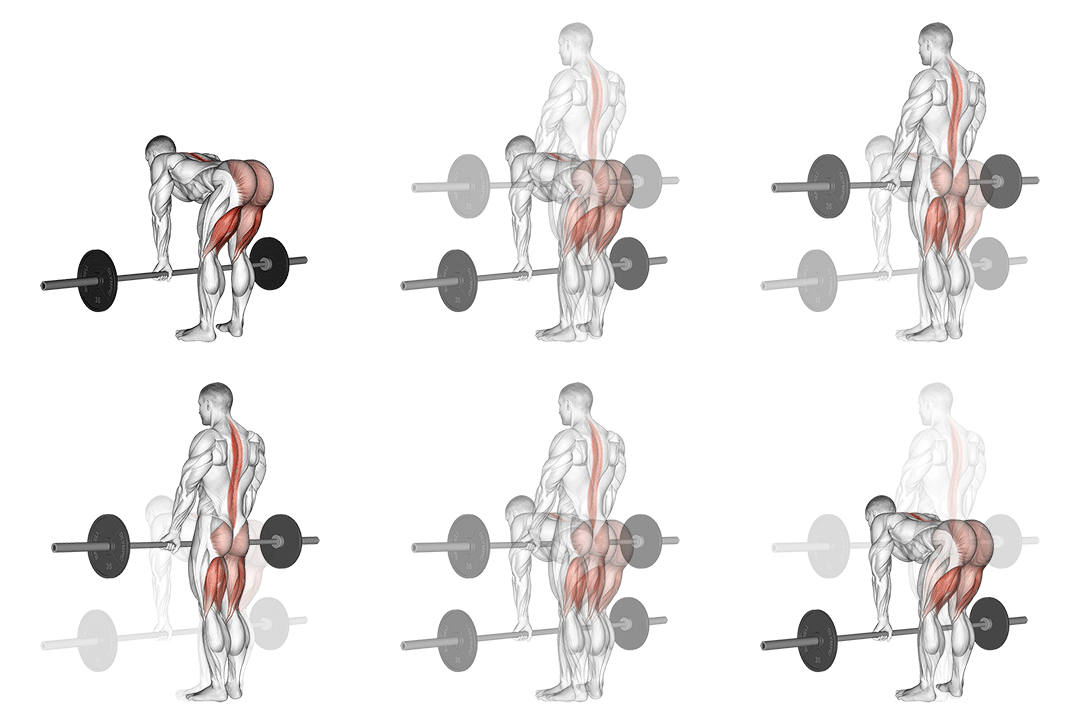
2. Barbell Straight Leg Deadlift
81.7% MatchHow to perform this exercise
- Stand with your feet shoulder-width apart and your toes pointing forward.
- Hold the barbell with an overhand grip, hands slightly wider than shoulder-width apart.
- Bend at your hips and lower the barbell towards the ground, keeping your back straight and your knees slightly bent.
- Lower the barbell until you feel a stretch in your hamstrings.
- Engage your hamstrings and glutes to lift the barbell back up to the starting position.
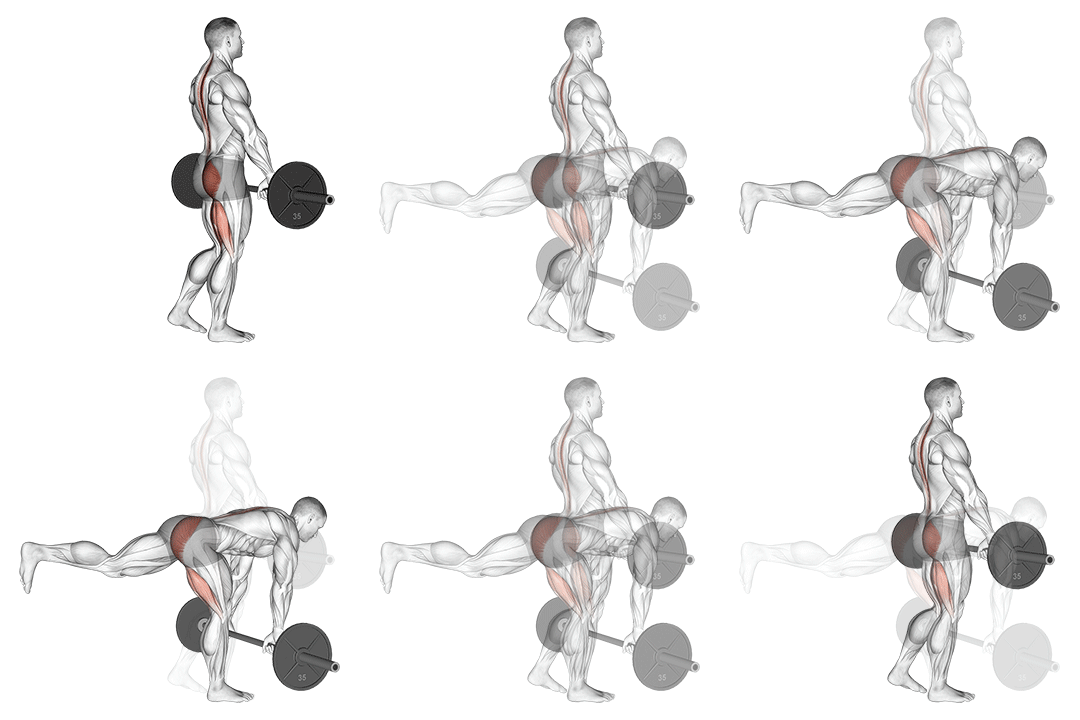
3. Barbell Single Leg Deadlift
80.2% MatchHow to perform this exercise
- Stand with your feet hip-width apart, holding a barbell in front of your thighs with an overhand grip.
- Shift your weight onto your left foot and lift your right foot slightly off the ground.
- Hinge forward at the hips, keeping your back straight and your right leg extended behind you for balance.
- Lower the barbell towards the ground, keeping it close to your body and your left leg slightly bent.
- Pause for a moment at the bottom, then engage your glutes and hamstrings to lift your torso back up to the starting position.
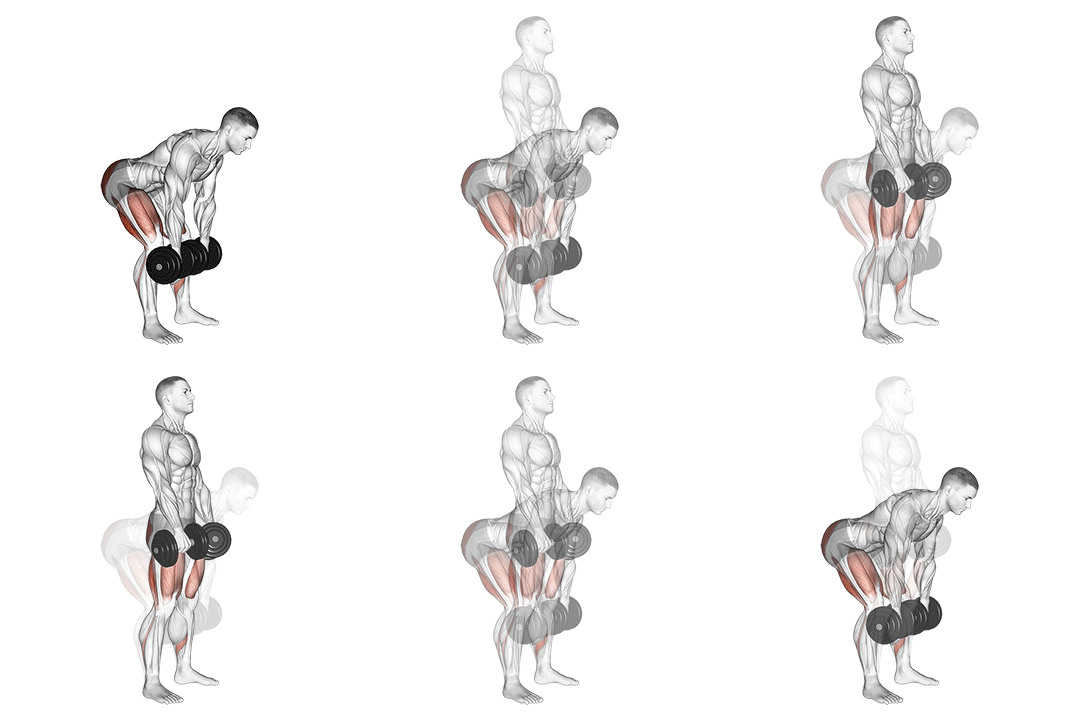
4. Dumbbell Romanian Deadlift
75.7% MatchHow to perform this exercise
- Stand with your feet shoulder-width apart, holding a dumbbell in each hand with an overhand grip.
- Keeping your back straight and your core engaged, hinge at the hips and lower the dumbbells towards the ground, allowing your knees to bend slightly.
- Lower the dumbbells until you feel a stretch in your hamstrings, then push through your heels and engage your glutes to return to the starting position.
- Repeat for the desired number of repetitions.
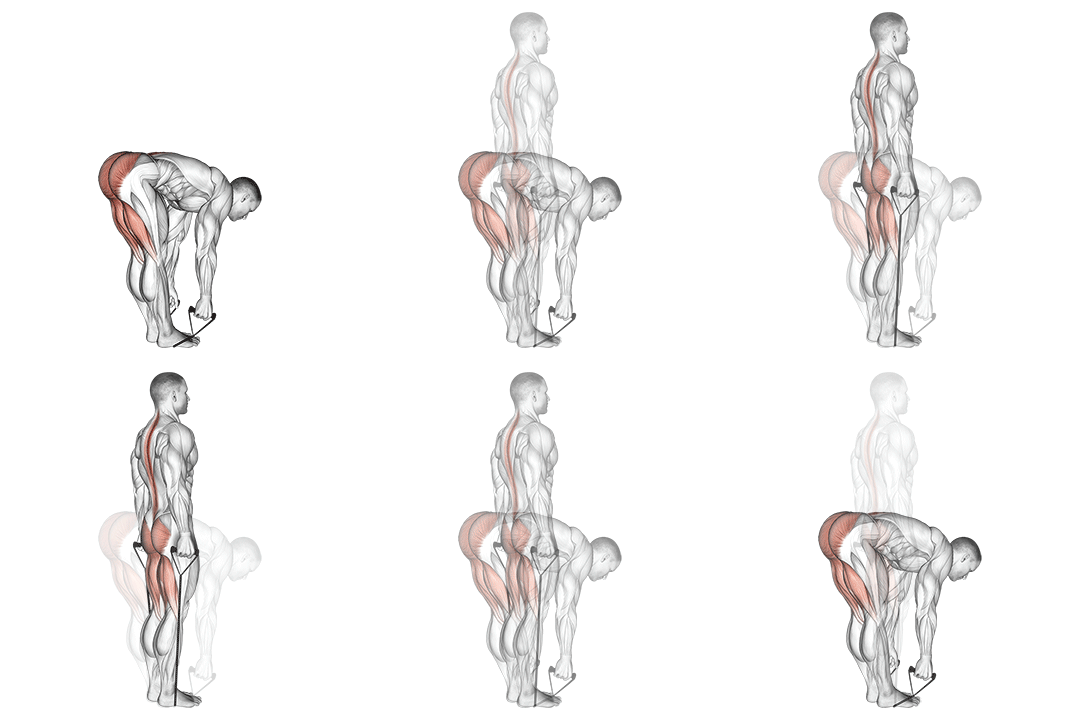
5. Band Straight Leg Deadlift
75.3% MatchHow to perform this exercise
- Stand with your feet shoulder-width apart and place the band around your feet.
- Hold the band with both hands, palms facing your body, and keep your arms straight.
- Engage your core and maintain a slight bend in your knees.
- Slowly hinge forward at your hips, keeping your back straight and chest lifted.
- Lower the band towards the ground while keeping your legs straight.
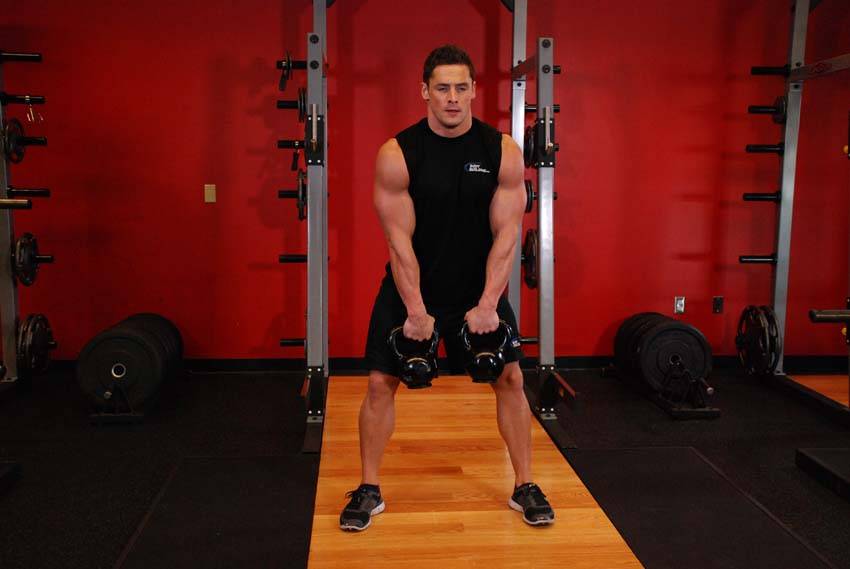
6. Double Kettlebell Alternating Hang Clean
72.7% MatchHow to perform this exercise
- Place two kettlebells between your feet. To get in the starting position, push your butt back and look straight ahead.
- Clean one kettlebell to your shoulder and hold on to the other kettlebell.
- With a fluid motion, lower the top kettlebell while driving the bottom kettlebell up.
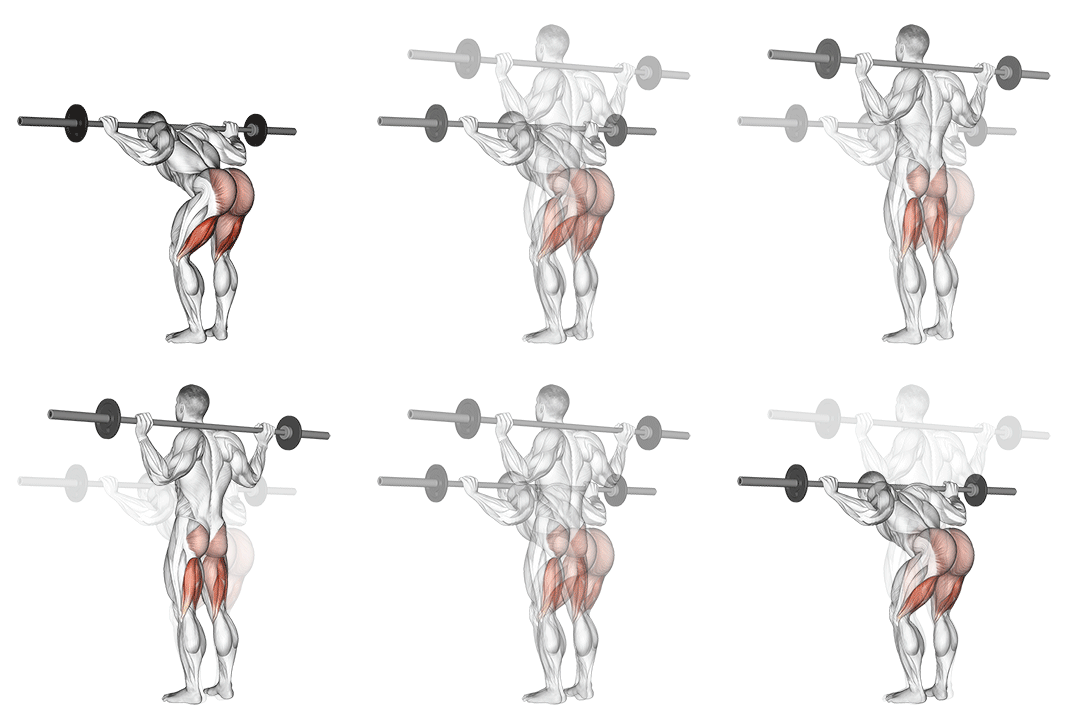
7. Barbell Good Morning
72.4% MatchHow to perform this exercise
- Start by standing with your feet shoulder-width apart and the barbell resting on your upper back.
- Keeping your back straight and your core engaged, hinge forward at the hips, pushing your buttocks back as if you were trying to touch the wall behind you with your glutes.
- Lower your torso until it is parallel to the ground, feeling a stretch in your hamstrings.
- Pause for a moment, then return to the starting position by squeezing your glutes and pushing your hips forward.
- Repeat for the desired number of repetitions.
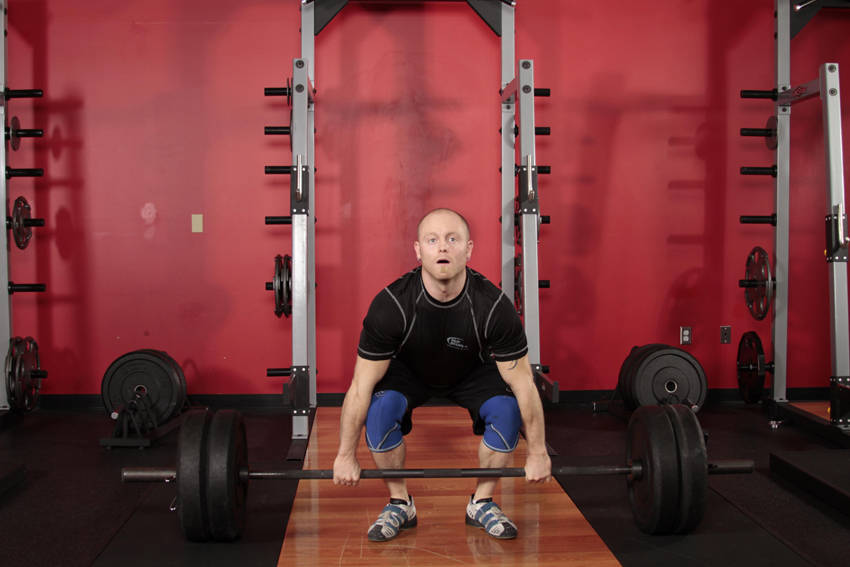
8. Clean Deadlift
71.3% MatchHow to perform this exercise
- Begin standing with a barbell close to your shins. Your feet should be directly under your hips with your feet turned out slightly. Grip the bar with a double overhand grip or hook grip, about shoulder width apart. Squat down to the bar. Your spine should be in full extension, with a back angle that places your shoulders in front of the bar and your back as vertical as possible.
- Begin by driving through the floor through the front of your heels. As the bar travels upward, maintain a constant back angle. Flare your knees out to the side to help keep them out of the bar's path.
- After the bar crosses the knees, complete the lift by driving the hips into the bar until your hips and knees are extended.
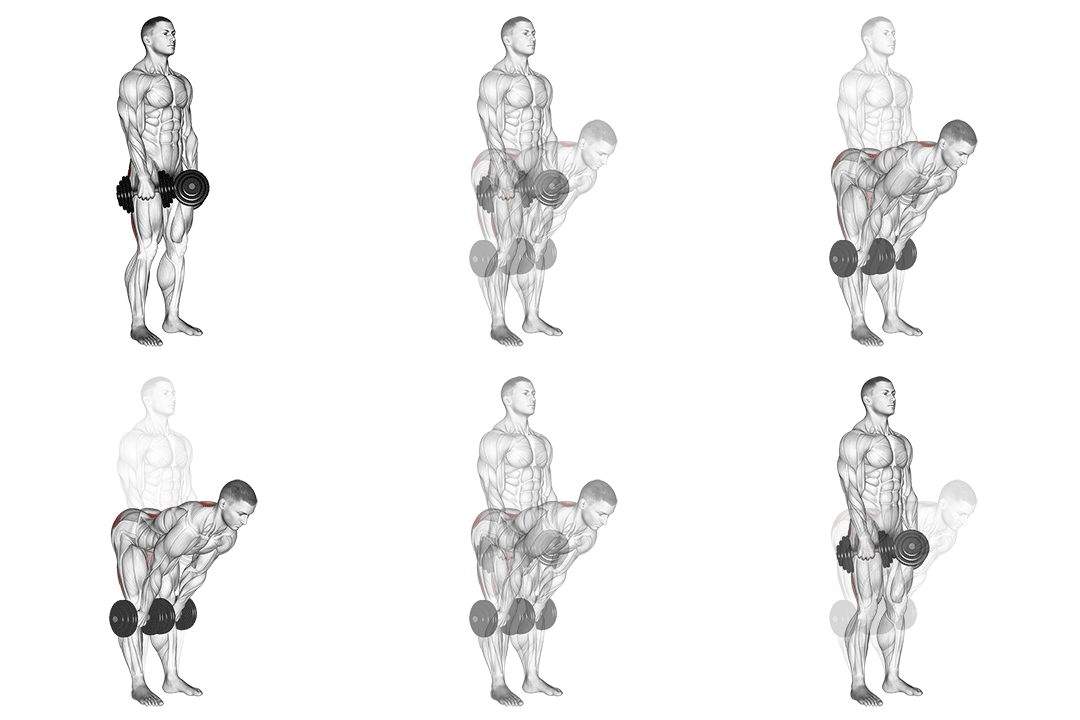
9. Dumbbell Stiff Leg Deadlift
70.3% MatchHow to perform this exercise
- Stand with your feet shoulder-width apart, holding a dumbbell in each hand with an overhand grip.
- Keeping your back straight and your core engaged, hinge at the hips and lower the dumbbells towards the ground, allowing a slight bend in your knees.
- Lower the dumbbells until you feel a stretch in your hamstrings, then squeeze your glutes and push through your heels to return to the starting position.
- Repeat for the desired number of repetitions.
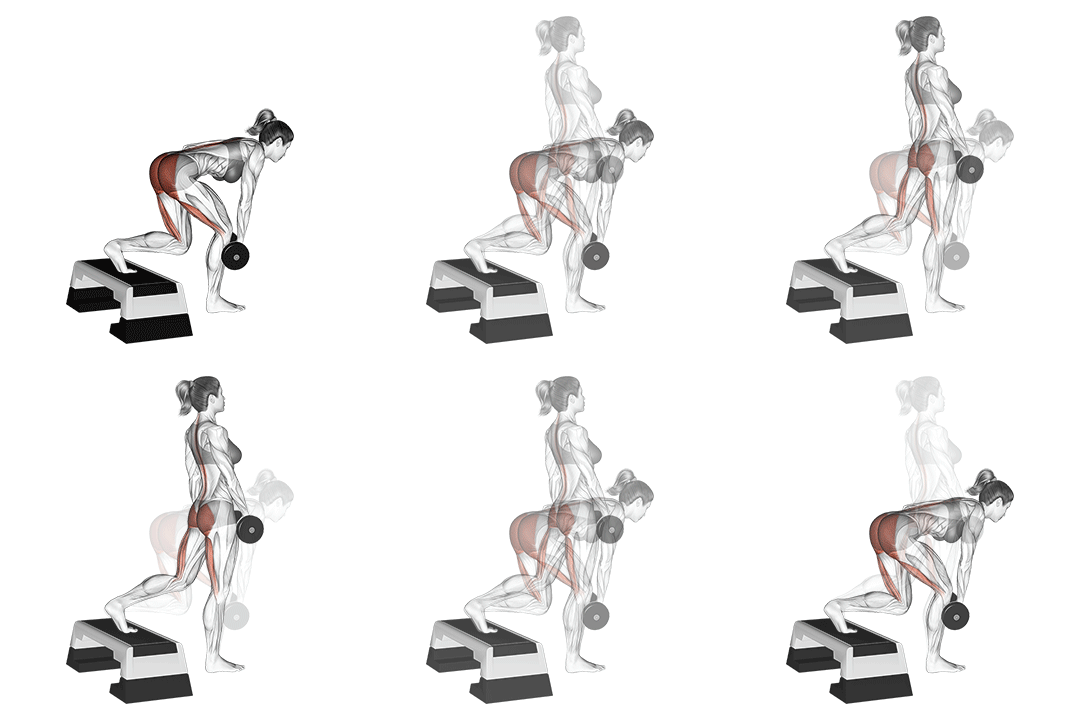
10. Dumbbell Single Leg Deadlift With Stepbox Support
70.2% MatchHow to perform this exercise
- Stand with your feet hip-width apart, holding a dumbbell in your right hand.
- Place your left foot on a stepbox or elevated surface behind you.
- Keeping your back straight and core engaged, hinge forward at the hips, lowering the dumbbell towards the ground.
- As you lower the dumbbell, simultaneously lift your left leg behind you, maintaining a straight line from head to heel.
- Lower the dumbbell until you feel a stretch in your right hamstring, then return to the starting position.
Why You Might Need a Kettlebell One-legged Deadlift Alternative
You might substitute the kettlebell one‑legged deadlift for balance issues, limited kettlebell access, or pain that appears under unilateral loading. Some athletes lack ankle or hip mobility and need bilateral or assisted variations to preserve hamstring lengthening. Other times you want to change the stimulus—switching from a stabilizer‑heavy unilateral lift to a bilateral RDL increases absolute load and hypertrophic stimulus. For rehab, choose controlled eccentrics (3–4 second lowering) to emphasize hamstring tendon adaptation. Technique cue: keep the weight close to the shins and lead with the hips so you load the hamstrings rather than the lumbar spine.
How to Choose the Right Substitute
Select a substitute based on your goal, equipment, and stability. For balance deficits or ankle instability pick a two‑foot RDL or Romanian deadlift with a barbell to maintain heavy, symmetrical load. For unilateral carryover but less balance demand use a split‑stance RDL: front foot planted, hinge from hips, keep torso vertical to target hamstrings and glute medius. For high hamstring activation with minimal equipment choose Nordic curls or slow eccentric sliders. Always monitor lumbar neutral and ensure hamstring tension at the top of the hinge; if pain occurs, reduce range of motion and focus on eccentric control.
Frequently Asked Questions
What muscles does Kettlebell One-legged Deadlift work?
The kettlebell one‑legged deadlift primarily targets the hamstrings and gluteus maximus through hip extension, while spinal erectors and the core stabilize the torso. Unilateral balance also recruits the gluteus medius and adductors to control pelvis alignment; cue a long torso and hip hinge to feel hamstring activation.
What is the best bodyweight alternative to Kettlebell One-legged Deadlift?
A single‑leg bodyweight Romanian hinge is the best bodyweight substitute: hinge at the hips with a soft knee, reach toward the floor, and keep your weight over the standing midfoot. This preserves unilateral hip extension and trains hamstring lengthening without external load.
Can I build muscle without doing Kettlebell One-legged Deadlift?
Yes. You can hypertrophy hamstrings and glutes using Romanian deadlifts, Nordic hamstring curls, glute‑ham raises, and heavy bilateral hip hinges as long as you apply progressive overload and control the eccentric. Cue slower eccentrics (2–4 seconds) and increase volume or load to drive growth.
More Exercise Alternatives
Find Alternatives for Any Exercise
Use our free tool to discover the best substitute exercises based on your available equipment and goals.
Try the Exercise Substitution Finder →