

10 Best Kneeling High Pulley Row Alternatives for Lat Strength
The Kneeling High Pulley Row has you kneel a couple of feet from a high pulley and pull a rope to your chest with your elbows out. The Kneeling Single-arm High Pulley Row is the closest swap because it keeps the same kneeling base and the same downward pull to your torso, but on a single handle, one arm at a time, with your palm turning to face you as you finish the pull. If you would rather sit than kneel, the Cable Lateral Pulldown With V-bar pulls to your chest from a seated position instead.
Original Exercise: Kneeling High Pulley Row
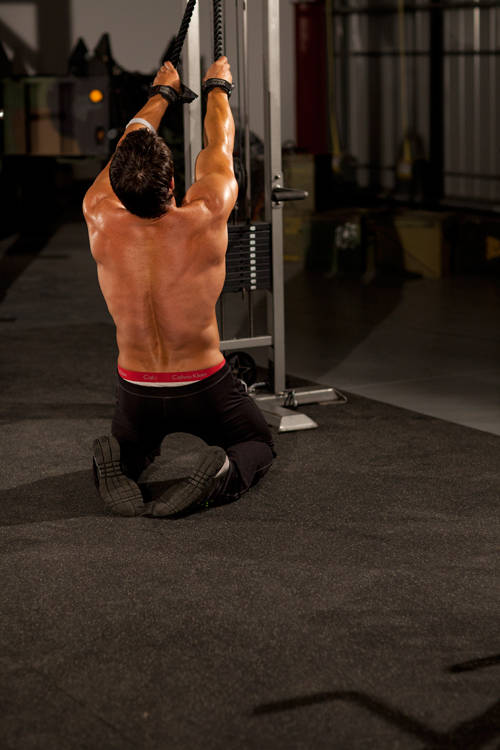
How to Perform Kneeling High Pulley Row
- Select the appropriate weight using a pulley that is above your head. Attach a rope to the cable and kneel a couple of feet away, holding the rope out in front of you with both arms extended. This will be your starting position.
- Initiate the movement by flexing the elbows and fully retracting your shoulders, pulling the rope toward your upper chest with your elbows out.
- After pausing briefly, slowly return to the starting position.
Pro Tips
- Category: Strength
- Force: Pull
- Movement type: Compound
Ranked Kneeling High Pulley Row Alternatives
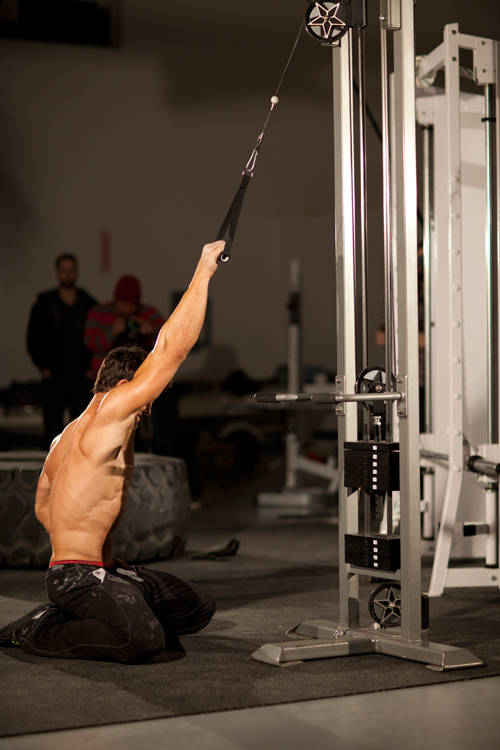
1. Kneeling Single-Arm High Pulley Row
91.7% MatchHow to perform this exercise
- Attach a single handle to a high pulley and make your weight selection.
- Kneel in front of the cable tower, taking the cable with one hand with your arm extended. This will be your starting position.
- Starting with your palm facing forward, pull the weight down to your torso by flexing the elbow and retract the shoulder blade. As you do so, rotate the wrist so that at the completion of the movement, your palm is now facing you.
- After a brief pause, return to the starting position.
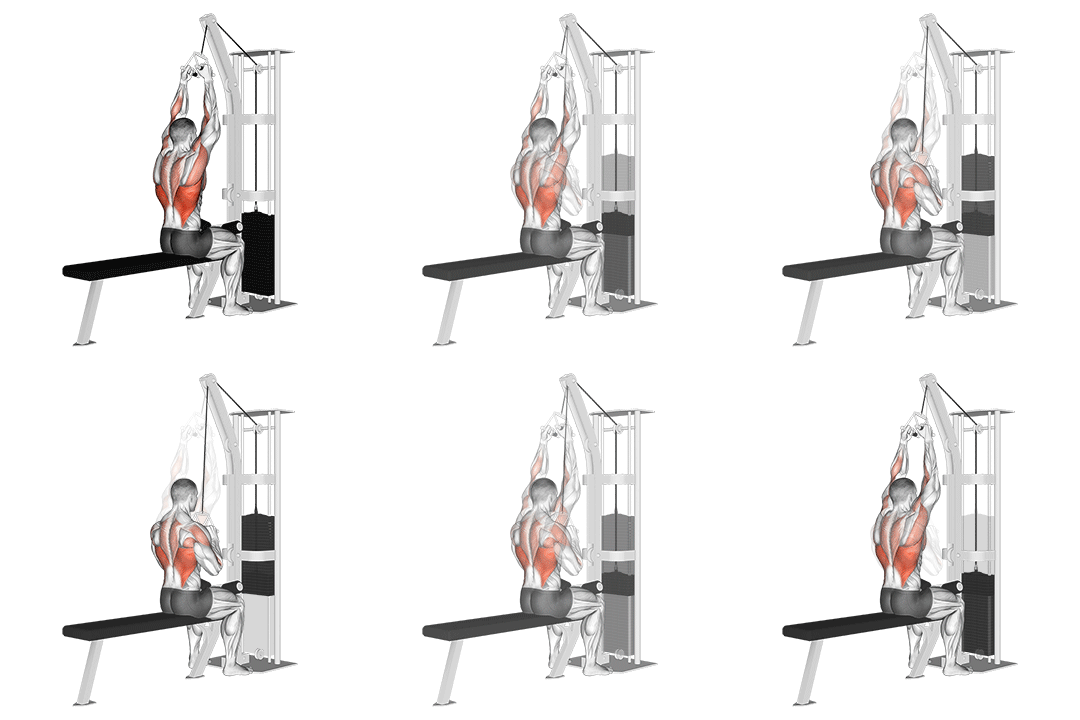
2. Cable Lateral Pulldown With V-bar
91.2% MatchHow to perform this exercise
- Sit down on the cable pulldown machine and grab the v-bar attachment with an overhand grip.
- Adjust the knee pad so that your thighs are secured under it.
- Keep your back straight and lean back slightly.
- Pull the v-bar down towards your upper chest while keeping your elbows close to your body.
- Squeeze your back muscles at the bottom of the movement.
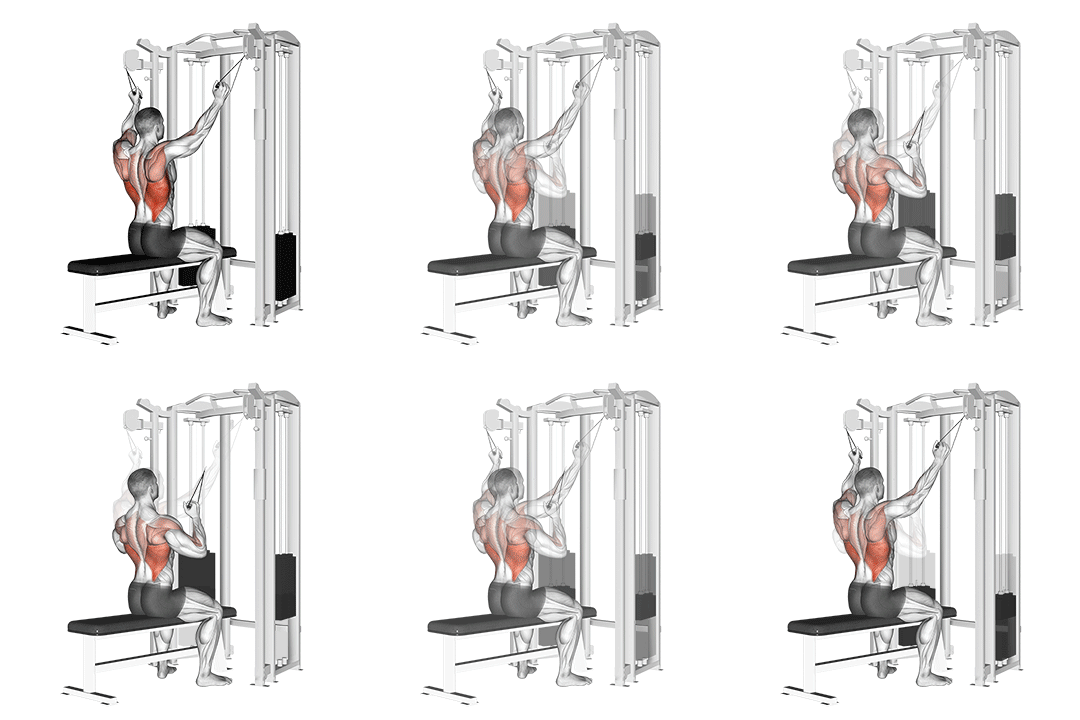
3. Twin Handle Parallel Grip Lat Pulldown
91.2% MatchHow to perform this exercise
- Adjust the seat height and position yourself facing the cable machine.
- Grasp the handles with an overhand grip, hands shoulder-width apart.
- Sit down and position your thighs under the thigh pads, keeping your feet flat on the floor.
- Lean back slightly and keep your chest up, maintaining a neutral spine.
- Pull the handles down towards your upper chest, squeezing your shoulder blades together.
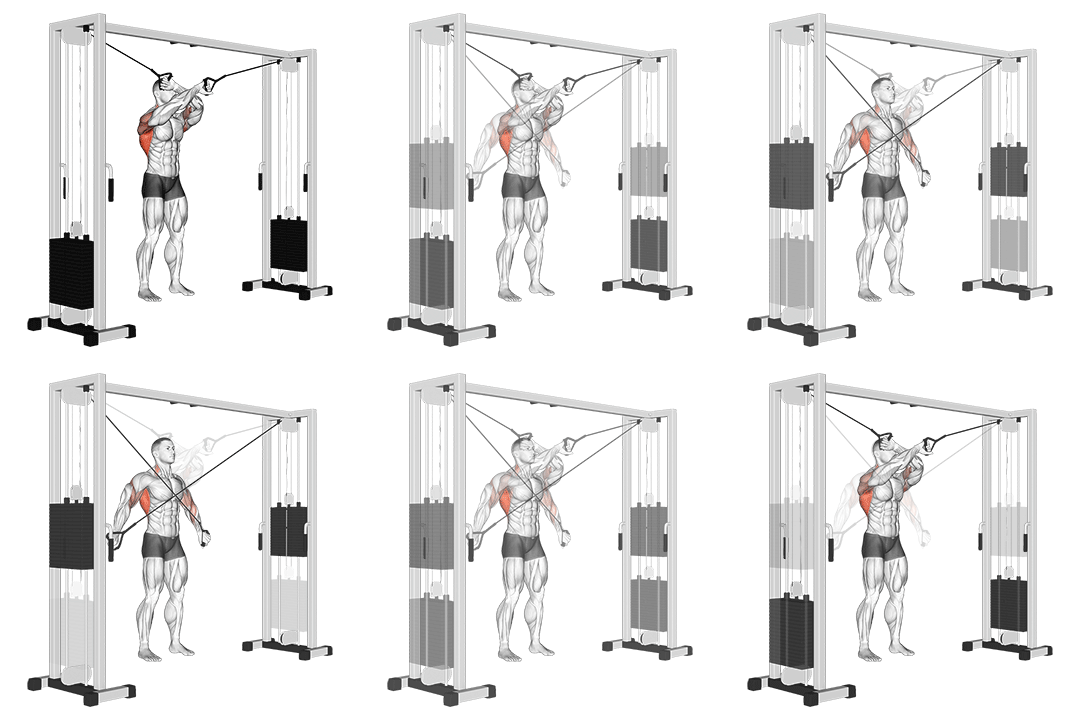
4. Cable Lat Pulldown Full Range Of Motion
87.2% MatchHow to perform this exercise
- Sit on the lat pulldown machine with your knees positioned under the pads.
- Grasp the cable bar with an overhand grip, slightly wider than shoulder-width apart.
- Lean back slightly and keep your chest up, maintaining a slight arch in your lower back.
- Pull the bar down towards your upper chest, squeezing your shoulder blades together.
- Pause for a moment at the bottom of the movement, then slowly release the bar back to the starting position.
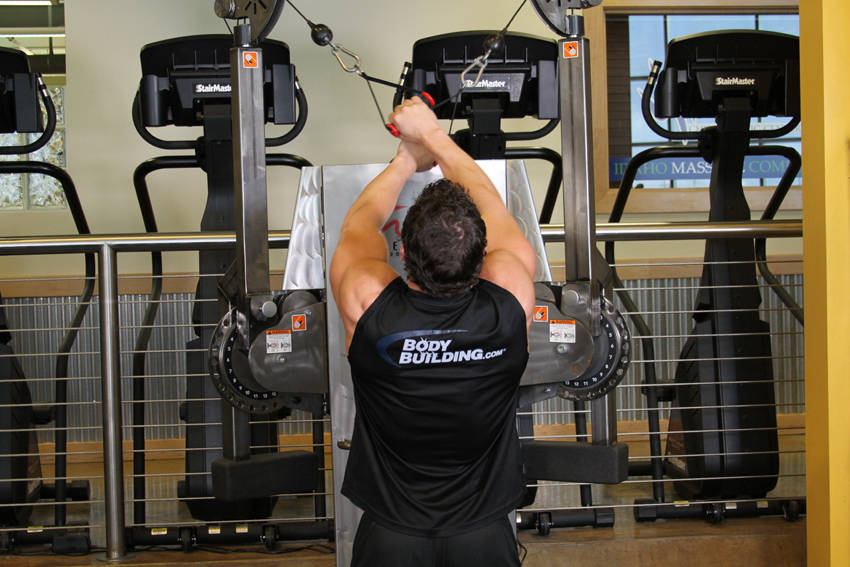
5. Full Range-Of-Motion Lat Pulldown
87.2% MatchHow to perform this exercise
- Either standing or seated on a high bench, grasp two stirrup cables that are attached to the high pulleys. Grab with the opposing hand so your arms are crisscrossed about you and your palms are facing forward.
- Keeping your chest up and maintaining a slight arch in your lower back, pull the handles down as if you were doing a regular pulldown. The range of motion will be more of an arc. During the movement, rotate your hands so that in the bottom position your palms face each other rather than forward. Return slowly to the starting position and repeat.
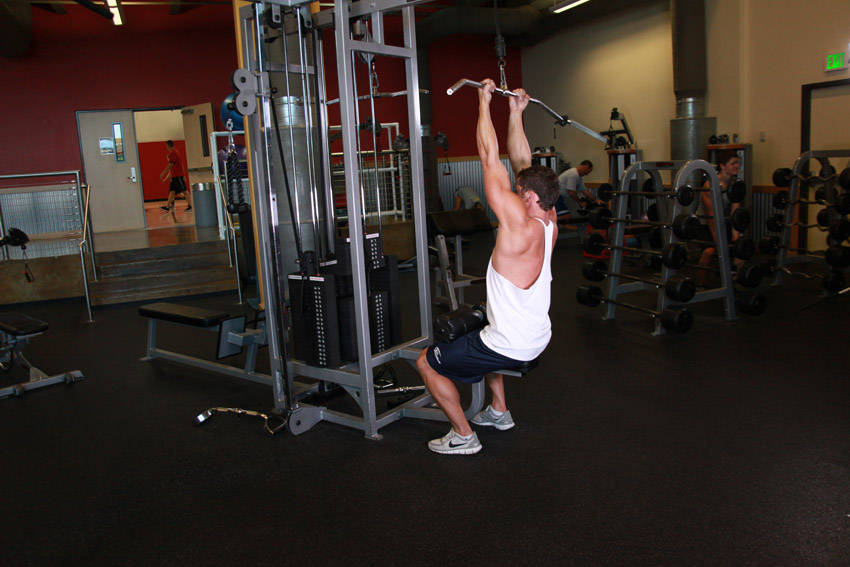
6. Underhand Cable Pulldowns
87.2% MatchHow to perform this exercise
- Sit down on a pull-down machine with a wide bar attached to the top pulley. Adjust the knee pad of the machine to fit your height. These pads will prevent your body from being raised by the resistance attached to the bar.
- Grab the pull-down bar with the palms facing your torso (a supinated grip). Make sure that the hands are placed closer than the shoulder width.
- As you have both arms extended in front of you holding the bar at the chosen grip width, bring your torso back around 30 degrees or so while creating a curvature on your lower back and sticking your chest out. This is your starting position.
- As you breathe out, pull the bar down until it touches your upper chest by drawing the shoulders and the upper arms down and back. Tip: Concentrate on squeezing the back muscles once you reach the fully contracted position and keep the elbows close to your body. The upper torso should remain stationary as your bring the bar to you and only the arms should move. The forearms should do no other work other than hold the bar.
- After a second on the contracted position, while breathing in, slowly bring the bar back to the starting position when your arms are fully extended and the lats are fully stretched.
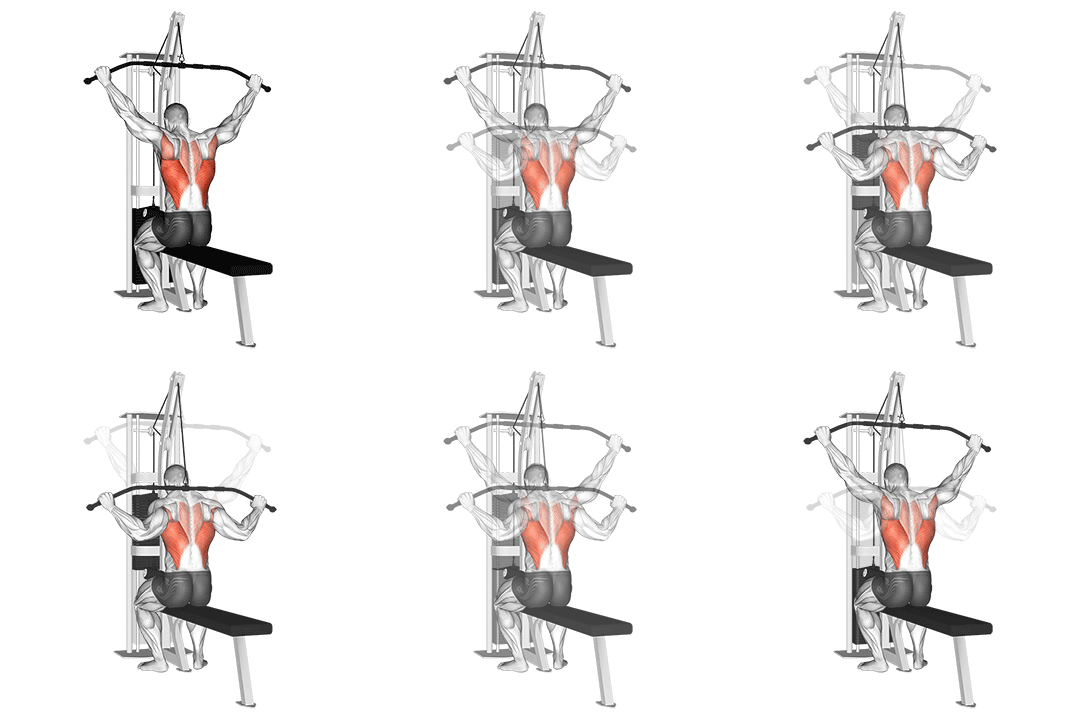
7. Cable Wide Grip Rear Pulldown Behind Neck
86.7% MatchHow to perform this exercise
- Adjust the cable machine so that the pulldown bar is at a height above your head.
- Sit down on the seat and grab the pulldown bar with a wide overhand grip.
- Keep your back straight and your chest up as you lean back slightly.
- Pull the bar down towards your upper chest, squeezing your shoulder blades together.
- Pause for a moment at the bottom of the movement, then slowly release the bar back up to the starting position.
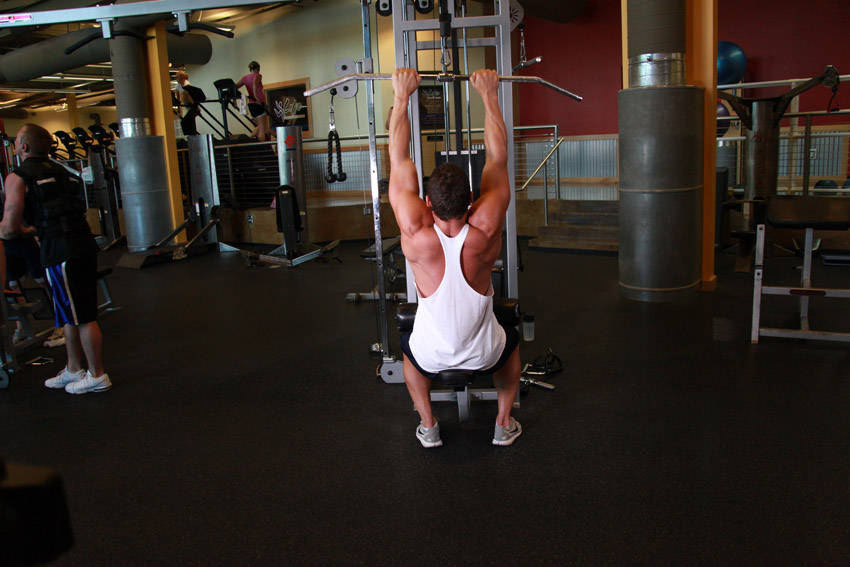
8. Close-Grip Front Lat Pulldown
86.7% MatchHow to perform this exercise
- Sit down on a pull-down machine with a wide bar attached to the top pulley. Make sure that you adjust the knee pad of the machine to fit your height. These pads will prevent your body from being raised by the resistance attached to the bar.
- Grab the bar with the palms facing forward using the prescribed grip. Note on grips: For a wide grip, your hands need to be spaced out at a distance wider than your shoulder width. For a medium grip, your hands need to be spaced out at a distance equal to your shoulder width and for a close grip at a distance smaller than your shoulder width.
- As you have both arms extended in front of you - while holding the bar at the chosen grip width - bring your torso back around 30 degrees or so while creating a curvature on your lower back and sticking your chest out. This is your starting position.
- As you breathe out, bring the bar down until it touches your upper chest by drawing the shoulders and the upper arms down and back. Tip: Concentrate on squeezing the back muscles once you reach the full contracted position. The upper torso should remain stationary (only the arms should move). The forearms should do no other work except for holding the bar; therefore do not try to pull the bar down using the forearms.
- After a second in the contracted position, while squeezing your shoulder blades together, slowly raise the bar back to the starting position when your arms are fully extended and the lats are fully stretched. Inhale during this portion of the movement.
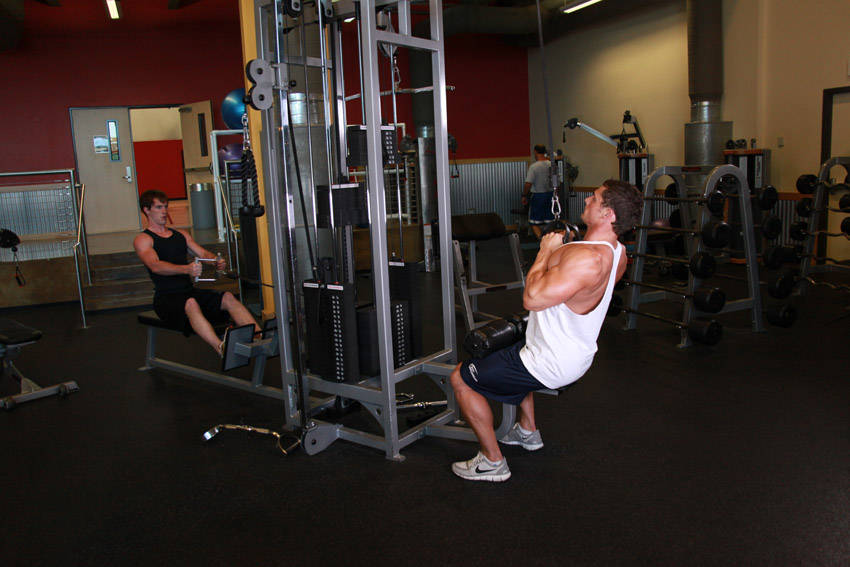
9. V-Bar Pulldown
86.7% MatchHow to perform this exercise
- Sit down on a pull-down machine with a V-Bar attached to the top pulley.
- Adjust the knee pad of the machine to fit your height. These pads will prevent your body from being raised by the resistance attached to the bar.
- Grab the V-bar with the palms facing each other (a neutral grip). Stick your chest out and lean yourself back slightly (around 30-degrees) in order to better engage the lats. This will be your starting position.
- Using your lats, pull the bar down as you squeeze your shoulder blades. Continue until your chest nearly touches the V-bar. Exhale as you execute this motion. Tip: Keep the torso stationary throughout the movement.
- After a second hold on the contracted position, slowly bring the bar back to the starting position as you breathe in.
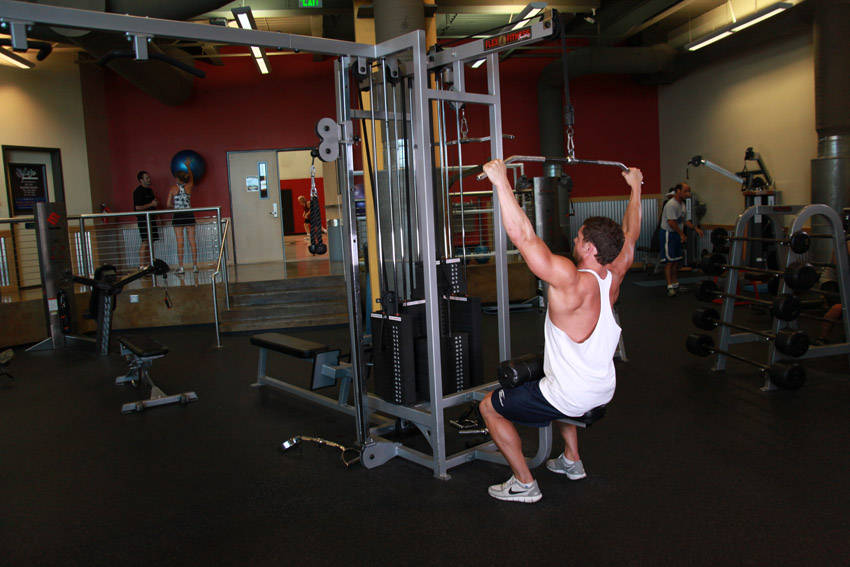
10. Wide-Grip Lat Pulldown
86.7% MatchHow to perform this exercise
- Sit down on a pull-down machine with a wide bar attached to the top pulley. Make sure that you adjust the knee pad of the machine to fit your height. These pads will prevent your body from being raised by the resistance attached to the bar.
- Grab the bar with the palms facing forward using the prescribed grip. Note on grips: For a wide grip, your hands need to be spaced out at a distance wider than shoulder width. For a medium grip, your hands need to be spaced out at a distance equal to your shoulder width and for a close grip at a distance smaller than your shoulder width.
- As you have both arms extended in front of you holding the bar at the chosen grip width, bring your torso back around 30 degrees or so while creating a curvature on your lower back and sticking your chest out. This is your starting position.
- As you breathe out, bring the bar down until it touches your upper chest by drawing the shoulders and the upper arms down and back. Tip: Concentrate on squeezing the back muscles once you reach the full contracted position. The upper torso should remain stationary and only the arms should move. The forearms should do no other work except for holding the bar; therefore do not try to pull down the bar using the forearms.
- After a second at the contracted position squeezing your shoulder blades together, slowly raise the bar back to the starting position when your arms are fully extended and the lats are fully stretched. Inhale during this portion of the movement.
Why You Might Need a Kneeling High Pulley Row Alternative
A busy high pulley station, a floor you would rather not kneel on, or wanting to fix a side of your back that lags behind the other is usually what sends a lifter looking for another way to pull a cable down from overhead to the chest. The Kneeling High Pulley Row also needs a rope attachment set above head height and a couple of feet of open floor, which not every gym corner has. Every alternative here keeps a cable pull from overhead to your chest, so what changes is the grip, the base, and the elbow angle. Most swap the kneeling base for a seated position, one hands the work to a single arm at a time, and one has you grip with your palms facing you rather than the overhand grip the bar versions use.
How to Choose the Right Substitute
Start with the base you can set up. If floor space near the pulley is tight, the Cable Lateral Pulldown With V-bar gives you a seated cable pull to the upper chest with your thighs locked under a knee pad, with your elbows tucked close to your sides rather than flared out. If one side of your back pulls harder than the other, keep the Kneeling Single-arm High Pulley Row so each arm loads on its own. If you are new to lat pulldowns, the Wide-grip Lat Pulldown is the plainest version: sit down, pull a wide bar to your chest and stop. The Cable Wide Grip Rear Pulldown Behind Neck uses the same wide grip and pull to your chest seated too, so treat it as another way to load the same pull, not a step up.
Frequently Asked Questions
What is the best alternative to the Kneeling High Pulley Row?
The Kneeling Single-arm High Pulley Row keeps the same kneeling base and pulls toward your chest one arm at a time instead of both together, which also lets you fix a side of your back that pulls less than the other.
Can I do this exercise seated instead of kneeling?
Yes. The Cable Lateral Pulldown With V-bar pulls a V-bar down to your upper chest with your elbows kept close to your sides, seated with your thighs under a knee pad rather than kneeling on the floor, so it suits a gym where floor space near the pulley is tight or you would rather sit for the set.
Which alternative suits a beginner?
The Wide-grip Lat Pulldown is the plainest version of this cable pull: a wide bar, a seated position, and a straightforward pull to your chest. It is a good place to learn the pull before moving to single-arm or narrower-grip versions.
Do all these alternatives need a cable machine?
Yes. Every alternative here pulls against a cable or pulley station, whether you kneel, sit, or work one arm at a time, so none of them can be done with just a barbell or dumbbells. Every one of them hangs from a high pulley, so what you need is a lat pulldown station or a cable tower with the pulley set above head height; the attachment can be a wide bar, a V-bar, two handles or a single handle.
More Exercise Alternatives
Find Alternatives for Any Exercise
Use the exercise substitution finder to compare ranked alternatives for your available equipment and training preference.
Try the Exercise Substitution Finder →