

10 Best Kneeling Jump Squat Alternatives for Glute Power
If you need an alternative to the Kneeling Jump Squat, use standing barbell hip thrusts, Romanian deadlifts, depth jumps, Bulgarian split squats, or barbell back squats. Each preserves hip extension to target the gluteus maximus and posterior chain. Cue: brace your core, load the hips, drive through the heels, and finish with a strong concentric hip extension.
Original Exercise: Kneeling Jump Squat
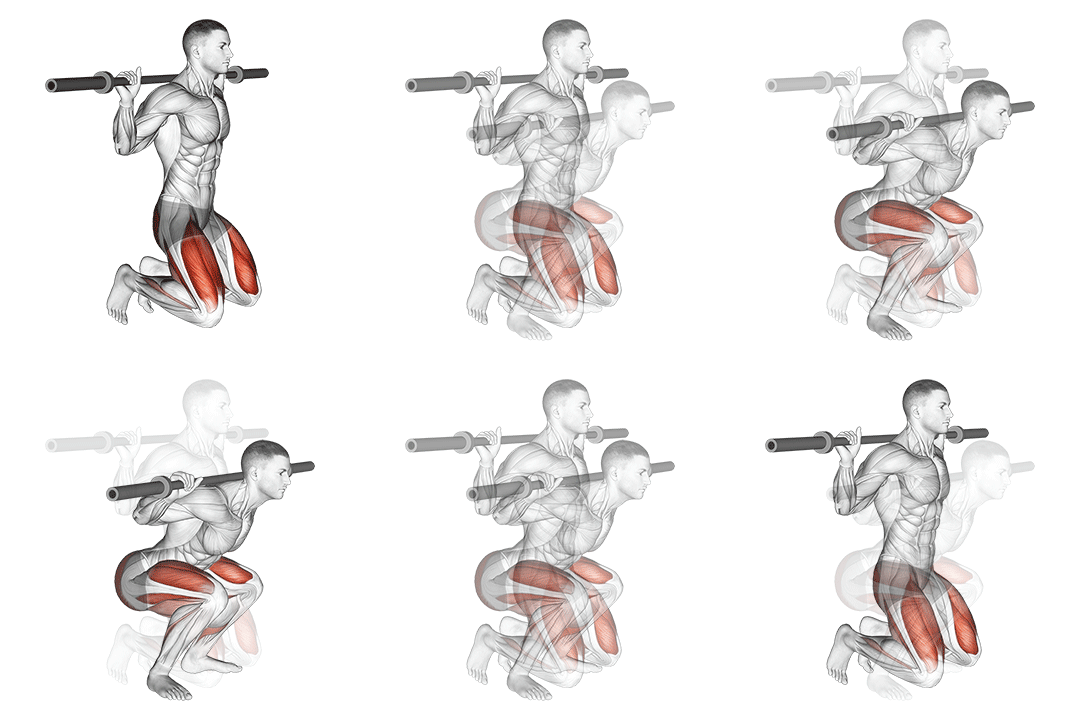
How to Perform Kneeling Jump Squat
- Start by kneeling on the ground with your feet hip-width apart and your toes pointing forward.
- Hold a barbell across your upper back, resting it on your shoulders.
- Engage your core and glutes, then explosively jump up into the air, extending your hips and knees.
- As you jump, push through your toes and fully extend your ankles, knees, and hips.
- Land softly back on the ground, bending your knees to absorb the impact.
- Immediately go into the next repetition, repeating the jump squat motion.
Best Kneeling Jump Squat Alternatives
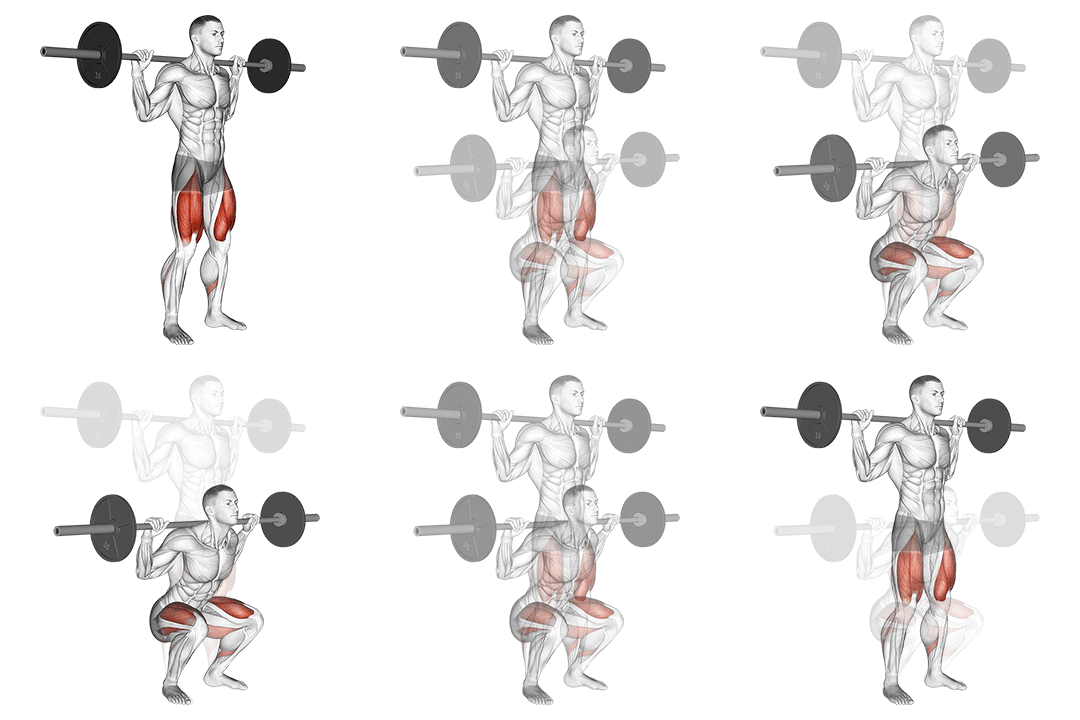
1. Barbell High Bar Squat
83.2% MatchHow to perform this exercise
- Stand with your feet shoulder-width apart, toes slightly turned out.
- Place the barbell on your upper back, resting it on your traps.
- Engage your core and keep your chest up as you begin to squat down, pushing your hips back and bending your knees.
- Lower yourself until your thighs are parallel to the ground, or as low as you can comfortably go.
- Drive through your heels to stand back up, extending your hips and knees.
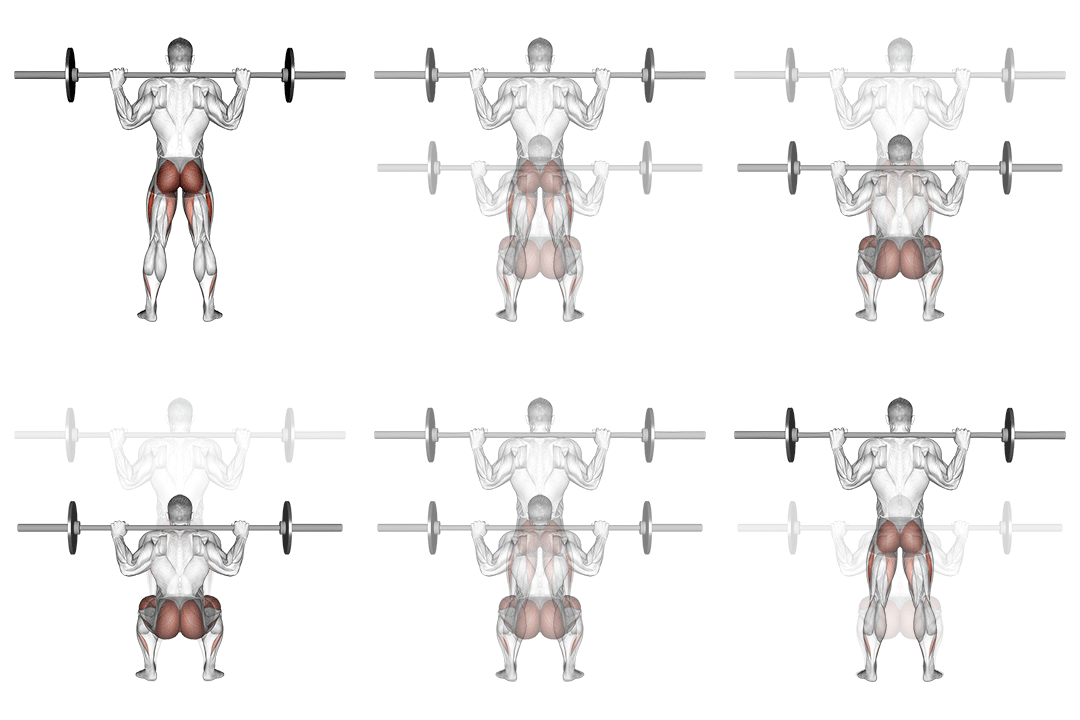
2. Barbell Full Squat (back Pov)
83.2% MatchHow to perform this exercise
- Stand with your feet shoulder-width apart, toes slightly turned out.
- Hold the barbell across your upper back, resting it on your traps or rear delts.
- Engage your core and keep your chest up as you begin to lower your body down.
- Bend at the knees and hips, pushing your hips back and down as if sitting into a chair.
- Lower your body until your thighs are parallel to the ground or slightly below.
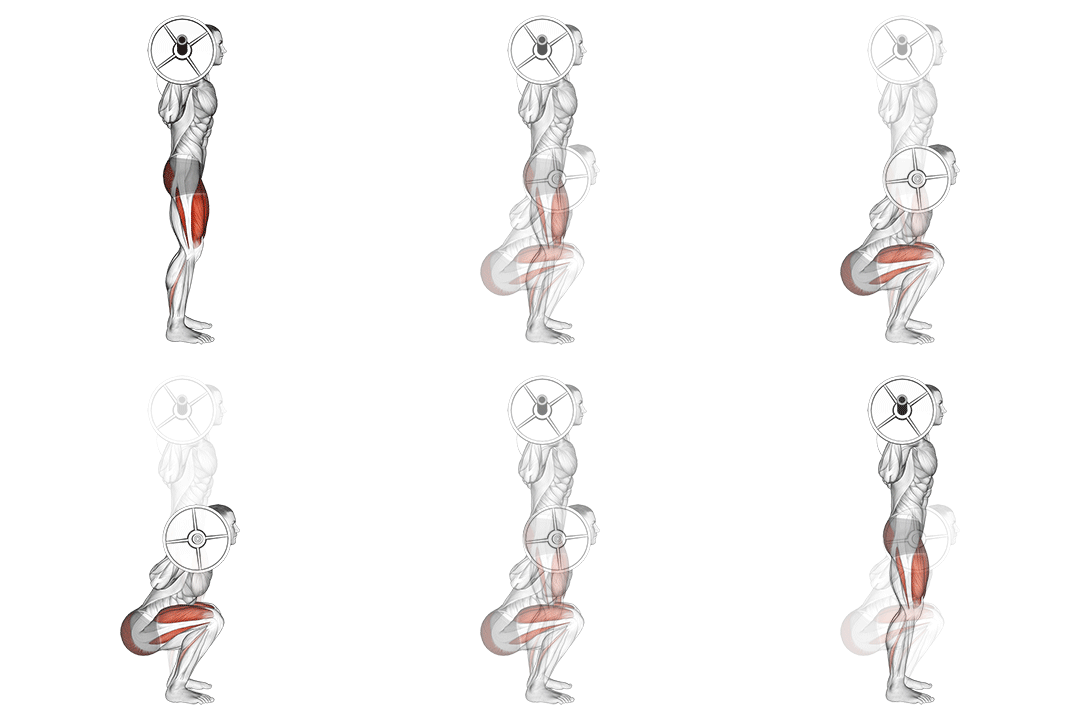
3. Barbell Full Squat (side Pov)
83.2% MatchHow to perform this exercise
- Stand with your feet shoulder-width apart, toes slightly turned out.
- Hold the barbell across your upper back, resting it on your traps or rear delts.
- Engage your core and keep your chest up as you begin to lower your body down.
- Bend at the knees and hips, pushing your hips back and down as if sitting into a chair.
- Lower your body until your thighs are parallel to the ground or slightly below.
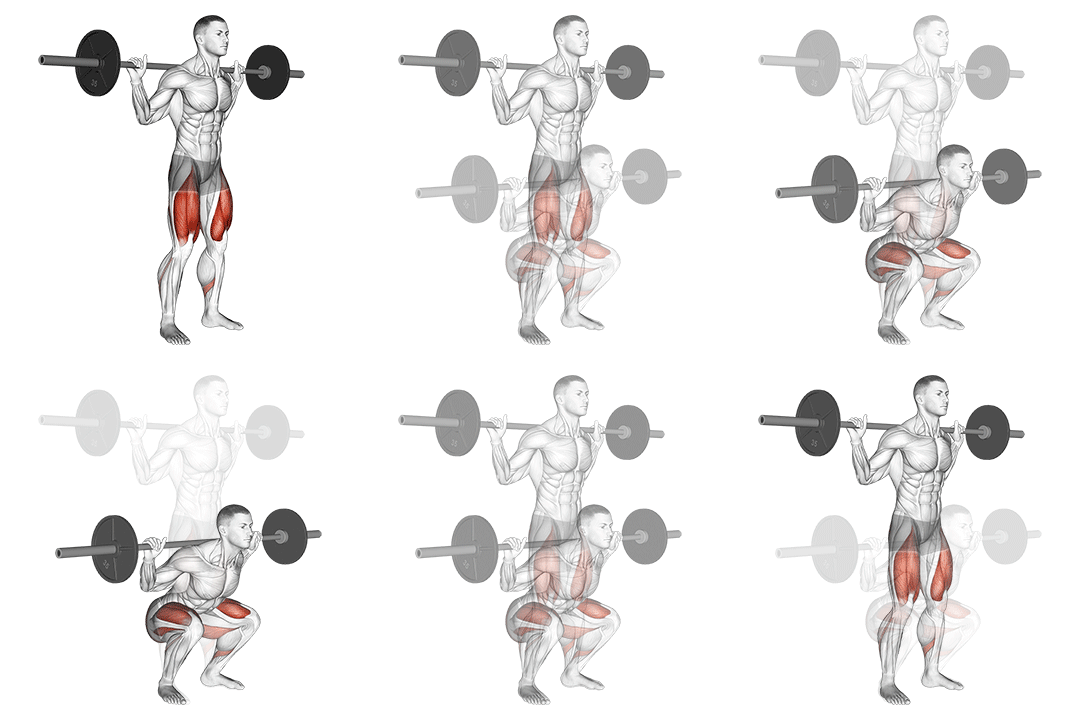
4. Barbell Low Bar Squat
82.7% MatchHow to perform this exercise
- Stand with your feet shoulder-width apart and the barbell resting on your upper back.
- Keeping your chest up and core engaged, slowly lower your body by bending your knees and pushing your hips back.
- Continue lowering until your thighs are parallel to the ground or slightly below.
- Pause for a moment, then push through your heels to return to the starting position.
- Repeat for the desired number of repetitions.
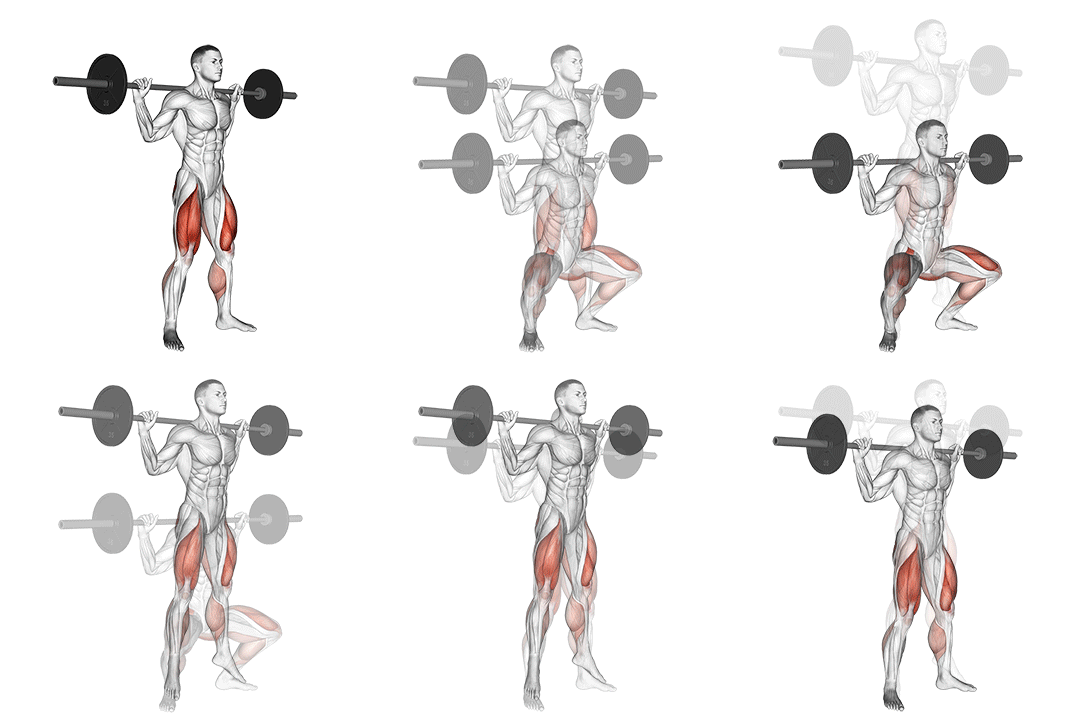
5. Barbell Jump Squat
82.4% MatchHow to perform this exercise
- Start by standing with your feet shoulder-width apart, holding a barbell across your upper back.
- Lower your body into a squat position by bending your knees and pushing your hips back.
- Once you reach the bottom of the squat, explode upwards by jumping off the ground.
- As you jump, extend your hips, knees, and ankles, pushing through your toes.
- Land softly back into the squat position and immediately repeat the movement for the desired number of repetitions.
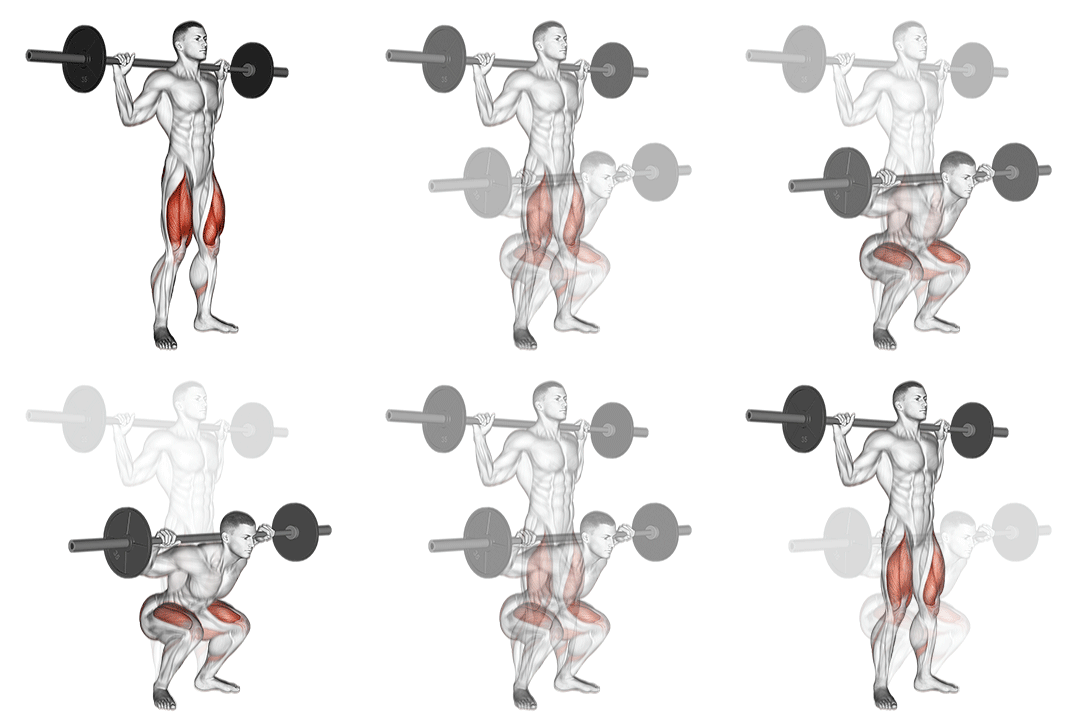
6. Barbell Speed Squat
81.9% MatchHow to perform this exercise
- Stand with your feet shoulder-width apart, toes slightly turned out.
- Hold the barbell across your upper back, resting it on your traps or rear delts.
- Engage your core and keep your chest up as you lower your hips back and down, as if sitting into a chair.
- Lower until your thighs are parallel to the ground, or as low as you can comfortably go.
- Drive through your heels to stand back up, squeezing your glutes at the top.
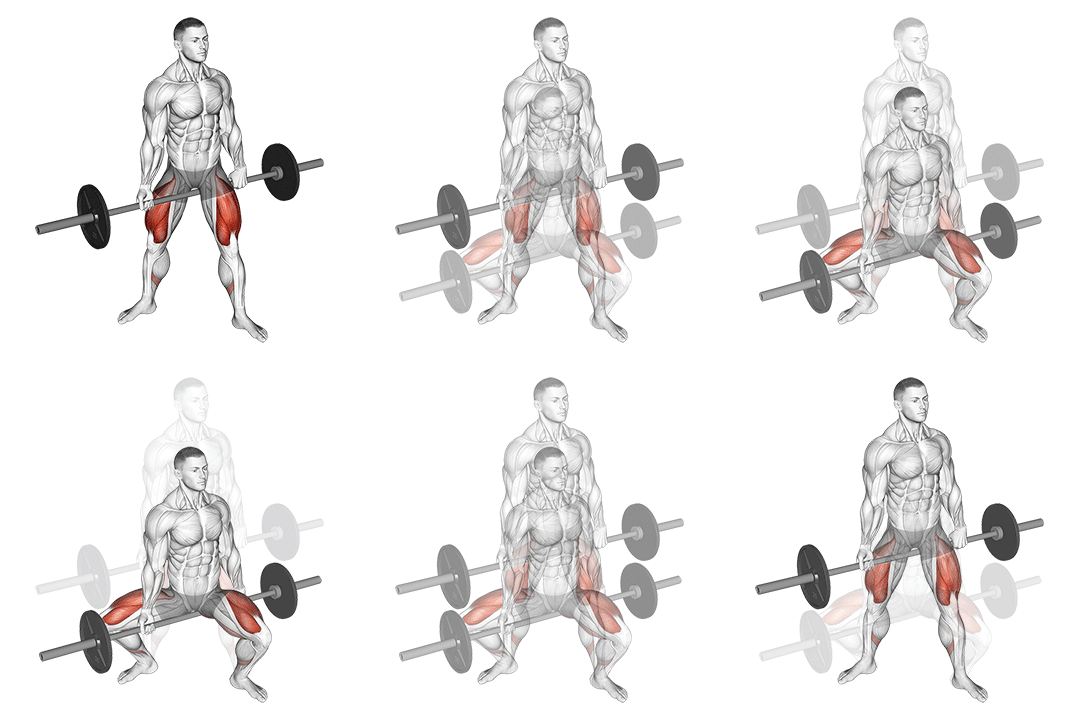
7. Barbell Jefferson Squat
78.4% MatchHow to perform this exercise
- Stand with your feet shoulder-width apart and toes slightly turned out.
- Hold the barbell with an overhand grip, resting it on the front of your body, just below your waist.
- Step your left foot forward and your right foot back, keeping your feet shoulder-width apart.
- Bend your knees and lower your body down into a squat position, keeping your back straight and chest up.
- Push through your heels to stand back up to the starting position.
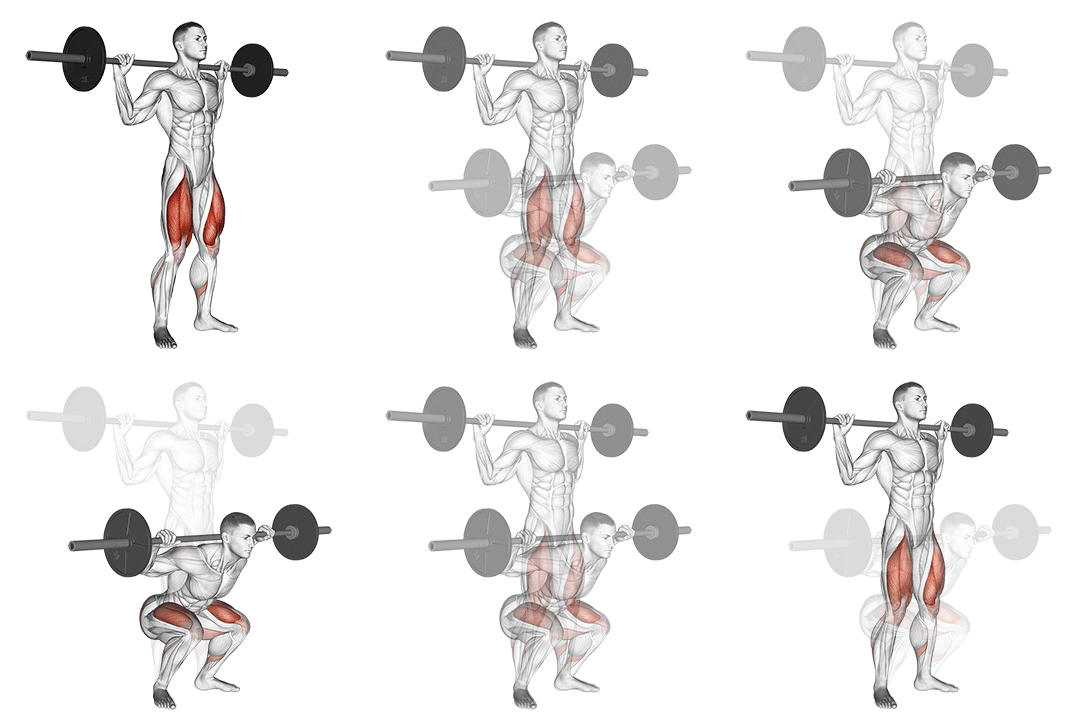
8. Barbell Full Squat
78.2% MatchHow to perform this exercise
- Stand with your feet shoulder-width apart, toes slightly turned out.
- Hold the barbell across your upper back, resting it on your traps or rear delts.
- Engage your core and keep your chest up as you begin to lower your body down.
- Bend at the knees and hips, pushing your hips back and down as if sitting into a chair.
- Lower yourself until your thighs are parallel to the ground or slightly below.
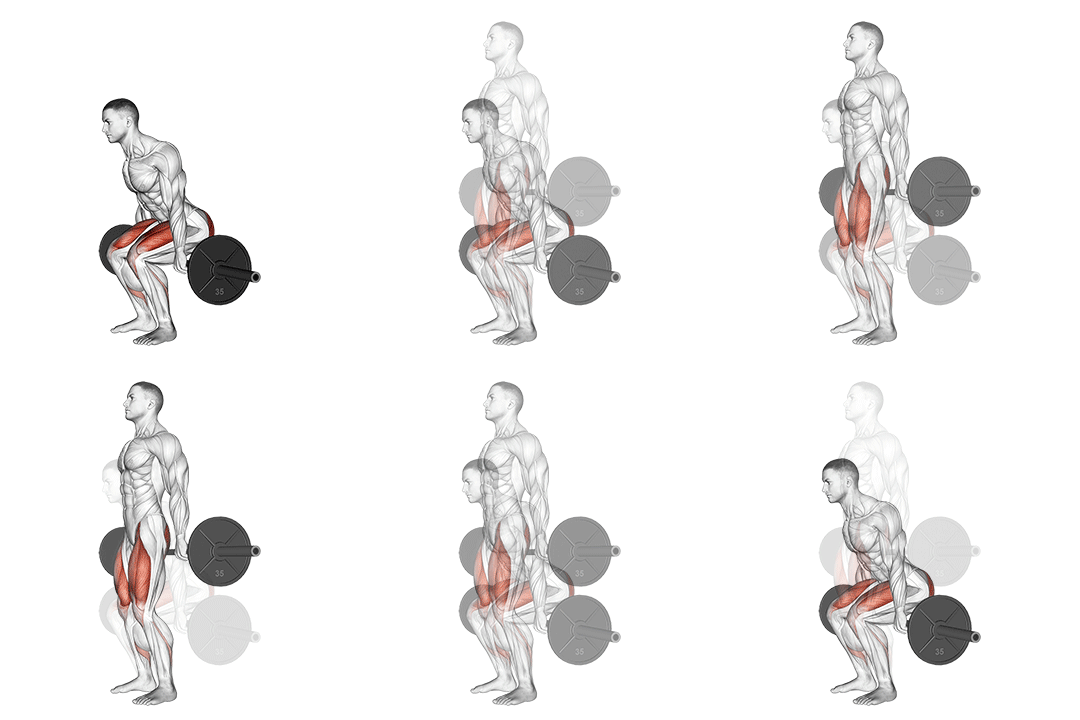
9. Barbell Hack Squat
78.2% MatchHow to perform this exercise
- Start by standing with your feet shoulder-width apart and your toes slightly turned out.
- Hold the barbell behind your legs, resting it on your upper thighs.
- Lower your body by bending at the knees and hips, keeping your back straight and your chest up.
- Continue lowering until your thighs are parallel to the ground, or as low as you can comfortably go.
- Pause for a moment, then push through your heels to return to the starting position.
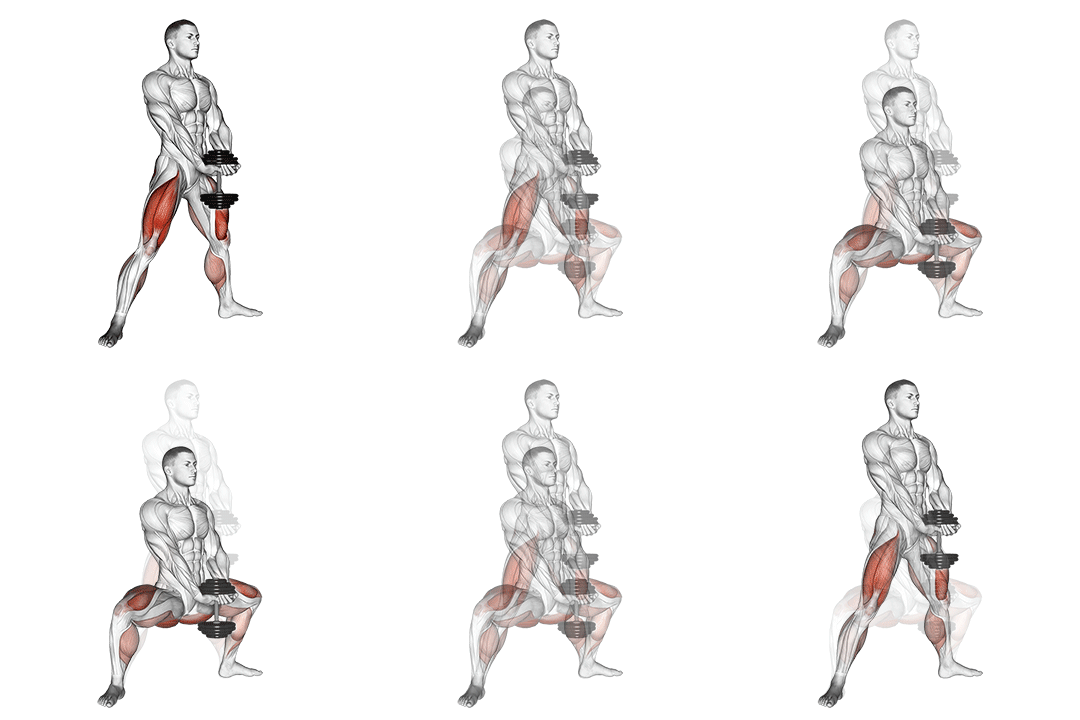
10. Dumbbell Plyo Squat
77.8% MatchHow to perform this exercise
- Stand with your feet shoulder-width apart, holding a dumbbell in each hand at your sides.
- Lower your body into a squat position by bending your knees and pushing your hips back.
- As you reach the bottom of the squat, explode upward, jumping off the ground.
- While in the air, quickly switch the position of your feet, landing with your opposite foot forward.
- Immediately lower your body back into a squat position and repeat the jump, switching your feet again.
Why You Might Need a Kneeling Jump Squat Alternative
You might substitute Kneeling Jump Squats for several reasons: knee or hip pain when loading in a kneeling plyo position, limited access to a safe platform for rebound, or a desire for more horizontal hip extension under load. Alternatives let you adjust joint angles and ground reaction forces to emphasize the gluteus maximus or spread load to the hamstrings and quads. For example, a barbell hip thrust increases peak glute activation through horizontal hip extension, while a Romanian deadlift emphasizes eccentric hamstring control and hip hinge mechanics. Use cues like maintaining a neutral spine, initiating movement from the hips, and driving through the heels to preserve correct activation patterns.
How to Choose the Right Substitute
Match the substitute to your goal: choose hip-thrust variations for maximal glute activation and horizontal force, heavy back squats for combined hip and knee extension, and plyometrics (depth jumps, broad jumps) for rate of force development. Consider joint tolerance—if your knees flare or hurt, favor hip-dominant moves that reduce knee shear. Account for equipment: hip thrusts need a bench and barbell pad; Romanian deadlifts need a barbell and adequate hamstring length. Use technique cues—push hips back, hinge at the pelvis, keep a neutral spine, and drive through the heels—to replicate the glute activation and biomechanics of the Kneeling Jump Squat.
Frequently Asked Questions
What muscles does Kneeling Jump Squat work?
The Kneeling Jump Squat primarily targets the gluteus maximus through powerful hip extension, with secondary involvement from the hamstrings, quadriceps, adductors, calves, and core stabilizers. Biomechanically it uses a stretch-shortening cycle of the hip extensors, so cue explosive hip extension while maintaining a neutral spine to maximize glute activation.
What is the best bodyweight alternative to Kneeling Jump Squat?
The best bodyweight substitute for power and glute activation is the standing jump squat (or broad jump) because it preserves explosive hip extension without specialized equipment. Cue a quick hip hinge, drive through the heels, and land softly with hips and knees absorbing force to maintain glute and hamstring engagement.
Can I build muscle without doing Kneeling Jump Squat?
Yes. You can stimulate glute hypertrophy with progressive overload using barbell hip thrusts, heavy back squats, and Romanian deadlifts that emphasize time under tension and peak hip extension. Focus on loading, slow eccentrics, and strong hip-drive cues—push hips forward, squeeze the glutes at lockout—to achieve the same muscle activation.
More Exercise Alternatives
Find Alternatives for Any Exercise
Use our free tool to discover the best substitute exercises based on your available equipment and goals.
Try the Exercise Substitution Finder →