

10 Best Lever Hip Extension V.2 Alternatives for Gym or Home
Can’t use the Lever Hip Extension V.2? Use barbell hip thrusts, single-leg Romanian deadlifts, cable pull-throughs, barbell glute bridges, or reverse hypers to target hip extension. Emphasize full hip extension and a maximal glute squeeze—drive the hips up, press through the heels, and keep a neutral spine.
Original Exercise: Lever Hip Extension V. 2
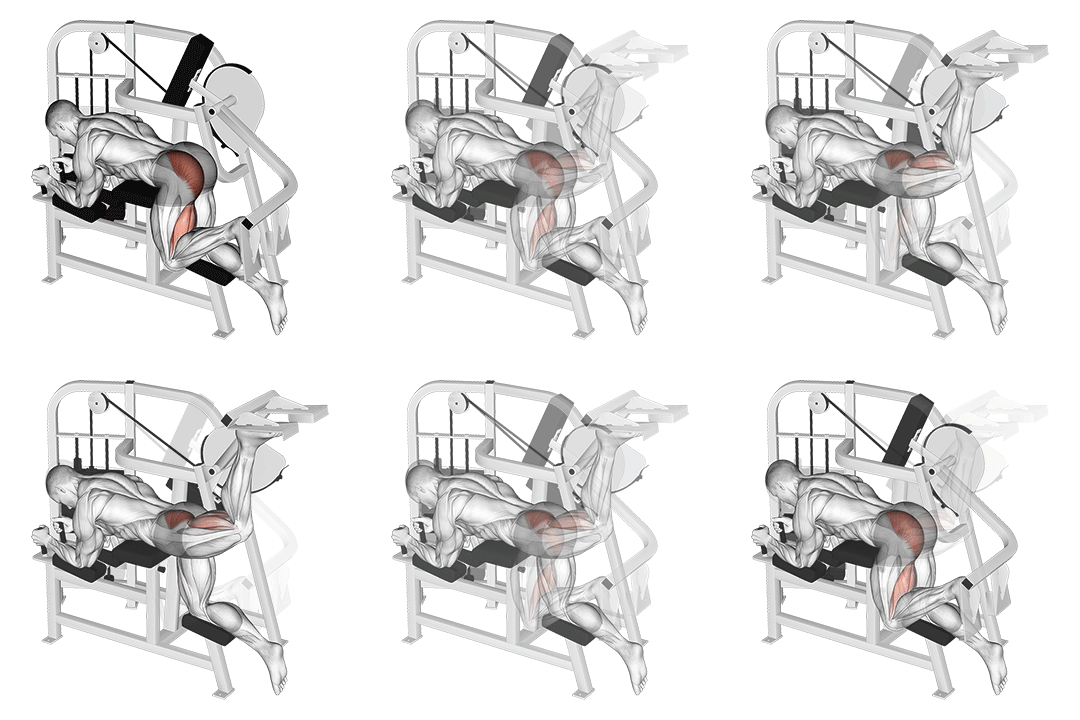
How to Perform Lever Hip Extension V. 2
- Adjust the machine to fit your body and sit on it with your back against the backrest.
- Place your feet on the footrests and grip the handles for stability.
- Engage your glutes and hamstrings, then push against the footrests to extend your hips and raise your legs backward.
- Pause for a moment at the top, then slowly lower your legs back to the starting position.
- Repeat for the desired number of repetitions.
Best Lever Hip Extension V. 2 Alternatives
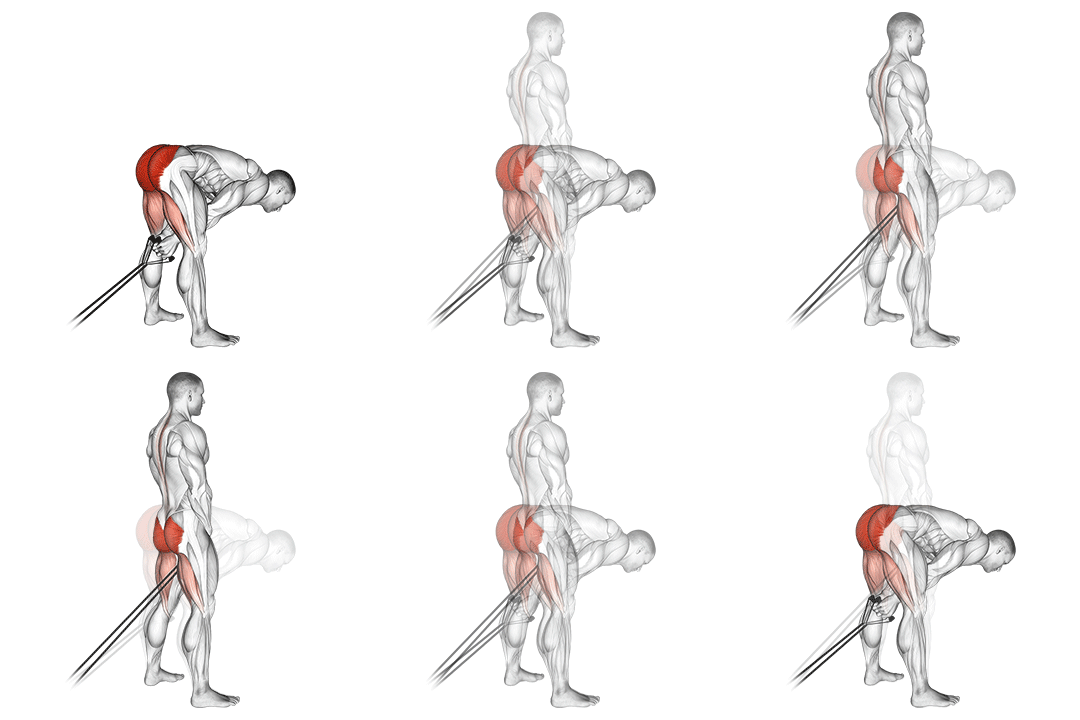
1. Band Pull Through
73.6% MatchHow to perform this exercise
- Attach a resistance band to a sturdy anchor point at ground level.
- Stand facing away from the anchor point with your feet shoulder-width apart.
- Step forward to create tension in the band, keeping your knees slightly bent.
- Hinge at the hips and push your glutes back, maintaining a slight bend in your knees.
- Lower your torso until it is parallel to the ground, feeling a stretch in your hamstrings.
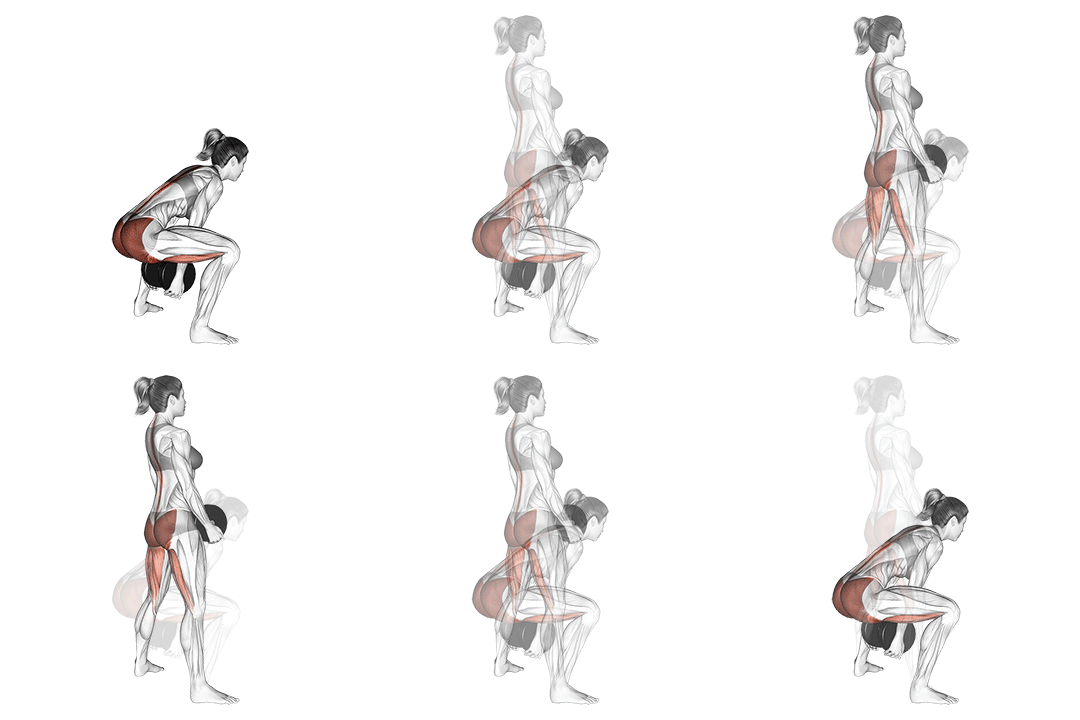
2. Dumbbell Sumo Pull Through
72.8% MatchHow to perform this exercise
- Stand with your feet wider than shoulder-width apart, toes pointed outwards.
- Hold a dumbbell with both hands in front of your body, arms extended.
- Bend your knees and lower your hips down into a squat position, keeping your back straight.
- Lower the dumbbell down between your legs, keeping your arms straight.
- Drive through your heels and extend your hips forward, pulling the dumbbell up and in front of your body.
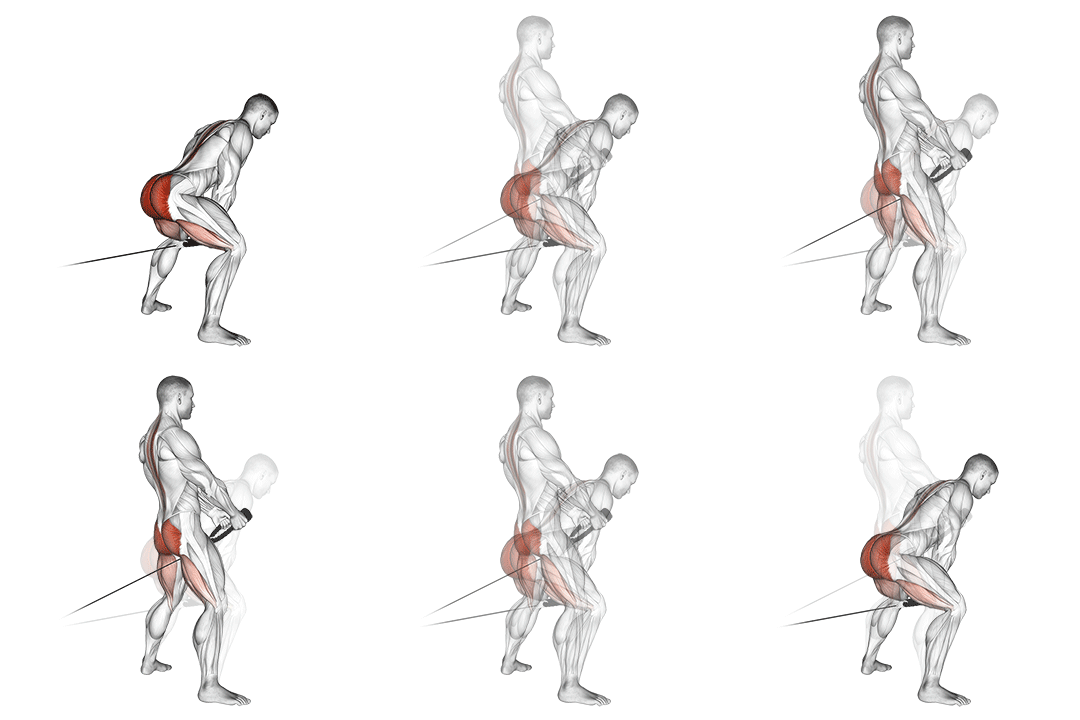
3. Cable Pull Through (with Rope)
70.9% MatchHow to perform this exercise
- Stand facing away from the cable machine with your feet shoulder-width apart.
- Grab the rope attachment with both hands and step forward, creating tension in the cable.
- Bend at the hips and lower your upper body until it is parallel to the ground, keeping your back straight.
- Engage your glutes and hamstrings to pull your body back up to the starting position.
- Repeat for the desired number of repetitions.
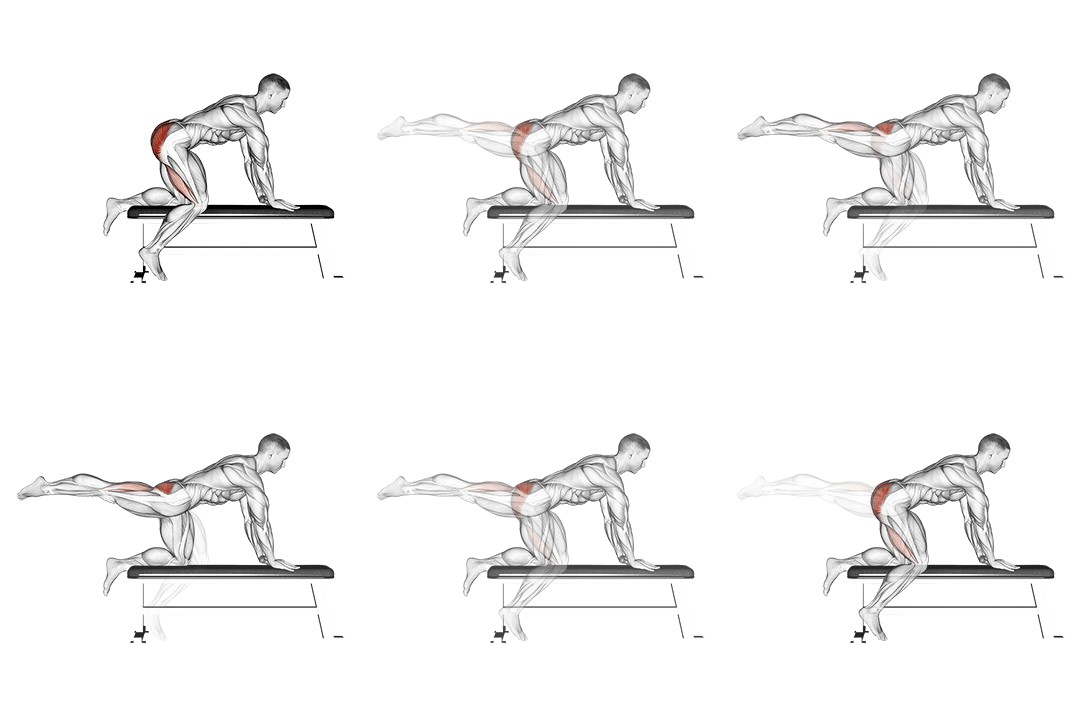
4. Bench Hip Extension
70.7% MatchHow to perform this exercise
- Sit on a bench with your back against the bench and your feet flat on the ground.
- Place your hands on the bench for support.
- Engage your glutes and hamstrings, then lift your hips off the bench until your body forms a straight line from your knees to your shoulders.
- Pause for a moment at the top, then slowly lower your hips back down to the starting position.
- Repeat for the desired number of repetitions.
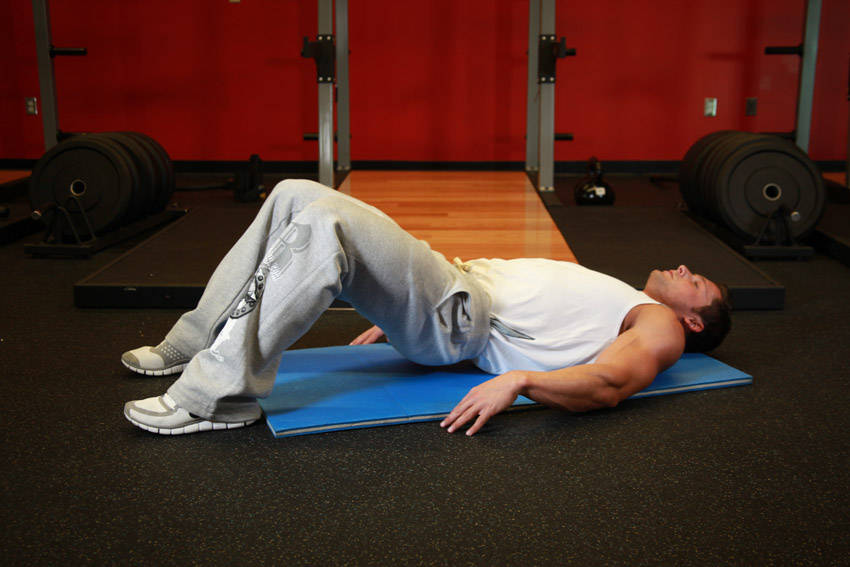
5. Butt Lift (Bridge)
70.7% MatchHow to perform this exercise
- Lie flat on the floor on your back with the hands by your side and your knees bent. Your feet should be placed around shoulder width. This will be your starting position.
- Pushing mainly with your heels, lift your hips off the floor while keeping your back straight. Breathe out as you perform this part of the motion and hold at the top for a second.
- Slowly go back to the starting position as you breathe in.
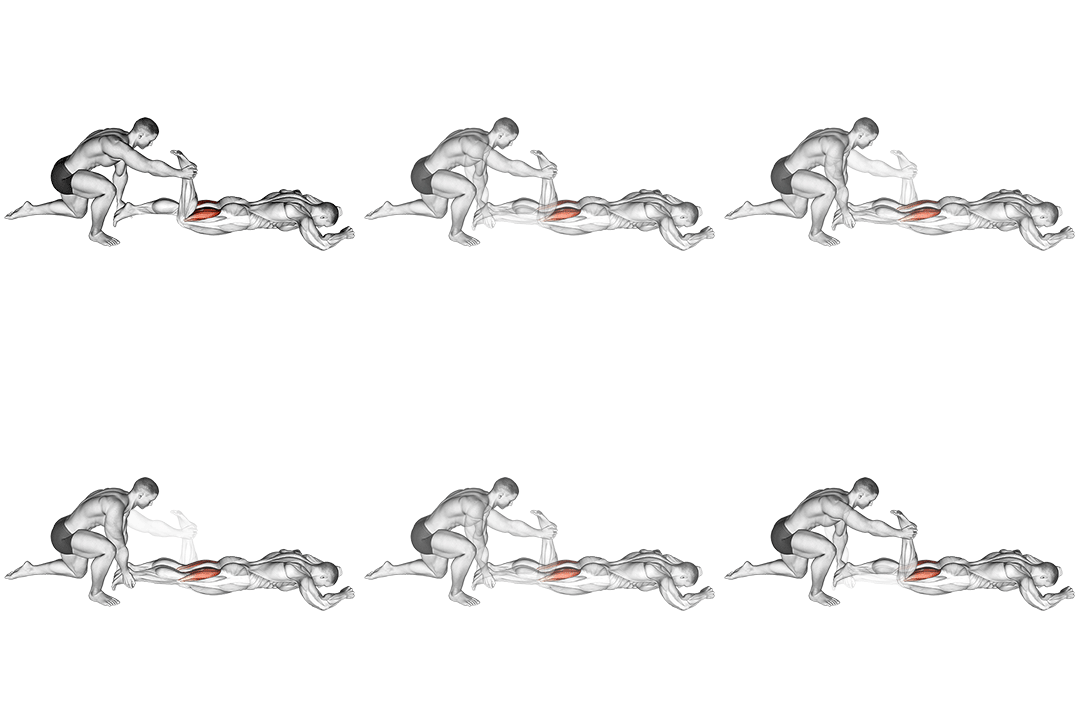
6. Assisted Prone Hamstring
70.4% MatchHow to perform this exercise
- Lie face down on a mat or bench with your legs fully extended.
- Have a partner or use a resistance band to secure your ankles.
- Engage your hamstrings and lift your legs towards your glutes, keeping your knees straight.
- Pause for a moment at the top, then slowly lower your legs back down to the starting position.
- Repeat for the desired number of repetitions.
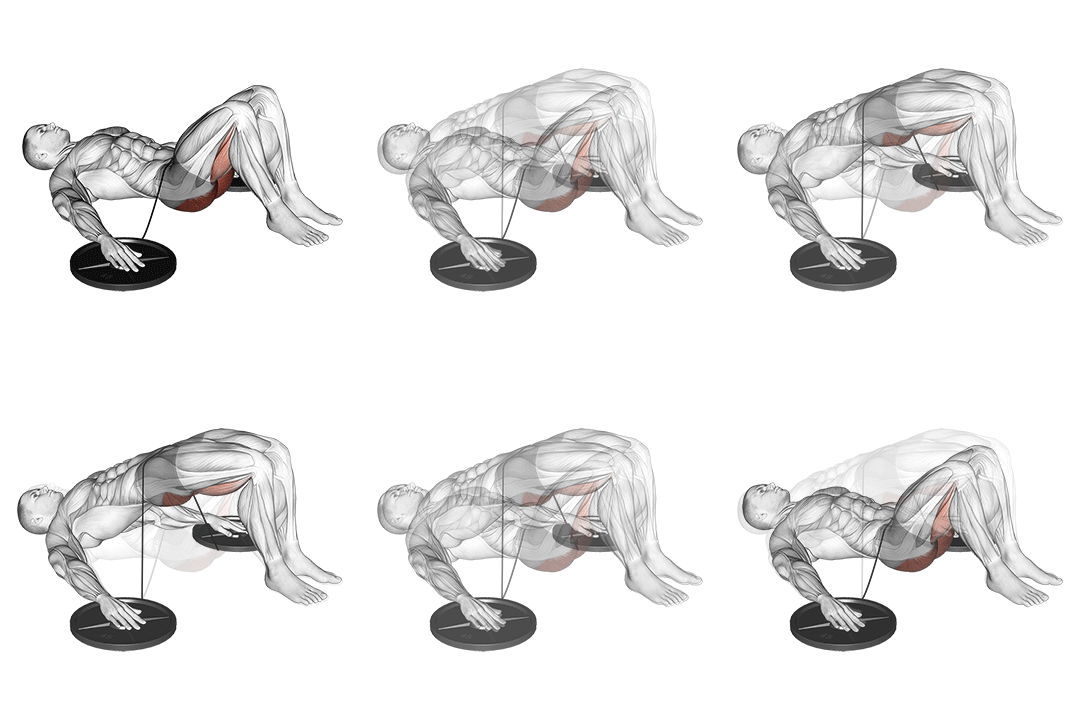
7. Band Hip Lift
66.4% MatchHow to perform this exercise
- Lie on your back with your knees bent and feet flat on the ground.
- Place a resistance band just above your knees.
- Engage your glutes and core muscles.
- Press your heels into the ground and lift your hips off the floor, squeezing your glutes at the top.
- Pause for a moment at the top, then slowly lower your hips back down to the starting position.
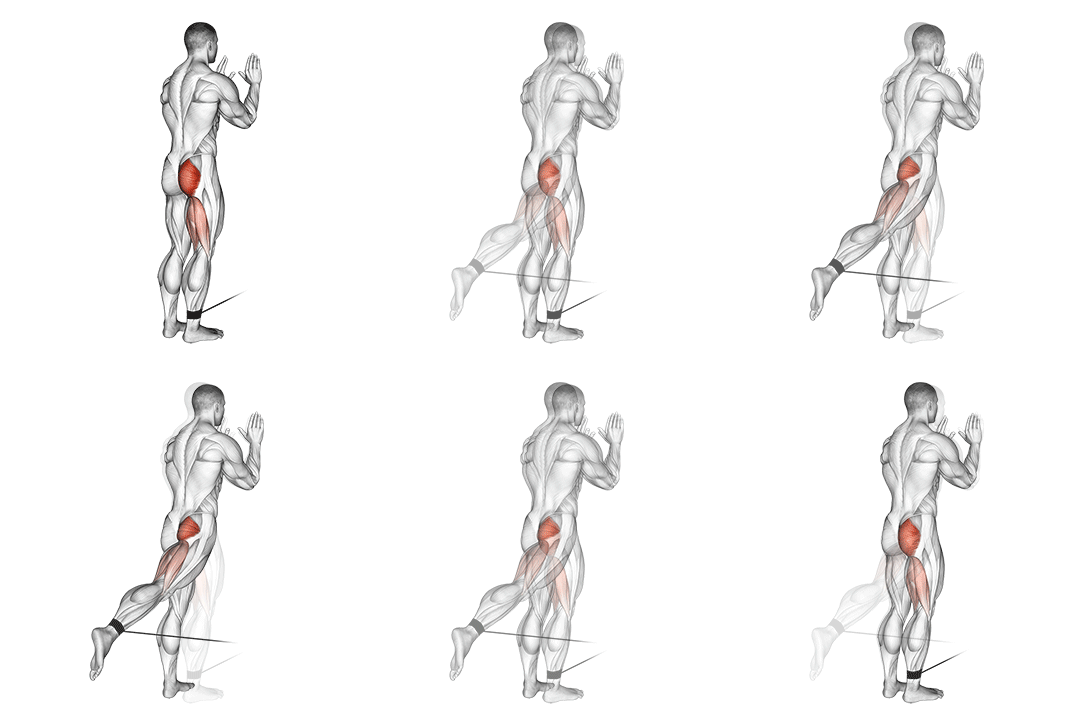
8. Cable Standing Hip Extension
66% MatchHow to perform this exercise
- Attach a cable to a low pulley and stand facing away from the machine.
- Place the cable around your ankle and stand with your feet shoulder-width apart.
- Keep your core engaged and your back straight throughout the exercise.
- Slowly extend your leg straight back, squeezing your glutes at the top of the movement.
- Pause for a moment, then return to the starting position.
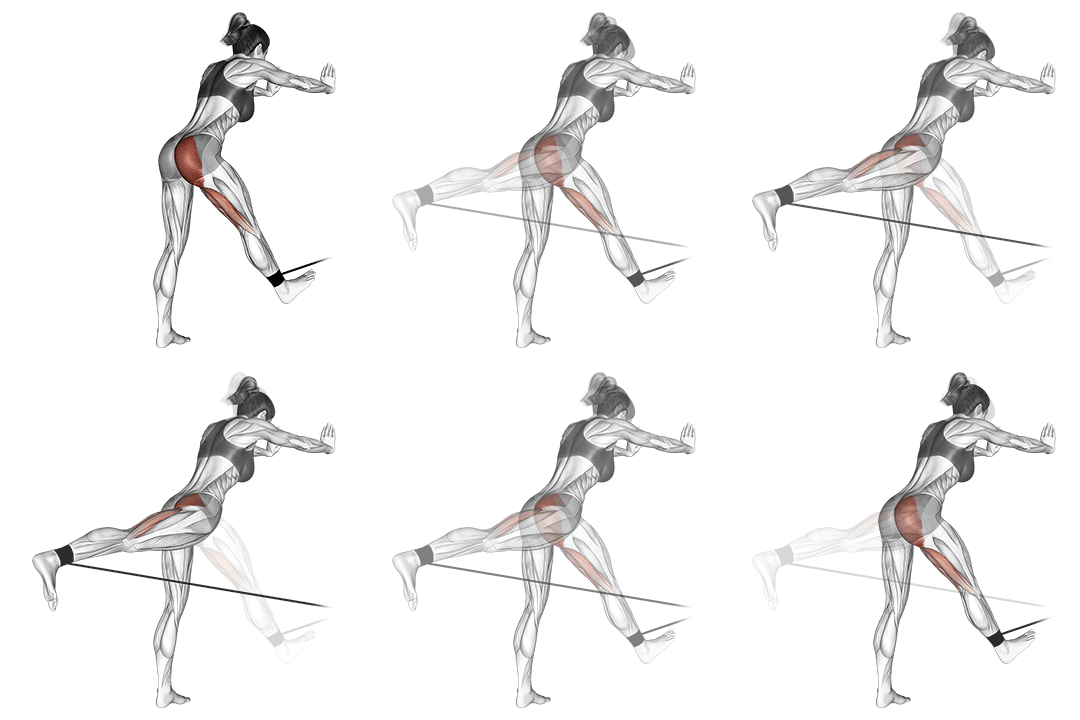
9. Band Bent-over Hip Extension
66% MatchHow to perform this exercise
- Attach the band to a sturdy anchor point at ankle height.
- Stand facing away from the anchor point with your feet shoulder-width apart.
- Step back to create tension in the band, keeping your knees slightly bent.
- Hinge at the hips and lean forward, maintaining a neutral spine.
- Extend your right leg straight back, squeezing your glutes at the top.
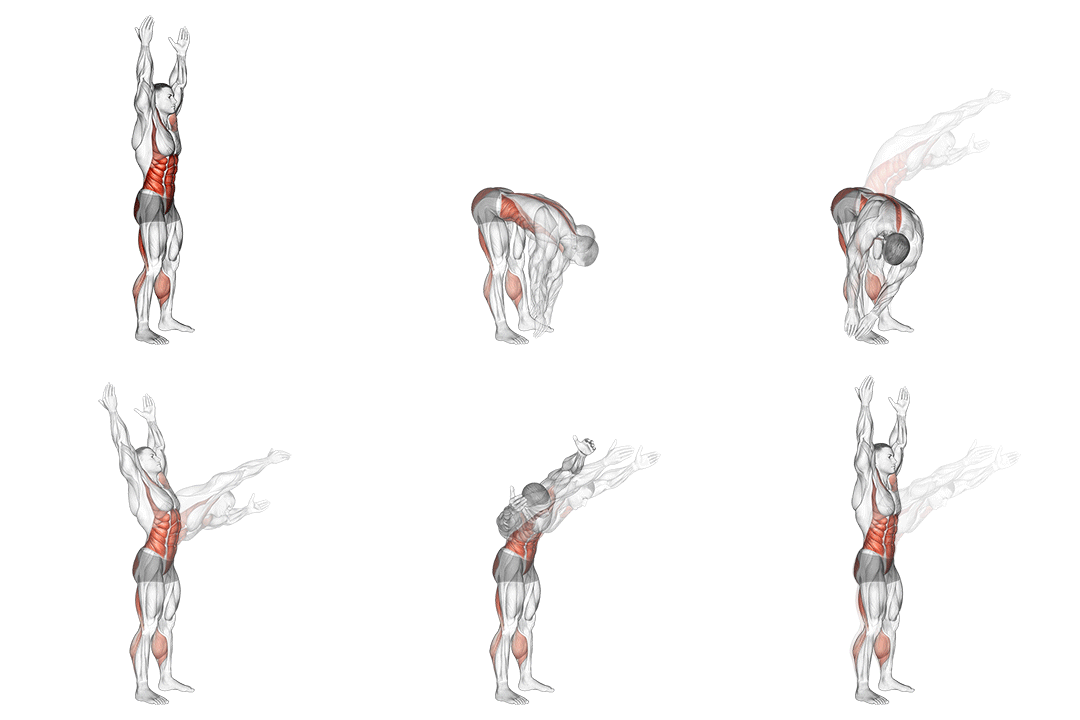
10. Arms Apart Circular Toe Touch (male)
65.7% MatchHow to perform this exercise
- Stand with your feet shoulder-width apart and arms extended to the sides.
- Keeping your legs straight, bend forward at the waist and reach down towards your toes with your right hand.
- As you reach down, simultaneously lift your left leg straight up behind you, maintaining balance.
- Return to the starting position and repeat the movement with your left hand reaching towards your toes and your right leg lifting up behind you.
- Continue alternating sides for the desired number of repetitions.
Why You Might Need a Lever Hip Extension V. 2 Alternative
You may need a substitute because the lever machine is unavailable, painful for a current injury, or lacks the loading pattern you want. Some lifters prefer unilateral work to fix imbalances or want exercises that allow heavier progressive overload. Biomechanically, the lever isolates hip extension torque to target glute max; alternatives change the torque curve and hamstring involvement. For example, hip thrusts concentrate glute activation at peak extension—cue an intentional pause and squeeze at the top—while RDLs increase hamstring length-tension and require a stronger hip hinge pattern. Choose a substitute that matches your pain profile, loading needs, and desired muscle emphasis.
How to Choose the Right Substitute
Select a substitute by matching movement pattern, required equipment, and target muscle activation. If you want maximal glute isolation and horizontal loading, choose barbell hip thrusts and cue a hard squeeze at full extension. If you need posterior chain integration and hamstring activation, pick Romanian deadlifts and hinge from the hips with a long eccentric. For limited equipment, use single-leg glute bridges to force unilateral glute activation—drive through the heel and keep hips level. Also consider spinal loading tolerance, progression options (load, reps, tempo), and whether you need bilateral stability or unilateral corrective work.
Frequently Asked Questions
What muscles does Lever Hip Extension V. 2 work?
Lever Hip Extension V.2 primarily targets the gluteus maximus through hip extension. It also recruits the hamstrings and, to a lesser degree, the adductors and erector spinae for stabilization during the movement.
What is the best bodyweight alternative to Lever Hip Extension V. 2?
The single-leg glute bridge is the top bodyweight substitute because it isolates the glute and forces unilateral recruitment. Cue driving through the heel, lifting the hip until full extension, and holding a 1–2 second glute squeeze to maximize activation.
Can I build muscle without doing Lever Hip Extension V. 2?
Yes. You can build glute mass with alternatives that provide progressive overload and high time under tension, such as barbell hip thrusts, weighted glute bridges, and RDLs. Focus on increasing load, reps, or pause duration while maintaining full hip extension and deliberate glute contraction.
More Exercise Alternatives
Find Alternatives for Any Exercise
Use our free tool to discover the best substitute exercises based on your available equipment and goals.
Try the Exercise Substitution Finder →