

10 Best Lever Seated Calf Raise Alternatives for Home & Gym
If you can't perform the Lever Seated Calf Raise, use seated dumbbell calf raises, leg-press calf raises, standing barbell or single-leg raises, and donkey calf raises. Focus on full ankle dorsiflexion and controlled plantarflexion; pause at the top and drive through the balls of your feet to maximize soleus activation.
Original Exercise: Lever Seated Calf Raise
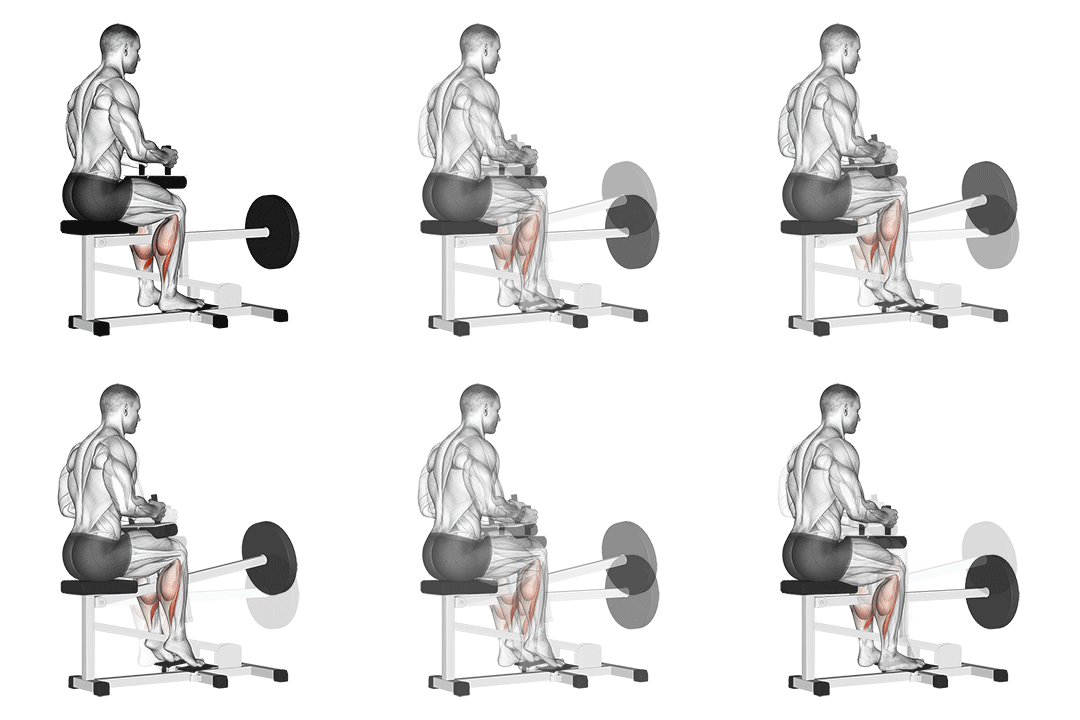
How to Perform Lever Seated Calf Raise
- Adjust the seat height so that your knees are slightly bent and your feet are flat on the footplate.
- Place your toes on the footplate with your heels hanging off the edge.
- Grasp the handles or the sides of the seat for stability.
- Push through the balls of your feet to raise your heels as high as possible.
- Pause for a moment at the top, then slowly lower your heels back down to the starting position.
- Repeat for the desired number of repetitions.
Best Lever Seated Calf Raise Alternatives
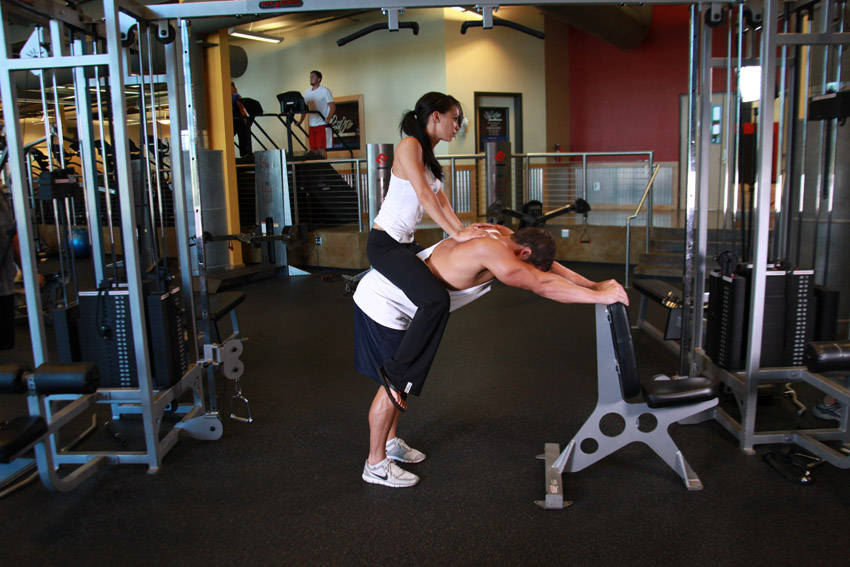
1. Donkey Calf Raises
91.2% MatchHow to perform this exercise
- For this exercise you will need access to a donkey calf raise machine. Start by positioning your lower back and hips under the padded lever provided. The tailbone area should be the one making contact with the pad.
- Place both of your arms on the side handles and place the balls of your feet on the calf block with the heels extending off. Align the toes forward, inward or outward, depending on the area you wish to target, and straighten the knees without locking them. This will be your starting position.
- Raise your heels as you breathe out by extending your ankles as high as possible and flexing your calf. Ensure that the knee is kept stationary at all times. There should be no bending at any time. Hold the contracted position by a second before you start to go back down.
- Go back slowly to the starting position as you breathe in by lowering your heels as you bend the ankles until calves are stretched.
- Repeat for the recommended amount of repetitions.
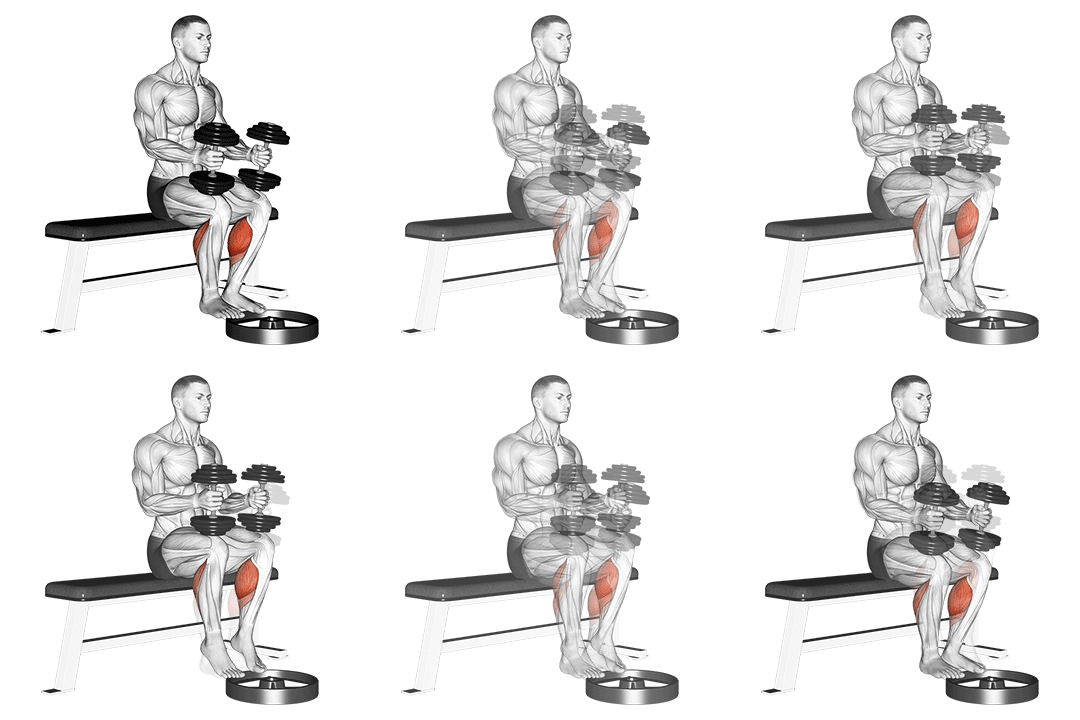
2. Dumbbell Seated Calf Raise
87.9% MatchHow to perform this exercise
- Sit on a bench or chair with your feet flat on the ground and a dumbbell resting on your thighs.
- Place the balls of your feet on a raised surface such as a step or block, with your heels hanging off the edge.
- Hold onto the dumbbell for stability.
- Raise your heels as high as possible, lifting your body weight onto the balls of your feet.
- Pause for a moment at the top, then slowly lower your heels back down to the starting position.
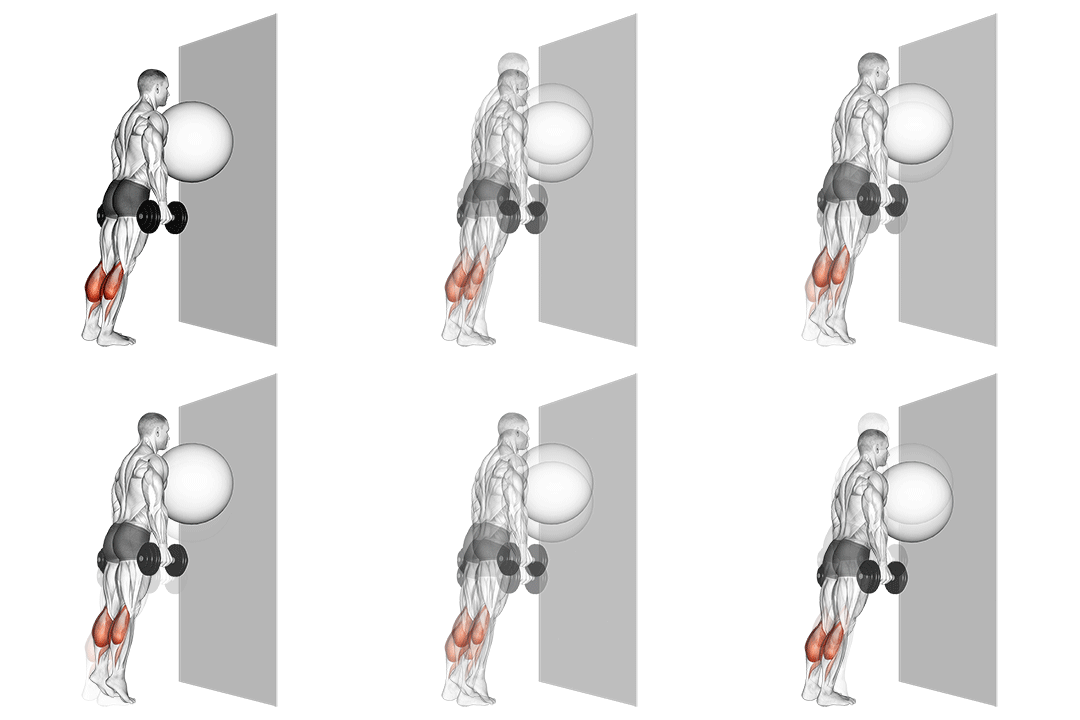
3. Exercise Ball On The Wall Calf Raise
79.9% MatchHow to perform this exercise
- Stand with your back against a wall and place an exercise ball between your lower back and the wall.
- Position your feet shoulder-width apart, with your toes pointing forward.
- Hold a dumbbell in each hand, with your arms extended by your sides.
- Raise your heels off the ground, lifting your body weight onto the balls of your feet.
- Pause for a moment at the top, then slowly lower your heels back down to the starting position.
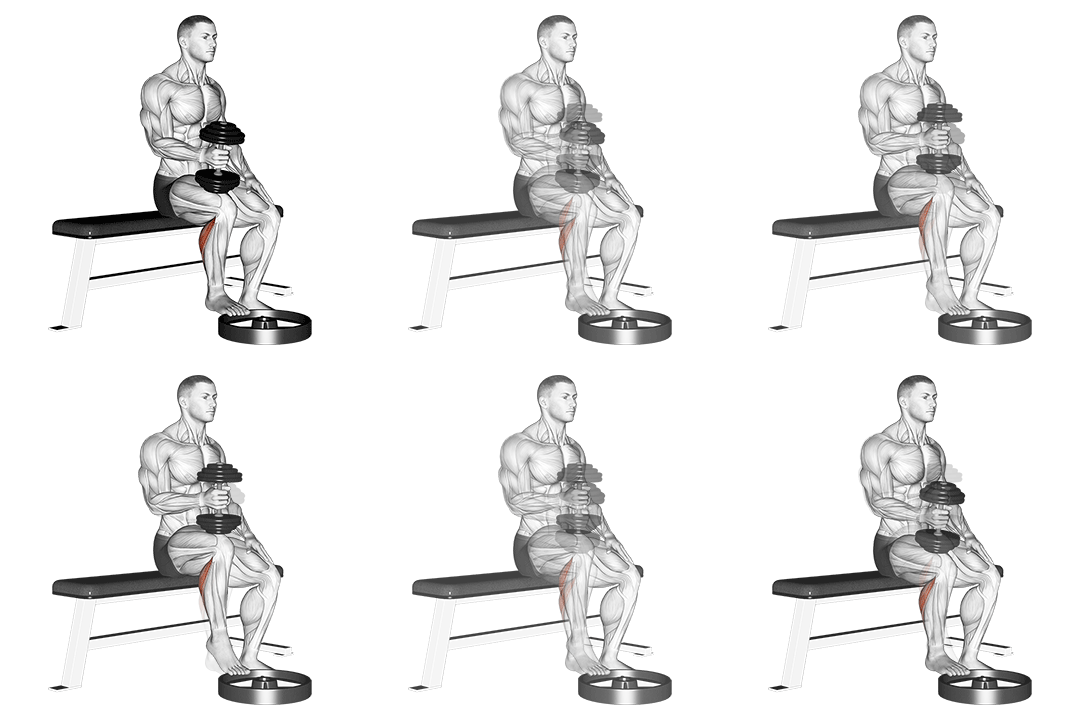
4. Dumbbell Seated One Leg Calf Raise - Hammer Grip
78.8% MatchHow to perform this exercise
- Sit on a bench or chair with your feet flat on the ground and a dumbbell resting on your thighs.
- Place one foot on a raised surface, such as a step or block, with your heel hanging off the edge.
- Hold the dumbbell with a hammer grip, meaning your palms are facing each other and your fingers are wrapped around the handle.
- Keeping your core engaged and your back straight, slowly raise your heel as high as possible by pushing through the ball of your foot.
- Pause for a moment at the top, then slowly lower your heel back down to the starting position.
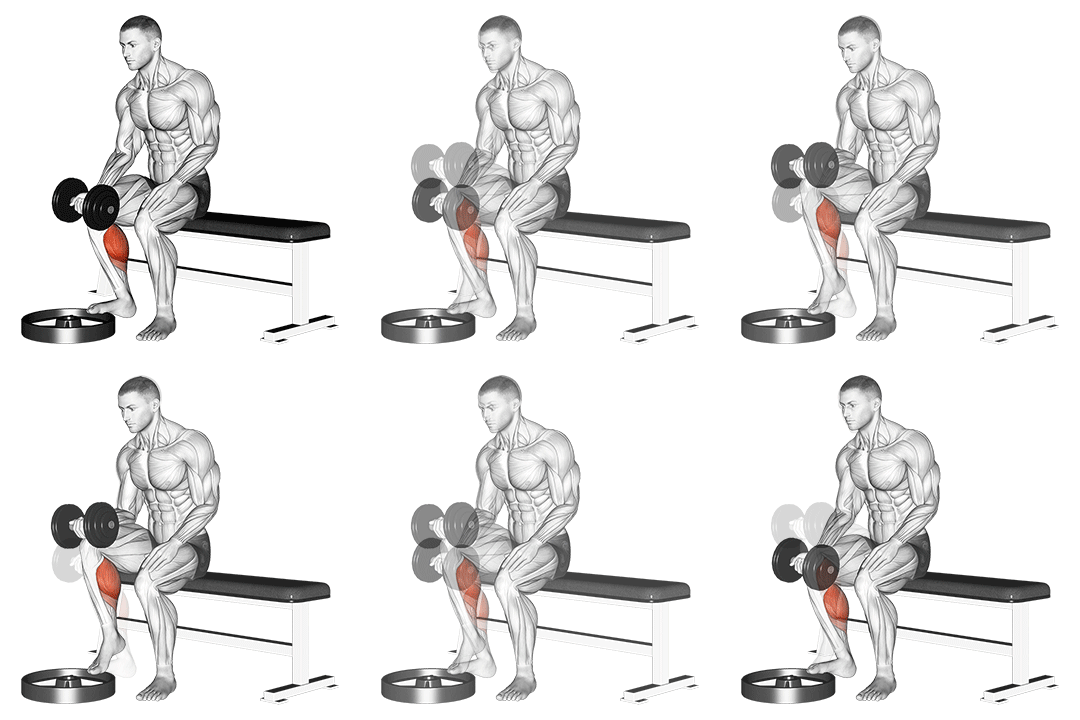
5. Dumbbell Seated One Leg Calf Raise - Palm Up
74.8% MatchHow to perform this exercise
- Sit on a bench or chair with your back straight and your feet flat on the ground.
- Hold a dumbbell in one hand and place it on top of your thigh, palm facing up.
- Lift one leg off the ground and extend it in front of you, keeping your knee slightly bent.
- Raise your heel as high as possible by pushing through the ball of your foot.
- Pause for a moment at the top, then slowly lower your heel back down.
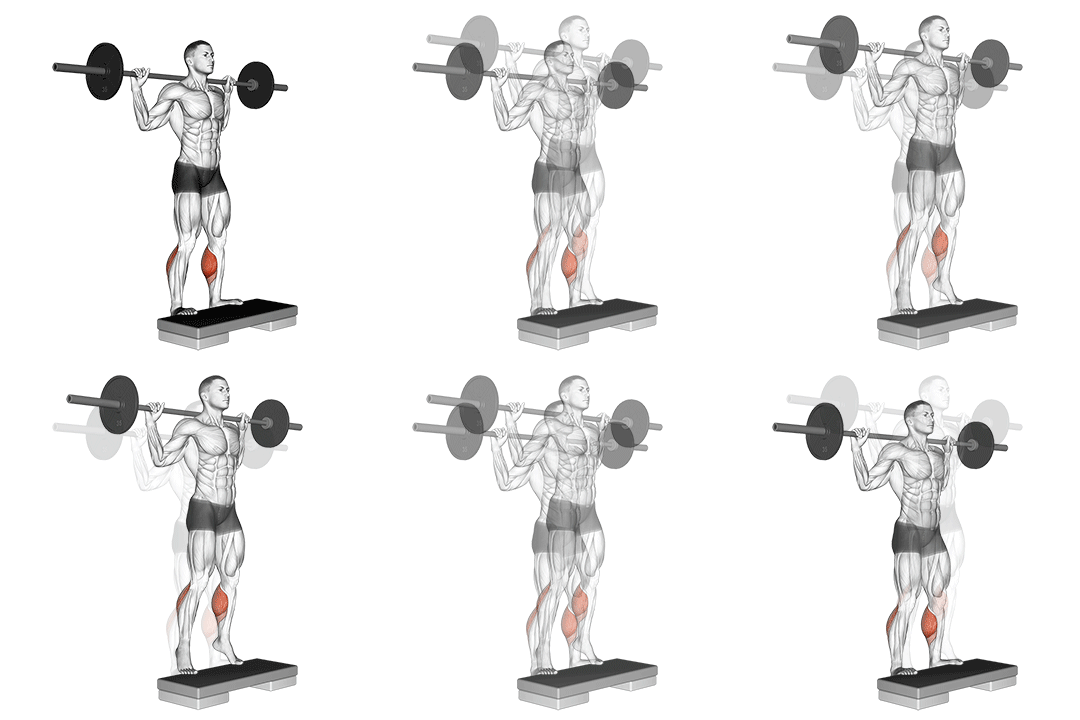
6. Barbell Standing Leg Calf Raise
71.1% MatchHow to perform this exercise
- Stand with your feet shoulder-width apart and place a barbell across your upper back.
- Raise your heels off the ground as high as possible, using your calves.
- Pause for a moment at the top, then slowly lower your heels back down to the starting position.
- Repeat for the desired number of repetitions.
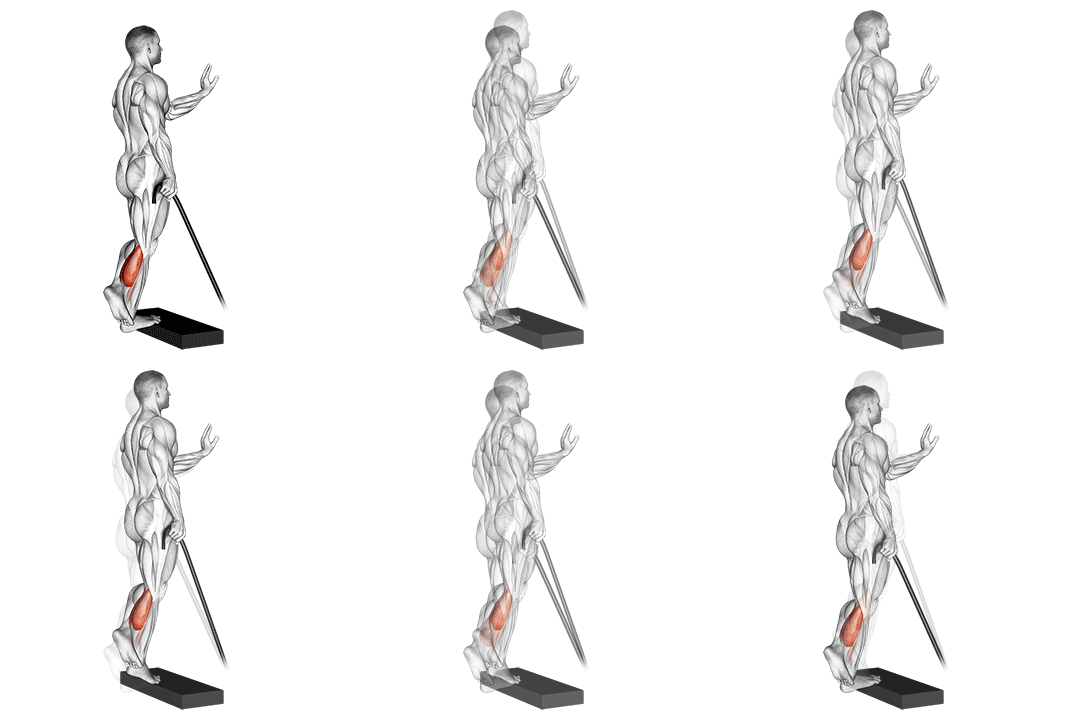
7. Band Single Leg Calf Raise
68.1% MatchHow to perform this exercise
- Stand with your feet hip-width apart and place the band around the ball of your left foot.
- Hold onto a stable object for balance if needed.
- Slowly raise your left heel off the ground, lifting your body weight onto the ball of your foot.
- Pause for a moment at the top, then slowly lower your left heel back down to the starting position.
- Repeat for the desired number of repetitions, then switch to the right leg.
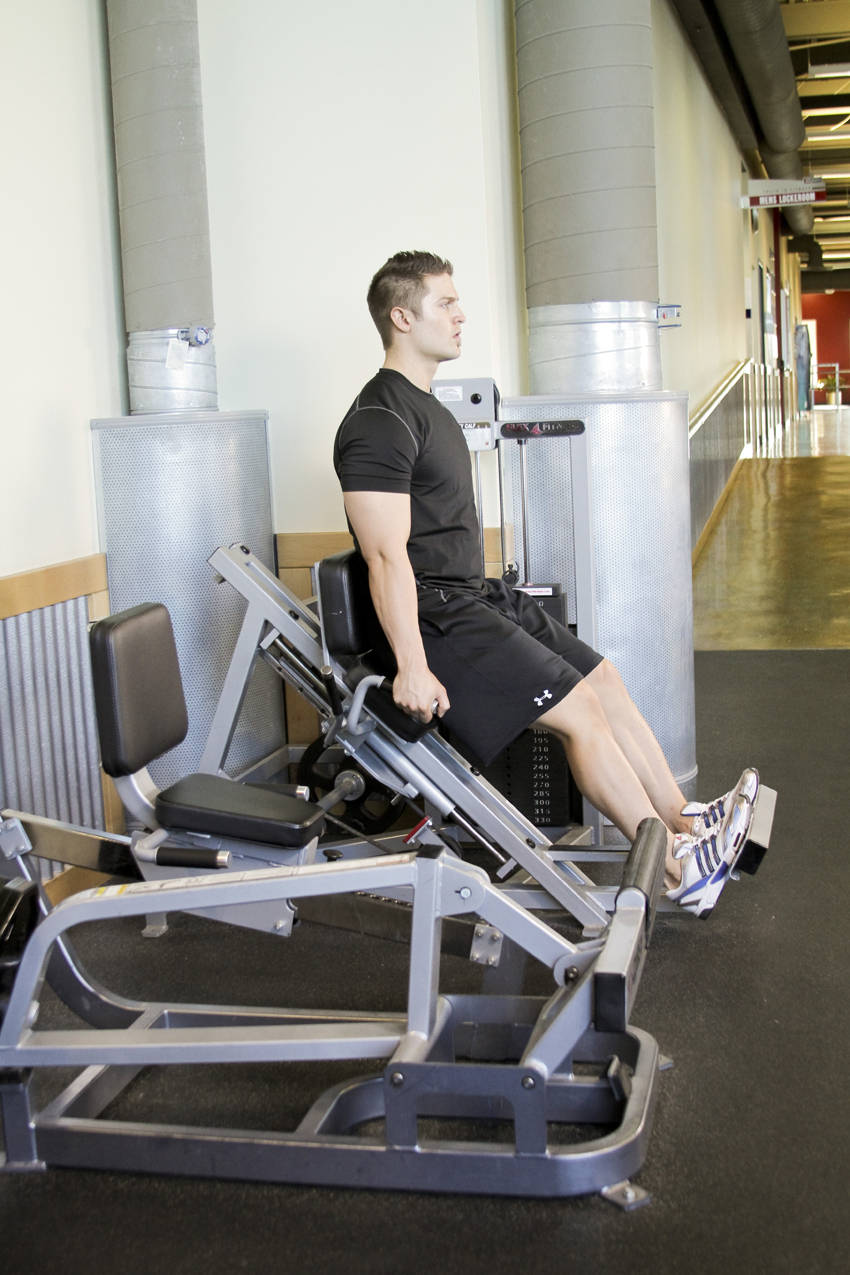
8. Calf Press
65.7% MatchHow to perform this exercise
- Adjust the seat so that your legs are only slightly bent in the start position. The balls of your feet should be firmly on the platform.
- Select an appropriate weight, and grasp the handles. This will be your starting position.
- Straighten the legs by extending the knees, just barely lifting the weight from the stack. Your ankle should be fully flexed, toes pointing up. Execute the movement by pressing downward through the balls of your feet as far as possible.
- After a brief pause, reverse the motion and repeat.
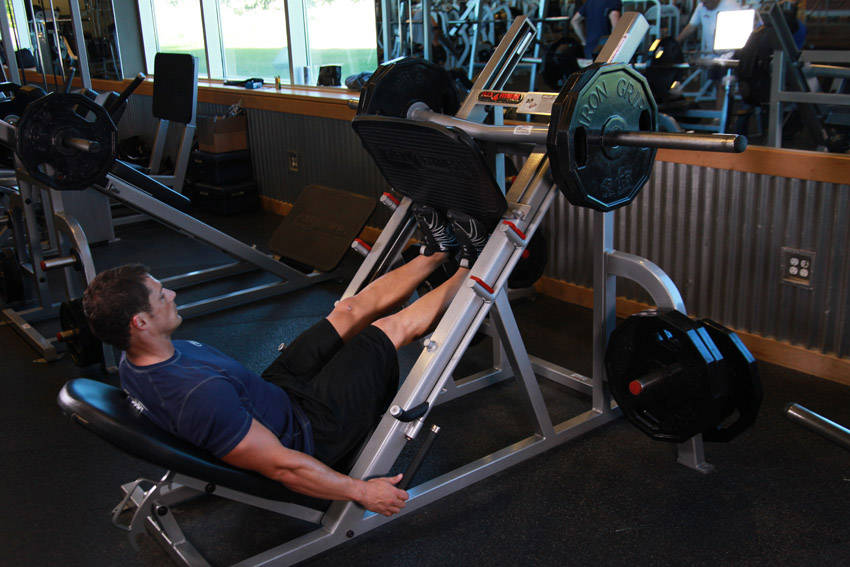
9. Calf Press On The Leg Press Machine
65.7% MatchHow to perform this exercise
- Using a leg press machine, sit down on the machine and place your legs on the platform directly in front of you at a medium (shoulder width) foot stance.
- Lower the safety bars holding the weighted platform in place and press the platform all the way up until your legs are fully extended in front of you without locking your knees. (Note: In some leg press units you can leave the safety bars on for increased safety. If your leg press unit allows for this, then this is the preferred method of performing the exercise.) Your torso and the legs should make perfect 90-degree angle. Now carefully place your toes and balls of your feet on the lower portion of the platform with the heels extending off. Toes should be facing forward, outwards or inwards as described at the beginning of the chapter. This will be your starting position.
- Press on the platform by raising your heels as you breathe out by extending your ankles as high as possible and flexing your calf. Ensure that the knee is kept stationary at all times. There should be no bending at any time. Hold the contracted position by a second before you start to go back down.
- Go back slowly to the starting position as you breathe in by lowering your heels as you bend the ankles until calves are stretched.
- Repeat for the recommended amount of repetitions.
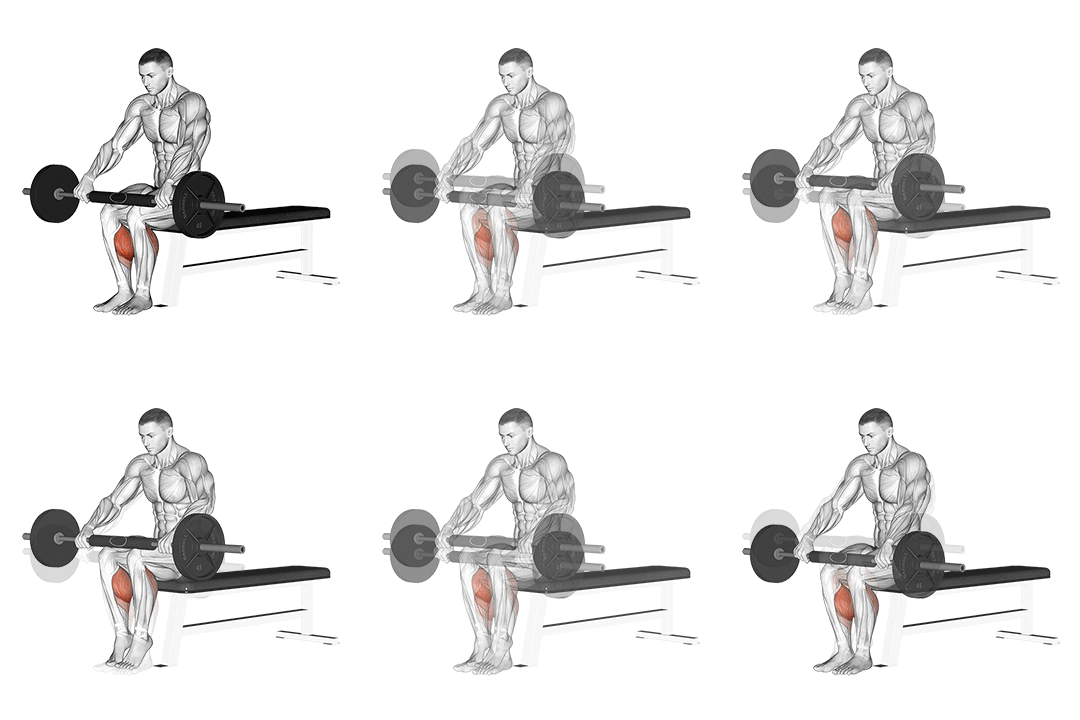
10. Barbell Seated Calf Raise
64.7% MatchHow to perform this exercise
- Sit on a bench with your feet flat on the floor and a barbell resting on your thighs.
- Place the balls of your feet on a raised platform, such as a block or step.
- Position the barbell across your thighs and hold it securely with your hands.
- Keeping your back straight and your core engaged, lift your heels off the ground by extending your ankles.
- Pause for a moment at the top, then slowly lower your heels back down to the starting position.
Why You Might Need a Lever Seated Calf Raise Alternative
You may substitute the Lever Seated Calf Raise for several reasons: lack of a lever machine, knee or back pain, or to vary stimulus across the calf complex. Seated variants isolate the soleus because knee flexion shortens the gastrocnemius; standing options recruit the gastrocnemius more due to knee extension. Choose a substitute that preserves a controlled eccentric, full dorsiflexion stretch, and a deliberate concentric pause—avoid bouncing to reduce tendon strain and improve muscle tension.
How to Choose the Right Substitute
Select a substitute based on the muscle target, available load, and stability needs. If you want soleus emphasis, use seated or bent-knee variations and keep the knee around 90°; for gastrocnemius strength choose standing or straight-knee raises. Consider load capacity (single-leg vs bilateral), ROM (step gives greater dorsiflexion), and pain: if calves irritate the Achilles, reduce ROM and tempo. Use progressive overload via added resistance, higher reps, or slower tempo—2 seconds up, 3 seconds down—to increase time under tension and hypertrophy stimulus.
Frequently Asked Questions
What muscles does Lever Seated Calf Raise work?
The Lever Seated Calf Raise primarily targets the soleus because the knee is bent, which reduces gastrocnemius contribution. The movement is ankle plantarflexion — press through the balls of your feet and fully dorsiflex on the descent to load the soleus.
What is the best bodyweight alternative to Lever Seated Calf Raise?
A single-leg heel raise off a step with a slightly bent knee is the top bodyweight substitute; it increases ROM and forces unilateral overload. Lower into full dorsiflexion, pause briefly at the bottom, then drive up through the balls of the foot with controlled tempo.
Can I build muscle without doing Lever Seated Calf Raise?
Yes. Use a mix of standing and seated calf variations, progressive overload, and increased time under tension to stimulate both gastrocnemius and soleus. Emphasize full ROM, controlled eccentrics, and periodic higher-rep sets to drive hypertrophy without that specific machine.
More Exercise Alternatives
Find Alternatives for Any Exercise
Use our free tool to discover the best substitute exercises based on your available equipment and goals.
Try the Exercise Substitution Finder →