

10 Best Looking At Ceiling Alternatives for Home Workouts
If you can't perform Looking At Ceiling, use other bodyweight quad isolation moves to preserve strength and control. Options like seated knee extensions, wall sits, and short-range step-ups emphasize quad activation; cue knees tracking over toes and push through the midfoot to load the rectus femoris and vasti effectively.
Original Exercise: Looking At Ceiling
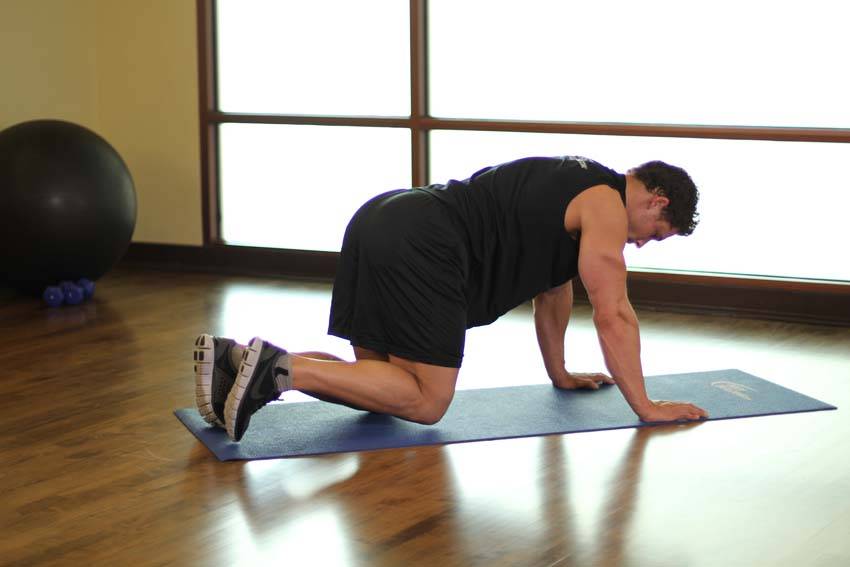
How to Perform Looking At Ceiling
- Kneel on the floor, holding your heels with both hands.
- Lift your buttocks up and forward while bringing your head back to look up at the ceiling, to give an arch in your back.
Pro Tips
- Category: Stretching
- Force: Static
- Movement type: Isolation
Best Looking At Ceiling Alternatives
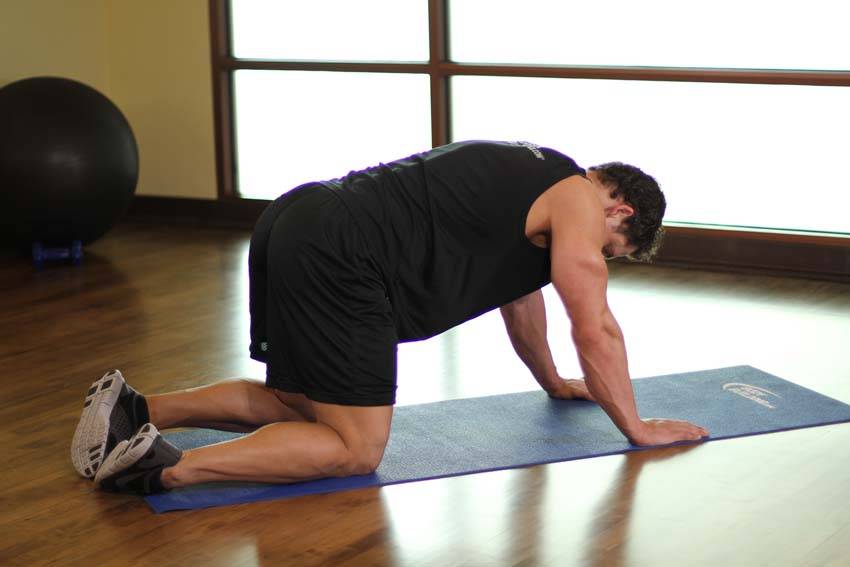
1. All Fours Quad Stretch
91.2% MatchHow to perform this exercise
- Start off on your hands and knees, then lift your leg off the floor and hold the foot with your hand.
- Use your hand to hold the foot or ankle, keeping the knee fully flexed, stretching the quadriceps and hip flexors.
- Focus on extending your hips, thrusting them towards the floor. Hold for 10-20 seconds and then switch sides.
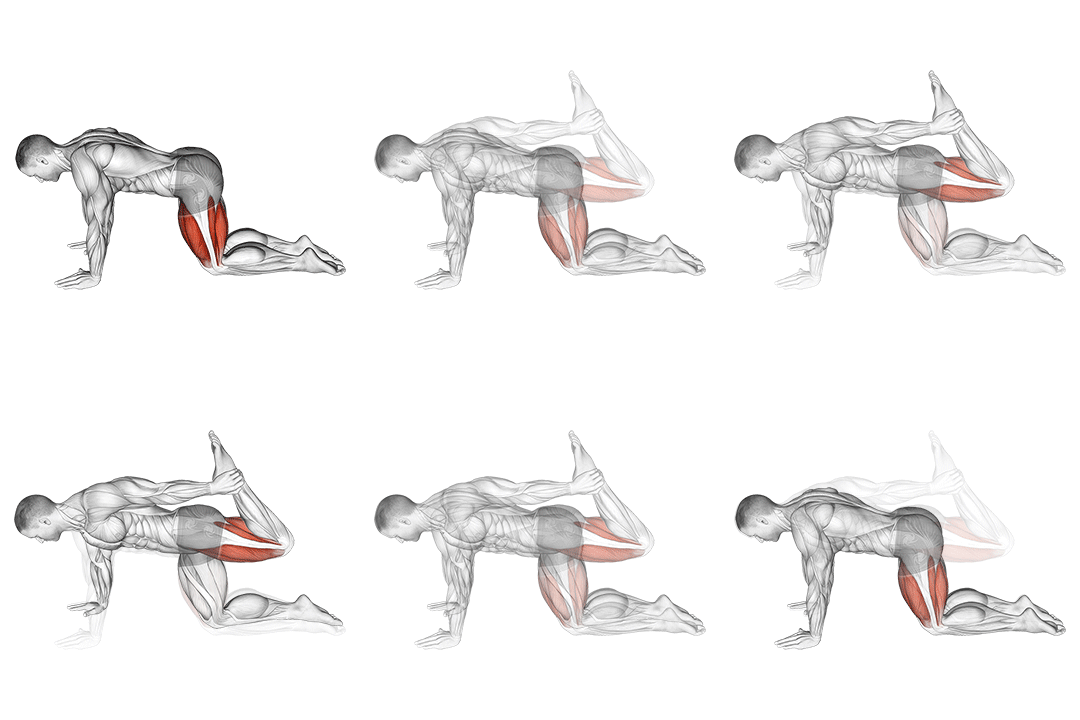
2. All Fours Squad Stretch
91.2% MatchHow to perform this exercise
- Start on all fours with your hands directly under your shoulders and your knees directly under your hips.
- Extend one leg straight back, keeping your knee bent and your foot flexed.
- Slowly lower your hips towards the ground, feeling a stretch in your quads.
- Hold this position for 20-30 seconds.
- Switch legs and repeat the stretch on the other side.
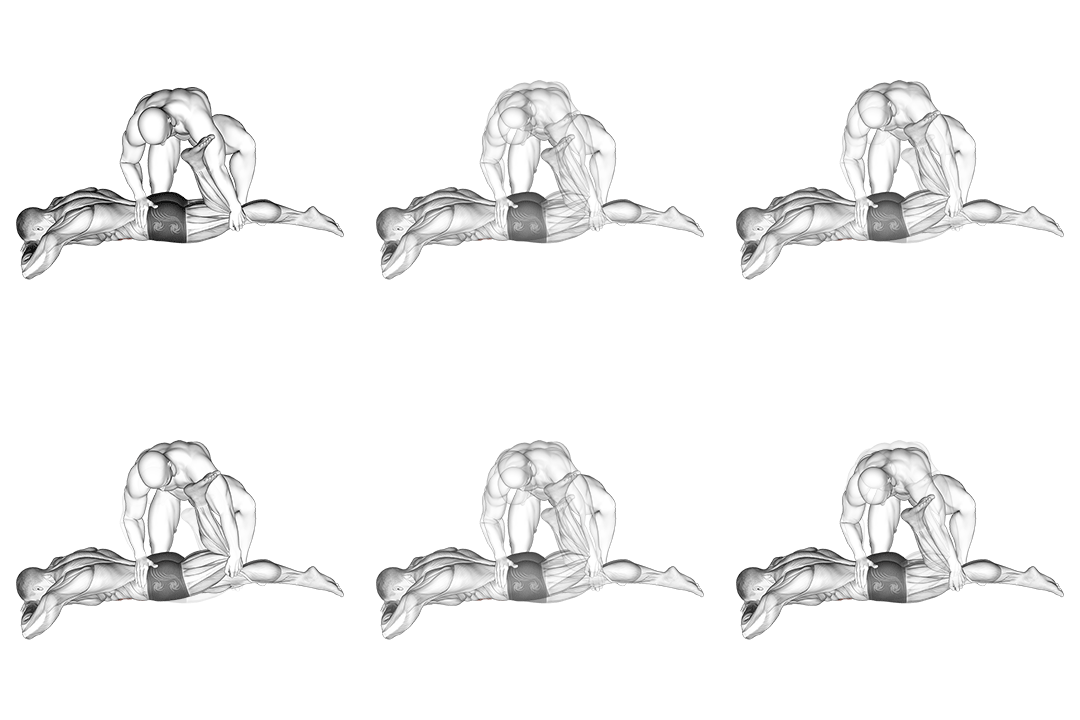
3. Assisted Prone Rectus Femoris Stretch
80.2% MatchHow to perform this exercise
- Lie face down on the ground with your legs straight.
- Bend your right knee and reach back with your right hand to grab your right foot or ankle.
- Gently pull your right foot or ankle towards your glutes, feeling a stretch in the front of your right thigh.
- Hold the stretch for 20-30 seconds.
- Release and repeat on the other side.
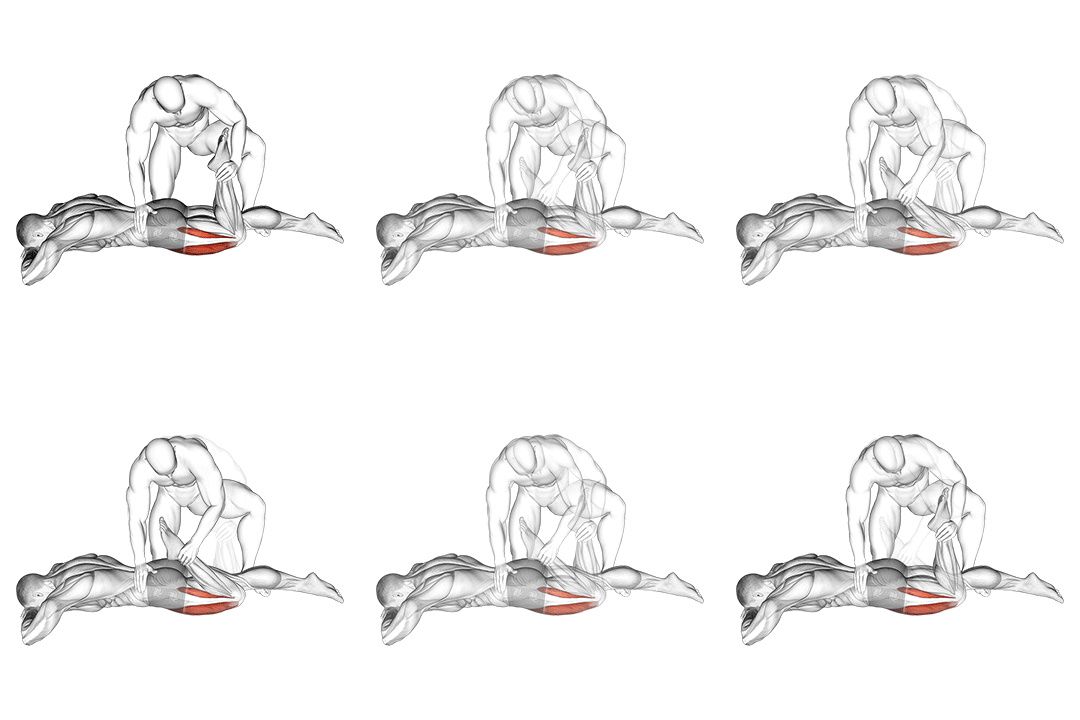
4. Assisted Prone Lying Quads Stretch
80.2% MatchHow to perform this exercise
- Lie face down on the ground with your legs extended.
- Bend your left knee and reach back with your left hand to grab your left foot or ankle.
- Gently pull your left foot towards your glutes, feeling a stretch in your left quad.
- Hold the stretch for 20-30 seconds, then release.
- Repeat with your right leg.
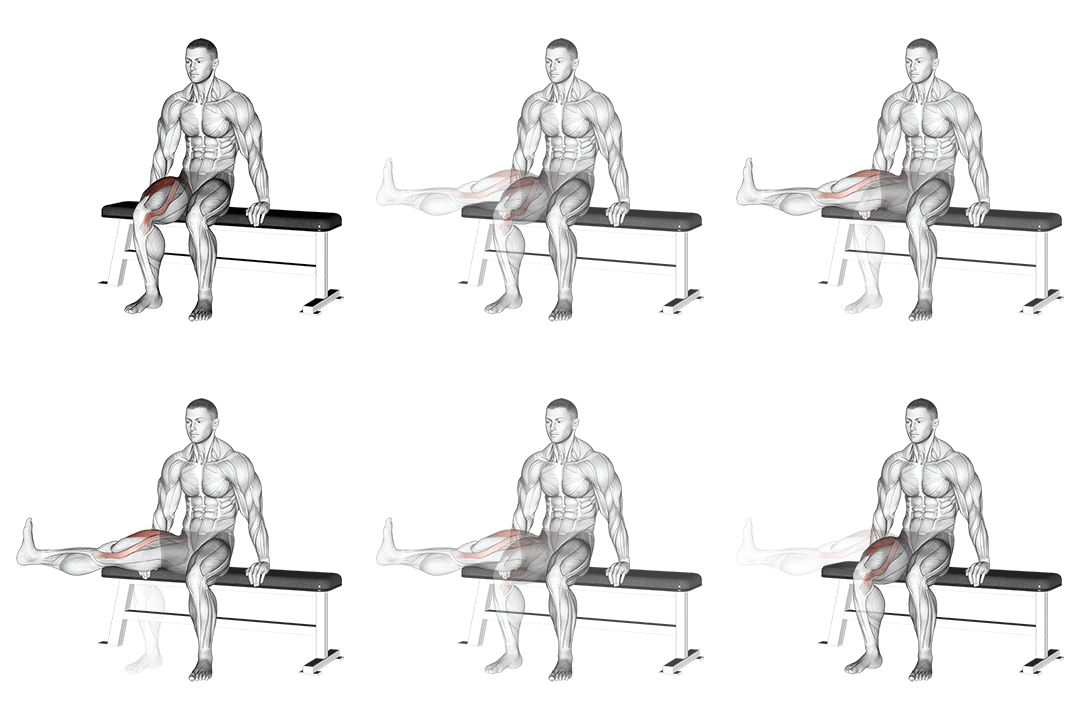
5. Chair Leg Extended Stretch
79.2% MatchHow to perform this exercise
- Sit on the edge of a chair with your back straight and feet flat on the ground.
- Extend one leg straight out in front of you, keeping your heel on the ground.
- Lean forward slightly, feeling a stretch in your quadriceps.
- Hold this position for 20-30 seconds.
- Switch legs and repeat the stretch.
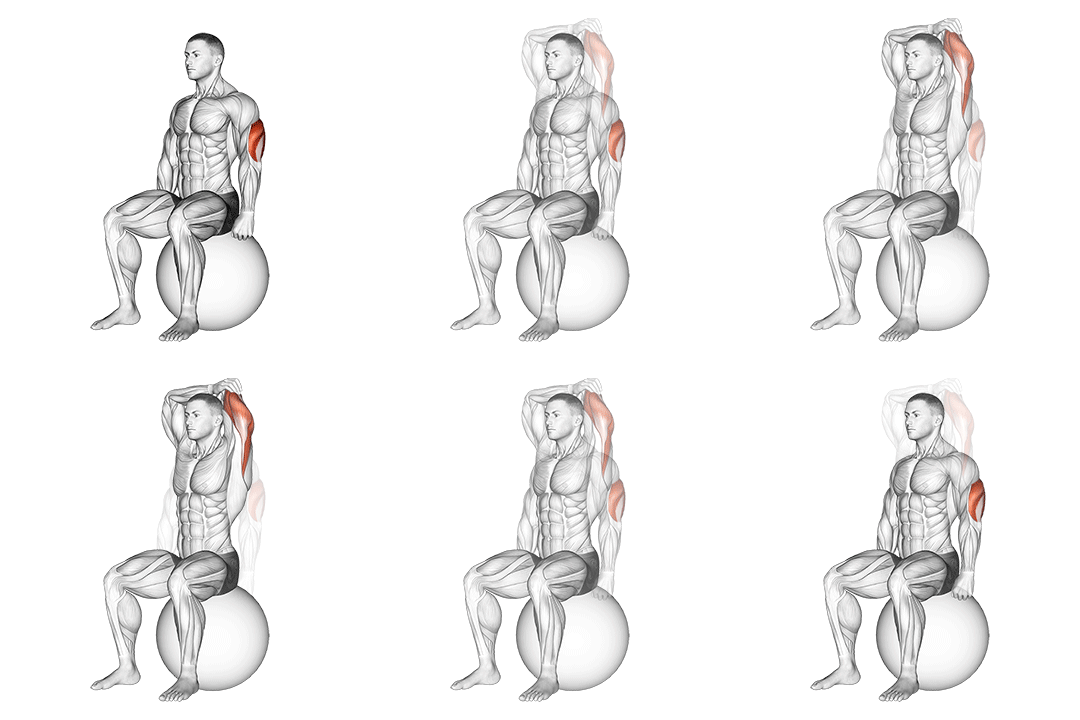
6. Exercise Ball Seated Triceps Stretch
75.4% MatchHow to perform this exercise
- Sit on a stability ball with your feet flat on the ground and your back straight.
- Hold a dumbbell in one hand and extend your arm straight up above your head.
- Bend your elbow and lower the dumbbell behind your head, keeping your upper arm close to your ear.
- Hold the stretch for a few seconds, then return to the starting position.
- Repeat with the other arm.
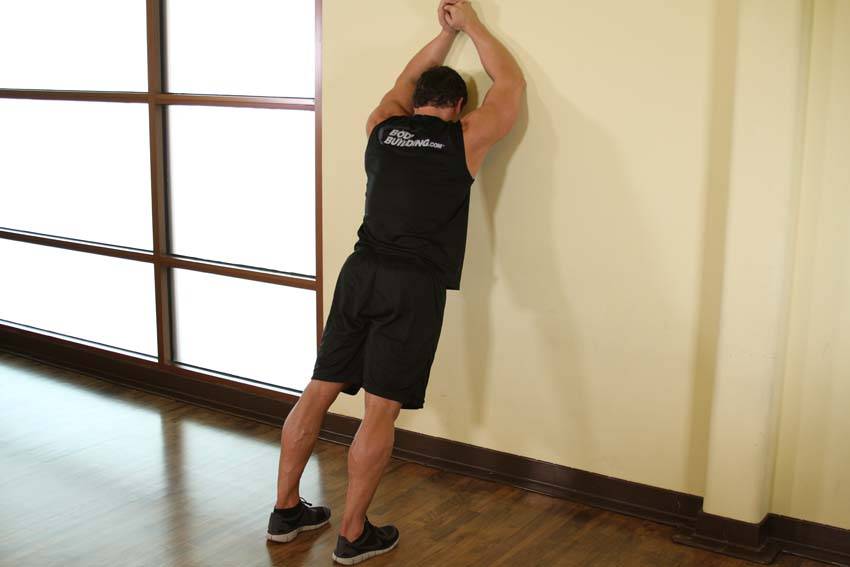
7. Calf Stretch Elbows Against Wall
75.4% MatchHow to perform this exercise
- Stand facing a wall from a couple feet away.
- Lean against the wall, placing your weight on your forearms.
- Attempt to keep your heels on the ground. Hold for 10-20 seconds. You may move further or closer the wall, making it more or less difficult, respectively.
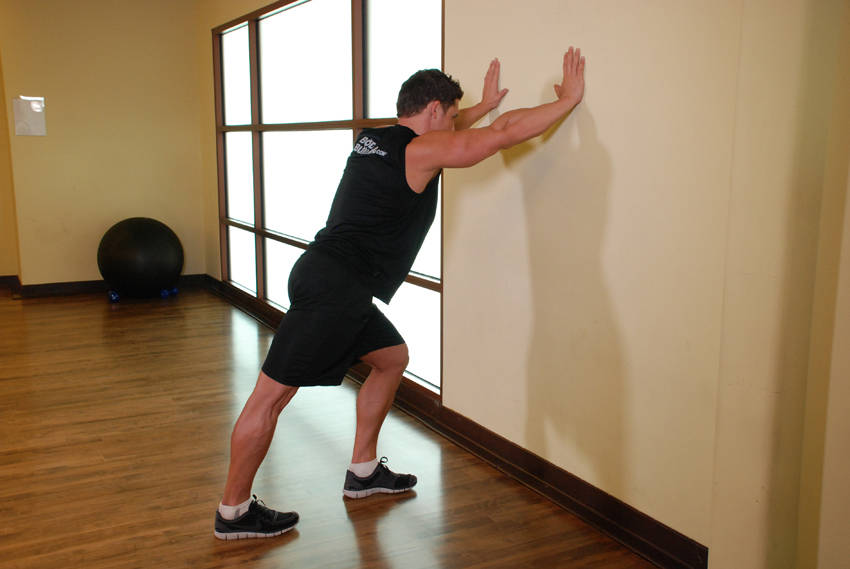
8. Calf Stretch Hands Against Wall
75.4% MatchHow to perform this exercise
- Stand facing a wall from several feet away. Stagger your stance, placing one foot forward.
- Lean forward and rest your hands on the wall, keeping your heel, hip and head in a straight line.
- Attempt to keep your heel on the ground. Hold for 10-20 seconds and then switch sides.
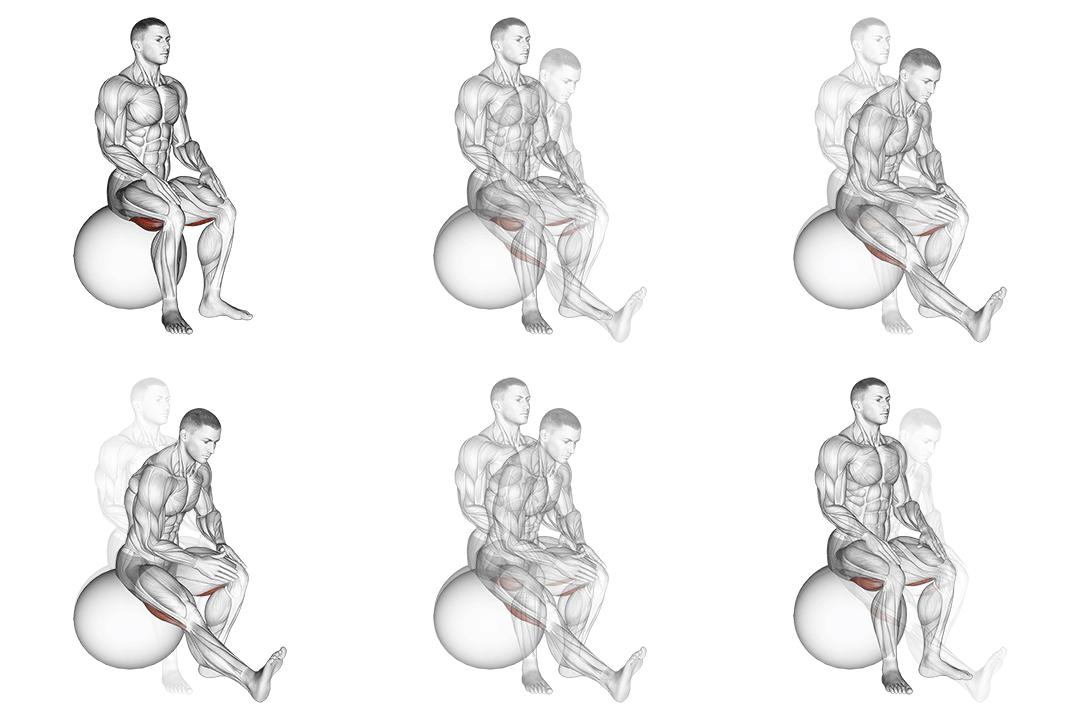
9. Exercise Ball Seated Hamstring Stretch
74.9% MatchHow to perform this exercise
- Sit on the stability ball with your feet flat on the ground and your knees bent at a 90-degree angle.
- Slowly roll the ball forward, walking your feet out until your upper back is resting on the ball and your legs are extended straight in front of you.
- Place your hands on your hips for support.
- Engage your core and slowly lower your upper body towards the ground, keeping your back straight and your chest lifted.
- Stop when you feel a stretch in your hamstrings, and hold the position for 20-30 seconds.
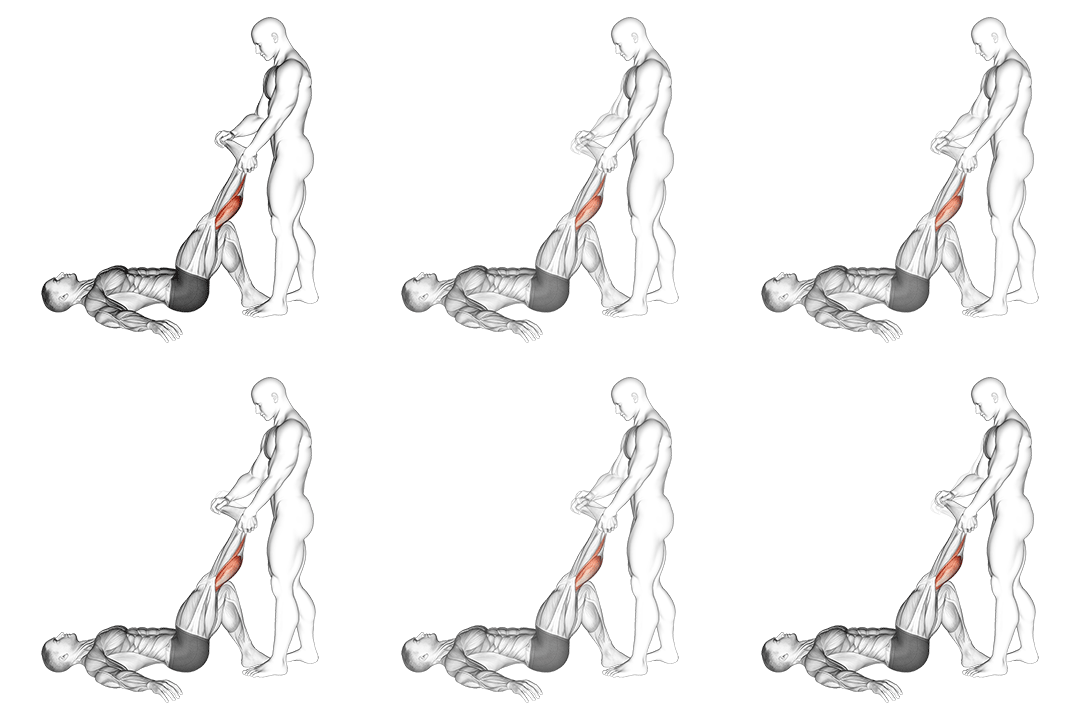
10. Assisted Lying Calves Stretch
74.2% MatchHow to perform this exercise
- Lie on your back with your legs extended.
- Bend one knee and place your foot flat on the ground.
- Using your hands or a towel, gently pull your toes towards your body, feeling a stretch in your calf.
- Hold the stretch for 20-30 seconds.
- Release the stretch and repeat on the other leg.
Why You Might Need a Looking At Ceiling Alternative
You may need a substitute because of knee pain, limited mobility, or no safe position to perform Looking At Ceiling. Many people feel anterior knee stress or lack hip flexion, which alters quad loading and increases joint compression. Substitutes let you control range of motion, reduce shear by limiting knee depth, or shift to unilateral patterns to correct imbalances. For rehab, choose exercises that emphasize eccentric control and keep the tibia more vertical to reduce joint shear. Always cue slow, controlled descents and maintain tibial alignment to target rectus femoris and the vasti without aggravating the knee.
How to Choose the Right Substitute
Select a substitute based on pain response, equipment, and training goal. If you have knee pain, pick a partial-range or isometric option (wall sits or seated extensions) to limit patellofemoral stress; keep knees aligned over toes. For strength or hypertrophy, use unilateral moves (step-ups) to increase time under tension and force output. Consider movement plane, range of motion, and ability to perform controlled eccentrics. Progress by increasing reps, range, or tempo while monitoring quad activation—feel the mid-thigh contract and cue a slow 3-4 second lowering phase to maximize muscle work.
Frequently Asked Questions
What muscles does Looking At Ceiling work?
Looking At Ceiling primarily targets the quadriceps—rectus femoris and the three vasti—through knee extension. It also engages the hip flexors isometrically when your torso position requires hip stability and activates the core to maintain posture.
What is the best bodyweight alternative to Looking At Ceiling?
A controlled wall sit is the best bodyweight alternative for isolating the quads while minimizing knee shear; sit with hips roughly parallel to knees and weight on the midfoot. Cue a neutral spine and knees tracking over toes to maximize quad tension without excessive joint compression.
Can I build muscle without doing Looking At Ceiling?
Yes. You can build quad mass using other isolation and unilateral bodyweight moves like step-ups, Bulgarian split squats, and slow eccentrics. Prioritize progressive overload, controlled tempo, and full quad contraction—feel the muscle shorten and lengthen under tension—to stimulate hypertrophy.
More Exercise Alternatives
Find Alternatives for Any Exercise
Use our free tool to discover the best substitute exercises based on your available equipment and goals.
Try the Exercise Substitution Finder →