

10 Best Medicine Ball Catch & Overhead Throw Alternatives for Back
If you can't do the Medicine Ball Catch And Overhead Throw, use compound pulls and explosive variations that replicate the lat-driven shoulder extension and scapular control. Good options include pull-ups, bent-over rows, and single-arm dumbbell snatches. Cue: start each rep with a full scapular retraction, brace your core, and drive the shoulder into extension to load the lats.
Original Exercise: Medicine Ball Catch And Overhead Throw
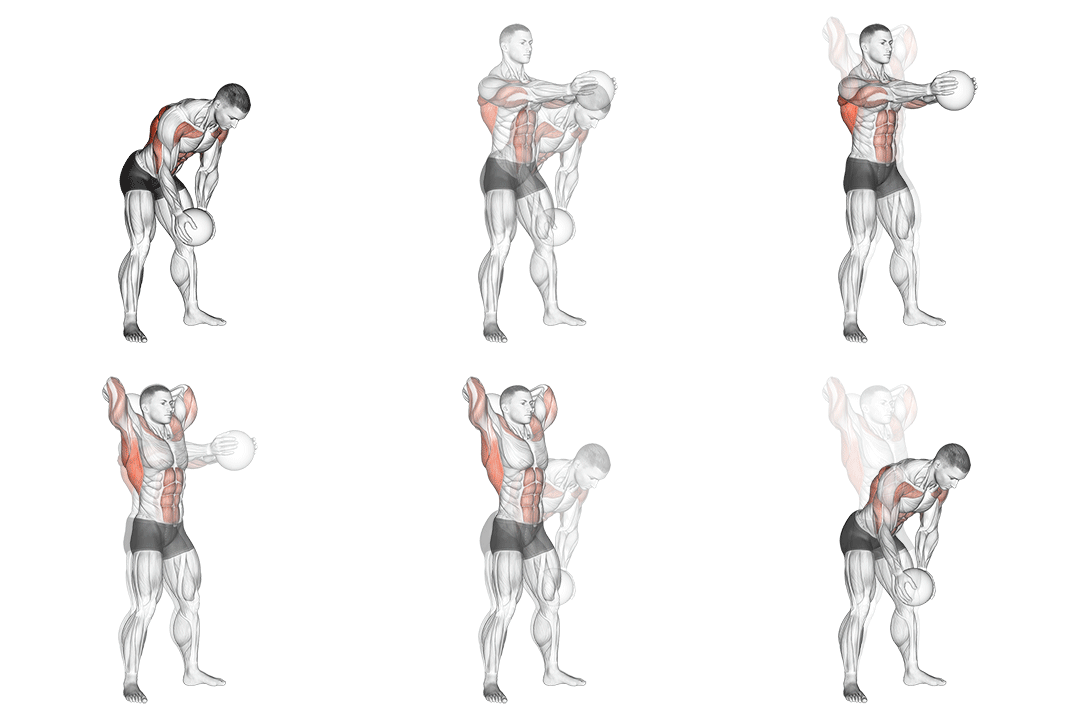
How to Perform Medicine Ball Catch And Overhead Throw
- Stand with your feet shoulder-width apart, holding a medicine ball in both hands at chest level.
- Bend your knees slightly and engage your core.
- Lower your body into a squat position, keeping your back straight and chest up.
- Explosively extend your hips and legs, while simultaneously throwing the medicine ball overhead.
- Release the ball at the top of the movement and catch it on the way down.
- Lower your body back into the squat position and repeat for the desired number of repetitions.
Best Medicine Ball Catch And Overhead Throw Alternatives
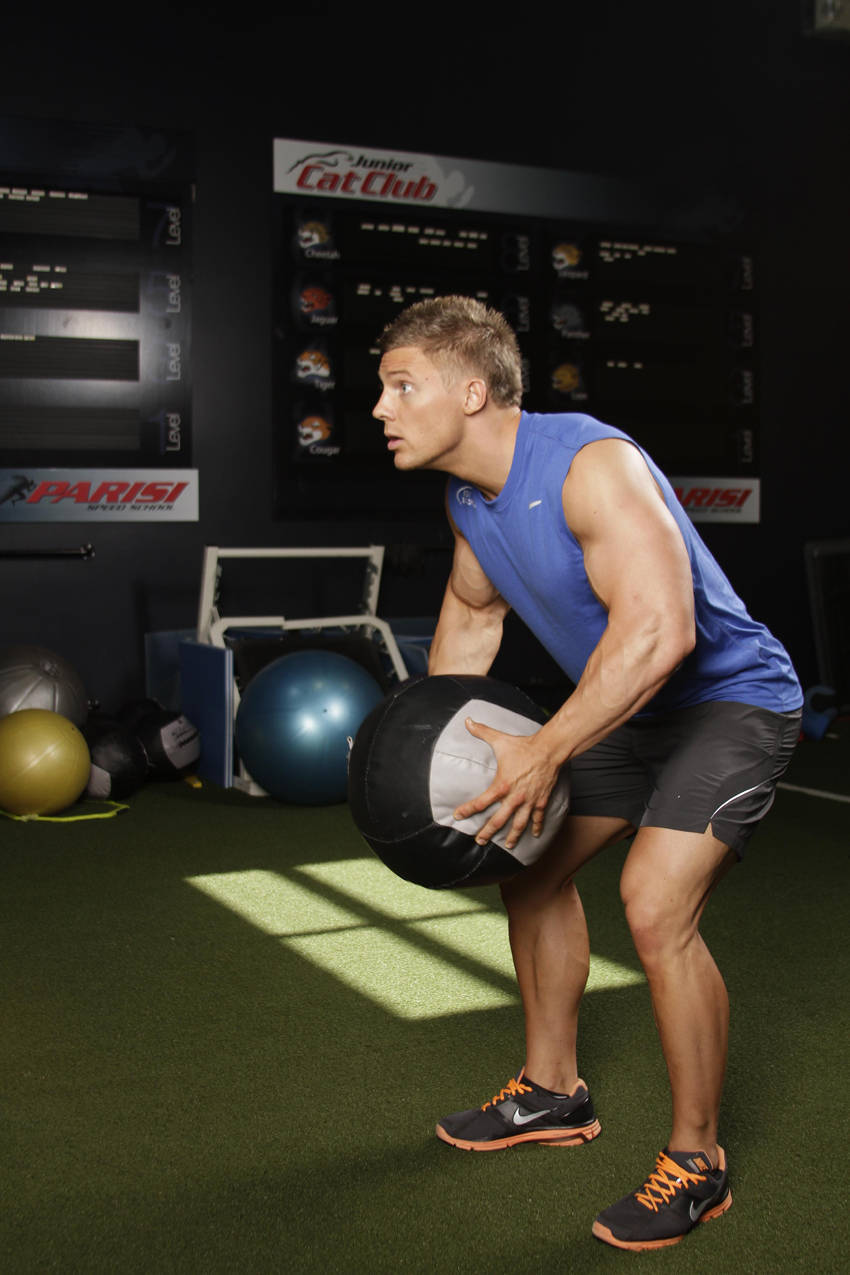
1. Catch And Overhead Throw
93.9% MatchHow to perform this exercise
- Begin standing while facing a wall or a partner.
- Using both hands, position the ball behind your head, stretching as much as possible, and forcefully throw the ball forward.
- Ensure that you follow your throw through, being prepared to receive your rebound from your throw. If you are throwing against the wall, make sure that you stand close enough to the wall to receive the rebound, and aim a little higher than you would with a partner.
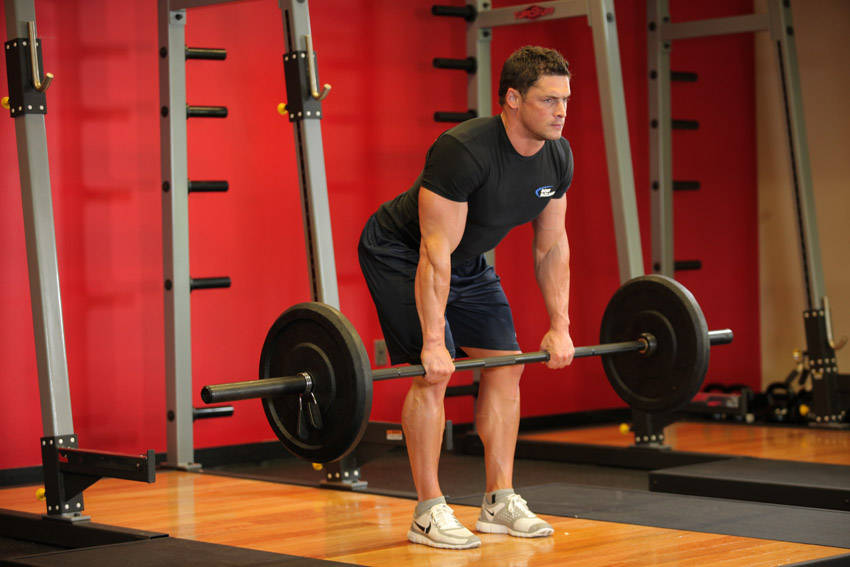
2. Bent Over Barbell Row
75.2% MatchHow to perform this exercise
- Holding a barbell with a pronated grip (palms facing down), bend your knees slightly and bring your torso forward, by bending at the waist, while keeping the back straight until it is almost parallel to the floor. Tip: Make sure that you keep the head up. The barbell should hang directly in front of you as your arms hang perpendicular to the floor and your torso. This is your starting position.
- Now, while keeping the torso stationary, breathe out and lift the barbell to you. Keep the elbows close to the body and only use the forearms to hold the weight. At the top contracted position, squeeze the back muscles and hold for a brief pause.
- Then inhale and slowly lower the barbell back to the starting position.
- Repeat for the recommended amount of repetitions.
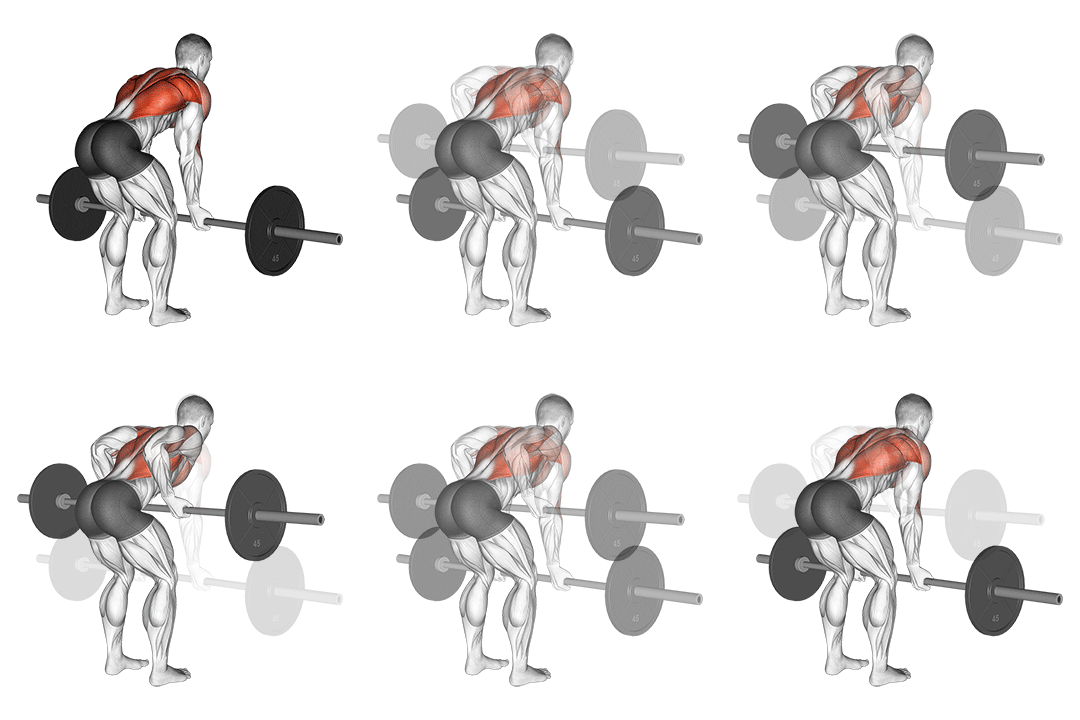
3. Barbell Reverse Grip Bent Over Row
71.2% MatchHow to perform this exercise
- Stand with your feet shoulder-width apart and knees slightly bent.
- Hold a barbell with an overhand grip, palms facing down, and hands slightly wider than shoulder-width apart.
- Bend forward at the hips, keeping your back straight and chest up, until your torso is almost parallel to the floor.
- Pull the barbell towards your lower chest, squeezing your shoulder blades together.
- Pause for a moment at the top, then slowly lower the barbell back to the starting position.
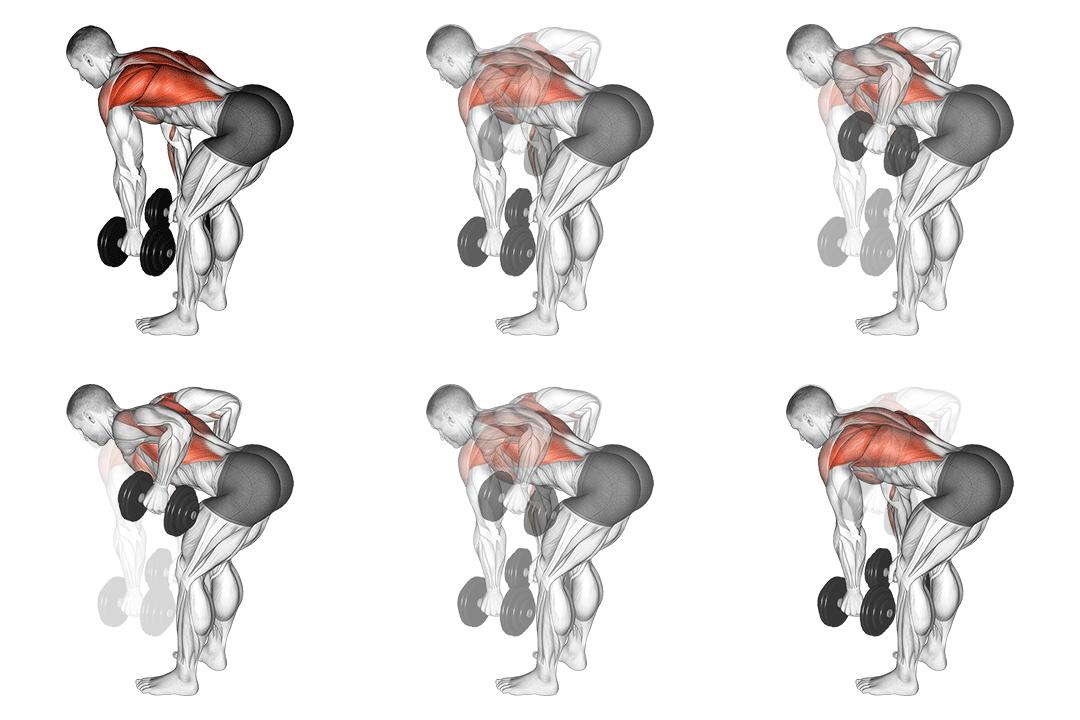
4. Dumbbell Bent Over Row
70.7% MatchHow to perform this exercise
- Stand with your feet shoulder-width apart, knees slightly bent, and hold a dumbbell in each hand with your palms facing your body.
- Bend forward at the hips, keeping your back straight and your core engaged.
- Let your arms hang straight down towards the floor, with your elbows slightly bent.
- Pull the dumbbells up towards your chest, squeezing your shoulder blades together.
- Pause for a moment at the top, then slowly lower the dumbbells back down to the starting position.
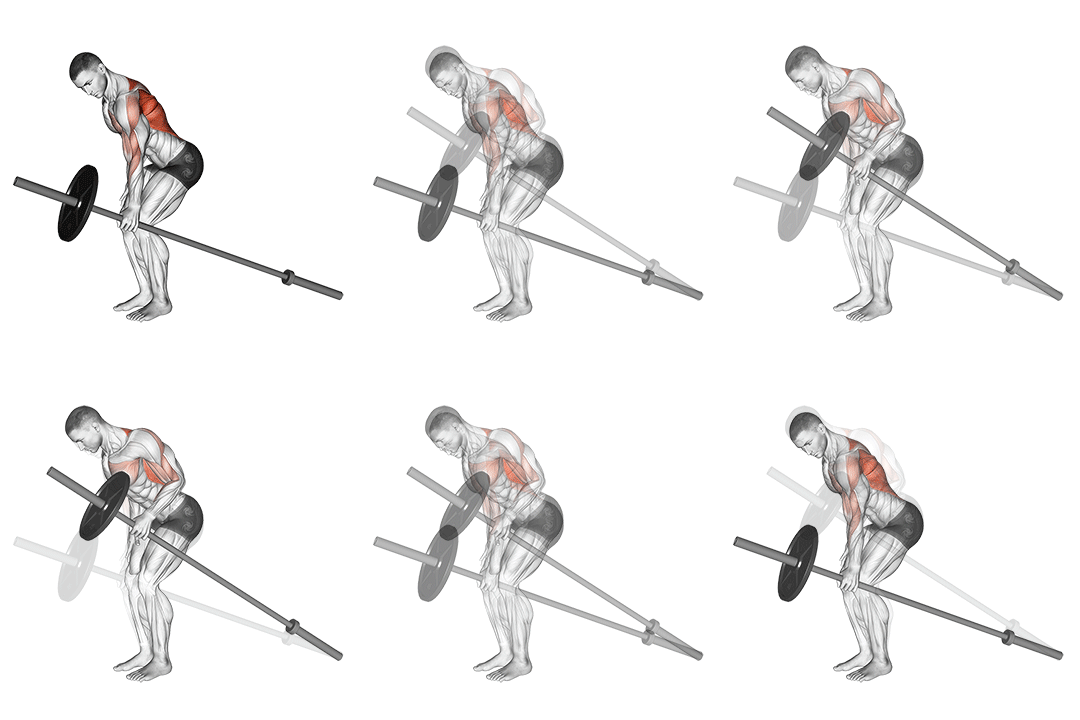
5. Barbell One Arm Bent Over Row
67.4% MatchHow to perform this exercise
- Stand with your feet shoulder-width apart, knees slightly bent, and hold a barbell with one hand using an overhand grip.
- Bend forward at the hips, keeping your back straight and your head in a neutral position.
- Pull the barbell up towards your chest, keeping your elbow close to your body and squeezing your shoulder blades together.
- Lower the barbell back down to the starting position in a controlled manner.
- Repeat for the desired number of repetitions, then switch to the other arm.
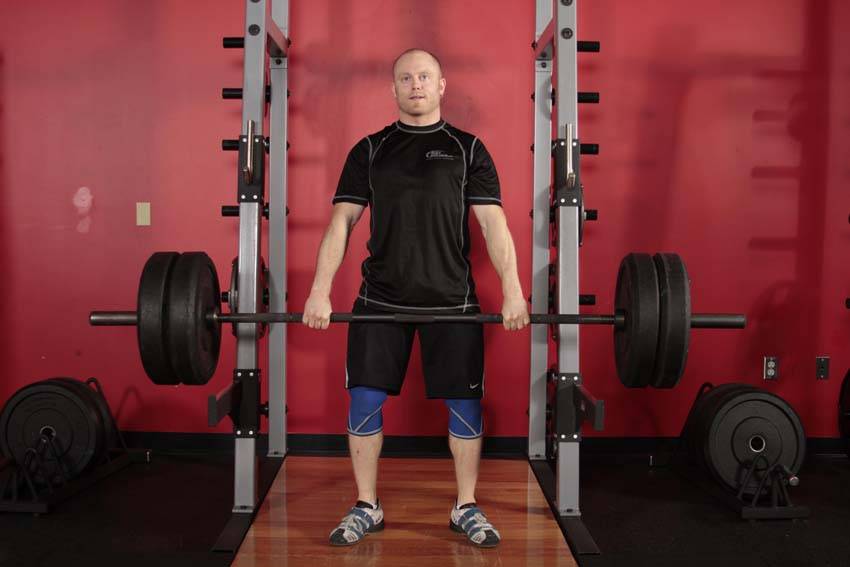
6. Clean Shrug
64.4% MatchHow to perform this exercise
- Begin with a shoulder width, double overhand or hook grip, with the bar hanging at the mid thigh position. Your back should be straight and inclined slightly forward.
- Shrug your shoulders towards your ears. While this exercise can usually by loaded with heavier weight than a clean, avoid overloading to the point that the execution slows down.
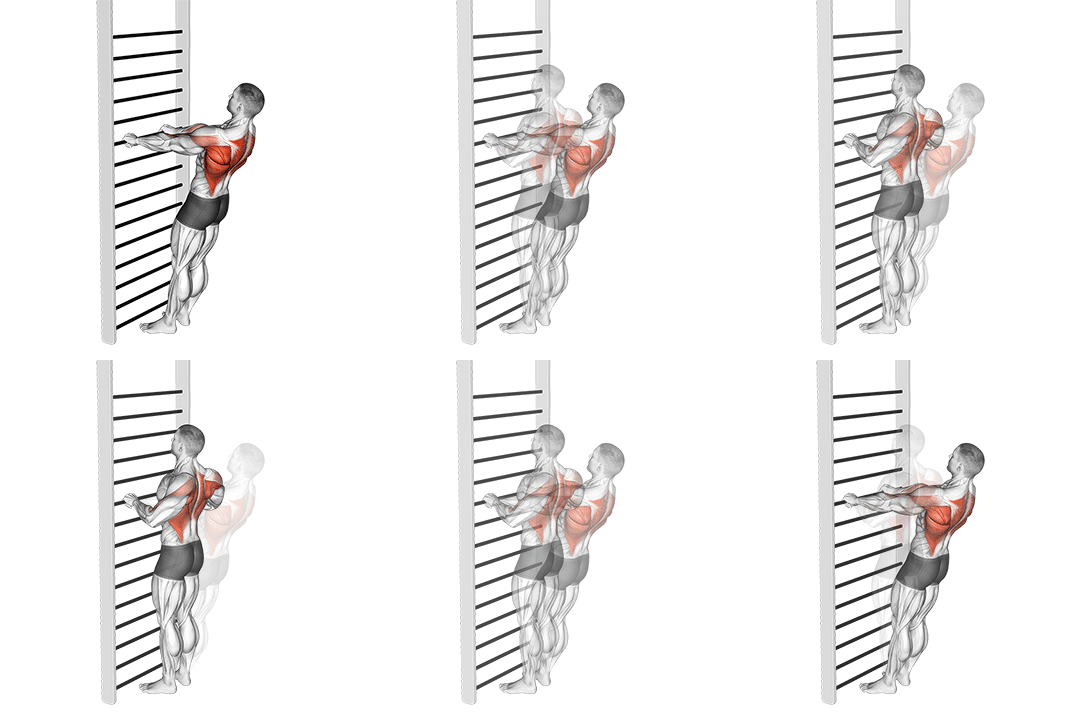
7. Bodyweight Standing Row
64.4% MatchHow to perform this exercise
- Stand with your feet shoulder-width apart and knees slightly bent.
- Grasp a bar or handles with an overhand grip, palms facing down.
- Keep your back straight and core engaged.
- Pull the bar or handles towards your body, squeezing your shoulder blades together.
- Pause for a moment at the top of the movement.
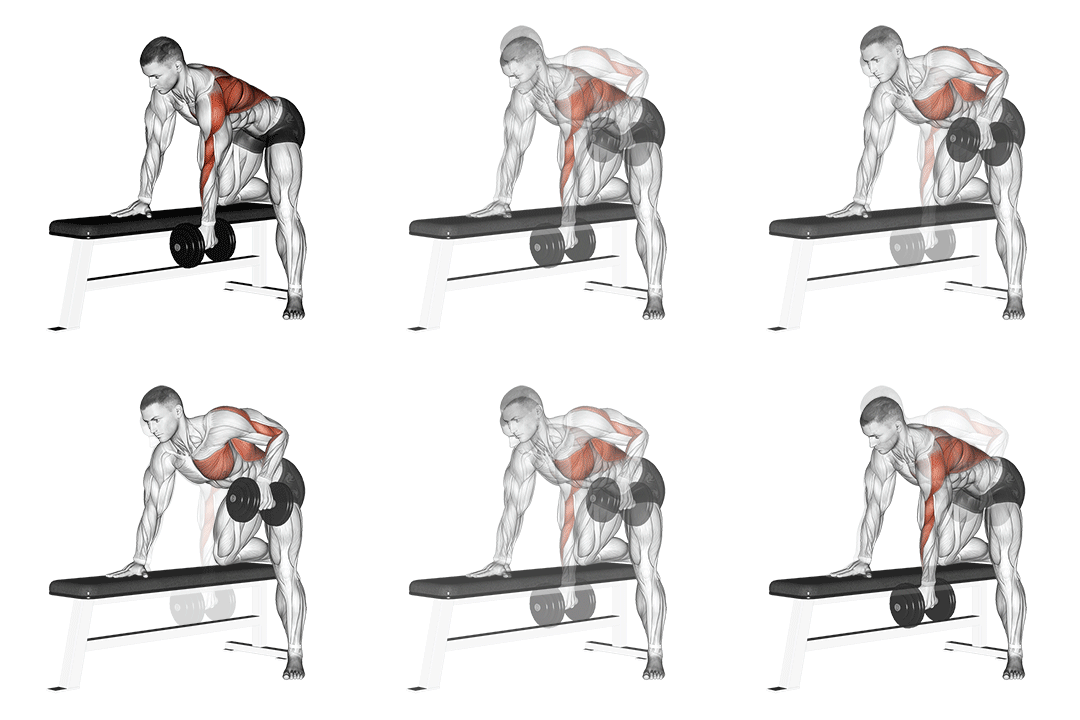
8. Dumbbell One Arm Bent-over Row
63.7% MatchHow to perform this exercise
- Stand with your feet shoulder-width apart, holding a dumbbell in one hand with your palm facing your body.
- Bend your knees slightly and hinge forward at the hips, keeping your back straight and your core engaged.
- Let the dumbbell hang straight down towards the floor, with your arm fully extended.
- Pull the dumbbell up towards your chest, keeping your elbow close to your body and squeezing your shoulder blades together.
- Pause for a moment at the top, then slowly lower the dumbbell back down to the starting position.
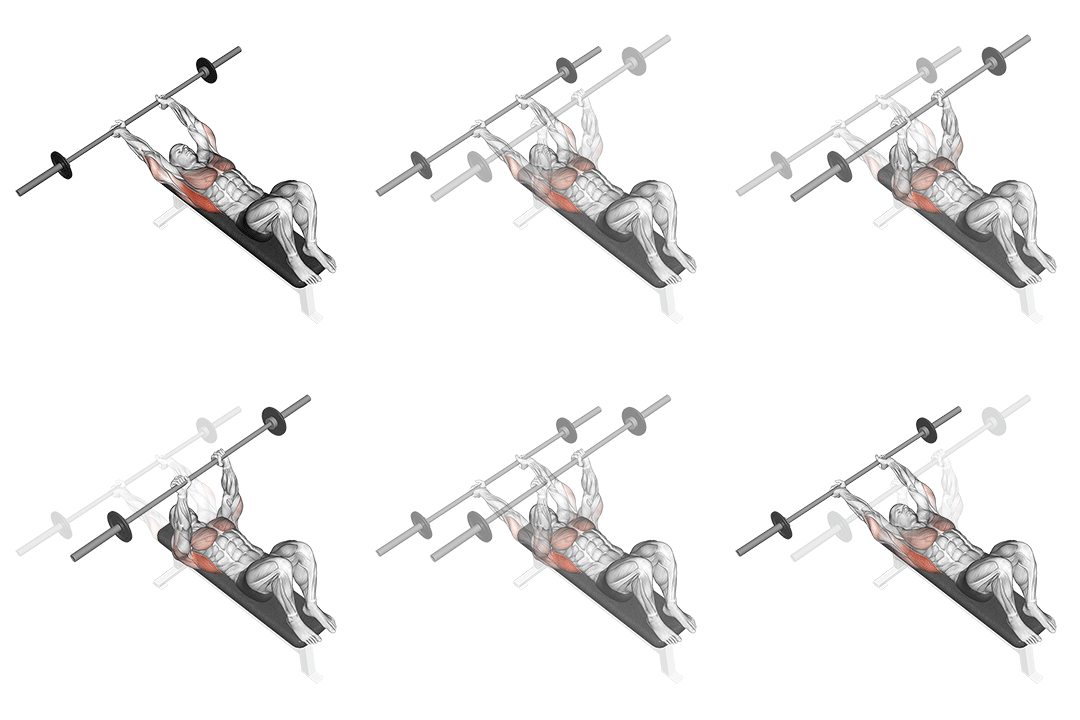
9. Barbell Pullover
61.7% MatchHow to perform this exercise
- Lie flat on a bench with your head at one end and your feet on the floor.
- Hold a barbell with a shoulder-width grip and extend your arms straight above your chest.
- Keeping your arms straight, lower the barbell behind your head in a controlled manner until you feel a stretch in your lats.
- Pause for a moment, then raise the barbell back to the starting position.
- Repeat for the desired number of repetitions.
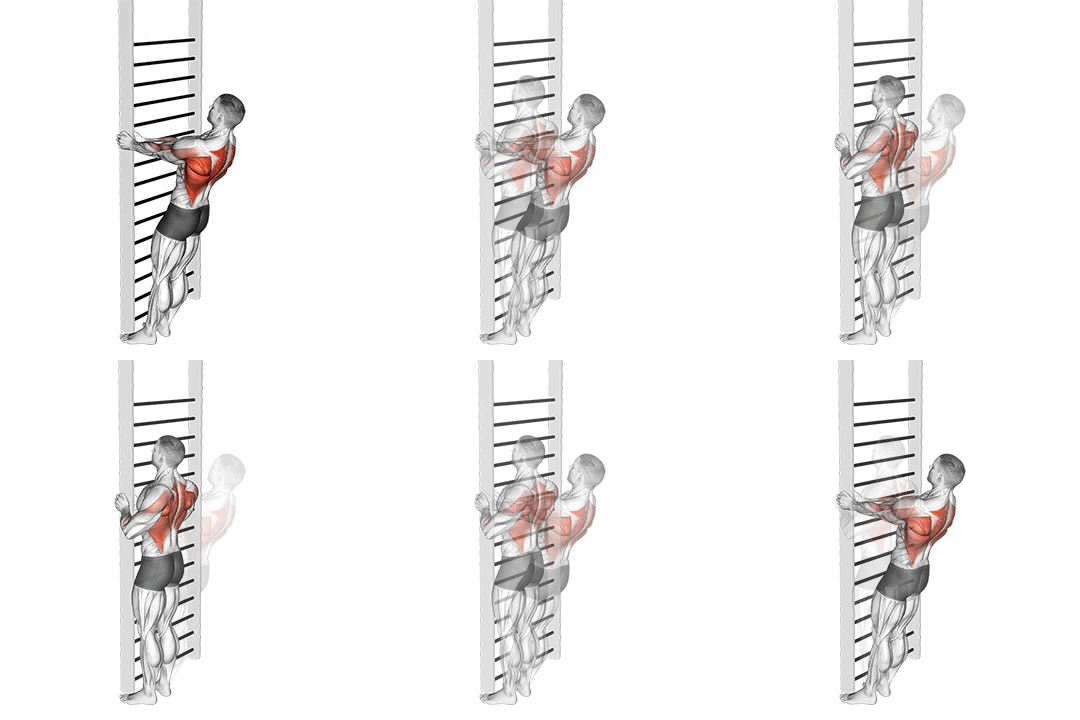
10. Bodyweight Standing Close-grip Row
60.4% MatchHow to perform this exercise
- Stand with your feet shoulder-width apart and knees slightly bent.
- Bend forward at the waist, keeping your back straight and your core engaged.
- Extend your arms straight in front of you, gripping the bar or handles with a close grip.
- Pull the bar or handles towards your body, squeezing your shoulder blades together.
- Pause for a moment at the top of the movement, then slowly release and return to the starting position.
Why You Might Need a Medicine Ball Catch And Overhead Throw Alternative
You may substitute the Medicine Ball Catch And Overhead Throw for several practical reasons: shoulder pain or impingement from high-velocity overhead deceleration, lack of a partner or medicine ball, or a training focus shift from power to strength or hypertrophy. Biomechanically, the throw stresses rapid eccentric control of the lats and scapular stabilizers; if you have limited thoracic mobility or rotator cuff irritation, choose slower, controlled lat-dominant pulls. Technique cue: favor controlled eccentrics (3–4 seconds) and maintain scapular depression to reduce superior humeral head migration and protect the shoulder while still loading the posterior chain.
How to Choose the Right Substitute
Select a substitute based on training goal, available equipment, and joint tolerance. For power and rate-of-force development pick explosive movements (kettlebell swings or single-arm snatches) and train with short sets and ballistic intent; cue hip-drive and keep the arm relaxed until lockout. For pure lat strength or hypertrophy use weighted pull-ups or barbell/dumbbell rows with slow eccentrics to maximize time under tension; cue a full scapular retraction and a neutral spine. If you need low-impact options, choose resisted horizontal pulls or banded pull-aparts to train scapular control while minimizing shoulder compression.
Frequently Asked Questions
What muscles does Medicine Ball Catch And Overhead Throw work?
The movement primarily targets the lats by driving shoulder extension and adduction, while the rhomboids and lower traps stabilize the scapula. It also recruits posterior deltoids, core stabilizers, and hip extensors when performed explosively to generate transfer of force.
What is the best bodyweight alternative to Medicine Ball Catch And Overhead Throw?
Pull-ups are the top bodyweight alternative because they load the lats through the full pulling arc. Cue chest-to-bar reps with a deliberate 3-second eccentric and active scapular retraction to replicate the lat tension and deceleration demands of the throw.
Can I build muscle without doing Medicine Ball Catch And Overhead Throw?
Yes. You can build lat and back muscle with progressive overload using rows, pull-ups, and controlled eccentrics. Focus on increasing load, volume, or time under tension and use strict technique—scapular retraction and a neutral spine—to maximize muscle activation.
More Exercise Alternatives
Find Alternatives for Any Exercise
Use our free tool to discover the best substitute exercises based on your available equipment and goals.
Try the Exercise Substitution Finder →