

10 Best One Leg Squat Alternatives for Strength and Rehab
If you can’t perform a One Leg Squat, use Bulgarian split squats, step-ups, single-leg RDLs, box pistols, or reverse lunges to train the same muscles. These options target the glute max and hip stabilizers while reducing balance demand. Technique cue: drive through the heel, keep the knee tracking over the toes, and limit depth to maintain control.
Original Exercise: One Leg Squat
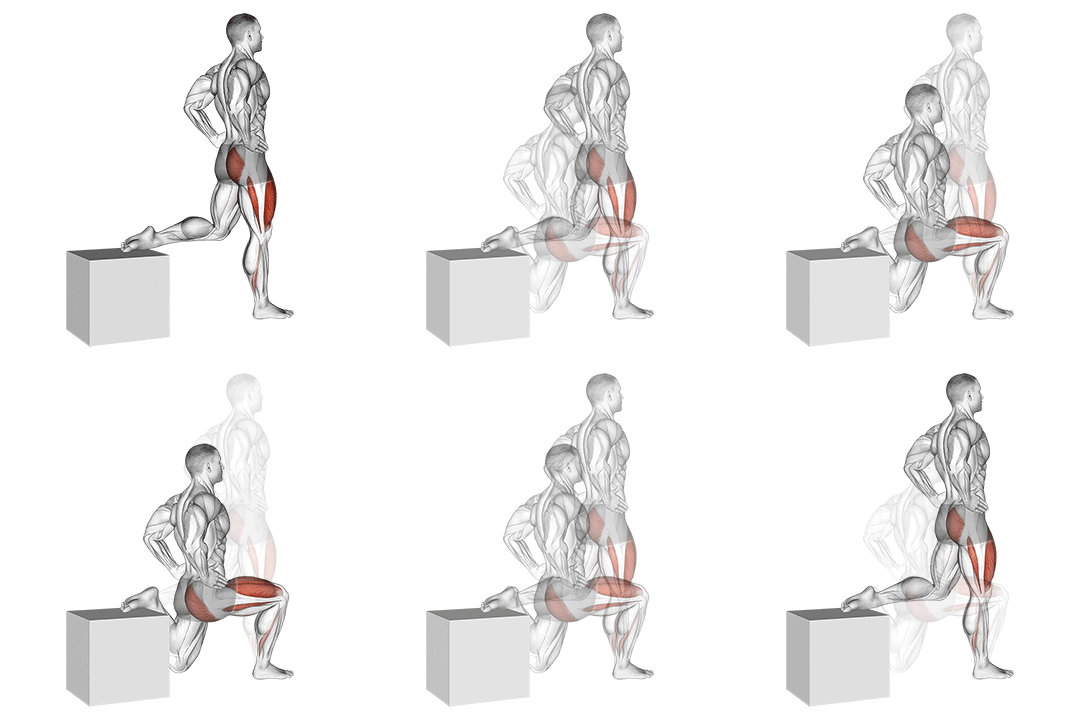
How to Perform One Leg Squat
- Stand with your feet shoulder-width apart.
- Extend one leg forward, keeping it off the ground.
- Bend your standing leg and lower your body down as if sitting back into a chair.
- Keep your chest up and your back straight.
- Push through your heel to return to the starting position.
- Repeat with the other leg.
Best One Leg Squat Alternatives
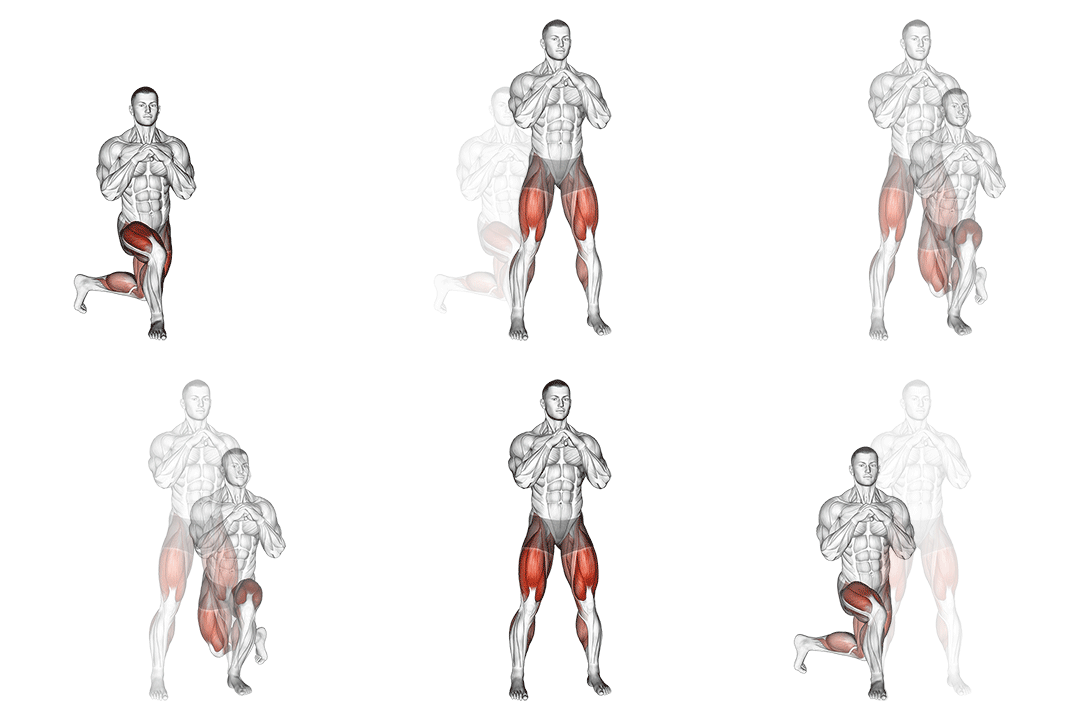
1. Curtsey Squat
96% MatchHow to perform this exercise
- Stand with your feet shoulder-width apart.
- Take a step diagonally behind and across your body with your right foot, crossing it behind your left leg.
- Bend both knees as if you were curtsying, lowering your body towards the ground.
- Keep your torso upright and your weight on your front foot.
- Push through your front foot to return to the starting position.
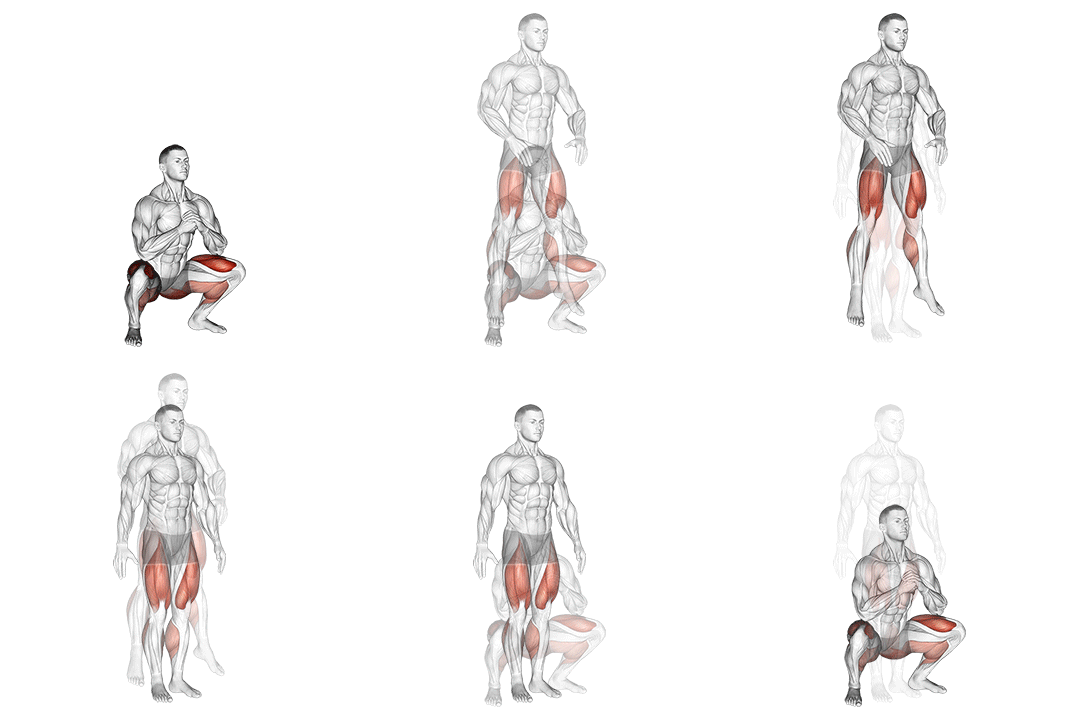
2. Bodyweight Drop Jump Squat
76.9% MatchHow to perform this exercise
- Stand with your feet shoulder-width apart.
- Lower your body into a squat position by bending your knees and pushing your hips back.
- Jump up explosively, extending your hips, knees, and ankles.
- While in mid-air, quickly bring your feet together.
- Land softly on the balls of your feet and immediately drop back into a squat position.
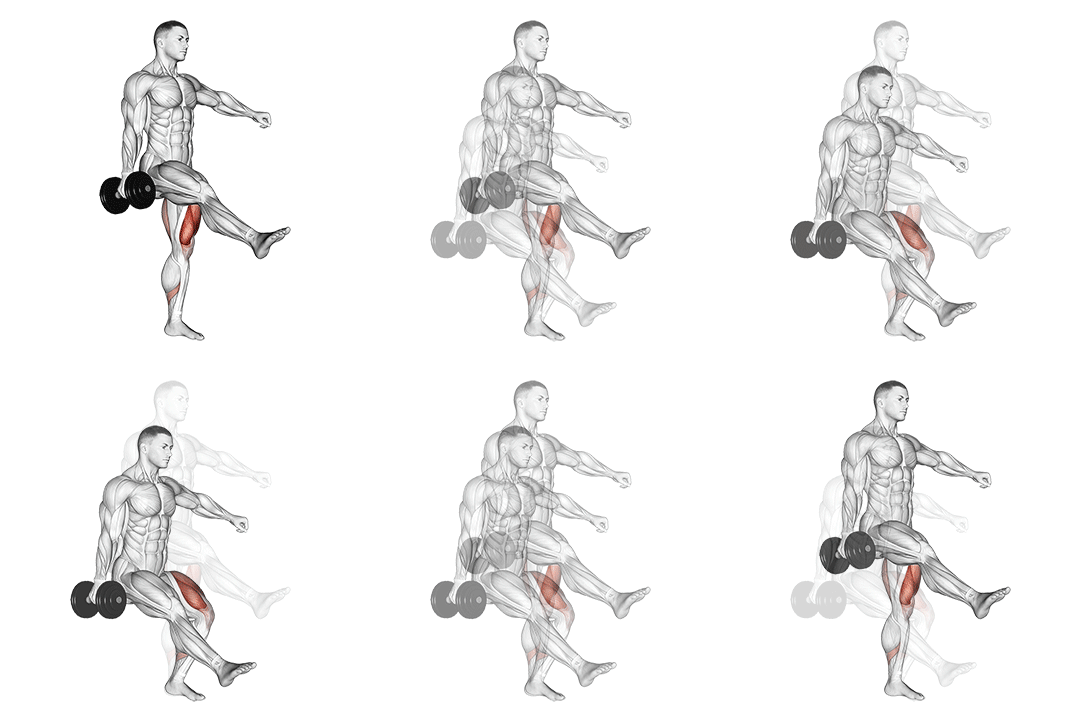
3. Dumbbell Single Leg Squat
74.2% MatchHow to perform this exercise
- Stand with your feet shoulder-width apart, holding a dumbbell in each hand.
- Extend one leg forward and keep it off the ground throughout the exercise.
- Bend your standing leg and lower your body down as if sitting back into a chair.
- Keep your chest up and your back straight.
- Pause for a moment at the bottom, then push through your heel to return to the starting position.
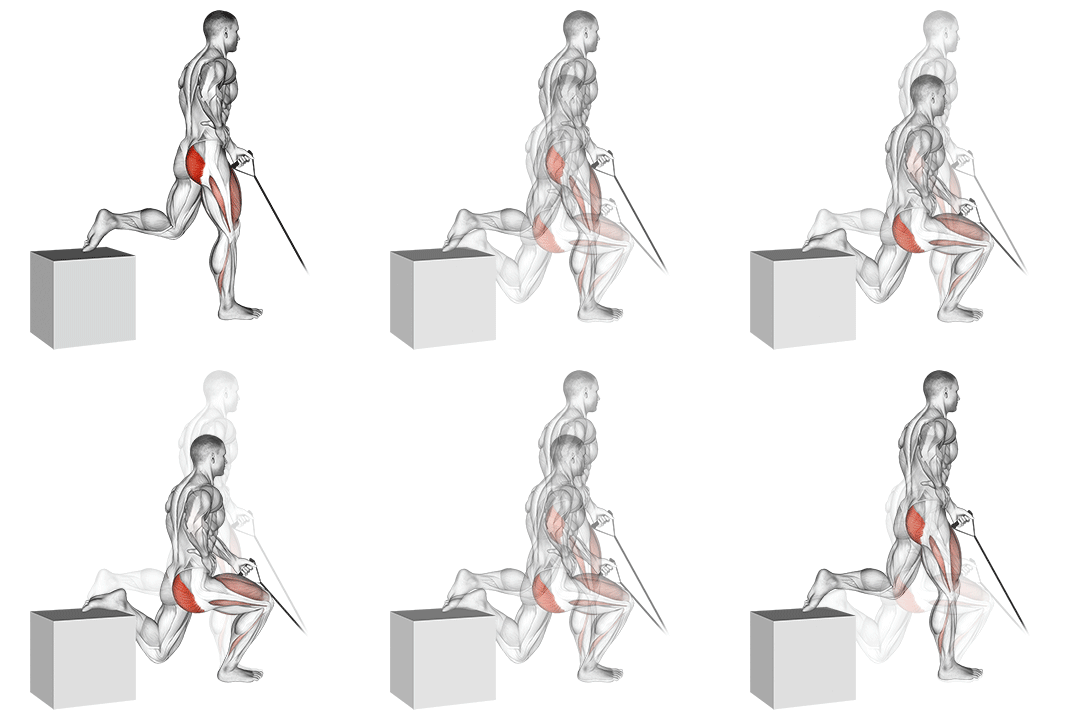
4. Band One Arm Single Leg Split Squat
72.9% MatchHow to perform this exercise
- Stand with your feet hip-width apart and place a resistance band around your ankles.
- Extend one leg forward and rest the top of your foot on a bench or step behind you.
- Hold onto a support with one hand for balance.
- Bend your standing leg and lower your body down into a squat position, keeping your knee in line with your toes.
- Push through your heel to return to the starting position.
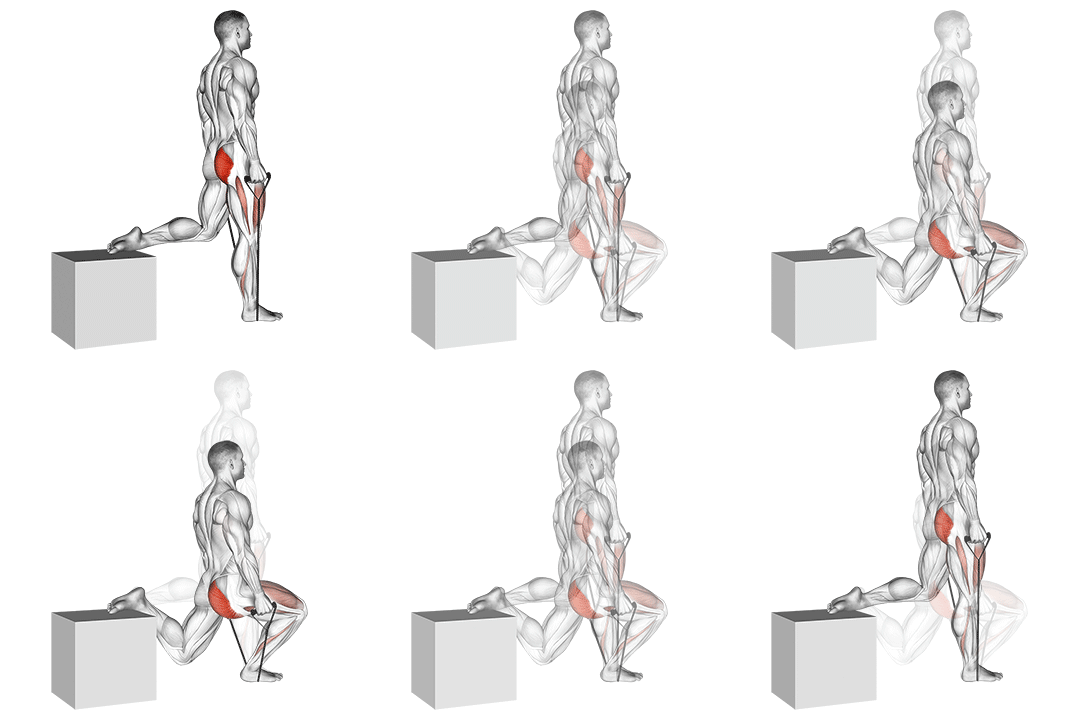
5. Band Single Leg Split Squat
72.9% MatchHow to perform this exercise
- Stand with your feet hip-width apart and place a resistance band around your ankles.
- Take a big step forward with your right foot and a smaller step back with your left foot.
- Bend your knees and lower your body until your right thigh is parallel to the ground, keeping your left knee slightly above the ground.
- Push through your right heel to return to the starting position.
- Repeat on the other side.
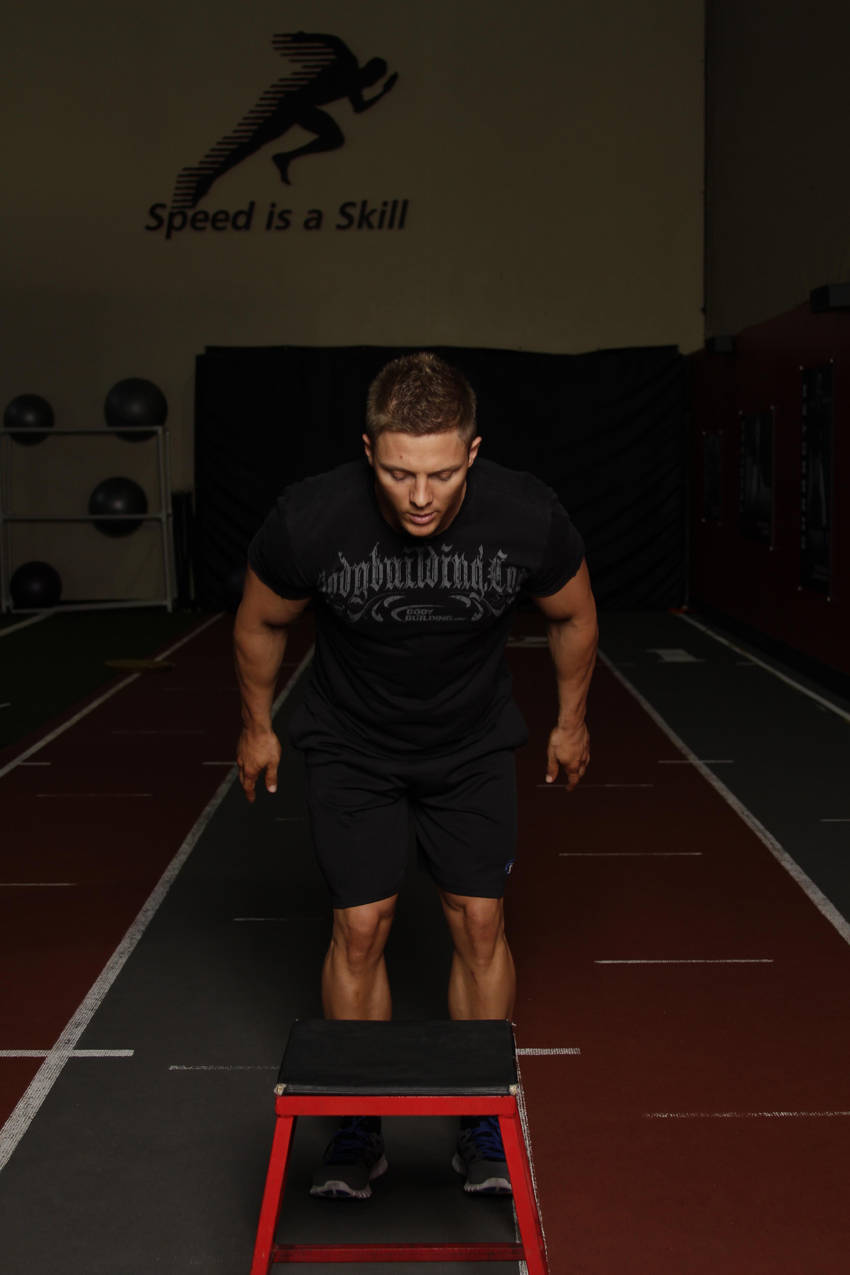
6. Box Jump (Multiple Response)
70.6% MatchHow to perform this exercise
- Assume a relaxed stance facing the box or platform approximately an arm's length away. Arms should be down at the sides and legs slightly bent.
- Using the arms to aid in the initial burst, jump upward and forward, landing with feet simultaneously on top of the box or platform.
- Immediately drop or jump back down to the original starting place; then repeat the sequence.
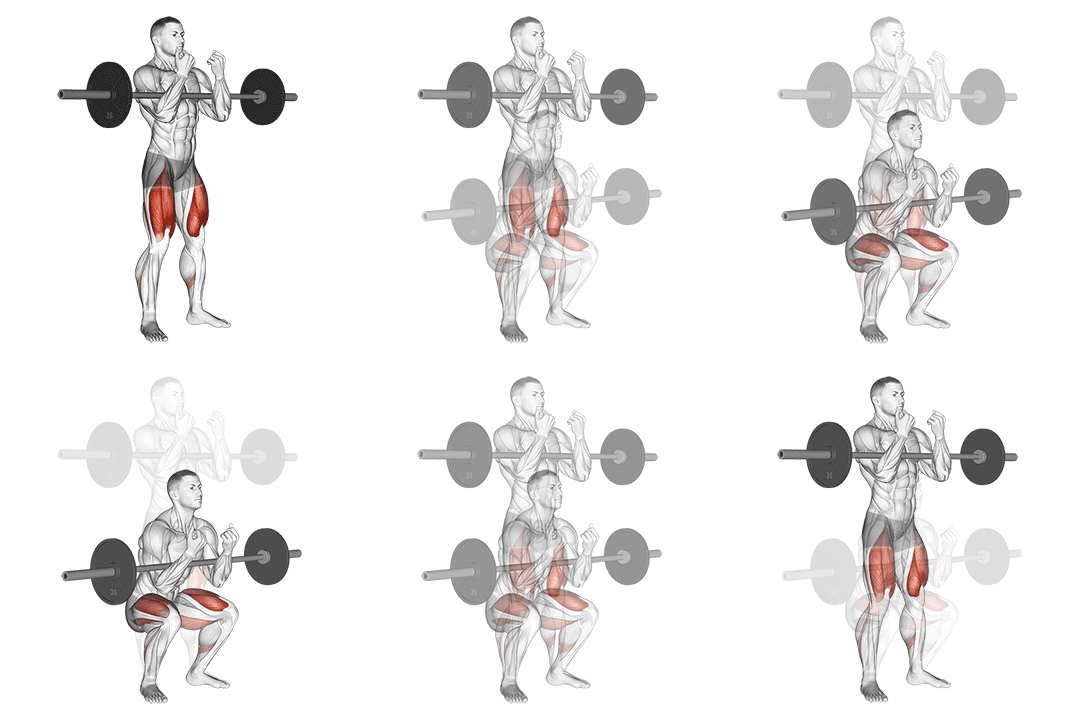
7. Barbell Full Zercher Squat
69.3% MatchHow to perform this exercise
- Stand with your feet shoulder-width apart and toes slightly turned out.
- Hold the barbell in the crooks of your elbows, with your hands gripping the barbell for stability.
- Engage your core and keep your chest lifted as you lower your hips back and down into a squat position.
- Keep your knees in line with your toes and your weight in your heels.
- Lower until your thighs are parallel to the ground, or as low as you can comfortably go.
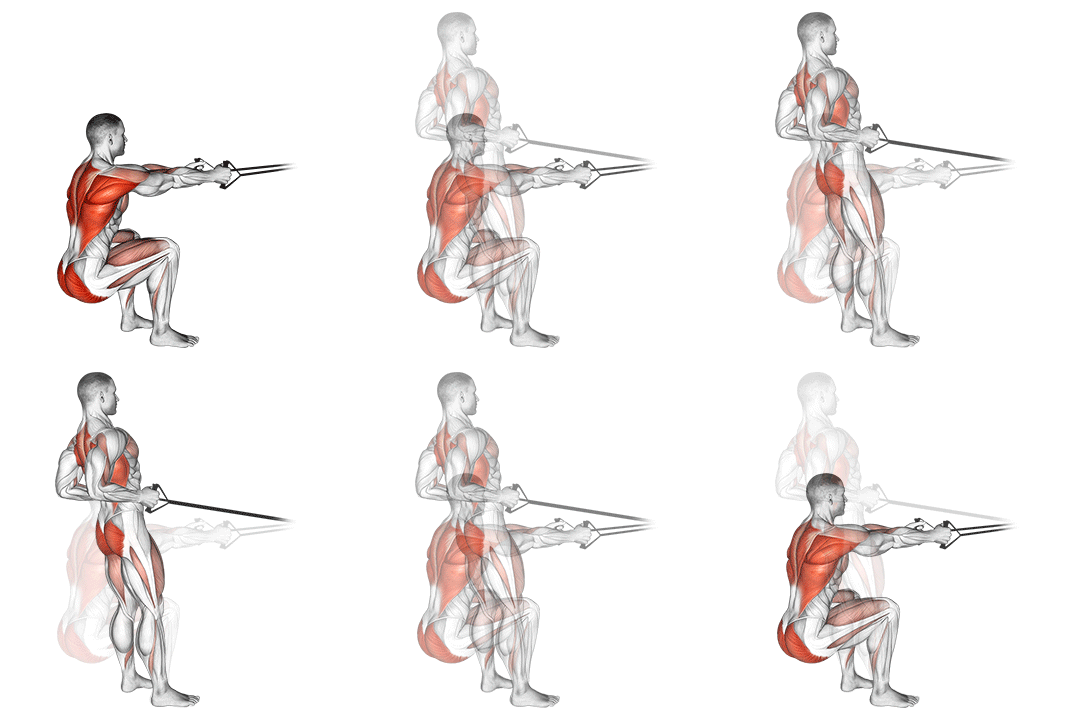
8. Band Squat Row
68.8% MatchHow to perform this exercise
- Attach the band to a sturdy anchor point at waist height.
- Stand facing the anchor point with your feet shoulder-width apart.
- Hold the band handles with your palms facing each other and your arms extended in front of you.
- Bend your knees and lower into a squat position, keeping your back straight and chest lifted.
- From the squat position, pull the band handles towards your body, squeezing your shoulder blades together.
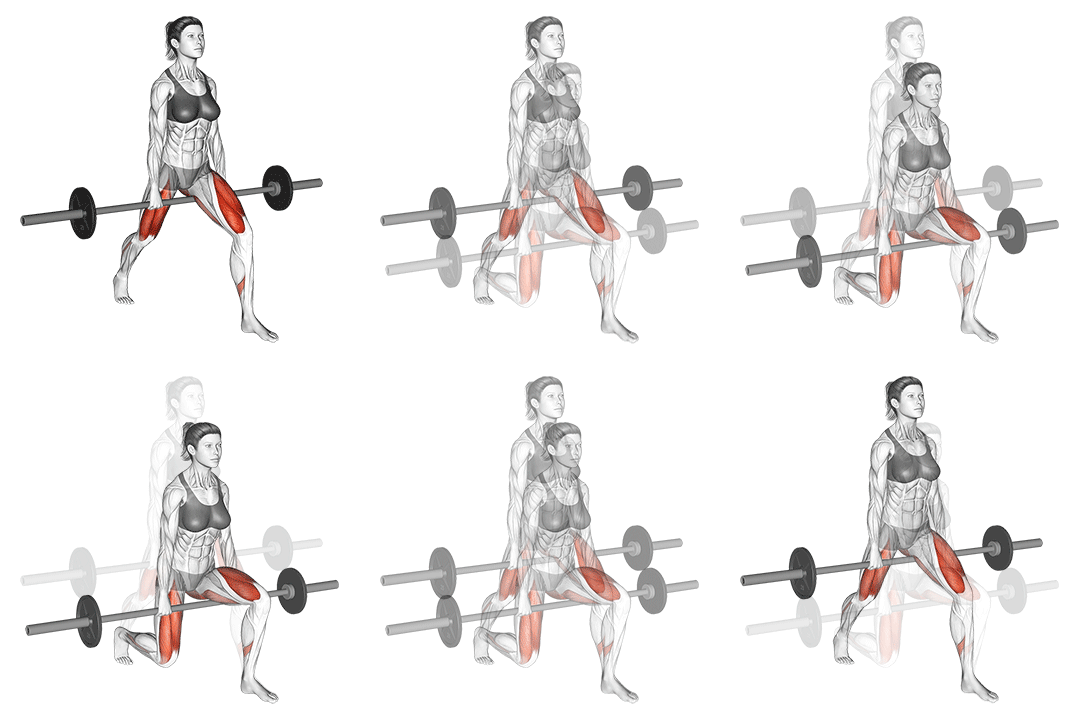
9. Barbell Split Squat V. 2
68.3% MatchHow to perform this exercise
- Start by standing with your feet shoulder-width apart, holding a barbell across your upper back.
- Take a large step forward with your right foot, keeping your torso upright.
- Lower your body by bending your knees and hips until your right thigh is parallel to the ground.
- Pause for a moment, then push through your right heel to return to the starting position.
- Repeat with your left leg forward for the desired number of repetitions.
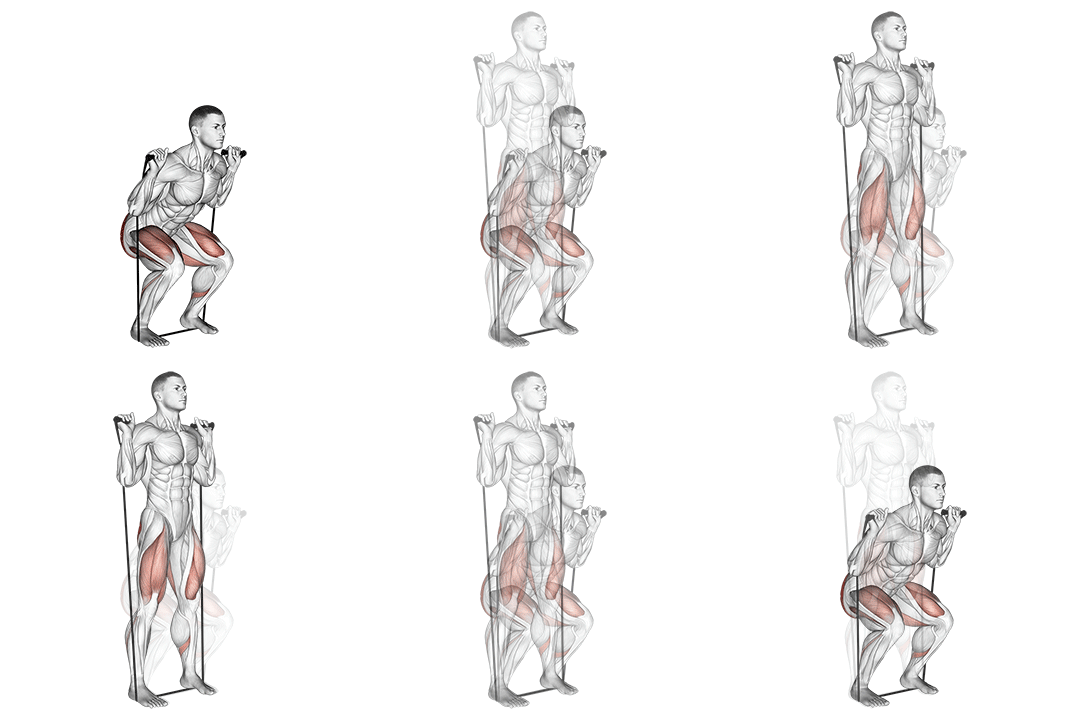
10. Band Squat
67.4% MatchHow to perform this exercise
- Stand with your feet shoulder-width apart, with the band placed just above your knees.
- Keeping your chest up and core engaged, push your hips back and bend your knees to lower into a squat position.
- Make sure your knees are tracking over your toes and your weight is in your heels.
- Pause for a moment at the bottom, then push through your heels to return to the starting position.
- Repeat for the desired number of repetitions.
Why You Might Need a One Leg Squat Alternative
You might substitute the One Leg Squat because of limited ankle or hip mobility, knee pain, poor balance, or lack of confidence with single-leg loading. Alternatives let you reduce knee torque, shift the center of mass, or use a support hand to manage balance while still activating the glute max, quadriceps, and hamstrings. For rehab, reduce range by using a box pistol or a partial step-up; for strength, add slow eccentrics or a weighted vest. Cue: reduce range or add a hand on a rail to preserve form and protect the joint while maintaining glute activation.
How to Choose the Right Substitute
Select a substitute based on your limiting factor: mobility, balance, pain, or load capacity. If balance is the issue, pick step-ups or split squats where you can keep the rear foot supported. If pain limits depth, use a box pistol or partial single-leg RDL and focus on hip hinge patterns to recruit glutes and hamstrings. If you need progressive overload, choose Bulgarian split squats and add weight or slow the eccentric to increase time under tension. Cue: keep a vertical shin on loaded leg and hinge at the hips to maximize glute activation.
Frequently Asked Questions
What muscles does One Leg Squat work?
The One Leg Squat primarily targets the gluteus maximus, quadriceps, and hamstrings while heavily engaging the glute medius and other hip stabilizers for balance. It also demands eccentric control from the quads and hip extensors to manage descent and protect the knee.
What is the best bodyweight alternative to One Leg Squat?
The Bulgarian split squat is the top bodyweight alternative because it keeps significant unilateral load on the glutes and quads while offering stability from the rear foot. Cue: lean slightly forward, drive the front heel into the floor, and maintain an upright torso to emphasize glute recruitment.
Can I build muscle without doing One Leg Squat?
Yes—you can build lower-body muscle with well-chosen alternatives like split squats, step-ups, and single-leg Romanian deadlifts combined with progressive overload. Use slow eccentrics, increased reps, or added resistance and cue controlled descent to maximize muscle tension and hypertrophy.
More Exercise Alternatives
Find Alternatives for Any Exercise
Use our free tool to discover the best substitute exercises based on your available equipment and goals.
Try the Exercise Substitution Finder →