

10 Best Plank Alternatives for Lower Back Pain
If you can't do the plank, use dynamic and supported core options that train the same anti-extension and bracing demands. Effective replacements include dead bugs, bird dogs, hollow holds, side-plank variations and hands-elevated planks. These maintain abdominal activation while reducing wrist, shoulder, or lumbar stress—choose based on your limitation.
Original Exercise: Plank
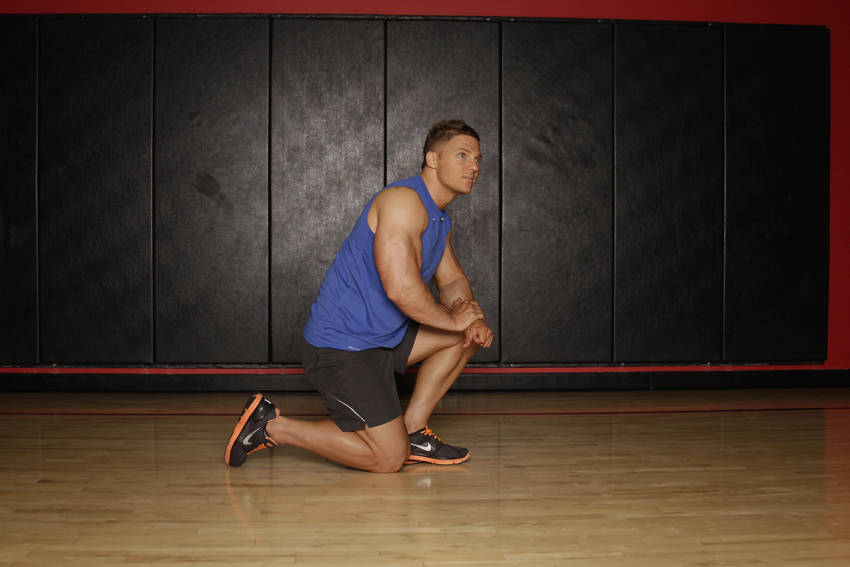
How to Perform Plank
- Get into a prone position on the floor, supporting your weight on your toes and your forearms. Your arms are bent and directly below the shoulder.
- Keep your body straight at all times, and hold this position as long as possible. To increase difficulty, an arm or leg can be raised.
Pro Tips
- Category: Strength
- Force: Static
- Movement type: Isolation
Best Plank Alternatives
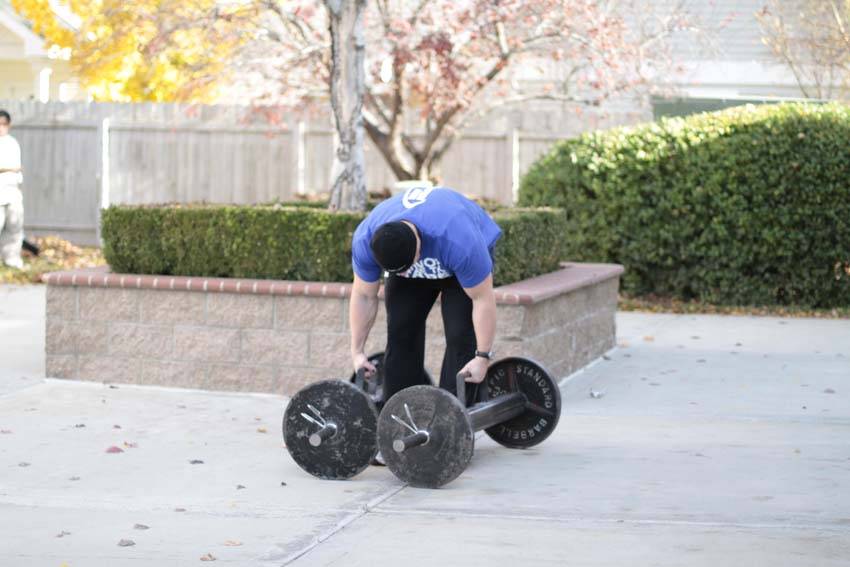
1. Farmer's Walk
60.9% MatchHow to perform this exercise
- There are various implements that can be used for the farmers walk. These can also be performed with heavy dumbbells or short bars if these implements aren't available. Begin by standing between the implements.
- After gripping the handles, lift them up by driving through your heels, keeping your back straight and your head up.
- Walk taking short, quick steps, and don't forget to breathe. Move for a given distance, typically 50-100 feet, as fast as possible.
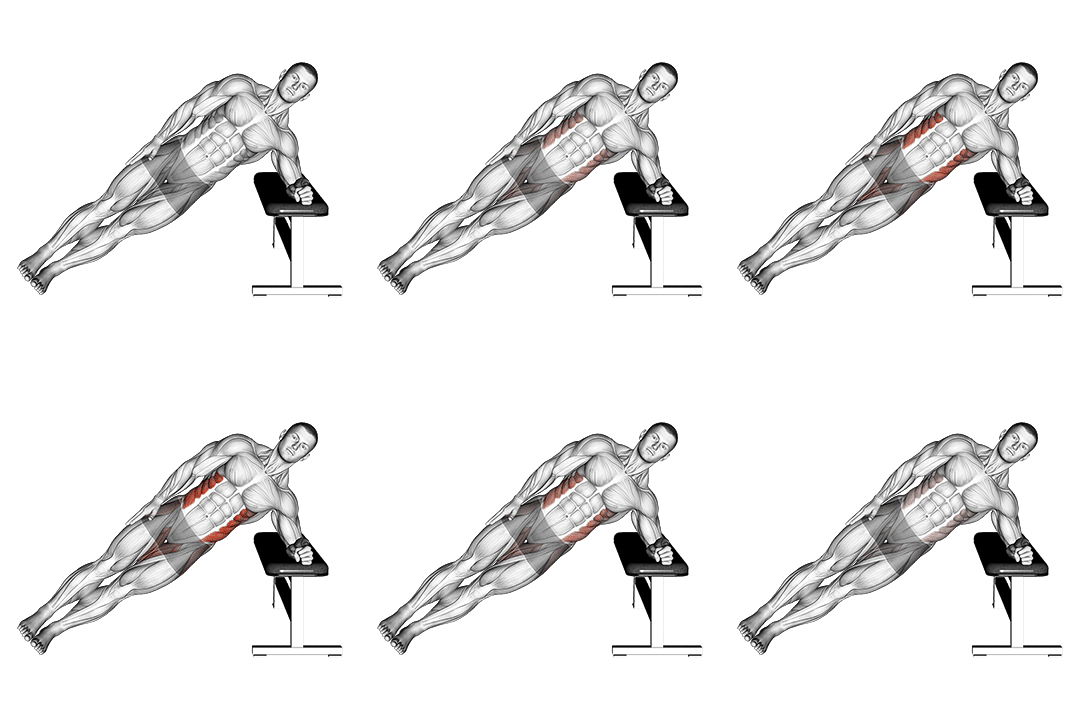
2. Bodyweight Incline Side Plank
58.4% MatchHow to perform this exercise
- Start by lying on your side with your legs extended and stacked on top of each other.
- Place your forearm on the ground directly below your shoulder, with your elbow bent at a 90-degree angle.
- Engage your core and lift your hips off the ground, creating a straight line from your head to your feet.
- Hold this position for the desired amount of time.
- Lower your hips back down to the ground and repeat on the other side.
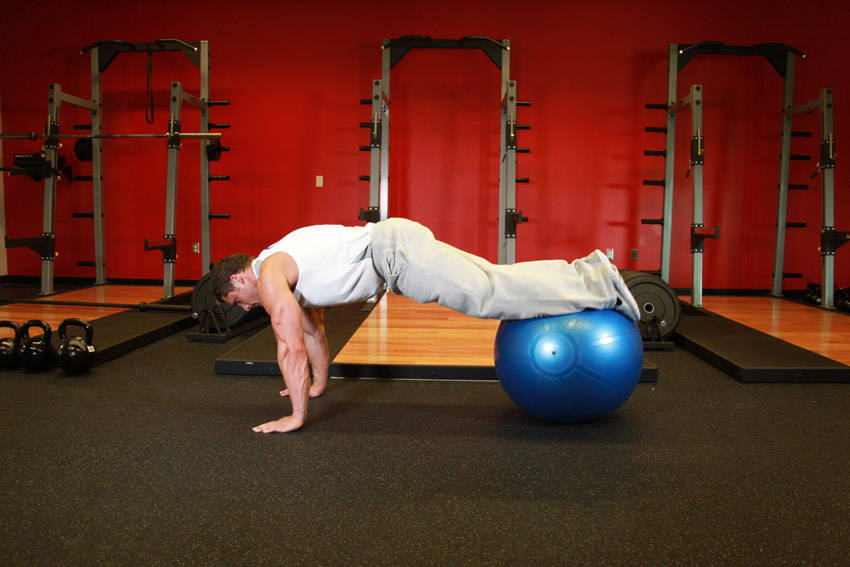
3. Exercise Ball Pull-In
57.8% MatchHow to perform this exercise
- Place an exercise ball nearby and lay on the floor in front of it with your hands on the floor shoulder width apart in a push-up position.
- Now place your lower shins on top of an exercise ball. Tip: At this point your legs should be fully extended with the shins on top of the ball and the upper body should be in a push-up type of position being supported by your two extended arms in front of you. This will be your starting position.
- While keeping your back completely straight and the upper body stationary, pull your knees in towards your chest as you exhale, allowing the ball to roll forward under your ankles. Squeeze your abs and hold that position for a second.
- Now slowly straighten your legs, rolling the ball back to the starting position as you inhale.
- Repeat for the recommended amount of repetitions.
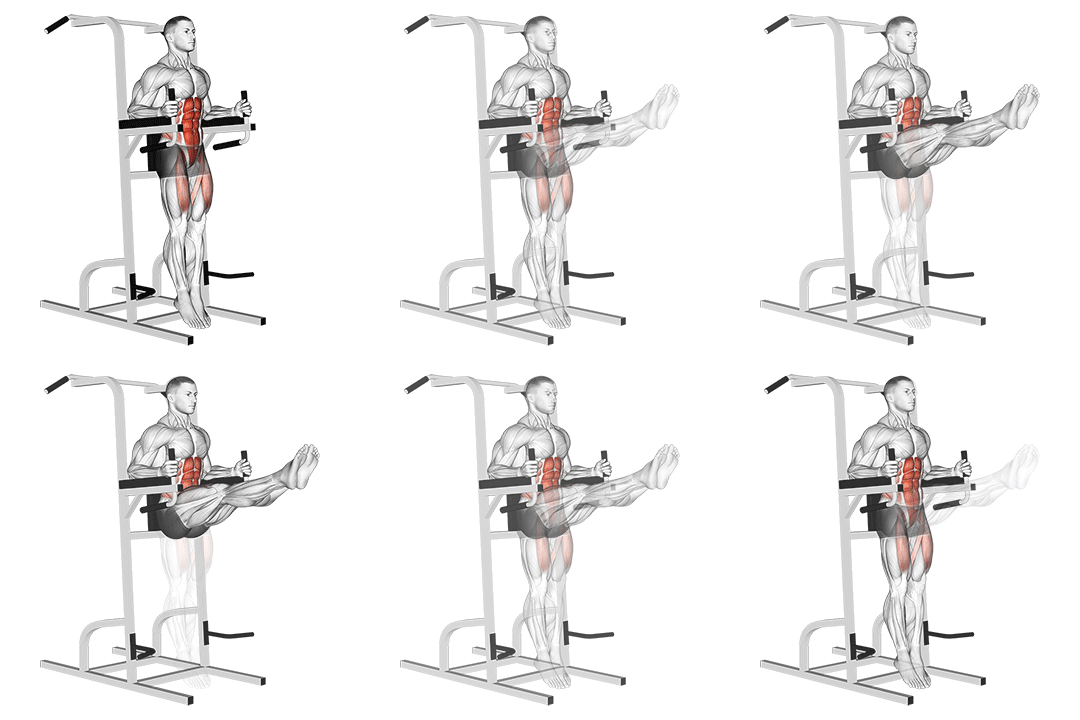
4. Captains Chair Straight Leg Raise
55.3% MatchHow to perform this exercise
- Sit on the captain's chair with your back against the backrest and your forearms resting on the arm pads.
- Keep your upper body stable and your back straight.
- Engage your abs and lift your legs up in front of you, keeping them straight.
- Continue lifting until your legs are parallel to the ground or as high as you can comfortably go.
- Pause for a moment at the top, then slowly lower your legs back down to the starting position.
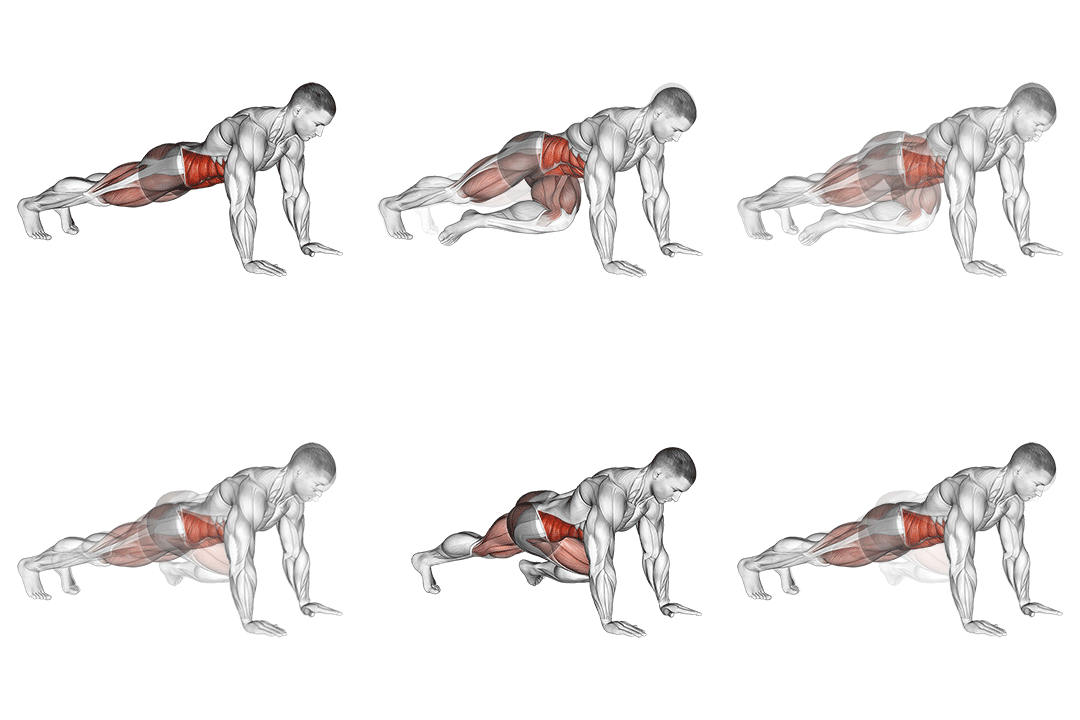
5. Bridge - Mountain Climber (cross Body)
55.2% MatchHow to perform this exercise
- Start in a high plank position with your hands directly under your shoulders and your body in a straight line.
- Engage your core and lift your right foot off the ground, bringing your right knee towards your left elbow.
- Return your right foot to the starting position and repeat the movement with your left foot towards your right elbow.
- Continue alternating sides, moving at a controlled pace.
- Keep your hips level and avoid lifting your hips too high or sagging them too low.
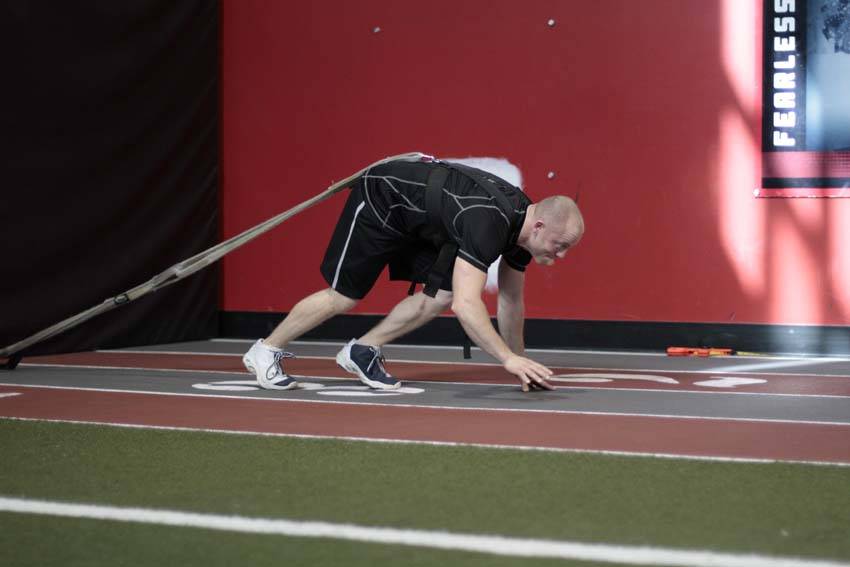
6. Bear Crawl Sled Drags
53.7% MatchHow to perform this exercise
- Wearing either a harness or a loose weight belt, attach the chain to the back so that you will be facing away from the sled. Bend down so that your hands are on the ground. Your back should be flat and knees bent. This is your starting position.
- Begin by driving with legs, alternating left and right. Use your hands to maintain balance and to help pull. Try to keep your back flat as you move over a given distance.
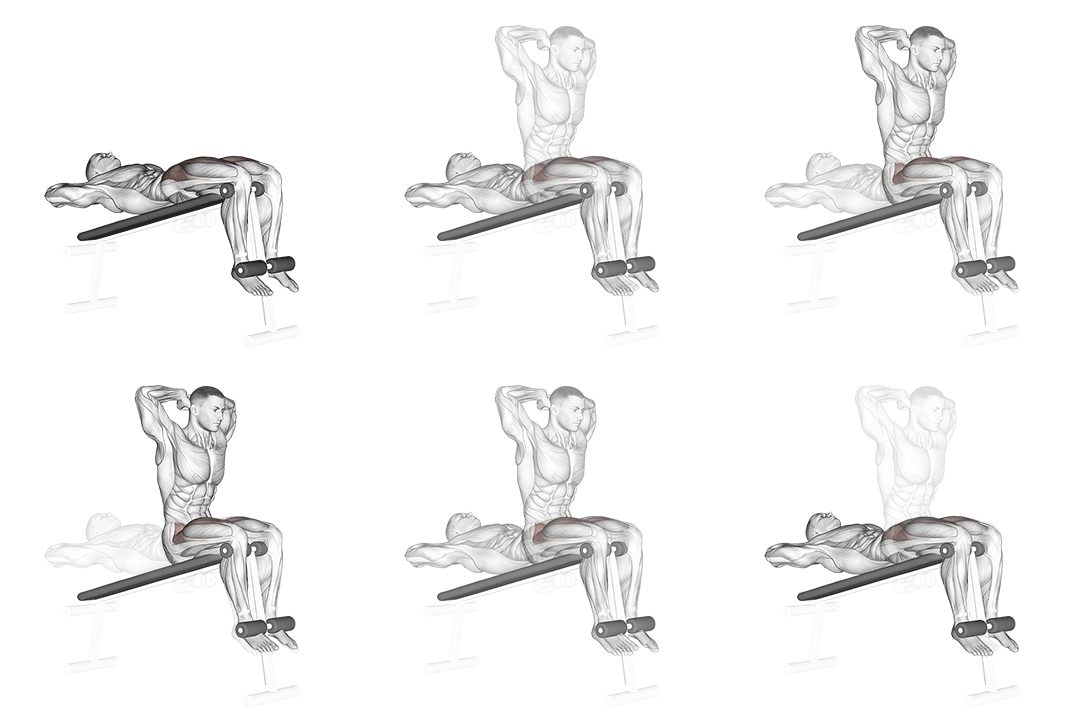
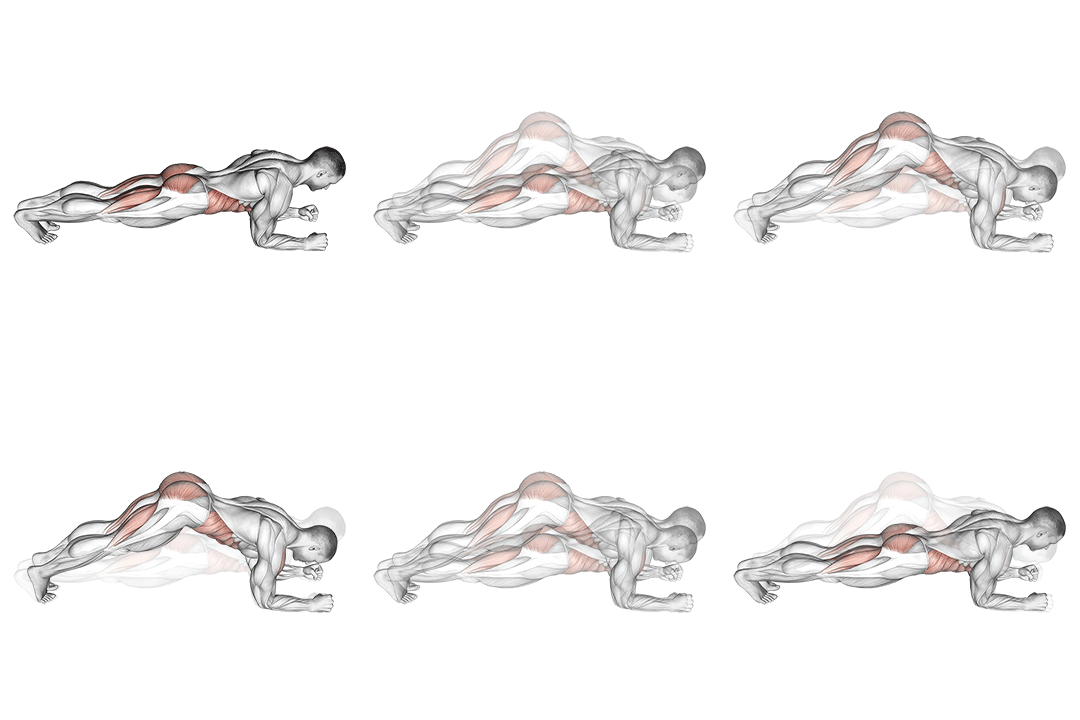
7. Decline Sit-up
50.3% MatchHow to perform this exercise
- Lie on a decline bench with your feet secured and your knees bent.
- Place your hands behind your head or across your chest.
- Engage your abs and lift your upper body off the bench, curling forward towards your knees.
- Pause for a moment at the top, then slowly lower your upper body back down to the starting position.
- Repeat for the desired number of repetitions.
8. Butt-ups
50.1% MatchHow to perform this exercise
- Lie flat on your back with your knees bent and feet flat on the ground.
- Place your hands by your sides, palms facing down.
- Engaging your abs, lift your legs off the ground, bringing your knees towards your chest.
- At the top of the movement, squeeze your abs and pause for a moment.
- Slowly lower your legs back down to the starting position.
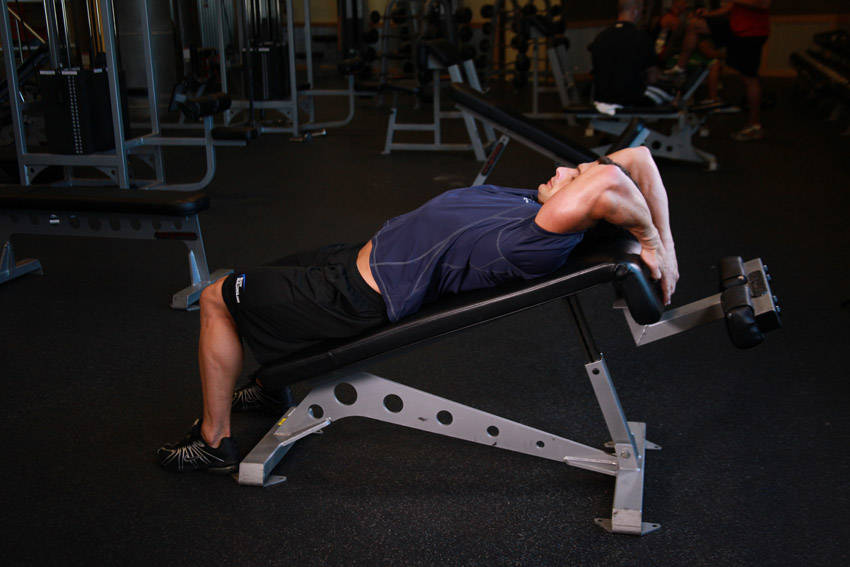
9. Decline Reverse Crunch
49.9% MatchHow to perform this exercise
- Lie on your back on a decline bench and hold on to the top of the bench with both hands. Don't let your body slip down from this position.
- Hold your legs parallel to the floor using your abs to hold them there while keeping your knees and feet together. Tip: Your legs should be fully extended with a slight bend on the knee. This will be your starting position.
- While exhaling, move your legs towards the torso as you roll your pelvis backwards and you raise your hips off the bench. At the end of this movement your knees will be touching your chest.
- Hold the contraction for a second and move your legs back to the starting position while inhaling.
- Repeat for the recommended amount of repetitions.
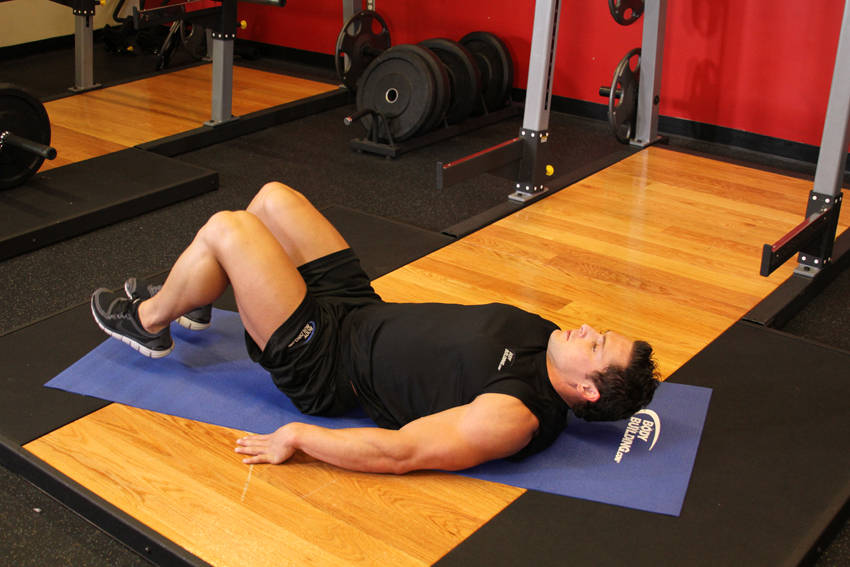
10. Bent-Knee Hip Raise
49.3% MatchHow to perform this exercise
- Lay flat on the floor with your arms next to your sides.
- Now bend your knees at around a 75 degree angle and lift your feet off the floor by around 2 inches.
- Using your lower abs, bring your knees in towards you as you maintain the 75 degree angle bend in your legs. Continue this movement until you raise your hips off of the floor by rolling your pelvis backward. Breathe out as you perform this portion of the movement. Tip: At the end of the movement your knees will be over your chest.
- Squeeze your abs at the top of the movement for a second and then return to the starting position slowly as you breathe in. Tip: Maintain a controlled motion at all times.
- Repeat for the recommended amount of repetitions.
Why You Might Need a Plank Alternative
You may need to replace the plank because of wrist or shoulder pain from prolonged weight-bearing, low-back discomfort from hip sag, mobility limits, or simply equipment and space constraints. Substitutes let you preserve the primary stimulus—transverse abdominis and rectus abdominis activation and anti-extension control—while shifting load away from painful joints or positions. They also permit progressions (dynamic reps, unilateral challenge, or increased time under tension) and enable safer coaching of breathing and neutral spine. Using alternatives keeps core training consistent without reinforcing compensatory patterns that caused the problem.
How to Choose the Right Substitute
Select a substitute by matching the movement pattern and limiting factor: prioritize anti-extension drills (dead bug, hollow hold) if the plank causes lumbar strain, and anti-rotation choices (side plank, dead bug with cross-body reach) if you need oblique control. If wrists or shoulders limit you, choose forearm or elevated-hand variations, or supine drills that remove upper‑body loading. Consider your goal—endurance, stability, or dynamic coordination—and pick exercises that allow measurable progression (longer holds, slower tempo, added range or unilateral load). Finally, choose exercises you can perform with strict spine neutrality and consistent breathing.
Frequently Asked Questions
What muscles does Plank work?
The plank primarily engages the rectus abdominis, transverse abdominis and obliques to maintain a rigid torso. It also recruits glutes, quads, lats and spinal erectors to stabilize the hips and shoulders, training anti-extension and anti-rotation control.
What is the best bodyweight alternative to Plank?
For most people the dead bug is the best bodyweight alternative because it trains anti-extension with minimal lumbar compression. Perform it supine with a neutral spine, lower opposite arm and leg slowly while keeping your low back glued to the floor to maximize transverse abdominis activation.
Can I build muscle without doing Plank?
Yes. You can increase core strength and hypertrophy with other bodyweight and loaded movements—hollow holds, hanging leg raises, weighted carries and anti-rotation presses all work the trunk effectively. Progress by adding load, increasing time under tension, or advancing to harder variations rather than relying solely on static planks.
More Exercise Alternatives
Find Alternatives for Any Exercise
Use our free tool to discover the best substitute exercises based on your available equipment and goals.
Try the Exercise Substitution Finder →