

10 Best Resistance Band Seated Chest Press Alternatives for Home and Gym
If you can't do the Resistance Band Seated Chest Press, choose exercises that reproduce horizontal adduction and stable scapular positioning: dumbbell floor press, standing single-arm band press, barbell bench press, cable chest press, and push-up variations. Cue: retract the scapulae, brace your core and press through the palms to maximize pectoral recruitment.
Original Exercise: Resistance Band Seated Chest Press
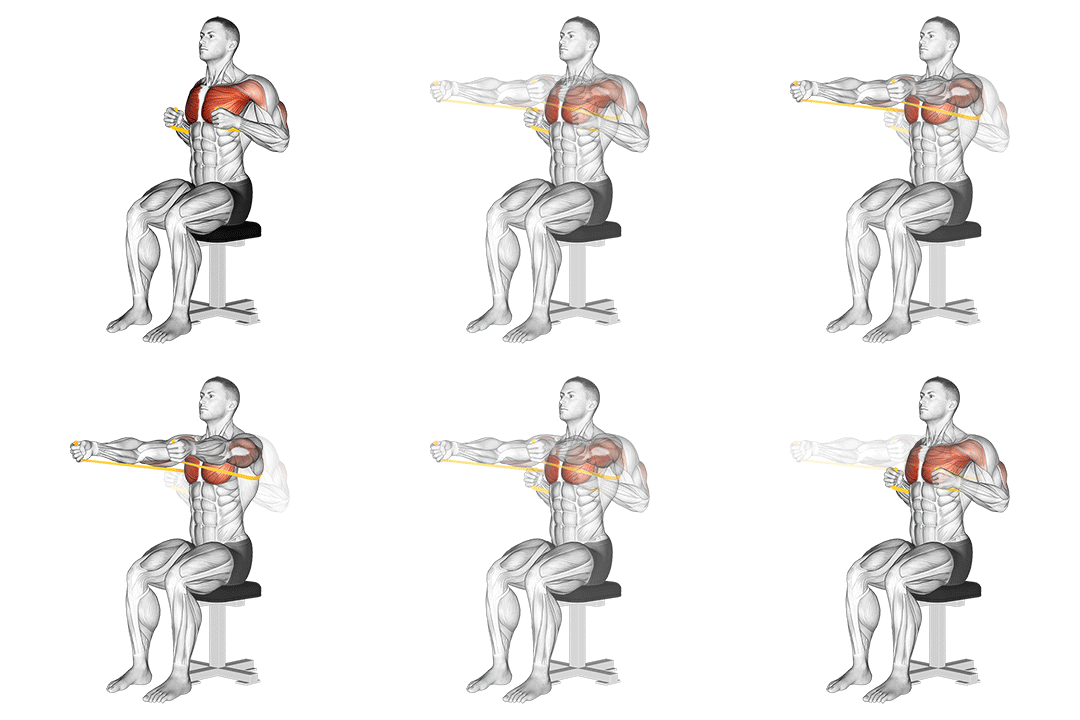
How to Perform Resistance Band Seated Chest Press
- Sit on a chair or bench with your back straight and feet flat on the ground.
- Hold the resistance band handles in each hand, with your palms facing down and elbows bent at a 90-degree angle.
- Extend your arms forward, pushing the resistance band away from your chest.
- Pause for a moment at the end of the movement, then slowly return to the starting position.
- Repeat for the desired number of repetitions.
Ranked Resistance Band Seated Chest Press Alternatives
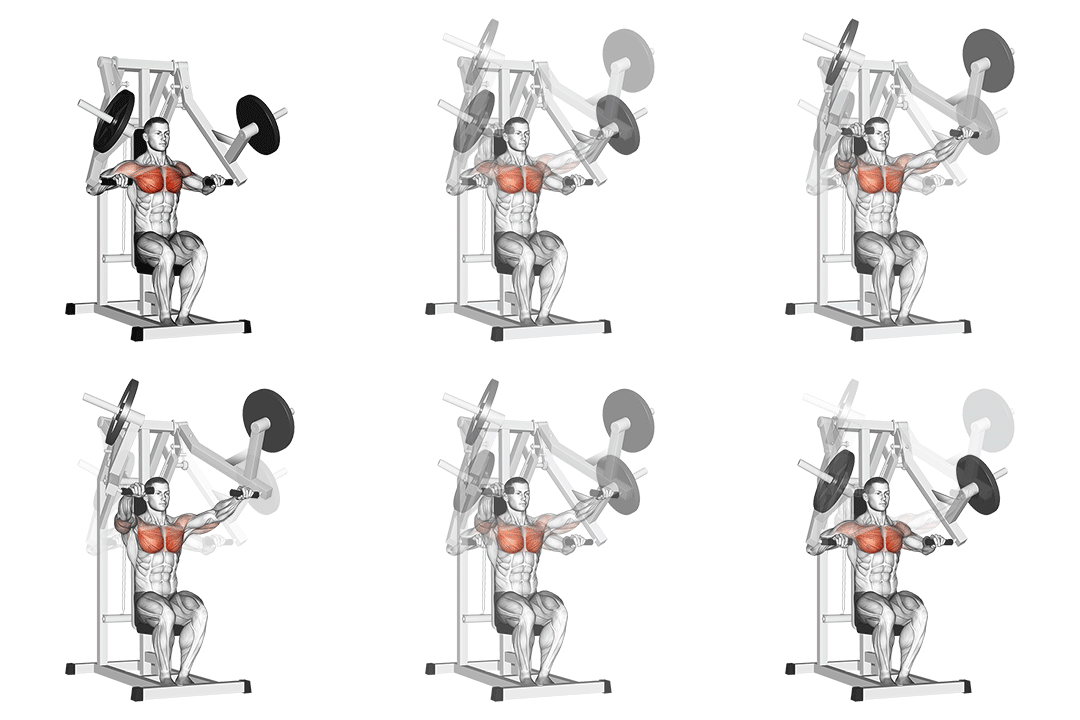
1. Lever Chest Press
88.7% MatchHow to perform this exercise
- Adjust the seat height and position yourself on the machine with your back flat against the pad.
- Grasp the handles with an overhand grip and position your elbows at a 90-degree angle.
- Push the handles forward until your arms are fully extended, exhaling during the movement.
- Pause briefly at the end of the movement, then slowly return to the starting position, inhaling as you do so.
- Repeat for the desired number of repetitions.
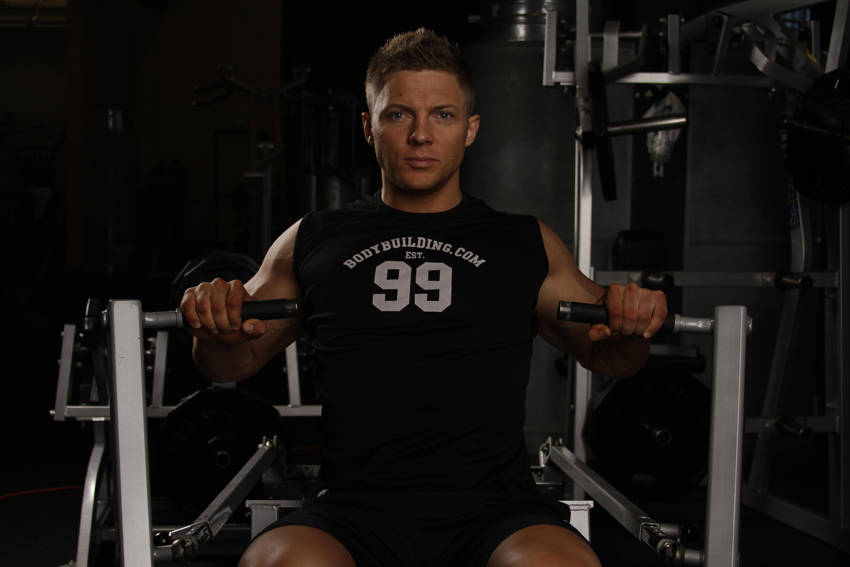
2. Leverage Chest Press
88.7% MatchHow to perform this exercise
- Load an appropriate weight onto the pins and adjust the seat for your height. The handles should be near the bottom or middle of the pectorals at the beginning of the motion.
- Your chest and head should be up and your shoulder blades retracted. This will be your starting position.
- Press the handles forward by extending through the elbow.
- After a brief pause at the top, return the weight just above the start position, keeping tension on the muscles by not returning the weight to the stops until the set is complete.
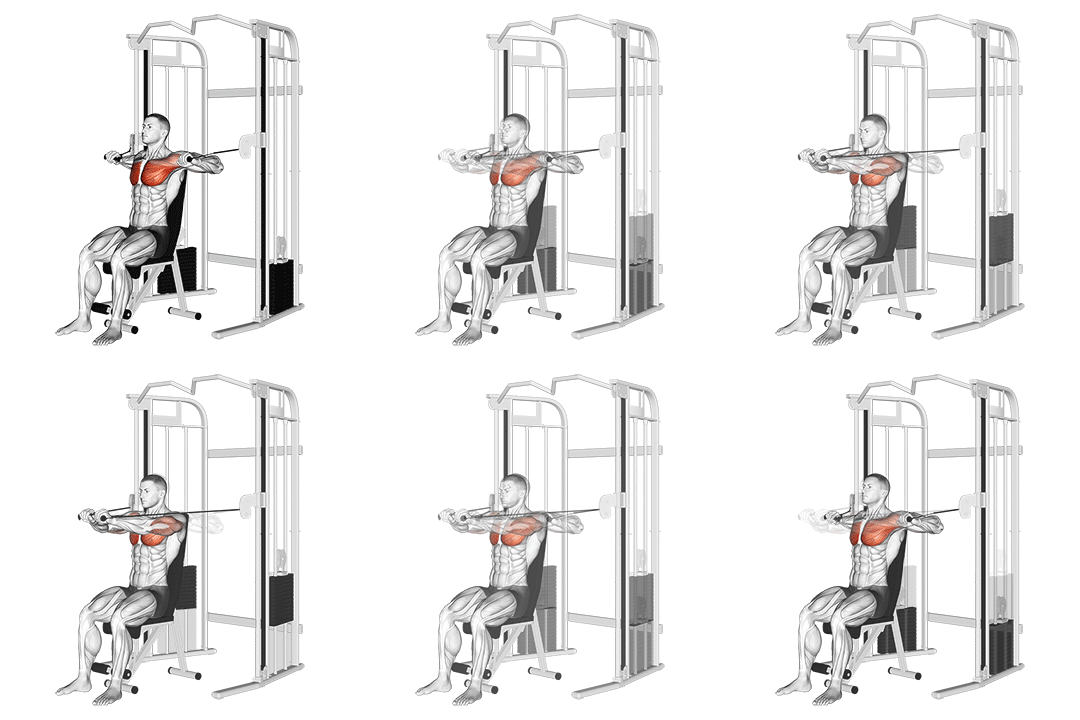
3. Cable Seated Chest Press
86% MatchHow to perform this exercise
- Adjust the seat height and cable handles to a comfortable position.
- Sit on the bench with your back straight and feet flat on the floor.
- Grasp the cable handles with an overhand grip at shoulder height.
- Push the handles forward and away from your body, extending your arms fully.
- Pause for a moment, then slowly bring the handles back to the starting position.
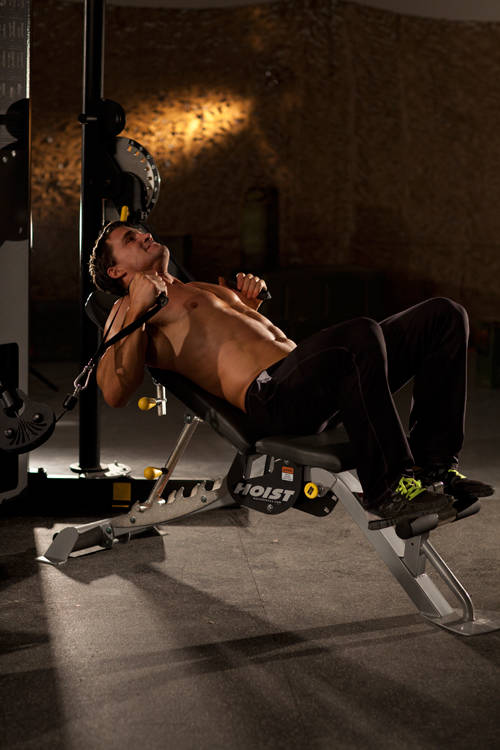
4. Incline Cable Chest Press
78.9% MatchHow to perform this exercise
- Adjust the weight to an appropriate amount and be seated, grasping the handles. Your upper arms should be about 45 degrees to the body, with your head and chest up. The elbows should be bent to about 90 degrees. This will be your starting position.
- Begin by extending through the elbow, pressing the handles together straight in front of you. Keep your shoulder blades retracted as you execute the movement.
- After pausing at full extension, return to the starting position, keeping tension on the cables.
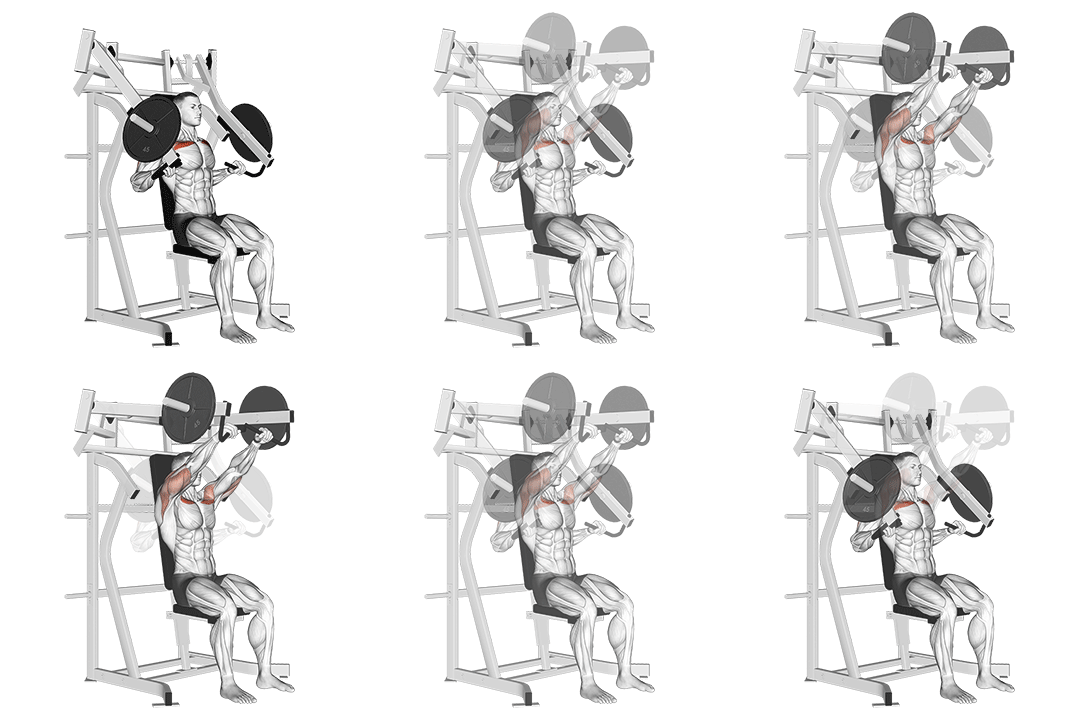
5. Lever Incline Chest Press
78.7% MatchHow to perform this exercise
- Adjust the seat and backrest of the leverage machine to a comfortable position.
- Sit on the machine with your back against the backrest and your feet flat on the floor.
- Grasp the handles with an overhand grip and position your hands slightly wider than shoulder-width apart.
- Push the handles forward and away from your body until your arms are fully extended.
- Pause for a moment, then slowly bend your elbows and lower the handles back towards your chest.
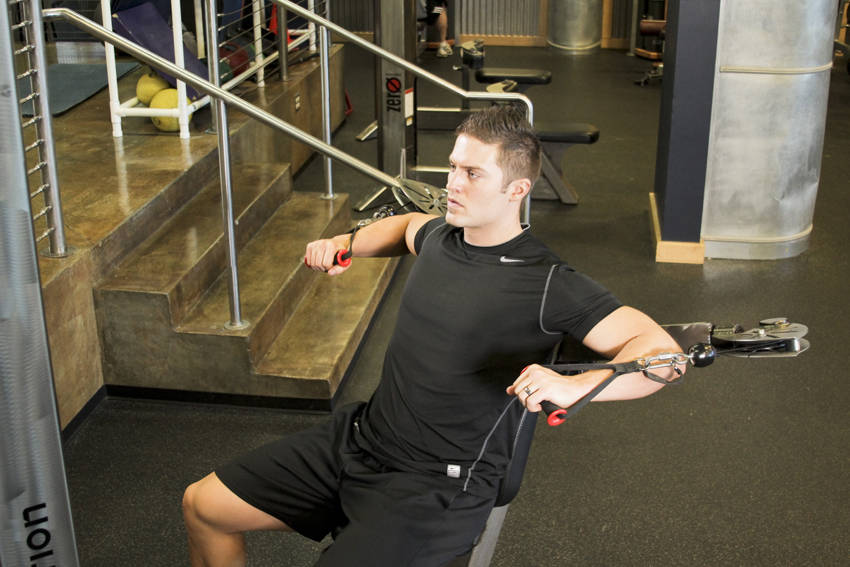
6. Cable Chest Press
77.2% MatchHow to perform this exercise
- Adjust the weight to an appropriate amount and be seated, grasping the handles. Your upper arms should be about 45 degrees to the body, with your head and chest up. The elbows should be bent to about 90 degrees. This will be your starting position.
- Begin by extending through the elbow, pressing the handles together straight in front of you. Keep your shoulder blades retracted as you execute the movement.
- After pausing at full extension, return to th starting position, keeping tension on the cables.
- You can also execute this movement with your back off the pad, at an incline or decline, or alternate hands.
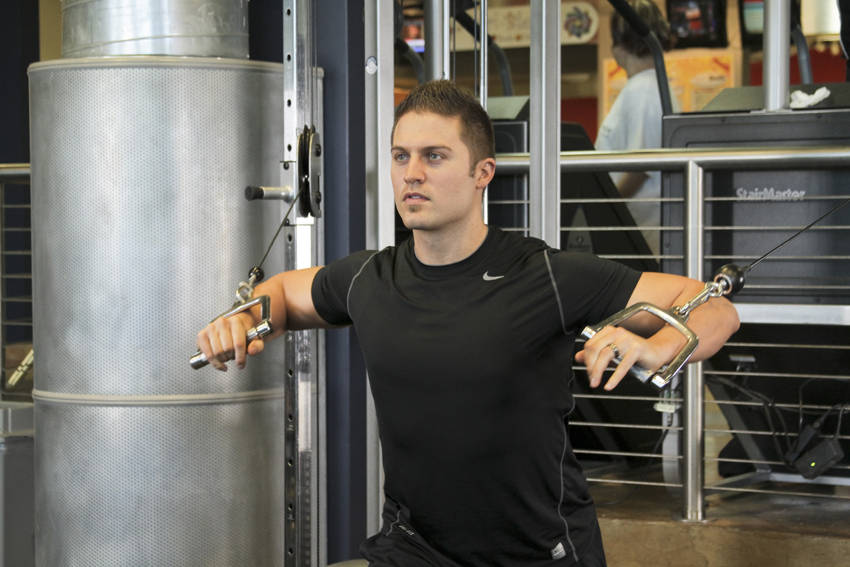
7. Standing Cable Chest Press
76.7% MatchHow to perform this exercise
- Position dual pulleys to chest height and select an appropriate weight. Stand a foot or two in front of the cables, holding one in each hand. You can stagger your stance for better stability.
- Position the upper arm at a 90 degree angle with the shoulder blades together. This will be your starting position.
- Keeping the rest of the body stationary, extend through the elbows to press the handles forward, drawing them together in front of you.
- Pause at the top of the motion, and return to the starting position.
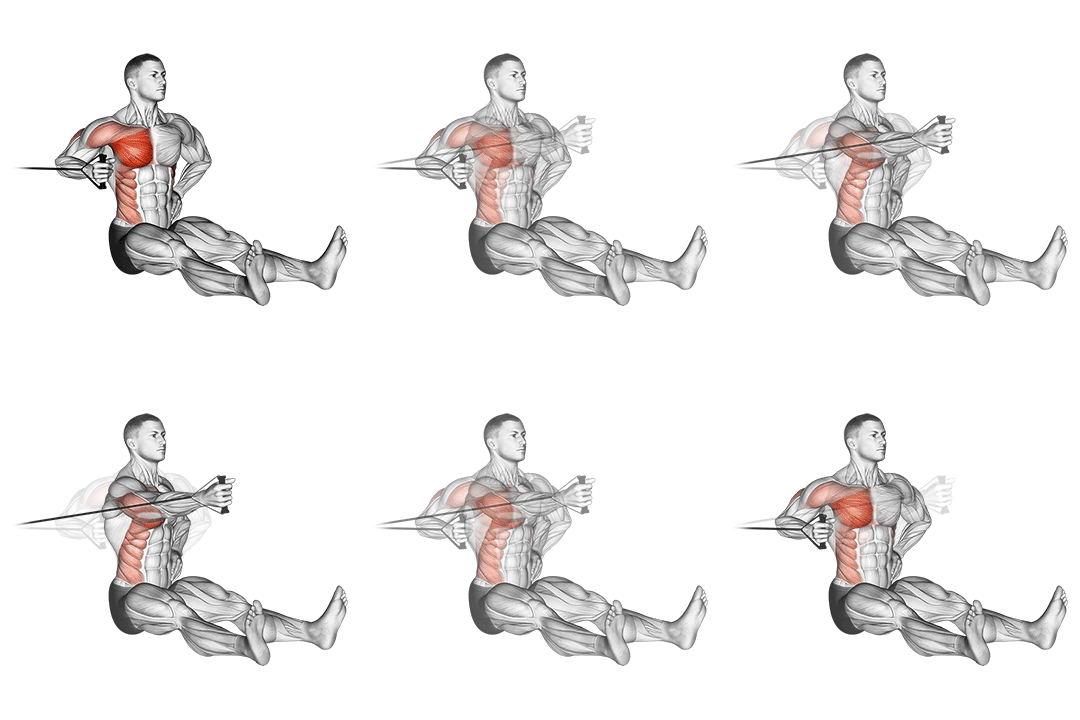
8. Band One Arm Twisting Chest Press
76.2% MatchHow to perform this exercise
- Attach the band to a sturdy anchor point at chest height.
- Stand with your side facing the anchor point and grab the band with one hand.
- Step away from the anchor point to create tension in the band.
- Position your feet shoulder-width apart and slightly bend your knees.
- Bring your hand holding the band across your body, towards the opposite shoulder.
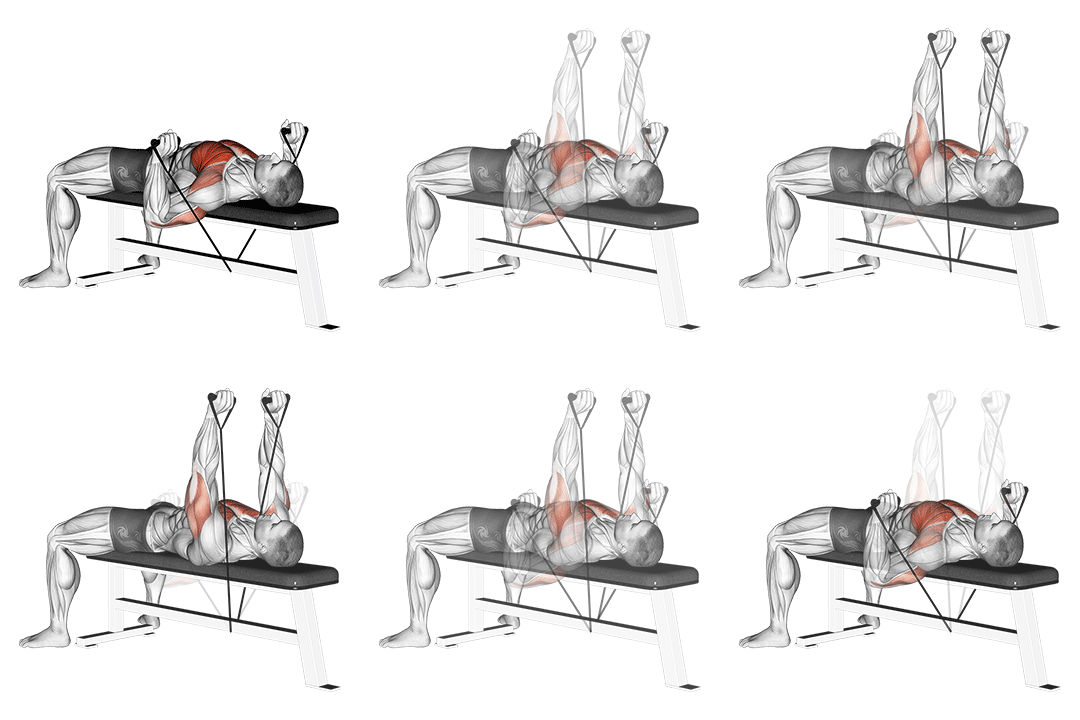
9. Band Bench Press
75.7% MatchHow to perform this exercise
- Lie flat on a bench with your feet flat on the ground and your back pressed against the bench.
- Grasp the band handles with an overhand grip, slightly wider than shoulder-width apart.
- Extend your arms fully, pushing the bands away from your chest.
- Slowly lower the bands back down to your chest, keeping your elbows at a 90-degree angle.
- Repeat for the desired number of repetitions.
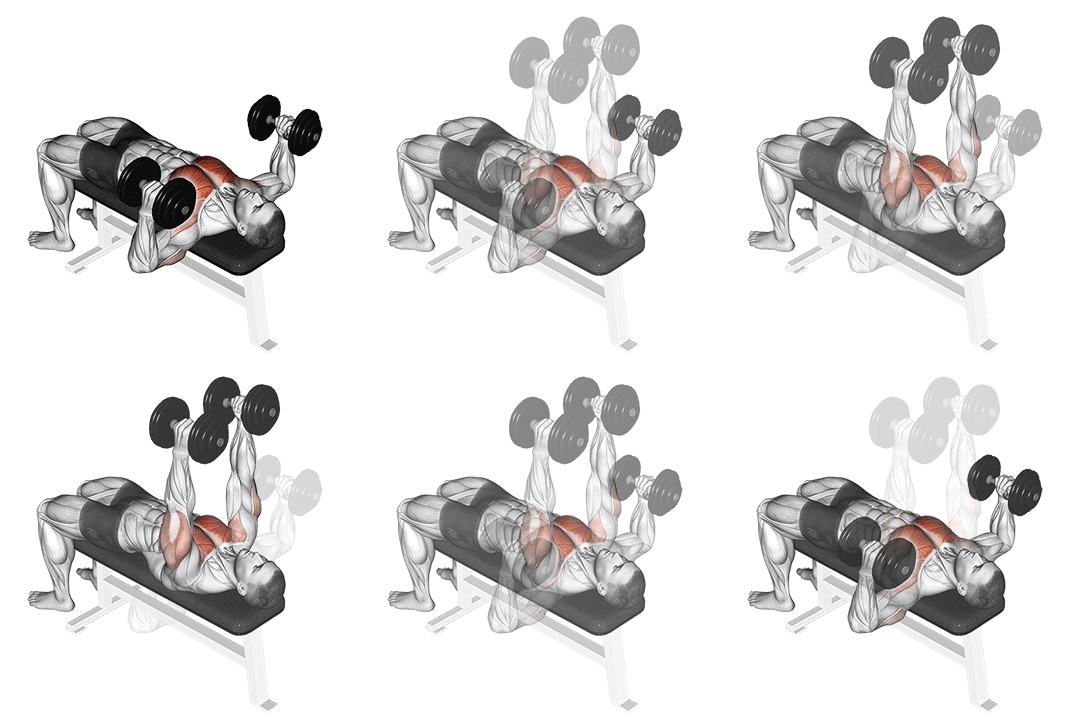
10. Dumbbell Lying Hammer Press
75.3% MatchHow to perform this exercise
- Lie flat on a bench with a dumbbell in each hand, palms facing each other and arms extended straight up.
- Lower the dumbbells to the sides of your chest, keeping your elbows at a 90-degree angle.
- Press the dumbbells back up to the starting position, fully extending your arms.
- Repeat for the desired number of repetitions.
Why You Might Need a Resistance Band Seated Chest Press Alternative
You might substitute the seated band press because of limited equipment, shoulder pain, or the need for heavier loading or unilateral work. Bands emphasize tension through the concentric phase but limit absolute load; barbells and dumbbells let you increase mechanical tension for hypertrophy. Injuries often require reduced shoulder abduction and a more neutral elbow angle, use a floor press or cable press to shorten range of motion and reduce anterior shoulder stress. For rehab or stability goals, pick single-arm band or cable presses to train scapular control and transverse-plane strength. Technique cue: keep elbows at roughly 30–45° from the torso to lower shear and target pectoralis major fibers effectively.
How to Choose the Right Substitute
Match the substitute to your goal, equipment, and injury history. For maximum load and progressive overload choose barbell or dumbbell bench variations; for constant tension and scapular control choose cables or single-arm bands. If shoulder pain limits range, use a floor press to stop at a safe elbow depth and preserve triceps contribution. For core and stability work, select push-up progressions with a neutral spine. Biomechanics cue: prioritize horizontal adduction and scapular retraction on the setup, and maintain a braced core to transfer force through the thorax rather than the lumbar spine.
Frequently Asked Questions
What muscles does Resistance Band Seated Chest Press work?
The movement primarily targets the pectoralis major (sternal head for mid-chest horizontal push) with secondary involvement from the anterior deltoid and triceps brachii. It trains horizontal adduction and requires scapular stabilization from the serratus anterior and trapezius to produce efficient force transfer.
What is the best bodyweight alternative to Resistance Band Seated Chest Press?
A progressive push-up is the best bodyweight substitute, start with incline push-ups, progress to standard, then decline or single-arm push-ups to increase pec demand. Cue: keep a rigid plank line, lower until your chest approaches the hands, and drive through the palms to emphasize horizontal adduction.
Can I build muscle without doing Resistance Band Seated Chest Press?
Yes. You can achieve hypertrophy by applying progressive overload with other horizontal pressing variants, dumbbell bench press, barbell bench, cable press, or weighted push-ups, all target the same pectoral fibers if you control reps, load, and eccentric tempo. Focus on full, controlled ranges and increasing load or volume over time.
More Exercise Alternatives
Find Alternatives for Any Exercise
Use the exercise substitution finder to compare ranked alternatives for your available equipment and training preference.
Try the Exercise Substitution Finder →