

10 Best Band One-arm Twisting Chest Press Alternatives for Limited Equipment
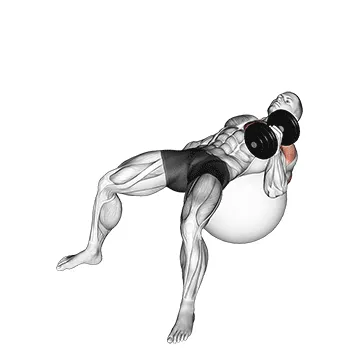
The Band One Arm Twisting Chest Press is done standing with a band. Ranked closest by our scoring: the Dumbbell One Arm Hammer Press On Exercise Ball, the Standing Cable Chest Press and the Dumbbell One Arm Press On Exercise Ball.
Updated Ranked by our 12-factor similarity model How it works
Original Exercise: Band One Arm Twisting Chest Press
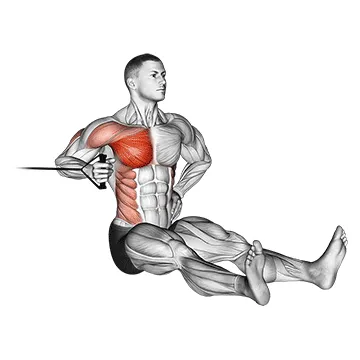
- Primary muscle
- Pectorals
- Equipment
- Band
- Difficulty
- Intermediate
- Type
- Compound
Secondary muscles: Shoulders, Triceps
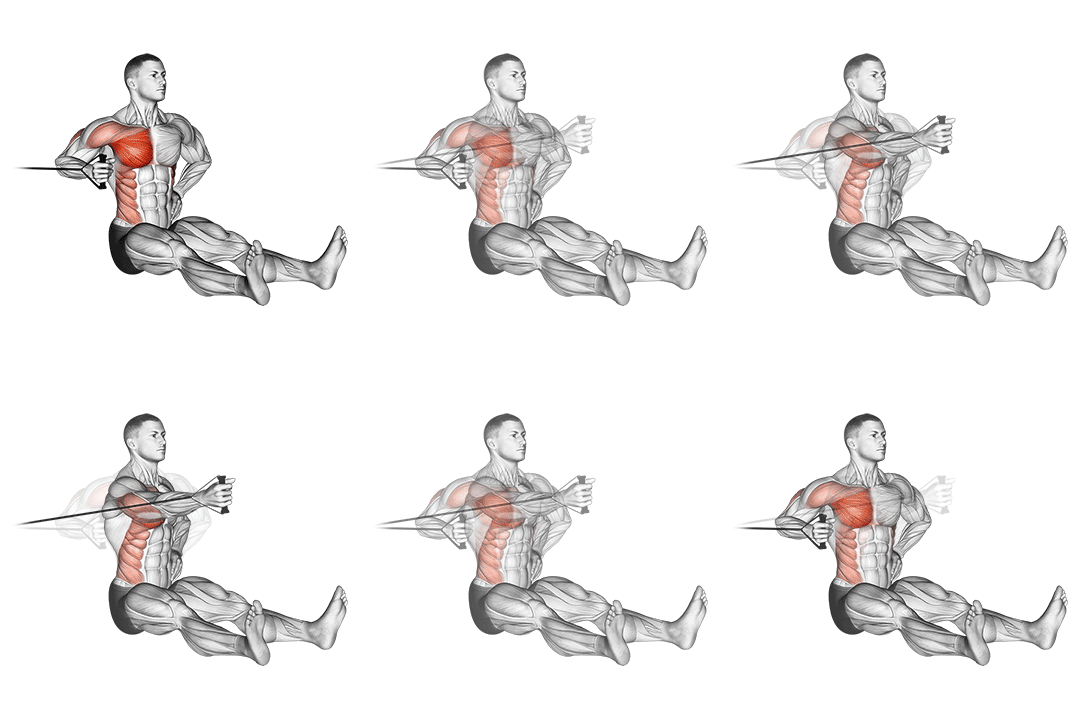
How to perform Band One Arm Twisting Chest Press
- Attach the band to a sturdy anchor point at chest height.
- Stand with your side facing the anchor point and grab the band with one hand.
- Step away from the anchor point to create tension in the band.
- Position your feet shoulder-width apart and slightly bend your knees.
- Bring your hand holding the band across your body, towards the opposite shoulder.
- While maintaining tension in the band, push your hand forward and away from your body, extending your arm.
- Slowly return to the starting position and repeat for the desired number of repetitions.
- Switch sides and repeat the exercise with the other hand.
Ranked Band One Arm Twisting Chest Press Alternatives
10 substitutes, ranked by how closely each one matches the Band One Arm Twisting Chest Press on movement pattern, muscles worked, equipment and body position. The higher the score, the less you change. Open "How to perform this exercise" on a card for the steps; every card title links to that exercise's own alternatives page.
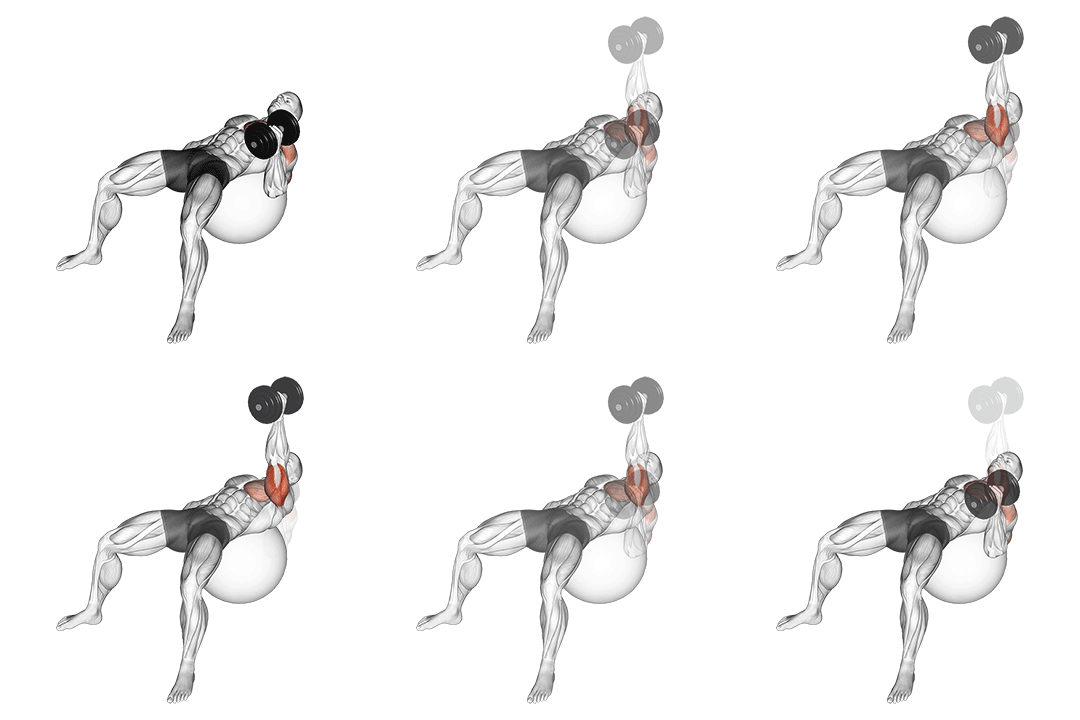
Best match - Pectorals
- Dumbbell
- Advanced
- Compound
A good swap when you have dumbbells to work with, and it still works the pectorals.
How to perform this exercise
- Sit on an exercise ball with your feet flat on the ground and your back straight.
- Hold a dumbbell in one hand with your palm facing inwards and your elbow bent at a 90-degree angle.
- Place your other hand on your hip for stability.
- Press the dumbbell upwards, extending your arm fully.
- Pause for a moment at the top, then slowly lower the dumbbell back to the starting position.
- Repeat for the desired number of repetitions, then switch arms.
Sets and reps: 3 to 5 sets of 5 to 8 reps on each side.
Why this matches
- Movement: flat horizontal press, the same as the Band One Arm Twisting Chest Press
- Primary muscle: pectorals, the same as the Band One Arm Twisting Chest Press
- Equipment: free weights, not a band
- Body position: lying on your back, not standing
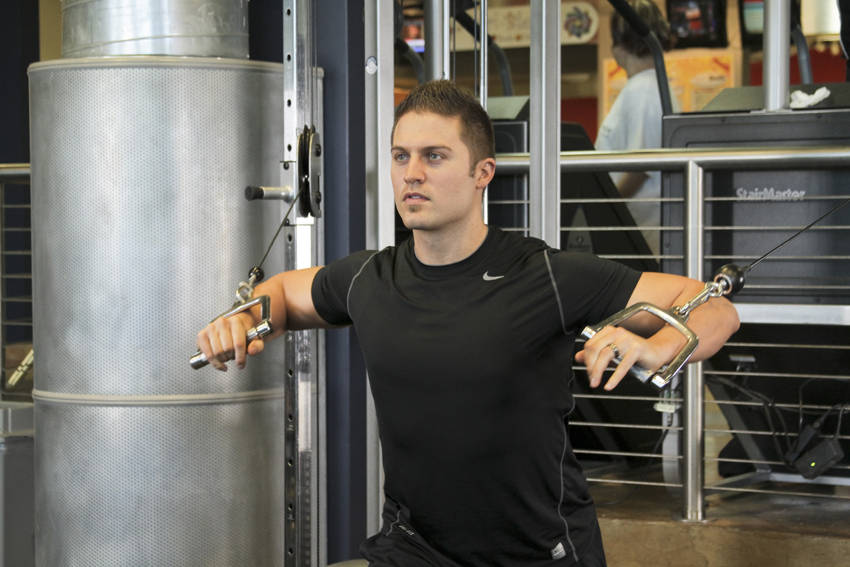
2. Standing Cable Chest Press
80% match- Pectorals
- Cable
- Intermediate
- Compound
A good swap when you have a cable machine to work with, and it still works the pectorals.
How to perform this exercise
- Position dual pulleys to chest height and select an appropriate weight. Stand a foot or two in front of the cables, holding one in each hand. You can stagger your stance for better stability.
- Position the upper arm at a 90 degree angle with the shoulder blades together. This will be your starting position.
- Keeping the rest of the body stationary, extend through the elbows to press the handles forward, drawing them together in front of you.
- Pause at the top of the motion, and return to the starting position.
Sets and reps: 3 or 4 sets of 6 to 10 reps.
Why this matches
- Movement: flat horizontal press, the same as the Band One Arm Twisting Chest Press
- Primary muscle: pectorals, the same as the Band One Arm Twisting Chest Press
- Equipment: a cable, not a band
- Body position: standing, the same as the Band One Arm Twisting Chest Press
- Balance: easier to stay steady on than the Band One Arm Twisting Chest Press
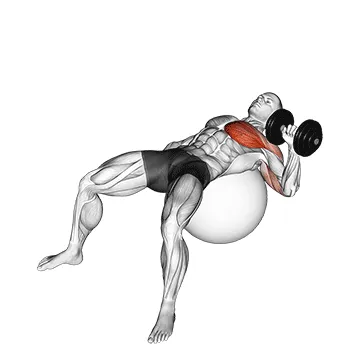
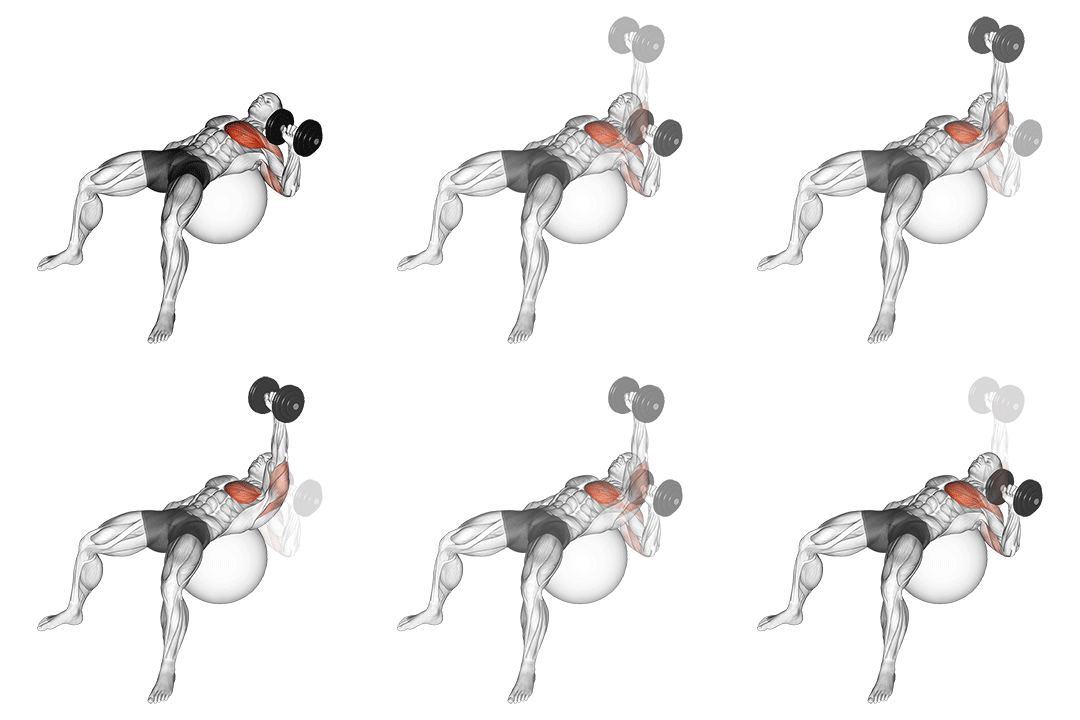
- Pectorals
- Dumbbell
- Intermediate
- Compound
How to perform this exercise
- Sit on an exercise ball with your feet flat on the ground and your knees bent at a 90-degree angle.
- Hold a dumbbell in one hand and position it at shoulder height, with your elbow bent and palm facing forward.
- Slowly press the dumbbell upward until your arm is fully extended, while keeping your core engaged and maintaining balance on the exercise ball.
- Pause for a moment at the top, then slowly lower the dumbbell back to the starting position.
- Repeat for the desired number of repetitions, then switch to the other arm.
Sets and reps: 3 or 4 sets of 6 to 10 reps on each side.
Why this matches
- Movement: flat horizontal press, the same as the Band One Arm Twisting Chest Press
- Primary muscle: pectorals, the same as the Band One Arm Twisting Chest Press
- Equipment: free weights, not a band
- Body position: lying on your back, not standing
- Balance: harder to stay steady on than the Band One Arm Twisting Chest Press
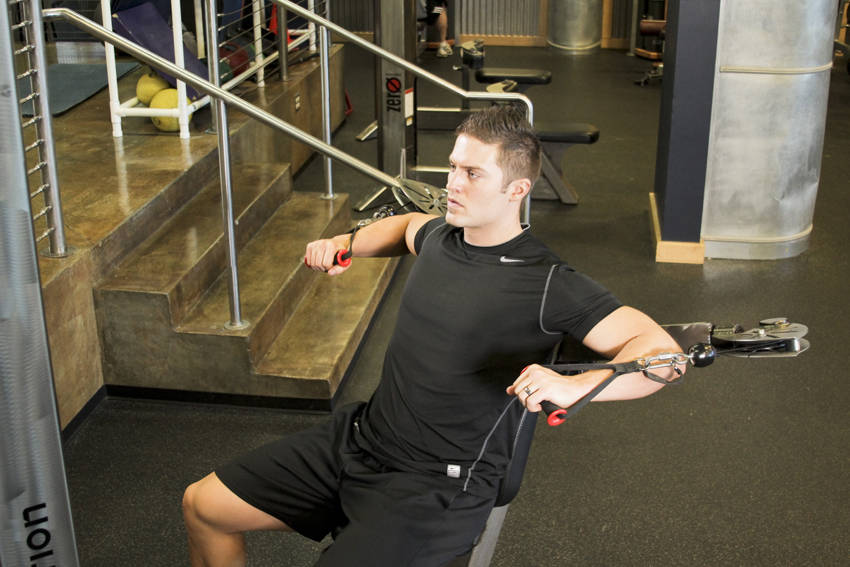
4. Cable Chest Press
79% match- Pectorals
- Cable
- Intermediate
- Compound
How to perform this exercise
- Adjust the weight to an appropriate amount and be seated, grasping the handles. Your upper arms should be about 45 degrees to the body, with your head and chest up. The elbows should be bent to about 90 degrees. This will be your starting position.
- Begin by extending through the elbow, pressing the handles together straight in front of you. Keep your shoulder blades retracted as you execute the movement.
- After pausing at full extension, return to th starting position, keeping tension on the cables.
- You can also execute this movement with your back off the pad, at an incline or decline, or alternate hands.
Sets and reps: 3 or 4 sets of 6 to 10 reps.
Why this matches
- Movement: flat horizontal press, the same as the Band One Arm Twisting Chest Press
- Primary muscle: pectorals, the same as the Band One Arm Twisting Chest Press
- Equipment: a cable, not a band
- Body position: standing, the same as the Band One Arm Twisting Chest Press
- Balance: easier to stay steady on than the Band One Arm Twisting Chest Press
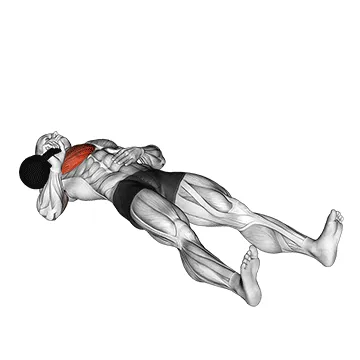
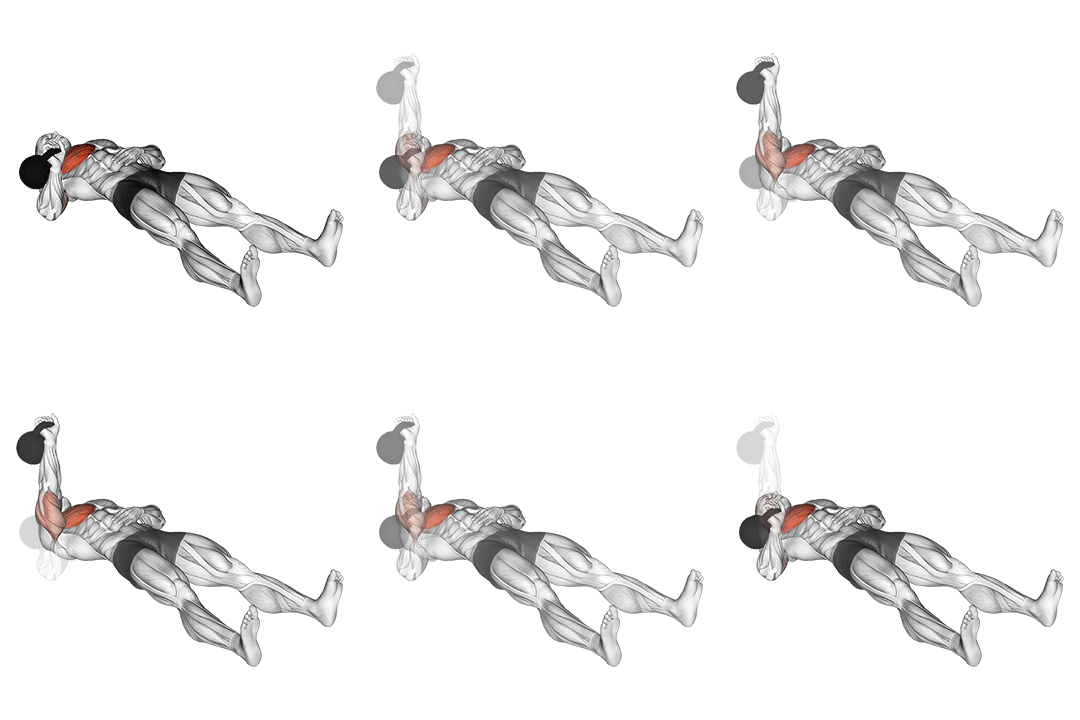
5. Kettlebell One Arm Floor Press
78% match- Pectorals
- Kettlebell
- Intermediate
- Compound
A good swap when you have a kettlebell to work with, and it still works the pectorals.
How to perform this exercise
- Lie flat on your back on the floor with your knees bent and feet flat on the ground.
- Hold the kettlebell in one hand with your palm facing towards your feet and your arm extended straight up towards the ceiling.
- Slowly lower the kettlebell towards your chest by bending your elbow, keeping your upper arm close to your body.
- Pause for a moment when the kettlebell is just above your chest, then push it back up to the starting position by extending your elbow.
- Repeat for the desired number of repetitions, then switch to the other arm.
Sets and reps: 3 or 4 sets of 6 to 10 reps on each side.
Why this matches
- Movement: flat horizontal press, the same as the Band One Arm Twisting Chest Press
- Primary muscle: pectorals, the same as the Band One Arm Twisting Chest Press
- Equipment: free weights, not a band
- Body position: lying on your back, not standing
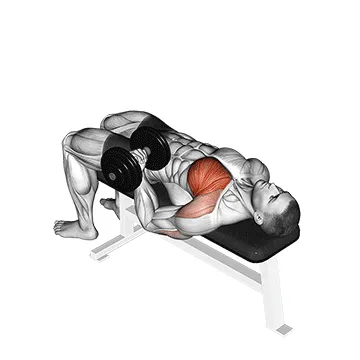
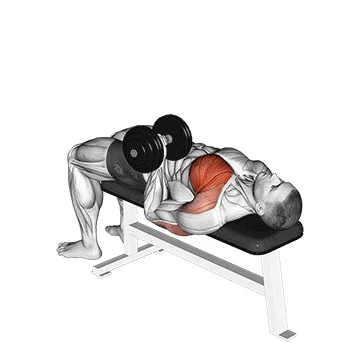
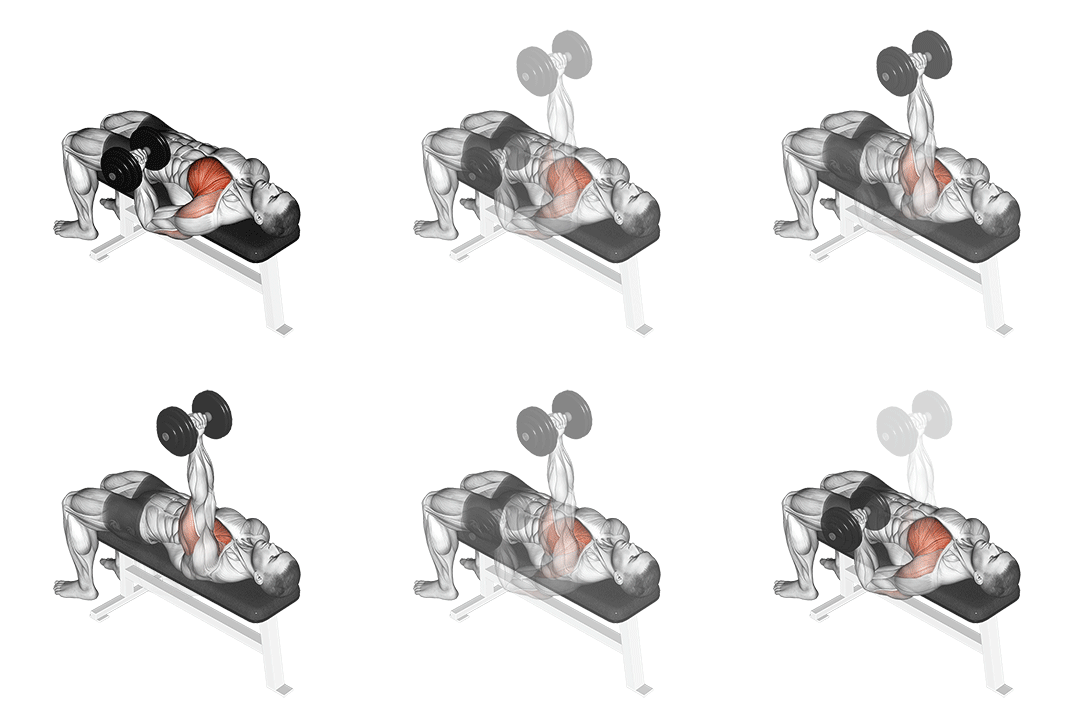
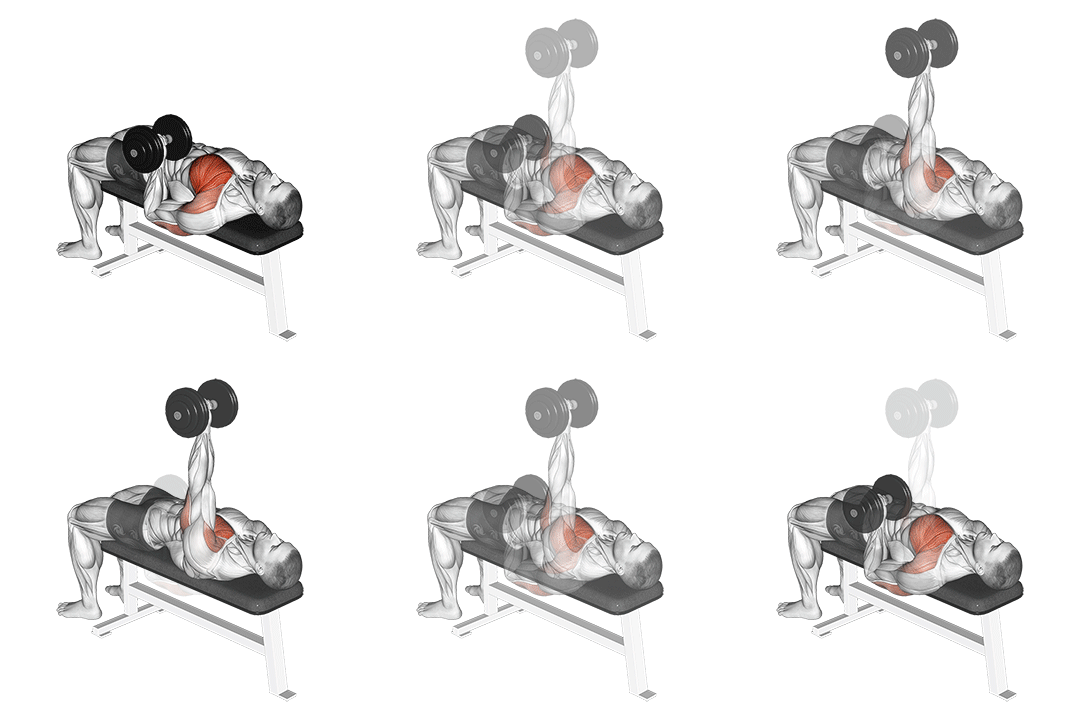
6. Dumbbell Lying One Arm Press
77% match- Pectorals
- Dumbbell
- Intermediate
- Compound
How to perform this exercise
- Lie flat on a bench with a dumbbell in one hand and your feet flat on the ground.
- Hold the dumbbell at shoulder level with your palm facing forward.
- Press the dumbbell upward until your arm is fully extended.
- Pause for a moment at the top, then slowly lower the dumbbell back to the starting position.
- Repeat for the desired number of repetitions, then switch to the other arm.
Sets and reps: 3 or 4 sets of 6 to 10 reps on each side.
Why this matches
- Movement: flat horizontal press, the same as the Band One Arm Twisting Chest Press
- Primary muscle: pectorals, the same as the Band One Arm Twisting Chest Press
- Equipment: free weights, not a band
- Body position: lying on your back, not standing
- Pectorals
- Dumbbell
- Intermediate
- Compound
How to perform this exercise
- Sit on a flat bench with a dumbbell in one hand, palm facing towards your body.
- Place your feet flat on the ground and keep your back straight.
- Raise the dumbbell to shoulder height, keeping your elbow close to your body.
- Press the dumbbell upwards until your arm is fully extended.
- Pause for a moment at the top, then slowly lower the dumbbell back to the starting position.
- Repeat for the desired number of repetitions, then switch to the other arm.
Sets and reps: 3 or 4 sets of 6 to 10 reps on each side.
Why this matches
- Movement: flat horizontal press, the same as the Band One Arm Twisting Chest Press
- Primary muscle: pectorals, the same as the Band One Arm Twisting Chest Press
- Equipment: free weights, not a band
- Body position: seated, not standing
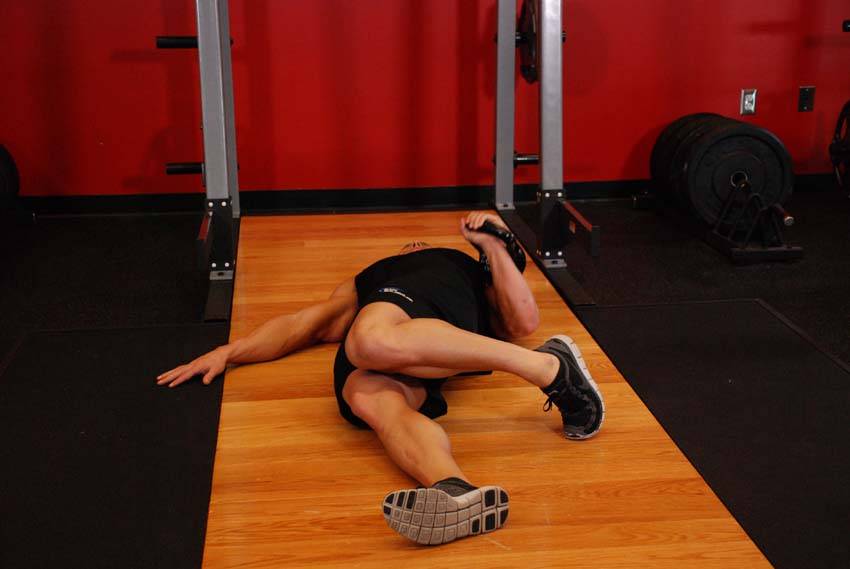
- Pectorals
- Kettlebell
- Intermediate
- Compound
How to perform this exercise
- Lie on the floor and position a kettlebell for one arm to press. The kettlebell should be held by the handle. The leg on the same side that you are pressing should be bent, with the knee crossing over the midline of the body.
- Press the kettlebell by extending the elbow and adducting the arm, pressing it above your body. Return to the starting position.
Sets and reps: 3 or 4 sets of 6 to 10 reps on each side.
Why this matches
- Movement: flat horizontal press, the same as the Band One Arm Twisting Chest Press
- Primary muscle: pectorals, the same as the Band One Arm Twisting Chest Press
- Equipment: free weights, not a band
- Body position: lying on your back, not standing
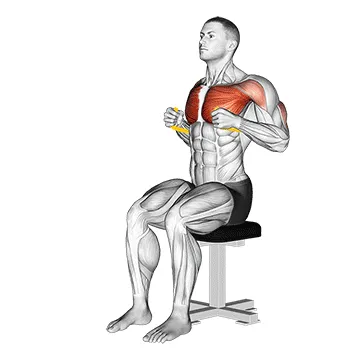
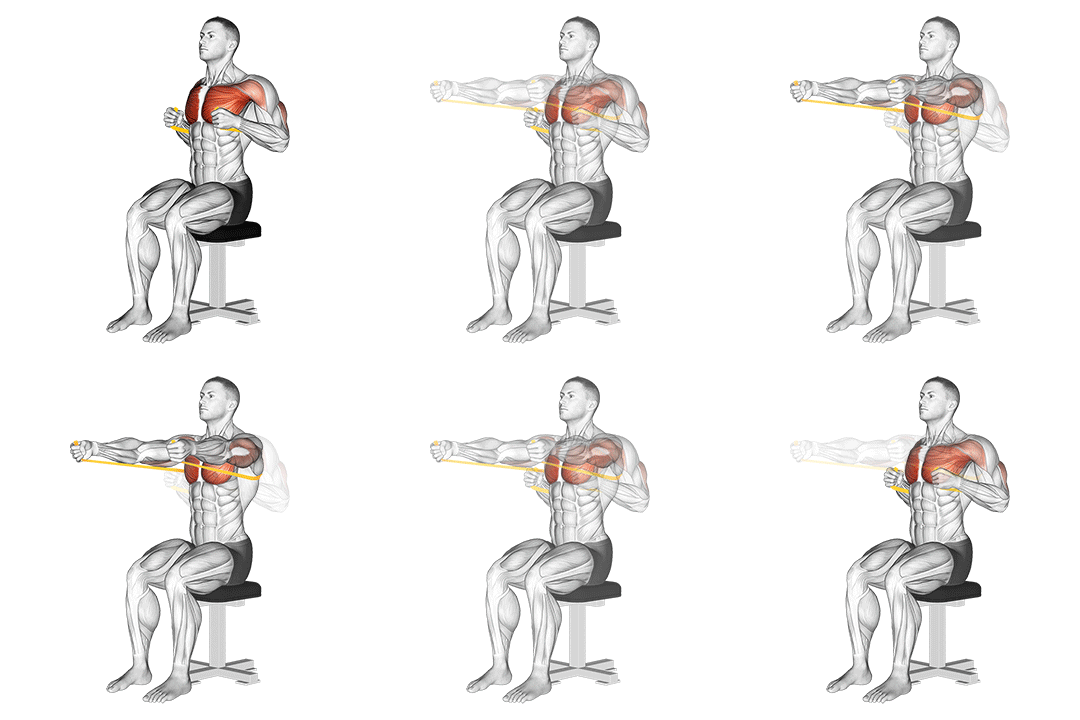
- Pectorals
- Band
- Intermediate
- Compound
How to perform this exercise
- Sit on a chair or bench with your back straight and feet flat on the ground.
- Hold the resistance band handles in each hand, with your palms facing down and elbows bent at a 90-degree angle.
- Extend your arms forward, pushing the resistance band away from your chest.
- Pause for a moment at the end of the movement, then slowly return to the starting position.
- Repeat for the desired number of repetitions.
Sets and reps: 3 or 4 sets of 6 to 10 reps.
Why this matches
- Movement: flat horizontal press, the same as the Band One Arm Twisting Chest Press
- Primary muscle: pectorals, the same as the Band One Arm Twisting Chest Press
- Equipment: a band, the same as the Band One Arm Twisting Chest Press
- Body position: seated, not standing
- Balance: easier to stay steady on than the Band One Arm Twisting Chest Press
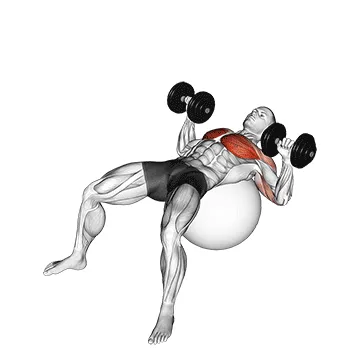
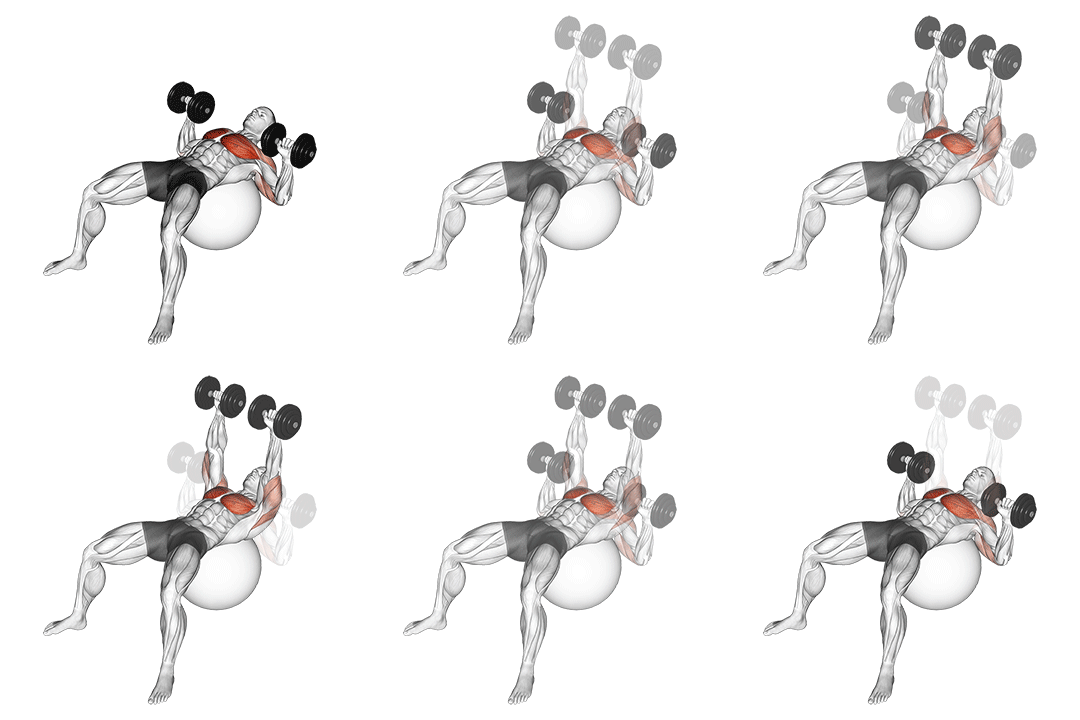
10. Dumbbell Press On Exercise Ball
74% match- Pectorals
- Dumbbell
- Intermediate
- Compound
How to perform this exercise
- Sit on an exercise ball with your feet flat on the ground and dumbbells in each hand, resting on your thighs.
- Slowly walk your feet forward, rolling the exercise ball until your lower back is supported on the ball and your knees are at a 90-degree angle.
- Raise the dumbbells to shoulder height, palms facing forward.
- Press the dumbbells upward until your arms are fully extended.
- Pause for a moment at the top, then slowly lower the dumbbells back to the starting position.
- Repeat for the desired number of repetitions.
Sets and reps: 3 or 4 sets of 6 to 10 reps.
Why this matches
- Movement: flat horizontal press, the same as the Band One Arm Twisting Chest Press
- Primary muscle: pectorals, the same as the Band One Arm Twisting Chest Press
- Equipment: free weights, not a band
- Body position: lying on your back, not standing
How to Choose the Right Band One Arm Twisting Chest Press Substitute
Match the original exercise's key mechanics: unilateral load, horizontal adduction, and rotational component. For hypertrophy choose an alternative that allows 6–12 reps per set; for strength pick 3–6 reps with heavier load. Assess shoulder tolerance, if rotation aggravates the joint, pick a stable single-arm dumbbell press with a 2–3 second eccentric and elbow tuck. If you lack weight, use cables or bands and focus on full ROM with scapular control. Prioritize exercises that let you cue pectoral contraction (press through the palm, feel the clavicular vs sternocostal fibers) and control transverse plane torque to protect the shoulder.
Band One Arm Twisting Chest Press FAQ
What muscles does Band One Arm Twisting Chest Press work?
The exercise primarily targets the pectoralis major through horizontal adduction and internal rotation, with secondary activation of the anterior deltoid and triceps. It also demands scapular stabilizers and core anti-rotation to control transverse plane torque.
Find Alternatives for Any Exercise
Search the exercise database and filter the ranked substitutes by the equipment you own.
Similarity scores compare exercise metadata such as movement pattern, muscles, equipment and body position. They are not a safety rating or a check that you own the equipment. Learn about our methodology