

10 Best Alternating Floor Press Alternatives for Home Training
The Alternating Floor Press is done lying on your back with a kettlebell. Ranked closest by our scoring: the Extended Range One-arm Kettlebell Floor Press, the One-arm Kettlebell Floor Press and the Dumbbell Lying Hammer Press.
Updated Ranked by our 12-factor similarity model How it works
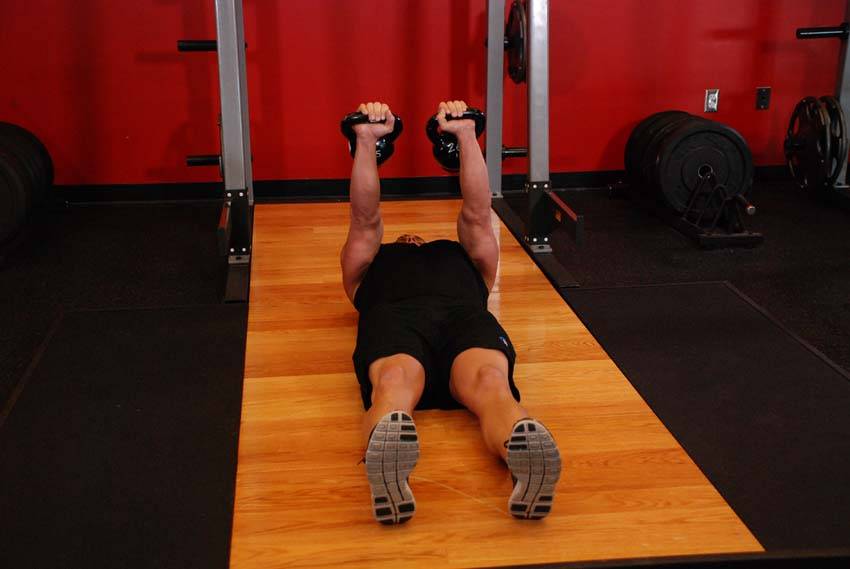
Original Exercise: Alternating Floor Press
- Primary muscle
- Pectorals
- Equipment
- Kettlebell
- Difficulty
- Intermediate
- Type
- Compound
Secondary muscles: Abdominals, Shoulders, Triceps
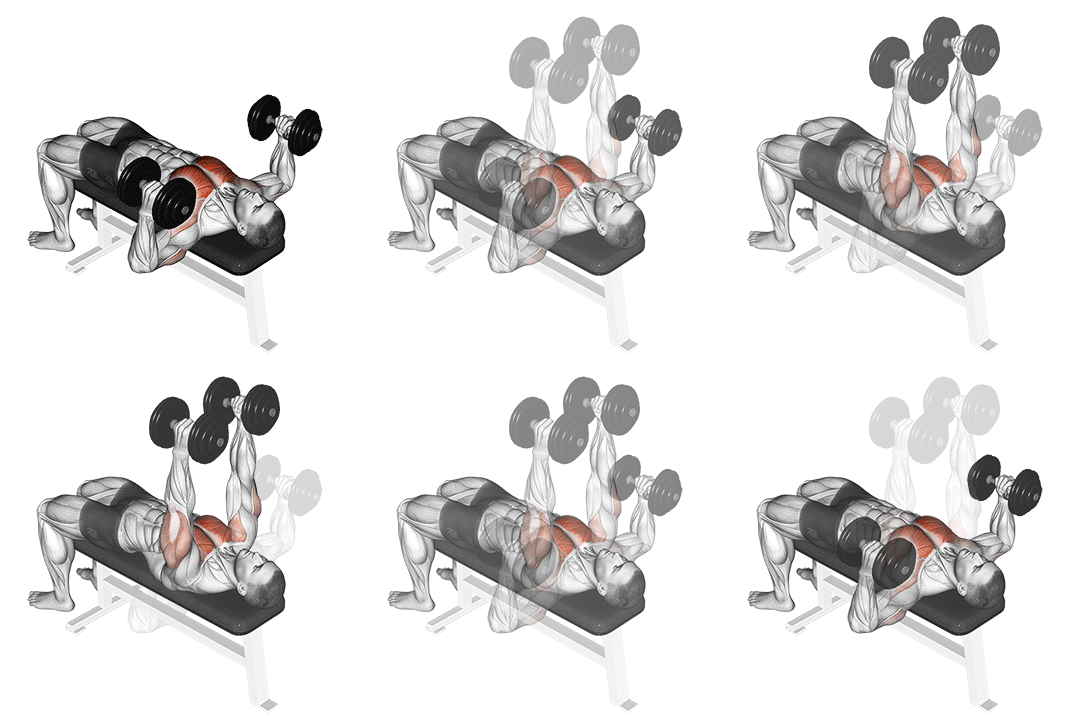
How to perform Alternating Floor Press
- Lie on the floor with two kettlebells next to your shoulders.
- Position one in place on your chest and then the other, gripping the kettlebells on the handle with the palms facing forward.
- Extend both arms, so that the kettlebells are being held above your chest. Lower one kettlebell, bringing it to your chest and turn the wrist in the direction of the locked out kettlebell.
- Raise the kettlebell and repeat on the opposite side.
Ranked Alternating Floor Press Alternatives
10 substitutes, ranked by how closely each one matches the Alternating Floor Press on movement pattern, muscles worked, equipment and body position. The higher the score, the less you change. Open "How to perform this exercise" on a card for the steps; every card title links to that exercise's own alternatives page.
Best match 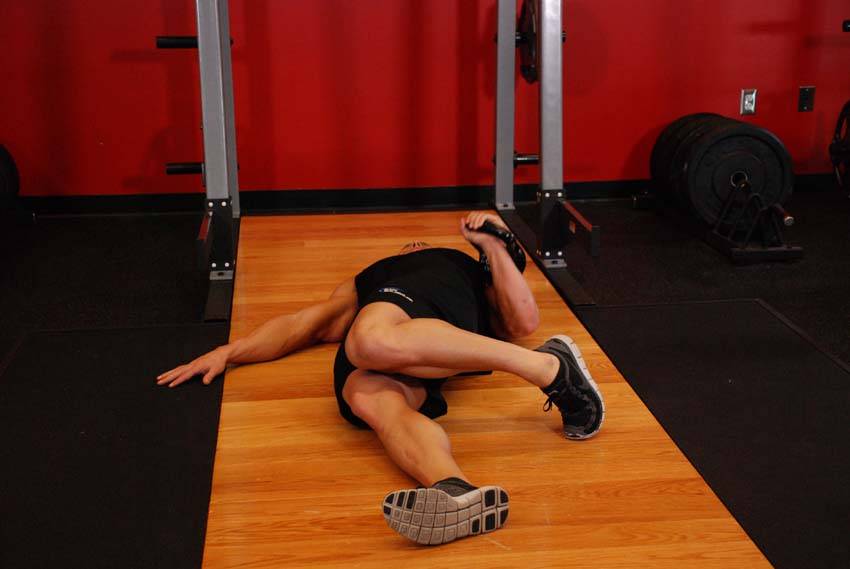
- Pectorals
- Kettlebell
- Intermediate
- Compound
It uses the same equipment and still works the pectorals.
How to perform this exercise
- Lie on the floor and position a kettlebell for one arm to press. The kettlebell should be held by the handle. The leg on the same side that you are pressing should be bent, with the knee crossing over the midline of the body.
- Press the kettlebell by extending the elbow and adducting the arm, pressing it above your body. Return to the starting position.
Sets and reps: 3 or 4 sets of 6 to 10 reps on each side.
Why this matches
- Movement: flat horizontal press, the same as the Alternating Floor Press
- Primary muscle: pectorals, the same as the Alternating Floor Press
- Equipment: free weights, the same as the Alternating Floor Press
- Body position: lying on your back, the same as the Alternating Floor Press
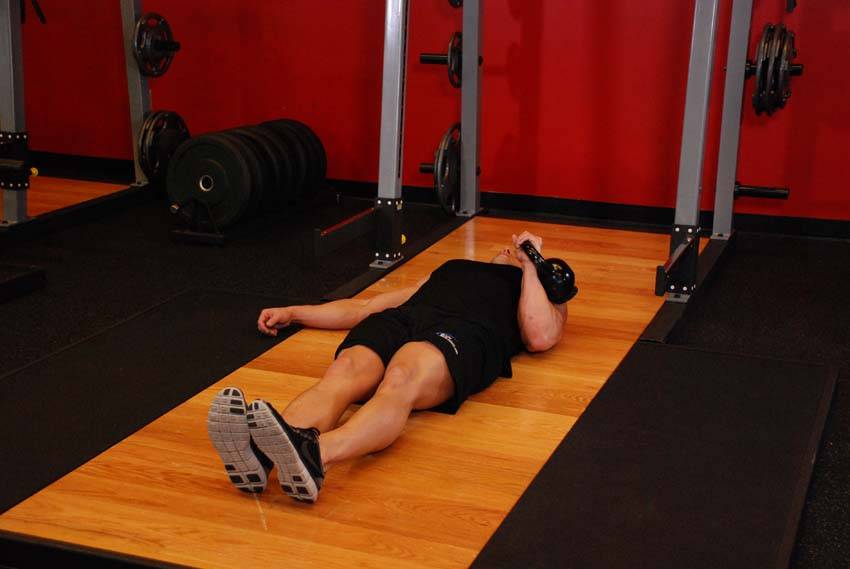
2. One-arm Kettlebell Floor Press
93% match- Pectorals
- Kettlebell
- Intermediate
- Compound
How to perform this exercise
- Lie on the floor holding a kettlebell with one hand, with your upper arm supported by the floor. The palm should be facing in.
- Press the kettlebell straight up toward the ceiling, rotating your wrist.
- Lower the kettlebell back to the starting position and repeat.
Sets and reps: 3 or 4 sets of 6 to 10 reps on each side.
Why this matches
- Movement: flat horizontal press, the same as the Alternating Floor Press
- Primary muscle: pectorals, the same as the Alternating Floor Press
- Equipment: free weights, the same as the Alternating Floor Press
- Body position: lying on your back, the same as the Alternating Floor Press
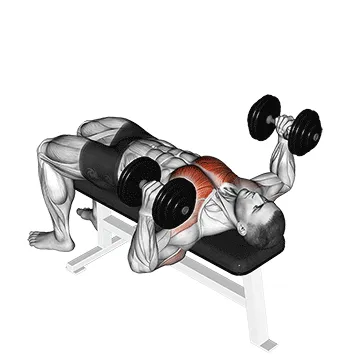
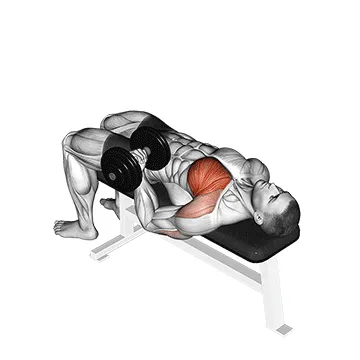
3. Dumbbell Lying Hammer Press
88% match- Pectorals
- Dumbbell
- Intermediate
- Compound
A good swap when you have dumbbells to work with, and it still works the pectorals.
How to perform this exercise
- Lie flat on a bench with a dumbbell in each hand, palms facing each other and arms extended straight up.
- Lower the dumbbells to the sides of your chest, keeping your elbows at a 90-degree angle.
- Press the dumbbells back up to the starting position, fully extending your arms.
- Repeat for the desired number of repetitions.
Sets and reps: 3 or 4 sets of 6 to 10 reps.
Why this matches
- Movement: flat horizontal press, the same as the Alternating Floor Press
- Primary muscle: pectorals, the same as the Alternating Floor Press
- Equipment: free weights, the same as the Alternating Floor Press
- Body position: lying on your back, the same as the Alternating Floor Press
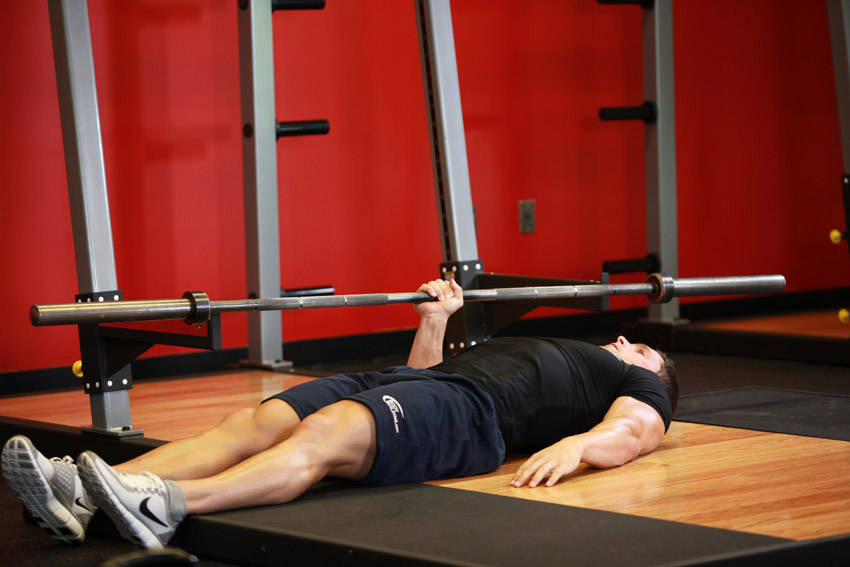
4. One Arm Floor Press
88% match- Pectorals
- Barbell
- Advanced
- Compound
A good swap when you have a barbell to work with, and it still works the pectorals.
How to perform this exercise
- Lie down on a flat surface with your back pressing against the floor or an exercise mat. Make sure your knees are bent.
- Have a partner hand you the bar on one hand. When starting, your arm should be just about fully extended, similar to the starting position of a barbell bench press. However, this time your grip will be neutral (palms facing your torso).
- Make sure the hand you are not using to lift the weight is placed by your side.
- Begin the exercise by lowering the barbell until your elbow touches the ground. Make sure to breathe in as this is the eccentric (lowering part of the exercise).
- Then start lifting the barbell back up to the original starting position. Remember to breathe out during the concentric (lifting part of the exercise).
- Repeat until you have performed your recommended repetitions.
- Switch arms and repeat the movement.
Sets and reps: 3 to 5 sets of 5 to 8 reps on each side.
Why this matches
- Movement: flat horizontal press, the same as the Alternating Floor Press
- Primary muscle: pectorals, the same as the Alternating Floor Press
- Equipment: free weights, the same as the Alternating Floor Press
- Body position: lying on your back, the same as the Alternating Floor Press
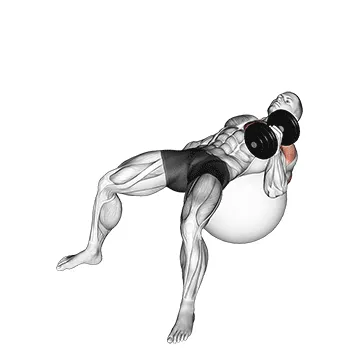
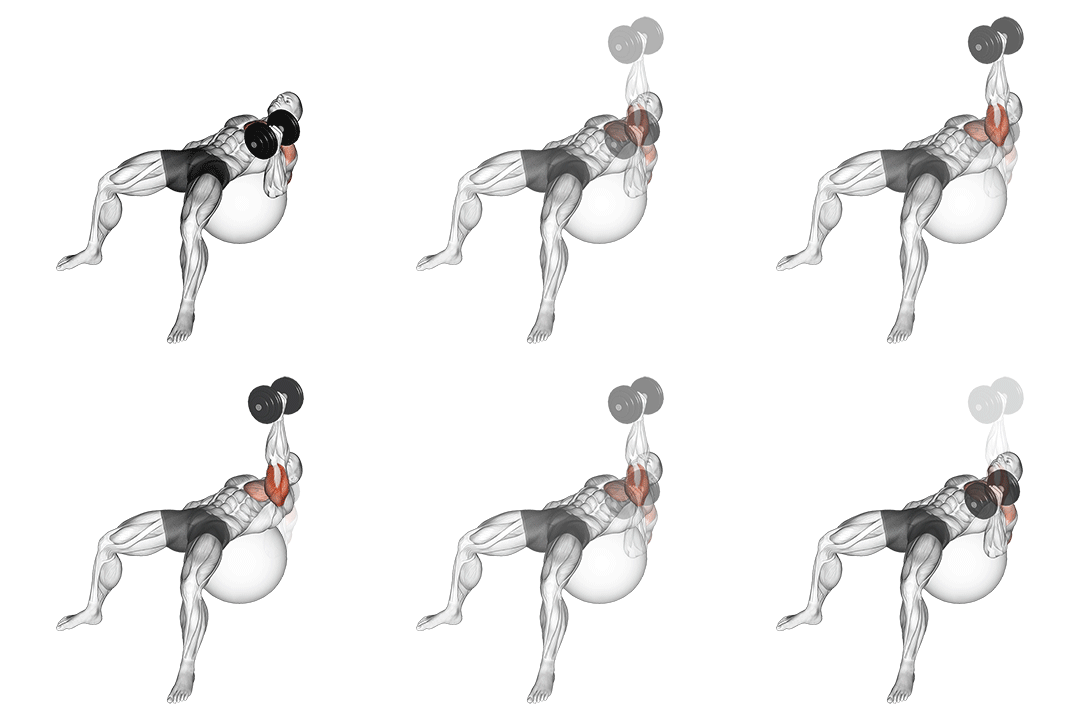
- Pectorals
- Dumbbell
- Advanced
- Compound
How to perform this exercise
- Sit on an exercise ball with your feet flat on the ground and your back straight.
- Hold a dumbbell in one hand with your palm facing inwards and your elbow bent at a 90-degree angle.
- Place your other hand on your hip for stability.
- Press the dumbbell upwards, extending your arm fully.
- Pause for a moment at the top, then slowly lower the dumbbell back to the starting position.
- Repeat for the desired number of repetitions, then switch arms.
Sets and reps: 3 to 5 sets of 5 to 8 reps on each side.
Why this matches
- Movement: flat horizontal press, the same as the Alternating Floor Press
- Primary muscle: pectorals, the same as the Alternating Floor Press
- Equipment: free weights, the same as the Alternating Floor Press
- Body position: lying on your back, the same as the Alternating Floor Press
- Balance: harder to stay steady on than the Alternating Floor Press
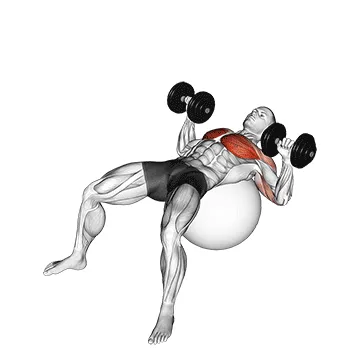
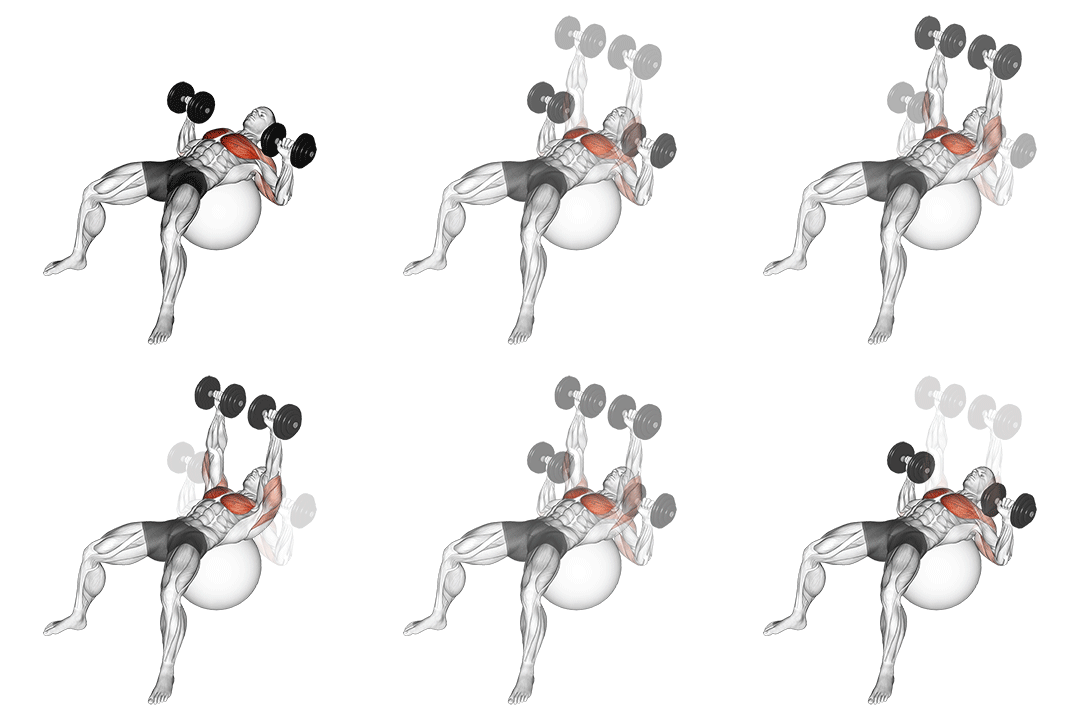
6. Dumbbell Press On Exercise Ball
87% match- Pectorals
- Dumbbell
- Intermediate
- Compound
How to perform this exercise
- Sit on an exercise ball with your feet flat on the ground and dumbbells in each hand, resting on your thighs.
- Slowly walk your feet forward, rolling the exercise ball until your lower back is supported on the ball and your knees are at a 90-degree angle.
- Raise the dumbbells to shoulder height, palms facing forward.
- Press the dumbbells upward until your arms are fully extended.
- Pause for a moment at the top, then slowly lower the dumbbells back to the starting position.
- Repeat for the desired number of repetitions.
Sets and reps: 3 or 4 sets of 6 to 10 reps.
Why this matches
- Movement: flat horizontal press, the same as the Alternating Floor Press
- Primary muscle: pectorals, the same as the Alternating Floor Press
- Equipment: free weights, the same as the Alternating Floor Press
- Body position: lying on your back, the same as the Alternating Floor Press
- Balance: harder to stay steady on than the Alternating Floor Press
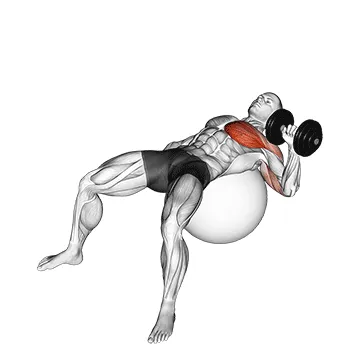
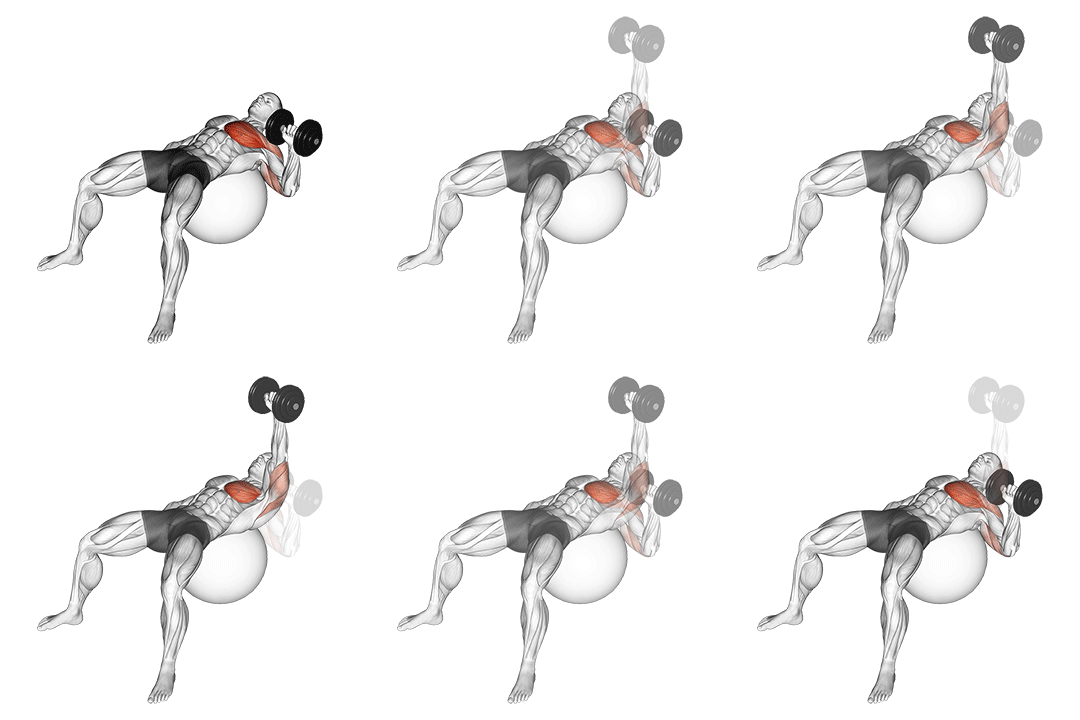
- Pectorals
- Dumbbell
- Intermediate
- Compound
How to perform this exercise
- Sit on an exercise ball with your feet flat on the ground and your knees bent at a 90-degree angle.
- Hold a dumbbell in one hand and position it at shoulder height, with your elbow bent and palm facing forward.
- Slowly press the dumbbell upward until your arm is fully extended, while keeping your core engaged and maintaining balance on the exercise ball.
- Pause for a moment at the top, then slowly lower the dumbbell back to the starting position.
- Repeat for the desired number of repetitions, then switch to the other arm.
Sets and reps: 3 or 4 sets of 6 to 10 reps on each side.
Why this matches
- Movement: flat horizontal press, the same as the Alternating Floor Press
- Primary muscle: pectorals, the same as the Alternating Floor Press
- Equipment: free weights, the same as the Alternating Floor Press
- Body position: lying on your back, the same as the Alternating Floor Press
- Balance: harder to stay steady on than the Alternating Floor Press
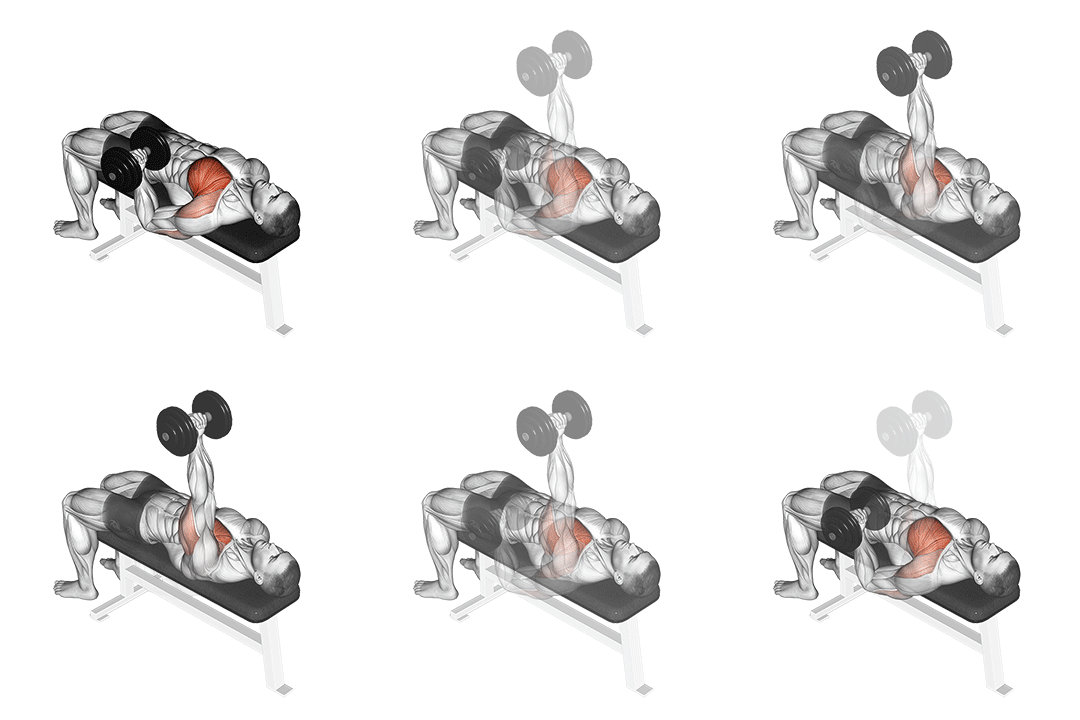
8. Dumbbell Lying One Arm Press
84% match- Pectorals
- Dumbbell
- Intermediate
- Compound
How to perform this exercise
- Lie flat on a bench with a dumbbell in one hand and your feet flat on the ground.
- Hold the dumbbell at shoulder level with your palm facing forward.
- Press the dumbbell upward until your arm is fully extended.
- Pause for a moment at the top, then slowly lower the dumbbell back to the starting position.
- Repeat for the desired number of repetitions, then switch to the other arm.
Sets and reps: 3 or 4 sets of 6 to 10 reps on each side.
Why this matches
- Movement: flat horizontal press, the same as the Alternating Floor Press
- Primary muscle: pectorals, the same as the Alternating Floor Press
- Equipment: free weights, the same as the Alternating Floor Press
- Body position: lying on your back, the same as the Alternating Floor Press
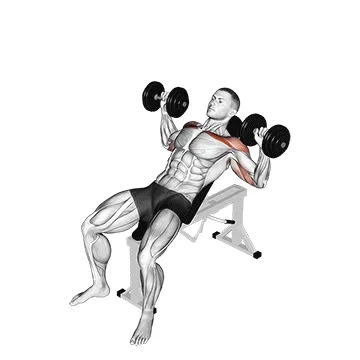
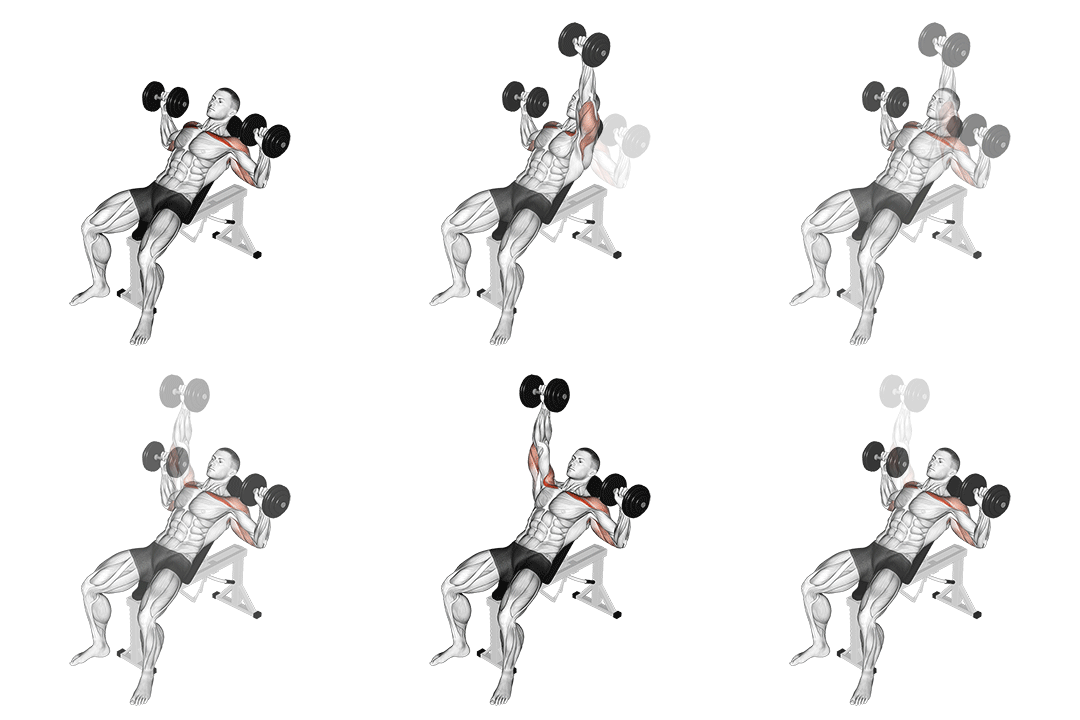
9. Dumbbell Incline Alternate Press
80% match- Pectorals
- Dumbbell
- Intermediate
- Compound
How to perform this exercise
- Sit on an incline bench with a dumbbell in each hand, resting on your thighs.
- Lean back on the bench and use your thighs to help raise the dumbbells to shoulder height, palms facing forward.
- Once at shoulder height, rotate your wrists so that the palms of your hands are facing forward.
- Push the dumbbells up with your chest and shoulders, extending your arms fully.
- Lower the dumbbells back down to the starting position, keeping your elbows slightly bent.
- Repeat for the desired number of repetitions, alternating arms.
Sets and reps: 3 or 4 sets of 6 to 10 reps on each side.
Why this matches
- Primary muscle: pectorals, the same as the Alternating Floor Press
- Equipment: free weights, the same as the Alternating Floor Press
- Body position: lying on your back, the same as the Alternating Floor Press
- Balance: easier to stay steady on than the Alternating Floor Press
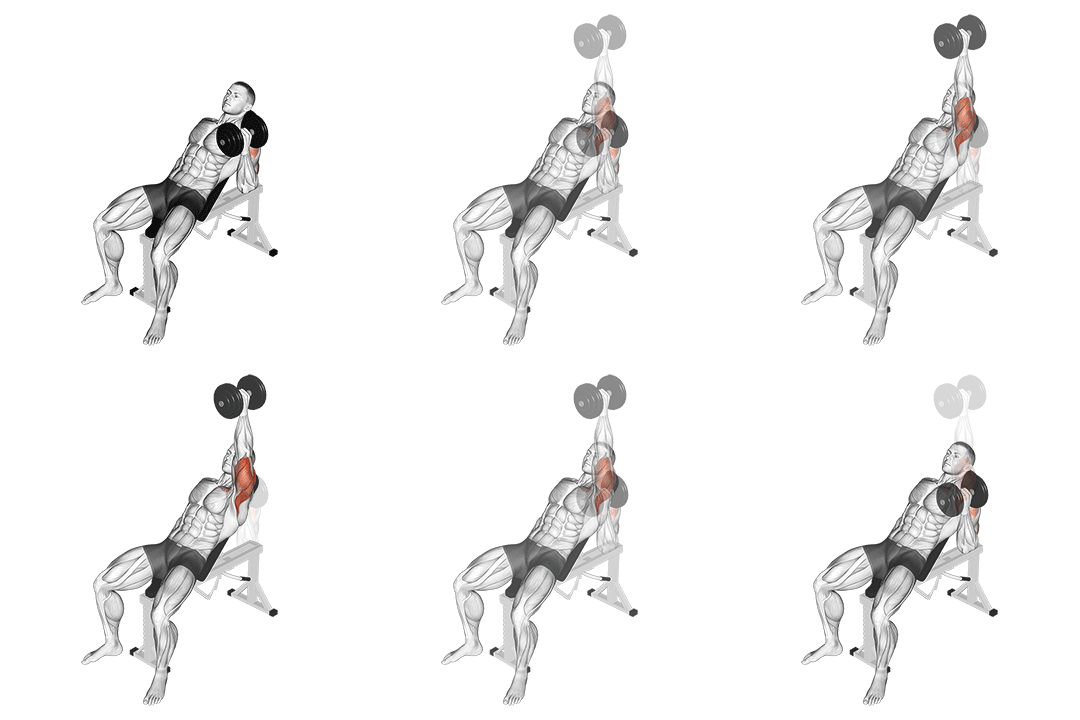
- Pectorals
- Dumbbell
- Advanced
- Compound
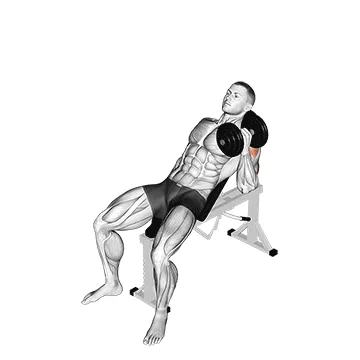
How to perform this exercise
- Sit on an incline bench with a dumbbell in one hand, resting on your thigh.
- Lean back on the bench and use your thigh to help raise the dumbbell to shoulder height.
- Rotate your wrist so that your palm is facing inward, towards your body.
- Press the dumbbell up and away from your body, extending your arm fully.
- Pause for a moment at the top, then slowly lower the dumbbell back down to the starting position.
- Repeat for the desired number of repetitions, then switch arms.
Sets and reps: 3 to 5 sets of 5 to 8 reps on each side.
Why this matches
- Primary muscle: pectorals, the same as the Alternating Floor Press
- Equipment: free weights, the same as the Alternating Floor Press
- Body position: lying on your back, the same as the Alternating Floor Press
Why You Might Need an Alternating Floor Press Alternative
You may need substitutes because of limited equipment, shoulder pain, or a desire for different training stimuli. The alternating floor press limits shoulder extension and favors triceps lockout, which can aggravate some rotator cuff or anterior shoulder issues; using a bench or neutral-grip reduces that strain. Single-arm or bilateral alternatives also address unilateral imbalances and allow progressive overload with dumbbells, kettlebells, or cables. When replacing the move, keep elbows at roughly 45 degrees to the torso to reduce impingement and preserve horizontal adduction to target the pec major.
How to Choose the Right Alternating Floor Press Substitute
Choose a substitute based on equipment, joint tolerance, and your goal, strength, hypertrophy, or stability. For strength pick unilateral loaded presses (single-arm kettlebell or dumbbell bench) to train horizontal adduction under heavy load; cue full scapular retraction and drive through the sternum. For hypertrophy use controlled eccentrics (3–4 seconds) and moderate reps. For shoulder-friendly options select neutral grips or floor-limited ROM. If core stability is a priority, pick single-arm variations that force anti-rotation.
Alternating Floor Press FAQ
What muscles does Alternating Floor Press work?
The alternating floor press primarily targets the pectoralis major via horizontal adduction, with secondary activation of the anterior deltoid and triceps brachii. Because the floor limits shoulder extension, the triceps see increased demand at lockout; keep the scapula retracted to maximize chest recruitment.
Find Alternatives for Any Exercise
Search the exercise database and filter the ranked substitutes by the equipment you own.
Similarity scores compare exercise metadata such as movement pattern, muscles, equipment and body position. They are not a safety rating or a check that you own the equipment. Learn about our methodology