

10 Best Roller Seated Single Leg Shoulder Flexor Depresor Retractor Alternatives for Limited-Equipmen
What can I do instead of Roller Seated Single Leg Shoulder Flexor Depresor Retractor? Use controlled pressing and fly variations that reproduce shoulder flexion while maintaining scapular depression and retraction. Try single-arm floor press, incline dumbbell fly, cable crossover, or single-arm incline push-up. Cue: keep a slight elbow bend and actively pinch the pecs at peak contraction.
Original Exercise: Roller Seated Single Leg Shoulder Flexor Depresor Retractor
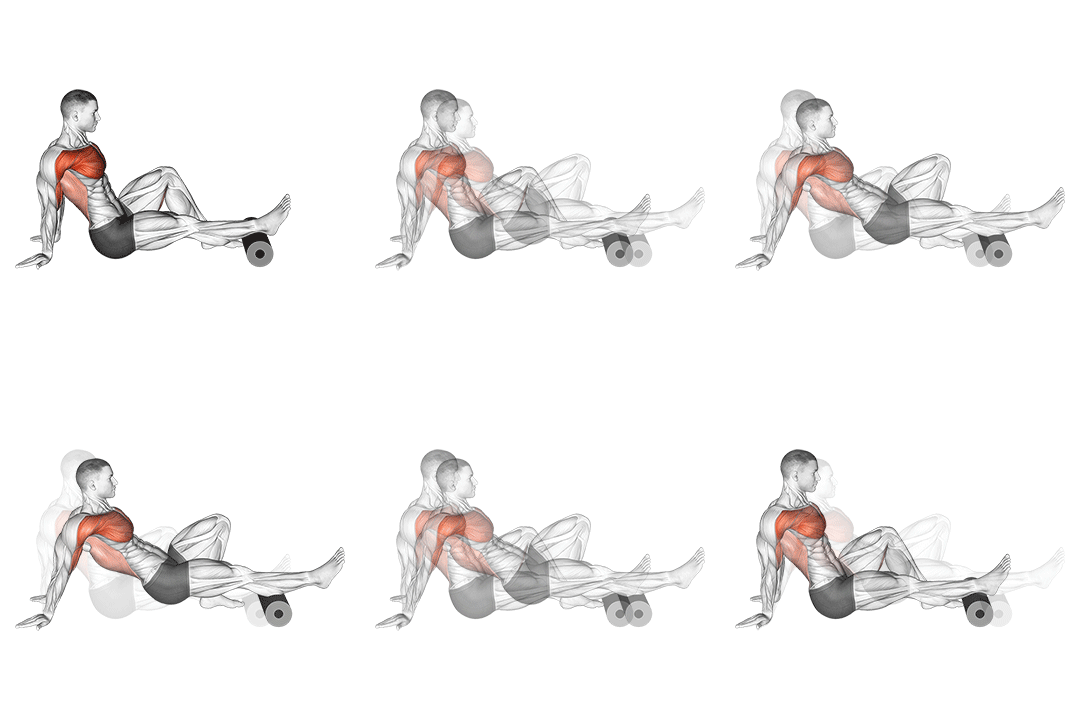
How to Perform Roller Seated Single Leg Shoulder Flexor Depresor Retractor
- Sit on a flat surface with your legs extended in front of you.
- Hold the roller with both hands, palms facing down, and place it on your thighs.
- Lean back slightly and engage your core muscles.
- Raise the roller up to shoulder level, keeping your arms straight.
- Slowly lower the roller back down to your thighs.
- Repeat for the desired number of repetitions.
Best Roller Seated Single Leg Shoulder Flexor Depresor Retractor Alternatives
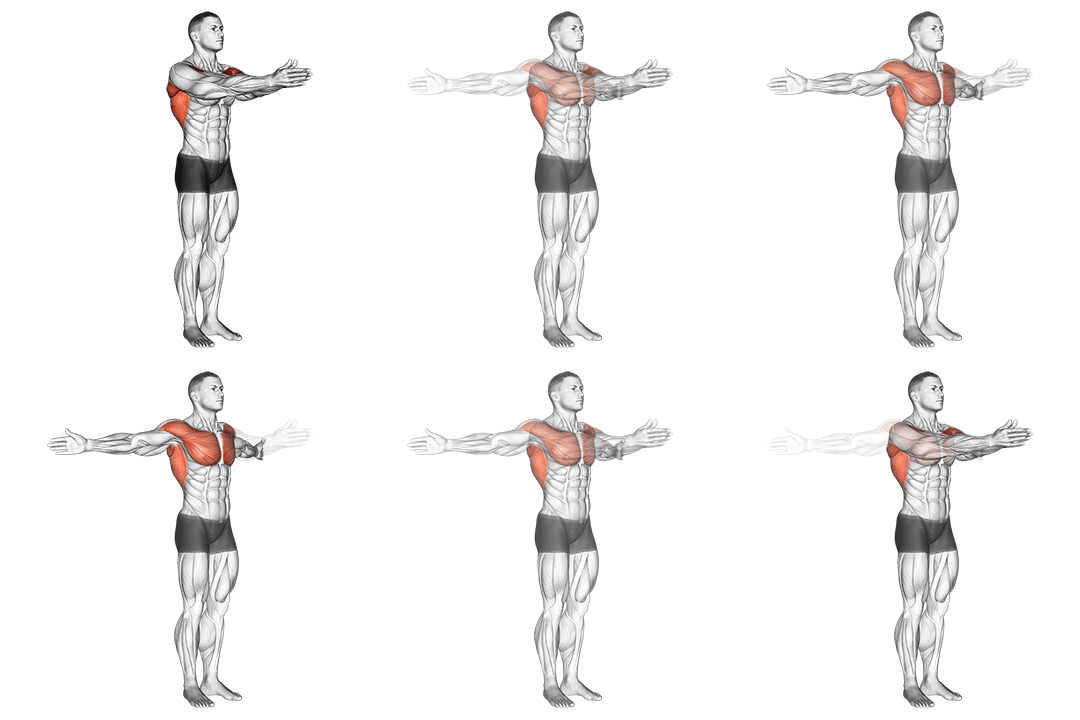
1. Dynamic Chest Stretch (male)
83.7% MatchHow to perform this exercise
- Stand tall with your feet shoulder-width apart.
- Extend your arms straight out to the sides, parallel to the ground.
- Slowly bring your arms forward, crossing them in front of your body.
- Feel the stretch in your chest muscles.
- Hold the stretch for 10-30 seconds.
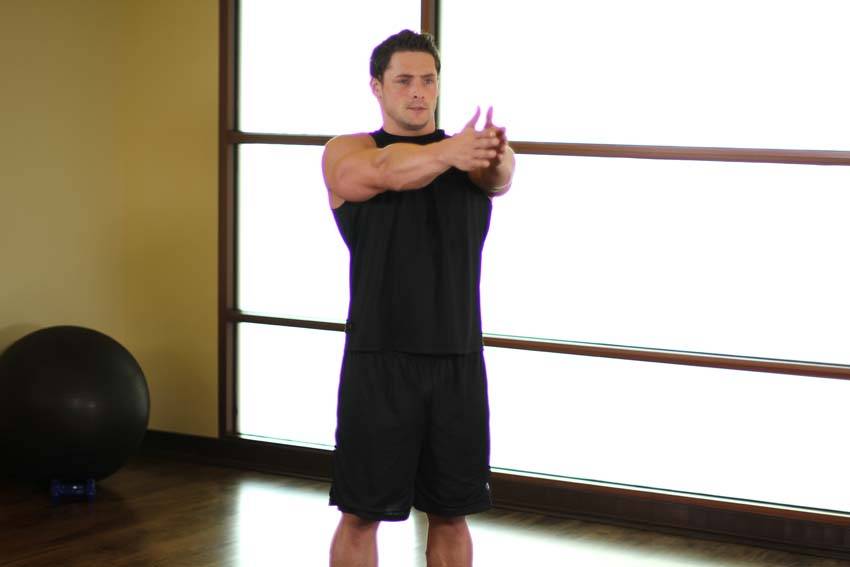
2. Dynamic Chest Stretch
82.9% MatchHow to perform this exercise
- Stand with your hands together, arms extended directly in front of you. This will be your starting position.
- Keeping your arms straight, quickly move your arms back as far as possible and back in again, similar to an exaggerated clapping motion. Repeat 5-10 times, increasing speed as you do so.
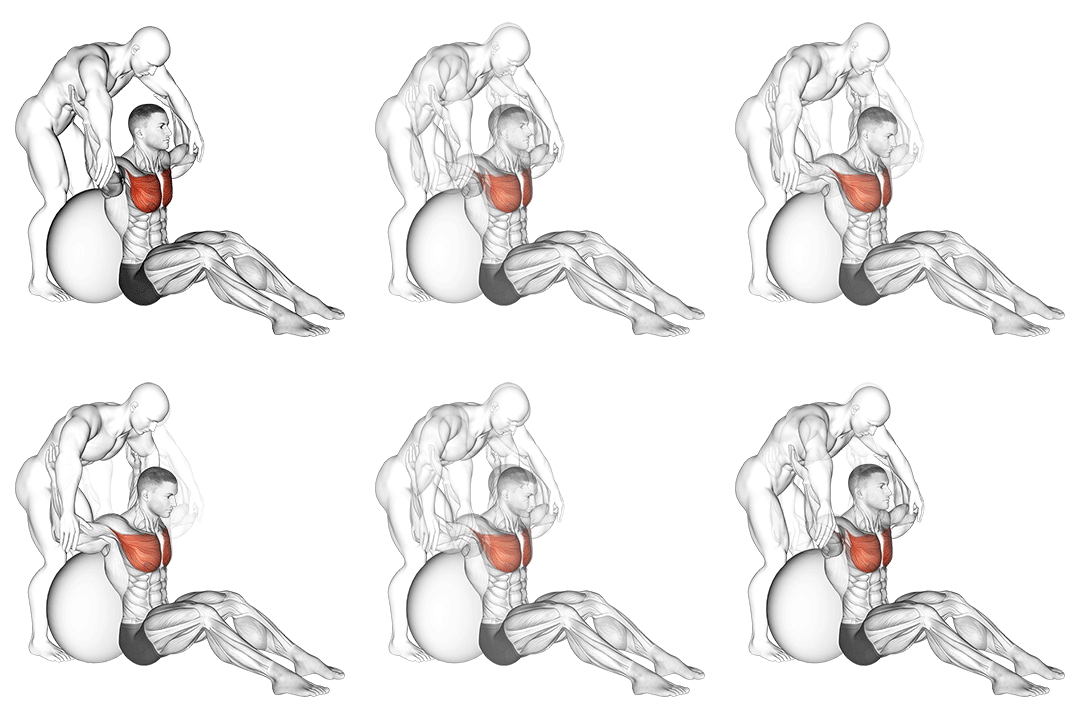
3. Assisted Seated Pectoralis Major Stretch With Stability Ball
76.7% MatchHow to perform this exercise
- Sit on a stability ball with your feet flat on the ground and your back straight.
- Hold a stability ball with both hands and extend your arms straight out in front of you.
- Slowly lower the stability ball towards your chest, feeling a stretch in your pectoral muscles.
- Hold the stretch for a few seconds, then slowly return to the starting position.
- Repeat for the desired number of repetitions.
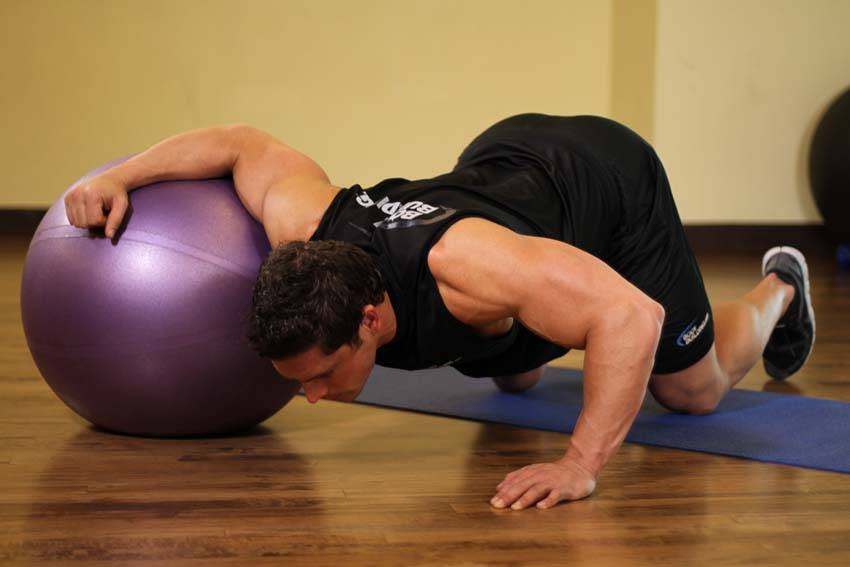
4. Chest Stretch On Stability Ball
74.2% MatchHow to perform this exercise
- Get on your hands and knees next to an exercise ball.
- Place your elbows on top of the ball, keeping your arm out to your side. This will be your starting position.
- Lower your torso towards the floor, keeping your elbow on top of the ball. Hold the stretch for 20-30 seconds, and repeat with the other arm.
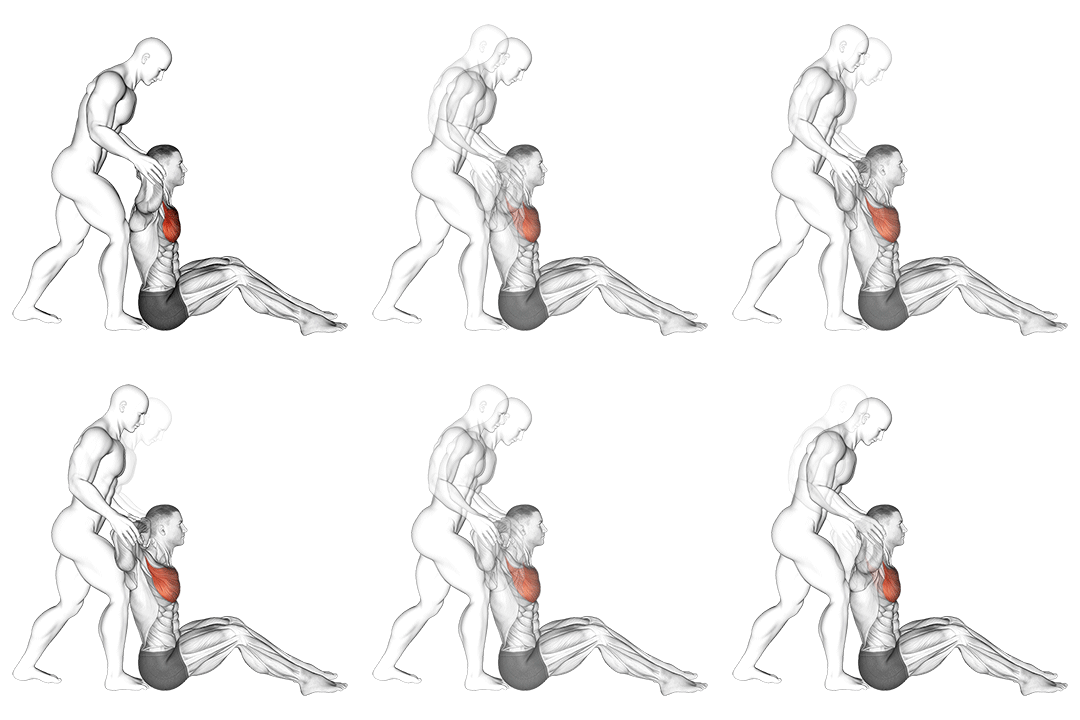
5. Behind Head Chest Stretch
69.7% MatchHow to perform this exercise
- Stand tall with your feet shoulder-width apart.
- Interlace your fingers behind your head with your elbows pointing outwards.
- Slowly squeeze your shoulder blades together and push your chest forward.
- Hold the stretch for 15-30 seconds.
- Release the stretch and repeat as desired.
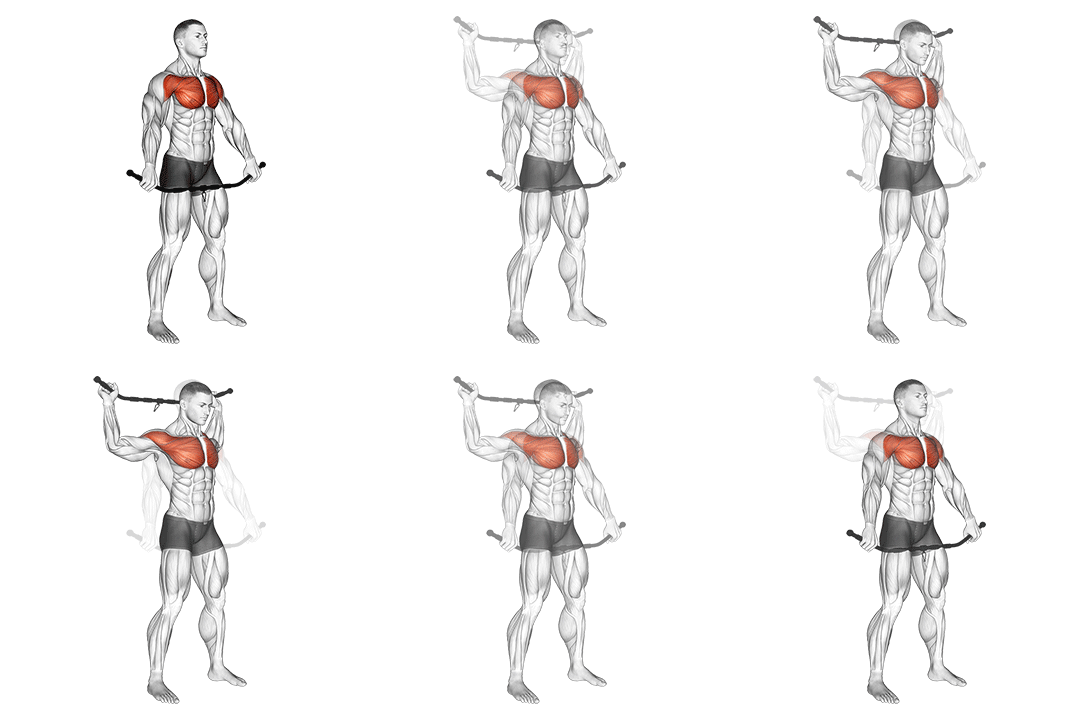
6. Chest And Front Of Shoulder Stretch
68.9% MatchHow to perform this exercise
- Stand tall with your feet shoulder-width apart.
- Extend your arms straight out in front of you at shoulder height.
- Cross your arms in front of your body, with your right arm on top of your left arm.
- Interlace your fingers and press your palms together.
- Gently squeeze your shoulder blades together and push your hands forward, feeling a stretch in your chest and front of your shoulders.
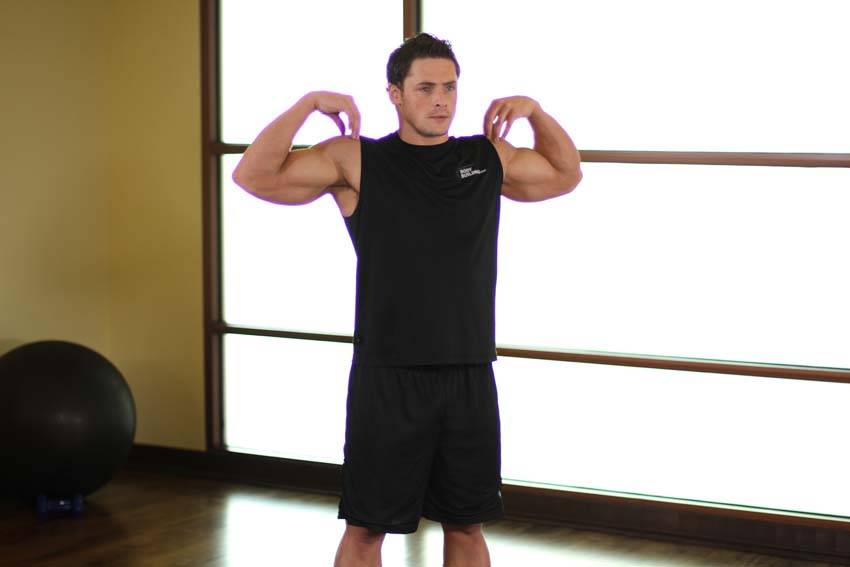
7. Elbow Circles
67.9% MatchHow to perform this exercise
- Sit or stand with your feet slightly apart.
- Place your hands on your shoulders with your elbows at shoulder level and pointing out.
- Slowly make a circle with your elbows. Breathe out as you start the circle and breathe in as you complete the circle.
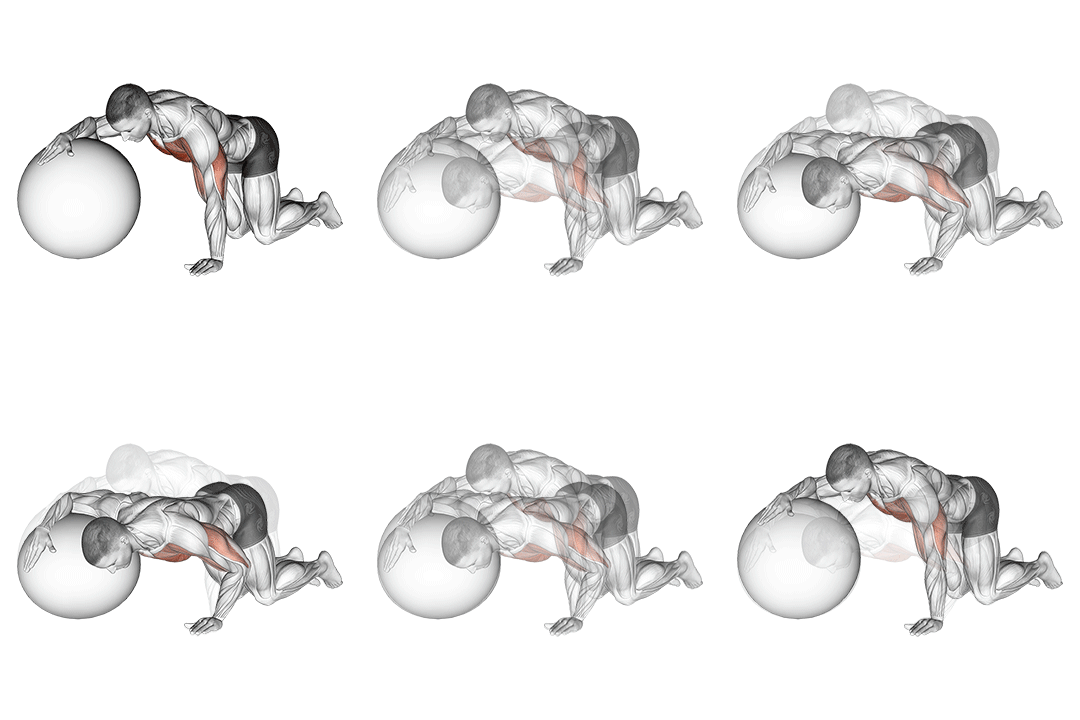
8. Chest Stretch With Exercise Ball
67.9% MatchHow to perform this exercise
- Sit on the stability ball with your feet flat on the ground and your back straight.
- Hold the exercise ball with both hands and extend your arms straight out in front of you.
- Slowly bring the exercise ball towards your chest, feeling a stretch in your chest muscles.
- Hold the stretch for a few seconds, then slowly return to the starting position.
- Repeat for the desired number of repetitions.
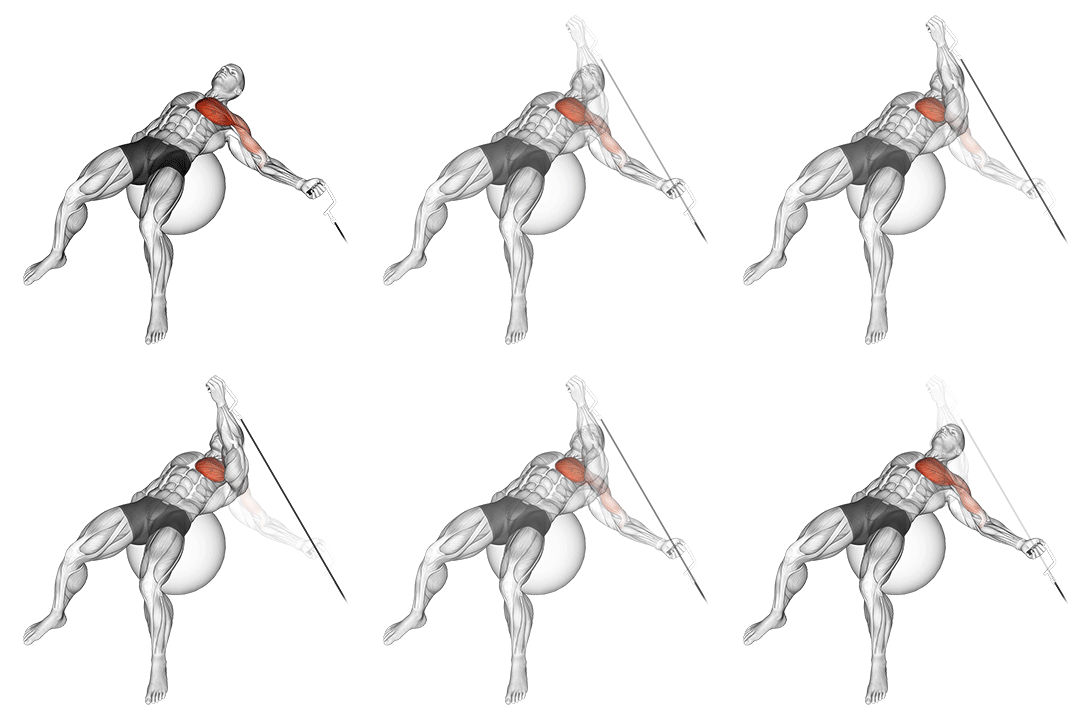
9. Cable One Arm Fly On Exercise Ball
65.9% MatchHow to perform this exercise
- Sit on an exercise ball with your feet flat on the ground and your back straight.
- Hold a cable handle in one hand and extend your arm out to the side, parallel to the ground.
- Keep your elbow slightly bent and your palm facing forward.
- Slowly bring your arm across your body, squeezing your chest muscles.
- Pause for a moment at the end of the movement, then slowly return to the starting position.
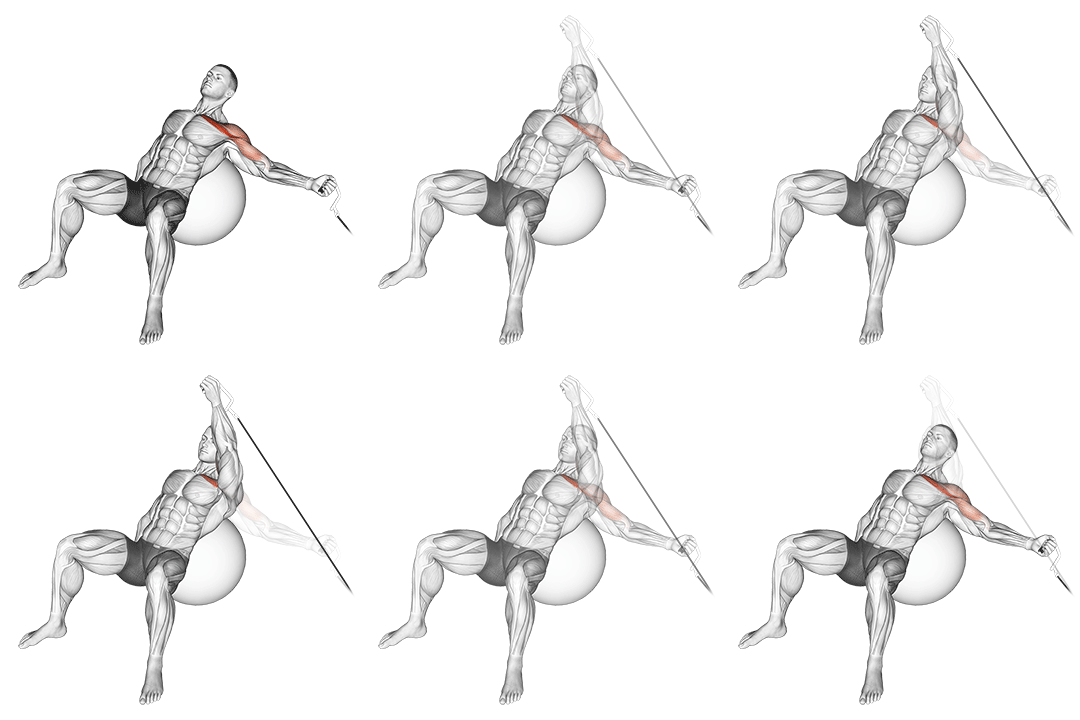
10. Cable One Arm Incline Fly On Exercise Ball
65.9% MatchHow to perform this exercise
- Sit on an exercise ball with your feet flat on the ground and your back against an incline bench.
- Hold a cable handle in one hand with your arm extended and palm facing inward.
- Keeping a slight bend in your elbow, slowly lower your arm out to the side until your hand is in line with your shoulder.
- Pause for a moment, then squeeze your chest muscles to bring your arm back to the starting position.
- Repeat for the desired number of repetitions, then switch arms.
Why You Might Need a Roller Seated Single Leg Shoulder Flexor Depresor Retractor Alternative
You may substitute this foam-roll isolation move for several reasons: limited equipment, shoulder irritation from the roll setup, balance issues from the single-leg position, or a desire for heavier loading. The original emphasizes pectoral tension via shoulder flexion with scapular depression and retraction; poor setup can shift load to the anterior deltoid or create impingement. Safer or more progressive options let you maintain targeted pec activation while altering range of motion, stability demand, or loading method. Technique cue: maintain 30–45° humeral plane, depress and retract the scapula, and avoid excessive external rotation to keep focus on the sternal and clavicular heads of the pecs.
How to Choose the Right Substitute
Select a substitute by matching range of motion, muscle activation, and stability to your goal. For strict isolation choose fly-type movements or cable crossovers that allow static scapula positioning and a full pec stretch; cue: keep elbows soft and consciously adduct the humerus to feel the chest. For strength pick pressing variations that permit progressive overload while preserving scapular depression and retraction. Factor in injury history: avoid deep horizontal abduction if you have anterior shoulder pain. Also consider unilateral vs bilateral demand, available equipment, and whether you need a stable surface or a balance challenge.
Frequently Asked Questions
What muscles does Roller Seated Single Leg Shoulder Flexor Depresor Retractor work?
It primarily targets the pectoralis major, with emphasis on the sternal head during horizontal adduction and the clavicular head during shoulder flexion. Secondary involvement includes the anterior deltoid and stabilizers such as the serratus anterior and lower trapezius for scapular depression and retraction.
What is the best bodyweight alternative to Roller Seated Single Leg Shoulder Flexor Depresor Retractor?
A single-arm incline push-up provides similar unilateral chest loading while reducing shoulder strain from end-range positions. Cue: set the incline so you can maintain scapular depression and retraction, keep a 10–20 degree elbow bend, and pause at peak squeeze to maximize pectoral activation.
Can I build muscle without doing Roller Seated Single Leg Shoulder Flexor Depresor Retractor?
Yes. You can hypertrophy the pecs with presses, flies, and cable crossovers that permit progressive overload and strict technique. Prioritize tension time, full but safe range of motion, and consistent overload while cueing scapular control to keep the stimulus on the chest.
More Exercise Alternatives
Find Alternatives for Any Exercise
Use our free tool to discover the best substitute exercises based on your available equipment and goals.
Try the Exercise Substitution Finder →