

10 Best Seated Piriformis Stretch Alternatives for Hip Mobility
What can you do instead of Seated Piriformis Stretch? Try supine figure-four, pigeon pose, standing figure-four, lying knee-to-opposite-shoulder, or a side-lying clamshell progression. Cue: keep the pelvis neutral, brace your core, and pull the knee toward the opposite shoulder. These options lengthen the piriformis and load the glute external rotators without sitting.
Original Exercise: Seated Piriformis Stretch
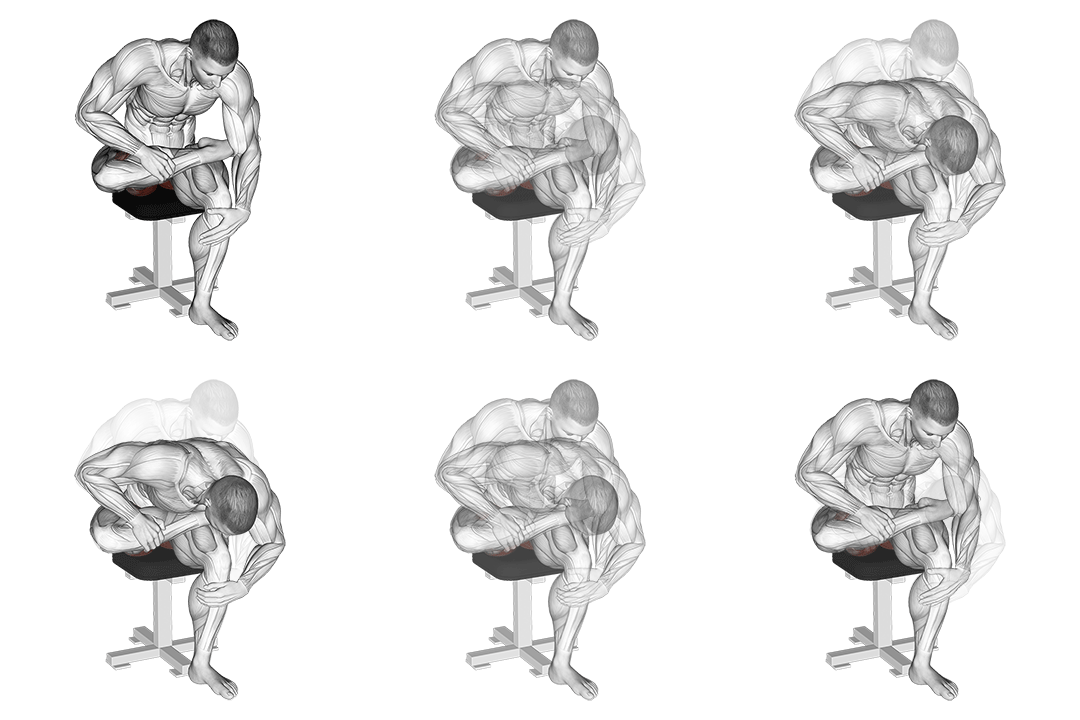
How to Perform Seated Piriformis Stretch
- Sit on the ground with your legs extended in front of you.
- Bend your right knee and place your right foot on the outside of your left knee.
- Place your left elbow on the outside of your right knee and gently twist your torso to the right.
- Hold the stretch for 20-30 seconds, then switch sides and repeat.
Best Seated Piriformis Stretch Alternatives
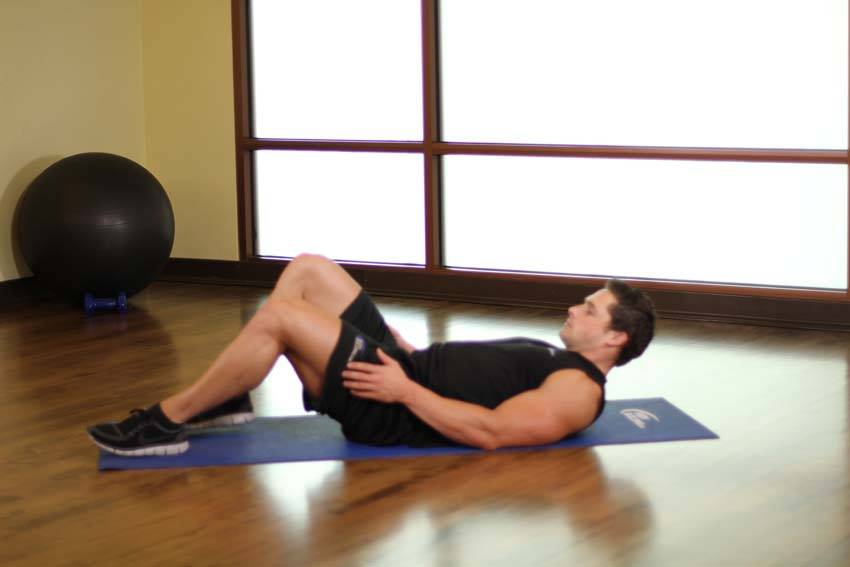
1. Ankle On The Knee
99.2% MatchHow to perform this exercise
- From a lying position, bend your knees and keep your feet on the floor.
- Place your ankle of one foot on your opposite knee.
- Grasp the thigh or knee of the bottom leg and pull both of your legs into the chest. Relax your neck and shoulders. Hold for 10-20 seconds and then switch sides.
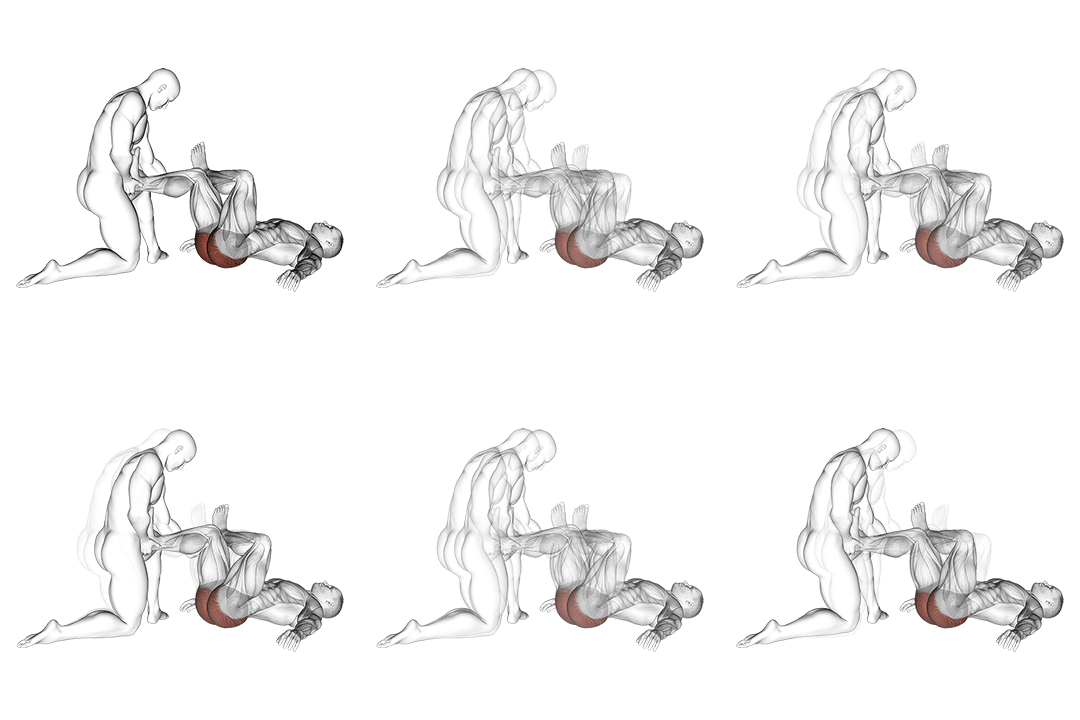
2. Assisted Lying Gluteus And Piriformis Stretch
87.2% MatchHow to perform this exercise
- Lie on your back with your legs extended.
- Bend your right knee and place your right ankle on your left thigh, just above the knee.
- Grasp your left thigh with both hands and gently pull it towards your chest.
- Hold the stretch for 20-30 seconds.
- Release the stretch and repeat on the other side.
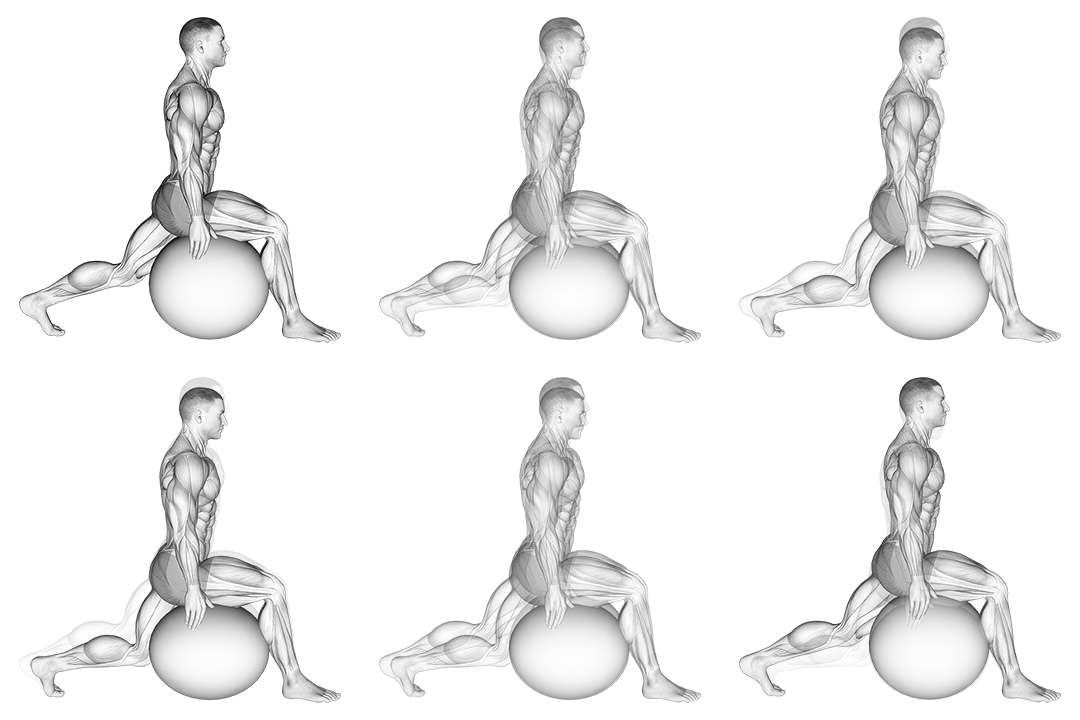
3. Exercise Ball Hip Flexor Stretch
84.9% MatchHow to perform this exercise
- Place the stability ball on the ground and kneel in front of it.
- Place your right foot on top of the stability ball, with your knee bent at a 90-degree angle.
- Extend your left leg behind you, keeping it straight.
- Lean forward, pushing your hips towards the stability ball, until you feel a stretch in your right hip flexor.
- Hold the stretch for 20-30 seconds, then switch sides and repeat.
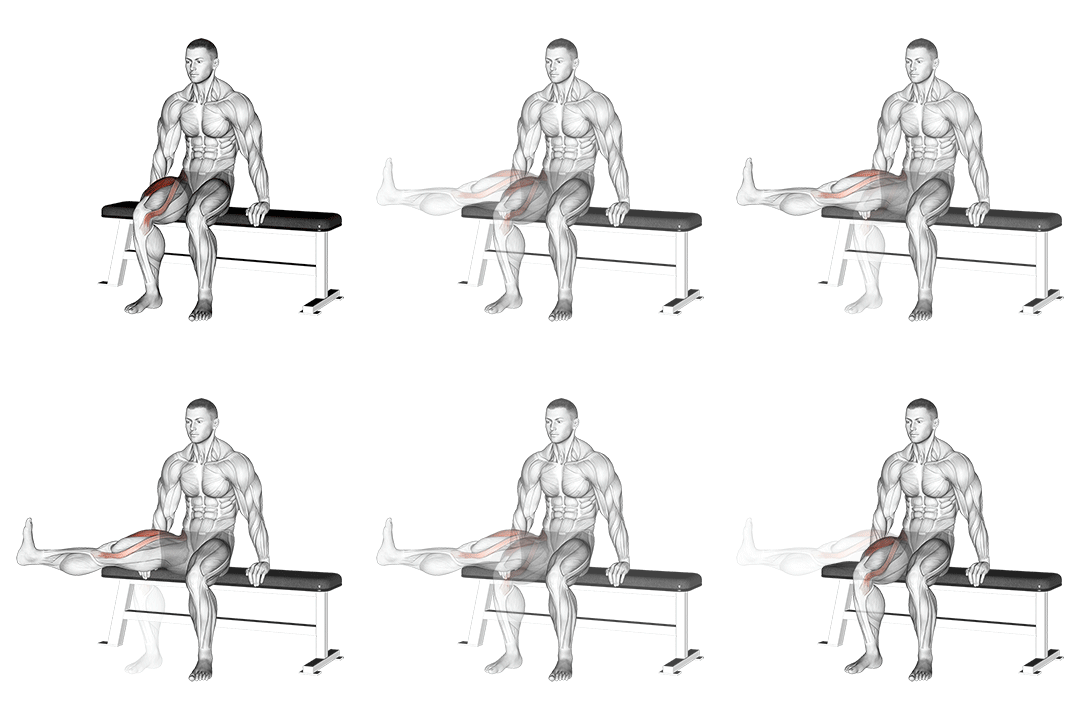
4. Chair Leg Extended Stretch
79.2% MatchHow to perform this exercise
- Sit on the edge of a chair with your back straight and feet flat on the ground.
- Extend one leg straight out in front of you, keeping your heel on the ground.
- Lean forward slightly, feeling a stretch in your quadriceps.
- Hold this position for 20-30 seconds.
- Switch legs and repeat the stretch.
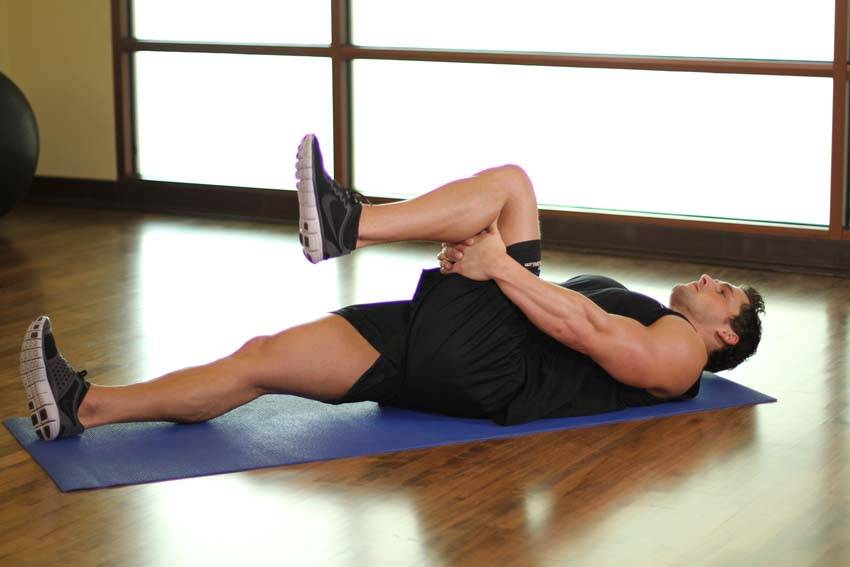
5. 90/90 Hamstring
78.7% MatchHow to perform this exercise
- Lie on your back, with one leg extended straight out.
- With the other leg, bend the hip and knee to 90 degrees. You may brace your leg with your hands if necessary. This will be your starting position.
- Extend your leg straight into the air, pausing briefly at the top. Return the leg to the starting position.
- Repeat for 10-20 repetitions, and then switch to the other leg.
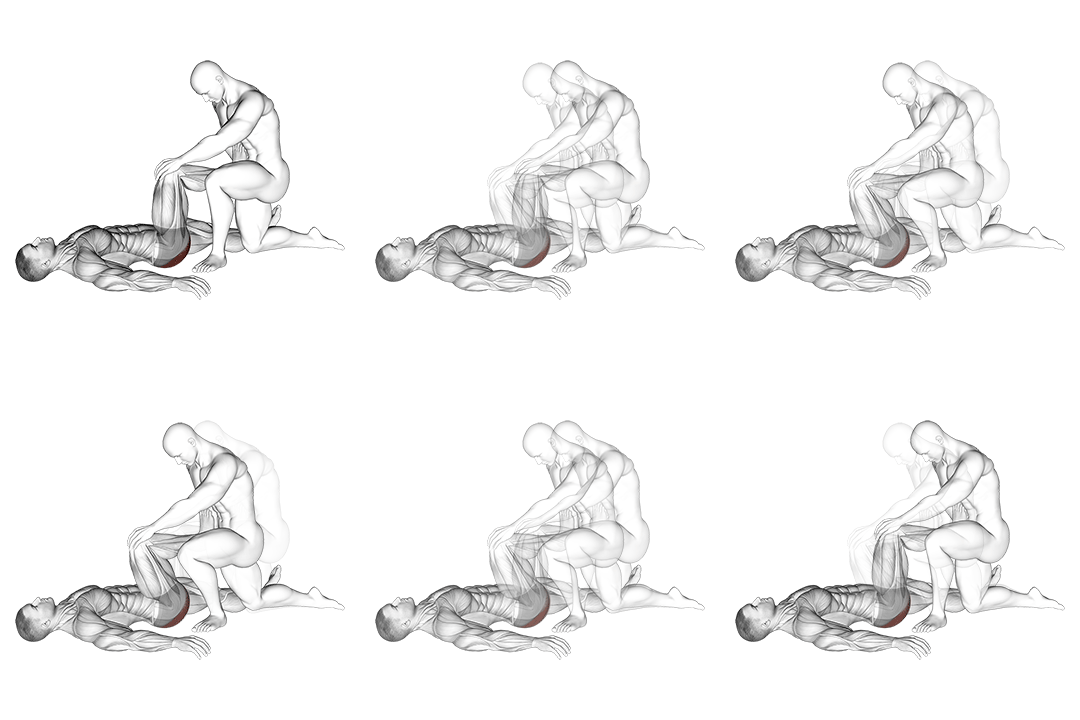
6. Assisted Lying Glutes Stretch
77.2% MatchHow to perform this exercise
- Lie on your back with your legs extended.
- Bend your right knee and place your right ankle on your left thigh, just above the knee.
- Grasp your left thigh with both hands and gently pull it towards your chest.
- Hold the stretch for 20-30 seconds.
- Release and repeat on the other side.
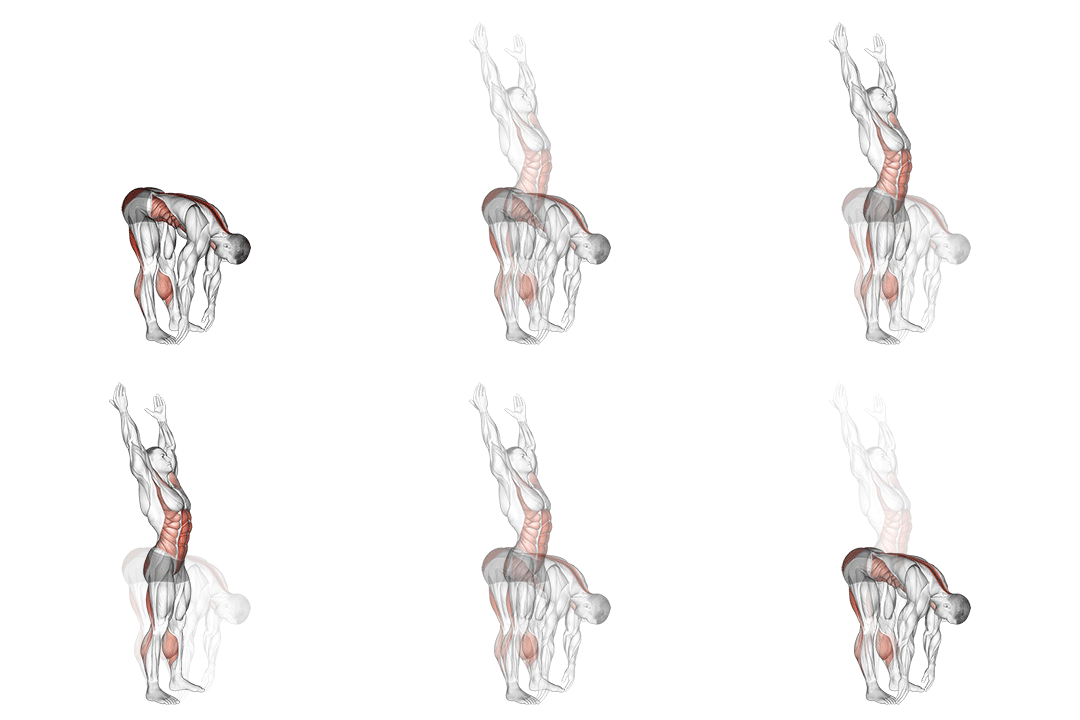
7. Basic Toe Touch (male)
76% MatchHow to perform this exercise
- Stand with your feet shoulder-width apart and your arms by your sides.
- Bend forward at the waist, keeping your back straight and your knees slightly bent.
- Reach down towards your toes with your hands, keeping your legs as straight as possible.
- Pause for a moment at the bottom, then slowly return to the starting position.
- Repeat for the desired number of repetitions.
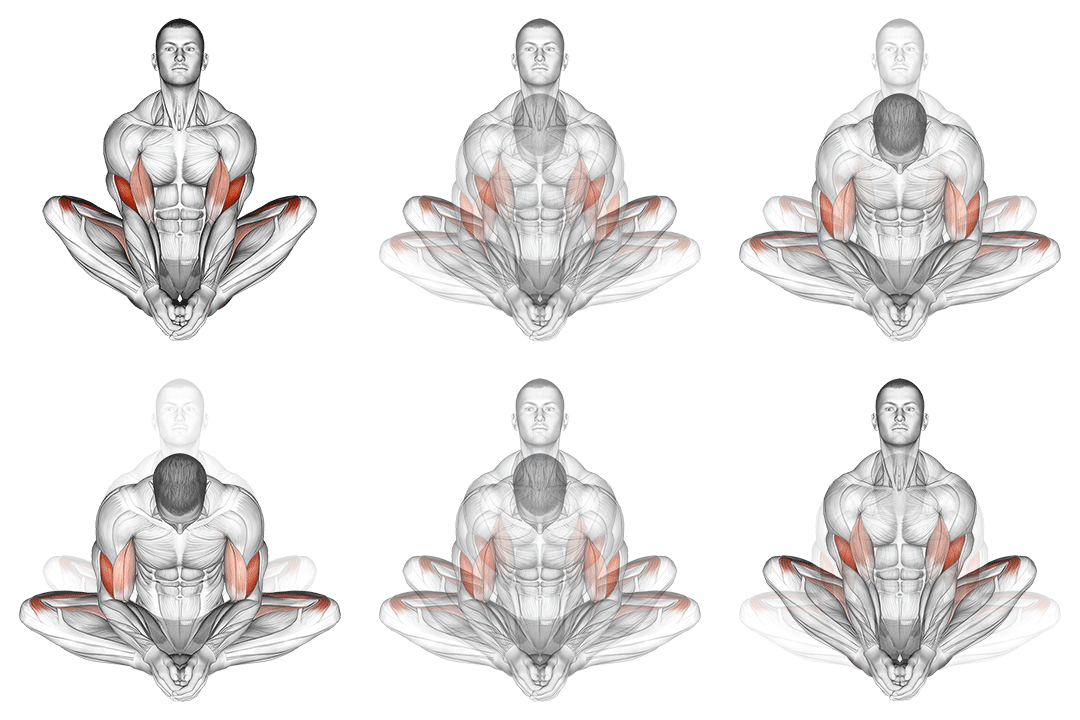
8. Butterfly Yoga Pose
71.7% MatchHow to perform this exercise
- Sit on the floor with your legs extended in front of you.
- Bend your knees and bring the soles of your feet together, allowing your knees to fall out to the sides.
- Hold onto your ankles or feet with your hands.
- Sit up tall and lengthen your spine.
- Gently press your knees down towards the floor, feeling a stretch in your inner thighs.
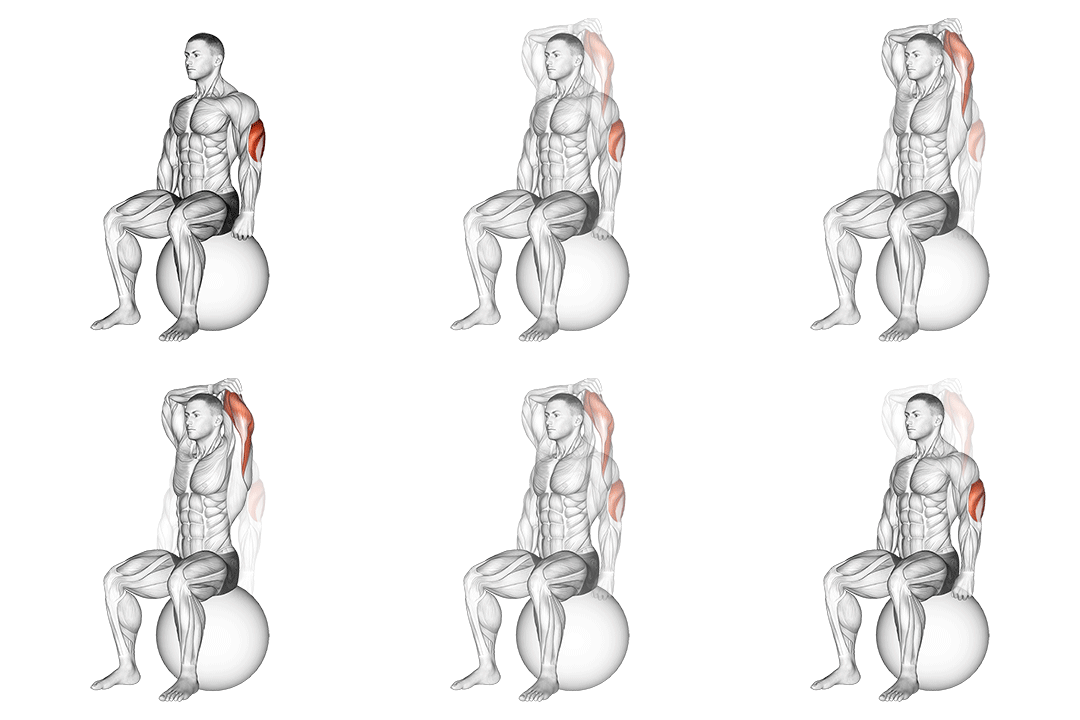
9. Exercise Ball Seated Triceps Stretch
71.4% MatchHow to perform this exercise
- Sit on a stability ball with your feet flat on the ground and your back straight.
- Hold a dumbbell in one hand and extend your arm straight up above your head.
- Bend your elbow and lower the dumbbell behind your head, keeping your upper arm close to your ear.
- Hold the stretch for a few seconds, then return to the starting position.
- Repeat with the other arm.
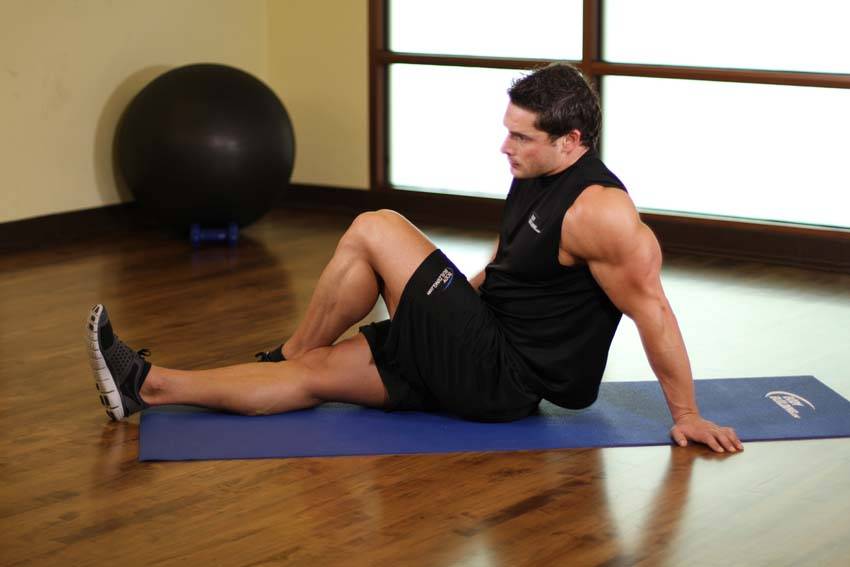
10. Dancer's Stretch
71.2% MatchHow to perform this exercise
- Sit up on the floor.
- Cross your right leg over your left, keeping the knee bent. Your left leg is straight and down on the floor.
- Place your left arm on your right leg and your right hand on the floor.
- Rotate your upper body to the right, and hold for 10-20 seconds. Switch sides.
Why You Might Need a Seated Piriformis Stretch Alternative
You might swap the seated version because of low-back pain, seating intolerance, pregnancy, or limited hip flexion. Seated positions can compress the SI joint or increase lumbar flexion; choosing a supine or quadrant-based stretch reduces spinal load and isolates hip external rotators. Cue: posteriorly tilt the pelvis and relax the lumbar spine while you lengthen the piriformis. Alternatives let you control hip flexion, external rotation, and abduction angles to target glute medius and deep external rotators more precisely for pain-free range of motion.
How to Choose the Right Substitute
Select a substitute based on pain, spinal tolerance, and training goals. If you need less spinal compression, pick the supine figure-four: lie on your back, cross the ankle over the opposite thigh, and pull the knee toward your chest while keeping the pelvis neutral. For deeper hip external rotation and length, use pigeon with a square pelvis and active core. If you want activation rather than passive lengthening, choose side-lying clamshells or resisted banded external rotations to recruit glute medius and maintain hip stability during functional patterns.
Frequently Asked Questions
What muscles does Seated Piriformis Stretch work?
The stretch primarily targets the piriformis and adjacent deep external rotators, with secondary lengthening of the gluteus medius and minimus. Cue: you should feel tension deep in the lateral hip and posterior glute when you keep the spine tall and externally rotate the femur.
What is the best bodyweight alternative to Seated Piriformis Stretch?
The supine figure-four (lying piriformis stretch) is the best bodyweight alternative. Lie on your back, cross the ankle over the opposite thigh, pull the knee toward your chest while keeping the opposite leg long and the pelvis neutral to load the piriformis without lumbar compression.
Can I build muscle without doing Seated Piriformis Stretch?
Yes. Building glute and upper-leg muscle requires progressive loading, not a stretch. Use hip thrusts, single-leg Romanian deadlifts, and banded clamshells—cue: drive through the heel and squeeze the glutes at the top—to eccentrically and concentrically load gluteus maximus and medius.
More Exercise Alternatives
Find Alternatives for Any Exercise
Use our free tool to discover the best substitute exercises based on your available equipment and goals.
Try the Exercise Substitution Finder →