

10 Best Shoulder Grip Pull-up Alternatives for Building Lats
If you can't perform shoulder-grip pull-ups, use alternatives that reproduce vertical pulling and lat activation—band-assisted pull-ups, neutral-grip pull-ups, inverted rows, lat pulldowns, or single-arm dumbbell rows. Cue a full scapular depression and pull your elbows down and back to emphasize the latissimus dorsi and minimize shoulder impingement.
Original Exercise: Shoulder Grip Pull-up
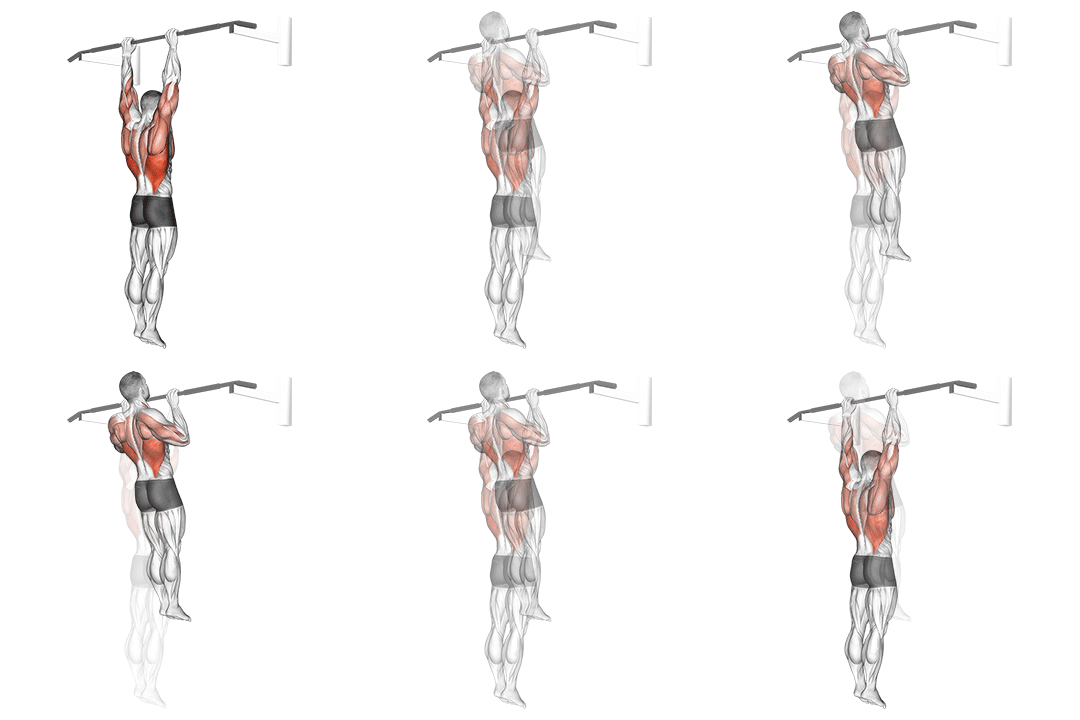
How to Perform Shoulder Grip Pull-up
- Grab the pull-up bar with a shoulder-width grip, palms facing away from you.
- Hang freely with your arms fully extended.
- Engage your back muscles and pull your body up towards the bar until your chin is above the bar.
- Pause for a moment at the top, then slowly lower your body back down to the starting position.
- Repeat for the desired number of repetitions.
Best Shoulder Grip Pull-up Alternatives
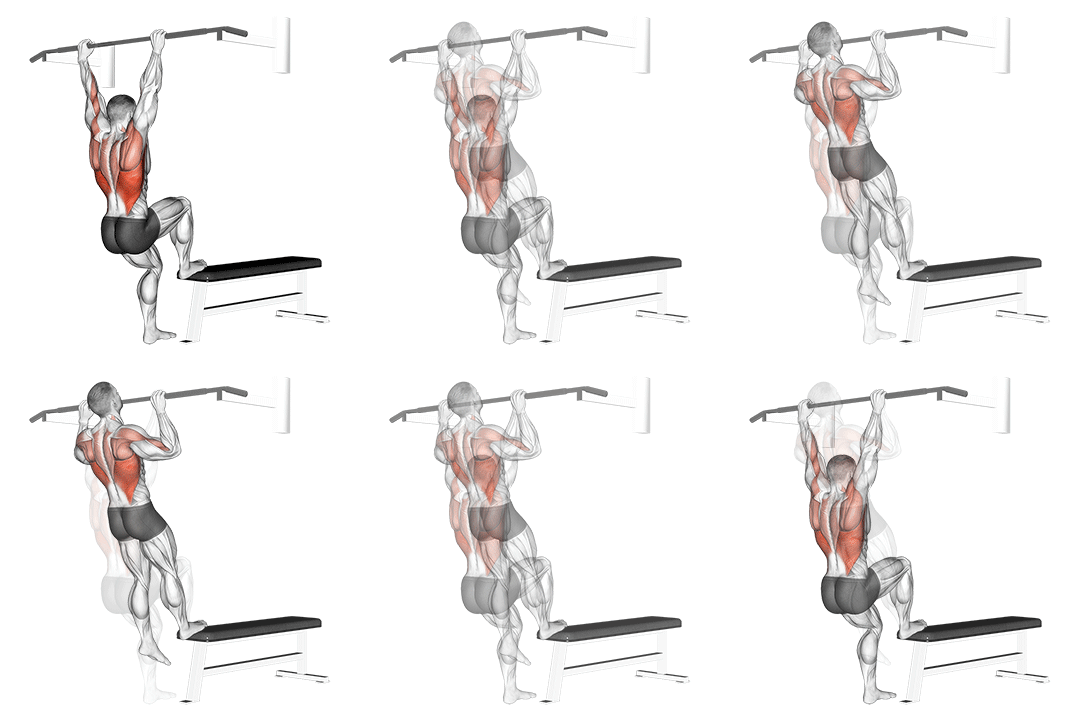
1. Bench Pull-ups
99.9% MatchHow to perform this exercise
- Position yourself under a bar or a sturdy horizontal surface that is at chest height.
- Grab the bar or surface with an overhand grip, slightly wider than shoulder-width apart.
- Hang with your arms fully extended and your body straight.
- Pull your chest towards the bar or surface by squeezing your shoulder blades together and bending your elbows.
- Continue pulling until your chin is above the bar or surface.
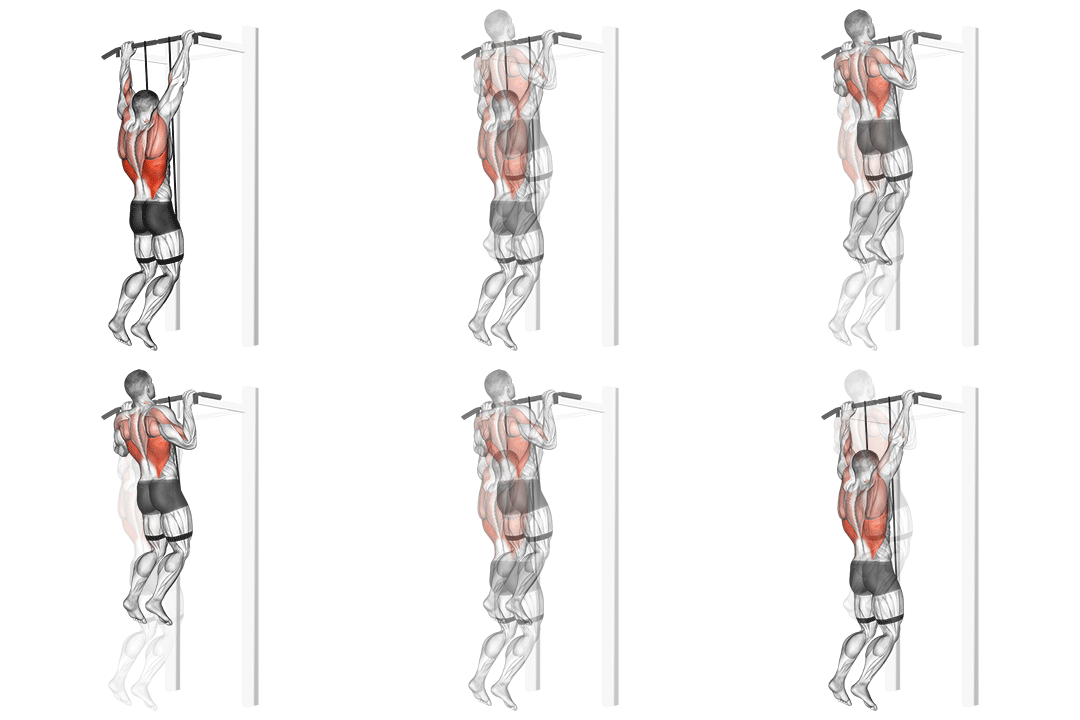
2. Band Assisted Pull-up
89.2% MatchHow to perform this exercise
- Attach the band to a pull-up bar or sturdy anchor point.
- Step onto the band and grip the bar with your palms facing away from you, hands slightly wider than shoulder-width apart.
- Hang with your arms fully extended, keeping your core engaged and your shoulders down and back.
- Pull your body up towards the bar by squeezing your shoulder blades together and driving your elbows down towards your hips.
- Continue pulling until your chin is above the bar, then slowly lower yourself back down to the starting position.
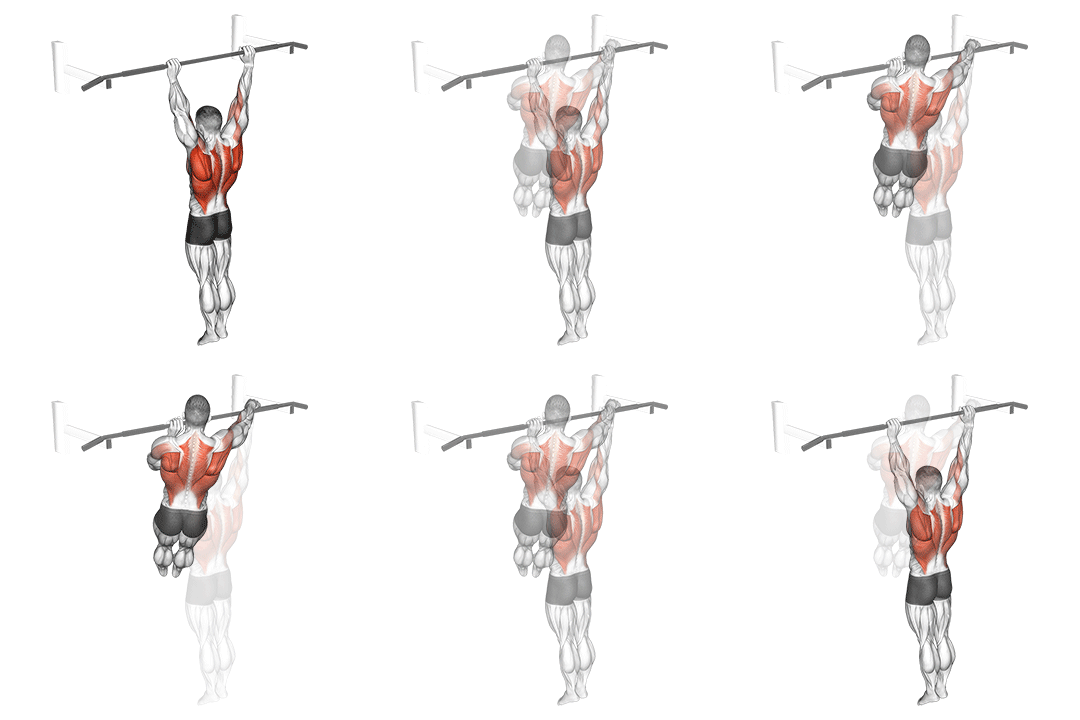
3. Archer Pull Up
88.9% MatchHow to perform this exercise
- Start by hanging from a pull-up bar with an overhand grip, slightly wider than shoulder-width apart.
- Engage your core and pull your shoulder blades down and back.
- As you pull yourself up, bend one arm and bring your elbow towards your side, while keeping the other arm straight.
- Continue pulling until your chin is above the bar and your bent arm is fully flexed.
- Lower yourself back down with control, straightening the bent arm and repeating the movement on the other side.
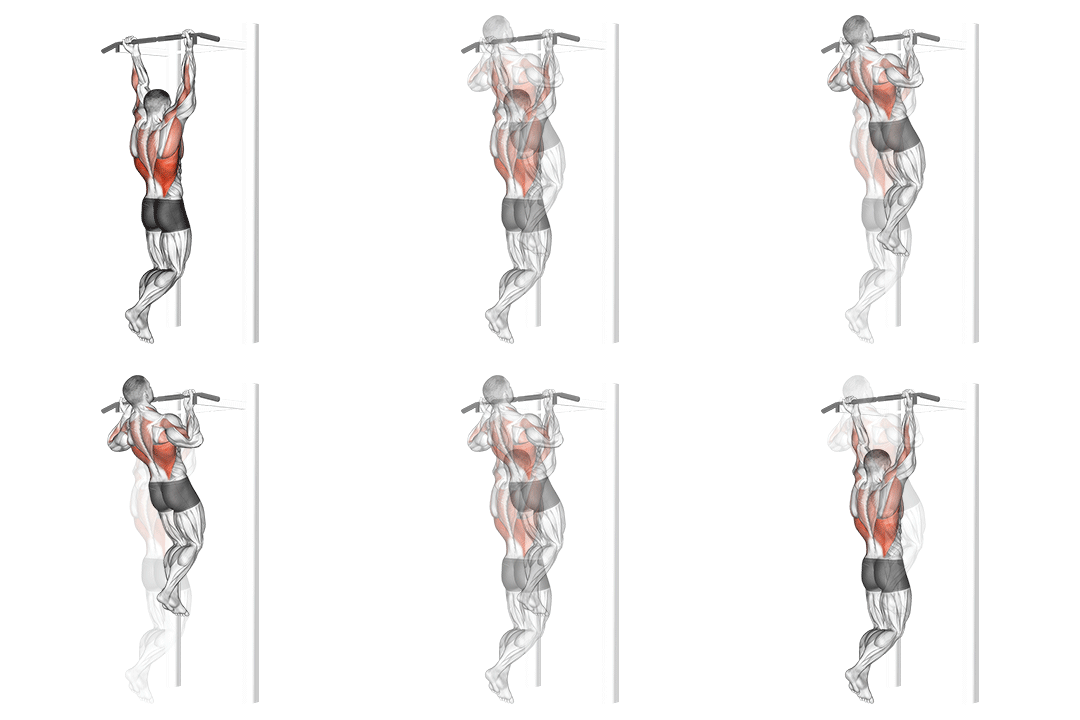
4. Chin-up
86% MatchHow to perform this exercise
- Hang from a pull-up bar with your palms facing towards you and your hands shoulder-width apart.
- Engage your core and pull your body up towards the bar, leading with your chest.
- Continue pulling until your chin is above the bar.
- Pause for a moment at the top, then slowly lower your body back down to the starting position.
- Repeat for the desired number of repetitions.
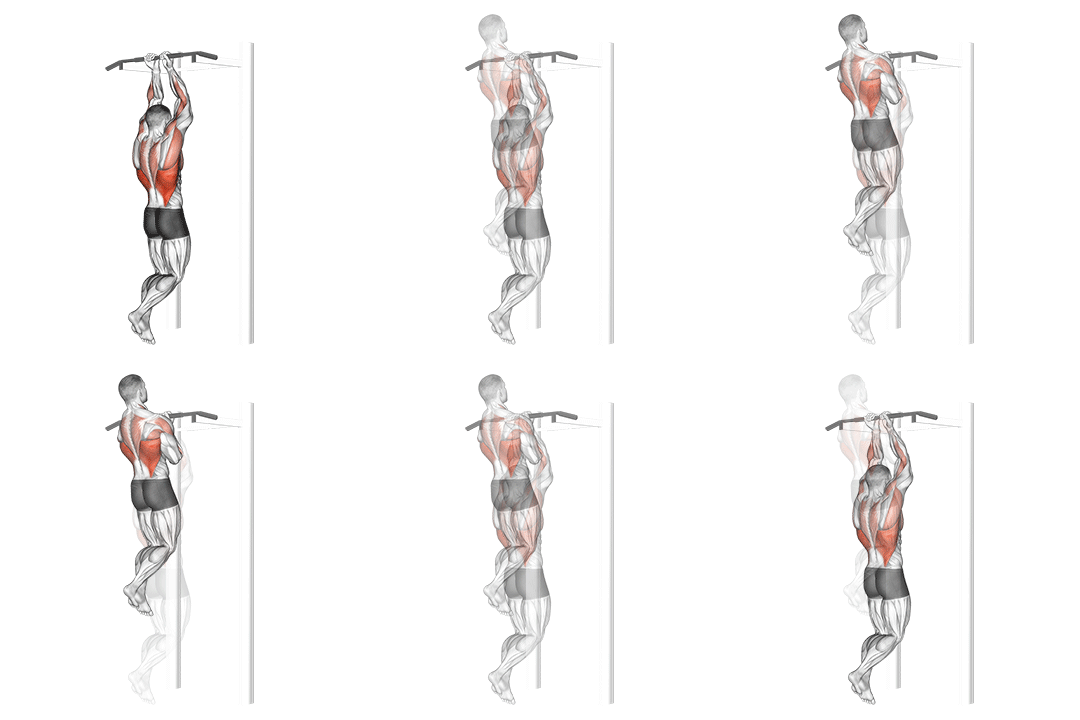
5. Close Grip Chin-up
84.7% MatchHow to perform this exercise
- Grab the pull-up bar with your palms facing towards you and your hands shoulder-width apart.
- Hang from the bar with your arms fully extended and your feet off the ground.
- Engage your back muscles and pull your body up towards the bar, keeping your elbows close to your body.
- Continue pulling until your chin is above the bar.
- Pause for a moment at the top, then slowly lower your body back down to the starting position.
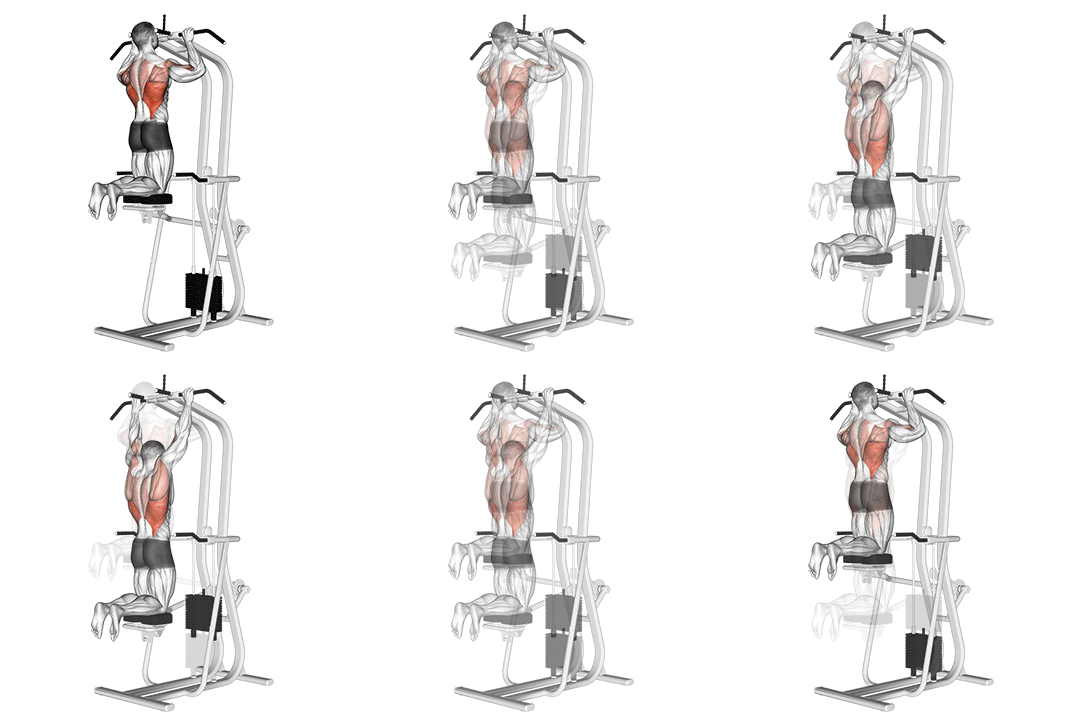
6. Assisted Pull-up
83.7% MatchHow to perform this exercise
- Adjust the machine to your desired weight and height settings.
- Grasp the handles with an overhand grip, slightly wider than shoulder-width apart.
- Hang with your arms fully extended and your feet off the ground.
- Engage your back muscles and pull your body up towards the handles, keeping your elbows close to your body.
- Continue pulling until your chin is above the handles.
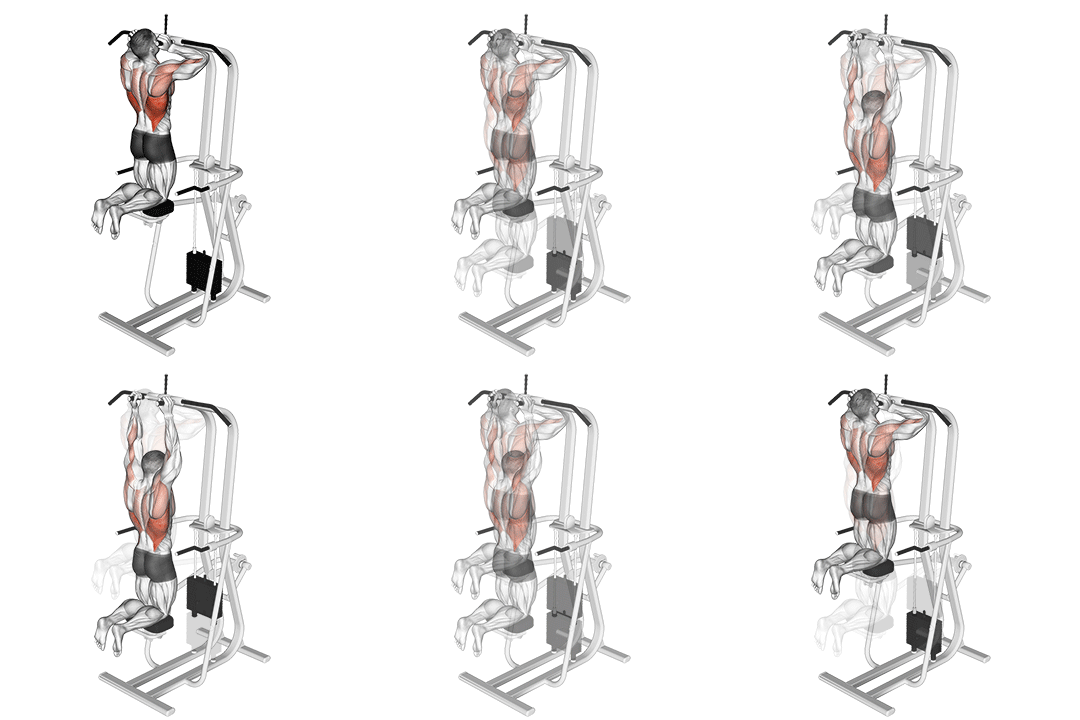
7. Assisted Parallel Close Grip Pull-up
79.7% MatchHow to perform this exercise
- Adjust the machine to your desired weight and height.
- Place your hands on the parallel bars with a close grip, palms facing each other.
- Hang from the bars with your arms fully extended and your feet off the ground.
- Engage your back muscles and pull your body up towards the bars, keeping your elbows close to your body.
- Continue pulling until your chin is above the bars.
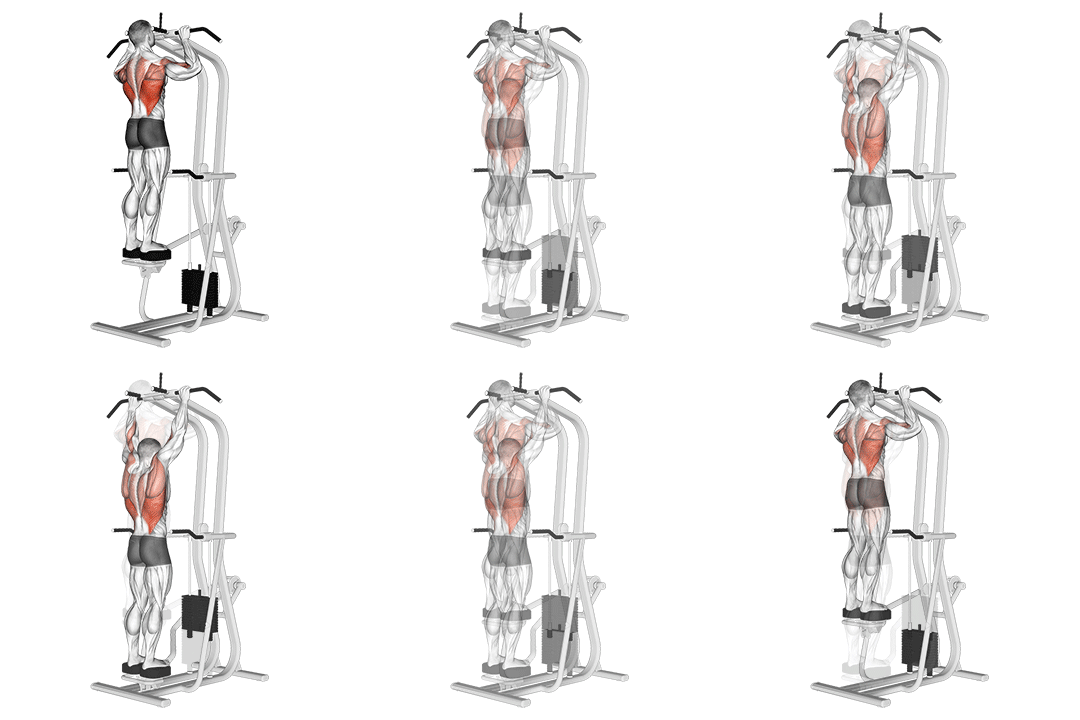
8. Assisted Standing Pull-up
77.2% MatchHow to perform this exercise
- Adjust the machine to your desired weight and height settings.
- Stand facing the machine with your feet shoulder-width apart.
- Grasp the handles with an overhand grip, slightly wider than shoulder-width apart.
- Engage your lats and biceps, and pull yourself up towards the handles.
- Pause for a moment at the top, squeezing your back muscles.
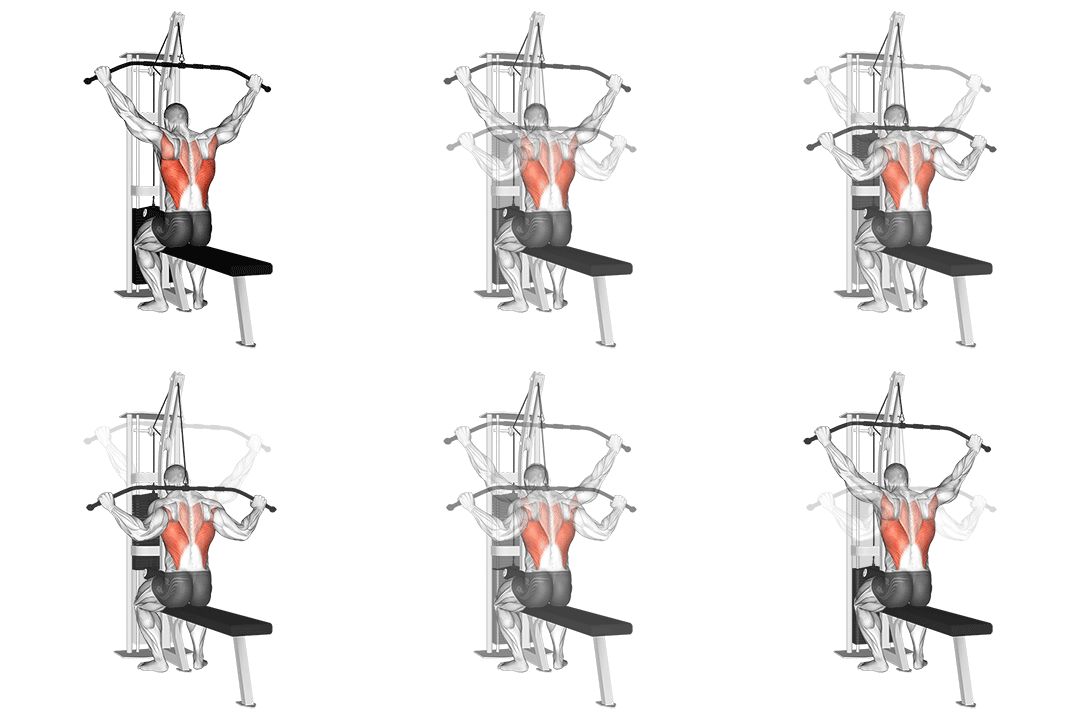
9. Cable Wide Grip Rear Pulldown Behind Neck
65.8% MatchHow to perform this exercise
- Adjust the cable machine so that the pulldown bar is at a height above your head.
- Sit down on the seat and grab the pulldown bar with a wide overhand grip.
- Keep your back straight and your chest up as you lean back slightly.
- Pull the bar down towards your upper chest, squeezing your shoulder blades together.
- Pause for a moment at the bottom of the movement, then slowly release the bar back up to the starting position.
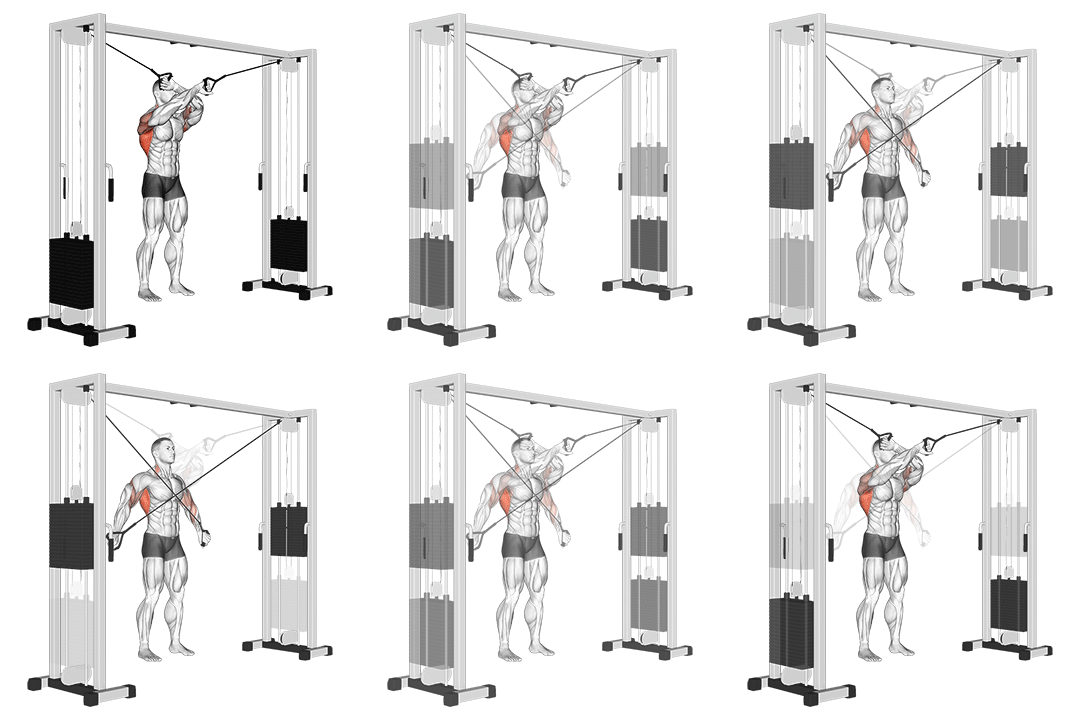
10. Cable Lat Pulldown Full Range Of Motion
65.2% MatchHow to perform this exercise
- Sit on the lat pulldown machine with your knees positioned under the pads.
- Grasp the cable bar with an overhand grip, slightly wider than shoulder-width apart.
- Lean back slightly and keep your chest up, maintaining a slight arch in your lower back.
- Pull the bar down towards your upper chest, squeezing your shoulder blades together.
- Pause for a moment at the bottom of the movement, then slowly release the bar back to the starting position.
Why You Might Need a Shoulder Grip Pull-up Alternative
You might substitute shoulder-grip pull-ups because of limited pull-up strength, shoulder pain, lack of a bar, or to target the lats with different loading patterns. Alternatives let you modify leverage, grip, and range-of-motion to maintain lat activation while reducing stress on the glenohumeral joint. For example, band-assisted pull-ups preserve the vertical pulling pattern but reduce required force; inverted rows shift the plane to horizontal pull while still engaging scapular retractors and posterior deltoids. Use technique cues—initiate each rep with scapular depression and lead with the elbows—to keep tension on the latissimus dorsi and avoid dominant biceps compensation.
How to Choose the Right Substitute
Select a substitute by matching movement pattern, load capacity, and shoulder tolerance. Prioritize exercises that preserve shoulder extension and elbow flexion if your goal is lat hypertrophy—band-assisted or neutral-grip pull-ups maintain the vertical pull pattern, while inverted rows and single-arm rows offer scalable load if you lack a bar. Consider grip: neutral or pronated grips change teres major and biceps involvement. Progress by increasing range-of-motion, reducing assistance, or adding tempo. Cue each rep to start from scapular depression and pull elbows down and back to maximize lat recruitment and maintain healthy scapulothoracic mechanics.
Frequently Asked Questions
What muscles does Shoulder Grip Pull-up work?
Shoulder-grip pull-ups primarily load the latissimus dorsi and teres major while also engaging the biceps brachii, brachialis, rhomboids, and posterior deltoids. The movement depends on scapular depression and retraction plus shoulder extension and elbow flexion to produce force.
What is the best bodyweight alternative to Shoulder Grip Pull-up?
Band-assisted pull-ups are the best bodyweight alternative because they preserve the vertical pulling pattern while letting you scale resistance. Use a slow eccentric and cue scapular depression at the start of each rep to keep tension on the lats.
Can I build muscle without doing Shoulder Grip Pull-up?
Yes. You can build lat and back muscle with progressive alternatives like weighted or unilateral rows, lat pulldowns, and assisted pull-ups. Focus on progressive overload, full range-of-motion, and cues that emphasize pulling the elbows down and back to target the latissimus dorsi.
More Exercise Alternatives
Find Alternatives for Any Exercise
Use our free tool to discover the best substitute exercises based on your available equipment and goals.
Try the Exercise Substitution Finder →