

10 Best Single-leg Leg Extension Alternatives for Home or Gym
Can’t do Single-leg Leg Extension? Use single-leg and quad-focused compounds: Bulgarian split squats, weighted step-ups, sissy squats, front squats, or walking lunges. Emphasize controlled knee extension and keep the tibia vertical to load the quadriceps—drive through the heel to bias vastus lateralis and medialis during extension.
Original Exercise: Single-leg Leg Extension
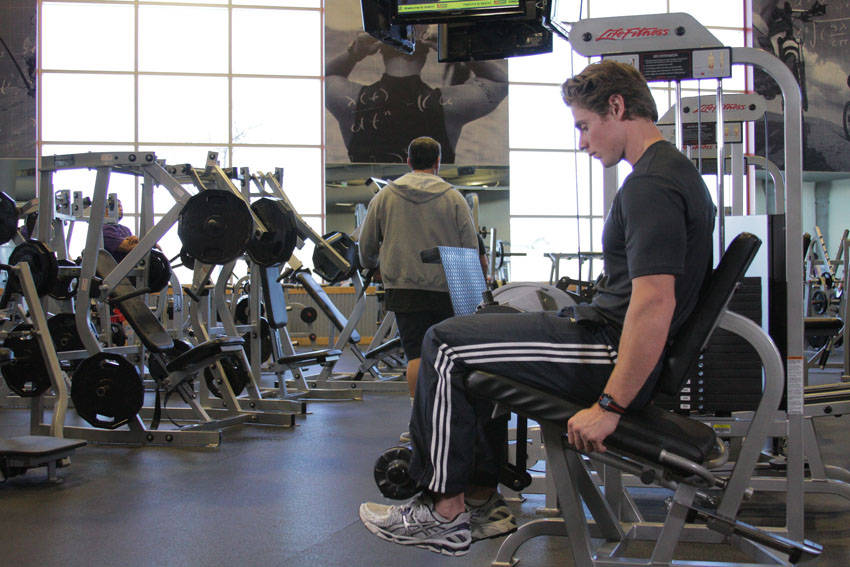
How to Perform Single-leg Leg Extension
- Seat yourself in the machine and adjust it so that you are positioned properly. The pad should be against the lower part of the shin but not in contact with the ankle. Adjust the seat so that the pivot point is in line with your knee. Select a weight appropriate for your abilities.
- Maintaining good posture, fully extend one leg, pausing at the top of the motion.
- Return to the starting position without letting the weight stop, keeping tension on the muscle.
- Repeat for the desired number of repetitions.
Pro Tips
- Category: Strength
- Force: Push
- Movement type: Isolation
Best Single-leg Leg Extension Alternatives
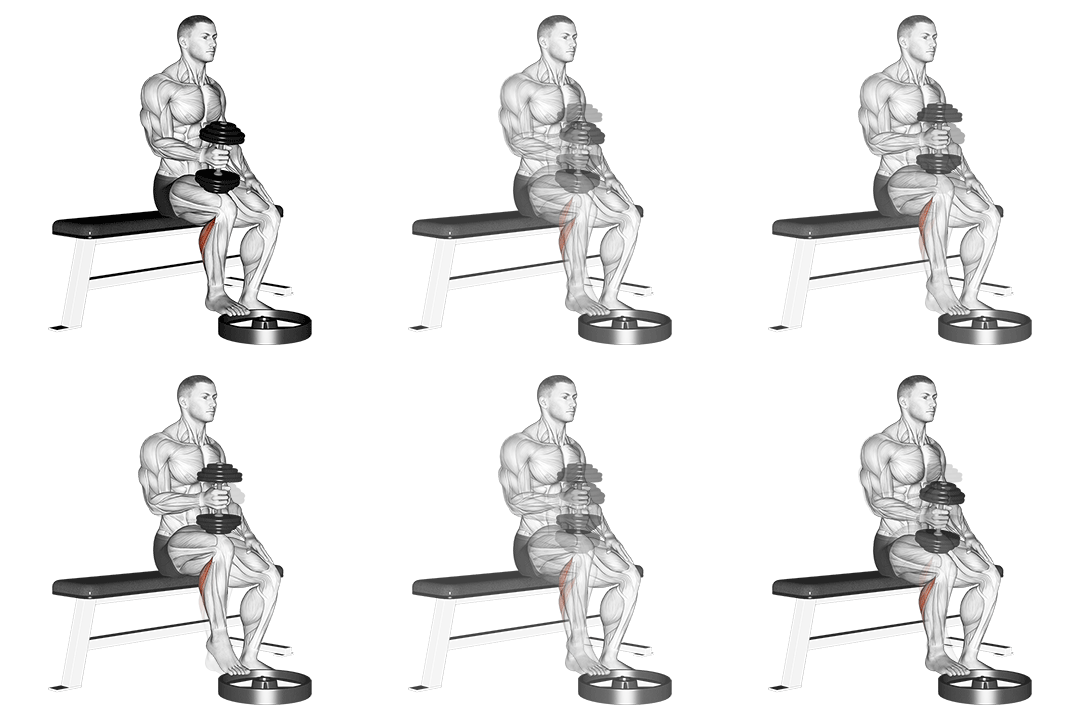
1. Dumbbell Seated One Leg Calf Raise - Hammer Grip
58.9% MatchHow to perform this exercise
- Sit on a bench or chair with your feet flat on the ground and a dumbbell resting on your thighs.
- Place one foot on a raised surface, such as a step or block, with your heel hanging off the edge.
- Hold the dumbbell with a hammer grip, meaning your palms are facing each other and your fingers are wrapped around the handle.
- Keeping your core engaged and your back straight, slowly raise your heel as high as possible by pushing through the ball of your foot.
- Pause for a moment at the top, then slowly lower your heel back down to the starting position.
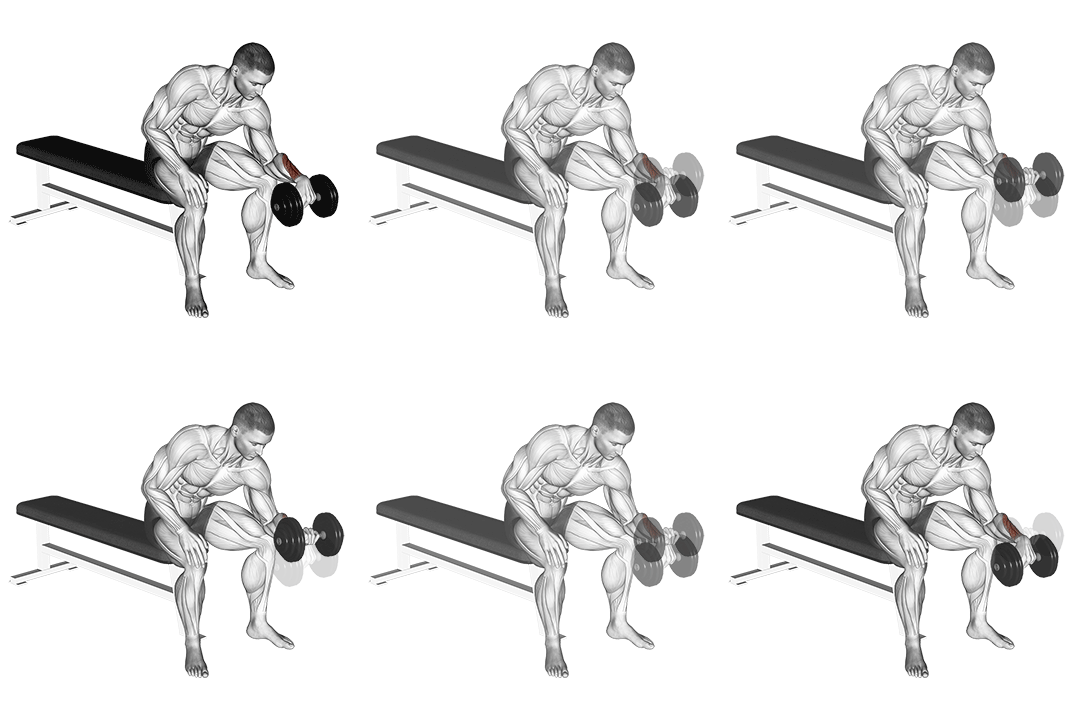
2. Dumbbell One Arm Reverse Wrist Curl
56.2% MatchHow to perform this exercise
- Sit on a bench or chair with your feet flat on the ground.
- Hold a dumbbell in one hand with an overhand grip, palm facing down.
- Rest your forearm on your thigh, with your wrist hanging off the edge.
- Slowly lower the dumbbell towards the ground by flexing your wrist.
- Pause for a moment at the bottom, then slowly curl your wrist back up towards your body.
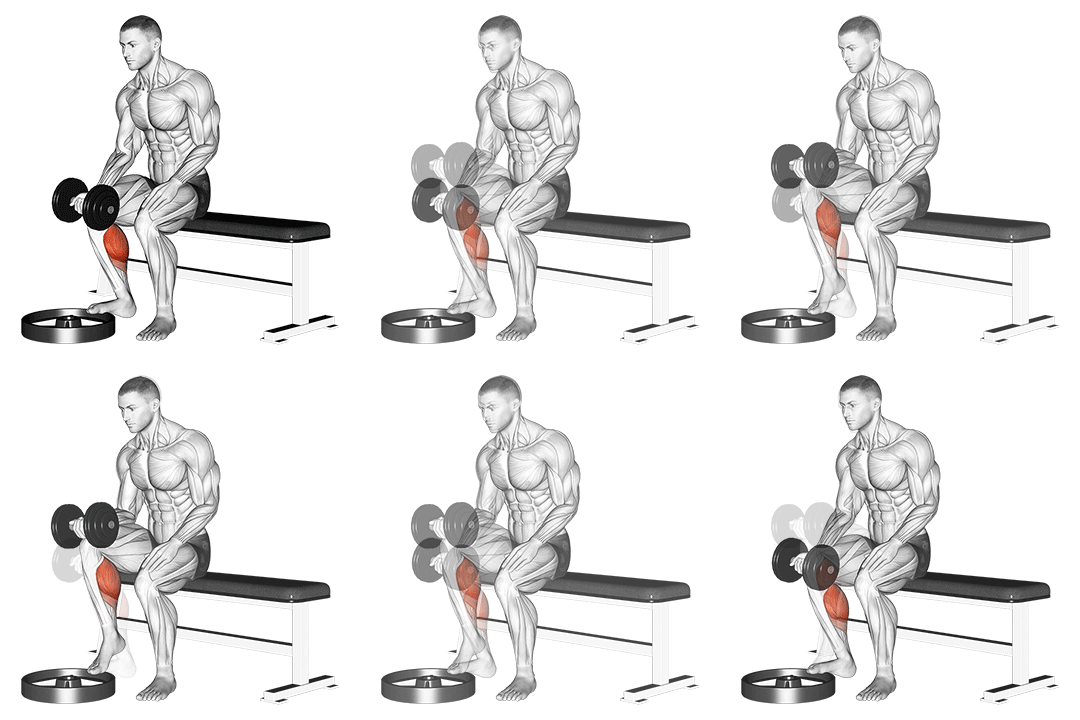
3. Dumbbell Seated One Leg Calf Raise - Palm Up
54.9% MatchHow to perform this exercise
- Sit on a bench or chair with your back straight and your feet flat on the ground.
- Hold a dumbbell in one hand and place it on top of your thigh, palm facing up.
- Lift one leg off the ground and extend it in front of you, keeping your knee slightly bent.
- Raise your heel as high as possible by pushing through the ball of your foot.
- Pause for a moment at the top, then slowly lower your heel back down.
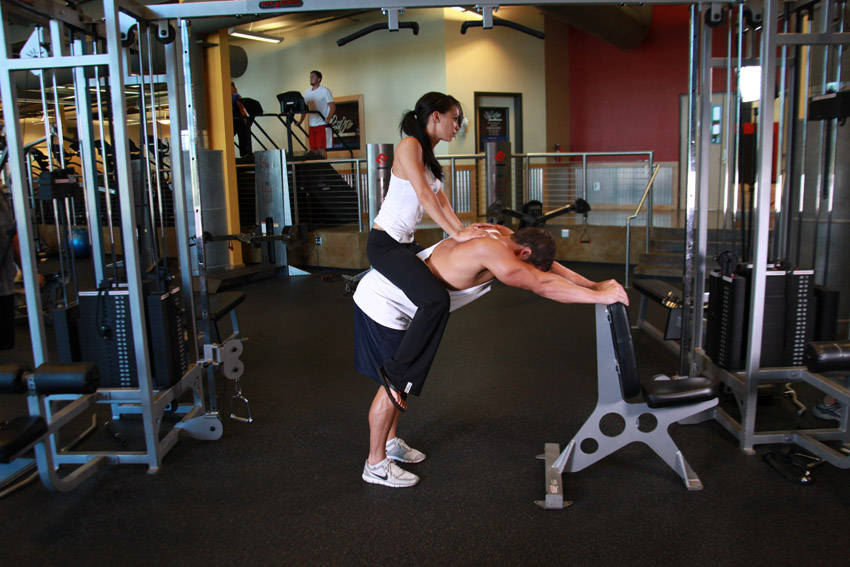
4. Donkey Calf Raises
54.7% MatchHow to perform this exercise
- For this exercise you will need access to a donkey calf raise machine. Start by positioning your lower back and hips under the padded lever provided. The tailbone area should be the one making contact with the pad.
- Place both of your arms on the side handles and place the balls of your feet on the calf block with the heels extending off. Align the toes forward, inward or outward, depending on the area you wish to target, and straighten the knees without locking them. This will be your starting position.
- Raise your heels as you breathe out by extending your ankles as high as possible and flexing your calf. Ensure that the knee is kept stationary at all times. There should be no bending at any time. Hold the contracted position by a second before you start to go back down.
- Go back slowly to the starting position as you breathe in by lowering your heels as you bend the ankles until calves are stretched.
- Repeat for the recommended amount of repetitions.
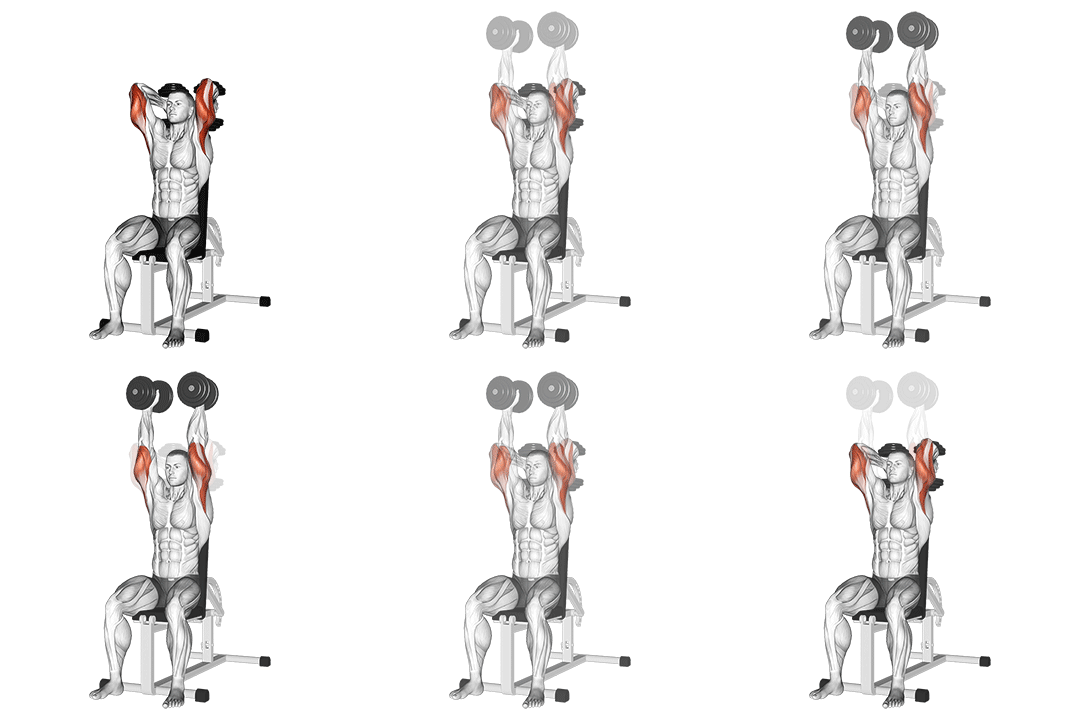
5. Dumbbells Seated Triceps Extension
54% MatchHow to perform this exercise
- Sit on a bench with your back straight and feet flat on the ground.
- Hold a dumbbell in both hands with an overhand grip, and raise it above your head.
- Bend your elbows and lower the dumbbell behind your head, keeping your upper arms close to your ears.
- Extend your arms and raise the dumbbell back to the starting position.
- Repeat for the desired number of repetitions.
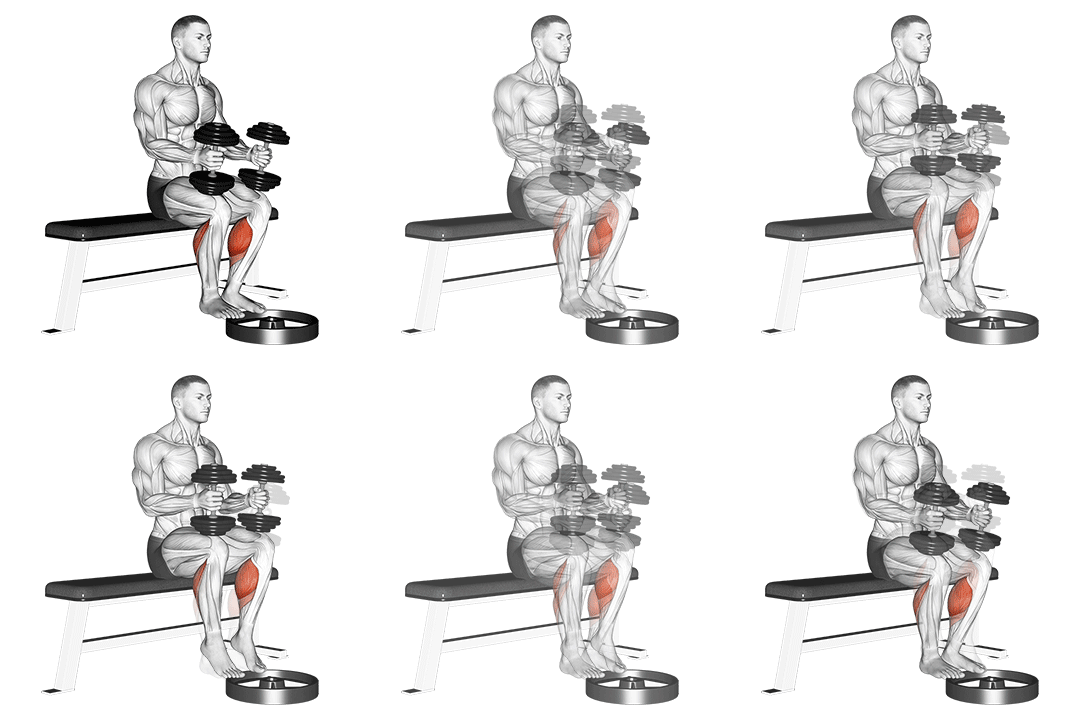
6. Dumbbell Seated Calf Raise
54% MatchHow to perform this exercise
- Sit on a bench or chair with your feet flat on the ground and a dumbbell resting on your thighs.
- Place the balls of your feet on a raised surface such as a step or block, with your heels hanging off the edge.
- Hold onto the dumbbell for stability.
- Raise your heels as high as possible, lifting your body weight onto the balls of your feet.
- Pause for a moment at the top, then slowly lower your heels back down to the starting position.
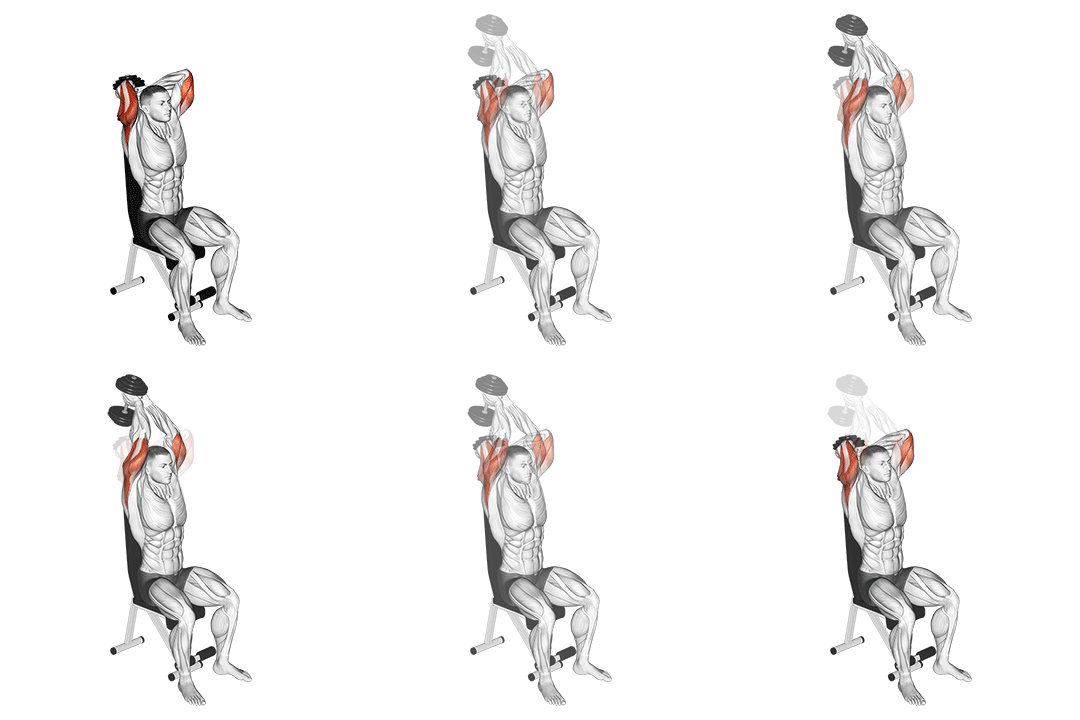
7. Dumbbell Seated Triceps Extension
54% MatchHow to perform this exercise
- Sit on a bench with your back straight and feet flat on the ground.
- Hold a dumbbell with both hands and extend your arms straight up overhead.
- Bend your elbows and lower the dumbbell behind your head, keeping your upper arms close to your ears.
- Pause for a moment, then straighten your arms and return to the starting position.
- Repeat for the desired number of repetitions.
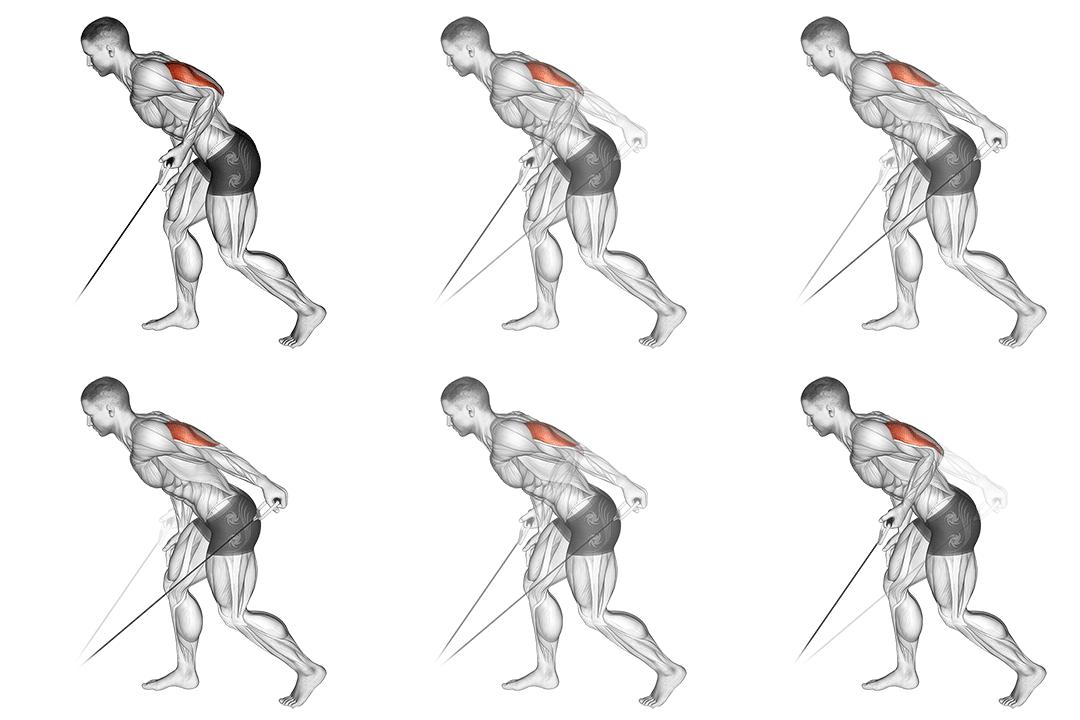
8. Cable Kickback
52% MatchHow to perform this exercise
- Stand facing a cable machine with your feet shoulder-width apart.
- Hold the cable handle with your right hand and step back to create tension in the cable.
- Bend your knees slightly and hinge forward at the hips, keeping your back straight.
- Keep your upper arm close to your body and your elbow bent at a 90-degree angle.
- Extend your forearm backward, straightening your arm fully.
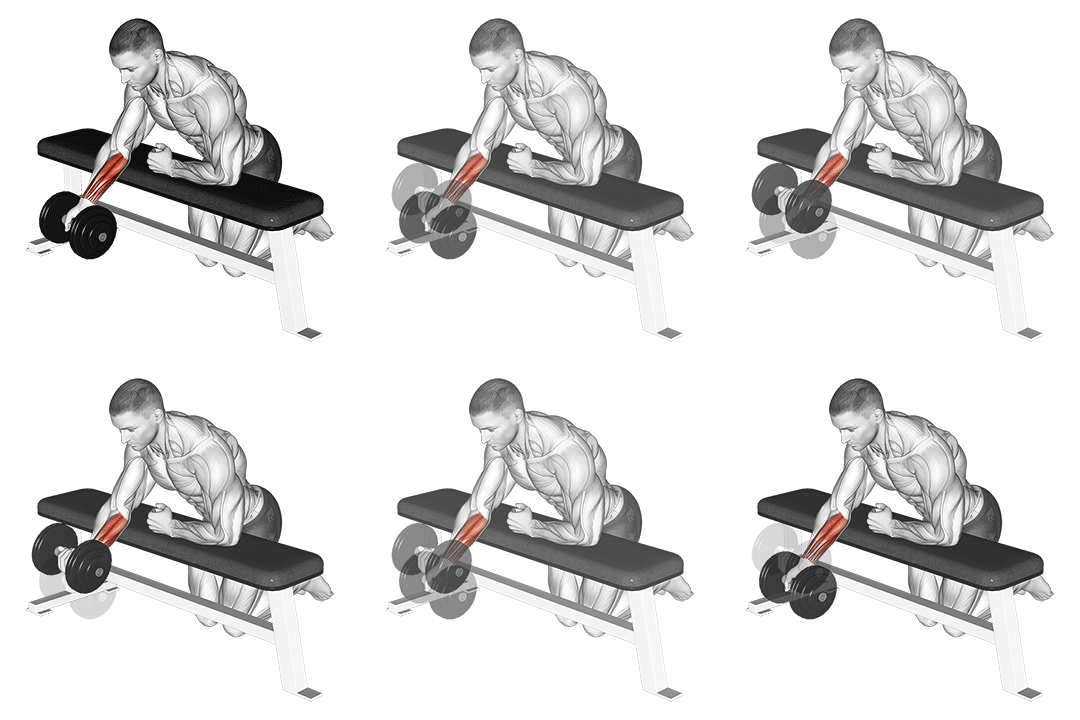
9. Dumbbell Over Bench One Arm Reverse Wrist Curl
51.2% MatchHow to perform this exercise
- Sit on a bench with your feet flat on the ground and hold a dumbbell in one hand, palm facing down.
- Rest your forearm on the bench with your wrist hanging off the edge.
- Slowly curl your wrist upwards, bringing the dumbbell towards your forearm.
- Pause for a moment at the top, then slowly lower the dumbbell back down to the starting position.
- Repeat for the desired number of repetitions, then switch to the other arm.
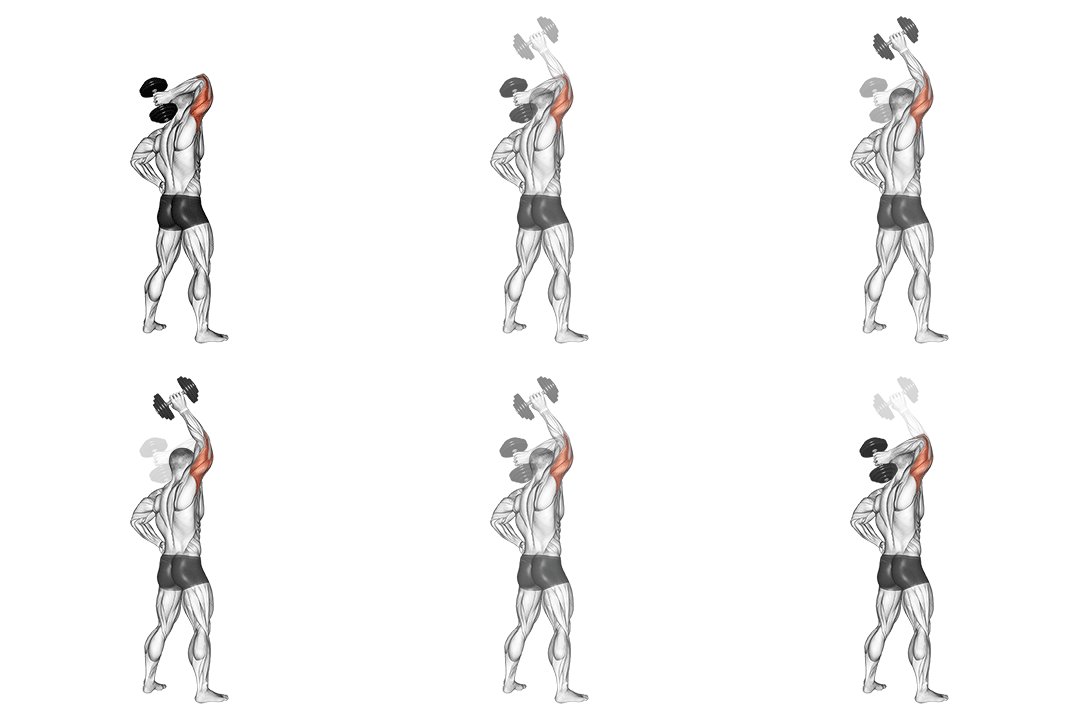
10. Dumbbell Standing One Arm Extension
50.9% MatchHow to perform this exercise
- Stand with your feet shoulder-width apart, holding a dumbbell in one hand.
- Raise the dumbbell overhead, fully extending your arm.
- Keep your upper arm close to your head and perpendicular to the ground.
- Slowly lower the dumbbell behind your head, bending your elbow.
- Pause for a moment, then raise the dumbbell back to the starting position.
Why You Might Need a Single-leg Leg Extension Alternative
You might substitute Single-leg Leg Extensions because the machine isn’t available, because open-chain loading irritates the patellofemoral joint, or because you want better carryover to squatting and gait. Compound single-leg moves shift load through the hip and ankle, recruiting glutes and hamstrings in addition to the quads and reducing isolated anterior shear on the knee. For rehab or pain management, pick low-load variants and control the eccentric (3–4 second descent) to maintain quad activation without spikes in joint compression. For functional strength, use weighted step-ups or Bulgarian split squats with a vertical shin cue to emphasize quad torque while also training balance and hip stability.
How to Choose the Right Substitute
Decide based on your goal, equipment, and joint tolerance. If you want pure quad isolation and have no knee pain, sissy squats or controlled front squats with an upright torso and knees tracking toes will maximize vastus medialis and lateralis activation. For load progression and functional strength, choose Bulgarian split squats or weighted step-ups and increase load by 5–10% when you can complete target sets. If you have patellar issues, prioritize low-load high-rep tempo work and limit peak knee flexion; cue a vertical tibia and avoid forward knee collapse. Always test a substitute with lighter loads and assess pain and muscle activation before progressing.
Frequently Asked Questions
What muscles does Single-leg Leg Extension work?
Single-leg Leg Extension primarily targets the quadriceps group: rectus femoris, vastus lateralis, vastus medialis, and vastus intermedius. The movement is open-chain knee extension, so it isolates knee extensors with minimal hip extension involvement.
What is the best bodyweight alternative to Single-leg Leg Extension?
Sissy squats are the best bodyweight alternative for quad isolation—lean back slightly, keep shins vertical, and drive the knees forward while maintaining a neutral spine to target the quads. If you need more balance challenge and lower-body strength, use Bulgarian split squats with bodyweight, cueing a vertical shin and controlled descent.
Can I build muscle without doing Single-leg Leg Extension?
Yes. You can build quad muscle with progressive overload using compound and unilateral movements like front squats, Bulgarian split squats, weighted step-ups, and slow eccentrics to increase time under tension. Focus on increasing sets, reps, or load while ensuring the knee tracks over the toes to maximize quad recruitment.
More Exercise Alternatives
Find Alternatives for Any Exercise
Use our free tool to discover the best substitute exercises based on your available equipment and goals.
Try the Exercise Substitution Finder →