

10 Best Sled 45° Leg Press (side Pov) Alternatives for Home Gyms
What can you do instead of Sled 45° Leg Press (side Pov)? Use exercises that reproduce hip- and knee-extension torque: barbell hip thrusts, Bulgarian split squats, Romanian deadlifts, heavy step-ups, or hack squats. For example, perform Bulgarian split squats with a tall torso, descend until the front thigh is parallel, and drive through the heel to bias the glutes.
Original Exercise: Sled 45° Leg Press (side Pov)
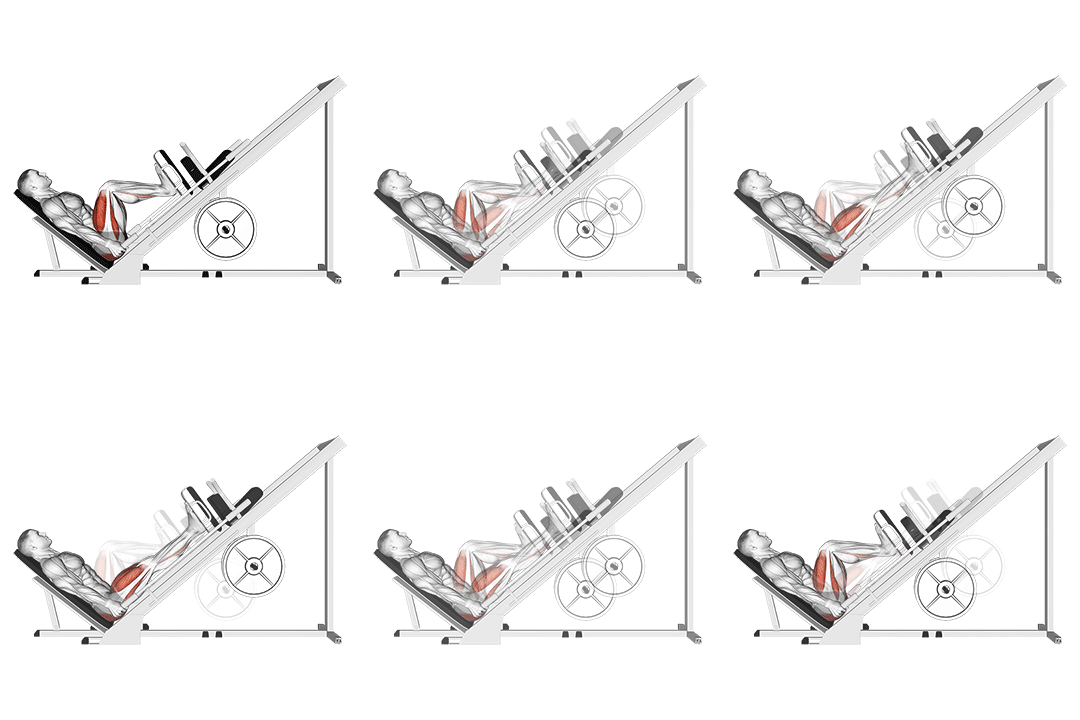
How to Perform Sled 45° Leg Press (side Pov)
- Adjust the seat of the sled machine so that your knees are at a 90-degree angle when your feet are on the footplate.
- Sit on the sled machine with your back flat against the backrest and your feet shoulder-width apart on the footplate.
- Grip the handles on the sides of the seat for stability.
- Push against the footplate to extend your legs, straightening them completely.
- Pause for a moment at the top, then slowly bend your knees to lower the footplate back to the starting position.
- Repeat for the desired number of repetitions.
Best Sled 45° Leg Press (side Pov) Alternatives
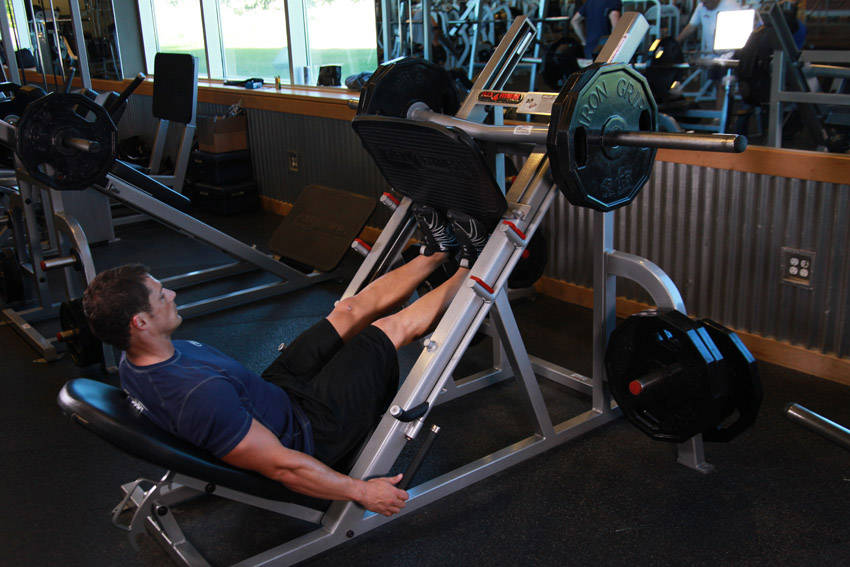
1. Calf Press On The Leg Press Machine
78.7% MatchHow to perform this exercise
- Using a leg press machine, sit down on the machine and place your legs on the platform directly in front of you at a medium (shoulder width) foot stance.
- Lower the safety bars holding the weighted platform in place and press the platform all the way up until your legs are fully extended in front of you without locking your knees. (Note: In some leg press units you can leave the safety bars on for increased safety. If your leg press unit allows for this, then this is the preferred method of performing the exercise.) Your torso and the legs should make perfect 90-degree angle. Now carefully place your toes and balls of your feet on the lower portion of the platform with the heels extending off. Toes should be facing forward, outwards or inwards as described at the beginning of the chapter. This will be your starting position.
- Press on the platform by raising your heels as you breathe out by extending your ankles as high as possible and flexing your calf. Ensure that the knee is kept stationary at all times. There should be no bending at any time. Hold the contracted position by a second before you start to go back down.
- Go back slowly to the starting position as you breathe in by lowering your heels as you bend the ankles until calves are stretched.
- Repeat for the recommended amount of repetitions.
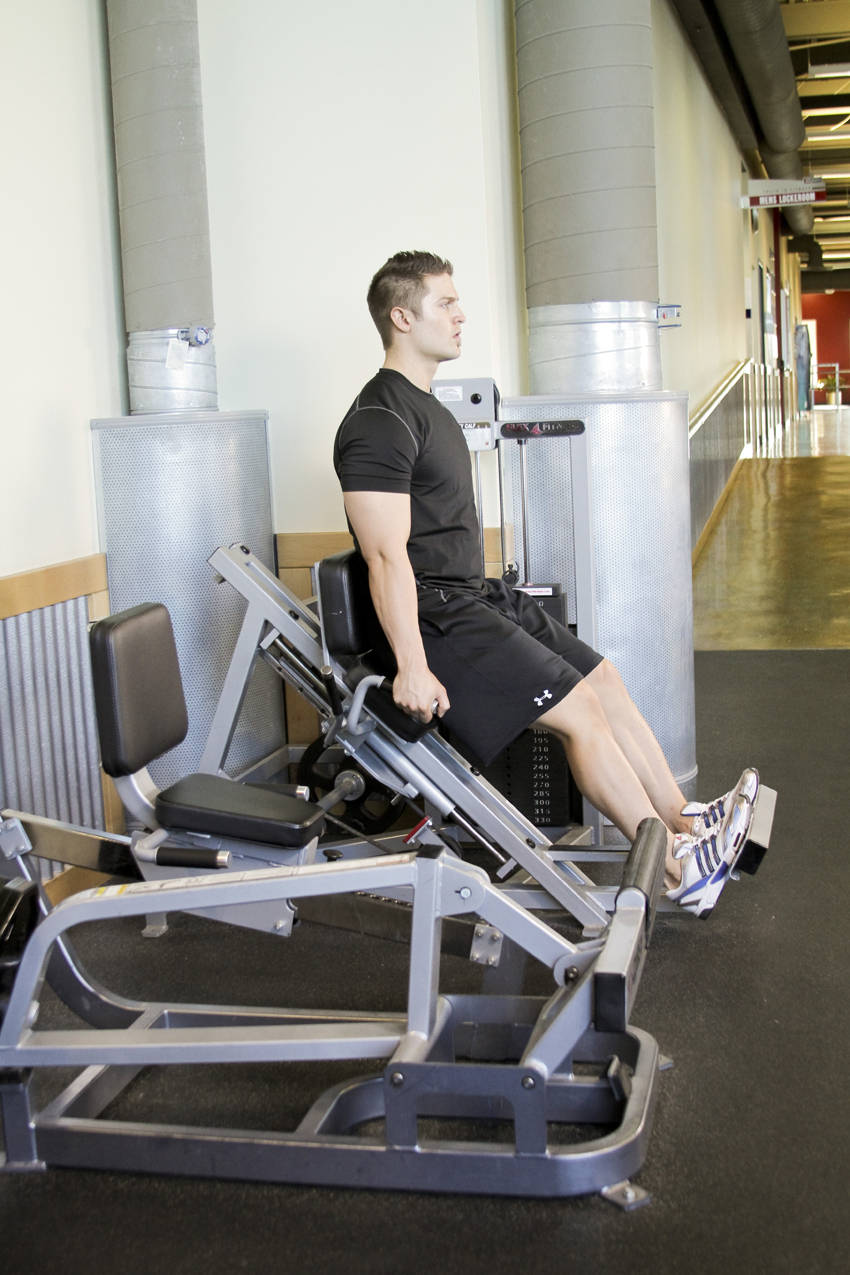
2. Calf Press
78.7% MatchHow to perform this exercise
- Adjust the seat so that your legs are only slightly bent in the start position. The balls of your feet should be firmly on the platform.
- Select an appropriate weight, and grasp the handles. This will be your starting position.
- Straighten the legs by extending the knees, just barely lifting the weight from the stack. Your ankle should be fully flexed, toes pointing up. Execute the movement by pressing downward through the balls of your feet as far as possible.
- After a brief pause, reverse the motion and repeat.
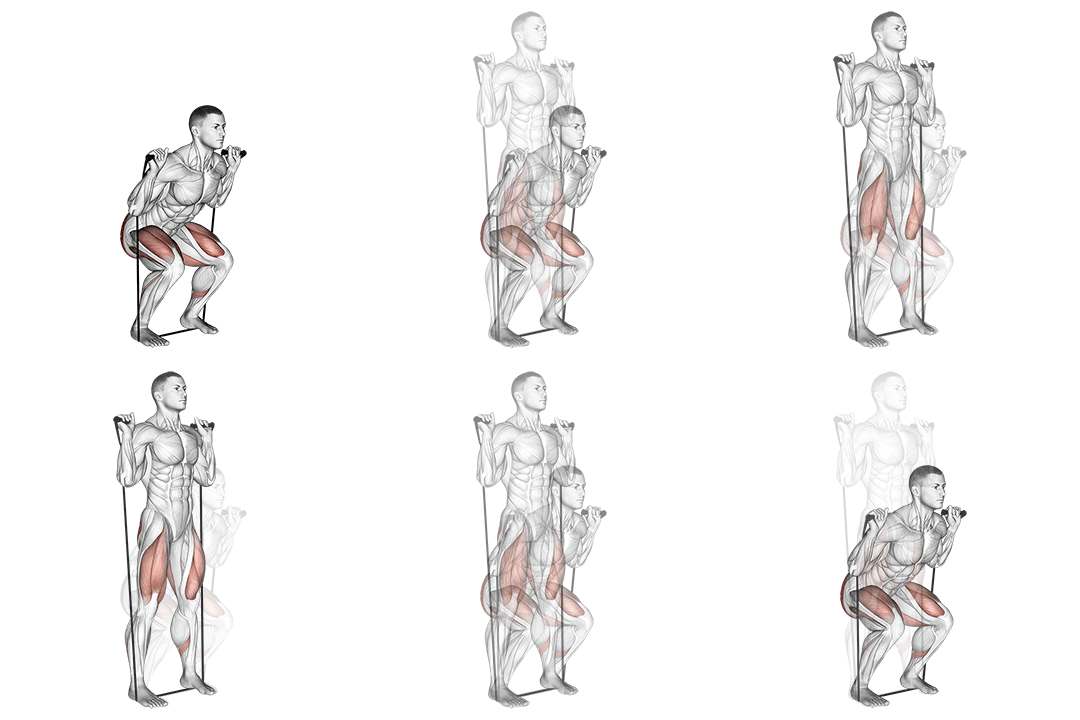
3. Band Squat
78% MatchHow to perform this exercise
- Stand with your feet shoulder-width apart, with the band placed just above your knees.
- Keeping your chest up and core engaged, push your hips back and bend your knees to lower into a squat position.
- Make sure your knees are tracking over your toes and your weight is in your heels.
- Pause for a moment at the bottom, then push through your heels to return to the starting position.
- Repeat for the desired number of repetitions.
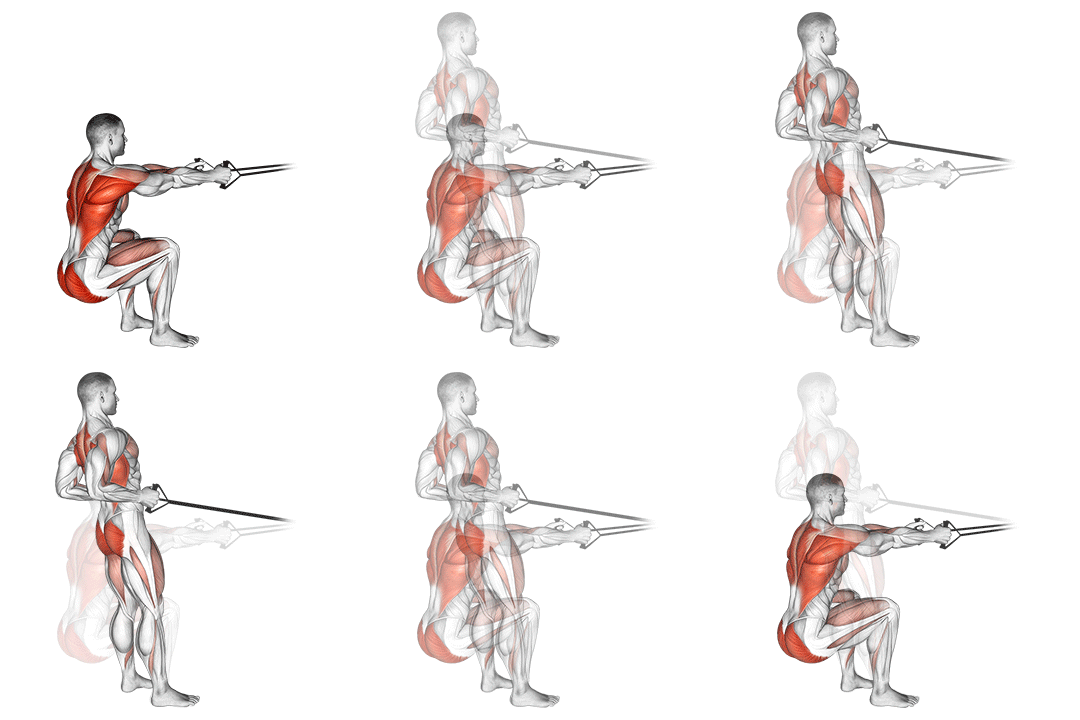
4. Band Squat Row
76.7% MatchHow to perform this exercise
- Attach the band to a sturdy anchor point at waist height.
- Stand facing the anchor point with your feet shoulder-width apart.
- Hold the band handles with your palms facing each other and your arms extended in front of you.
- Bend your knees and lower into a squat position, keeping your back straight and chest lifted.
- From the squat position, pull the band handles towards your body, squeezing your shoulder blades together.
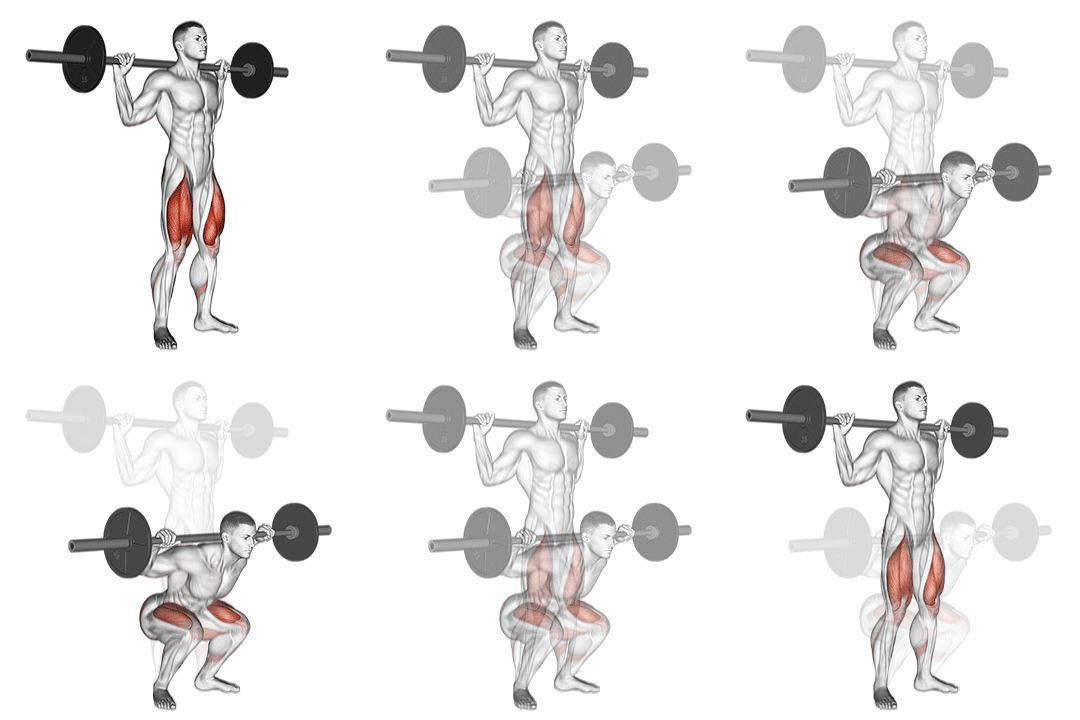
5. Barbell Speed Squat
74% MatchHow to perform this exercise
- Stand with your feet shoulder-width apart, toes slightly turned out.
- Hold the barbell across your upper back, resting it on your traps or rear delts.
- Engage your core and keep your chest up as you lower your hips back and down, as if sitting into a chair.
- Lower until your thighs are parallel to the ground, or as low as you can comfortably go.
- Drive through your heels to stand back up, squeezing your glutes at the top.
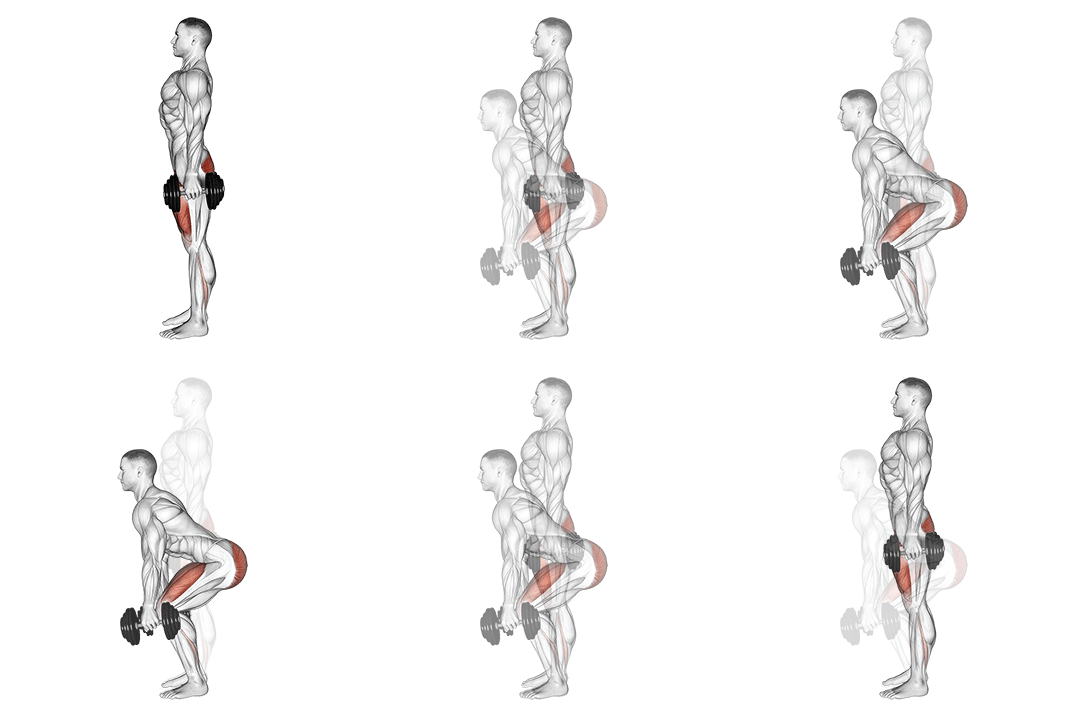
6. Dumbbell Squat
73% MatchHow to perform this exercise
- Stand with your feet shoulder-width apart, holding a dumbbell in each hand at your sides.
- Keeping your chest up and core engaged, lower your body down by bending at the knees and hips, as if sitting back into a chair.
- Continue lowering until your thighs are parallel to the ground, or as low as you can comfortably go.
- Pause for a moment at the bottom, then push through your heels to return to the starting position.
- Repeat for the desired number of repetitions.
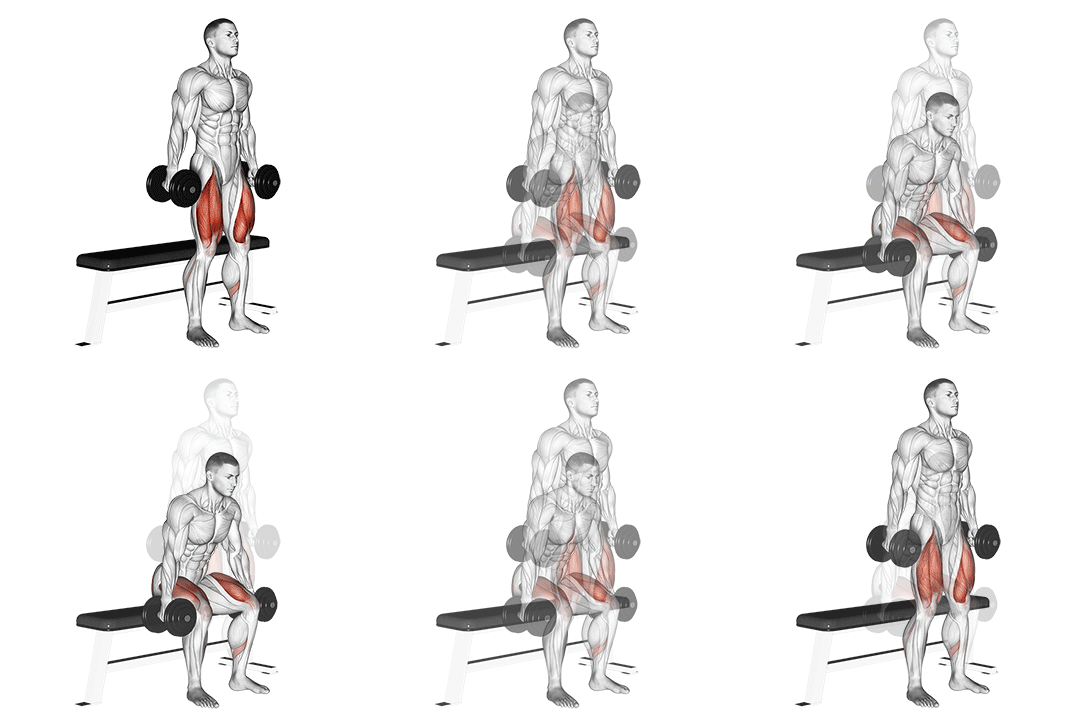
7. Dumbbell Bench Squat
73% MatchHow to perform this exercise
- Place a dumbbell on the ground in front of a bench.
- Stand facing away from the bench with your feet shoulder-width apart.
- Bend at the knees and hips to lower yourself down towards the bench, keeping your chest up and back straight.
- Once your glutes touch the bench, push through your heels to stand back up to the starting position.
- Repeat for the desired number of repetitions.
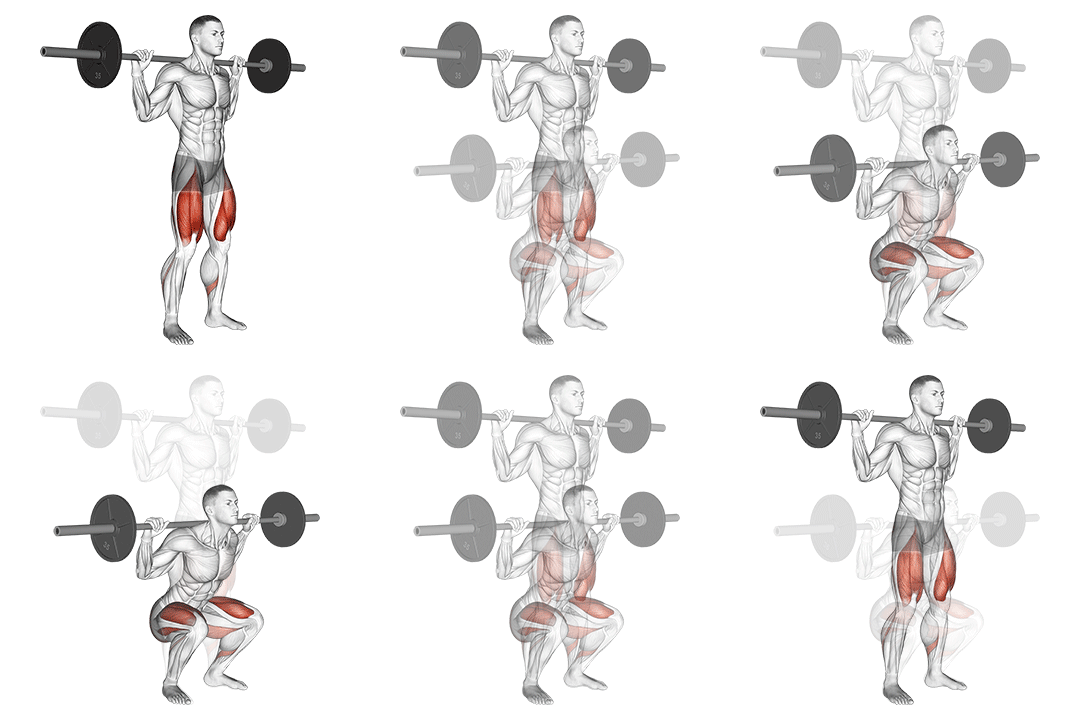
8. Barbell High Bar Squat
72.7% MatchHow to perform this exercise
- Stand with your feet shoulder-width apart, toes slightly turned out.
- Place the barbell on your upper back, resting it on your traps.
- Engage your core and keep your chest up as you begin to squat down, pushing your hips back and bending your knees.
- Lower yourself until your thighs are parallel to the ground, or as low as you can comfortably go.
- Drive through your heels to stand back up, extending your hips and knees.
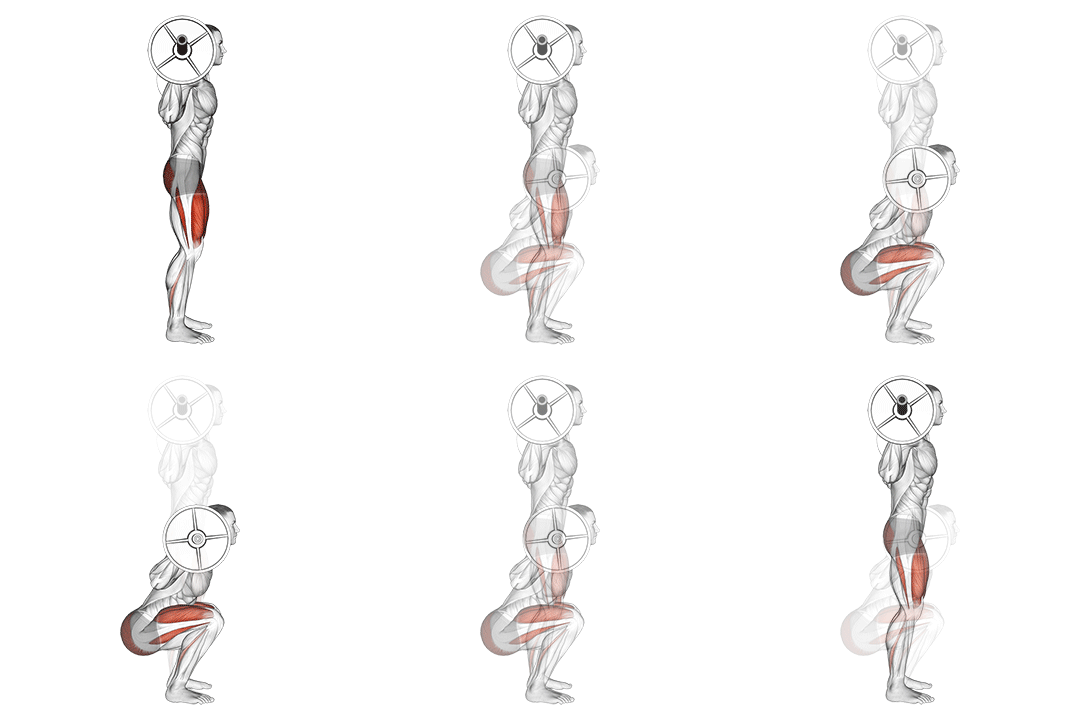
9. Barbell Full Squat (side Pov)
72.7% MatchHow to perform this exercise
- Stand with your feet shoulder-width apart, toes slightly turned out.
- Hold the barbell across your upper back, resting it on your traps or rear delts.
- Engage your core and keep your chest up as you begin to lower your body down.
- Bend at the knees and hips, pushing your hips back and down as if sitting into a chair.
- Lower your body until your thighs are parallel to the ground or slightly below.
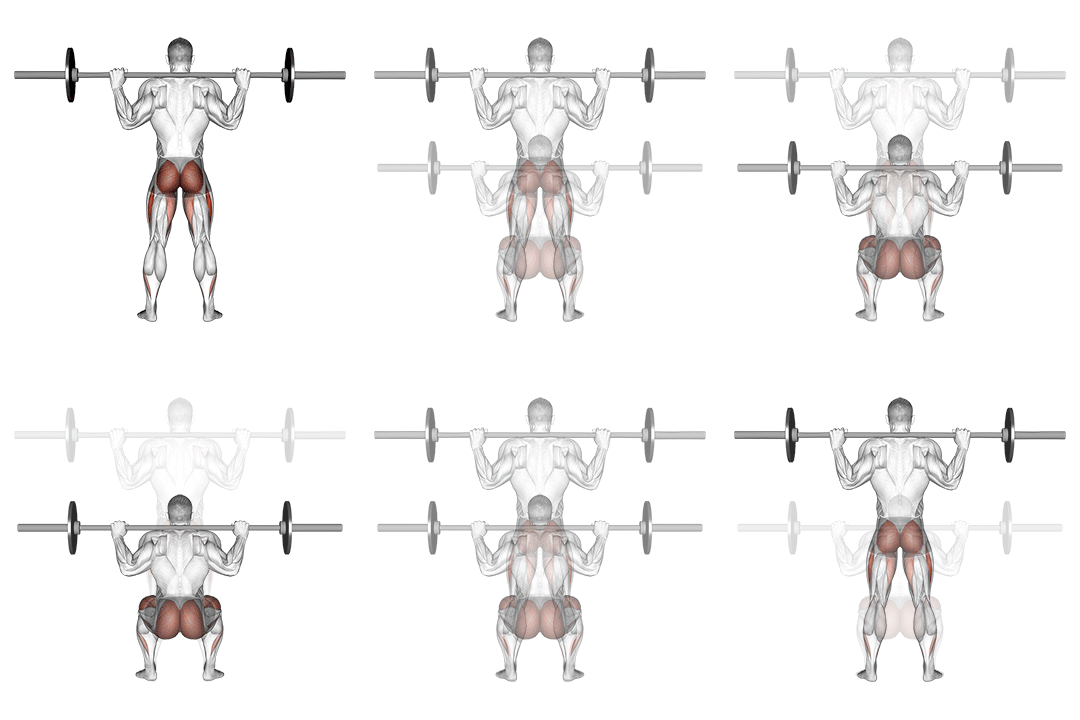
10. Barbell Full Squat (back Pov)
72.7% MatchHow to perform this exercise
- Stand with your feet shoulder-width apart, toes slightly turned out.
- Hold the barbell across your upper back, resting it on your traps or rear delts.
- Engage your core and keep your chest up as you begin to lower your body down.
- Bend at the knees and hips, pushing your hips back and down as if sitting into a chair.
- Lower your body until your thighs are parallel to the ground or slightly below.
Why You Might Need a Sled 45° Leg Press (side Pov) Alternative
You might substitute the sled leg press because you lack a sled, have knee or lower-back irritation, or prefer unilateral loading. Alternatives let you maintain glute hypertrophy and horizontal/vertical force transfer while reducing joint stress. Choose movements that preserve hip-extension range and allow progressive overload—e.g., barbell hip thrusts with a controlled eccentric and full hip squeeze to maximize gluteus maximus activation, or split squats that force single-leg stability and load the glute medius.
How to Choose the Right Substitute
Select a substitute based on available equipment, pain or injury limitations, and the movement pattern you need. If you have a barbell, choose hip thrusts and load with chains or plates; cue: press through the heels, extend hips to full lockout and maintain a tucked chin. If you need a unilateral option, pick Bulgarian split squats—keep torso upright, lower until the front thigh is parallel and push through the front heel to emphasize glute recruitment. For minimal equipment, use heavy step-ups onto a knee-high box, driving the hip up while avoiding lumbar hyperextension.
Frequently Asked Questions
What muscles does Sled 45° Leg Press (side Pov) work?
The movement primarily targets the gluteus maximus and quadriceps via combined hip extension and knee extension. Secondary muscles include the hamstrings and adductors; pushing through the heel increases posterior-chain (glute/hamstring) activation while a more midfoot emphasis shifts load to the quads.
What is the best bodyweight alternative to Sled 45° Leg Press (side Pov)?
Bulgarian split squats are the top bodyweight substitute: position the rear foot on a bench, keep your torso tall, descend until the front thigh is parallel, and drive through the front heel to maximize glute engagement. Perform slow eccentrics and add tempo or a weighted vest to increase load.
Can I build muscle without doing Sled 45° Leg Press (side Pov)?
Yes. You can achieve equal or greater hypertrophy with progressive overload on alternatives like barbell hip thrusts, Romanian deadlifts, and split squats. Focus on progressive loading, full hip extension, and deliberate time under tension to drive glute and quad growth.
More Exercise Alternatives
Find Alternatives for Any Exercise
Use our free tool to discover the best substitute exercises based on your available equipment and goals.
Try the Exercise Substitution Finder →