

10 Best Sled Overhead Backward Walk Alternatives for Limited Equipment
If you can’t perform the Sled Overhead Backward Walk, use overhead carries and unilateral presses that load the delts and force scapular stability. For example, perform an overhead dumbbell carry: brace your core, lock the elbow, pack the shoulder, and take short backward steps to maintain deltoid and rotator cuff activation.
Original Exercise: Sled Overhead Backward Walk
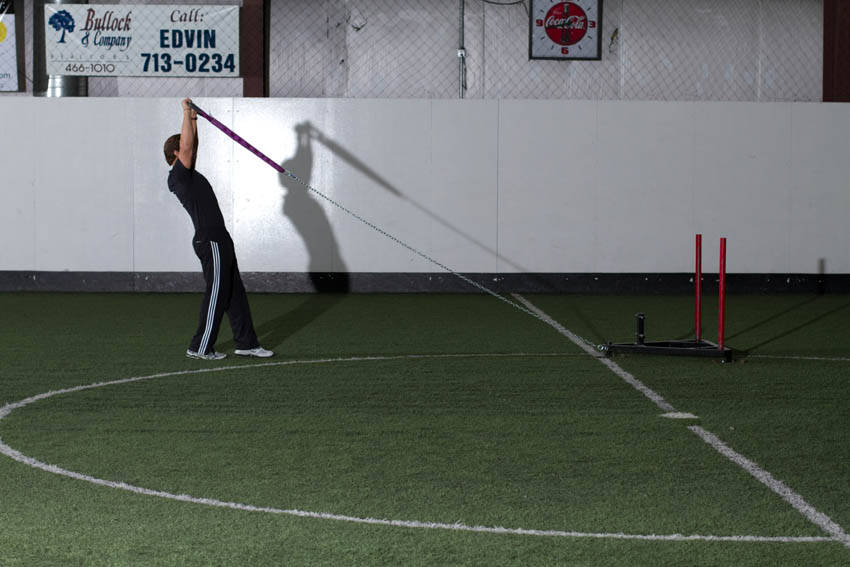
How to Perform Sled Overhead Backward Walk
- Attach dual handles to a sled connected by a rope or chain. Load the sled to a light weight.
- Face the sled, backing up until there is some tension in the line. Hold your hands directly above your head with your elbows extended. This will be your starting position.
- Walk backwards, keeping your arms raised above your head. Avoid jerky movements.
Pro Tips
- Category: Strength
- Force: Pull
- Movement type: Compound
Best Sled Overhead Backward Walk Alternatives
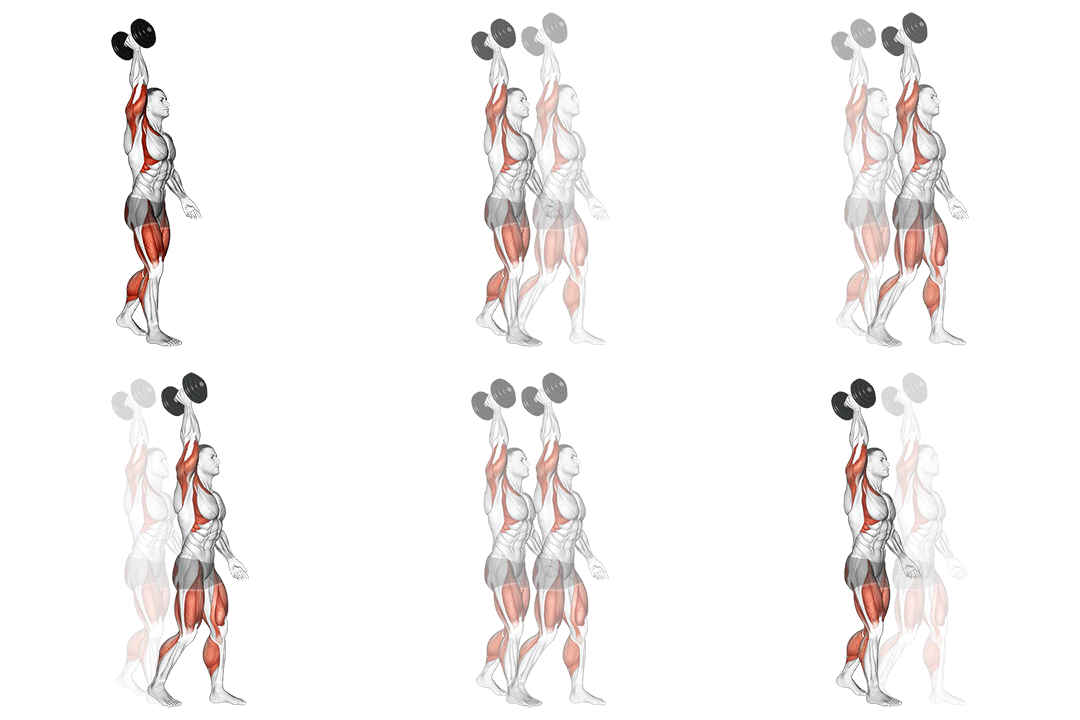
1. Dumbbell Single Arm Overhead Carry
89% MatchHow to perform this exercise
- Stand tall with your feet shoulder-width apart, holding a dumbbell in one hand.
- Raise the dumbbell overhead, fully extending your arm.
- Engage your core and keep your back straight as you walk forward, maintaining the dumbbell overhead.
- Continue walking for the desired distance or time.
- Switch hands and repeat the exercise.
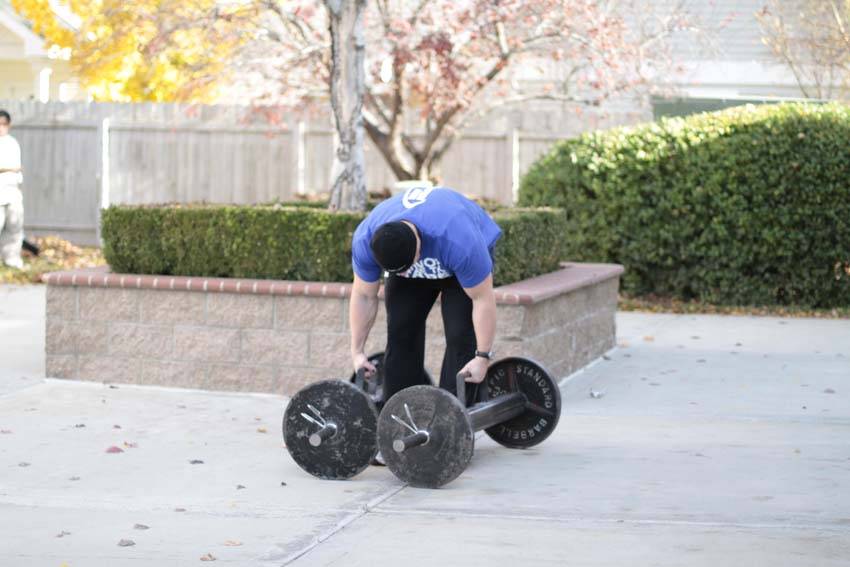
2. Farmer's Walk
68.9% MatchHow to perform this exercise
- There are various implements that can be used for the farmers walk. These can also be performed with heavy dumbbells or short bars if these implements aren't available. Begin by standing between the implements.
- After gripping the handles, lift them up by driving through your heels, keeping your back straight and your head up.
- Walk taking short, quick steps, and don't forget to breathe. Move for a given distance, typically 50-100 feet, as fast as possible.
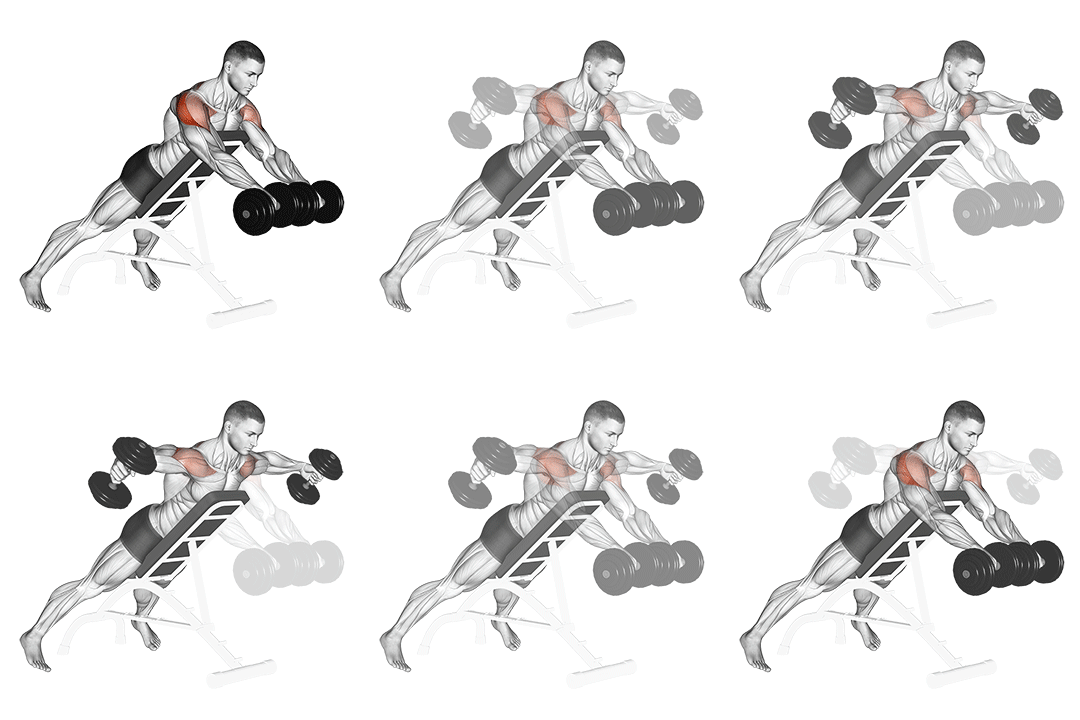
3. Dumbbell Rotation Reverse Fly
63.7% MatchHow to perform this exercise
- Stand with your feet shoulder-width apart and hold a dumbbell in each hand, palms facing inwards.
- Bend your knees slightly and hinge forward at the hips, keeping your back straight and chest up.
- Raise your arms out to the sides, keeping a slight bend in your elbows, until they are parallel to the floor.
- Rotate your arms so that your palms are facing downwards.
- Slowly lower your arms back to the starting position.
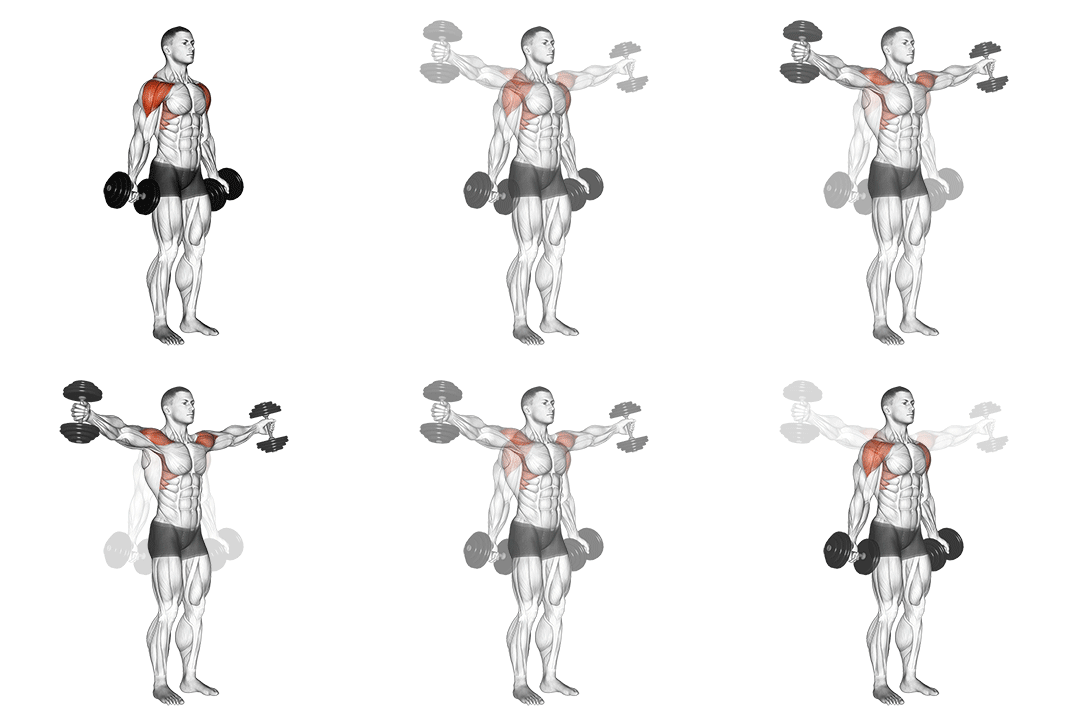
4. Dumbbell Full Can Lateral Raise
63.4% MatchHow to perform this exercise
- Stand with your feet shoulder-width apart, holding a dumbbell in each hand with your palms facing your body.
- Keep your back straight and engage your core.
- Raise your arms out to the sides, keeping a slight bend in your elbows, until they are parallel to the ground.
- Pause for a moment at the top, then slowly lower your arms back down to the starting position.
- Repeat for the desired number of repetitions.
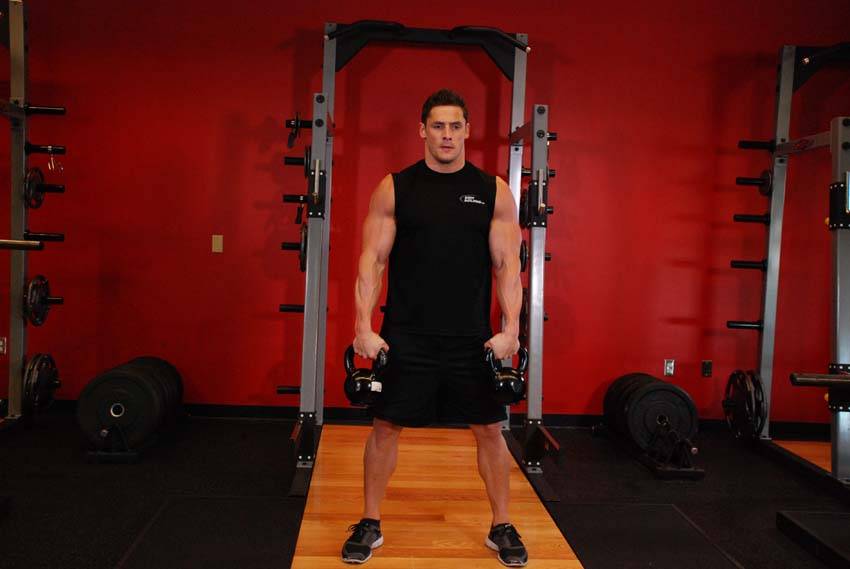
5. Double Kettlebell Snatch
63.3% MatchHow to perform this exercise
- Place two kettlebells behind your feet. Bend your knees and sit back to pick up the kettlebells.
- Swing the kettlebells between your legs forcefully and reverse the direction.
- Drive through with your hips and lock the ketttlebells overhead in one uninterrupted motion.
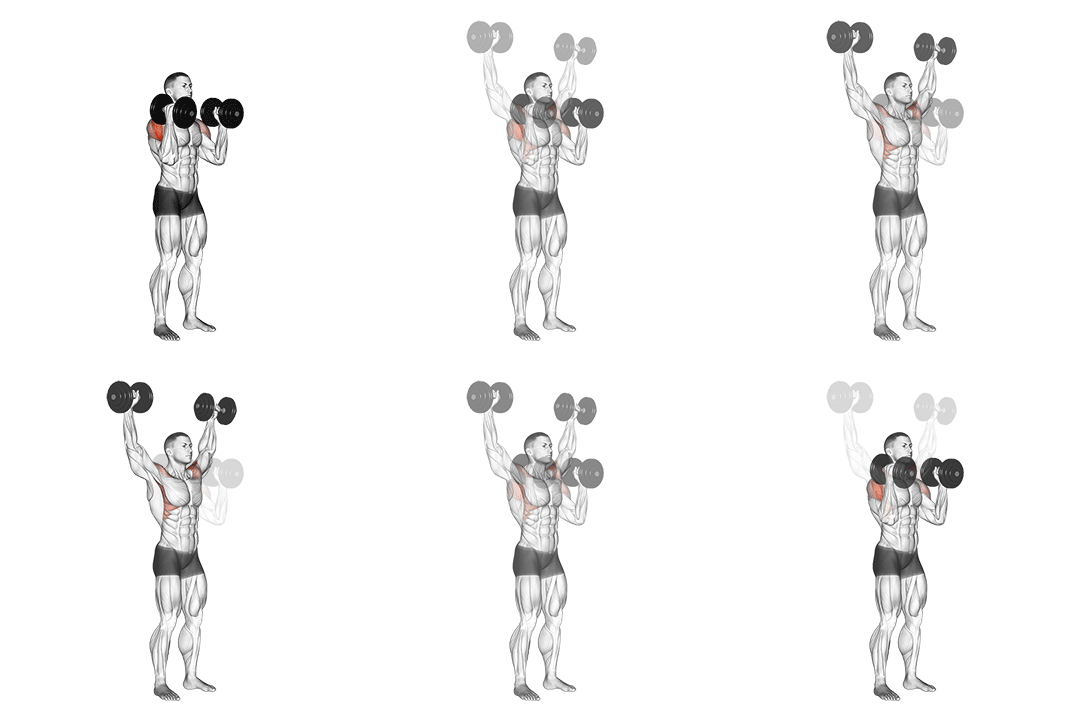
6. Dumbbell W-press
62.9% MatchHow to perform this exercise
- Sit on a bench with a dumbbell in each hand, palms facing forward.
- Raise the dumbbells to shoulder height, elbows bent and palms facing forward.
- Press the dumbbells upward until your arms are fully extended overhead.
- Lower the dumbbells back to shoulder height.
- Repeat for the desired number of repetitions.
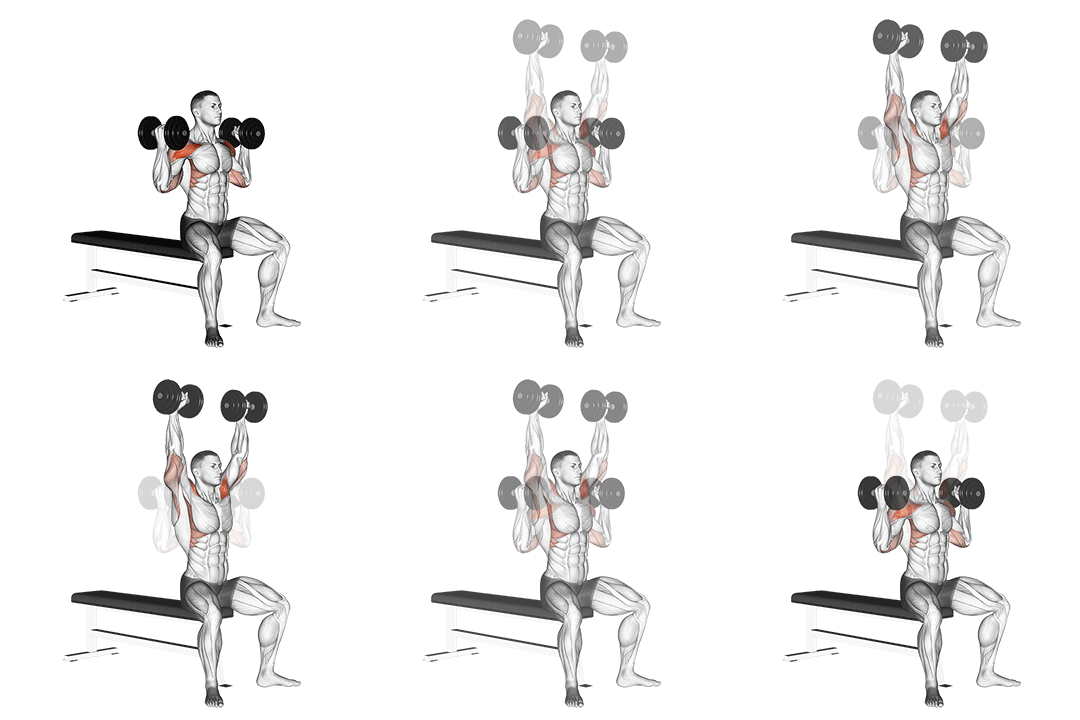
7. Dumbbell Arnold Press V. 2
62.9% MatchHow to perform this exercise
- Sit on a bench with back support and hold a dumbbell in each hand at shoulder level, palms facing your body and elbows bent.
- Press the dumbbells upward until your arms are fully extended and your palms are facing forward.
- Rotate your wrists as you lift, so that your palms end up facing forward at the top of the movement.
- Pause for a moment at the top, then slowly lower the dumbbells back to the starting position.
- Repeat for the desired number of repetitions.
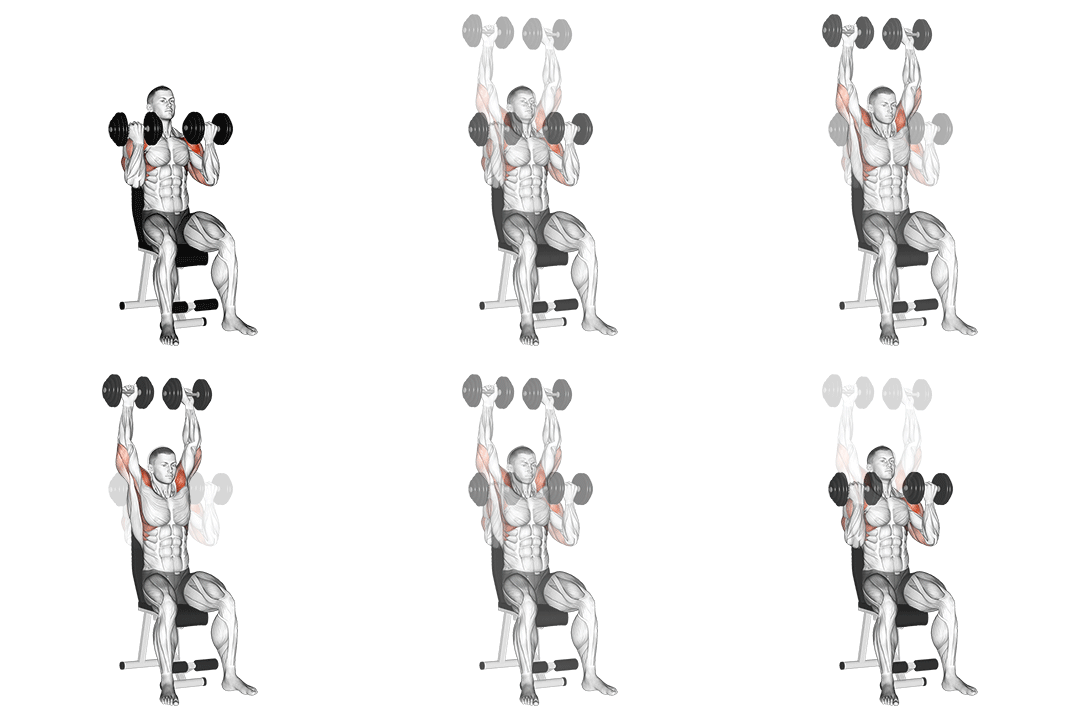
8. Dumbbell Arnold Press
62.9% MatchHow to perform this exercise
- Sit on a bench with back support and hold a dumbbell in each hand at shoulder level, palms facing your body and elbows bent.
- Press the dumbbells upward until your arms are fully extended and your palms are facing forward.
- Rotate your wrists as you lift, so that your palms are facing forward at the top of the movement.
- Pause for a moment at the top, then slowly lower the dumbbells back to the starting position.
- Repeat for the desired number of repetitions.
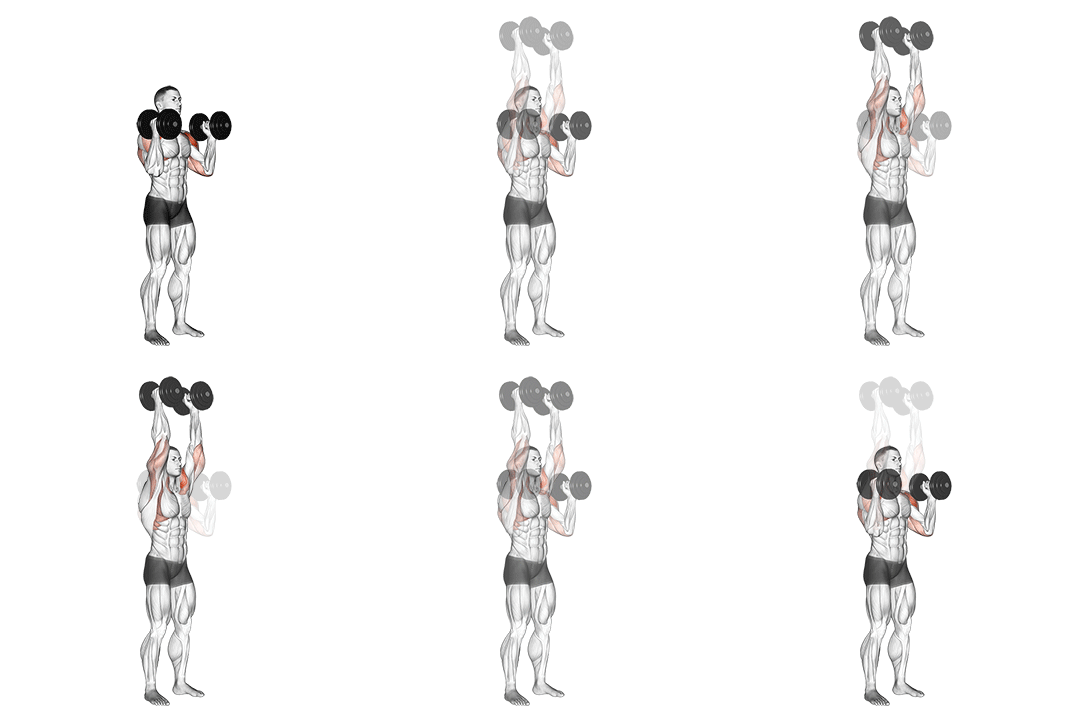
9. Dumbbell Standing Palms In Press
62.9% MatchHow to perform this exercise
- Stand with your feet shoulder-width apart, holding a dumbbell in each hand at shoulder level with your palms facing inwards.
- Keeping your core engaged and your back straight, press the dumbbells upwards until your arms are fully extended overhead.
- Pause for a moment at the top, then slowly lower the dumbbells back to the starting position.
- Repeat for the desired number of repetitions.
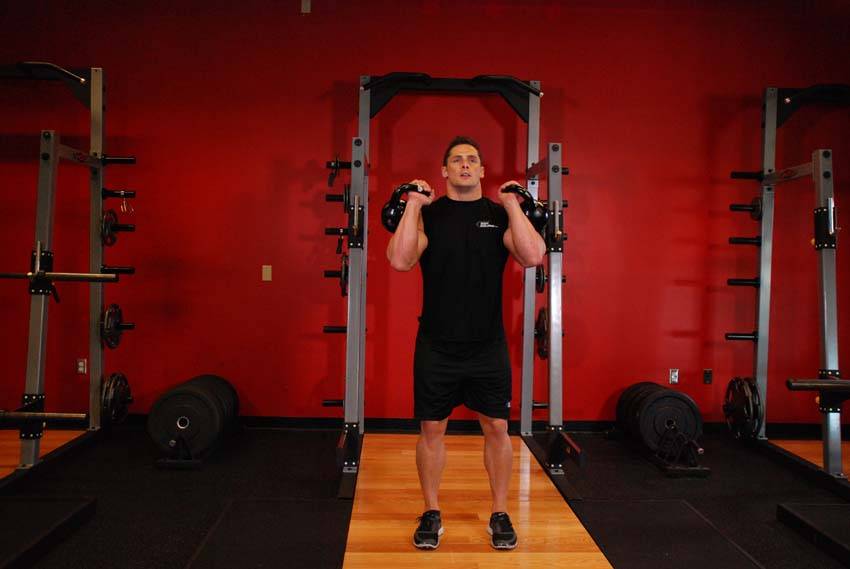
10. Double Kettlebell Push Press
62.9% MatchHow to perform this exercise
- Clean two kettlebells to your shoulders.
- Squat down a few inches and reverse the motion rapidly. Use the momentum from the legs to drive the kettlebells overhead.
- Once the kettlebells are locked out, lower the kettlebells to your shoulders and repeat.
Why You Might Need a Sled Overhead Backward Walk Alternative
You may substitute the sled for several reasons: lack of a sled, shoulder pain with loaded overhead walking, programming constraints, or the need for a unilateral challenge. The sled stresses deltoid endurance and shoulder stabilizers through prolonged overhead positioning; if that position causes impingement, switch to a carry or landmine press where you can reduce load and control scapular upward rotation. For rehab or progressive loading, use lighter carries, shorten stride length, and cue packed shoulders and a neutral spine to preserve long-head deltoid tension while minimizing glenohumeral compression.
How to Choose the Right Substitute
Select a replacement by matching the primary training demand: overhead stability, deltoid hypertrophy, or unilateral anti-rotation. If you need stability and carry-specific conditioning pick overhead carries (dumbbell or barbell) and focus on scapular control and core bracing. For progressive pressing strength choose a landmine or strict overhead press and cue full lockout with scapular upward rotation. If shoulder pain limits range, use isometric holds at 90 degrees with packed shoulders and light load to stimulate deltoid activation without excessive humeral translation.
Frequently Asked Questions
What muscles does Sled Overhead Backward Walk work?
The movement primarily targets the deltoids (anterior, medial, and long head) while demanding scapular stabilizers and rotator cuff activation for overhead control. The core and upper traps also engage isometrically to maintain trunk posture and shoulder girdle position during the backward steps.
What is the best bodyweight alternative to Sled Overhead Backward Walk?
A bodyweight-friendly option is the pike-to-handstand hold progression or wall-facing handstand holds to train the delts and scapular stabilization. Cue a tight core, active scapular upward rotation, and straight arms to replicate the overhead stability demand without external load.
Can I build muscle without doing Sled Overhead Backward Walk?
Yes. Use heavy strict overhead presses, overhead carries, and single-arm variants to overload the delts and create hypertrophy through progressive tension. Emphasize controlled tempo, full lockout, and consistent volume while maintaining scapular control to maximize deltoid recruitment.
More Exercise Alternatives
Find Alternatives for Any Exercise
Use our free tool to discover the best substitute exercises based on your available equipment and goals.
Try the Exercise Substitution Finder →