

10 Best Smith Reverse Grip Bent Over Row Alternatives for Strength
If you can’t do the Smith reverse-grip bent-over row, use these 5 alternatives: barbell reverse-grip rows, single-arm dumbbell rows, seated cable rows with a supinated handle, chest-supported supinated rows, and supinated inverted rows. Cue a strong hip hinge and scapular retraction—keep a flat back and pull elbows toward the ribs to load the upper back.
Original Exercise: Smith Reverse Grip Bent Over Row
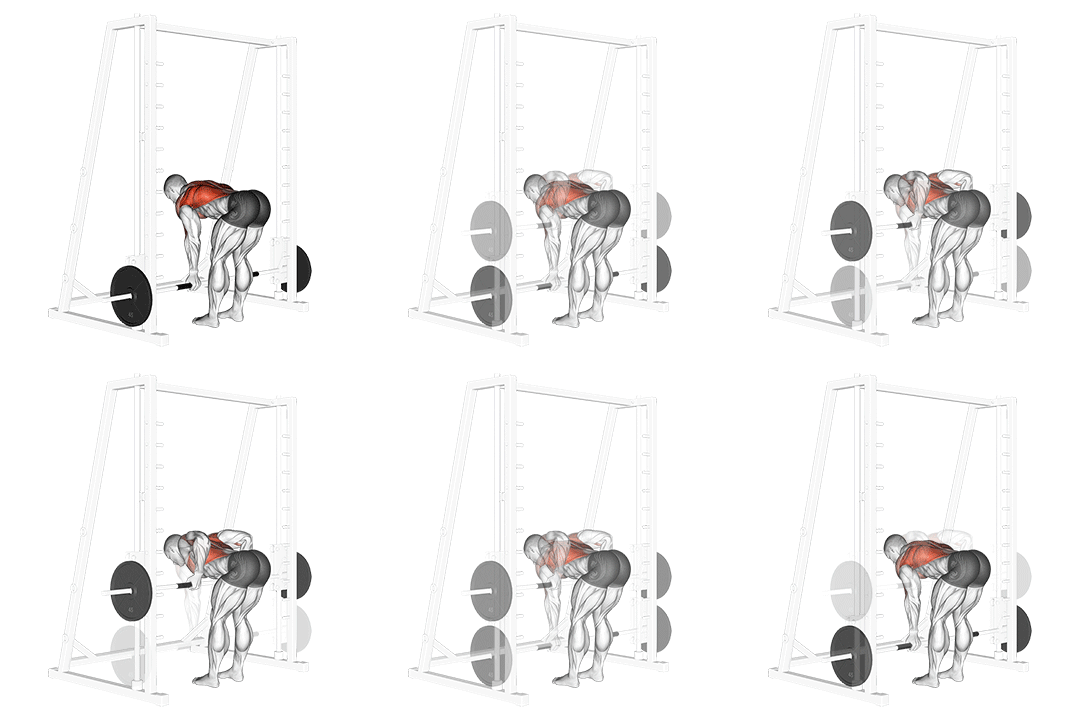
How to Perform Smith Reverse Grip Bent Over Row
- Set up the smith machine with the bar at hip height.
- Stand facing the bar with your feet shoulder-width apart.
- Bend your knees slightly and hinge forward at the hips, keeping your back straight.
- Grasp the bar with an underhand grip, hands shoulder-width apart.
- Pull the bar towards your lower chest, squeezing your shoulder blades together.
- Pause for a moment at the top, then slowly lower the bar back down to the starting position.
- Repeat for the desired number of repetitions.
Best Smith Reverse Grip Bent Over Row Alternatives
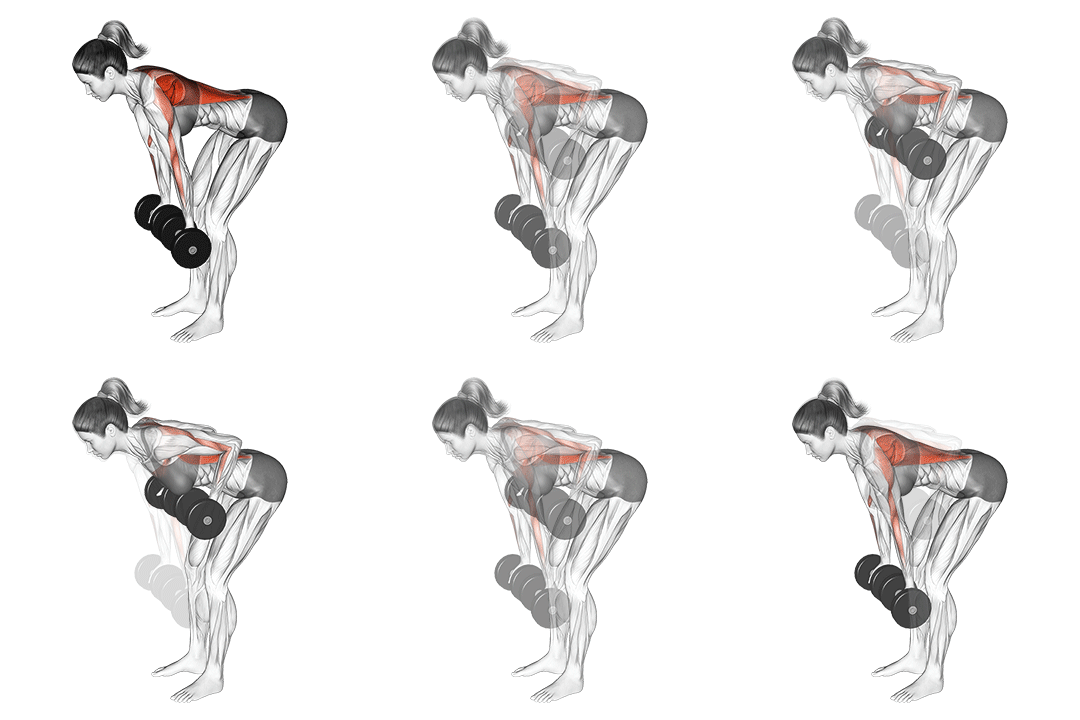
1. Dumbbell Reverse Grip Row (female)
85.8% MatchHow to perform this exercise
- Stand with your feet shoulder-width apart and knees slightly bent.
- Hold a dumbbell in each hand with an overhand grip, palms facing your body.
- Bend forward at the waist, keeping your back straight and your core engaged.
- Let your arms hang straight down, fully extended, with a slight bend in your elbows.
- Pull the dumbbells up towards your chest, squeezing your shoulder blades together.
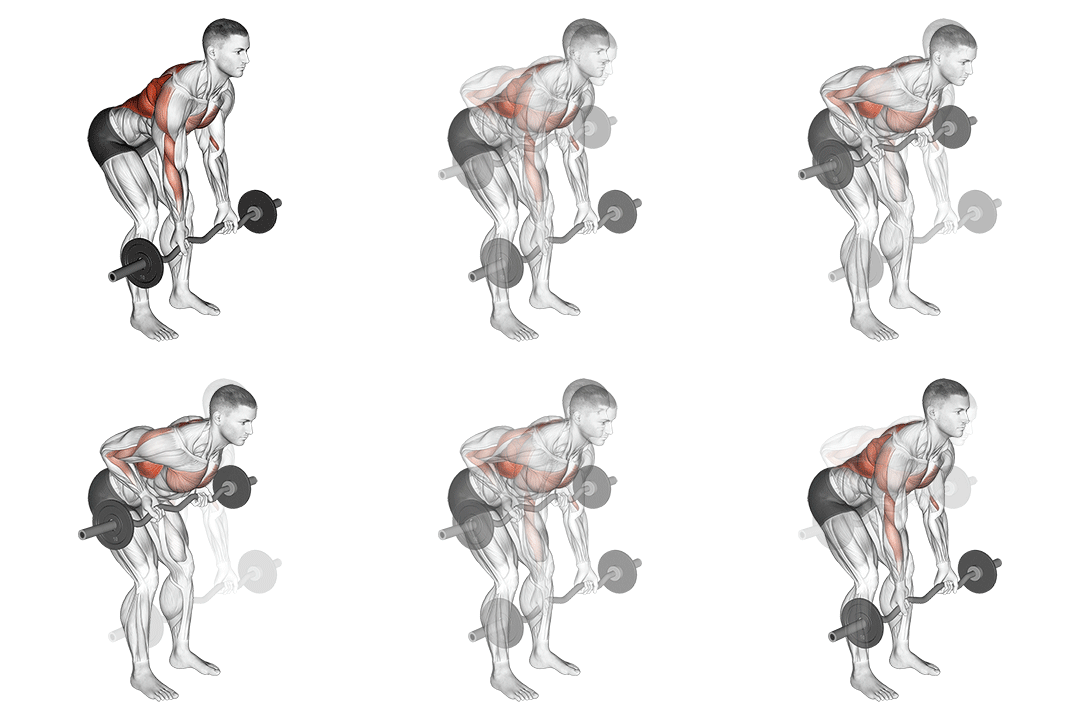
2. Ez Bar Reverse Grip Bent Over Row
85.8% MatchHow to perform this exercise
- Stand with your feet shoulder-width apart and knees slightly bent.
- Hold the ez barbell with an underhand grip, palms facing up, and hands shoulder-width apart.
- Bend forward at the hips, keeping your back straight and chest up, until your torso is almost parallel to the floor.
- Pull the ez barbell towards your lower chest, squeezing your shoulder blades together.
- Pause for a moment at the top, then slowly lower the ez barbell back to the starting position.
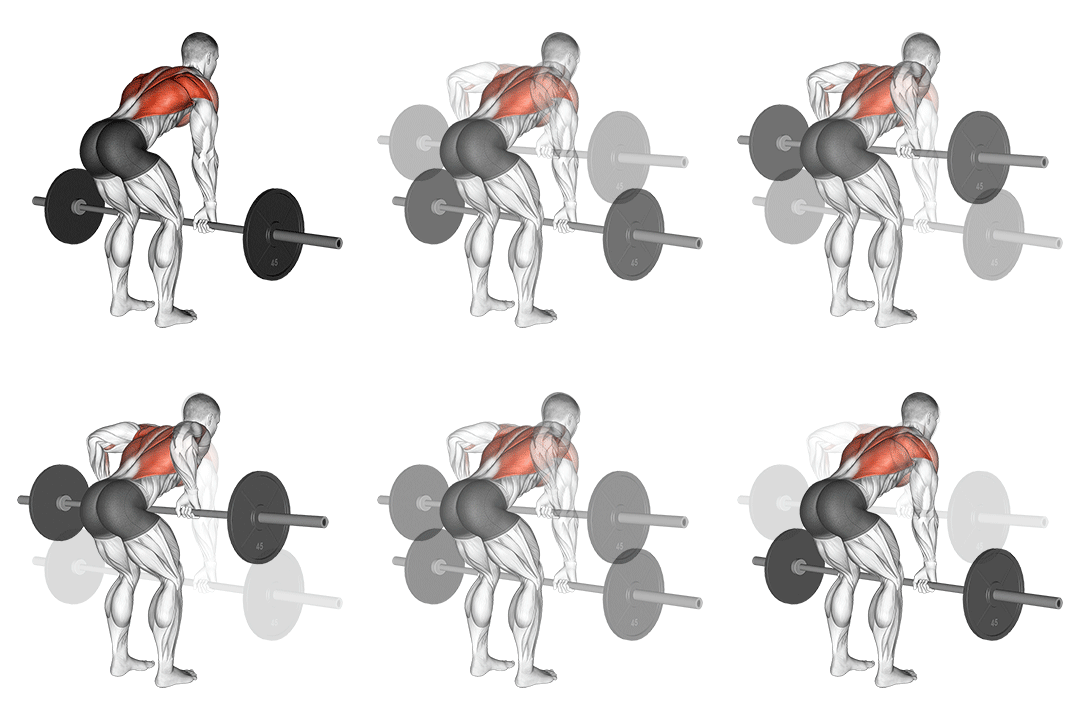
3. Barbell Bent Over Row
81.8% MatchHow to perform this exercise
- Stand with your feet shoulder-width apart and knees slightly bent.
- Bend forward at the hips while keeping your back straight and chest up.
- Grasp the barbell with an overhand grip, hands slightly wider than shoulder-width apart.
- Pull the barbell towards your lower chest by retracting your shoulder blades and squeezing your back muscles.
- Pause for a moment at the top, then slowly lower the barbell back to the starting position.
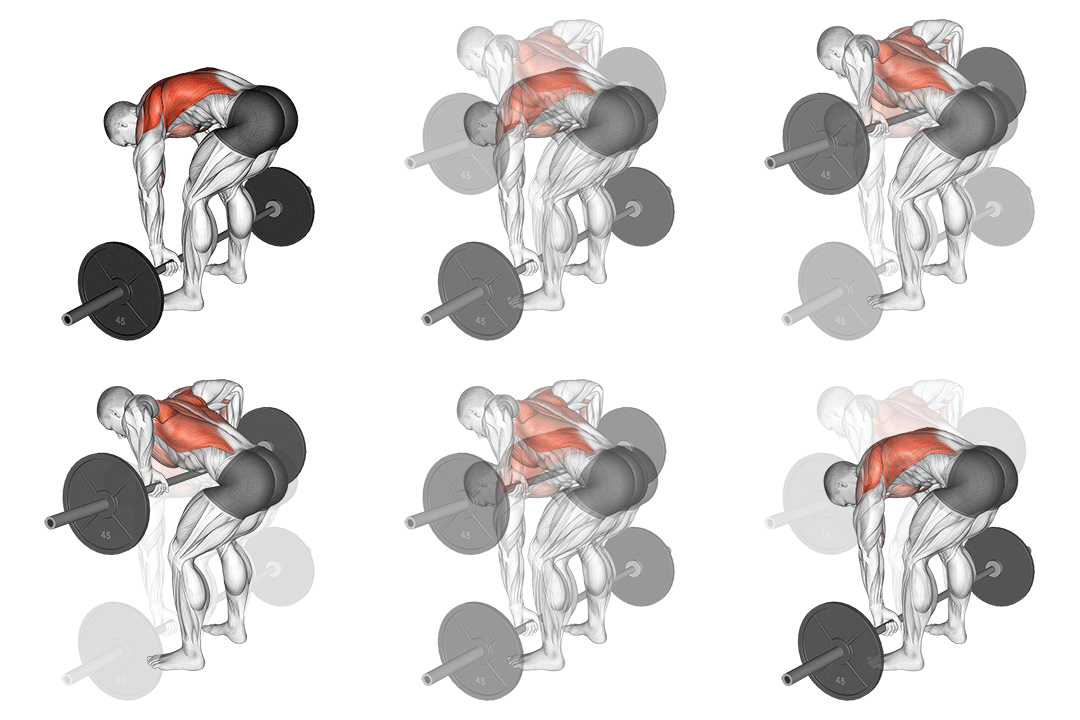
4. Barbell Pendlay Row
81.2% MatchHow to perform this exercise
- Stand with your feet shoulder-width apart and your knees slightly bent.
- Bend forward at the hips, keeping your back straight and your chest up.
- Grasp the barbell with an overhand grip, slightly wider than shoulder-width apart.
- Pull the barbell towards your upper abdomen, squeezing your shoulder blades together.
- Lower the barbell back down to the starting position.
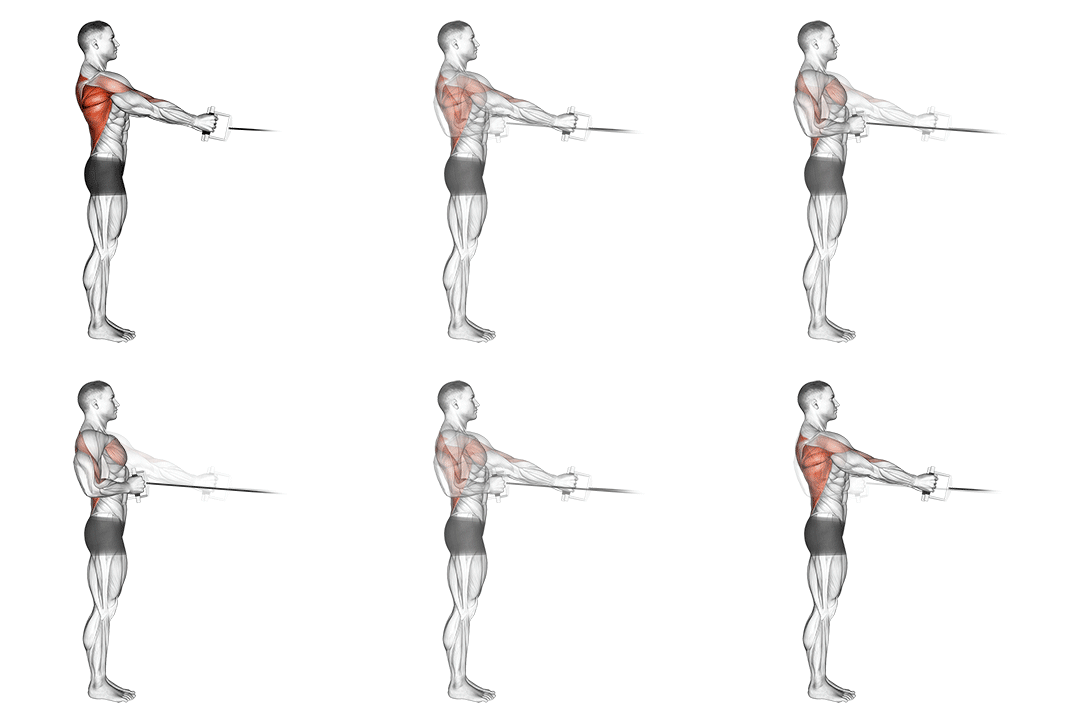
5. Cable Standing Row (v-bar)
78.8% MatchHow to perform this exercise
- Stand facing the cable machine with your feet shoulder-width apart.
- Grasp the v-bar attachment with an overhand grip, palms facing down.
- Keep your back straight and your core engaged.
- Pull the v-bar towards your body, squeezing your shoulder blades together.
- Pause for a moment at the peak of the movement, then slowly release the tension and return to the starting position.
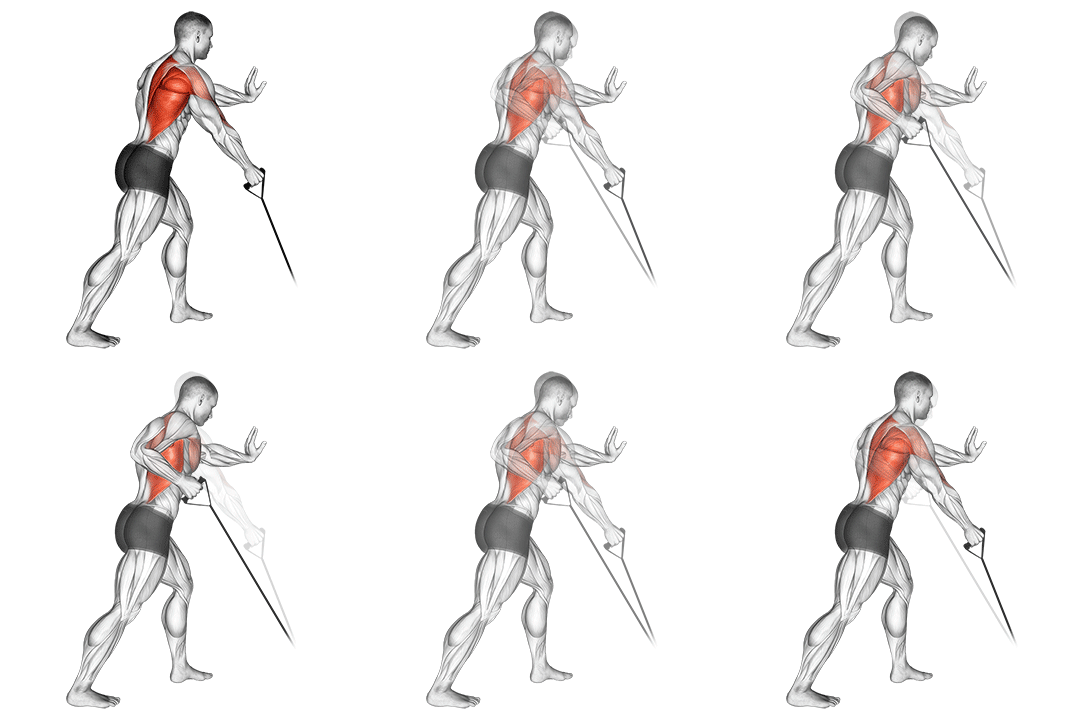
6. Band One Arm Standing Low Row
75.3% MatchHow to perform this exercise
- Attach the band to a stable anchor point at waist height.
- Stand facing the anchor point with your feet shoulder-width apart.
- Hold the band with one hand, palm facing inward, and step back to create tension in the band.
- Bend your knees slightly and hinge forward at the hips, keeping your back straight.
- Pull the band towards your waist, squeezing your shoulder blades together.
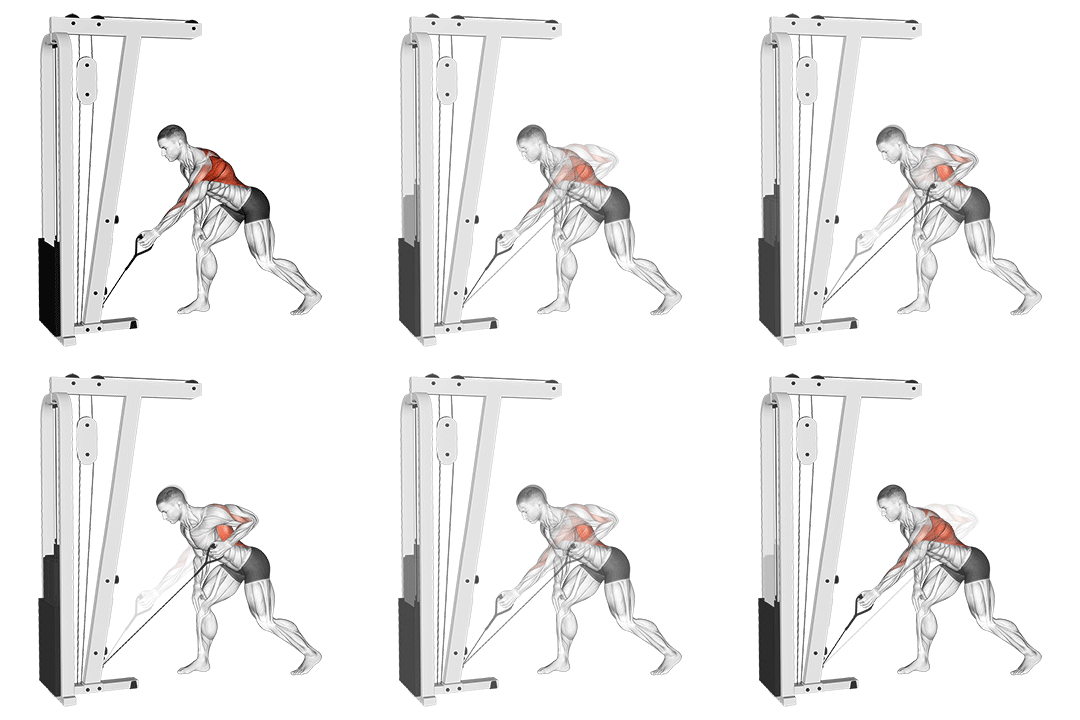
7. Cable One Arm Bent Over Row
75.3% MatchHow to perform this exercise
- Stand facing a cable machine with your feet shoulder-width apart.
- Bend your knees slightly and hinge forward at the hips, keeping your back straight.
- Grasp the cable handle with one hand, palm facing inward, and extend your arm fully.
- Pull the cable handle towards your body, keeping your elbow close to your side, until your hand reaches your lower chest.
- Pause for a moment, then slowly extend your arm back to the starting position.
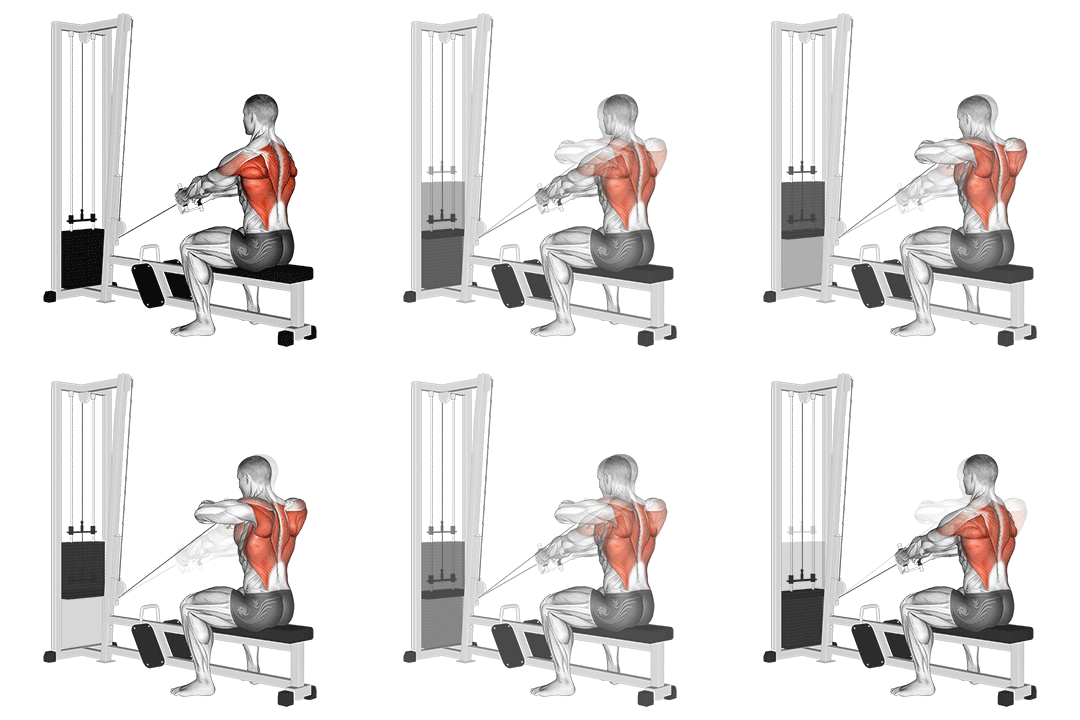
8. Cable Upper Row
75.2% MatchHow to perform this exercise
- Attach a straight bar to a cable machine at chest height.
- Stand facing the machine with your feet shoulder-width apart.
- Grasp the bar with an overhand grip, hands slightly wider than shoulder-width apart.
- Keep your back straight and your core engaged.
- Pull the bar towards your upper chest, squeezing your shoulder blades together.
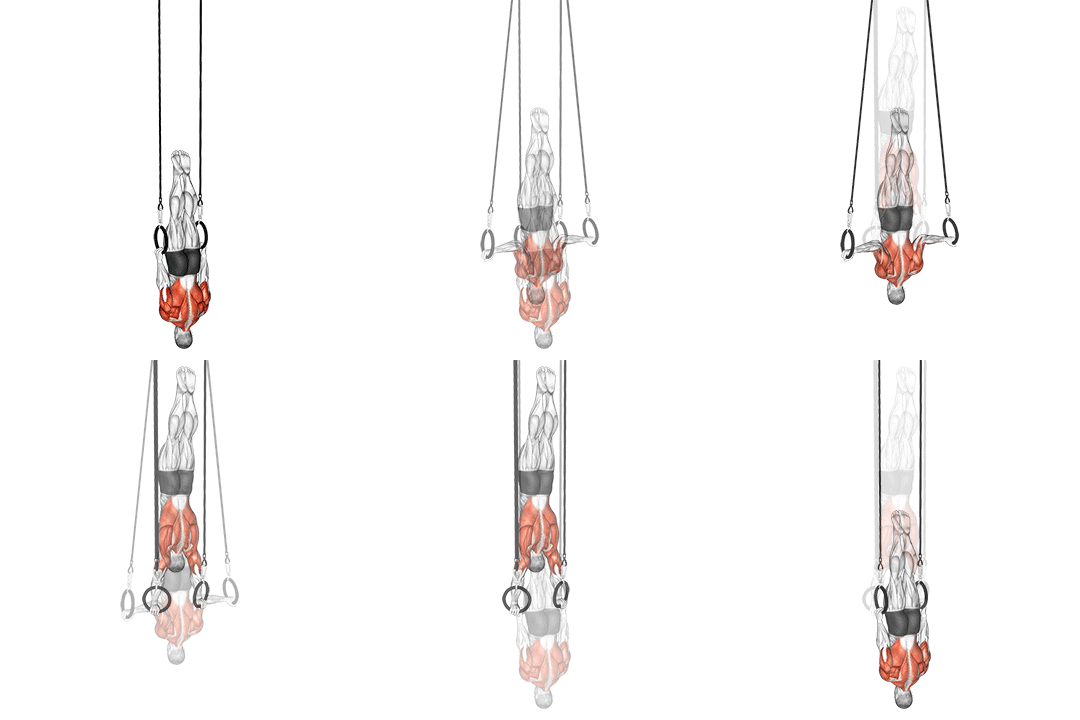
9. Elevator
74.3% MatchHow to perform this exercise
- Stand with your feet shoulder-width apart and your knees slightly bent.
- Place your hands on your hips or cross them in front of your chest.
- Keeping your back straight, slowly bend forward at the waist, lowering your upper body towards the ground.
- Pause for a moment at the bottom, then slowly raise your upper body back up to the starting position.
- Repeat for the desired number of repetitions.
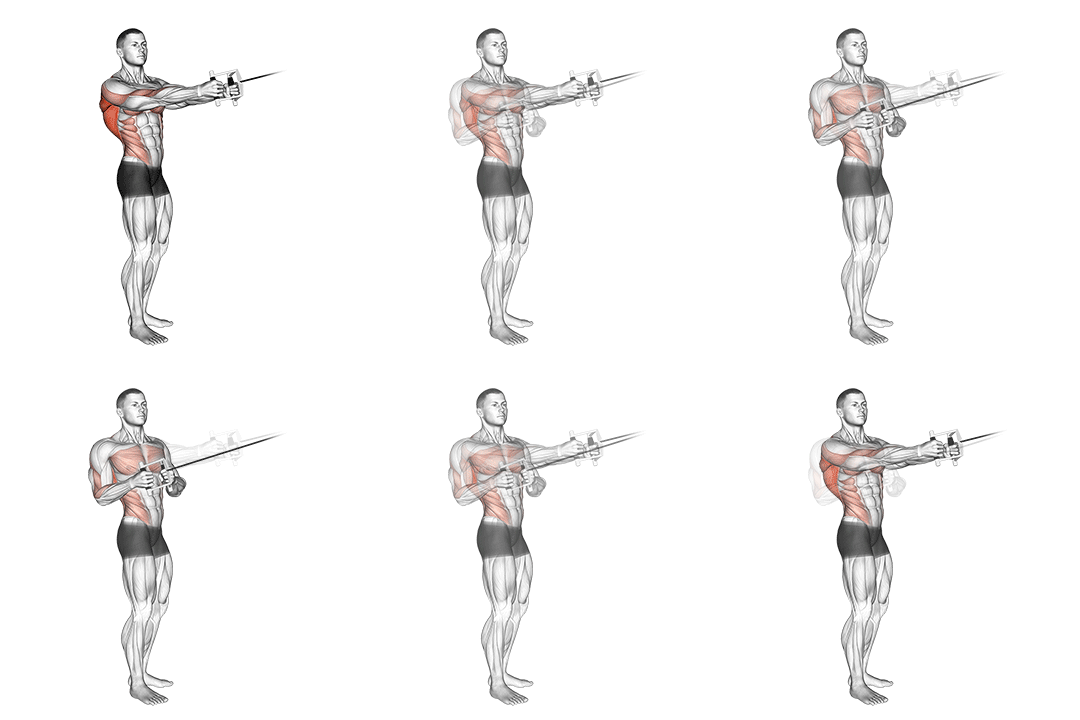
10. Cable Standing Twist Row (v-bar)
71.8% MatchHow to perform this exercise
- Attach a v-bar attachment to a cable machine at chest height.
- Stand facing the cable machine with your feet shoulder-width apart.
- Grasp the v-bar with an overhand grip, palms facing down.
- Take a step back to create tension in the cable.
- Keep your back straight and core engaged throughout the exercise.
Why You Might Need a Smith Reverse Grip Bent Over Row Alternative
You might substitute the Smith reverse-grip bent-over row because of equipment limits, shoulder or wrist pain, or a need for unilateral work and greater range of motion. Free-weight alternatives restore natural scapular movement and require more core stability, altering muscle activation in the lats, rhomboids, and posterior delts. If the Smith machine causes lumbar shear or forces an unnatural torso angle, pick a chest-supported or cable option to reduce lower-back stress. Cue: keep the spine neutral, avoid lumbar rounding, and lead the pull with the elbows to preserve upper-back engagement.
How to Choose the Right Substitute
Choose a substitute by matching movement pattern, grip, and loading needs. If you want the same supinated forearm bias, use a barbell or supinated-handle cable row; cue a close elbow path and pull to the lower sternum to mimic biomechanics. For reduced lumbar demand, pick chest-supported or seated machine rows. For imbalance correction, use single-arm dumbbell rows and cue full scapular retraction at the top. Consider available load, desired range of motion, and whether you need stability challenge or strict upper-back isolation.
Frequently Asked Questions
What muscles does Smith Reverse Grip Bent Over Row work?
It primarily targets the upper back: latissimus dorsi, rhomboids, middle and lower trapezius, and posterior deltoids, with the biceps assisting. The supinated grip increases biceps and lower-lat involvement; cue scapular retraction and drive the elbows back to maximize upper-back activation.
What is the best bodyweight alternative to Smith Reverse Grip Bent Over Row?
A supinated inverted row (underhand Australian pull-up) is the top bodyweight swap. Keep the body rigid, hinge from the ankles so your torso stays straight, and pull your chest to the bar while squeezing the shoulder blades together to replicate the rowing pull.
Can I build muscle without doing Smith Reverse Grip Bent Over Row?
Yes. You can achieve equal or better hypertrophy with compound and unilateral rows that allow progressive overload and full scapular control. Use heavier dumbbells, loaded cables, or increase volume and time under tension—cue controlled eccentric tempo and full retraction on every rep.
More Exercise Alternatives
Find Alternatives for Any Exercise
Use our free tool to discover the best substitute exercises based on your available equipment and goals.
Try the Exercise Substitution Finder →