

10 Best Spider Crawl Alternatives for Core Strength
What can you do instead of Spider Crawl? Use bear crawls, mountain climbers, dead bugs, renegade rows, and side plank walks to recreate the anti-rotation and hip-stability demands. Cue the bear crawl with a neutral spine and hips level; drive through the shoulders and brace your abs to mimic Spider Crawl's oblique and serratus activation.
Original Exercise: Spider Crawl
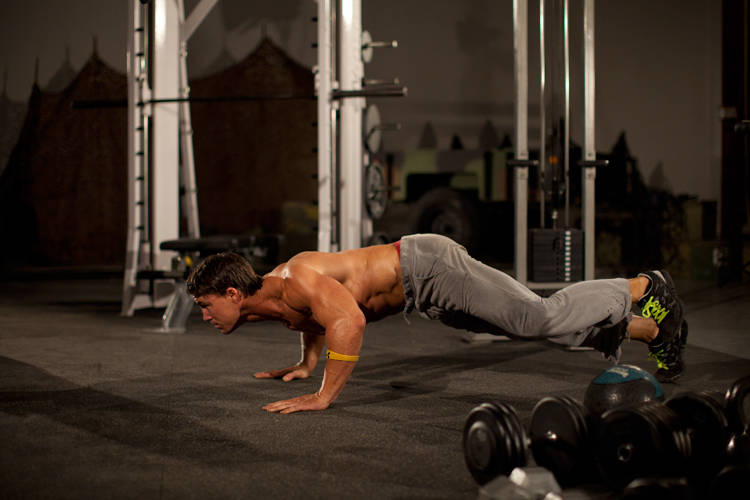
How to Perform Spider Crawl
- Begin in a prone position on the floor. Support your weight on your hands and toes, with your feet together and your body straight. Your arms should be bent to 90 degrees. This will be your starting position.
- Initiate the movement by raising one foot off of the ground. Externally rotate the leg and bring the knee toward your elbow, as far forward as possible.
- Return this leg to the starting position and repeat on the opposite side.
Pro Tips
- Category: Strength
- Force: Pull
- Movement type: Compound
Best Spider Crawl Alternatives
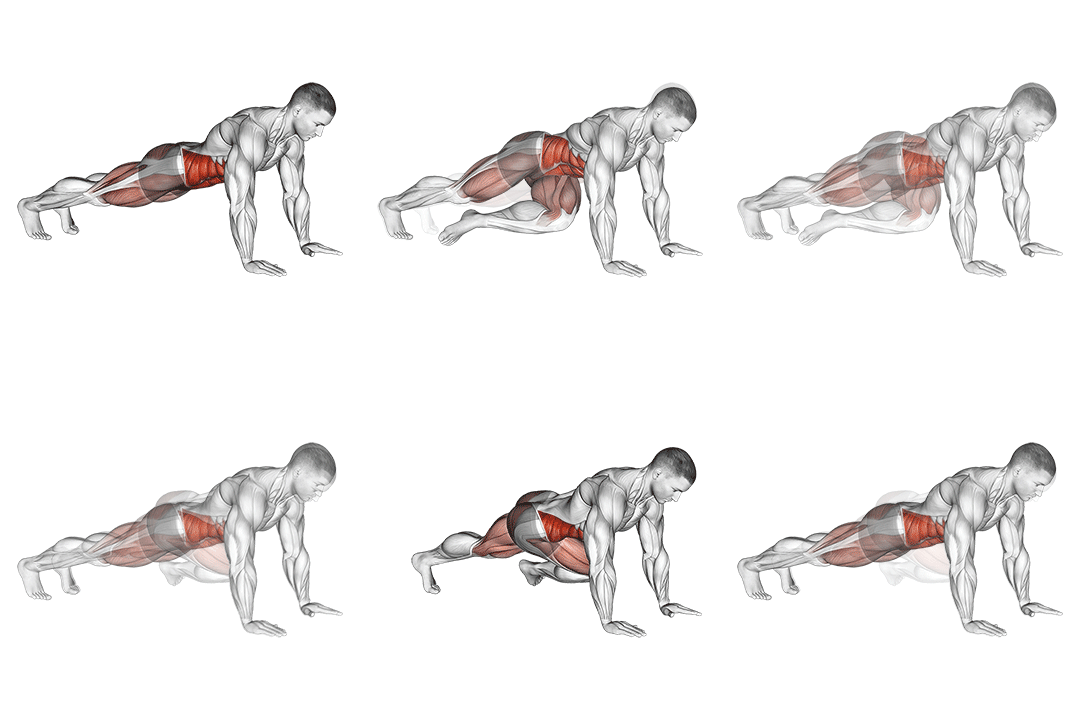
1. Bridge - Mountain Climber (cross Body)
89.7% MatchHow to perform this exercise
- Start in a high plank position with your hands directly under your shoulders and your body in a straight line.
- Engage your core and lift your right foot off the ground, bringing your right knee towards your left elbow.
- Return your right foot to the starting position and repeat the movement with your left foot towards your right elbow.
- Continue alternating sides, moving at a controlled pace.
- Keep your hips level and avoid lifting your hips too high or sagging them too low.
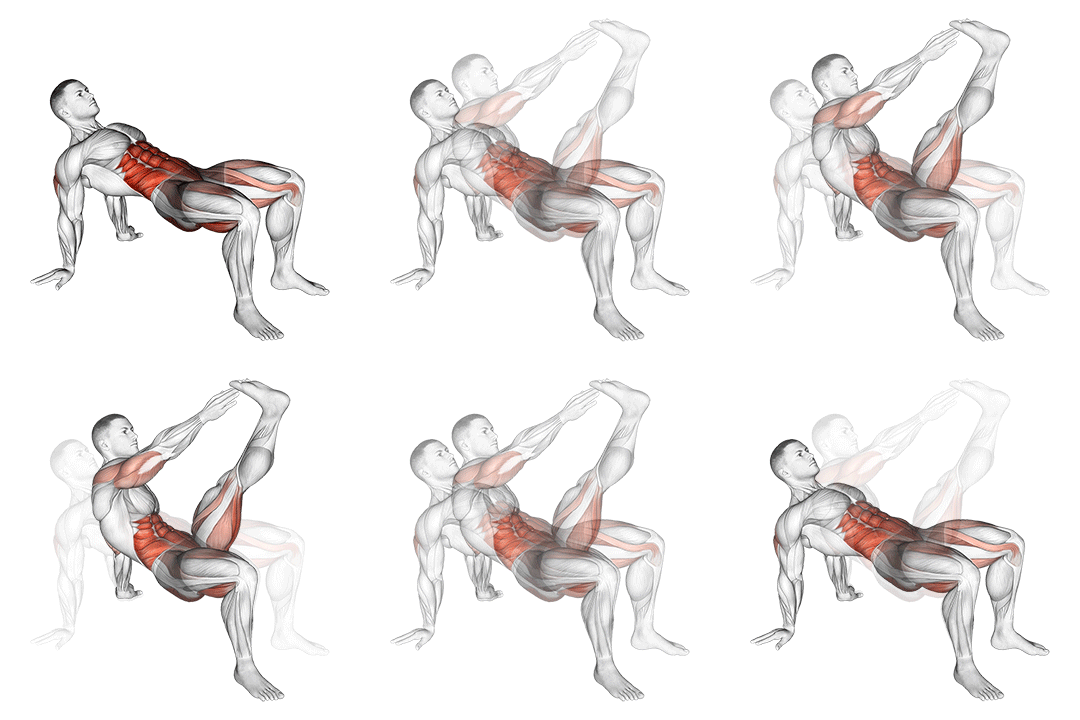
2. Crab Twist Toe Touch
85.9% MatchHow to perform this exercise
- Start by sitting on the ground with your knees bent and feet flat on the floor.
- Place your hands behind you, fingers pointing towards your feet, and lift your hips off the ground.
- Extend one leg straight out in front of you while simultaneously reaching your opposite hand towards your toes.
- Return to the starting position and repeat on the other side.
- Continue alternating sides for the desired number of repetitions.
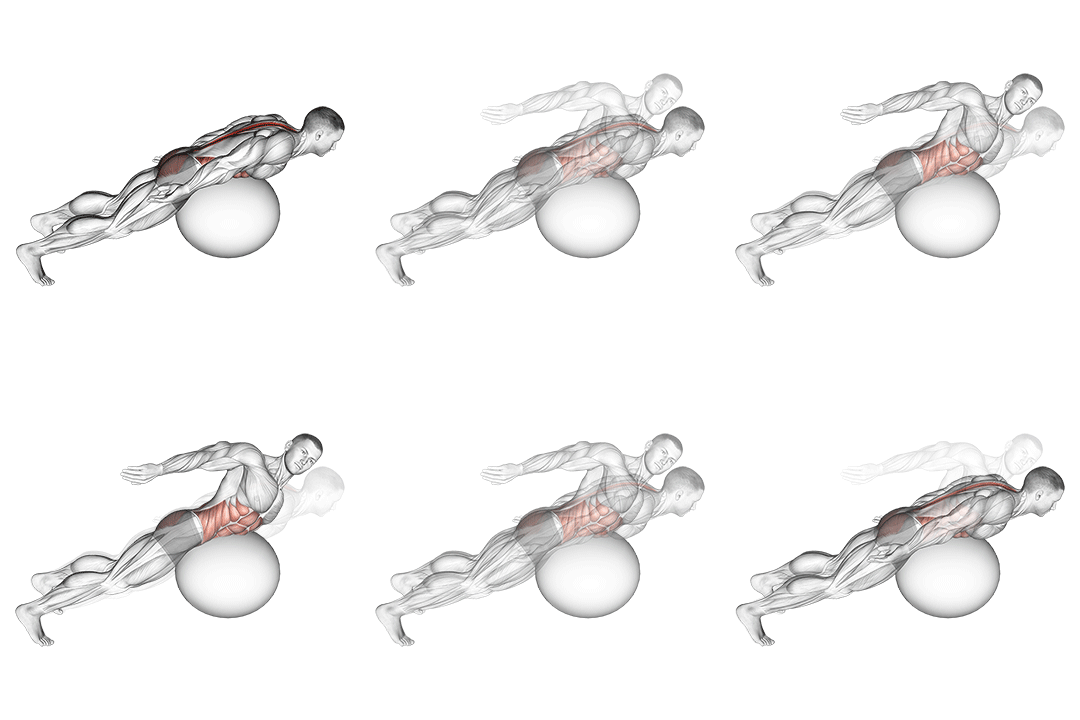
3. Exercise Ball Back Extension With Rotation
79.7% MatchHow to perform this exercise
- Start by lying face down on the stability ball with your hips resting on the ball and your feet firmly planted on the ground.
- Place your hands behind your head or cross them over your chest.
- Engage your core and slowly lift your upper body off the ball, extending your back until your body forms a straight line from your head to your heels.
- Pause for a moment at the top, then slowly rotate your torso to one side, keeping your hips and legs stable.
- Return to the center and repeat the rotation to the other side.
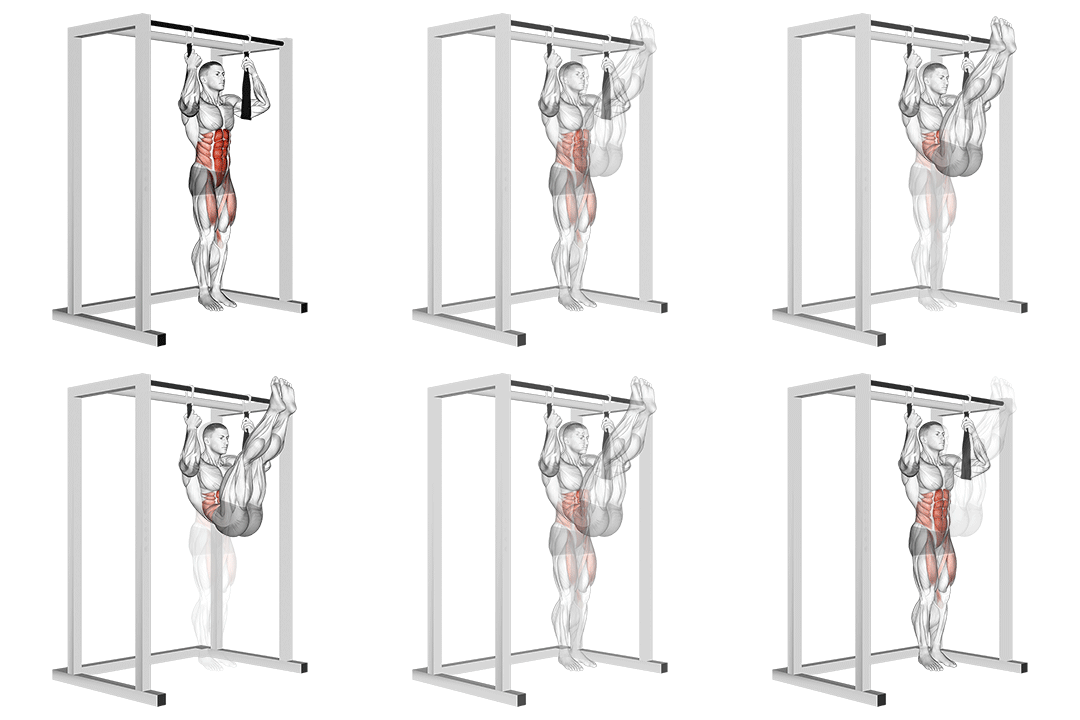
4. Arm Slingers Hanging Straight Legs
77.7% MatchHow to perform this exercise
- Hang from a pull-up bar with your arms fully extended and your legs straight down.
- Engage your core and lift your legs up in front of you until they are parallel to the ground.
- Hold for a moment at the top, then slowly lower your legs back down to the starting position.
- Repeat for the desired number of repetitions.
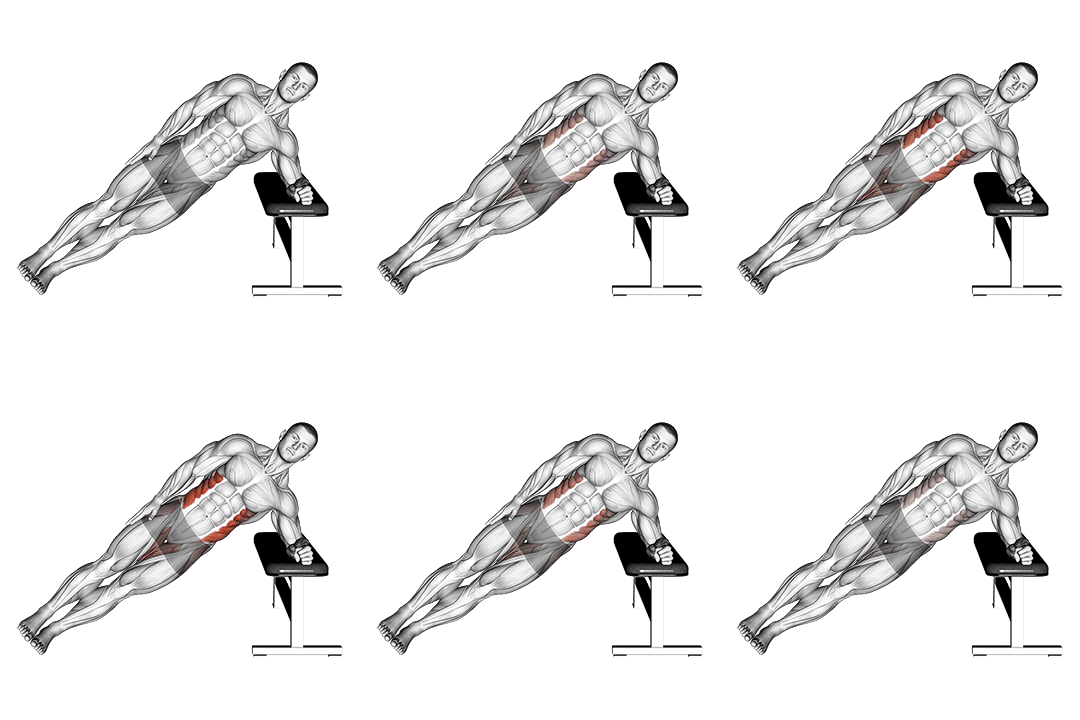
5. Bodyweight Incline Side Plank
77.4% MatchHow to perform this exercise
- Start by lying on your side with your legs extended and stacked on top of each other.
- Place your forearm on the ground directly below your shoulder, with your elbow bent at a 90-degree angle.
- Engage your core and lift your hips off the ground, creating a straight line from your head to your feet.
- Hold this position for the desired amount of time.
- Lower your hips back down to the ground and repeat on the other side.
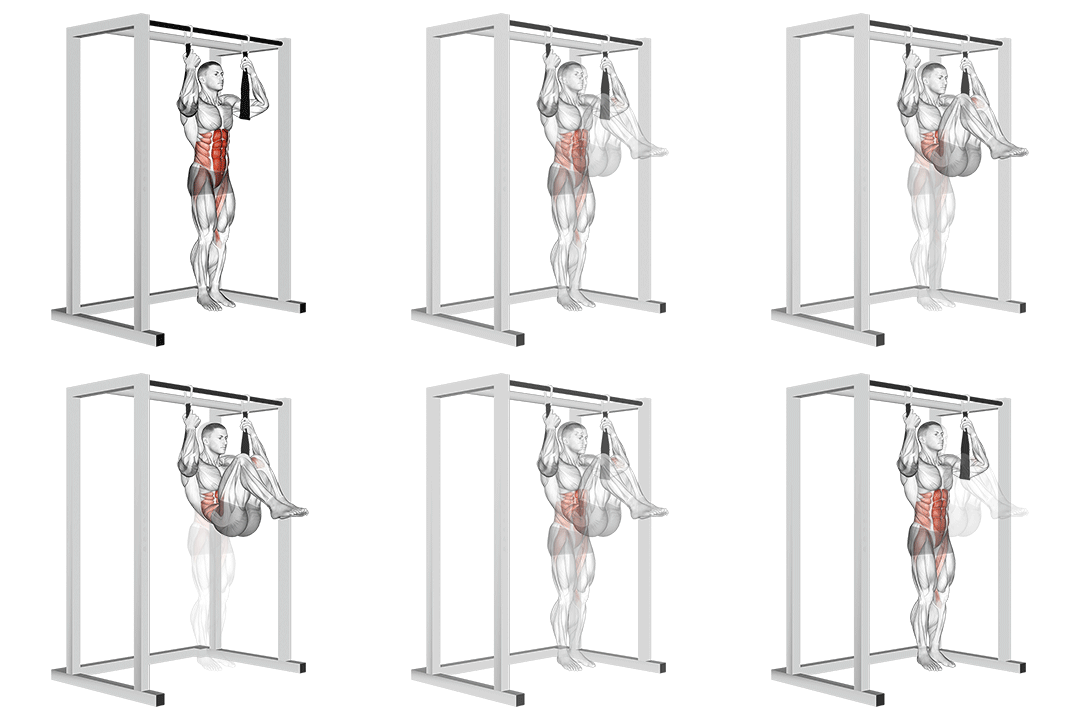
6. Arm Slingers Hanging Bent Knee Legs
76.3% MatchHow to perform this exercise
- Hang from a pull-up bar with your arms fully extended and your knees bent at a 90-degree angle.
- Engage your core and lift your knees towards your chest, bringing them as close to your elbows as possible.
- Slowly lower your legs back down to the starting position.
- Repeat for the desired number of repetitions.
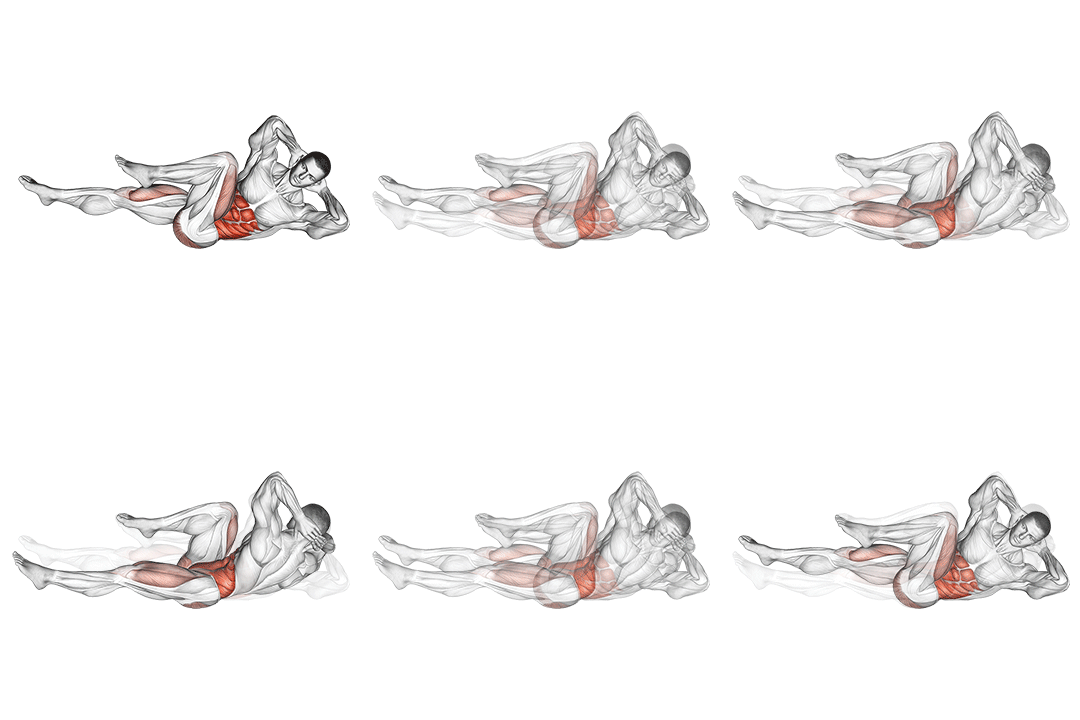
7. Elbow-to-knee
76.1% MatchHow to perform this exercise
- Start by lying flat on your back with your knees bent and feet flat on the ground.
- Place your hands behind your head with your elbows pointing outwards.
- Engage your abs and lift your upper body off the ground, bringing your right elbow towards your left knee.
- At the same time, bring your left knee towards your right elbow, creating a twisting motion.
- Pause for a moment at the top, then slowly lower your upper body and extend your legs back to the starting position.
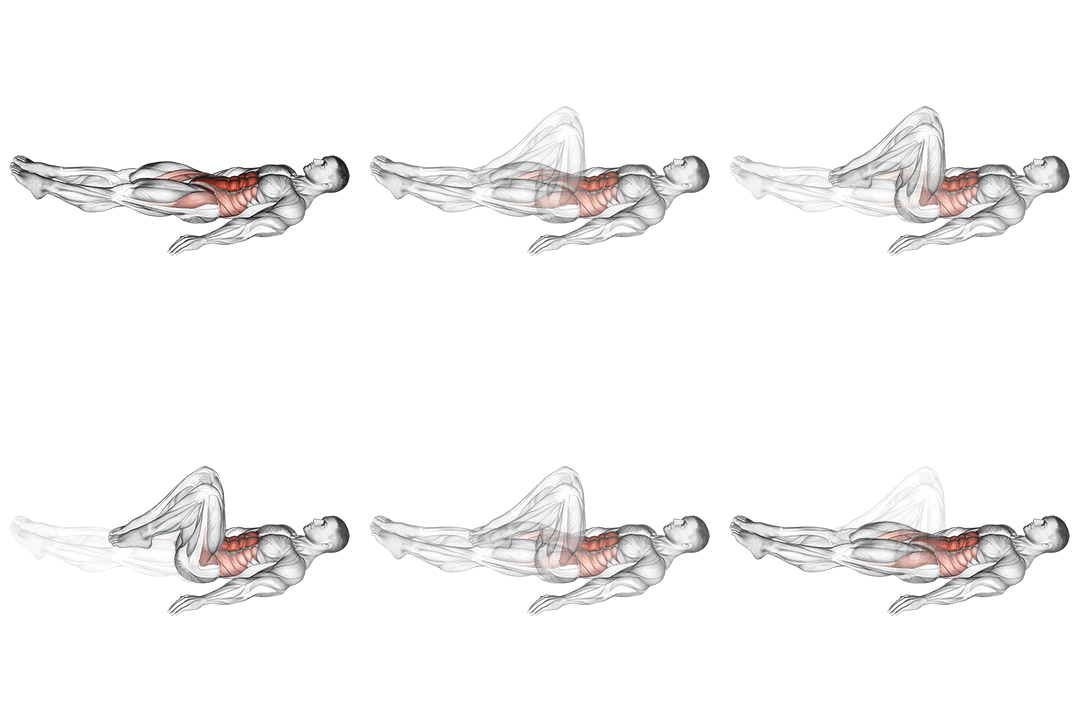
8. Bottoms-up
74.4% MatchHow to perform this exercise
- Lie flat on your back with your legs extended and your arms by your sides.
- Bend your knees and bring them towards your chest, keeping your feet off the ground.
- Engaging your abs, lift your hips off the ground, bringing your knees towards your head.
- Pause for a moment at the top, then slowly lower your hips back down to the starting position.
- Repeat for the desired number of repetitions.
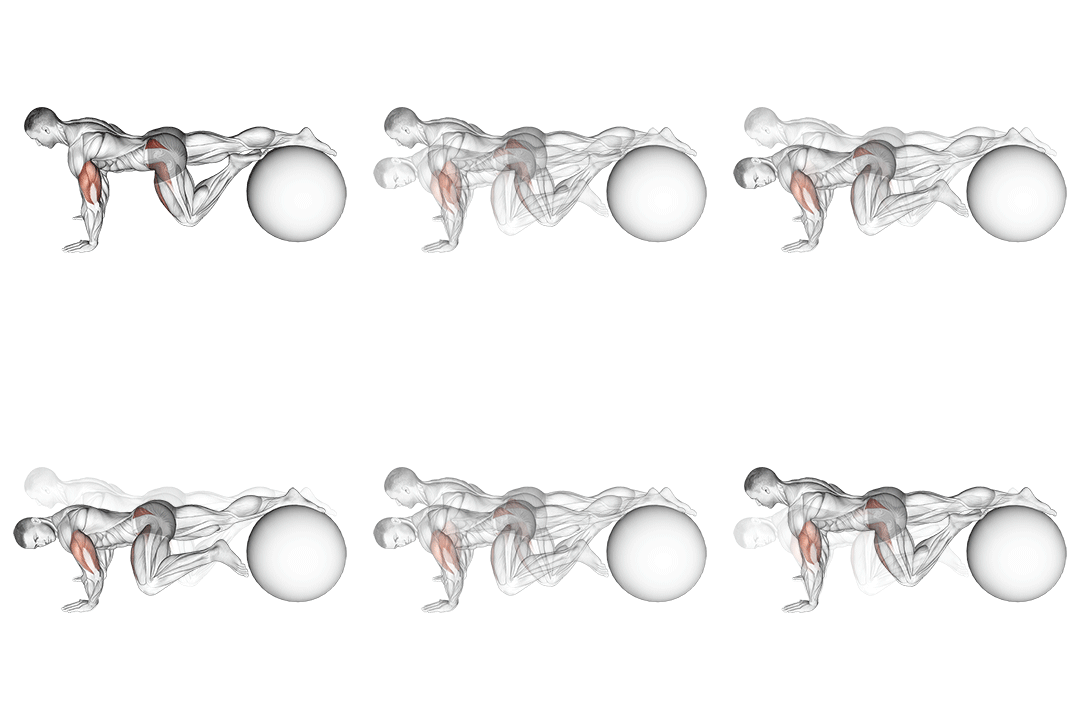
9. Exercise Ball One Leg Prone Lower Body Rotation
74% MatchHow to perform this exercise
- Lie face down on the stability ball with your hips resting on the ball and your legs extended straight behind you.
- Place your hands on the ground in front of you for support.
- Engage your glutes and core muscles to stabilize your body.
- Slowly lift one leg off the ground, keeping it straight and parallel to the floor.
- Rotate your leg outward, away from your body, while keeping your hips and upper body stable.
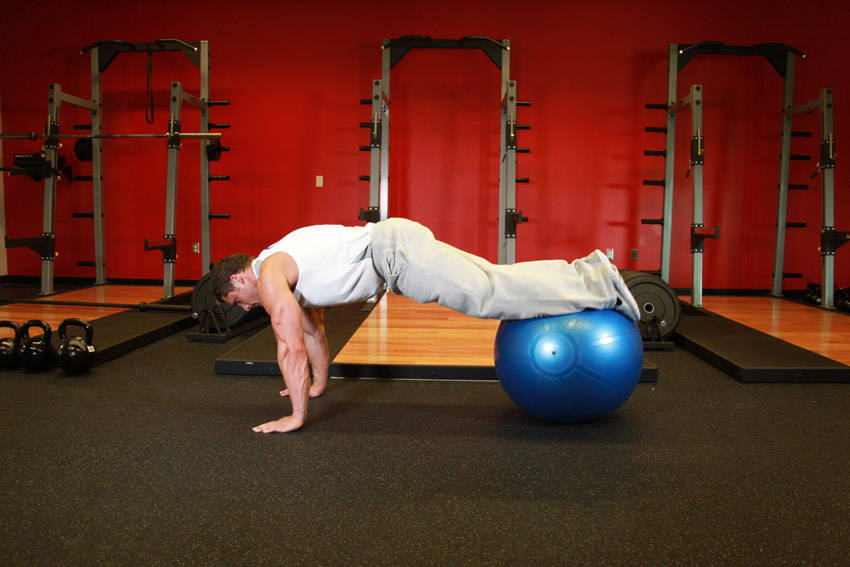
10. Exercise Ball Pull-In
72.1% MatchHow to perform this exercise
- Place an exercise ball nearby and lay on the floor in front of it with your hands on the floor shoulder width apart in a push-up position.
- Now place your lower shins on top of an exercise ball. Tip: At this point your legs should be fully extended with the shins on top of the ball and the upper body should be in a push-up type of position being supported by your two extended arms in front of you. This will be your starting position.
- While keeping your back completely straight and the upper body stationary, pull your knees in towards your chest as you exhale, allowing the ball to roll forward under your ankles. Squeeze your abs and hold that position for a second.
- Now slowly straighten your legs, rolling the ball back to the starting position as you inhale.
- Repeat for the recommended amount of repetitions.
Why You Might Need a Spider Crawl Alternative
You might substitute Spider Crawl because of shoulder pain, limited hip mobility, poor wrist tolerance, or simple training variety. Alternatives let you target the same anti-rotation core pattern and dynamic hip stability while reducing joint stress. For example, mountain climbers maintain high core EMG with less scapular loading if you keep shoulders stacked and rapidly drive the knee toward the chest. Choose a substitute that preserves the original movement's biomechanics: maintain a neutral spine, brace the transverse abdominis, and avoid excessive lumbar extension to keep oblique and rectus abdominis activation high.
How to Choose the Right Substitute
Match the substitute to your limiting factor and training goal. If shoulder tolerance is the issue, pick a plank-based anti-rotation like side plank walks and cue packed shoulders and a long neck; this preserves core torque while unloading the rotator cuff. If you need more hip mobility work, choose slow, controlled bear crawls with hips low and knees driving under the body to emphasize glute and hip flexor engagement. For progressive overload, select variations you can add resistance to or increase tempo under tension, and always prioritize maintaining a neutral spine and braced core to reproduce Spider Crawl's core recruitment.
Frequently Asked Questions
What muscles does Spider Crawl work?
Spider Crawl targets the abs—especially the obliques and rectus abdominis—while also recruiting the serratus anterior, scapular stabilizers, hip flexors, and glutes. Biomechanically it loads anti-rotation and contralateral shoulder-hip coordination; cue a tight core and avoid lumbar sag to maximize abdominal tension.
What is the best bodyweight alternative to Spider Crawl?
The best single bodyweight alternative is the bear crawl because it mirrors the quadruped gait pattern and anti-rotation demand. Perform it with hips low, scapulae packed, and opposite arm-leg drive to maintain oblique and serratus engagement similar to Spider Crawl.
Can I build muscle without doing Spider Crawl?
Yes. You can hypertrophy core and related muscles with progressive variations such as weighted planks, loaded carries, elevated renegade rows, and high-volume anti-rotation holds. Focus on increasing tension or external load while keeping a braced, neutral spine to drive rectus and oblique adaptation.
More Exercise Alternatives
Find Alternatives for Any Exercise
Use our free tool to discover the best substitute exercises based on your available equipment and goals.
Try the Exercise Substitution Finder →