

5 Alternatives to Standing Soleus & Achilles Stretch for Calf Mobility
If you can’t do the Standing Soleus And Achilles Stretch, use alternatives that still load the soleus and protect the Achilles. Try a bent-knee wall calf stretch, seated soleus hold, seated calf raise, foam-roller soleus release, or slow step eccentrics. Bend the knee 20–30° and press the heel down to target the soleus.
Original Exercise: Standing Soleus And Achilles Stretch
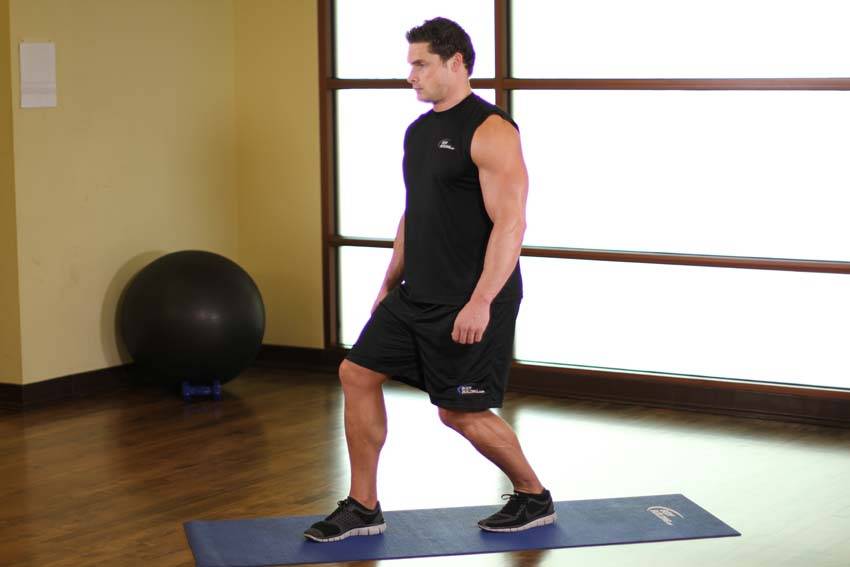
How to Perform Standing Soleus And Achilles Stretch
- Stand with your feet hip-distance apart, one foot slightly in front of the other.
- Bend both knees, keeping your back heel on the floor. Switch sides.
Pro Tips
- Category: Stretching
- Force: Static
- Movement type: Isolation
Best Standing Soleus And Achilles Stretch Alternatives
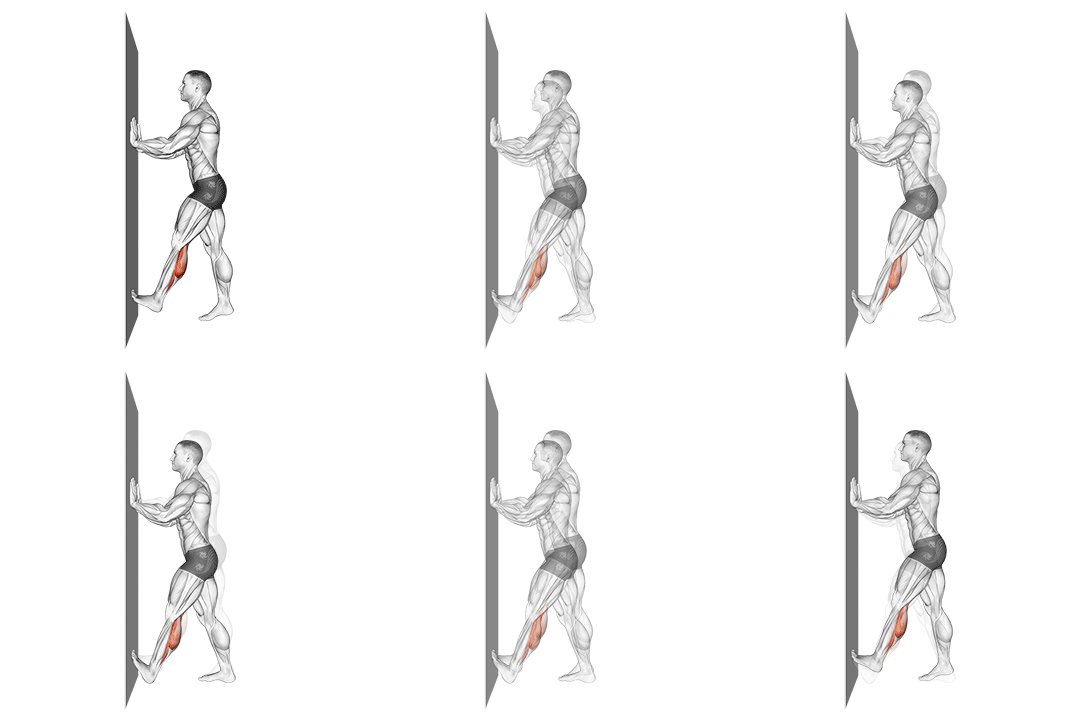
1. Calf Push Stretch With Hands Against Wall
99.9% MatchHow to perform this exercise
- Stand facing a wall with your feet hip-width apart.
- Place your hands against the wall at shoulder height.
- Step back with one foot, keeping your heel on the ground and your leg straight.
- Bend your front knee slightly and lean forward, feeling a stretch in your calf.
- Hold the stretch for 20-30 seconds.
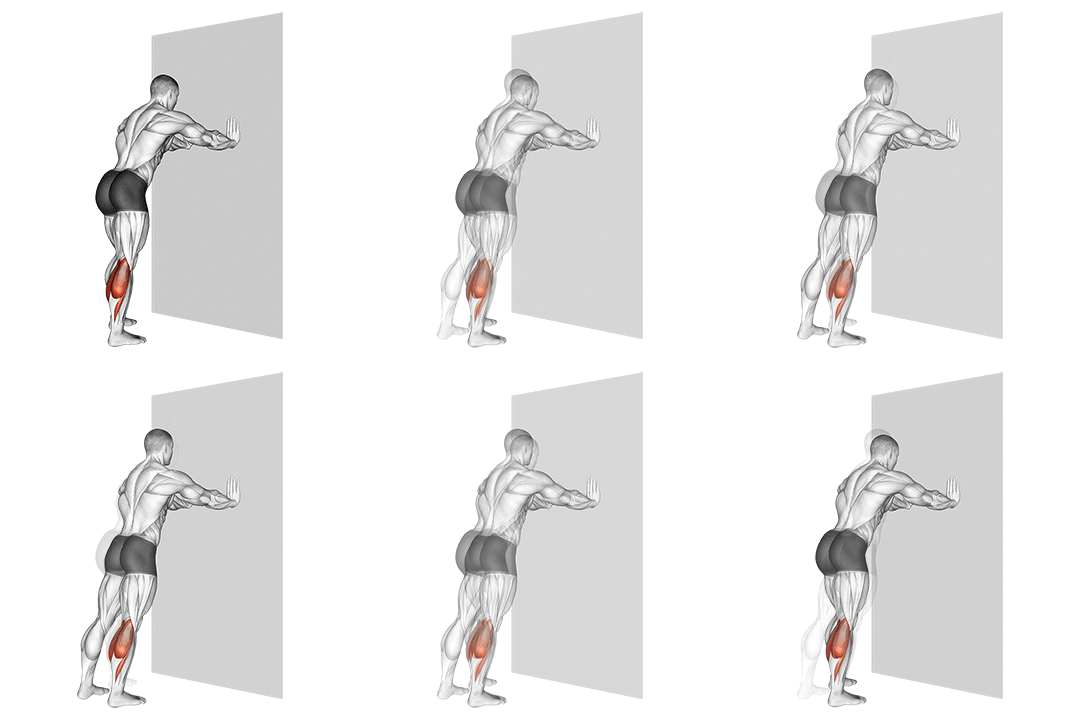
2. Calf Stretch With Hands Against Wall
95.2% MatchHow to perform this exercise
- Stand facing a wall with your feet hip-width apart.
- Place your hands against the wall at shoulder height.
- Step your right foot back, keeping your heel on the ground and your leg straight.
- Bend your left knee and lean forward, keeping your back leg straight and your heel on the ground.
- Hold the stretch for 20-30 seconds.
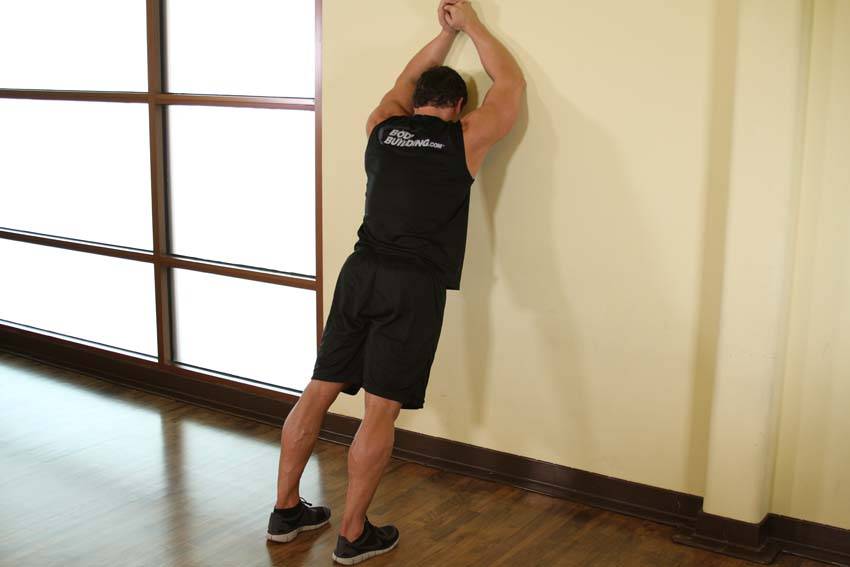
3. Calf Stretch Elbows Against Wall
94.2% MatchHow to perform this exercise
- Stand facing a wall from a couple feet away.
- Lean against the wall, placing your weight on your forearms.
- Attempt to keep your heels on the ground. Hold for 10-20 seconds. You may move further or closer the wall, making it more or less difficult, respectively.
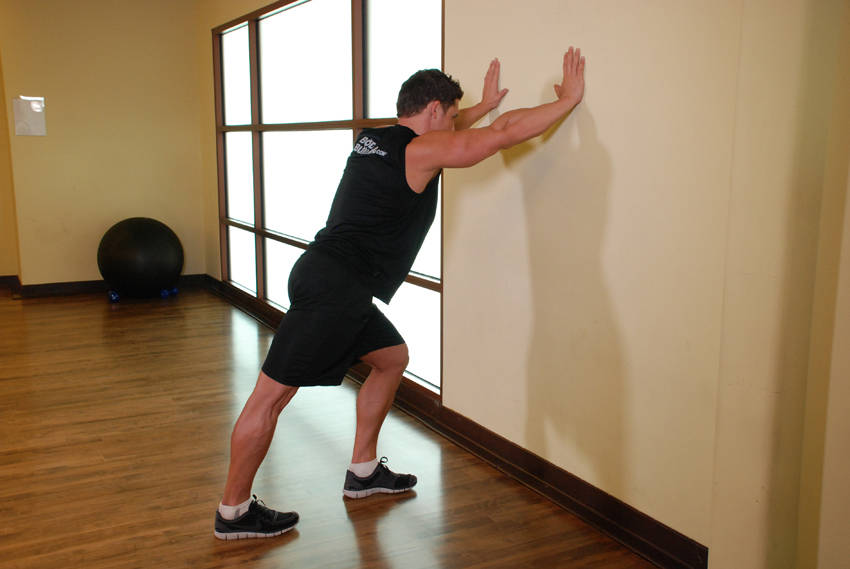
4. Calf Stretch Hands Against Wall
94.2% MatchHow to perform this exercise
- Stand facing a wall from several feet away. Stagger your stance, placing one foot forward.
- Lean forward and rest your hands on the wall, keeping your heel, hip and head in a straight line.
- Attempt to keep your heel on the ground. Hold for 10-20 seconds and then switch sides.
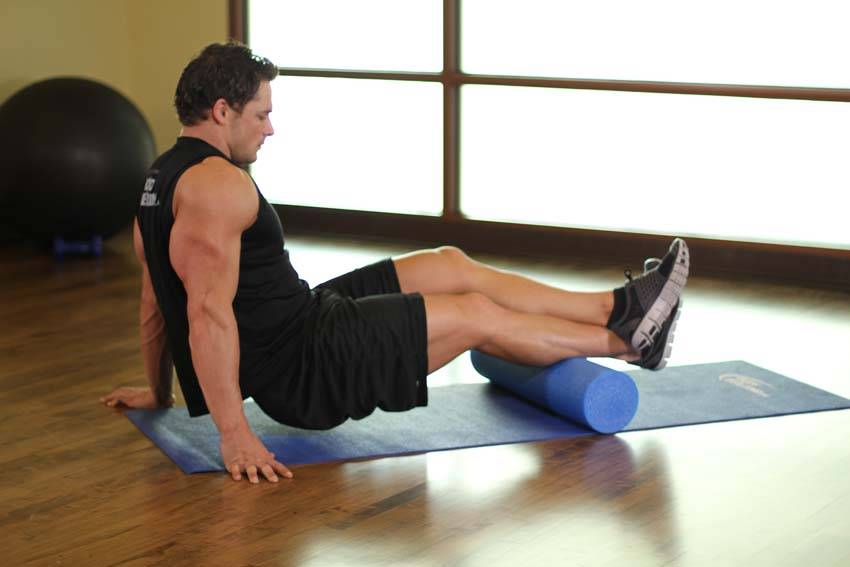
5. Calves-SMR
88% MatchHow to perform this exercise
- Begin seated on the floor. Place a foam roller underneath your lower leg. Your other leg can either be crossed over the opposite or be placed on the floor, supporting some of your weight. This will be your starting position.
- Place your hands to your side or just behind you, and press down to raise your hips off of the floor, placing much of your weight against your calf muscle. Roll from below the knee to above the ankle, pausing at points of tension for 10-30 seconds. Repeat for the other leg.
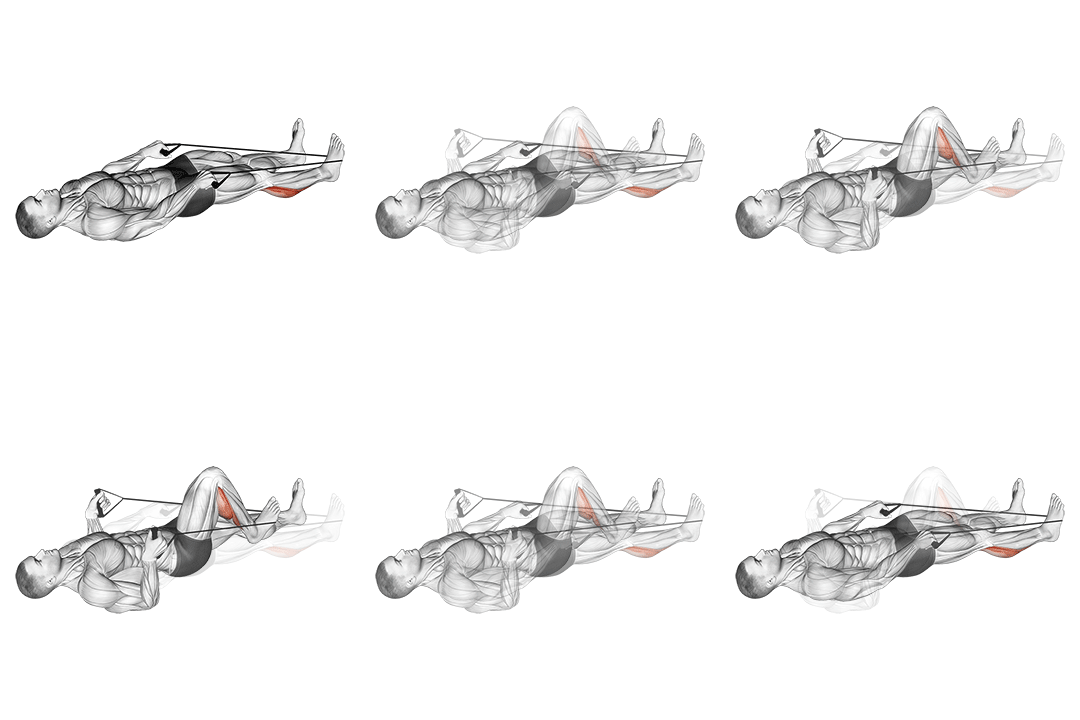
6. Calf Stretch With Rope
82% MatchHow to perform this exercise
- Stand facing a wall or sturdy object with your feet hip-width apart.
- Hold the ends of the rope in each hand and place the middle of the rope around the ball of your right foot.
- Step back with your left foot, keeping your heel on the ground and your leg straight.
- Lean forward, keeping your back straight, and gently pull on the rope to stretch your calf.
- Hold the stretch for 20-30 seconds, then release.
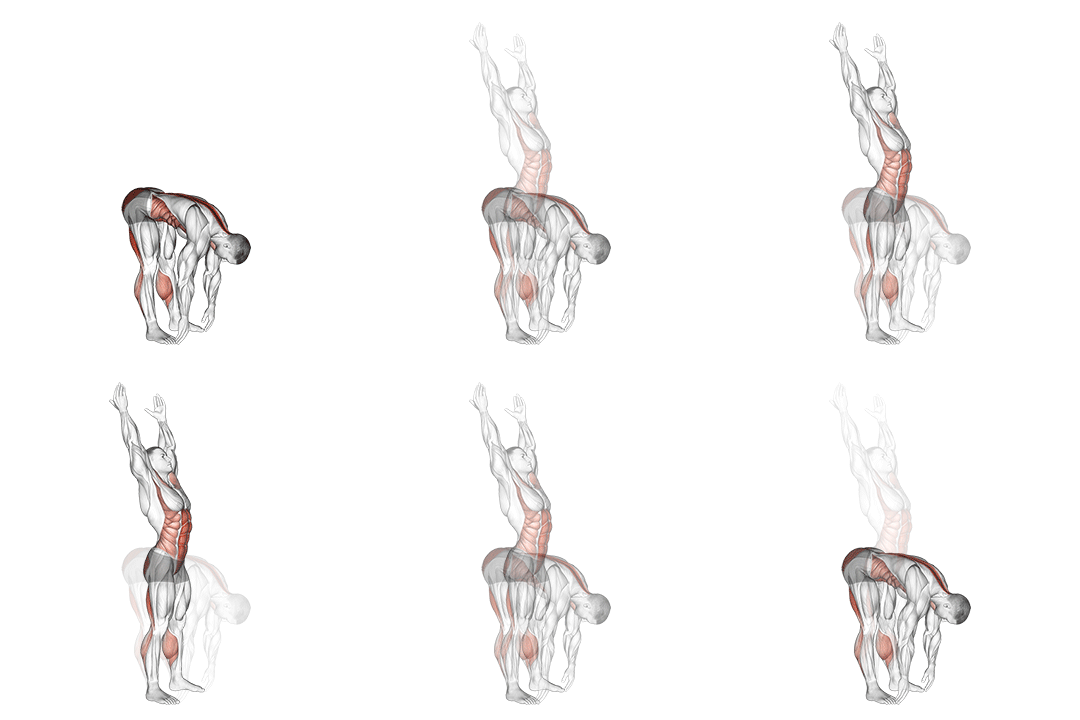
7. Basic Toe Touch (male)
80.2% MatchHow to perform this exercise
- Stand with your feet shoulder-width apart and your arms by your sides.
- Bend forward at the waist, keeping your back straight and your knees slightly bent.
- Reach down towards your toes with your hands, keeping your legs as straight as possible.
- Pause for a moment at the bottom, then slowly return to the starting position.
- Repeat for the desired number of repetitions.
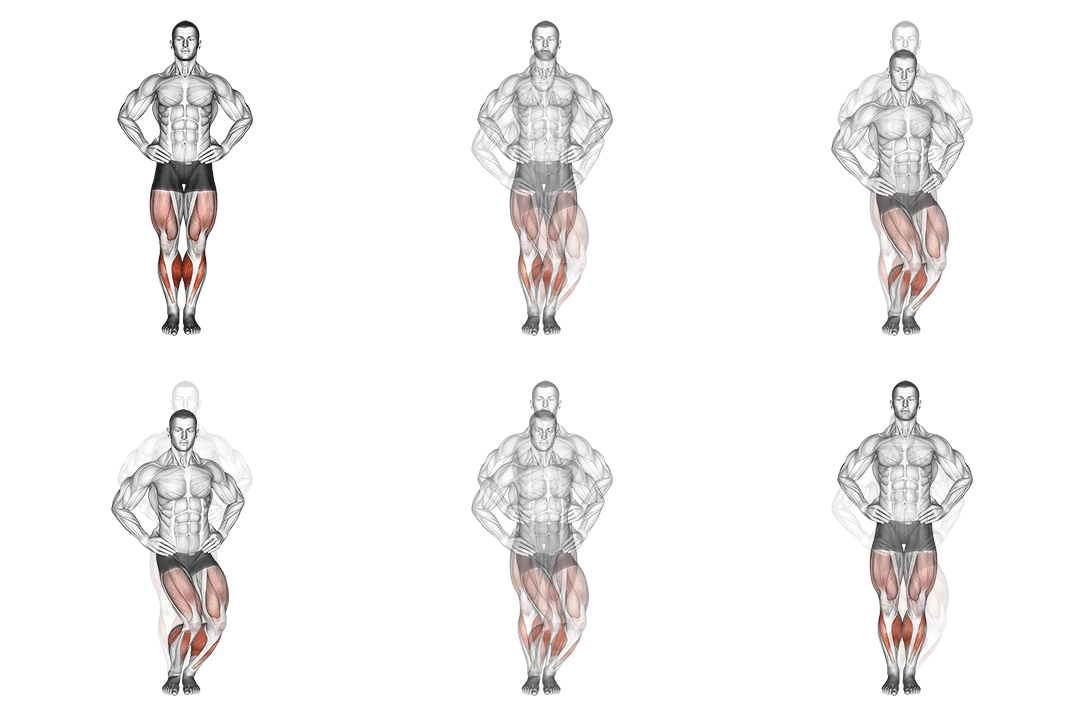
8. Circles Knee Stretch
80.2% MatchHow to perform this exercise
- Stand with your feet shoulder-width apart and your hands on your hips.
- Bend your knees slightly and lift your heels off the ground, balancing on the balls of your feet.
- Keeping your knees bent, rotate your knees in a circular motion, first clockwise and then counterclockwise.
- Perform the movement for the desired number of repetitions.
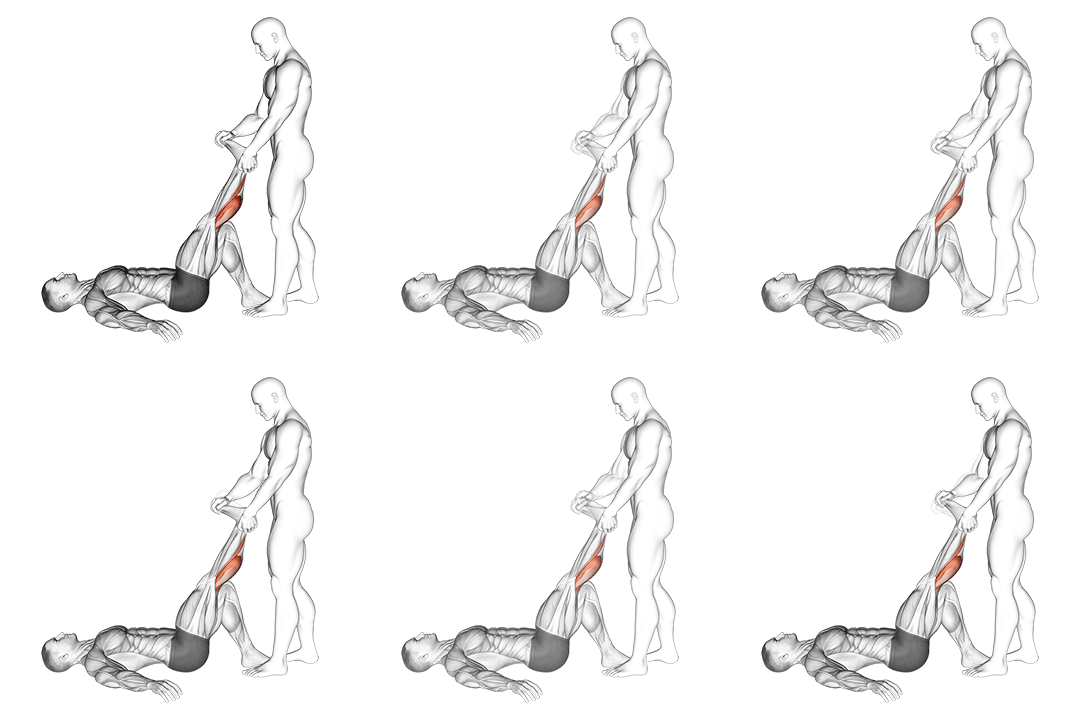
9. Assisted Lying Calves Stretch
77% MatchHow to perform this exercise
- Lie on your back with your legs extended.
- Bend one knee and place your foot flat on the ground.
- Using your hands or a towel, gently pull your toes towards your body, feeling a stretch in your calf.
- Hold the stretch for 20-30 seconds.
- Release the stretch and repeat on the other leg.
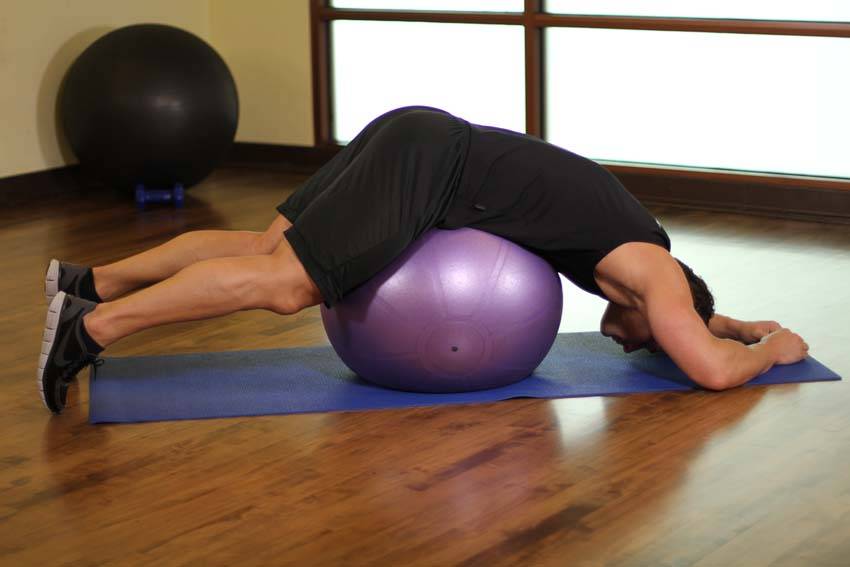
10. Downward Facing Balance
76.8% MatchHow to perform this exercise
- Lie facedown on top of an exercise ball.
- While resting on your stomach on the ball, walk your hands forward along the floor and lift your legs, extending your elbows and knees.
Why You Might Need a Standing Soleus And Achilles Stretch Alternative
You may need a substitute because of Achilles tendinopathy, sharp calf pain, limited knee flexion, balance issues, or lack of equipment. Substitutes let you maintain soleus activation while reducing gastrocnemius stretch and tendon shear; bending the knee preferentially recruits the soleus and lowers gastrocnemius loading. For tendon irritation choose low-load, pain-free positions (seated holds or controlled eccentrics) and keep the heel planted to manage dorsiflexion stress. If balance is a concern, perform the stretch with both hands on a wall and limit range to a comfortable, controlled dorsiflexion.
How to Choose the Right Substitute
Choose based on pain level, ankle dorsiflexion, weight-bearing tolerance, and training goal. For mobility pick passive seated soleus holds or foam rolling with the knee bent 20–30° and hold 30–60 seconds. For strength choose loaded options like seated calf raises or single-leg bent-knee heel raises with a 3–5 second eccentric to emphasize soleus hypertrophy. If Achilles pain is present, favor low-load eccentrics and avoid aggressive end-range dorsiflexion. Monitor heel contact: a planted heel increases soleus/tendon load, while a rising heel reduces it. Progress range, tempo, or load only when pain stays low.
Frequently Asked Questions
What muscles does Standing Soleus And Achilles Stretch work?
It primarily targets the soleus and the Achilles tendon and affects the plantarflexor complex. With the knee bent 20–30° you increase soleus recruitment and reduce gastrocnemius tension, so keep the knee flexed to emphasize soleus activation.
What is the best bodyweight alternative to Standing Soleus And Achilles Stretch?
The bent-knee wall calf stretch is the top bodyweight alternative. Stand facing a wall, step one foot back, bend both knees about 20–30°, press the back heel to the floor and hold 30–60 seconds to load the soleus without equipment.
Can I build muscle without doing Standing Soleus And Achilles Stretch?
Yes. You can build soleus using progressive overload via seated calf raises, bent-knee heel raises, and high-rep eccentrics. Use slow eccentrics (3–5 seconds), keep full heel contact, and increase load or reps gradually to stimulate hypertrophy.
More Exercise Alternatives
Find Alternatives for Any Exercise
Use our free tool to discover the best substitute exercises based on your available equipment and goals.
Try the Exercise Substitution Finder →