

10 Best Upper Back Stretch Alternatives for Mobility & Pain Relief
If you can’t do the Upper Back Stretch, choose mobility and activation drills that hit thoracic extension and scapular retraction. Try seated thoracic rotations, quadruped thread-the-needle, foam-roll extensions, child’s pose with protraction, or band pull-aparts. Example cue: sit tall, cross arms, rotate from the mid-back and pause to load rhomboids and extensors.
Original Exercise: Upper Back Stretch
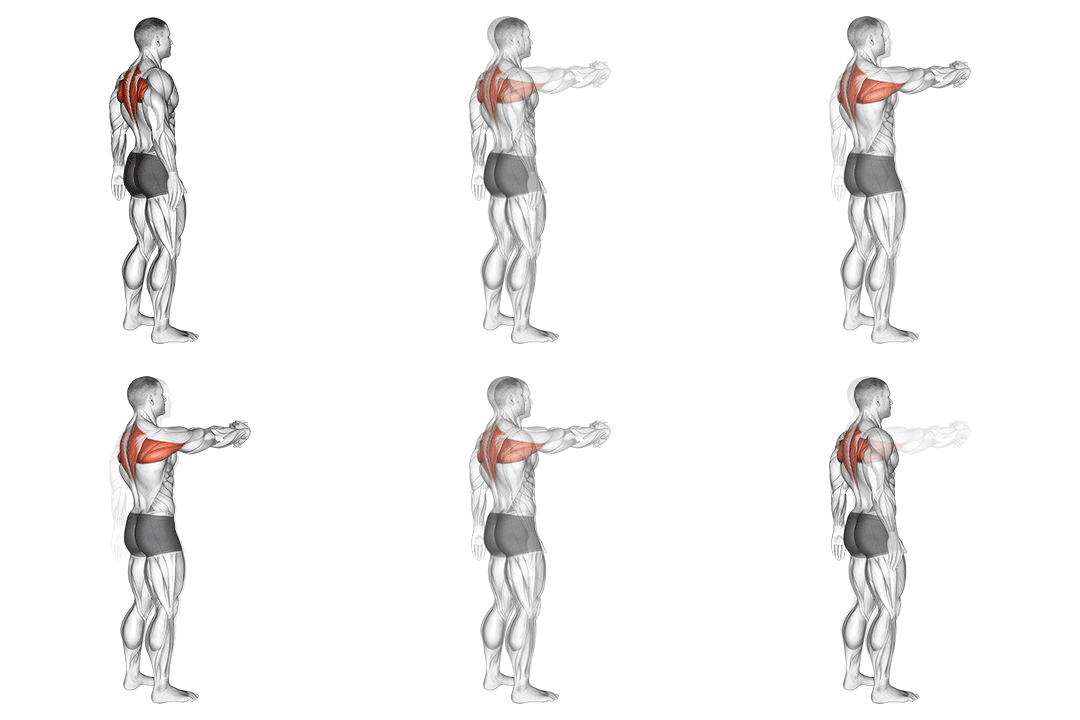
How to Perform Upper Back Stretch
- Stand up straight with your feet shoulder-width apart.
- Extend your arms straight in front of you, parallel to the ground.
- Interlace your fingers and rotate your palms away from your body.
- Slowly raise your arms overhead, keeping them straight and parallel to each other.
- As you raise your arms, squeeze your shoulder blades together.
- Hold the stretch for 15-30 seconds, then release and repeat.
Best Upper Back Stretch Alternatives
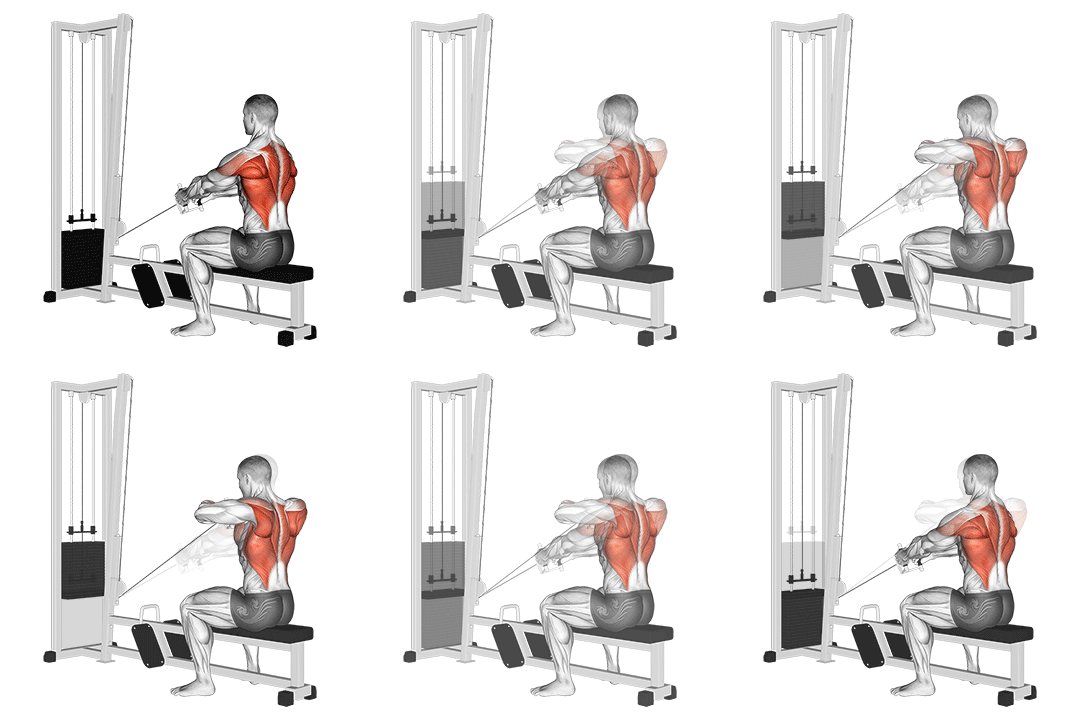
1. Cable Upper Row
73.8% MatchHow to perform this exercise
- Attach a straight bar to a cable machine at chest height.
- Stand facing the machine with your feet shoulder-width apart.
- Grasp the bar with an overhand grip, hands slightly wider than shoulder-width apart.
- Keep your back straight and your core engaged.
- Pull the bar towards your upper chest, squeezing your shoulder blades together.
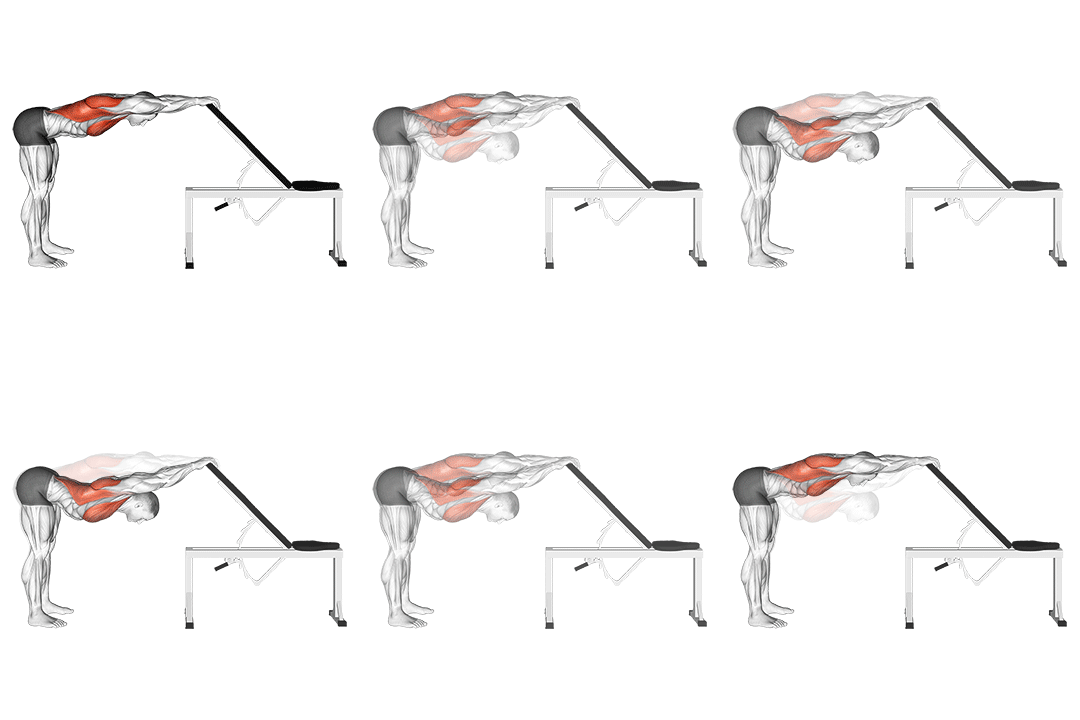
2. Back Pec Stretch
65% MatchHow to perform this exercise
- Stand tall with your feet shoulder-width apart.
- Extend your arms straight out in front of you, parallel to the ground.
- Cross your arms in front of your body, with your right arm over your left arm.
- Interlock your fingers and rotate your palms away from your body.
- Slowly raise your arms up and away from your body, feeling a stretch in your back and chest.
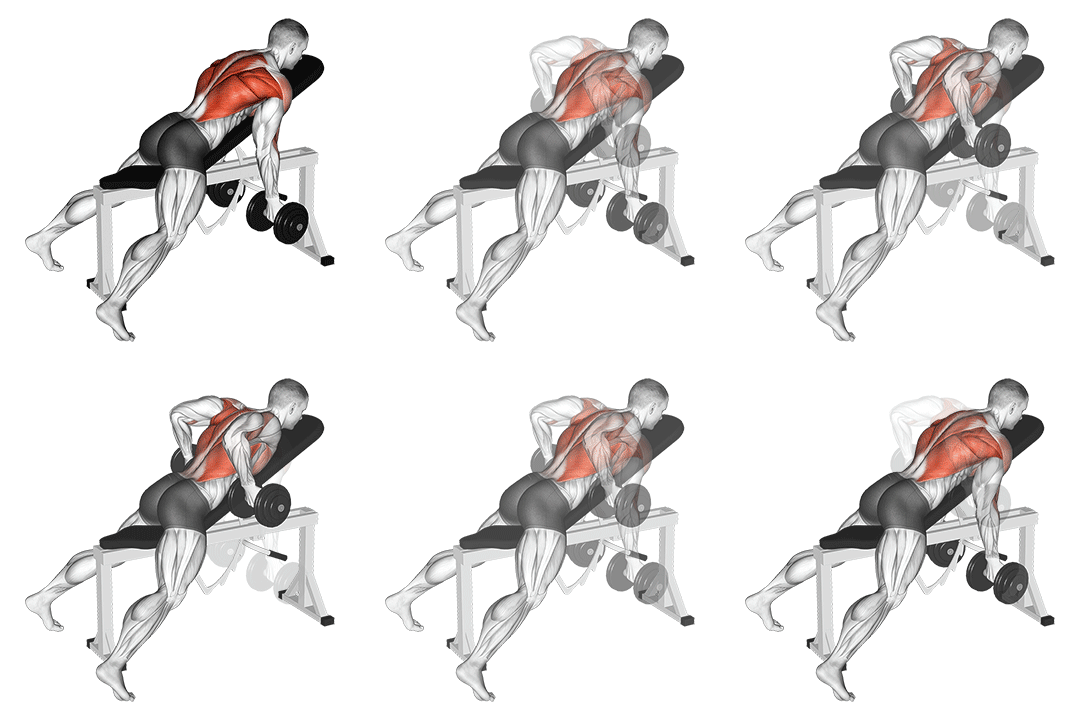
3. Dumbbell Lying Rear Delt Row
64% MatchHow to perform this exercise
- Lie face down on a flat bench with a dumbbell in each hand, palms facing inwards.
- Extend your arms straight down towards the floor, keeping a slight bend in your elbows.
- Engaging your back muscles, lift the dumbbells up towards your chest, squeezing your shoulder blades together.
- Pause for a moment at the top, then slowly lower the dumbbells back down to the starting position.
- Repeat for the desired number of repetitions.
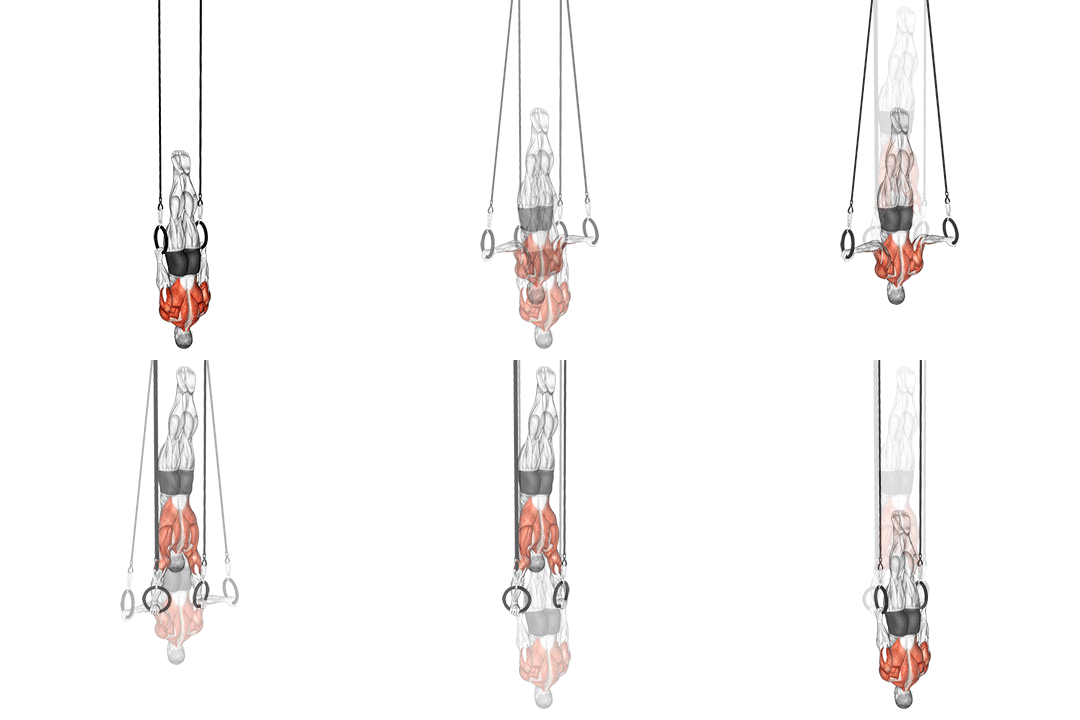
4. Elevator
62.9% MatchHow to perform this exercise
- Stand with your feet shoulder-width apart and your knees slightly bent.
- Place your hands on your hips or cross them in front of your chest.
- Keeping your back straight, slowly bend forward at the waist, lowering your upper body towards the ground.
- Pause for a moment at the bottom, then slowly raise your upper body back up to the starting position.
- Repeat for the desired number of repetitions.
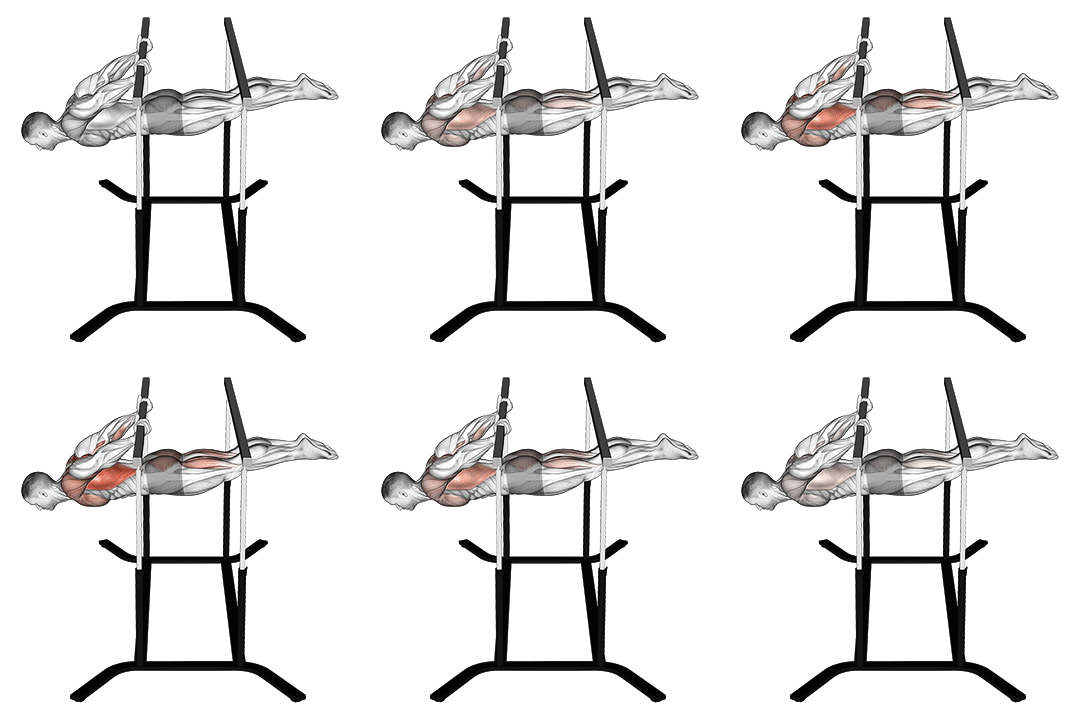
5. Back Lever
62.3% MatchHow to perform this exercise
- Start by hanging from a pull-up bar with an overhand grip, hands slightly wider than shoulder-width apart.
- Engage your core and pull your shoulder blades down and back.
- Bend your knees and tuck them towards your chest.
- Slowly lift your legs up, keeping them straight, until your body is parallel to the ground.
- Hold this position for a few seconds, then slowly lower your legs back down to the starting position.
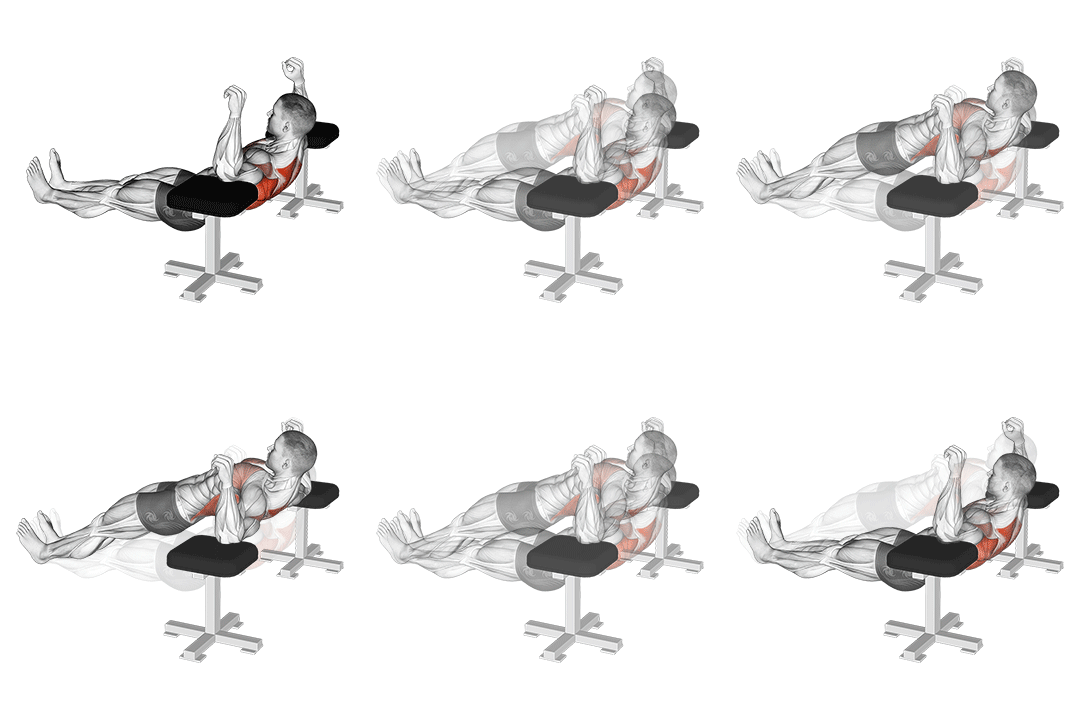
6. Elbow Lift - Reverse Push-up
62.1% MatchHow to perform this exercise
- Start by lying face down on the ground with your legs extended and your hands placed directly under your shoulders.
- Engage your core and press through your palms to lift your upper body off the ground, keeping your elbows close to your sides.
- Pause at the top for a moment, squeezing your upper back muscles.
- Slowly lower your body back down to the starting position.
- Repeat for the desired number of repetitions.
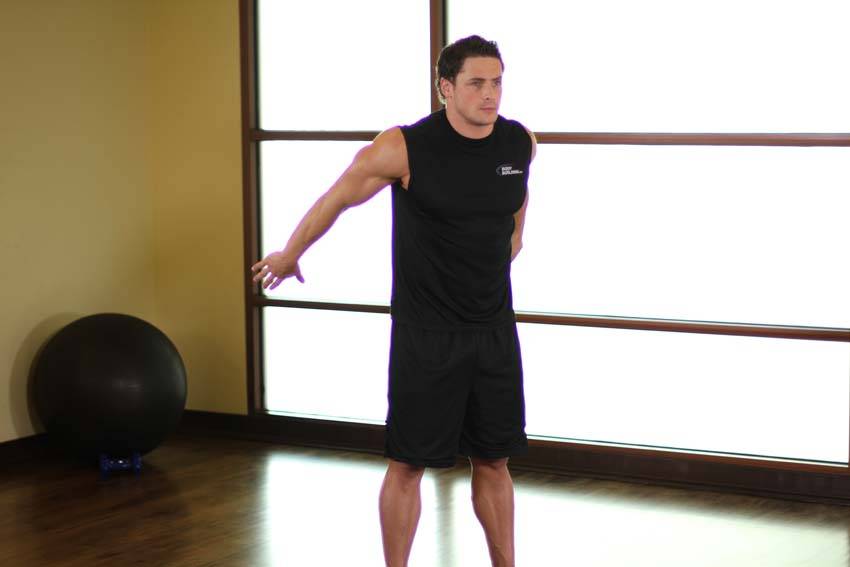
7. Dynamic Back Stretch
61% MatchHow to perform this exercise
- Stand with your feet shoulder width apart. This will be your starting position.
- Keeping your arms straight, swing them straight up in front of you 5-10 times, increasing the range of motion each time until your arms are above your head.
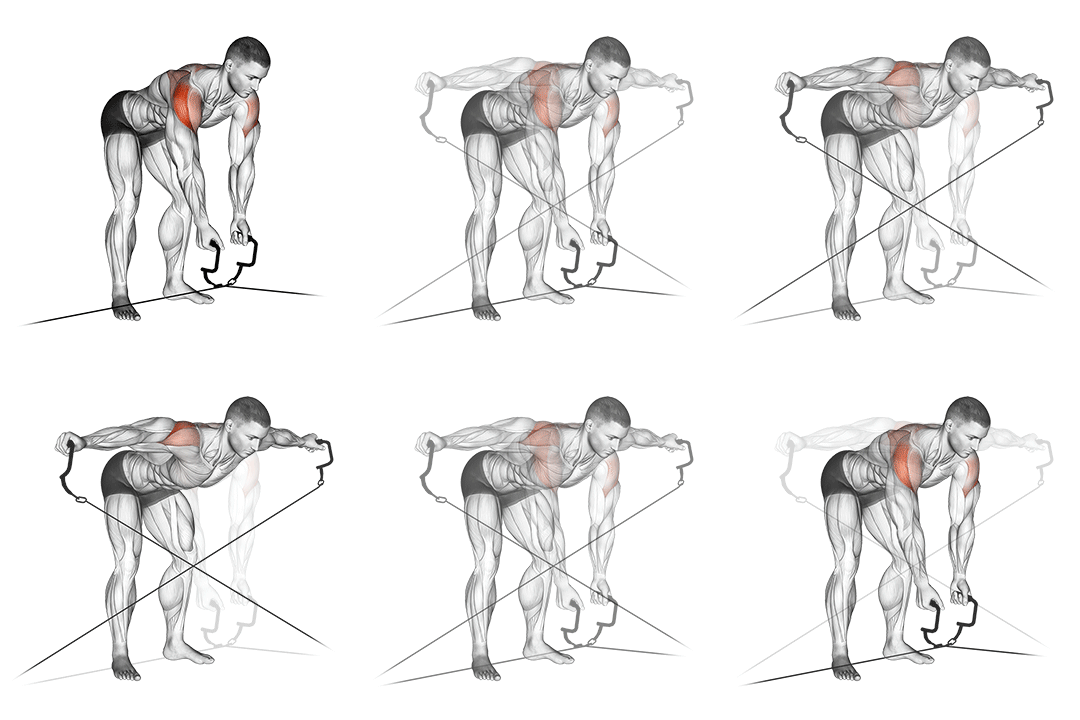
8. Cable Cross-over Revers Fly
60.7% MatchHow to perform this exercise
- Attach a D-handle to each low pulley cable and stand in the middle of the cable crossover machine.
- Grasp the handles with a pronated grip (palms facing down) and take a step forward, positioning your feet shoulder-width apart.
- Bend your knees slightly and lean forward at the waist, keeping your back straight and your abs engaged.
- With your arms extended out to the sides and slightly bent at the elbows, exhale and squeeze your shoulder blades together as you pull the cables back and upward in a reverse fly motion.
- Pause for a moment at the peak contraction, then inhale and slowly return to the starting position.
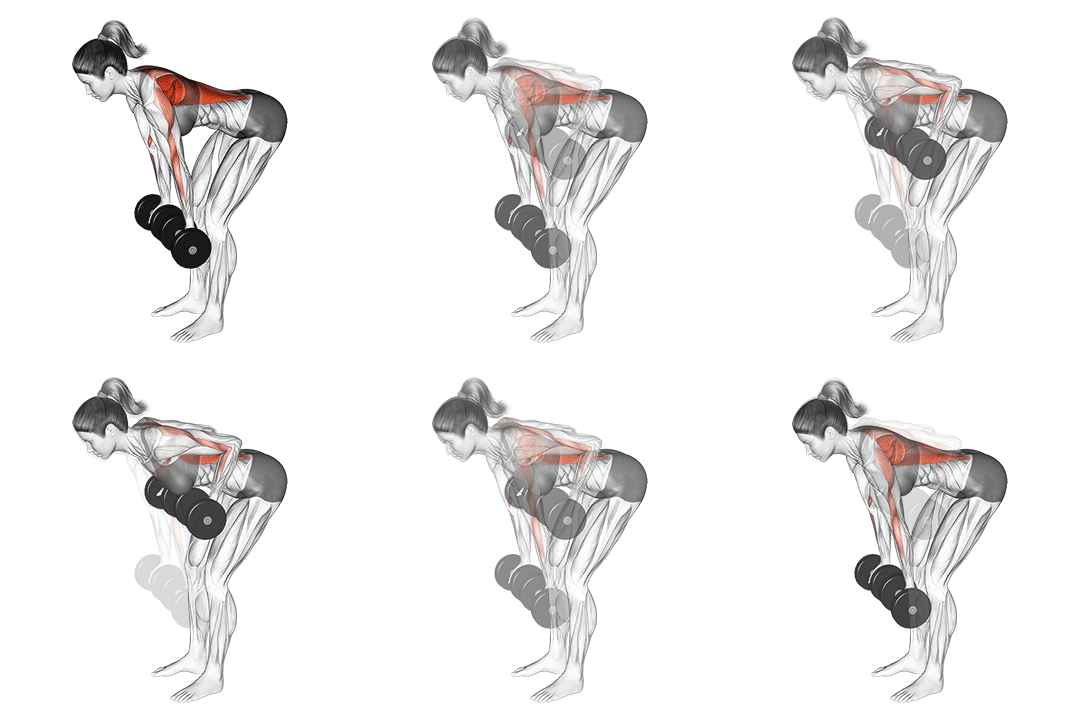
9. Dumbbell Reverse Grip Row (female)
60.3% MatchHow to perform this exercise
- Stand with your feet shoulder-width apart and knees slightly bent.
- Hold a dumbbell in each hand with an overhand grip, palms facing your body.
- Bend forward at the waist, keeping your back straight and your core engaged.
- Let your arms hang straight down, fully extended, with a slight bend in your elbows.
- Pull the dumbbells up towards your chest, squeezing your shoulder blades together.
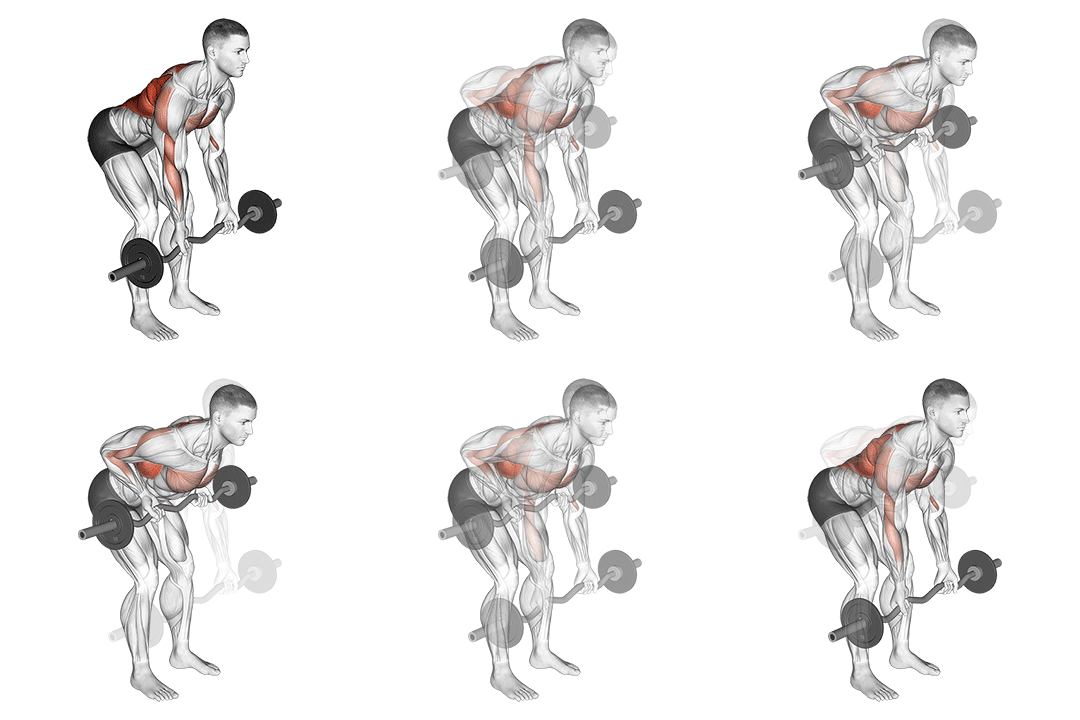
10. Ez Bar Reverse Grip Bent Over Row
60.3% MatchHow to perform this exercise
- Stand with your feet shoulder-width apart and knees slightly bent.
- Hold the ez barbell with an underhand grip, palms facing up, and hands shoulder-width apart.
- Bend forward at the hips, keeping your back straight and chest up, until your torso is almost parallel to the floor.
- Pull the ez barbell towards your lower chest, squeezing your shoulder blades together.
- Pause for a moment at the top, then slowly lower the ez barbell back to the starting position.
Why You Might Need a Upper Back Stretch Alternative
You might substitute the Upper Back Stretch for several reasons: acute shoulder or neck pain, limited thoracic range, inability to kneel or lie prone, or a need for active loading rather than passive lengthening. The original stretch isolates thoracic extension and scapular retraction; alternatives change the biomechanics—some increase active scapular muscle activation (band pull-aparts, face pulls), others restore segmental rotation (thread-the-needle, seated rotations) or provide low-load decompression (child’s pose). Cue for a scapular-focused option: pull shoulder blades down and back while keeping the neck neutral to recruit middle and lower trapezius and rhomboids.
How to Choose the Right Substitute
Match the substitute to your goal, pain profile, and available equipment. For thoracic mobility pick foam-roll extensions or seated rotations; cue: keep ribs stacked over pelvis and extend between the shoulder blades. For pain relief select low-load holds like child's pose with scapular protraction and diaphragmatic breathing to calm guarding. For activation and strength use band pull-aparts or prone Y-raises with a 1–2 second peak squeeze to load rhomboids and lower traps. Progress by increasing range, time under tension, or external load while monitoring scapular mechanics and neck position.
Frequently Asked Questions
What muscles does Upper Back Stretch work?
The Upper Back Stretch increases thoracic extension and scapular retraction, targeting thoracic erectors, rhomboids, and the middle and lower trapezius. It also lengthens anterior shoulder tissues, relieving pec minor tightness. Cue: initiate the movement from between the shoulder blades rather than jutting the chin.
What is the best bodyweight alternative to Upper Back Stretch?
Quadruped thoracic rotations (thread-the-needle) are the top bodyweight substitute. From all fours, thread one arm under the opposite armpit then rotate up toward the ceiling; keep hips square and initiate motion from the T-spine to load rotators and upper-back stabilizers.
Can I build muscle without doing Upper Back Stretch?
Yes. Building upper-back muscle requires progressive loading through rows, pull variations, and face pulls rather than passive stretches. Use controlled concentric-eccentric reps and hold a 1–2 second peak contraction to hypertrophy rhomboids, traps, and posterior deltoids; reserve stretches for mobility and recovery.
More Exercise Alternatives
Find Alternatives for Any Exercise
Use our free tool to discover the best substitute exercises based on your available equipment and goals.
Try the Exercise Substitution Finder →