

10 Best Weighted Donkey Calf Raise Alternatives for Limited Gear
If you can’t do the weighted donkey calf raise, use standing calf raises, seated calf raises, single-leg heel raises, leg-press calf raises, or machine donkey variations. Focus on full ankle plantarflexion and a slow eccentric. For example, perform standing calf raises with toes forward and descend until the heel drops below the step.
Original Exercise: Weighted Donkey Calf Raise
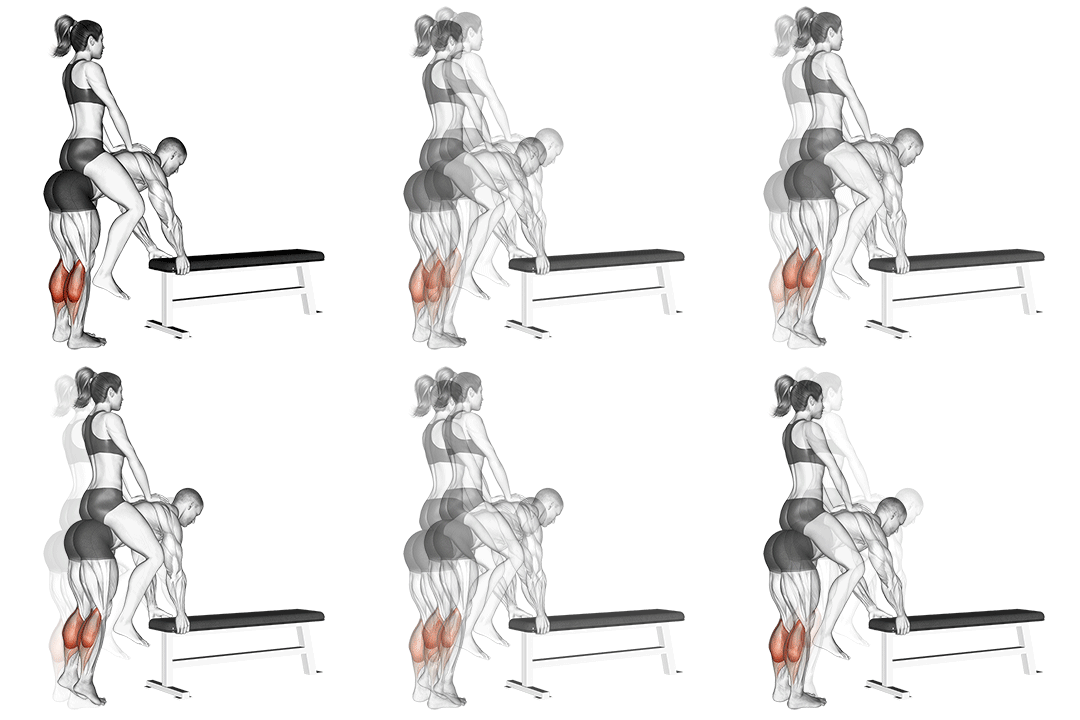
How to Perform Weighted Donkey Calf Raise
- Stand on a raised platform with your toes on the edge and your heels hanging off.
- Hold onto a stable object for support.
- Raise your heels as high as possible by extending your ankles.
- Pause for a moment at the top, then slowly lower your heels back down to the starting position.
- Repeat for the desired number of repetitions.
Best Weighted Donkey Calf Raise Alternatives
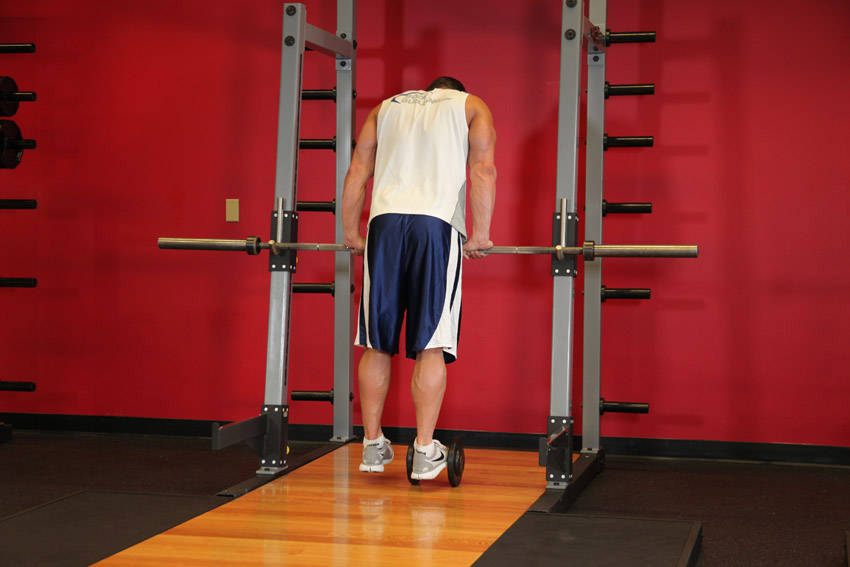
1. Calf Raise On A Dumbbell
99.4% MatchHow to perform this exercise
- Hang on to a sturdy object for balance and stand on a dumbbell handle, preferably one with round plates so that it rolls as in this manner you have to work harder to stabilize yourself; thus increasing the effectiveness of the exercise.
- Now roll your foot slightly forward so that you can get a nice stretch of the calf. This will be your starting position.
- Lift the calf as you roll your foot over the top of the handle so that you get a full extension. Exhale during the execution of this movement. Contract the calf hard at the top and hold for a second. Tip: As you come up, roll the dumbbell slightly backward.
- Now inhale as you roll the dumbbell slightly forward as you come down to get a better stretch.
- Repeat for the recommended amount of repetitions.
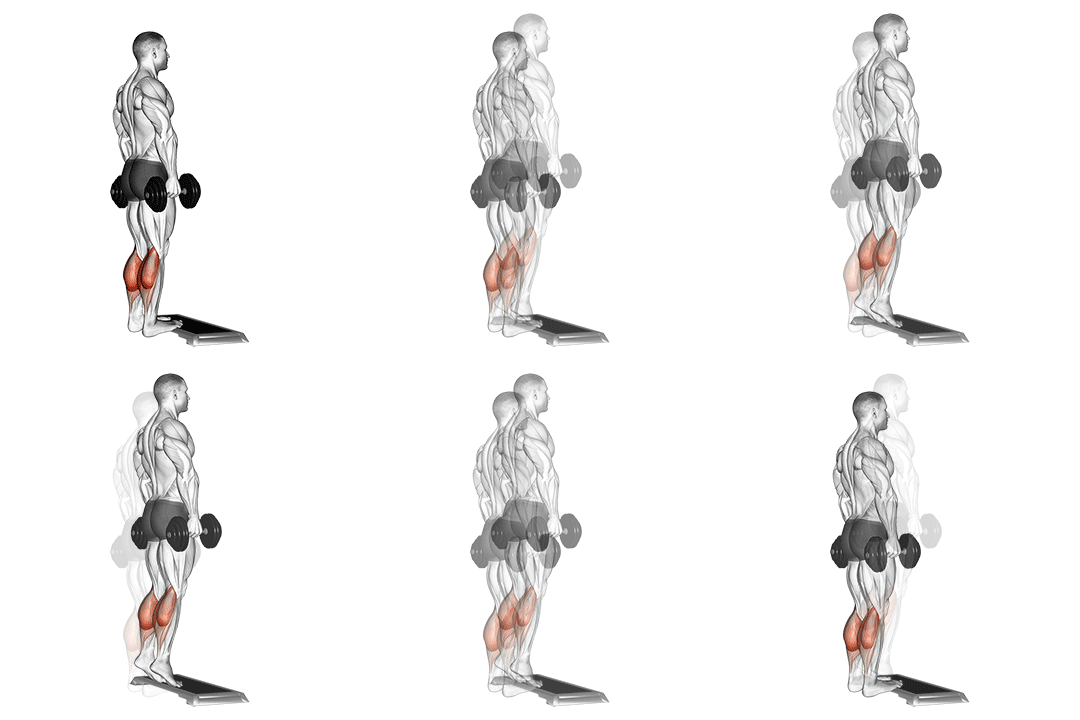
2. Dumbbell Standing Calf Raise
99.4% MatchHow to perform this exercise
- Stand with your feet shoulder-width apart, holding a dumbbell in each hand.
- Raise your heels off the ground as high as possible, using your calves.
- Pause for a moment at the top, then slowly lower your heels back down to the starting position.
- Repeat for the desired number of repetitions.
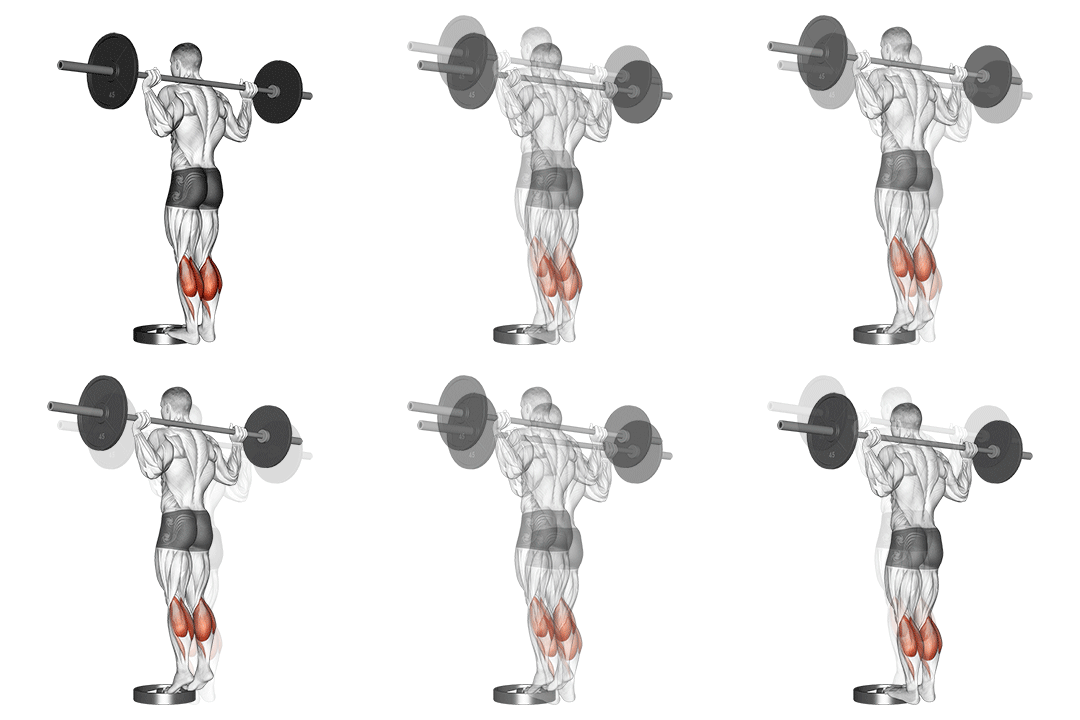
3. Barbell Standing Calf Raise
91.2% MatchHow to perform this exercise
- Stand with your feet shoulder-width apart and place a barbell across your upper back.
- Raise your heels off the ground as high as possible, using only your toes.
- Pause for a moment at the top, then slowly lower your heels back down to the starting position.
- Repeat for the desired number of repetitions.
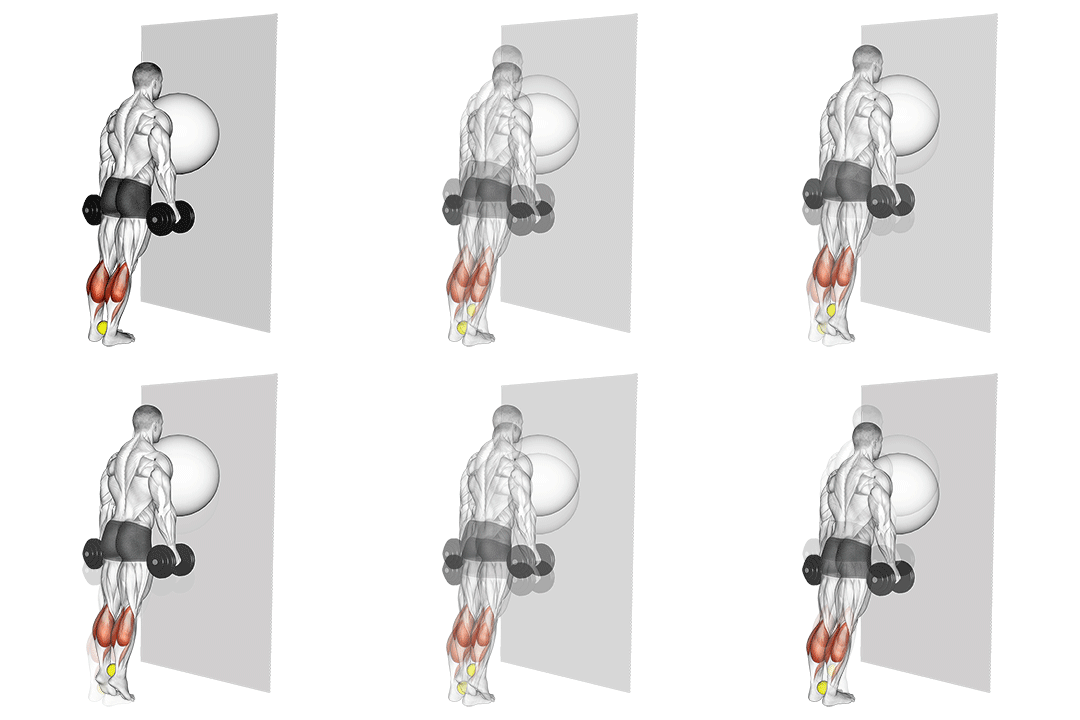
4. Exercise Ball On The Wall Calf Raise (tennis Ball Between Ankles)
89.7% MatchHow to perform this exercise
- Stand facing a wall with your feet shoulder-width apart.
- Place an exercise ball between the wall and your lower back.
- Hold a dumbbell in each hand, with your arms extended by your sides.
- Place a tennis ball between your ankles.
- Raise your heels off the ground, lifting your body up onto your toes.
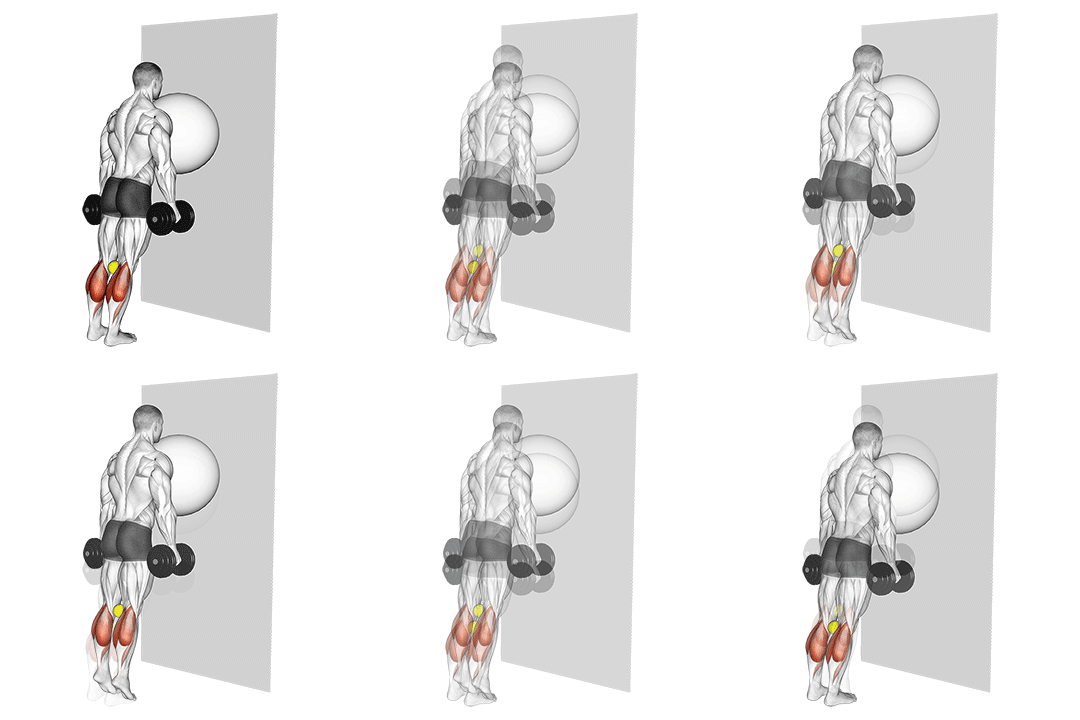
5. Exercise Ball On The Wall Calf Raise (tennis Ball Between Knees)
89.7% MatchHow to perform this exercise
- Stand with your back against a wall and place an exercise ball between your lower back and the wall.
- Position your feet shoulder-width apart and slightly in front of you.
- Hold a dumbbell in each hand, with your arms extended by your sides.
- Place a tennis ball between your knees.
- Raise your heels off the ground, lifting your body up onto your toes.
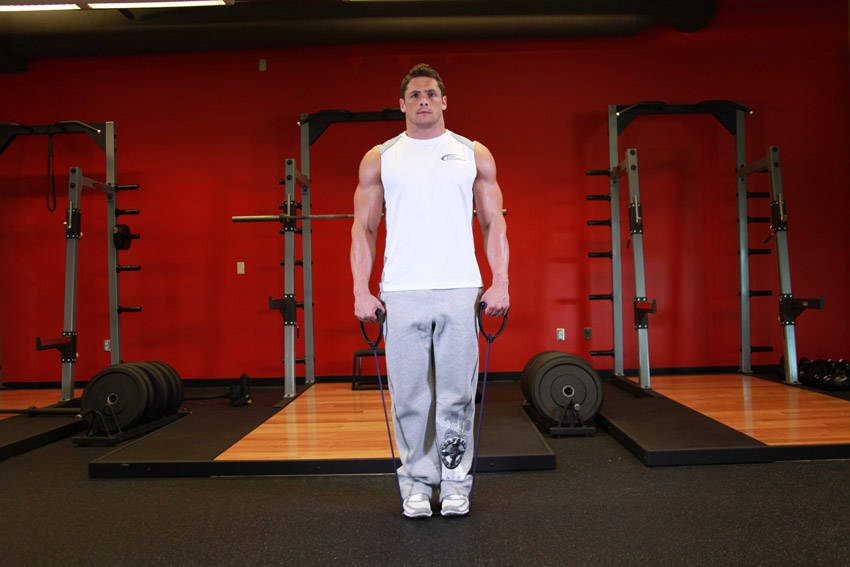
6. Calf Raises - With Bands
88.7% MatchHow to perform this exercise
- Grab an exercise band and stand on it with your toes making sure that the length of the band between the foot and the arms is the same for both sides.
- While holding the handles of the band, raise the arms to the side of your head as if you were getting ready to perform a shoulder press. The palms should be facing forward with the elbows bent and to the sides. This movement will create tension on the band. This will be your starting position.
- Keeping the hands by your shoulder, stand up on your toes as you exhale and contract the calves hard at the top of the movement.
- After a one second contraction, slowly go back down to the starting position.
- Repeat for the recommended amount of repetitions.
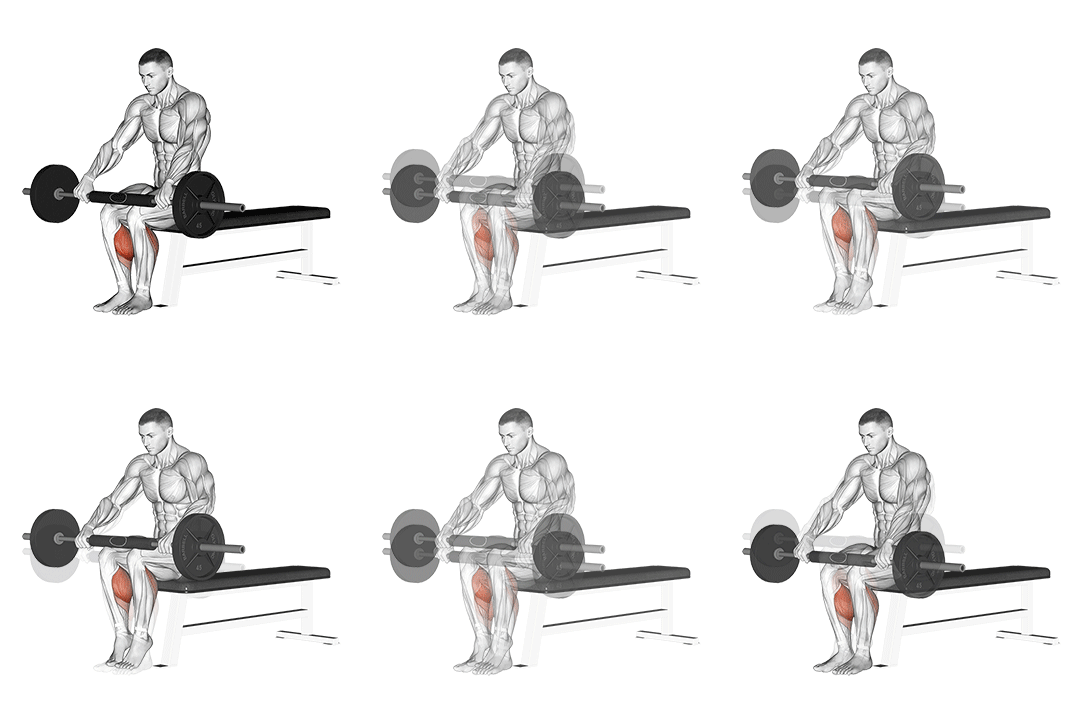
7. Barbell Seated Calf Raise
85.9% MatchHow to perform this exercise
- Sit on a bench with your feet flat on the floor and a barbell resting on your thighs.
- Place the balls of your feet on a raised platform, such as a block or step.
- Position the barbell across your thighs and hold it securely with your hands.
- Keeping your back straight and your core engaged, lift your heels off the ground by extending your ankles.
- Pause for a moment at the top, then slowly lower your heels back down to the starting position.
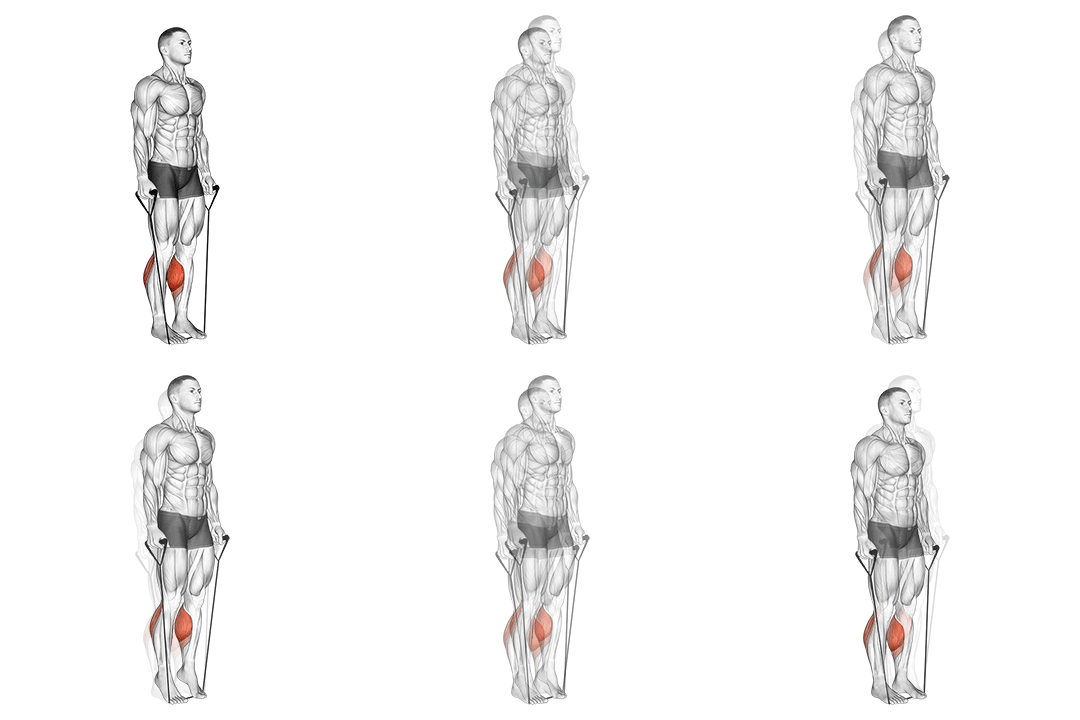
8. Band Two Legs Calf Raise - (band Under Both Legs) V. 2
84.9% MatchHow to perform this exercise
- Stand with your feet shoulder-width apart and place a resistance band under both feet.
- Hold the ends of the band with your hands for stability.
- Raise your heels off the ground as high as possible, using your calves.
- Pause for a moment at the top, then slowly lower your heels back down to the starting position.
- Repeat for the desired number of repetitions.
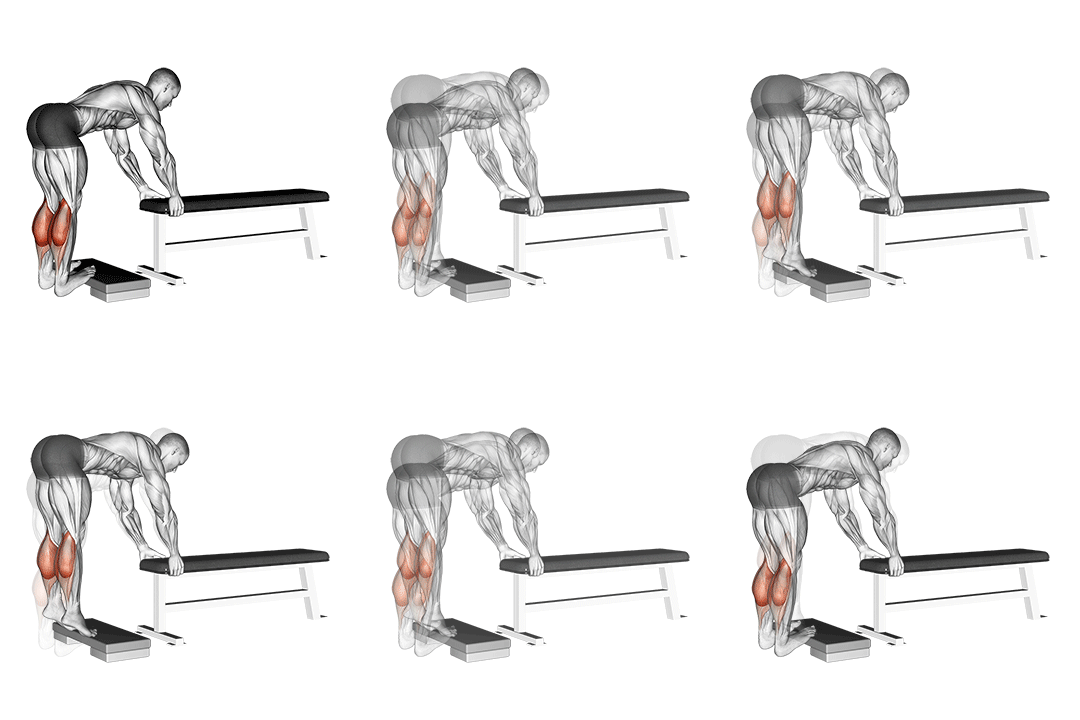
9. Donkey Calf Raise
83.9% MatchHow to perform this exercise
- Stand with your toes on an elevated surface, such as a step or block.
- Place your hands on a stable support, such as a wall or railing, for balance.
- Raise your heels as high as possible, lifting your body weight onto the balls of your feet.
- Pause for a moment at the top, then slowly lower your heels back down to the starting position.
- Repeat for the desired number of repetitions.
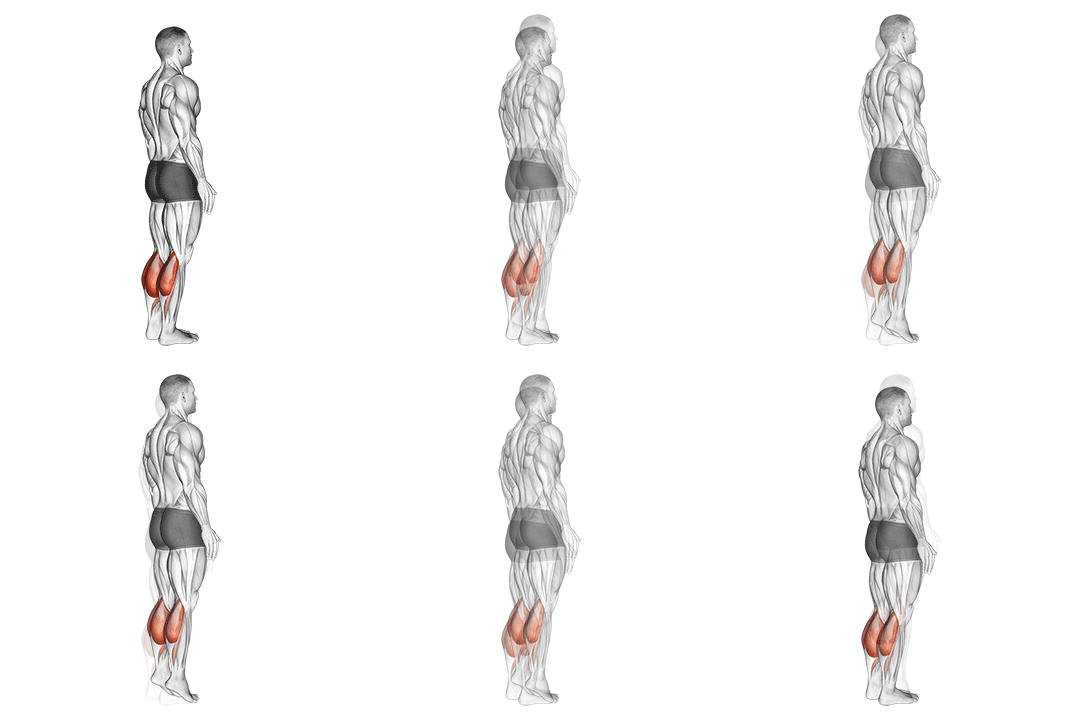
10. Bodyweight Standing Calf Raise
83.3% MatchHow to perform this exercise
- Stand with your feet shoulder-width apart, toes pointing forward.
- Place your hands on a wall or stable surface for balance.
- Slowly raise your heels off the ground, lifting your body weight onto the balls of your feet.
- Pause for a moment at the top, then slowly lower your heels back down to the starting position.
- Repeat for the desired number of repetitions.
Why You Might Need a Weighted Donkey Calf Raise Alternative
You may need substitutes because of gym setup, lower-back discomfort from bending at the hips, or the lack of a dedicated donkey-raise machine. Injuries like Achilles tendinopathy or limited ankle dorsiflexion can also make the position painful. Substitutes let you target the gastrocnemius and soleus without spinal loading. Choose seated calf raises to bias the soleus by flexing the knee to ~90 degrees, or use a leg-press calf raise to keep the spine neutral while driving through the forefoot. Maintain deliberate plantarflexion and a controlled 2–3 second eccentric on any replacement to keep muscle tension high.
How to Choose the Right Substitute
Prioritize the muscle emphasis, available load, and ankle range of motion. If you want gastrocnemius thickness, pick standing or machine standing calf raises with a straight knee and full plantarflexion; cue knees straight and drive through the big toe. For soleus focus, select seated calf raises and keep the knee bent about 90 degrees. If balance is limited, use the leg press for a more stable hypertrophy set-up and cue a full heel drop to maximize stretch. Also consider progressive overload capability: choose a variation where you can add weight or increase reps reliably.
Frequently Asked Questions
What muscles does Weighted Donkey Calf Raise work?
The exercise primarily loads the gastrocnemius and the soleus via ankle plantarflexion, with higher gastrocnemius activation when the knee is extended. Cue a full plantarflexion contraction and control the eccentric to maximize gastrocnemius and soleus tension.
What is the best bodyweight alternative to Weighted Donkey Calf Raise?
Single-leg standing calf raises are the top bodyweight substitute because they increase load per limb and improve balance. Perform them on a step, push through the forefoot into full plantarflexion, and lower slowly to a full stretch to emphasize the calf muscles.
Can I build muscle without doing Weighted Donkey Calf Raise?
Yes. Progressive overload on alternatives like heavy standing calf raises, seated calf raises, and single-leg variations will build calf muscle. Ensure you add load or reps over time and use full range of motion with a controlled eccentric to stimulate hypertrophy.
More Exercise Alternatives
Find Alternatives for Any Exercise
Use our free tool to discover the best substitute exercises based on your available equipment and goals.
Try the Exercise Substitution Finder →